
Latest Articles
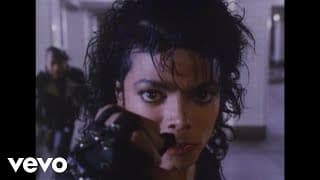
Michael Jackson - Bad (Shortened Version)
Artist Origin: Michael Jackson was born in Gary, Indiana, USA, on August 29, 1958. He rose to fame as a member of the Jackson 5 in the late 1960s before establishing an incredibly successful solo career. Known as the "King of Pop," Jackson became a global icon for his innovative music, groundbreaking music videos, and exceptional dance moves. Genre: The song "Bad" falls primarily into the pop genre, but it also incorporates elements of rock, funk, and dance music, showcasing Jackson's versatility as an artist. Overall Theme: "Bad" centers on themes of self-confidence, assertiveness, and defiance. Jackson portrays a character who demands respect and refuses to be underestimated, suggesting a transition from vulnerability to empowerment. Key Lyrics Analysis: A notable line from the song is "I'm bad, I'm bad—come on, you know I'm bad" which emphasizes an assertion of strength and confidence. This repeated declaration of being "bad" serves to challenge societal expectations and affirm personal identity. It represents a reclamation of the term, transforming it from a negative connotation into a badge of honor. Emotional Tone: The song conveys a sense of bravado and confidence, with an underlying tension between vulnerability and power. There's an energetic and almost rebellious tone that invites listeners to embrace their own strength. Cultural Context: Released in 1987, "Bad" became emblematic of the late 80s music scene. The song's music video, directed by Martin Scorsese, features groundbreaking choreography and visual style, influencing future pop culture and music videos. The phrase "bad" itself was redefined in this era to signify assertiveness, especially in youth culture. Artist Context: "Bad" is a significant part of Michael Jackson’s career, marking his transition into a mature artist following the massive success of "Thriller." The album "Bad" not only solidified his influence in the pop music genre but also demonstrated his ability to craft hits that resonate with themes of independence and self-empowerment. This era set the stage for Jackson’s legacy as an artist who not only entertained but also inspired generations.

Michael Jackson - Smooth Criminal (Official Video)
Artist Origin: Michael Jackson was born in Gary, Indiana, USA, on August 29, 1958. Known as the "King of Pop," he gained fame as a child star with the Jackson 5 and later embarked on a solo career that revolutionized the music industry. His innovative music, groundbreaking music videos, and unmatched stage presence solidified his status as a global icon. Genre: "Smooth Criminal" fits primarily within the genres of pop and rock, with strong influences of new jack swing, incorporating a rhythmic blend of dance music and hip-hop elements. Overall Theme: The song recounts a violent narrative centered around a character named Annie, who has been attacked in her apartment by a smooth-talking assailant. The lyrics paint a vivid picture of crime and danger while also inviting listeners to engage with the upbeat, danceable music that contrasts with the dark subject matter. Key Lyrics Analysis: One of the song's most notable lines is the chorus: *"Annie, are you okay? Will you tell us that you're okay?"* This refrain calls out to the victim, highlighting a sense of urgency and concern in the midst of chaos. It suggests a quest for reassurance amid the violence, emphasizing the disconnect between the cheerful sound of the song and its grim storyline. Emotional Tone: The emotional tone of "Smooth Criminal" is a mix of urgency, tension, and intrigue. The driving beat and the vibrant energy of Jackson's performance create an exhilarating experience, while the lyrical content provokes a chilling sense of danger. Cultural Context: Released in 1987 as part of the "Bad" album, "Smooth Criminal" reflects the societal issues of crime and violence in urban settings. Its impact was amplified by a groundbreaking music video that showcased Jackson's iconic dance moves and visual storytelling, further ingraining it into popular culture. Artist Context: "Smooth Criminal" is one of Michael Jackson's signature songs and a staple of his live performances. It represents a crucial evolution in his career, showcasing his ability to blend narrative storytelling with dance and visual artistry, ultimately contributing to the legacy he created in the music industry.

ラッキー・ブルート - Lucky Bruto
Artist Origin: Ado is a Japanese singer-songwriter known for her unique vocal style and a diverse range of music. She gained notable fame through the internet and platforms like Vocaloid. With her powerful voice and signature style, Ado has become a prominent figure in the Japanese pop and rock scene. Genre: This song falls primarily within the genres of J-Pop and alternative rock, characterized by its energetic rhythm, expressive vocals, and eclectic sound. Overall Theme: "Lucky Bruto" explores feelings of discontent and existential angst. The lyrics convey a struggle with chaotic emotions while also addressing societal expectations and personal dissatisfaction. It encapsulates a sense of frustration laced with a desire for liberation from these constraints. Key Lyrics Analysis: - The lines "たらたら ブルー ブルー" (tartara buru buru) can be translated as "slowly, blue, blue," suggesting a sense of lethargy or sadness that permeates the speaker's daily life. - "ヘイミスター" (Hey Mr.) acts as an address to an indistinct figure, symbolizing authority or society's expectations. The repeated inquiries about anger and frustration highlight an internal conflict: “狂ったり 怒り 否 ナ ナ” ("crazy and angry, no, no"). - The phrase "嫌になるまで" (until I get tired of it) conveys a sense of surrender to ongoing struggles, illustrating a deep-rooted dissatisfaction with one's circumstances. Emotional Tone: The song conveys a mix of frustration, sadness, and rebellious energy. There's a palpable sense of chaos and anger, juxtaposed with the lightness of a catchy melody, reflecting a complex emotional landscape. Cultural Context: In contemporary Japanese culture, discussions around mental health and emotional struggles are increasingly prevalent. The lyrics reflect a generational conflict where young people often feel burdened by societal expectations and seek to vocalize their inner turmoil. Artist Context: "Lucky Bruto" fits into Ado's career as a reflection of her artistic evolution. Known for tackling heavy themes in her music, this song continues her trend of blending personal narratives with broader societal issues, showcasing her growth and unique voice in the J-Pop scene.

抜け空 - Nukegara
Artist Origin: Ado is a Japanese singer and songwriter, known for her deep and powerful voice. She gained popularity on platforms like Vocaloid and YouTube, making a mark in the J-pop scene with a distinctive style that combines various genres. Ado debuted in 2020 with her song "Usseewa" and quickly became a prominent figure in contemporary Japanese music. Genre: "Nukegara" blends elements of J-pop with rock influences, showcasing Ado's unique vocal delivery and emotional intensity. The song features a mix of melodic lines and more aggressive rock instrumentation, typical of her style. Overall Theme: The song "Nukegara" captures the struggle of navigating adulthood, societal pressures, and personal identity. It reflects on the disillusionment that comes with growing up while longing for authenticity in a world filled with expectations and superficiality. Key Lyrics Analysis: - "空の青さが 涙の滲んだ跡なら" (If the blue of the sky is the trace of my sobs): This line suggests that the beauty of the sky contrasts with the pain hidden within, setting a tone of melancholy and introspection. - "納得のできる生き方など 死に方さえも人それぞれならば" (If there are different ways to live and even to die): This verse emphasizes individuality in life choices, highlighting the subjective nature of existence and the pressures that come with them. - "いっそ何も考えなく 答えようぜ僕ら" (Let’s just stop thinking and answer): This reflects a desire to escape the burdens of thought and expectation, advocating for a more liberated approach to life. Emotional Tone: The song conveys a mix of sadness, frustration, and yearning. Ado's passionate delivery evokes a sense of hopelessness but also a desire for freedom and authenticity. The emotional depth of the lyrics resonates with listeners who have experienced similar struggles. Cultural Context: In Japan, there's often immense societal pressure to conform to expectations, especially regarding success and adulthood. "Nukegara" touches upon this cultural reality, resonating with young adults who find it challenging to balance personal desires with societal norms. Artist Context: "Nukegara" fits into Ado’s larger body of work as an exploration of identity and the challenges of modern life. Like her earlier hits, this song continues to showcase her distinct voice and style while delving deeper into themes that resonate with her generation. Ado's ability to articulate the complexities of youth experience solidifies her role as a voice for the disenchanted and the authentic.
DIGNITY
Artist Origin Ado is a Japanese singer-songwriter from Japan, known for her powerful vocals and unique musical style that blends pop, rock, and vocaloid influences. She gained widespread attention through her songs on platforms like TikTok and has become a prominent figure in the J-Pop scene since her debut in 2020. Genre The song "DIGNITY" falls within the genres of J-Pop and rock, with elements that incorporate emotional balladry and anthemic choruses. Overall Theme "DIGNITY" explores the themes of love, identity, and the search for freedom amidst societal constraints. It reflects a deep longing for connection and the struggles individuals face in understanding their emotions and destinies. Key Lyrics Analysis - "ねえ 大事なもの問われ あなたなら何と答えるでしょう" (Hey, when asked what is important, what would you answer?) This line prompts introspection about values and priorities in relationships, encouraging listeners to reflect on their own responses to love and significance. - "幸せを奪い合う ボクら水槽の中で" (We compete for happiness, like we are in a fishbowl) This metaphor highlights feelings of confinement and competition in the search for happiness, suggesting that individuals may struggle for fulfillment in a shared space. - "愛は傷つけてしまうの" (Love can cause hurt) This line conveys the duality of love, recognizing that while love can bring joy, it also has the potential to inflict pain, encapsulating the complexity of human emotions. Emotional Tone The song conveys a mix of hopefulness, melancholy, and introspection. There’s a yearning for connection and understanding, intertwined with the acknowledgment of pain and uncertainty related to love and destiny. Cultural Context In Japanese culture, themes of self-discovery, societal expectations, and emotional expression play a vital role in artistic works. "DIGNITY" resonates particularly in contemporary discussions about mental health and individualism in modern Japanese society. Artist Context "DIGNITY" fits well within Ado's career as it showcases her distinctive vocal style and thematic depth, continuing her trend of addressing complex emotional issues through relatable lyrics and engaging melodies. It reflects her evolution as an artist, solidifying her position in the J-Pop landscape.
行方知れず - missing
Artist Origin Ado is a Japanese singer known for her unique vocal style and impactful lyrics. She gained fame through the platform Niconico and has become a prominent figure in the Vocaloid and J-Pop scenes. Ado's music often blends various styles, showcasing her versatility and emotional depth. Genre The song "行方知れず - missing" encompasses genres such as J-Pop, rock, and elements of alternative music. Its dynamic production and raw vocals contribute to its eclectic sound. Overall Theme The song explores themes of existential anxiety, the duality of human nature, and the conflict between personal desires and societal expectations. It reflects feelings of longing for connection and understanding in a chaotic world while grappling with the complexities of identity and intimacy. Key Lyrics Analysis 1. “いつか どこか 何だって欲しい 情報求ム 皆無” (Someday, somewhere, I want everything; I seek information, but there’s none.) This line expresses a deep yearning for connection and understanding, emphasizing a feeling of emptiness in the search for meaningful information or relationships. 2. “さあ問題見付かっちゃった 果たしてどっちの依頼?” (Well, a problem has been discovered; which request is it?) Here, the lyricist contemplates the nature of requests and relationships, questioning whether they are toxic or beneficial, hinting at the ambiguity of intentions in human interactions. 3. “ひょっとして真相より優に 自己解釈信じていないか” (Maybe I trust my interpretation more than the truth.) This line delves into self-deception and the subjective nature of truth, suggesting that personal interpretations may overshadow reality in personal relationships. Emotional Tone The song conveys a mixture of confusion, longing, and frustration. There is an underlying tension as the protagonist navigates feelings of anxiety and a quest for authenticity amidst overwhelming societal pressures. Cultural Context The song reflects aspects of modern Japanese society, particularly the struggle with mental health and the impact of technology on relationships. The references to being “リア充” (in a fulfilling relationship) and “ネット充” (fully engaged online) highlight the societal focus on appearances and digital presence. Artist Context "行方知れず - missing" fits well within Ado's career, showcasing her distinct blend of emotional storytelling and powerful vocals. As Ado continues to evolve as an artist, this song further establishes her capability to tackle complex themes, making her work resonate with a diverse audience.

Rendezvous (feat. Yeat)
Artist Origin Don Toliver is an American rapper, singer, and songwriter from Houston, Texas. He gained prominence through his distinct vocal style and incorporation of melodic elements in hip-hop, especially after signing with Travis Scott's label, Cactus Jack Records. Toliver's music often melds elements of R&B and trap, showcasing his versatility as an artist. Genre "Rendezvous (feat. Yeat)" primarily falls under the hip-hop and trap genres, with influences of R&B. The song features melodic hooks and rhythmic flows characteristic of contemporary hip-hop. Overall Theme The song explores themes of desire and spontaneity, particularly in a club setting where attraction and physical connection are central. It reflects on romantic pursuits, casual encounters, and the thrill of living in the moment. Key Lyrics Analysis In the lyrics, “Diamonds on my head, diamonds on my shoes,” Toliver emphasizes wealth and success, using diamonds as a symbol of status. The line “I don’t want your friend, girl, I wanted you,” showcases directness in his romantic intentions, underscoring his desire to connect intimately without pretense. The phrase “We don’t need to say it, we just read the room” suggests a mutual understanding of attraction and chemistry, highlighting an implicit connection without the need for explicit communication. Emotional Tone The song exudes a carefree and playful emotional tone, characterized by confidence and a celebratory vibe typical of party anthems. It also carries a hint of seduction and allure, contributing to the overall feel of a fun night out. Cultural Context The song captures elements of modern nightlife and the club scene, reflecting the current cultural dynamics of romance and relationships. The use of slang and references to partying, along with elements like “shrooms,” hint at a contemporary, youthful lifestyle that blurs lines between affection and hedonism. Artist Context "Rendezvous (feat. Yeat)" fits into Don Toliver's career as a continuation of his exploration of themes surrounding love and nightlife. Following his breakout with the hit "No Idea," this track reinforces his signature sound and solidifies his position in the modern hip-hop landscape, reflecting both personal experiences and a broader cultural zeitgeist.

DAKWAH WAYANG BANDUNG USTAD RAMDAN, CERAMAH SUNDA LUCU TERBARU 2026
Artist Origin: The artist associated with "DAKWAH WAYANG BANDUNG USTAD RAMDAN, CERAMAH SUNDA LUCU TERBARU 2026" is likely from Indonesia, given the use of Sundanese language and cultural references. Ustad Ramdan Juniarsyah is likely a local figure known for combining religious teachings with humor in a cultural context relevant to his audience. Genre: The genre of this song falls under Islamic comedy and cultural entertainment, particularly focusing on traditional elements such as "wayang," which refers to Javanese shadow puppetry, and "ceramah," which denotes religious sermons. Overall Theme: This song aims to entertain while disseminating Islamic teachings through humor. It reflects a blend of spiritual engagement and cultural entertainment, specifically targeting a local Sundanese audience with a light-hearted approach. Key Lyrics Analysis: The lyrics "Dakwah wayang cepot dawala dan Ustad Ramdan juniarsyah ceramah sunda lucu" highlight the integration of traditional puppet theatre ("wayang") with comedic religious sermons. The phrase translates to "Wayang comedy cepot as taught by Ustad Ramdan Juniarsyah," illustrating how he utilizes local art forms to convey important messages, making religious teachings more accessible and enjoyable to his audience. Emotional Tone: The song conveys a joyful and humorous emotional tone. It seeks to uplift spirits and provide entertainment while also engaging in religious discourse, creating a relaxed and friendly atmosphere. Cultural Context: The use of "wayang cepot" is significant as it represents a popular form of entertainment in Indonesian culture, particularly in West Java, where the Sundanese people reside. Through this blend of humor and traditional practices, the song fosters a sense of cultural identity and community. Artist Context: This song likely fits into Ustad Ramdan Juniarsyah's broader career of using entertainment as a medium for religious expression. His work typically bridges gaps between formal religious teachings and informal, relatable methods, making spirituality approachable for a diverse audience. By posting this song, he continues to build his repertoire in religious (and comedic) narrative, appealing to local sentiments and contemporary issues within the context of Islamic teachings.

Stay Gold (from BEYBLADE X)
Artist Origin: Jax Jones is a British DJ and producer known for his catchy electronic dance music. He hails from London, England, and has gained prominence in the music scene through collaborations and hit singles, earning acclaim for his energetic sound and contributions to the dance-pop genre. Genre: The song "Stay Gold (from BEYBLADE X)" can be classified primarily as dance-pop, with elements of electronic music and pop mixed throughout. This genre is characterized by its upbeat rhythm, catchy hooks, and accessibility. Overall Theme: "Stay Gold" is an anthem about resilience and perseverance in the face of challenges. It encourages listeners to embrace their unique journey, highlighting the importance of staying true to oneself while striving for greatness despite adversity. Key Lyrics Analysis: The lines "Writing the unwritten / We are here facing the unknown" reflect the song's focus on forging one’s path and embracing uncertainty. The phrase "You are not alone" serves as a rallying cry, instilling a sense of collective support and community. Additionally, the repeated encouragement to "Stay gold" signifies the idea of maintaining one’s originality and value regardless of external pressures. The Japanese lyrics showcase a journey towards a greater goal, reinforcing the call to embrace one's inner strength and follow dreams. Emotional Tone: The song conveys a feeling of determination and hope. Despite mentioning "dark and cloudy" skies, there is an overarching sense of optimism and empowerment, encouraging listeners to rise above difficulties and embrace their true selves. Cultural Context: "Stay Gold" is connected to the Beyblade franchise, which emphasizes competition, teamwork, and the journey of self-discovery. The cultural backdrop of this series resonates with themes of while facing challenges and striving for excellence, common in many youth-centric narratives. Artist Context: This song marks a significant entry in Jax Jones's career, showcasing his ability to blend electronic beats with motivational lyrics. As part of a larger multimedia project related to Beyblade, it highlights his versatility and appeal across different audiences, reinforcing his standing as a prominent figure in contemporary pop and dance music.
Excavator
Artist Origin: Don Toliver is an American artist hailing from Houston, Texas. He gained prominence through his collaborations with well-known artists and features on popular songs, which helped establish him as a rising star in the hip-hop and R&B scenes. Genre: The genre of "Excavator" can be classified as hip-hop and rap with elements of trap music. It showcases a blend of melodic hooks and rhythmic verses typical of contemporary urban music. Overall Theme: The song revolves around themes of hedonism, confidence, and success. It captures a carefree lifestyle filled with partying, romantic flings, and the pressures of fame and fortune, reflecting a modern take on the escapism found in nightlife culture. Key Lyrics Analysis: - "I'm the type to go and bring her home to take her on vacation": This line portrays a flamboyant lifestyle where the speaker is generous and adventurous with romantic partners, suggesting a desire for fun and excitement. - "Man, this shit gettin' so damn heavy in the back, gotta pick it with an excavator": Here, "heavy" likely refers to the weight of his responsibilities or the intensity of his lifestyle, while the "excavator" metaphor suggests that he must excavate or deal with his burdens. - "Shawty poppin' shrooms in the back room, she gon' need her a respirator": This line implies a wild party atmosphere where drug use is prevalent, hinting at both the highs and potential lows of such a lifestyle. Emotional Tone: The song conveys a mixture of excitement and brash confidence, coupled with a hint of recklessness. There’s an undercurrent of chaos that accompanies the celebration, featuring a carefree attitude toward relationships and partying. Cultural Context: "Excavator" taps into a contemporary hip-hop culture where themes of excess, experiences with substances, and high-energy party scenes are commonplace. The mention of luxury items and activities reflects a lifestyle often glamorized in rap music. Artist Context: This song fits into Don Toliver's burgeoning career as he continues to carve out a distinct identity in the music industry. Following hits like "No Idea" and collaborations with artists such as Travis Scott, "Excavator" reinforces his brand as a staple in the modern hip-hop landscape, showcasing his ability to blend catchy melodies with rap bravado.

No Pole
Artist Origin: Don Toliver is an American rapper and singer hailing from Houston, Texas. He gained significant recognition as part of the hip-hop collective "Escape Plan" and is known for his melodic style that blends elements of trap and R&B. Toliver first gained widespread fame with his feature on Travis Scott's song "No Idea" and subsequently released his debut album, "Heaven or Hell," in 2020. Genre: The genre of "No Pole" blends hip-hop and trap with melodic R&B influences, showcasing Don Toliver's unique vocal delivery and rhythmic style. Overall Theme: The song explores themes of transformation and escapism, focusing on a woman's decision to leave her life as a stripper behind. It reflects on the dynamics of relationships, power, and the support or influence one partner can have over another. Key Lyrics Analysis: - “She don't wanna strip no more, don't wanna hit that pole”: This line signifies a change in the woman's lifestyle. She desires to move away from her previous life as a stripper, highlighting a quest for a different kind of fulfillment. - “Shawty owe me something, better pay your toll”: This suggests an expectation of reciprocity in a relationship, indicating that there may be a transactional element to their interactions. - “I bought you time, I bought you diamonds, you can keep the receipt”: This line highlights both material and emotional investments in the relationship, suggesting that Toliver is serious about his commitment but also implying that he expects something in return. Emotional Tone: The song conveys a mix of confidence, longing, and a sense of streetwise pragmatism. There's an undercurrent of tenderness towards the woman, juxtaposed with the braggadocio often seen in hip-hop. The beat and melodic flow create an inviting yet intense atmosphere. Cultural Context: References to strippers and nightlife culture are prevalent in hip-hop, and this song touches on the complexities of that lifestyle. The mention of financial transactions and lifestyle choices reflects broader themes within the genre about wealth, power, and personal reinvention. Artist Context: "No Pole" fits within Don Toliver's discography as it continues to showcase his signature sound and thematic exploration of love, relationships, and lifestyle choices. Following the success of his previous work, this track further establishes his versatility and ability to weave personal narratives into his music, solidifying his place in the contemporary hip-hop scene.

Fortworth
Artist Origin Drake, born Aubrey Drake Graham, is a Canadian rapper, singer, and songwriter from Toronto, Ontario. He initially gained fame for his role on the teen drama "Degrassi: The Next Generation" before transitioning into music, where he has since become one of the most successful and influential artists in the hip-hop and R&B genres. Genre The song "Fortworth" sits within the genres of hip-hop and R&B, showcasing elements typical of both styles, including melodic hooks and introspective lyrics. Overall Theme This song explores themes of loneliness, distance in relationships, and the struggle to maintain emotional connections amidst the challenges of touring and fame. It reflects on the sacrifices made and the emotional weight of being away from loved ones. Key Lyrics Analysis - "I'm gettin' booked in Little Rock, Arkansas / New Haven, Connecticut, and places where they probably still fly the Confederate": This line illustrates the artist's touring experiences across various American cities, hinting at cultural and historical tensions present in some of these locations. - "Don't let your friends turn you against / Me and convince you the time that we spent / Wasn't worth nothin', didn't mean what it meant": Here, the artist addresses the impact of external influences on relationships. He urges his partner not to devalue their shared experiences, emphasizing the importance of their connection despite physical separation. - "That bitch is so bold, she don't want my autograph / She don't even want my children, she just want a Audi": This part critiques shallow relationships fueled by materialism rather than genuine feelings, showcasing the complexities of fame and attraction. Emotional Tone The song conveys a tone of longing, introspection, and vulnerability. There is a sense of melancholy interspersed with frustration about the challenges of maintaining personal relationships under the pressures of fame. Cultural Context The mention of "Confederate" flags provides commentary on race and history in America, as these symbols often invoke discussions around heritage, racism, and regional divides. Additionally, the struggles of touring artists resonate with many in the entertainment industry who experience similar feelings of isolation. Artist Context "Fortworth" fits into Drake's broader discography that often grapples with themes of love, fame, and identity. Known for blending personal narratives with broader cultural reflections, this song exemplifies his signature style of vulnerability and introspection, adding depth to his catalog as he navigates his complex lifestyle.