
Latest Articles

No morë talk
Artist Origin: Yeat, born Noah Olivier Smith, is an American rapper and producer from Los Angeles, California, originally hailing from Portland, Oregon. He emerged on the music scene with a unique blend of trap and melodic rap, quickly gaining a following for his distinctive sound and aesthetic. Genre: The genre of "No morë talk" is primarily hip-hop/trap, characterized by its heavy beats, catchy hooks, and a blend of melodic elements typical of modern rap. Overall Theme: The song explores themes of wealth, excess, and the influence of one's "demons," which metaphorically represent both personal struggles and the allure of a luxurious and hedonistic lifestyle. It highlights Yeat's rise to fame and the complexities that come with it. Key Lyrics Analysis: 1. "Ridin' with my demons, I can't take nothin' back" This line suggests that Yeat is grappling with his darker side or past decisions, implying that he acknowledges the repercussions of his lifestyle but feels committed to it. 2. "Whole lot of mud inside this motherfuckin' building" Here, "mud" can refer to lean (a drug cocktail) often associated with rap culture, indicating a lifestyle filled with excess and potential consequences. 3. "Diamonds on my motherfuckin' patek" This references luxury and status, using high-end brands as symbols of success and wealth, which are recurring subjects in rap. 4. "Half of these motherfuckin' rappers copyin' my swag" This line reflects Yeat’s awareness of his influence in the rap game and signifies his confidence in his unique style that others attempt to imitate. Emotional Tone: The song conveys a mix of bravado, defiance, and introspection. There is a sense of pride in success, but underlying themes of conflict and weariness hint at the darker aspects of fame. Cultural Context: The lyrics reference elements prevalent in modern hip-hop culture, including drug use, luxury brands, and the artist's connections to a community of other rappers. These aspects reflect the significant themes present in rap today regarding success and the pitfalls that come with it. Artist Context: "No morë talk" fits into Yeat's broader career by showcasing his rapid ascent in the music industry, characterized by inventive lyrics and a distinctive sound. It continues to build on his established themes of wealth, fame, and personal challenges, reinforcing his position as an innovative voice in contemporary rap.

Psycho CEO
Artist Origin Yeat is an American rapper and songwriter, originally from Los Angeles, California, and raised in Portland, Oregon. He gained significant attention in the hip-hop scene through his unique sound, which blends elements of trap and experimental music. His rise in popularity has been attributed to social media and viral platforms like TikTok. Genre The genre of "Psycho CEO" primarily falls under hip-hop and trap. The song incorporates heavy beats, catchy hooks, and a confident vocal delivery typical of the contemporary rap scene. Overall Theme "Psycho CEO" explores themes of wealth, success, and the artist's elevated status within the rap game. The lyrics reflect a sense of empowerment and assertiveness, emphasizing respect and exclusivity in social interactions. Key Lyrics Analysis The line "You better have some respect, when you talk to me" suggests a demand for respect from others, highlighting the artist's confidence and self-worth. The frequent references to diamonds (e.g., "my diamonds jump," "my diamonds talk") serve as metaphors for wealth and status, indicating that Yeat's success is not only material but also a form of personal identity. Additionally, the repeated line "I'm the psycho CEO" reinforces his self-image as a powerful figure in the music industry, suggesting control and ambition. Emotional Tone The song conveys a brash, confident, and somewhat confrontational emotional tone. Yeat's use of energetic beats and assertive language creates an atmosphere of self-assuredness and defiance. Cultural Context The lyrics reflect a culture of materialism and success often celebrated in hip-hop, echoing themes found in the genre's history of boasting about wealth and accomplishments. The mention of courtside seats and luxury brands like G-Wagons reinforces the connection to high-status lifestyles commonly associated with rap culture. Artist Context "Psycho CEO" fits into Yeat's overall career by showcasing his characteristic style, which blends catchy hooks with braggadocious themes. As he continues to build his brand in the hip-hop community, this song reinforces his image as a rising star and influential figure, marking his evolution and establishment in the genre.

GEEK TIMË
Artist Origin Yeat is an American rapper and producer, originally from Portland, Oregon, and he later moved to Los Angeles, California. He gained recognition in the hip-hop scene for his unique sound and catchy melodies, characterized by heavy use of auto-tune and a distinctive vocal delivery. His rise to fame has been fueled by a blend of viral hits and collaborations within the trap and rap communities. Genre The genre of "GEEK TIMË" falls primarily under hip-hop and trap, incorporating elements of modern rap with a focus on heavy bass and energetic beats. Overall Theme "GEEK TIMË" revolves around themes of wealth, success, and competition in the rap lifestyle. Yeat asserts his dominance and the loyalty of his crew while dismissing those who don't measure up. The lyrics convey a braggadocious attitude typical in hip-hop, with an emphasis on material possessions and street credibility. Key Lyrics Analysis - "You ain't compared to us (not with us)": This line establishes a sense of superiority over others in the rap game, emphasizing exclusivity and a close-knit crew dynamic. - "I see dead people in my head": This metaphor suggests an awareness of rivals' downfalls or failures, indicating he is mentally prepared for competition and possibly violence. - "You ain't on our side, we get you flopped, uh": This line implies that those who don't align with Yeat will face negative consequences, echoing the song's themes of loyalty and rivalry. - "How the fuck you died? Turn you into swiss": This violent imagery suggests a lack of mercy for opponents, reinforcing his toughness and the danger that can accompany gang life. Emotional Tone The song conveys a tone of confidence and aggression. Yeat's delivery pulsates with a sense of invincibility and bravado, creating an adrenaline-fueled atmosphere. The ominous references hint at a darker undercurrent, suggesting that loyalty and rivalry are intertwined with street survival. Cultural Context This song reflects contemporary rap culture, particularly the trap subgenre, which often glorifies wealth, street life, and the struggles of rising to success. It connects to themes prevalent in hip-hop regarding authenticity, status, and the often harsh realities that accompany street credibility. Artist Context "GEEK TIMË" is a notable entry in Yeat's discography, fitting into his trajectory of rapidly building a reputation as a leading figure in the new wave of hip-hop. It showcases his characteristic sound and lyrical themes, further establishing his place within the genre and appealing to a growing fan base who resonate with the aggressive and vibrant expressions of modern hip-hop culture.

PUT IT ONG
Artist Origin: Yeat is an American rapper and songwriter, originating from Los Angeles, California, though he was born in Mexico and later moved to Portland, Oregon. He rose to prominence in the SoundCloud rap scene and has been known for his unique style and use of catchy, repetitive hooks. Genre: The genre of "PUT IT ONG" primarily falls under hip-hop and trap. Its production combines heavy bass, trap beats, and contemporary rap elements. Overall Theme: The song explores themes of wealth, confidence, and street credibility. Yeat boasts about his financial success, the lifestyle that comes with it, and the dangers associated with it, reflecting a typical narrative in modern hip-hop. Key Lyrics Analysis: - “Put that shit on God”: This phrase implies a strong declaration of truth and authenticity. It signifies that Yeat is placing immense importance on his statements. - “Walkin' 'round city, I keep me a blick”: “Blick” refers to a gun, indicating Yeat's awareness and preparedness for potential violence or conflict, a common theme in urban life. - “If you think that you gon' get my money, lil' bitch, you gon' come meet the gremlins”: Here, Yeat emphasizes the protective attitude he has towards his wealth, using “gremlins” to symbolize dangerous repercussions for anyone trying to take advantage of him. - “I'm finna make all these Percs legal, bitch, yeah, the thirtieth amendment”: This line may refer to the controversial conversation around drug legalization and how he intends to thrive in the change. The Thirtieth Amendment doesn’t actually exist, suggesting that Yeat is jokingly proposing a new law for his benefit. Emotional Tone: The song conveys a tone of brash confidence and bravado. There’s an underlying sense of defiance and resilience, reflecting the ups and downs of street life while celebrating success. Cultural Context: "PUT IT ONG" fits within the broader hip-hop culture that often glorifies wealth, luxury, and a tough upbringing. The mention of guns and readiness for conflict is representative of the realities many face in urban environments, resonating with listeners familiar with these experiences. Artist Context: This song contributes to Yeat’s growing catalog as an artist known for blending catchy melodies with hard-hitting lyrics. It solidifies his place in the contemporary rap scene, highlighting his unique voice and perspective amidst the competition, showcasing his evolution as he gains more mainstream recognition.

Griddlë
Artist Origin: Yeat is an American rapper and songwriter hailing from Los Angeles, California, although he originally grew up in Portland, Oregon. He gained recognition in 2021 and is noted for his innovative use of ad-libs, catchy melodies, and incorporation of elements from the trap genre. Genre: The song "Griddlë" falls within the hip-hop and trap genres, characterized by its rhythmic beats, use of hi-hats, and explicit lyrical themes. Overall Theme: "Griddlë" revolves around themes of lust, indulgence, and a lavish lifestyle. It portrays a carefree attitude towards romance and partying, highlighting experiences in a club setting and the excitement surrounding sexual relationships. Key Lyrics Analysis: Several lines in the song illustrate the themes of lust and celebration. For instance, "I'm in love with the bitch, she a freak, geek show" emphasizes the singer's attraction to a woman who embodies an adventurous and wild spirit. The comparison of money to the singer's flabby body with "My tummy got fatter, my money got Lizzo" reflects a pride in both wealth and body image, showing that he embraces his success unapologetically. Furthermore, the playful line "I'ma call you McGriddle" uses clever metaphor to convey both affection and lust, likening the subject of his interest to a popular breakfast sandwich, suggesting a casual yet intimate engagement. Emotional Tone: The song conveys a playful and hedonistic emotional tone. It captures the thrill of nightlife, romance, and drug use, laced with an underlying sense of confidence and swagger. Cultural Context: The club and party scene referenced in the song resonates with contemporary rap culture, where nightlife, wealth, and romantic pursuits are common themes. The casual reference to mixing "OJ with the Kush" speaks to a contemporary understanding of recreational drug use, popularized in various music genres. Artist Context: "Griddlë" fits into Yeat’s trajectory of becoming a notable figure in modern rap, showcasing his unique style and approach to lyricism. This song exemplifies his fluent blend of braggadocio and infectious hooks, cementing his spot in the evolving trap scene and reflecting his growing influence among younger audiences.

ONE CALL
Artist Origin Rich Amiri is an American rapper hailing from Virginia. He gained some attention in the hip-hop scene through his unique style and engaging lyrics, contributing to the contemporary sound prevalent in the genre. His music often reflects personal experiences and urban life. Genre The song "ONE CALL" falls under the genres of hip-hop and trap. Overall Theme This song explores themes of trust, relationships, and the lifestyle associated with success in the music industry. Rich Amiri portrays a sense of caution in interpersonal relationships and showcases a confident attitude towards his success and lifestyle. Key Lyrics Analysis - "I don't trust a soul, I don't trust nobody": This line conveys a deep-seated distrust, likely stemming from past experiences in a potentially treacherous environment. - "It only took me one call, I got the dome out of her": Here, he indicates his ability to attract women effortlessly, highlighting both his charm and the transactional nature of some relationships in his world. - "I'm rockin' white and gold, it look like I got mob ties": This suggests that he aligns himself with wealth and power, comparing his luxury to that associated with organized crime, indicating his status. - "Better late than never": This recurring phrase may reflect a sense of perseverance, suggesting that even if success comes late, it’s still worthwhile. Emotional Tone The song conveys emotions of confidence and defiance mixed with a tinge of cynicism. There’s also an underlying sense of vulnerability due to the artist's distrust of others, balancing bravado with personal insecurities. Cultural Context References to wealth, luxury items (like "Forgiatos"), and drug use are ingrained in hip-hop culture. Such elements often reflect the lifestyle and choices of artists navigating success, credibility, and the societal pressures that come with them. Artist Context "ONE CALL" fits into Rich Amiri's career by showcasing his evolving style and lyricism, which resonates with contemporary hip-hop themes. As part of his discography, it demonstrates his growth as an artist and his ability to capture the essence of living in a high-stakes environment while maintaining artistic integrity.

Tito Come Outside
Sure! Here's an analysis of the song "Tito Come Outside" by Logan Thirtyacre & Tito Jimenez. Artist Origin: Logan Thirtyacre is an American YouTuber known for his puppet-based series and comedy sketches related to the gaming community. Tito Jimenez is a character in the series, often portrayed with a humorous and playful persona. Genre: The genre of this song is primarily comedic hip-hop and children's music, blending fun lyrics with a catchy beat aimed at entertainment. Overall Theme: The song revolves around playful interaction, specifically a light-hearted invitation for Tito to come outside, primarily incentivized by the offer of french fries. It reflects themes of friendship and fun in a whimsical context. Key Lyrics Analysis: - "Tito come outside": This repeated line serves as both a catchy hook and the main request of the song, emphasizing the playful urgency for Tito to join in on the fun. - "We got some french fries hey": The mention of french fries not only serves as a lure but also adds a childlike amusement, representing something simple and enjoyable that could entice a friend to come out. - "Stop clowning around": This phrase indicates a transition from playful invitation to a more serious tone, while still remaining light-hearted. It showcases the balance between fun and focusing on the moment. Emotional Tone: The song conveys a cheerful and playful emotion, creating a sense of excitement and humor. The repetitive and catchy nature of the lyrics contributes to a feeling of joy and light-heartedness. Cultural Context: While the song does not reference specific cultural elements, it draws from a broader context of children's entertainment and the internet culture surrounding YouTube, where playful and absurd content thrives. Artist Context: This song fits within the broader narrative of Logan Thirtyacre's career, as he has developed a strong persona through comedic content geared towards children and families. "Tito Come Outside" showcases his typical style of humor, appealing to his fan base while maintaining a relatable theme of friendship and play.

Digits
Artist Origin: Young Thug, born Jeffery Lamar Williams, is an American rapper and singer from Atlanta, Georgia. He emerged on the music scene in the early 2010s, gaining recognition for his unique style, which blends elements of hip-hop, trap, and punk. His unconventional vocal delivery and fashion choices have made him a significant figure in hip-hop culture. Genre: The song "Digits" primarily falls within the hip-hop and trap genres, characterized by its rhythmic beats, catchy hooks, and a strong emphasis on personal narratives and street culture. Overall Theme: "Digits" focuses on the relentless hustle associated with street life, emphasizing the importance of financial success and the cyclical nature of life and death. The song reflects a mindset where the pursuit of money is paramount and highlights the risks taken in pursuit of wealth. Key Lyrics Analysis: - The recurring phrase "We ran up them digits, we ran up the money" reinforces the idea of accumulating wealth and success, where "digits" refers to numerical indicators of financial gain. - The line "You can lose your life but it's gon' keep goin'" suggests a harsh reality of street life, where one’s life can be fleeting, yet the hustle and the cycle of life and death continue. It captures the concept of resilience despite the risks involved. - When Young Thug mentions, "I'm living big, I swear to God I'm Liu Kang kickin'," he compares himself to the martial arts character Liu Kang, emphasizing his power and dominance in the game. - The line "I now some roller spaces, I could duly" reflects his familiarity with the dangerous environments involved in his lifestyle, showcasing his street credibility. Emotional Tone: The song conveys a mix of bravado, urgency, and defiance. There’s a celebratory tone in the pursuit of wealth, but also an underlying sense of danger and the recognition of life’s fragility. Cultural Context: "Digits" fits into a larger context of hip-hop that often glorifies the hustle and struggles associated with poverty and street life. These themes resonate within urban culture, reflecting the aspirations and challenges faced by many in similar situations. Artist Context: "Digits" was released as part of Young Thug’s expanding discography, further establishing his presence in the music industry. It showcases his distinctive style and thematic focus, contributing to his reputation as a creative force in modern hip-hop, while also encapsulating the ethos of his earlier works.

King TROUP
Artist Origin: Young Thug, whose real name is Jeffery Lamar Williams, was born on August 16, 1991, in Atlanta, Georgia, USA. He gained recognition in the early 2010s for his unique vocal style and eccentric fashion sense, becoming a significant figure in the Atlanta hip-hop scene and influencing a new wave of rap artists. Genre: The song "King TROUP" primarily falls within the Hip-Hop and Trap genres, characterized by its heavy beats, rhythmic vocal delivery, and stylish references. Overall Theme: "King TROUP" explores themes of resilience and success against adversity. Young Thug reflects on his journey from difficult circumstances to fame, the importance of loyalty, and the extravagant lifestyle that comes with his success. Key Lyrics Analysis: - "I just asked God why he called for Troup": This line suggests a moment of introspection and questioning the loss of a loved one, possibly referencing a friend (Troup) who has died, illustrating themes of mortality and grief. - "When it's time to ride, if you love 'em, nigga, prove it": Here, Young Thug emphasizes loyalty and the necessity of showing love through action, particularly in tough situations. - "From ashy to classy": This phrase signifies his transition from poverty to wealth, celebrating personal growth and success in life. - "Stack them racks up to the ceiling, hey, hey": This line reflects aspirations of wealth accumulation, a common motif in trap music that showcases financial success as a marker of achievement. Emotional Tone: The song conveys a blend of pride, nostalgia, and resilience. There is a celebratory feeling about his achievements, along with a somber acknowledgment of his past, laced with urgency and emotional depth. Cultural Context: The song intertwines elements of Black American culture and the modern trap lifestyle, addressing themes of loyalty within communities affected by violence and the struggles of growing up without strong family support systems. Artist Context: “King TROUP” fits into Young Thug’s broader discography as a continuation of his exploration of personal loss, success, and the lifestyle that accompanies his fame. His distinct style and willingness to address both personal and universal themes have solidified his place as a leading artist in contemporary hip-hop. The song showcases his signature experimentation with melody and rhythm, contributing to his reputation as an innovator in the genre.

Eminem - Cinderella Man (Lyric Video)
Artist Origin: Eminem, whose real name is Marshall Bruce Mathers III, hails from St. Joseph, Missouri, and later moved to Detroit, Michigan. He is considered one of the most influential rappers in the industry, known for his unique storytelling ability, intricate rhyme schemes, and often controversial lyrics that touch on personal struggles, societal issues, and his experiences growing up in a challenging environment. Genre: The song "Cinderella Man" primarily falls under the genres of hip-hop and rap. Eminem blends elements of motivational and inspirational rap with his characteristic lyricism. Overall Theme: The song embodies a theme of resilience and redemption. Eminem draws on the idea of being an underdog who rises against the odds, akin to the story of Cinderella. It serves as a motivational anthem that encourages listeners to persevere and triumph despite life's obstacles. Key Lyrics Analysis: One of the important lines in the song can be highlighted when Eminem raps about the struggle to rise again after facing setbacks. The use of references to his past failures and how they shaped him illustrates the theme of personal growth. This can be likened to the concept of "Cinderella," where one emerges from hardship to achieve success. This relationships mirrors the universal story of resilience in the face of adversity. Emotional Tone: The song conveys a tone of determination and empowerment. Eminem's delivery is passionate and assertive, fueling feelings of confidence and strength. It resonates with anyone who has faced challenges and is fighting to overcome them. Cultural Context: Cinderella Man can be seen as a reference to the classic fairy tale, which speaks to various themes of hope, transformation, and perseverance. It draws parallels to American ideals of hard work and success against all odds, highlighting the underdog narrative prevalent in both storytelling and real-life experiences. Artist Context: In Eminem's career, "Cinderella Man" serves as a testament to his artistic evolution, especially following personal struggles and the ups and downs of fame. It reflects a turning point in his life and career where he embraces his identity and past while projecting a message of resilience, confirming his status as a comeback artist in the hip-hop scene.
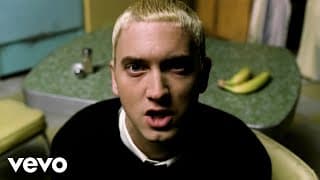
Eminem - Role Model
Sure! Here’s an analysis of the song "Role Model" by Eminem. Artist Origin Eminem, whose real name is Marshall Mathers, hails from the United States, specifically Detroit, Michigan. He gained recognition in the late 1990s and is regarded as one of the most influential and best-selling artists in hip-hop, often using his life experiences and struggles as a focal point in his music. Genre The song "Role Model" primarily falls under the genres of hip-hop and rap. It features a distinctive blend of hard-hitting beats and intricate lyricism typical of Eminem's style. Overall Theme "Role Model" serves as a provocative commentary on celebrity culture and societal expectations. Eminem critiques the idea of being a role model while embracing his flawed persona, suggesting that he is not the ideal figure for others to emulate. Key Lyrics Analysis One significant line in the song is: "I'm not a baby, I don't want to be a role model." This line encapsulates Eminem's rejection of the notion that he should serve as a perfect example for others, highlighting the pressure placed on public figures to be flawless. Another important segment addresses his upbringing, reflecting on how his experiences have shaped him into the person he is, for better or worse. Emotional Tone The emotional tone of the song is rebellious and candid. Eminem expresses a mix of defiance and introspection, allowing listeners to feel his struggle with identity and public perception while maintaining a sense of aggression and humor. Cultural Context The song was released during the late 1990s, a period marked by intense scrutiny of public figures and growing discussions around the influence of hip-hop on youth culture. Eminem's critique of the role of celebrities reflects broader societal questions about accountability and authenticity. Artist Context "Role Model" fits into Eminem's career as an early example of his controversial and complex songwriting. Released on his 1999 album "The Slim Shady LP," it helped establish him as a formidable force in the music industry while solidifying his reputation for challenging societal norms and expectations through his art.
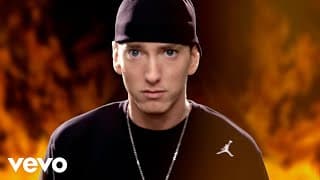
Eminem - We Made You (Official Music Video)
Artist Origin Eminem, born Marshall Bruce Mathers III, is an American rapper, songwriter, and record producer from St. Joseph, Missouri. He is widely regarded as one of the greatest and most influential artists in hip-hop history, known for his provocative lyrics and complex rhymes. Eminem gained mainstream success in the late 1990s with his debut album "The Slim Shady LP" and has since maintained a significant presence in the music industry. Genre The genre of "We Made You" is primarily hip-hop/rap, with elements of pop incorporated into its sound, engaging a broad audience. Overall Theme "We Made You" serves as a commentary on celebrity culture and the ways in which fame impacts personal lives. The song highlights the paradox of being idolized by fans while grappling with the pressures and scrutiny that come with fame. Through humor and satire, Eminem critiques both himself and the celebrity figures he discusses. Key Lyrics Analysis The lyrics reference various celebrities, including Jessica Simpson and Britney Spears, often portraying them in exaggerated, humorous scenarios. For example, Eminem raps about the impact of his music on fans and the entertainment industry. Lines like "You think I give a damn about a Grammy?" underline his criticism of the awards and acknowledgment he often receives, emphasizing his focus on authenticity over accolades. Emotional Tone The song conveys a mix of humor, anger, and defiance. Eminem's playful yet biting delivery emphasizes his frustration with the superficiality of the celebrity world while also crafting a narrative of empowerment and self-awareness. Cultural Context "We Made You" reflects the cultural landscape of the late 2000s, where reality TV and tabloid journalism were on the rise. Eminem uses cultural references to engage with the listeners, making the song resonate with an audience familiar with the celebrity gossip of the time. Artist Context Released in 2009 as part of his sixth studio album, "Relapse," this song marks a pivotal point in Eminem's career, showcasing his return to form after a hiatus. The track symbolizes his resilience in confronting both his critics and the music industry while reaffirming his position as a leading figure in hip-hop.