
Latest Articles

AVANGARD (Slowed + Reverb)
AVANGARD (Slowed + Reverb) by LONOWN is a prominent track within the modern Phonk genre, specifically the "Drift Phonk" subgenre. While the original is high-energy and aggressive, the "Slowed + Reverb" version transforms the track into a dark, atmospheric anthem often associated with late-night driving and underground aesthetics. ### 1. Overall Theme The song centers on themes of dominance, mystery, and the "outlaw" lifestyle associated with the underground car drifting scene. It portrays an image of a confident, shadowy figure moving through the night, using repetitive vocal samples to create a hypnotic, trance-like state of focus. ### 2. Key Lyrics Analysis Phonk tracks like *AVANGARD* primarily use chopped-up samples from 1990s Memphis Rap tapes. The lyrics function more as "rhythmic texture" than a linear story: * "Mask on my face...": This common Phonk trope signifies anonymity and a detachment from society. It suggests a "criminal" or "outsider" persona that operates in the shadows. * The Cowbell Melodies: While not lyrics, the distorted cowbell is the "voice" of the song. In the slowed version, the melody becomes more mournful and haunting, emphasizing a sense of isolation. * Repetitive Phrasing: The constant looping of phrases about "creeping" or "sliding" reinforces the theme of a relentless, unstoppable force—whether that is a person or a car on the street. ### 3. Emotional Tone The "Slowed + Reverb" edit significantly shifts the emotion from the original. It is melancholic, ethereal, and ominous. It evokes a "liminal space" feeling—the sensation of being in a city at 3:00 AM when everything is empty. There is a heavy sense of "Sigma" stoicism; it feels powerful yet lonely. ### 4. Cultural Context * The Drift/Car Scene: This song is a staple in the "Car Community" on platforms like TikTok and Instagram. It is almost exclusively used as background music for high-quality edits of modified Japanese cars (JDM) or high-speed nighttime driving. * Internet Aesthetics: It fits into the "Phonk" explosion that occurred between 2020–2023, where Russian producers (like LONOWN) took Southern American rap influences and turned them into a global internet phenomenon. ### 5. Artist Context LONOWN is a key figure in the Russian Phonk wave. *AVANGARD* is one of his most recognizable works, helping to define his signature sound: a mix of heavy, distorted bass and eerie, ringing melodies. The success of the "Slowed + Reverb" version of this track highlights how LONOWN’s music transcends language barriers, relying on "vibe" and production quality to reach a global audience that identifies with "dark-trap" and "drift" aesthetics.

Scott and Zelda (책방오빠 문학소녀)
"Scott and Zelda (책방오빠 문학소녀)" is a track by BIBI that uses the tumultuous real-life relationship of literary icons F. Scott Fitzgerald and Zelda Fitzgerald as a metaphor for a passionate, yet self-destructive modern romance. ### 1. Overall Theme The song explores the "beautiful disaster" of a relationship where two people are intellectually and emotionally obsessed with one another. It depicts a love that is fueled by creative inspiration and mutual madness, mirroring how the Fitzgeralds were both each other’s greatest muses and their own undoing. ### 2. Key Lyrics Analysis * "You are my Zelda, I am your Scott": This core refrain establishes the roles. BIBI is romanticizing a "Jazz Age" style of love—one that is glamorous on the outside but chaotic and volatile on the inside. * "Write a story about me / Steal my life": This likely refers to the historical controversy where Scott Fitzgerald used his wife Zelda’s personal diaries and life experiences as material for his novels (*The Great Gatsby*, *Tender Is the Night*). It highlights a dynamic where the boundaries between love and art are blurred. * "We are two lunatics in a small room": This emphasizes the isolation and intensity of their bond. To the outside world, they might seem unstable, but within their shared space, their "madness" is what connects them. * The Korean Title (책방오빠 문학소녀): Translating to "Bookstore Oppa, Literature Girl," this title adds a playful, almost trope-like layer to the song, contrasting the high-stakes tragedy of the Fitzgeralds with a more relatable, "indie film" aesthetic. ### 3. Emotional Tone The tone is intoxicating, melancholic, and obsessive. BIBI’s signature breathy, laid-back vocals create a sense of intimacy and lethargy, as if the narrator is drunk on both alcohol and the person they love. There is an underlying sense of dread—the feeling that this love cannot end well, yet neither person wants to leave. ### 4. Cultural Context * The Fitzgerald Legacy: F. Scott and Zelda Fitzgerald are the ultimate symbols of the "Lost Generation." Their lives were marked by heavy drinking, mental health struggles (Zelda was eventually diagnosed with schizophrenia), and intense jealousy. By invoking them, BIBI signals that the relationship in the song is not a "healthy" one, but a "legendary" one. * Literary Romance: The song appeals to the "Dark Academia" aesthetic, which prizes intellectualism, classic literature, and the tragic beauty of suffering for one's art or love. ### 5. Artist Context "Scott and Zelda" showcases BIBI’s strength as a storyteller. Throughout her career, BIBI has often explored themes of "ugly" love, taboo, and raw human emotion. This song fits perfectly into her discography as a more sophisticated, R&B-influenced track that moves away from pop tropes to explore complex psychological dynamics. It solidifies her persona as an artist who isn't afraid to romanticize the darker, more "human" parts of life.

LUNA BALA (Ultra Slowed)
"LUNA BALA" by Yb Wasg'ood is a staple of the modern Spanish trap and drill scene. The "Ultra Slowed" version transforms the original high-energy street anthem into a dark, atmospheric, and hypnotic experience. Here is an analysis of the track: 1. Overall Theme The song centers on the "street" lifestyle, focusing on themes of survival, loyalty to one’s crew, and the constant presence of danger. It portrays a nocturnal reality where the protagonist feels both hunted and unstoppable, navigating a world of violence and fast living. 2. Key Lyrics Analysis * "Luna, bala, dime quién me para" (Moon, bullet, tell me who stops me): This recurring motif contrasts the beauty/calm of the night (the moon) with the lethal reality of his environment (the bullet). It expresses a sense of invincibility and a "nothing to lose" attitude. * References to "La Calle" (The Street): The lyrics frequently mention being outside and staying true to his origins. In the slowed version, these lines feel less like a boast and more like a heavy burden or an inescapable cycle. * Mentions of "Los Míos" (My people): Like much of the drill genre, there is a heavy emphasis on brotherhood. The lyrics suggest that in a world of "bullets," the only thing that matters is the circle of people you trust. 3. Emotional Tone While the original version is aggressive and assertive, the Ultra Slowed version shifts the tone toward melancholy, dissociation, and paranoia. The slowed-down tempo makes the beat feel "heavy," creating a "doomer" aesthetic. It evokes the feeling of a lonely late-night drive or the psychological comedown after a period of intense adrenaline. 4. Cultural Context Yb Wasg'ood is part of the rising wave of Spanish urban artists who blend African/Maghrebian influences with European drill. * The "Slowed + Reverb" Phenomenon: This specific version belongs to a global internet subculture where listeners modify tracks to make them sound more "vibey" or emotional. In the context of Spanish trap, this highlights the "sad boy" or "lonely thug" archetype that is popular on platforms like TikTok and YouTube. 5. Artist Context "LUNA BALA" is one of Yb Wasg'ood’s most recognizable tracks and helped solidify his place in the Spanish underground scene. His music often reflects the lived experiences of immigrant or marginalized youth in Spain. The fact that a "slowed" version of this song became so popular shows his ability to cross over from pure street drill into the "aesthetic" and "lo-fi" music niches.

Good Goodbye
"Good Goodbye" is a soulful, introspective B-side track from Hwasa’s debut solo mini-album, *María* (2020). Here is an analysis of the song: Overall Theme The song explores the concept of a mature and definitive breakup. It moves away from the typical tropes of resentment or clinging, focusing instead on the acceptance that a relationship has reached its natural end and the necessity of letting go completely to find peace. Key Lyrics Analysis * "You and I, we’ve come a long way / Now I can see the end": These opening lines acknowledge the shared history and effort put into the relationship. It establishes that the breakup isn't impulsive, but a realization reached after a long journey together. * "Put a period on the word 'Goodbye'": This metaphor of punctuation suggests finality. The narrator isn't looking for a comma or an ellipsis (a pause or a "to be continued"); she wants a clean, respectful full stop so both parties can move on. * "Let's not meet in the next life": In many cultures, lovers promise to find each other in their next lives. Hwasa flips this sentiment. By wishing *not* to meet again, she isn't being cruel; she is expressing a desire for total closure and the freedom for both souls to start entirely new chapters without being tethered to the past. Emotional Tone The tone is bittersweet and serene. While the subject matter is sad, Hwasa’s deep, husky vocal delivery conveys a sense of relief and calm resignation rather than explosive grief. The minimalist piano-driven arrangement emphasizes a feeling of loneliness that is ultimately healing. Cultural Context In the context of K-pop and Korean ballads, breakup songs often focus on "Jeong" (emotional attachment) and the pain of lingering feelings. "Good Goodbye" stands out by advocating for the "clean break." The reference to "next lives" taps into Buddhist and local cultural beliefs regarding reincarnation, using that spiritual framework to emphasize the weight of her decision to end things permanently. Artist Context This song showcases Hwasa’s versatility as a storyteller. While she is widely known for her "femme fatale" stage presence and powerful anthems like "TWIT" and "Maria," "Good Goodbye" highlights her vulnerable, "unplugged" side. It fits into her career narrative of self-reflection and honesty, proving she can command an audience through quiet, emotional nuance just as effectively as through high-energy performance.

Don`t you know(PROD.ROCOBERRY)
"Don’t You Know (알고 있나요)" by ZO ZAZZ (also known as JOO JOO), produced by the hit-making duo Rocoberry, is a soft, romantic ballad that gained significant popularity through its inclusion in a hit K-drama soundtrack. Here is an analysis of the song: ### 1. Overall Theme The song explores the delicate, fluttering feelings of a blossoming romance and the quiet anxiety of harborring a secret crush. It captures the moment when someone realizes their feelings for another person have deepened, and they begin to wonder if the other person feels the same. ### 2. Key Lyrics Analysis * "알고 있나요 나의 마음을" (Do you know my heart?): This recurring question serves as the emotional core of the song. It represents the internal monologue of someone who is ready to confess but is still testing the waters. * "조금씩 스며들어" (Permeating little by little): This metaphor suggests that the love didn't happen overnight. Instead, the person "seeped" into the narrator's life gradually, making the realization of love feel natural and inevitable. * "내 세상은 온통 너로 가득해" (My whole world is full of you): This line illustrates the stage of infatuation where every thought and every daily moment is viewed through the lens of the person they love. ### 3. Emotional Tone The tone is warm, tender, and nostalgic. ZO ZAZZ’s vocals are airy and delicate, which adds a sense of vulnerability to the track. The production by Rocoberry uses soft acoustic elements and piano to create a "cozy" atmosphere, evoking the feeling of a quiet, sunny afternoon or a shy confession. ### 4. Cultural Context This song is most famous as an OST (Original Soundtrack) for the drama *Yumi’s Cells Season 2*. * Context within the Show: It serves as a theme for the developing relationship between the characters Yumi and Bobby. In the drama, which uses "cells" to represent human emotions, this song perfectly mirrors the "Love Cell" taking control as feelings of comfort turn into romantic attraction. * The Rocoberry Touch: In Korea, Rocoberry is known as the "King of OSTs" (having produced hits for *Goblin* and *Descendants of the Sun*). Their involvement signals a high-quality, emotionally driven ballad designed to enhance the storytelling of a drama. ### 5. Artist Context ZO ZAZZ (JOO JOO) is an artist recognized for her clear, pure vocal color that fits the "Indie-Pop" and "K-Ballad" genres perfectly. This song is a standout in her career, showcasing her ability to carry a melody with emotional restraint. For many listeners, this track solidified her as a "go-to" voice for romantic soundtracks, as her voice blends seamlessly into the background of romantic scenes without overpowering the dialogue.

HOME SWEET HOME (feat. TAEYANG & DAESUNG)
"HOME SWEET HOME (feat. TAEYANG & DAESUNG)" is a standout track from G-DRAGON’s 2024 comeback, marking a significant reunion of the remaining BIGBANG members. ### 1. Overall Theme The song is a celebratory anthem about returning to one's roots and the comfort found in long-standing relationships. It explores the idea that "home" is not a physical location, but a state of being surrounded by those who have shared a long, tumultuous, and successful journey together. ### 2. Key Lyrics Analysis * "Welcome to the home sweet home": This recurring line serves as a reclamation of their space in the music industry. After years of hiatus and individual struggles, the "home" they are returning to is the stage and their shared identity as icons. * GD’s Verse (Wordplay and Swagger): GD often uses metaphors about fashion and high society, but here he balances it with a sense of "coming back to earth." His lyrics suggest that despite the fame, his true comfort lies with his "brothers" (Taeyang and Daesung). * Taeyang and Daesung’s Melodies: Their parts often emphasize resilience. Taeyang’s soulful vocals ground the track in warmth, while Daesung’s powerful delivery provides an emotional "vocal hug," reinforcing the theme of safety and belonging after a "long night" (a metaphor for their long break). ### 3. Emotional Tone The song strikes a perfect balance between nostalgic and triumphant. It doesn't feel heavy or melancholic; instead, it carries a groovy, upbeat, and "funky" energy. There is a palpable sense of relief and joy, conveying the emotion of reuniting with old friends after a long journey. ### 4. Cultural Context For K-pop fans (especially the VIP fandom), this song is culturally massive. It represents the "return of the Kings" of the 2nd Generation. In a landscape now dominated by 4th and 5th generation groups, "HOME SWEET HOME" acts as a reminder of the unique, hip-hop-influenced sound that BIGBANG pioneered. It also subtly acknowledges the group's survival through various controversies and the changing industry landscape. ### 5. Artist Context This track is pivotal in G-DRAGON’s career as it is his first major release in seven years. By featuring Taeyang and Daesung, GD signals that while he is a solo powerhouse, his identity is inextricably linked to his bandmates. It marks his transition from the "rebel" of his 20s to an "elder statesman" of K-pop—someone who has seen everything but still finds the most value in his original circle.

Devil Go Away
"Devil Go Away" is a powerful collaboration between YoungBoy Never Broke Again and Jelly Roll from YoungBoy’s 2023 album, *Don’t Try This At Home*. The track blends raw street realism with spiritual yearning. 1. Overall Theme The song is a somber plea for deliverance from internal demons, legal troubles, and the toxic lifestyle that accompanies fame and street life. It explores the exhaustion of living under constant pressure and the desire to find spiritual peace amidst a "hellish" reality. 2. Key Lyrics Analysis * "Devil, go away / I don't want no more of your games / I don't want no more of this pain." (Chorus - Jelly Roll): Jelly Roll uses his gospel-influenced vocals to set the stage. The "Devil" here represents both literal spiritual warfare and the metaphorical addictions, violence, and betrayals that have plagued both artists. * "I'm in that graveyard with some headstones / I done let them take my soul." (YoungBoy): This line reflects YoungBoy’s feelings of isolation. At the time of recording, he was under strict house arrest in Utah; the "graveyard" metaphor signifies feeling dead to the world while still alive, or being surrounded by the memories of fallen friends. * "I been feelin' alone, they don't even call my phone." (YoungBoy): This highlights the abandonment that often comes with fame and legal battles. YoungBoy suggests that once the "glamour" fades and the struggle becomes real, the fair-weather friends disappear. 3. Emotional Tone The song is melancholic, weary, and desperate. It carries a heavy sense of vulnerability. Unlike YoungBoy’s more aggressive "murder music" tracks, this is a moment of total transparency, where the artists sound spiritually drained and ready for a change. 4. Cultural Context * Southern Spiritualism: Both artists hail from the South (YoungBoy from Louisiana, Jelly Roll from Tennessee), where the concept of "battling the devil" is a common theme in blues, country, and hip-hop. * House Arrest: YoungBoy’s verses are heavily influenced by his long-term confinement. The psychological toll of being one of the world's biggest stars while being unable to leave his home is a central pillar of the song's narrative. 5. Artist Context * For YoungBoy: This song fits into his "confessional" catalog. It shows his growth as an artist willing to experiment with different sounds (in this case, a blend of blues-rock and melodic rap) and his willingness to collaborate with artists outside the traditional hip-hop sphere. * For Jelly Roll: This collaboration bridges the gap between his hip-hop roots and his massive success in country music. His presence provides the "soul" of the track, acting as the voice of a man who has already walked through the fire and is trying to help a younger artist find his way out.

PASSO BEM SOLTO (Extreme Slowed)
"PASSO BEM SOLTO (Extreme Slowed)" by ATLXS is a prominent example of the "Brazilian Phonk" genre, which blends the aggressive rhythms of Brazilian Funk Carioca with the dark, distorted aesthetic of Memphis Phonk. This specific version utilizes "Slowed + Reverb" techniques to transform a high-energy dance track into a heavy, atmospheric anthem. Here is an analysis of the track: Overall Theme The song centers on the concept of confidence, swagger, and "flow" (the literal translation of the title is "Walking very loosely" or "Walking with a lot of rhythm"). While the original version is built for high-energy movement, the Extreme Slowed version shifts the theme toward a sense of detached power and "Main Character" energy—visualizing someone moving through a space with absolute cool and indifference. Key Lyrics Analysis As is typical with Brazilian Phonk, the lyrics are often sampled from older Funk Carioca tracks and are repetitive to emphasize the beat: * "Passo bem solto": This translates to "I walk very freely/loosely." It refers to the *ginga*—a Brazilian way of moving with rhythm and ease. In the context of the song, it signifies someone who is untroubled, confident, and perhaps a bit dangerous or elusive. * Repetitive Vocal Chops: The lyrics are less about telling a story and more about rhythmic texture. By slowing them down, the words become deep, guttural drones that emphasize the "weight" of the artist's presence. Emotional Tone The Extreme Slowed version drastically alters the emotion of the original. It creates a hypnotic, dark, and predatory tone. * The heavy bass and slowed-down vocals evoke a feeling of "slow-motion" intensity. * It carries a sense of melancholy mixed with bravado, making it a popular choice for "sigma" edits or "night drive" aesthetics where the listener wants to feel a sense of solitary power. Cultural Context The song sits at the intersection of two major global trends: 1. Brazilian Phonk: This is a global phenomenon where producers (often not from Brazil) take Portuguese vocals from the favelas of Rio de Janeiro or São Paulo and mix them with distorted 808 cowbells. 2. Slowed + Reverb Culture: This internet subculture takes fast songs and slows them down to cater to the "Doomer" or "Vaporwave" aesthetic, prioritizing atmosphere and "vibes" over danceability. Artist Context ATLXS is a key figure in the modern Phonk scene, known for tracks that are tailor-made for viral social media content (TikTok and Instagram Reels). In the artist’s career, "PASSO BEM SOLTO" represents their ability to create "earworms" that transcend language barriers. By releasing an official "Extreme Slowed" version, ATLXS is leaning into the specific "drift" and "gym" subcultures that have turned Brazilian Phonk into a global digital soundtrack.

Faded
"Faded" by Alan Walker, featuring vocals by Iselin Solheim, is one of the most successful EDM tracks of all time. Here is an analysis of the song: Overall Theme The song explores the themes of loss, isolation, and the desperate search for a connection that has disappeared. It portrays a person feeling lost and "fading" away as they realize that the person or place they once relied on is no longer reachable. Key Lyrics Analysis * "Where are you now? / Was it all in my fantasy?": This central question highlights the narrator’s uncertainty. They are questioning whether the relationship was even real or if they have been living in a dream. * "Atlantis, under the sea / Under the sea": Atlantis is a legendary lost city. By comparing their destination to Atlantis, the narrator suggests that what they are looking for is beautiful but buried, inaccessible, and perhaps gone forever. * "The monster's running wild inside of me": This line represents internal turmoil, anxiety, and the psychological pain of loneliness that grows when one feels abandoned. * "I’m faded / So lost, I’m faded": To "fade" means to lose color, strength, or visibility. The narrator feels they are disappearing or becoming a ghost of their former self because their "light" (the other person) has gone out. Emotional Tone The song carries a melancholy, haunting, and nostalgic tone. The contrast between the soft, vulnerable piano intro and the soaring, atmospheric synth drop creates a sense of "epic sadness." It evokes a feeling of standing in a vast, empty landscape looking for something that isn't there. Cultural Context "Faded" became a defining anthem for the "Sad EDM" movement of the mid-2010s. Its music video, filmed in abandoned industrial locations in Estonia (such as Rummu quarry), popularized a post-apocalyptic, "urban exploration" aesthetic. This visual style, combined with Walker’s signature hoodie-and-mask look, resonated with a generation of youth who felt alienated or anonymous in the digital age. Artist Context This song was the turning point in Alan Walker’s career. Originally released as an instrumental track titled "Fade" in 2014, Walker added Iselin Solheim’s vocals and revamped the production to create "Faded" in 2015. It catapulted him from a bedroom producer to a global superstar, establishing his signature sound—a blend of cinematic melodies, mid-tempo beats, and emotional depth.

HEAVENLY JUMPSTYLE (Slowed)
HEAVENLY JUMPSTYLE (Slowed) by TWXNY is a quintessential example of the modern "Internet-core" music scene, blending high-energy dance genres with a slowed, atmospheric aesthetic. Here is an analysis of the track: Overall Theme The song explores the contrast between the aggressive, high-speed world of European Jumpstyle and a dreamlike, ethereal soundscape. The "Slowed" version specifically focuses on a sense of digital escapism, transforming a dance track into a melancholic yet euphoric background for introspection or "main character" moments. Key Lyrics Analysis Because TWXNY’s work is primarily instrumental-focused and relies heavily on distorted vocal chops, the "lyrics" are often repetitive phrases used as textures rather than storytelling. * The "Heavenly" Motif: The high-pitched, reverb-soaked vocal samples are meant to mimic the feeling of "ascending." By slowing these down, the lyrics lose their literal meaning and instead become a rhythmic pulse that symbolizes a state of trance or spiritual high. * The Beat Drop (Slowed): In the original, the kick drum is meant for high-energy dancing. In the slowed version, the heavy bass becomes "muddy" and "dragging," which creates a feeling of weightiness or being stuck in a dream. Emotional Tone The tone is bittersweet and nostalgic. While the "Jumpstyle" roots imply a party atmosphere, the "Slowed + Reverb" treatment adds a layer of loneliness and yearning. Listeners often describe the feeling as "nostalgia for a place you’ve never been" or the feeling of walking through a crowded city while feeling completely isolated. Cultural Context The song is deeply rooted in TikTok and Internet subcultures. * Corecore & Dreamcore: The track is a favorite for "Corecore" edits—video montages that capture the overwhelming nature of the modern digital age. * Genre-Bending: It represents the "Phonk" and "Hardstyle" revival on the internet, where Gen Z producers take 2000s rave music and repackage it with a darker, more "underground" aesthetic for social media. Artist Context TWXNY is a key player in the wave of producers who specialize in experimental electronic music tailored for the algorithm. "HEAVENLY JUMPSTYLE" is one of their most successful tracks because it perfectly bridges the gap between the "Gym/Sigma" side of the internet (which likes the hard beats) and the "Aesthetic/Vaporwave" side (which likes the dreamy atmosphere). It solidifies TWXNY’s reputation as an artist who can manipulate energy levels to evoke specific internet-era emotions.

Let Me Love You (feat. Justin Bieber)
Here is an analysis and explanation of the hit song "Let Me Love You" by DJ Snake featuring Justin Bieber. 1. Overall Theme The song centers on a relationship that is on the brink of collapse. It serves as a desperate yet hopeful plea for a partner not to give up on their connection, emphasizing commitment and the belief that their bond is worth saving despite the struggles they face. 2. Key Lyrics Analysis * "I used to believe / We were burnin' on the edge of somethin' beautiful": This line reflects on the potential the relationship once had. The "edge" suggests a precarious position, while "burning" implies passion that is now threatening to consume them. * "Don't give up, nah, nah, nah / I won't give up, nah, nah, nah": This repetitive hook acts as a mantra of resilience. It highlights a mutual responsibility to keep the relationship alive, suggesting that as long as one person holds on, there is hope. * "Let me love you": This title phrase is not just a romantic gesture; it is a request for permission to provide support and stability. It implies that the partner has built up walls, and the singer is asking for the chance to break them down. 3. Emotional Tone The song carries a vulnerable and melancholic tone, balanced by an uplifting, anthemic energy. Justin Bieber’s soft, breathy vocals convey a sense of intimacy and pleading, while DJ Snake’s tropical-house-inspired production adds a feeling of euphoria and forward momentum, suggesting that there is light at the end of the tunnel. 4. Cultural Context Released in 2016, the song arrived at the height of the "EDM-Pop crossover" era. During this time, the "Tropical House" sound—characterized by digital flute-like vocal chops and mid-tempo beats—dominated global charts. This track, along with others like "Cold Water" and "Lean On," defined the sound of the mid-2010s, bridging the gap between underground dance music and mainstream radio. 5. Artist Context * DJ Snake: This song was the third single from his debut studio album, *Encore*. It solidified his reputation as a hitmaker capable of producing emotional, radio-friendly pop, moving him beyond his earlier "trap" roots (like "Turn Down for What"). * Justin Bieber: At the time, Bieber was in the middle of a massive career "redemption" arc following his album *Purpose*. This collaboration helped maintain his dominance on the charts and proved he was one of the most versatile vocalists in the electronic music scene.
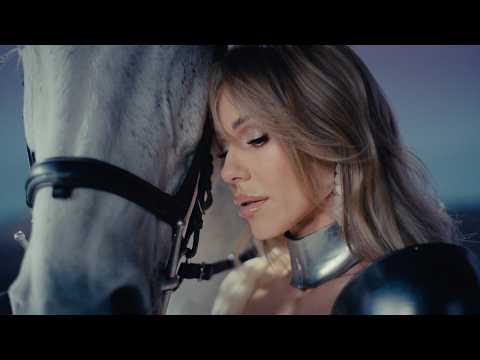
Pamiętnik
"Pamiętnik" (English: *Diary*) is a deeply personal track from Doda’s 2022 album *Aquaria*. It is widely considered one of the most vulnerable songs in her discography. ### 1. Overall Theme The song is a somber reflection on the collapse of a long-term relationship and the betrayal of trust. It serves as a symbolic "final entry" in a mental diary, where the narrator decides to burn the past and stop living in a "sandcastle" built on lies. ### 2. Key Lyrics Analysis * "Mój dom był zamkiem z piasku, a Ty w nim królem byłeś" (*My home was a sandcastle, and you were the king in it*): This metaphor highlights the fragility of her marriage/relationship. While she treated her partner like royalty and gave him her world, the foundation was unstable and destined to crumble. * "Pamiętnik ten, co pisałam latami, dziś rzucam w ogień" (*This diary I’ve been writing for years, today I throw into the fire*): The diary represents her memories, her secrets, and her investment in the person. Burning it signifies a painful but necessary act of catharsis—letting go of the narrative she tried so hard to maintain. * "Wszystkie te kłamstwa ubrane w jedwabie" (*All those lies dressed in silk*): This points to the contrast between the glamorous public image of her life and the deceptive, painful reality she was experiencing behind closed doors. ### 3. Emotional Tone The tone is melancholic, weary, and raw. Unlike Doda’s typical high-energy pop anthems, this song is stripped-back. There is a sense of profound exhaustion—the feeling of someone who is tired of pretending and has finally reached the breaking point where sadness turns into a quiet, resigned strength. ### 4. Cultural Context In Poland, Doda has been a tabloid fixture for over two decades, with her private life often overshadowing her music. This song is culturally significant because it directly addresses the "spectacle" of her life. It is widely interpreted as her response to her highly publicized and messy divorce from film producer Emil Stępień, which involved legal battles and public accusations. "Pamiętnik" is her way of reclaiming her side of the story from the media. ### 5. Artist Context "Pamiętnik" represents a "new era" for Doda. For years, she maintained a "Queen" persona—invincible, loud, and provocative. On the *Aquaria* album, and specifically in this track, she dropped the armor. It fits into her career as a bridge from being a "celebrity" to being recognized as a mature "artist" capable of profound emotional honesty. It proved to critics that beneath the glitz, she is a songwriter who can handle complex themes of trauma and healing.