
Latest Articles

TWS (투어스) '첫 만남은 계획대로 되지 않아' Official MV
Here is an analysis and explanation of TWS (투어스)'s debut hit, "첫 만남은 계획대로 되지 않아" (Plot Twist). 1. Overall Theme The song explores the universal feeling of nervous excitement and awkwardness that comes with a first encounter. It captures the story of a young person who meticulously plans how to introduce themselves, only to have those plans fall apart due to shyness and the unpredictability of real-life interactions. 2. Key Lyrics Analysis * "첫 만남은 너무 어려워 / 계획대로 되지 않아" (First meetings are so hard / They don't go according to plan): This is the core message of the song. It acknowledges that no matter how much you prepare, the chemistry and "vibe" of meeting someone new can’t be scripted. * "거울 속의 나에게 / 연습했던 그 인사" (The greeting I practiced / to myself in the mirror): This line highlights the protagonist’s social anxiety and desire to make a good impression. It portrays a relatable image of a student practicing a simple "Hello" repeatedly before the first day of school. * "Hello / 안녕 / My name is...": The repetition of basic introductions emphasizes the "back-to-basics" innocence of the group’s concept. It focuses on the monumental weight that a simple introduction carries for someone who is shy. 3. Emotional Tone The song is vibrant, refreshing, and innocent. It utilizes a "Boyhood Pop" sound—bright synth-pop with an upbeat tempo—to convey the "heart-fluttering" (seollem) energy of youth. While the lyrics deal with anxiety and mistakes, the tone remains optimistic and hopeful, suggesting that even an awkward start can lead to a beautiful friendship. 4. Cultural Context * The School Setting: The music video and lyrics are heavily rooted in the South Korean school experience. In Korea, the school year starts in March, a time associated with "new beginnings" and the stress of making new friends. * MBTI Culture: The song leans into the popular Korean trend of discussing MBTI (personality types), specifically reflecting the perspective of an "I" (Introvert) trying to navigate a social world. * "High Teen" Aesthetic: The MV uses classic coming-of-age imagery—lockers, classrooms, and rooftops—which appeals to both Gen Z and older fans nostalgic for their school days. 5. Artist Context * Debut Statement: This is the title track of TWS’s debut mini-album, *Sparkling Blue*. It served as the perfect introduction to the group's "Boyhood Pop" genre, which prioritizes naturalness over aggressive or overly stylized concepts. * Pledis Legacy: As the first boy group from Pledis Entertainment in nine years (after SEVENTEEN), the song successfully established TWS as "the younger brothers of SEVENTEEN," inheriting a reputation for high-energy performance and catchy, melodic pop. * Chart Success: Despite being a debut song from a new group, it became a massive "sleeper hit," climbing to the top of the Korean music charts (Melon) weeks after its release, proving its broad public appeal beyond just K-pop fandoms.
![[MV] 눈을 감아도(2026) - 순순희(지환) (2월25일 수요일 6시 음원발매)](/_next/image?url=https%3A%2F%2Fimg.youtube.com%2Fvi%2FKyHXIccVgS8%2Fmqdefault.jpg&w=3840&q=75)
[MV] 눈을 감아도(2026) - 순순희(지환) (2월25일 수요일 6시 음원발매)
This song is a remake of the 2003 classic by Han Gyeong-il, reimagined by Jihwan, the powerhouse vocalist from the ballad trio SoonSoonHee (순순희). Here is an analysis of the song: ### 1. Overall Theme The song explores the pain of an unforgotten love and the lingering attachment after a breakup. It depicts the struggle of a person who is haunted by the image of their former partner, finding it impossible to move on because the memories remain vivid regardless of time or distance. ### 2. Key Lyrics Analysis * "눈을 감아도 보여요" (Even if I close my eyes, I see you): The title and central hook of the song. It signifies that the memory of the lover is etched into the singer's subconscious. It suggests that the "sight" of the loved one isn't physical, but emotional and inescapable. * "내 마음이 그대만 불러요" (My heart calls out only for you): This personifies the heart as an entity that refuses to listen to logic. While the mind knows the relationship is over, the emotional self remains in a state of longing. * "죽을 만큼 보고 싶어서" (Because I miss you so much I could die): This hyperbolic expression is a staple in Korean ballads. it conveys the "Han" (deep sorrow/resentment) and the sheer weight of the absence of the loved one. ### 3. Emotional Tone The tone is deeply melancholic, dramatic, and nostalgic. Jihwan’s vocal style adds a sense of "rough tenderness"—starting with a restrained, breathy sorrow in the verses and exploding into high-pitched, desperate cries in the chorus. The arrangement uses orchestral strings to heighten the sense of tragedy and longing. ### 4. Cultural Context * The "Cyworld" Nostalgia: The original song was a massive hit during the early 2000s, often associated with the "Cyworld" era (a Korean social media platform where users picked background music to express their moods). Remaking these "Mini-homepage" classics is a major trend in the modern K-ballad scene to appeal to Millennials' nostalgia. * Karaoke (Noraebang) Culture: Songs like this are specifically designed for Korean karaoke culture. They are meant to be sung with high emotional release, allowing the listener (or singer) to vent their own personal heartbreaks. ### 5. Artist Context Jihwan is the leader and main vocalist of SoonSoonHee, a group that gained fame for their "manly" and "relatable" ballads (such as *Seomyeon Station Exit 1*). This remake serves as a vehicle to showcase Jihwan’s vocal range and technical skill as a solo performer. By tackling a legendary song from the early 2000s, he solidifies his position as a successor to the classic "K-Ballad" lineage, proving he can carry the emotional weight of a masterpiece originally sung by a veteran artist.
![Kato Feat. Jon - Turn The Lights Off [Official Video] HD](/_next/image?url=https%3A%2F%2Fimg.youtube.com%2Fvi%2FFxDMMeWK1ZE%2Fmqdefault.jpg&w=3840&q=75)
Kato Feat. Jon - Turn The Lights Off [Official Video] HD
"Turn The Lights Off" by Kato featuring Jon is a quintessential dance-pop anthem from the early 2010s that perfectly captures the "club culture" of that era. Here is an analysis of the track: 1. Overall Theme The song centers on the intensity of a nighttime encounter and the raw, emotional vulnerability that surfaces in the dark. It explores the idea that darkness removes social inhibitions, allowing a deep, potentially frightening physical and emotional connection to take place between two people on the dance floor. 2. Key Lyrics Analysis * "Turn the lights off / I’m not afraid of the dark / I’m just afraid of what I’m feeling for you": This is the core hook of the song. It suggests that the physical darkness of the club isn't the source of fear; rather, the "darkness" is a space where the narrator can no longer hide his true feelings or the overwhelming attraction he feels for the other person. * "Every time I see you, you're the only one I see": This line emphasizes the "tunnel vision" effect of infatuation. In a crowded, busy environment like a nightclub, the rest of the world fades away, leaving only the object of his affection. * "Come a little closer, I’m waiting for your move": These lyrics highlight the tension and the "game" of pursuit that happens in a nightlife setting, where body language and proximity replace verbal communication. 3. Emotional Tone The song carries a high-energy, euphoric, and slightly melancholic tone. While the heavy electro-house beat is designed for dancing, Jon’s vocal delivery is emotive and sincere. This creates a "longing" sensation—a mix of the adrenaline found in a club and the soft, internal anxiety of falling in love with a stranger or a new partner. 4. Cultural Context Released around 2010, the song arrived during the global explosion of Electro-House and EDM-Pop crossover. During this period, European DJs (especially from Scandinavia and the Benelux regions) were dominating the charts by mixing aggressive synth-leads with radio-friendly pop vocals. The song reflects the "party-hard" culture of the time while maintaining the melodic sensibilities of European pop music. 5. Artist Context * Kato: This track was a massive breakthrough for Danish DJ/producer Kato (Thomas Kato Vittrup). It helped establish him as one of Denmark's most successful commercial DJs, leading to multiple platinum records and awards. * Jon: The featured vocalist, Jon Nørgaard, was already famous in Denmark as the winner of the talent show *Popstars* in 2002. This collaboration helped reinvent his image from a teen pop idol to a mature voice within the electronic dance scene. * Legacy: "Turn The Lights Off" remains one of Kato’s signature hits and a staple of 2010s nostalgia in the Nordic dance scene.
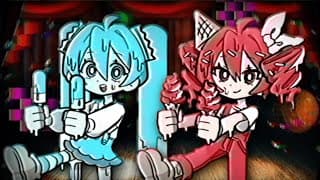
멜트 아이스크림🍨🍦💦 / 하츠네 미쿠・카사네 테토
"멜트 아이스크림 (Melt Ice Cream)" by TRAP CHICK (트랩칙) featuring Hatsune Miku and Kasane Teto is a standout track in the Korean hyperpop/Vocaloid scene. It utilizes a "sugar-coated" aesthetic to explore themes of sensory overload and physical desire. Here is an analysis of the song: 1. Overall Theme The song uses "melting ice cream" as an extended metaphor for physical intimacy, fleeting pleasure, and the loss of self-control. On the surface, it presents as a bright, sugary pop song, but the subtext is heavily suggestive, portraying a relationship or a moment of passion that is as intense and "sticky" as it is temporary. 2. Key Lyrics Analysis * "입안에 굴려줘 (Roll it in your mouth)": This line highlights the oral and sensory focus of the song. It frames the "ice cream" (the subject of desire) as something to be savored and toyed with, blurring the line between a literal treat and a sexual metaphor. * "끈적하게 녹아버려 (Melting stickily)": The repetition of "melting" and "stickiness" signifies a loss of boundaries. It represents the point where the cool, solid exterior of a person or a situation dissolves into something messy, warm, and overwhelming. * "달콤한 중독 (Sweet addiction)": This refers to the addictive nature of pleasure. Like sugar, the experience described in the song provides an instant high but leaves the characters craving more as soon as it "melts" away. 3. Emotional Tone The tone is provocative yet playful. It leans heavily into the "Hyperpop" aesthetic—high-energy, synthetic, and slightly manic. There is an underlying sense of euphoria mixed with artificiality; because the vocals are provided by software (Miku and Teto), the "heat" and "passion" described in the lyrics feel curiously detached and robotic, adding a layer of ironic charm. 4. Cultural Context * Hyperpop & K-Vocaloid: The song fits into the rising trend of Korean producers using Japanese Vocaloid/Synthesizer V technology to create music that blends K-Pop structures with underground electronic sounds. * Double Entendre: Using food (especially sweets like ice cream or candy) as a metaphor for sensuality is a common trope in both Western pop (e.g., Katy Perry, BLACKPINK) and Japanese "Subcul" (subculture) music. TRAP CHICK adapts this for a digital-native audience that enjoys the "Yami-Kawaii" (sickly-cute) aesthetic. 5. Artist Context TRAP CHICK is known for pushing the boundaries of the Korean indie electronic scene by mixing "Otaku" culture with heavy trap beats and hyperpop production. This song serves as a bridge between the niche Vocaloid community and the broader experimental pop scene in Korea. By pairing the world’s most famous Vocaloid (Hatsune Miku) with the fan-favorite Kasane Teto, TRAP CHICK solidifies their identity as a producer who understands both internet meme culture and high-level music production.

NewJeans (뉴진스) 'How Sweet' Official MV
The song "How Sweet" by NewJeans, released in May 2024, is a vibrant fusion of Miami Bass and old-school hip-hop. It continues the group’s signature retro-pop aesthetic while introducing a more mature, groovy sound. 1. Overall Theme The song centers on the feeling of liberation and clarity that comes after ending a toxic or stagnant relationship. It portrays a "bittersweet" irony: while breakups are usually sad, the protagonist realizes how much better ("sweeter") life is without the weight of an unhealthy partner. 2. Key Lyrics Analysis * "Don't you know how sweet it is? (Now that I'm over you)": This is the core message. It reclaims the word "sweet" from romantic love and applies it to personal freedom. The "sweetness" is the lack of drama and the ability to find oneself again. * "Toxic love is not enough": This line marks a shift in NewJeans’ lyrical narrative toward more mature themes. It acknowledges that passion isn't a substitute for a healthy, stable connection. * "I’m doing fine, don’t worry about me": These lyrics emphasize independence. Instead of longing for an ex, the girls assert that they are thriving, shifting the power dynamic in their favor. 3. Emotional Tone The tone is cool, breezy, and self-assured. Unlike a typical "heartbreak" song that might feel heavy or vengeful, "How Sweet" feels light and refreshing. It carries a sense of "bubbly defiance"—a quiet confidence that doesn't need to scream to be heard. The upbeat tempo reflects the excitement of starting a new chapter. 4. Cultural Context * Miami Bass & 90s Hip-Hop: Musically, the song draws heavily from the late 80s and early 90s Miami Bass scene, characterized by its heavy 808 kicks and syncopated rhythms. * Y2K/90s Street Aesthetic: The music video utilizes a "lo-fi" vintage aesthetic, featuring baggy street clothes, classic cars, and handheld camera work. This pays homage to the "Golden Era" of hip-hop while appealing to Gen Z’s obsession with retro trends. * Easy Listening: NewJeans remains at the forefront of the "easy listening" K-pop trend, prioritizing a smooth, repetitive groove over aggressive beat drops or high-note climaxes. 5. Artist Context "How Sweet" solidifies NewJeans' identity as trendsetters of retro-modernism. Coming off the massive success of their *Get Up* EP, this track proves they can evolve their sound without losing their "girl-next-door" charm. Released during a period of significant internal corporate tension at their label (HYBE/ADOR), the song served as a statement of artistic resilience, showing that the group’s musical quality and unique "vibe" remain their strongest assets.

Saiyaara (Movie: Saiyaara)
"Saiyaara" by Faheem Abdullah is a soulful, introspective piece that blends contemporary indie-folk with traditional Urdu poetic sensibilities. Below is an analysis of the song: 1. Overall Theme The song centers on the theme of existential wandering and the lingering ache of separation (*Hijr*). Using the metaphor of a *Saiyaara* (a planet or a wanderer), it depicts a soul that has lost its "sun" or center of gravity and is now drifting aimlessly through the vacuum of memories and solitude. 2. Key Lyrics Analysis * "Main ek saiyaara hoon..." (I am a wanderer/planet): The core metaphor defines the protagonist not as a person, but as a celestial body. Just as a planet orbits a star, the narrator remains trapped in the gravitational pull of a past love, unable to break free or find a new home. * The concept of "Safar" (Journey): The lyrics often touch upon a journey that has no destination. It suggests that after losing a loved one, life becomes a perpetual motion of searching rather than arriving. * "Tanha Raasta" (Lonely Path): This highlights the transition from a shared life to a solitary existence, where the silence of the path becomes a character itself. 3. Emotional Tone The tone is melancholic, pensive, and deeply atmospheric. It doesn’t convey loud or aggressive grief; instead, it offers a "quiet sadness." There is a sense of resignation—a peaceful acceptance of the fact that the narrator is destined to remain a nomad in the landscape of his own emotions. 4. Cultural Context * Urdu Poetic Tradition: The song draws heavily from the *Ghazal* tradition, where celestial metaphors (stars, moons, planets) are frequently used to describe human emotions and the vastness of longing. * Kashmiri Indie Aesthetic: Faheem Abdullah belongs to a growing movement of artists from Kashmir who blend regional sensibilities with Urdu lyrics. The "Saiyaara" concept reflects the Sufi-leaning philosophy that the human soul is a traveler in a temporary world, seeking a connection with the divine or a lost "source." 5. Artist Context "Saiyaara" is a definitive track in Faheem Abdullah’s career, solidifying his reputation as a storyteller of the "Lost and Found" genre. It showcases his signature style: minimalist acoustic arrangements paired with high-quality Urdu poetry. The song helped bridge the gap between traditional folk listeners and the modern indie-pop audience, establishing him as a leading voice in the independent music scene of South Asia.
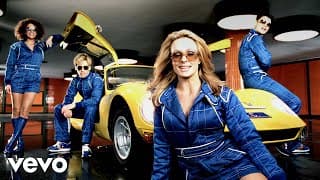
A Touch Of Class - Around the World (La La La La La) (Official Video)
"Around the World (La La La La La)" by ATC (A Touch of Class) is one of the most recognizable Eurodance tracks of the early 2000s. Here is an analysis of the song: Overall Theme The song centers on the universal language of music and the joy of shared experiences. It suggests that a catchy melody has the power to travel across borders, uniting people globally through the simple act of singing and dancing along. Key Lyrics Analysis * "The sound of the music, I'm next to you / As I am singing with the things you do": These lines emphasize the intimacy and connection created by music. It suggests that the song acts as a bridge between the performer and the listener, regardless of where they are in the world. * "Around the world, statues will turn to gold": This metaphorical line suggests that the music has a transformative, magical quality. It implies that the energy of the song can make the world feel more vibrant and precious. * "La la la la la": While not traditional "lyrics," the wordless chorus is the most important part of the song. By using a melody that requires no translation, ATC ensures the song is accessible to every culture, reinforcing the theme of global unity. Emotional Tone The tone is euphoric, upbeat, and carefree. It belongs to the "Bubblegum Dance" subgenre, designed to evoke a sense of pure optimism. For many listeners today, it also carries a heavy sense of nostalgia for the Y2K era of pop music. Cultural Context The song is actually an English-language cover of a Russian track titled "Pesenka" by the group Ruki Vverh!, released in 1998. ATC’s version became a massive international hit, peaking at number one in several European countries. Its "La La La" hook has since become a staple in pop culture, having been sampled or interpolated by numerous modern artists, most notably by Ava Max in "My Head & My Heart" and R3HAB. Artist Context ATC (A Touch of Class) was a multi-national pop group based in Germany, consisting of members from New Zealand, the UK, and Italy. "Around the World" was their debut single and remains their most successful work by a wide margin. While they released two albums, they are largely remembered as a "one-hit wonder" in the United States, though they maintained a significant following in Europe during the early 2000s dance music boom.

WOODZ 'CINEMA' MV
WOODZ, also known as Cho Seung-youn, released "CINEMA" as part of his 2021 mini-album *ONLY LOVERS LEFT*. It is a retro-inspired synth-pop track that uses the metaphor of a movie to describe the highs and lows of a romantic relationship. Here is an analysis and explanation of the song: ### 1. Overall Theme "CINEMA" explores the idea that love is like a classic film—beautiful, dramatic, and often surreal. It focuses on the nostalgia of a past relationship, comparing the memories of a lover to scenes played on a theater screen that one cannot stop watching, even if the "movie" has already ended. ### 2. Key Lyrics Analysis * "My life is like a cinema / Every day is a new scene": These lines establish the central metaphor. WOODZ views his experiences and emotions not as mundane reality, but as scripted, artistic moments meant to be observed. * "Wait, action, cut": By using film set terminology, the lyrics suggest a sense of performativity in love. It hints that the relationship might have been a "performance" where the participants played parts rather than being their true selves. * "The credits roll, but I’m still here": This signifies the pain of being unable to move on. Even though the "story" (the relationship) is over, the narrator remains in the empty theater, trapped in the memory of what used to be. ### 3. Emotional Tone The song carries a bittersweet and nostalgic tone. While the melody is upbeat and groovy (leaning into 80s synth-pop), the underlying lyrics are tinged with loneliness and longing. It captures the "afterglow" of romance—the feeling of being dazed and intoxicated by memories of someone who is no longer there. ### 4. Cultural Context "CINEMA" fits into the Retro-Revival trend that dominated K-pop in the early 2020s. However, WOODZ puts a sophisticated "city pop" twist on it. Culturally, the song draws on the universal trope of "The Golden Age of Hollywood," using vintage theater aesthetics to evoke a sense of timelessness. The music video’s use of film reels and old projectors appeals to a global audience's shared nostalgia for analog media. ### 5. Artist Context Within WOODZ’s discography, "CINEMA" highlights his evolution as an "all-rounder" artist. The album *ONLY LOVERS LEFT* is a conceptual piece that follows the chronological stages of a relationship (from falling in love to the breakup). "CINEMA" sits in the middle of this narrative, representing the peak of romantic idealization. It showcases his ability to blend different genres—R&B, Pop, and Rock—while maintaining a cohesive, artistic identity that is more "indie-leaning" than traditional K-pop idols.
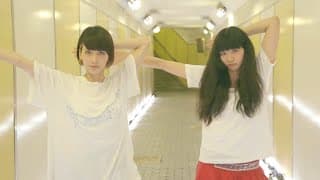
フレデリック「オドループ」Music Video | Frederic "oddloop"
"Oddloop" (オドループ), released in 2014, is the breakout hit by the Japanese rock band Frederic. It is famous for its addictive rhythm, quirky music video, and repetitive hooks. Here is an analysis of the song: 1. Overall Theme The song explores the concept of "repetition" and the desire to escape the mundane or stressful aspects of life through music and dance. The title "Oddloop" is a portmanteau of "Odd" and "Loop," suggesting a strange, cyclical state of mind where one loses themselves in a rhythmic, hypnotic movement to forget their worries. 2. Key Lyrics Analysis * "Odoru loop de dandan naku natte" (In a dancing loop, it gradually disappears): This line captures the core essence of the song—the idea that by surrendering to the repetitive rhythm, one’s ego, anxieties, and sense of time begin to fade away. * "Tsumaranai yoru ni odorou" (Let's dance on a boring night): This serves as a call to action. It suggests that dance is a remedy for boredom or the "emptiness" of modern existence. * "Kikasete uwasabaibanai" (Let me hear it, no more rumors/bye-bye to rumors): The lyrics often touch on moving past social noise, superficial gossip, and the "rules" of society to find something more primal and physical (the beat). 3. Emotional Tone The song strikes a unique balance between euphoric energy and stoic detachment. While the instrumentation is upbeat, funky, and highly danceable, the vocal delivery is often cool and rhythmic. There is a sense of "joyful nihilism"—the feeling that even if things don't make sense, you might as well keep moving. 4. Cultural Context * Viral Visuals: The music video features two models (Yuka and Erika) performing a synchronized, expressionless dance. This "stoic dance" became a massive viral sensation in Japan, sparking numerous parodies and dance covers. * The "Dancing Rock" Trend: "Oddloop" was a pivotal track in the mid-2010s Japanese indie scene trend known as *Odoru Rock* (Dancing Rock). Bands focused on creating high-BPM, four-on-the-floor beats specifically designed to make festival crowds dance. 5. Artist Context "Oddloop" is Frederic’s signature song and the track that defined their musical identity. It established their "addictive" style—characterized by Kenji Mihara’s distinct vocals, circular guitar riffs, and the use of repetition as a songwriting tool. Before this song, they were a relatively niche act; after its release, they became staples of the Japanese major music scene and international J-Rock playlists.

BLOK3 - GİT (Official Music Video)
Here is an analysis and explanation of the song "GİT" by the Turkish artist Blok3. 1. Overall Theme "GİT" (which translates to "GO") is a melancholic track centered on a painful breakup and the realization that two people are fundamentally incompatible. It explores the struggle of a narrator who loves someone deeply but recognizes that his chaotic, "street" lifestyle will eventually hurt them, leading him to push the partner away for their own good. 2. Key Lyrics Analysis * "Sana göre değil buralar" (This place isn't for you): This is a recurring sentiment in the song. Blok3 refers to his environment—likely the rough neighborhoods or the dangerous lifestyle he leads—implying that the person he loves is too "pure" or "different" to survive in his world. * "Seni sevdiğim kadar kendimi sevmedim" (I didn't love myself as much as I loved you): This line highlights the self-sacrificial nature of his love. It suggests that his decision to end the relationship isn't due to a lack of feeling, but rather a form of protection. * "Benim dünyam karanlık, senin dünyan renkli" (My world is dark, yours is colorful): This metaphor emphasizes the "black and white" contrast between their lives. He views himself as cynical or damaged, while viewing the partner as full of life and hope, making their union impossible. 3. Emotional Tone The emotional tone of the song is resigned and bittersweet. Unlike some of Blok3's more aggressive or high-energy tracks, "GİT" carries a heavy sense of weariness. There is a mixture of "street-hardened" pride and raw vulnerability, conveying the sadness of someone who is closing a door they wish they could keep open. 4. Cultural Context The song fits into the modern "Arabesque-Trap" or "Melodic Drill" genre that is currently dominating the Turkish music scene. It blends traditional Turkish emotional storytelling (similar to old Arabesque music, which focuses on suffering and fate) with modern hip-hop production. The setting of the music video and the lyrics often reference the "Gebze" area, an industrial district near Istanbul known for its tough, working-class atmosphere, which adds a layer of "street credibility" to the heartbreak. 5. Artist Context Blok3 (Hakan Aydın) rose to massive fame by blending high-energy club hits with catchy, street-level slang. "GİT" represents his ability to pivot from "hype" music to emotional storytelling. It solidified his status as a versatile artist who can appeal to the youth through both "flexing" culture and relatable, heart-wrenching ballads. This song specifically helped him reach a wider audience that appreciates the emotional depth typical of Turkish pop and folk music, but delivered in a modern rap format.

Oorum Blood (From "Dude")
"Oorum Blood" is a high-energy track composed and performed by the rising South Indian sensation Sai Abhyankkar for the Malayalam film *Dude*. The song serves as a vibrant, modern anthem that blends electronic production with localized rhythmic sensibilities. Here is an analysis of the song: 1. Overall Theme The song is a high-octane celebration of brotherhood, youth spirit, and the "mass" (heroic/cool) persona of a group of friends. It revolves around the concept of kinship—symbolized by "blood"—and the shared energy of a tribe or "gang" moving together through life’s highs. 2. Key Lyrics Analysis * "Oorum Blood" (Flowing Blood): The title and recurring hook suggest a deep, visceral connection. It implies that the same passion or "blood" flows through the veins of the group, signifying loyalty and shared identity. * "Aattam" & "Vattam" (Dance & Circle): These words emphasize the communal aspect of the song. It’s about a "circle" of friends coming together to celebrate ("Aattam"), creating a sense of belonging and protection within their group. * Rhythmic Chants: Much of the song relies on rhythmic vocalizations rather than complex metaphors. This is designed to create a "trance-like" vibe, focusing on the feeling of collective movement and adrenaline. 3. Emotional Tone The emotional tone is electric, rebellious, and celebratory. It carries a "swagger" typical of modern South Indian youth-centric films. It isn't just a happy song; it has a sharp, edgy undertone that suggests confidence and a "don’t-mess-with-us" attitude. 4. Cultural Context * Malayalam "New Gen" Cinema: The song fits perfectly into the current trend of Malayalam cinema, where traditional "mass" elements are reimagined with global sounds (Synth-pop, EDM, and Trap). * The "Dude" Culture: The song mirrors the lifestyle of urban Kerala youth—finding joy in friendship, music, and distinct fashion, often referred to as "freakans" or "dudes" in local slang. * Genre Fusion: Sai Abhyankkar uses a "folk-electronic" fusion that bridges the gap between traditional percussion patterns and modern club music. 5. Artist Context Sai Abhyankkar recently shot to superstardom with his independent hits "Katchi Sera" and "Aasa Kooda." * Entry into Mollywood: "Oorum Blood" marks his significant entry into the Malayalam film industry (Mollywood). * Signature Style: The song carries his signature style—infectious grooves, high-pitched vocal textures, and a production quality that feels international yet rooted in South Indian soil. It cements his position as a "cross-border" artist who can deliver hits in both Tamil and Malayalam.
![OneRepublic - I Ain’t Worried (From “Top Gun: Maverick”) [Official Music Video]](/_next/image?url=https%3A%2F%2Fimg.youtube.com%2Fvi%2FmNEUkkoUoIA%2Fmqdefault.jpg&w=3840&q=75)
OneRepublic - I Ain’t Worried (From “Top Gun: Maverick”) [Official Music Video]
"I Ain’t Worried" by OneRepublic became one of the biggest global hits of 2022. Below is an analysis of the song’s themes, lyrics, and context. 1. Overall Theme The song is an anthem for living in the moment and practicing "selective ignorance" toward stress and the future. It focuses on the philosophy of enjoying the present "golden" moments of life, even when time is limited or pressure is high. 2. Key Lyrics Analysis * "I’m at the deep end, watch me dive in": This suggests a fearless approach to life. Instead of being paralyzed by the depth of a challenge, the narrator embraces it with confidence. * "I ain't worried 'bout it right now / Keeping dreams alive, 1999, heroes": The mention of 1999 evokes nostalgia for a simpler time and honors the legacy of the original *Top Gun* (1986). It suggests a desire to maintain a youthful, "heroic" spirit despite growing older. * "Time is running out / I don't see no clouds and I'm optimistic": This highlights a conscious choice. The narrator acknowledges that time is fleeting but chooses to focus on the "clear skies" (positivity) rather than impending storms (problems). * The Whistling Hook: While not a lyric, the infectious whistle throughout the song serves as a musical metaphor for being "unbothered" and carefree. 3. Emotional Tone The tone is optimistic, breezy, and defiant. It carries a high-energy "summertime" vibe that feels both relaxed and triumphant. It captures the feeling of a temporary escape from the weight of the world, offering the listener a sense of liberation. 4. Cultural Context The song was written specifically for the film *Top Gun: Maverick*. It soundtracks the famous "beach football" scene, which serves as a modern callback to the iconic volleyball scene from the 1986 original. * Post-Pandemic Sentiment: Released as the world was emerging from global lockdowns, the song’s "I ain’t worried" message resonated deeply with a public eager to stop worrying and start living again. * TikTok Virality: The song’s rhythmic beat and "cool" factor made it a massive trend on social media, further cementing its place in the cultural zeitgeist. 5. Artist Context For OneRepublic and lead singer/producer Ryan Tedder, "I Ain’t Worried" represented a major commercial "second wind." * While the band has had massive hits like "Counting Stars" and "Apologize," this song proved Tedder’s ability to craft a modern, cinematic earworm that appeals to multiple generations. * Stylistically, it leaned more into a retro-pop/rock sound compared to their previous electronic-heavy tracks, drawing inspiration from bands like Peter Bjorn and John (specifically the "Young Folks" whistle vibe).