
Latest Articles

MONTAGEM HIKARI
"MONTAGEM HIKARI" by BellyJay is a high-energy track that sits at the intersection of Brazilian Funk and the viral Phonk subgenre. Like many "Montagems," it is built primarily for dance floors, workout playlists, and social media edits rather than lyrical storytelling. Here is an analysis of the track: ### 1. Overall Theme The song revolves around the themes of high-intensity energy and rhythmic dominance. It is a "Montagem" (Assembly), which in the Brazilian Funk scene refers to a track built by looping vocal samples over heavy, distorted percussion to create a hypnotic, club-ready atmosphere. ### 2. Key Lyrics Analysis Because this is a "Montagem," the lyrics are minimalist and repetitive, serving more as rhythmic instruments than as poetry. * "Hikari": The title means "Light" in Japanese. While the lyrics are sparse, the use of this word (often sampled from anime or Japanese media) aligns the track with the "Brazilian Phonk" aesthetic, which frequently blends São Paulo’s *Mandelão* funk with Japanese pop-culture references. * The Vocal Chops: The repetitive vocal snippets usually focus on commands to dance or rhythmic grunts. These are designed to sync with the "beat drop," emphasizing the "aggressive" side of funk music known as *Funk Pesado*. ### 3. Emotional Tone The tone is aggressive, dark, and electrifying. * Adrenaline: The heavy use of distorted bass (typical of the "Mandelão" style) creates a sense of raw power. * Trance-like: The repetitive nature of the loops creates a "hypnotic" effect, intended to keep the listener moving without distraction. ### 4. Cultural Context The song is a prime example of the "Brazilian Phonk" movement. * Global Fusion: This genre took the world by storm on TikTok and YouTube, blending the "cowbell" sounds of Memphis-inspired Phonk with the aggressive "proibidão" or "mandelão" beats of the Brazilian favelas. * Internet Aesthetic: The reference to "Hikari" (Light) connects the song to the "drift" or "gym-bro" culture online, where tracks like this are used as background music for high-speed car videos or intense bodybuilding montages. ### 5. Artist Context BellyJay is an artist/producer who thrives in the digital-first era of music. * Genre Specialist: This track fits into BellyJay’s discography as a tool for viral engagement. In the current landscape of Brazilian music, producers often release "Montagems" to see which beat pattern catches fire on TikTok. * Growth: "MONTAGEM HIKARI" represents the artist's ability to capitalize on the "Phonk" trend while keeping the authentic, gritty roots of Brazilian Funk alive. It showcases a shift toward shorter, high-impact tracks designed for the streaming era.

Hearts2Hearts 하츠투하츠 'STYLE' MV
Hearts2Hearts (H2H) is a global girl group project under SM Entertainment. Their debut single "STYLE" is a vibrant introduction to their musical identity. Here is an analysis and explanation of the song and music video. 1. Overall Theme The song is a high-energy anthem centered on self-confidence, individuality, and the power of personal "vibe." It delivers a message that true "style" isn't just about fashion, but about the internal attitude and the courage to stand out in a crowd by being unapologetically yourself. 2. Key Lyrics Analysis * "Show them your style / Follow your own rhythm": These lines serve as the core mantra of the song. It encourages listeners to ignore societal pressures and instead find a unique pace and aesthetic that feels authentic. * "Beyond the limits, we go higher": This reflects the ambitious nature of the group. It suggests that by embracing one’s unique "style," one can break through barriers and achieve greater success. * The repetition of "Style" in the chorus: The word is used as a rhythmic hook, equating "style" with "identity." The lyrics suggest that your style is your signature in the world—something that cannot be replicated by others. 3. Emotional Tone The emotional tone of "STYLE" is empowering, youthful, and infectious. It carries a sense of "cool confidence." The upbeat tempo and bright synth-pop elements create a feeling of liberation and excitement, designed to make the listener feel like the protagonist of their own story. It balances a polished, professional sound with a playful, "street-smart" energy. 4. Cultural Context * Y2K and Retro-Modernism: The song and MV heavily lean into the Y2K aesthetic (late 90s/early 2000s fashion and film grain), which is a major global trend. This connects the song to a sense of nostalgia while keeping it modern for Gen Z listeners. * Global Collaboration: Hearts2Hearts represents SM Entertainment’s "Globalization" strategy. The group’s composition and the song’s English-heavy lyrics signify an effort to appeal to a worldwide audience, blending K-pop’s rigorous production standards with a more westernized pop-rock and dance-pop sound. 5. Artist Context Hearts2Hearts occupies a unique space in the SMTOWN ecosystem. Unlike the heavily conceptualized "lore" (storylines) of groups like aespa or EXO, H2H focuses on relatability and chic simplicity. "STYLE" serves as their definitive mission statement: they are a group focused on the intersection of fashion, music, and personality. For the members—some of whom have been trainees or involved in other SM projects—this song marks a fresh start and a "coming out" party to show their growth and readiness for the global stage.
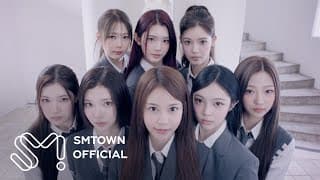
Hearts2Hearts 하츠투하츠 'FOCUS' MV
"FOCUS" by Hearts2Hearts (하츠투하츠) is a vibrant pop track released through SM Entertainment’s "SM Universe" project. It serves as a showcase for the potential and talent of the label's younger trainees. Here is an analysis of the song and its music video: 1. Overall Theme The song centers on the themes of ambition, self-confidence, and the pursuit of dreams. It uses the metaphor of a camera "focusing" to describe a young person’s unwavering dedication to their goals and the desire to be seen by the world. It captures the moment of transition from being a hidden trainee to stepping into the spotlight. 2. Key Lyrics Analysis * "Keep my focus on you" / "Eyes on me": While these lines can sound like a romantic confession, in the context of the SM Universe, they represent the relationship between the performer and their dream (or the performer and the audience). It’s about mutual recognition and the "spark" that happens when a star is born. * "Shining like a diamond in the rough": This common metaphor highlights the trainees' current status. They are still learning and "unpolished," but they possess an internal value and brightness that is ready to be refined through hard work. * References to "Light" and "Vision": The lyrics frequently mention being blinded by light or seeing things clearly, symbolizing the clarity of purpose that comes with pursuing a passion. 3. Emotional Tone The emotional tone is energetic, optimistic, and youthful. The production uses bright synths and a driving beat to create a sense of momentum. There is an underlying feeling of "first-time excitement"—the nervous but bold energy of teenagers ready to take on the world. It feels "sunny" and inspirational rather than aggressive. 4. Cultural Context * The "High Teen" Aesthetic: The music video and styling lean heavily into the "High Teen" concept (a blend of American prep school vibes and modern Korean street style). This is a massive trend in K-pop that romanticizes youth and school life. * Trainee Culture: In South Korea, the process of becoming an idol is grueling. This song serves as a "public evaluation" or a "soft debut," allowing the public to see the results of the rigorous training system that SM Entertainment is world-famous for. 5. Artist Context Hearts2Hearts is a project group under SM Universe (SMU), an educational branch of SM Entertainment. * Not a Permanent Group: Unlike NCT or aespa, Hearts2Hearts is a developmental group. This song allows SM to test the marketability and chemistry of specific trainees. * The SMTOWN Pipeline: This release fits into the broader "SM Culture Universe" by expanding the label's reach into younger demographics (Gen Alpha) and showing the "human" side of the training process. For the members, "FOCUS" is a significant milestone in their career, acting as a professional portfolio before their official permanent debut.
Sadder Than Yesterday (어제보다 슬픈 오늘)
"Sadder Than Yesterday" (어제보다 슬픈 오늘) by Woody is a poignant R&B/Pop track that explores the lingering aftermath of a breakup. Here is an analysis of the song: 1. Overall Theme The song centers on the realization that time does not always heal wounds linearly. It describes the "delayed" grief of a breakup, where the narrator finds that instead of feeling better as the days pass, the void left by their former partner actually feels heavier and more painful today than it did the day before. 2. Key Lyrics Analysis * "Today is sadder than yesterday" (어제보다 슬픈 오늘): This recurring line serves as the emotional anchor. It subverts the common trope that "time is the medicine," suggesting instead that the accumulation of small, lonely moments makes the loss feel more profound over time. * "I thought I’d be used to it by now" (익숙해질 법도 한데): This reflects the frustration of being unable to move on. It highlights the gap between the logical mind (which knows the relationship is over) and the heart (which still yearns for the past). * Descriptions of mundane routines: The lyrics often mention everyday activities like walking or eating alone. These lines emphasize that heartbreak isn't just about the "big" goodbye, but about the quiet, stinging realization that the person is missing from the small details of daily life. 3. Emotional Tone The tone is melancholic, weary, and nostalgic. Woody’s vocal delivery is airy and somewhat resigned, which mirrors the feeling of emotional exhaustion. It doesn't sound like a fresh, angry wound; rather, it sounds like a dull, persistent ache—a "blue" feeling that colors one's entire world. 4. Cultural Context In the Korean music scene, there is a popular sub-genre often referred to as "Daily Life Sentimentality" (일상적 감성). Listeners in Korea often gravitate toward songs that capture specific, relatable moments of loneliness that occur in city life. This song fits perfectly into the "late-night listening" (새벽 감성) culture, where listeners seek out music that validates their quiet sadness after a long day. 5. Artist Context Woody rose to prominence with his hit "Fire Up," establishing a signature style that blends groovy R&B rhythms with deeply relatable, conversational lyrics. "Sadder Than Yesterday" reinforces his identity as an artist who can take a simple, common emotion and turn it into a catchy yet emotionally resonant "easy-listening" track. It showcases his ability to use his unique, slightly raspy vocal tone to convey vulnerability without being overly dramatic.

임영웅 '그댈 위한 멜로디' Official M/V
"Melody for You" (그댈 위한 멜로디) is a heartwarming track from Lim Young-woong’s first full-length album, *IM HERO*. It is a gentle acoustic pop ballad that showcases his sincere vocal delivery and deep connection with his audience. 1. Overall Theme The song is a heartfelt dedication to a loved one, serving as a musical "thank you" letter for their unwavering support. It explores the idea of music as a bridge that connects souls, promising that the singer will remain a constant source of comfort and light through his "melody." 2. Key Lyrics Analysis * "Though it’s clumsy, I sing this song with all my heart" (서툴지만 마음을 다해 부르는 노래): This line emphasizes sincerity over technical perfection. It suggests that the most important thing is the genuine emotion behind the words, rather than just the performance. * "Even if everything in the world changes, I will stay by your side" (세상 모든 것이 변해가도 나는 그대 곁에 있을게요): This highlights a theme of eternal commitment. In a fast-moving world, the singer promises to be a "fixed point" or a pillar of stability for the listener. * "I hope my melody reaches you and stays in your heart" (나의 멜로디가 그대에게 닿기를): The "melody" represents the singer's soul and his prayers for the listener's happiness. It portrays music as a form of healing that transcends physical distance. 3. Emotional Tone The tone is warm, soothing, and nostalgic. Unlike some of Lim Young-woong’s more dramatic or sorrowful ballads, this song feels like a gentle hug or a conversation over a warm cup of tea. It carries a sense of "healing" (known as *hyu-sik* in Korean), aiming to lower the listener's guard and provide peace of mind. 4. Cultural Context In South Korea, Lim Young-woong is more than just a singer; he is a "healing icon," particularly for the middle-aged and older generations (often referred to as the "Ageum" fandom). This song fits into the Korean cultural trend of "Healing Music", which focuses on comforting the weary soul in a high-pressure society. The song’s simplicity and lack of aggressive production reflect a cultural desire for "pure" and "honest" art. 5. Artist Context "Melody for You" was a pivotal track in Lim Young-woong's career as it helped solidify his transition from a "Trot King" to a versatile pop vocalist. While he rose to fame through the traditional Trot genre, this song demonstrates his ability to master acoustic pop and soft balladry. It reinforces his image as a humble and grateful artist who prioritizes his fans (Ageum) above all else, making it a staple "fan song" in his discography.

필헌 - 벗 (Dear My Friend) Official MV 🎬
"Dear My Friend (벗)" by FeelHeon (필헌) is a poignant acoustic ballad that resonates with anyone who has navigated the transition from youth to adulthood alongside a close companion. ### 1. Overall Theme The song is a sincere tribute to long-term friendship and the shared experience of growing up. It explores the realization that while life becomes increasingly difficult and wearying with age, having a "soul friend" (the literal meaning of the Korean word *Beot*) makes the journey endurable and meaningful. ### 2. Key Lyrics Analysis * "Suddenly, we have become adults" (어느덧 우린 어른이 되어): This line sets the stage for the song's nostalgic perspective. It reflects on the passage of time and the weight of responsibilities that come with adulthood, contrasted against the simplicity of their younger days. * "At the end of a tiring day, because you are there" (고단한 하루 끝에 네가 있어서): This highlights the friend as a "safe haven." It suggests that the mere existence of a person who truly understands you acts as a remedy for the exhaustion caused by the outside world. * "Let’s not be in pain anymore" (우리 이제는 아프지 말자): A common sentiment in Korean songwriting, this is more than a physical wish; it is an emotional plea for healing. It acknowledges the hidden scars and struggles both friends have faced and expresses a deep desire for mutual peace. ### 3. Emotional Tone The song carries a warm, nostalgic, and comforting tone. FeelHeon’s soft, emotive vocals paired with the gentle acoustic arrangement create an atmosphere of intimacy—as if the listener is eavesdropping on a private conversation between two old friends. There is an underlying sense of melancholy for the "lost innocence" of youth, but it is ultimately overcome by a sense of gratitude and hope. ### 4. Cultural Context * The word "Beot" (벗): While the common Korean word for friend is *Chingu*, FeelHeon uses *Beot*. This is an older, more poetic term that implies a deeper, more spiritual connection—a companion who walks the same path in life. * Healing Culture: The song fits into the "Healing" (힐링) trend in Korean media, which focuses on providing comfort to the "exhausted youth" (N-po generation) who face high societal pressure and economic instability. ### 5. Artist Context FeelHeon is an indie-ballad artist known for his storytelling and clear, resonant vocals. "Dear My Friend" is a quintessential example of his musical identity: focusing on the "small but certain happiness" and the profound emotions found in everyday relationships. This song helped solidify his reputation as a "vocalist of comfort," capable of turning personal reflections into universal anthems of empathy.
![[화산귀환] 지는 법은 배운 적이 없으니까 (도겸) MV](/_next/image?url=https%3A%2F%2Fimg.youtube.com%2Fvi%2FCpWOIjkLl4M%2Fmqdefault.jpg&w=3840&q=75)
[화산귀환] 지는 법은 배운 적이 없으니까 (도겸) MV
This song is the theme for the hit Naver Webtoon "Return of the Blossoming Blade" (화산귀환), performed by DK (Dokyeom) of the K-pop group SEVENTEEN. ### 1. Overall Theme The song encapsulates the indomitable spirit and unwavering pride of the protagonist, Chung Myung, the "Plum Blossom Sword Saint." It centers on his determination to restore the fallen Mount Hua Sect to its former glory, reflecting a refusal to surrender regardless of how many decades have passed or how difficult the obstacles become. ### 2. Key Lyrics Analysis * "Because I never learned how to lose" (지는 법은 배운 적이 없으니까): The core hook of the song. It represents Chung Myung’s absolute confidence and his warrior's ego. It isn't just about winning a fight; it’s about a refusal to let his sect’s legacy die. * "Even if the world turns its back, I will carve the name again": This refers to the plot where the Mount Hua Sect has been forgotten by the world after a hundred years. The lyrics highlight the protagonist’s lonely but resolute journey to make the world remember "Mount Hua" through sheer force of will. * Imagery of "Plum Blossoms" and "Scattering Petals": In the series, the signature technique of the Mount Hua Sect involves sword movements that look like falling plum blossoms. The lyrics use this imagery to represent the sect’s beauty, power, and eventual rebirth. ### 3. Emotional Tone The song is heroic, high-energy, and intensely passionate. It begins with a sense of rising tension and explodes into a powerful, soaring chorus. It evokes the feeling of a "shonen" anime opening—meant to make the listener feel empowered, motivated, and ready to face a challenge. DK’s clear, piercing high notes add a layer of "refreshing" strength to the track. ### 4. Cultural Context * Murim (Martial Arts) Genre: The song taps into the classic tropes of the *Murim* genre—honor, sect loyalty, and the pursuit of ultimate martial prowess. * Webtoon OST Phenomenon: In Korea, major webtoons now receive high-budget OSTs featuring top-tier K-pop idols. This collaboration signifies the massive mainstream popularity of "Return of the Blossoming Blade," which is one of the most-read web novels and webtoons in the country. * Symbolism of the Plum Blossom: In Korean culture, the plum blossom represents perseverance and integrity because it blooms even in the cold of early spring. This perfectly matches the protagonist’s journey. ### 5. Artist Context DK (SEVENTEEN) is widely regarded as one of the best vocalists in the third generation of K-pop. Known for his "powerhouse" vocals and wide range, this song allows him to showcase his ability to belt difficult notes while maintaining an emotional narrative. For DK, this OST solidifies his reputation as a "reliable vocalist" who can handle the intense, rock-inspired soundscapes typical of epic action narratives, moving slightly away from the bright, pop-centric sound often associated with SEVENTEEN’s group work.

JENNIE - like JENNIE (Official Video)
It appears you are referring to Jennie’s recent solo single titled "Mantra," released under her own label, Odd Atelier (OA). While the song is titled "Mantra," its hook—"Pretty girls like Jennie"—has become its most recognizable line and the focal point of the video on her JennieRubyJaneVEVO channel. Here is an analysis of the song: ### 1. Overall Theme "Mantra" is an anthem of self-confidence, female empowerment, and individuality. It centers on the "pretty girl mantra"—a mindset of being unapologetically yourself, staying successful, and fostering a sense of sisterhood among women who are confident in their own skin. ### 2. Key Lyrics Analysis * "This that pretty-girl mantra, this that fresh flow": Here, Jennie defines "pretty" not just as a physical trait, but as an energy or a "flow." She is establishing a new standard for how she intends to live her life and run her career. * "Pretty girls like Jennie / This that pretty-girl mantra": By using her own name in the third person, she cements her status as a global "It Girl" and a blueprint for confidence. It’s a self-affirming line that invites fans to adopt the same level of self-love. * "Look at her, she’s a ten": This line reinforces the theme of high self-esteem. It dismisses external criticism and focuses on recognizing one’s own value and the value of other women. ### 3. Emotional Tone The tone is bold, vibrant, and coolly assertive. It lacks the angst or heartbreak found in many pop songs; instead, it feels like a high-fashion celebration. There is an air of "quiet luxury" and "main character energy" throughout the track, conveyed through Jennie’s playful yet steady vocal delivery. ### 4. Cultural Context The song and video draw heavily from Y2K fashion and Los Angeles "It Girl" culture. By filming in diverse LA locations with a multi-ethnic cast of women, Jennie positions herself as a global pop star rather than just a K-pop idol. It leans into the "Clean Girl" and "Mob Wife" aesthetics popular on social media, blending high fashion with a rebellious, independent spirit. ### 5. Artist Context This song is a massive milestone in Jennie’s career as it is her first official solo release after founding her own company, OA (Odd Atelier). * It signifies her artistic independence from her long-time agency, YG Entertainment. * The lyrics and Western-leaning sound (produced in collaboration with international hitmakers) signal her intention to dominate the global market as a solo act, moving beyond the traditional K-pop framework to become a multi-faceted international icon.

나는 반딧불 - 황가람
"나는 반딧불" (I am a Firefly) by 황가람 (Hwang Garam) is a poignant folk-rock ballad that has gained significant popularity for its raw emotional honesty and "healing" message. Here is an analysis of the song: 1. Overall Theme The song uses the metaphor of a firefly to represent a person who feels small, fragile, and exhausted by the hardships of life. It explores the idea that even if one’s "light" is faint and their heart is "burnt out," they still strive to shine through the darkness to provide comfort to themselves and others. 2. Key Lyrics Analysis * "나는 반딧불, 어둠 속을 헤매이다" (I am a firefly, wandering through the darkness): This establishes the central metaphor. The "darkness" represents the uncertainty and loneliness of life, while the firefly represents the singer’s small but persistent existence. * "타버린 가슴으로 노래를 부르네" (I sing a song with a burnt-out heart): This is one of the most powerful lines. It suggests that the singer’s passion or spirit has been damaged by life's trials, yet they still find the strength to express themselves and reach out to others. * "작은 불빛 하나로 세상을 비추네" (Lighting up the world with one tiny light): This reflects a humble sense of purpose. It’s not about changing the whole world, but about the value of a single, small act of survival or kindness. 3. Emotional Tone The song carries a melancholic yet resilient tone. Hwang Garam’s signature husky and gravelly voice adds a layer of "Han" (a uniquely Korean sentiment of deep sorrow and yearning). While the melody feels lonely and heavy, the overall message is one of comfort and quiet hope, making the listener feel understood in their own struggles. 4. Cultural Context In Korea, "Firefly" (Ban-dit-bul) is a nostalgic symbol of purity and a fragile light that is easily extinguished. The song fits into the modern Korean "Healing" (힐링) culture, where music serves as a form of therapy for the "N-po generation" (youth who have given up on many things due to economic pressure). It resonates with people who feel like they are struggling in the shadows of a high-pressure society. 5. Artist Context Hwang Garam is known as a "powerhouse vocalist of the streets," having spent years as a busker and indie artist before gaining wider recognition. "나는 반딧불" perfectly showcases his ability to deliver a "soulful" performance that sounds like it comes from years of life experience. This song solidified his identity as an artist who speaks for the "neighborhood youth"—the common people who are working hard to survive and shine in their own small way.

에픽하이(Epik high) - 우산 (Feat. 윤하)
"Umbrella" (우산) by Epik High (featuring Younha) is one of the most iconic tracks in Korean hip-hop history. Released in 2008 as part of their fifth studio album, *Pieces, Part One*, it remains a timeless classic that resurfaces on music charts every time it rains in South Korea. --- ### 1. Overall Theme The song explores the bittersweet nostalgia and lingering sorrow that follow a breakup, specifically triggered by the atmosphere of a rainy day. It uses the "umbrella" as a central metaphor for a past lover who once shielded the narrator from the "rain" (life’s hardships and sadness), leaving them feeling exposed and lonely now that the relationship has ended. ### 2. Key Lyrics Analysis * "Suddenly rainwater pools at my ankles / The tears I held back pool in my eyes": These opening lines perfectly synchronize the external environment with the narrator's internal state. The rising water mirrors the rising tide of emotions they can no longer suppress. * "You were the umbrella over my head / Whenever cold raindrops gathered on my shoulders": This repetitive chorus highlights the lover’s role as a protector. The "cold raindrops" represent the harshness of reality, and the absence of the "umbrella" signifies a loss of safety and comfort. * "The space next to me, which used to be so small for two, now feels too wide for one": This lyric captures the physical emptiness left behind. An umbrella, which usually forces two people into intimate proximity, now serves as a painful reminder of the person who is no longer there to share that space. ### 3. Emotional Tone The tone is deeply melancholic, reflective, and damp. The production uses a rhythmic but somber piano melody and the ambient sound of rain to create a "gray" atmosphere. Younha’s clear, ethereal vocals provide a haunting contrast to Tablo and Mithra Jin’s grounded, conversational rap verses, evoking a sense of resigned sadness rather than explosive anger. ### 4. Cultural Context In South Korea, "Umbrella" is known as the ultimate "Rainy Day Anthem." It established a cultural phenomenon where specific songs are tied to seasonal weather. To this day, whenever the weather forecast predicts rain, the song sees a massive spike in streaming. It reflects the Korean aesthetic of *shin-pa* (emotional drama) and *han* (a unique form of sorrow or longing), making it deeply relatable to the general public. ### 5. Artist Context * Epik High: This song cemented Epik High’s reputation as "lyrical monsters" who could blend poetic hip-hop with mainstream pop sensibilities. It proved that hip-hop didn't have to be "tough" to be successful; it could be vulnerable and literary. * Younha: While she was already a successful soloist, this collaboration is arguably her most famous work. Her voice became synonymous with the "vibe" of the song, leading to a solo "remake" version she released years later to commemorate the song’s legacy. * Legacy: "Umbrella" helped transition Korean hip-hop from a niche subculture into the dominant mainstream force it is today by appealing to the emotional sensibilities of a wide audience.
Endangered Love
"Endangered Love" (멸종위기종) is a track from Lee Chanhyuk’s debut solo album, *ERROR*, released in 2022. It is a whimsical yet deeply philosophical exploration of modern romance. ### 1. Overall Theme The song uses the metaphor of an "endangered species" to describe genuine, selfless, and old-fashioned love in the modern world. It suggests that in an era of instant gratification and cynical detachment, the act of truly loving someone has become a rare and fragile phenomenon that needs protection. ### 2. Key Lyrics Analysis * "We are disappearing like an endangered species" (멸종위기종처럼 우린 사라져가): This central metaphor suggests that the "romantic" type of person—those who love deeply and sincerely—is becoming extinct. It highlights a sense of isolation felt by those who still value traditional emotional depth. * "Love is out of fashion": Chanhyuk comments on how society now views intense romanticism as "cringe" or outdated. The song posits that being "cool" or "detached" has replaced the warmth of genuine connection. * "Even if the world changes, I’ll stay the same": This represents the artist’s "rebellion" against the fast-paced, disposable nature of modern relationships. He chooses to remain "endangered" rather than adapt to a cold, loveless environment. ### 3. Emotional Tone The song carries a melancholic yet whimsical tone. The melody has a retro, synth-pop feel that evokes nostalgia, while Chanhyuk’s vocal delivery is calm and almost conversational. There is a sense of lonely tenacity—the feeling of being the last person left who believes in a certain kind of magic. ### 4. Cultural Context In contemporary South Korean society (and globally), there is a rising trend of "fast" relationships and a "N-po generation" (those giving up on marriage and dating due to economic and social pressures). Chanhyuk taps into this cultural shift, questioning whether the loss of "romantic love" is a natural evolution or a tragic loss of human essence. The song acts as a critique of the transactional nature of modern dating. ### 5. Artist Context While Lee Chanhyuk is primarily known as the genius producer behind AKMU (Akdong Musician), his solo work under the album *ERROR* represents a "rebirth." The album follows a narrative where his public persona "dies," allowing him to explore more eccentric, avant-garde, and philosophical themes. "Endangered Love" fits perfectly into this solo identity—it is more experimental and cynical than AKMU’s typical "healthy" image, yet it retains his signature ability to find profound meaning in small metaphors.

임영웅 - 우리에게 안녕
"우리에게 안녕" (Goodbye to Us) by Lim Young-woong is a poignant track from his record-breaking first studio album, *IM HERO* (2022). It is a delicate ballad that captures the quiet, bittersweet moment of a relationship coming to an end. --- ### 1. Overall Theme The song explores the finality of a breakup and the process of letting go of a shared history. It focuses on the transition from "us" to "strangers," treating the relationship itself as a personified entity that the narrator must finally bid farewell to. ### 2. Key Lyrics Analysis * "익숙해진 너의 이름도 이젠 낯설어질까" (Will your name, which became so familiar, become strange now?) This line captures the fear of the "aftermath"—the moment when a person who was the center of your world becomes a distant memory. It highlights the painful irony of how intimacy turns into alienation. * "참 예뻤던 우리의 계절" (Our beautiful season) In Korean lyrics, "seasons" often represent a period of life or a relationship. By calling it a "beautiful season," the narrator acknowledges that despite the breakup, the time they spent together was precious and lacks resentment. * "우리에게 안녕이라 말해" (Say goodbye to us) Instead of just saying goodbye to the partner, the narrator says goodbye to the concept of "Us." It signifies the death of the shared identity they built together. ### 3. Emotional Tone The tone is wistful, calm, and deeply melancholic. Unlike aggressive breakup songs filled with regret or anger, this song is restrained. Lim Young-woong’s vocal delivery is soft and breathy, conveying a sense of weary acceptance. It feels like a long, heavy exhale at the end of a long day. ### 4. Cultural Context The Korean word "Annyeong" (안녕) is unique because it serves as both "Hello" and "Goodbye." It literally translates to "peace" or "wellness." By saying "Annyeong" to the relationship, the narrator is wishing for a peaceful conclusion and hoping both parties find "Annyeong" (peace) in their separate lives. This reflects a refined, mature approach to heartbreak common in K-Ballad culture. ### 5. Artist Context This song was crucial in solidifying Lim Young-woong’s transition from a "Trot" singer to a versatile pop balladeer. While he gained fame through the show *Mr. Trot*, "우리에게 안녕" showcases his ability to handle sophisticated, contemporary ballad arrangements. It proved to critics and fans alike that his emotional depth and vocal control could dominate the mainstream ballad genre, appealing to a wide demographic beyond his core older fanbase.