
Latest Articles

Alamak
Here is an analysis and explanation of the song "Alamak" by Rizky Febian (featuring the legendary Rhoma Irama). 1. Overall Theme The song explores the theme of sudden, overwhelming infatuation and being "starstruck" by someone’s beauty. It describes the shock and delight of falling head-over-heels for a person whose charm is so intense it leaves the narrator speechless and mesmerized. 2. Key Lyrics Analysis * "Alamak, alamak, mati aku": The word *Alamak* is a common Malay/Indonesian exclamation of surprise or shock. Pairing it with *mati aku* (literally "I’m dead" or "I’m done for") is a hyperbolic way of saying that the person's beauty is so powerful it is practically "fatal" to the narrator’s composure. * "Pesonamu buatku terpaku": This translates to "Your charm leaves me frozen/glued to the spot." It illustrates the physical sensation of being unable to move or think clearly when faced with someone incredibly attractive. * "Bukan main indahnya": This phrase translates to "The beauty is no joke" or "The beauty is extraordinary." It emphasizes that the person’s appeal is far beyond the average or expected level. 3. Emotional Tone The tone of the song is playful, flirtatious, and high-energy. It carries a sense of joyful disbelief. Rather than being a serious or melancholic love song, it captures the "adrenaline rush" and the lighthearted fun associated with a new crush or a moment of intense attraction. 4. Cultural Context The song is a significant cultural crossover because it features Rhoma Irama, the undisputed "King of Dangdut" (a genre of Indonesian folk music known for its rhythmic drum beats). * Linguistic Influence: The use of "Alamak" anchors the song in Malay/Indonesian street slang, making it relatable and catchy. * Genre Blending: It blends modern Pop/R&B with traditional *Dangdut* rhythms. This bridges the gap between the older generation (who grew up with Rhoma Irama) and the younger generation (Rizky Febian’s primary audience). 5. Artist Context For Rizky Febian, "Alamak" represents his versatility and his effort to pay homage to Indonesian music legends. Usually known for smooth R&B ballads and pop tracks, this collaboration shows his ability to adapt to more traditional, rhythmic styles. It was part of a special project celebrating the legacy of Rhoma Irama, further cementing Rizky’s position as a bridge between the classic and contemporary Indonesian music eras.
Piche Kota - Bahagia Lagi (Official Music Video)
"Bahagia Lagi" by Piche Kota is a popular track within the vibrant "Lagu Timur" (Eastern Indonesian music) scene. It captures a universal sentiment of reconciliation through a distinct Papuan lens. Here is an analysis of the song: 1. Overall Theme The song centers on the theme of reconciliation and emotional healing within a romantic relationship. It describes a couple moving past previous conflicts and misunderstandings to rediscover their joy, emphasizing the choice to be "happy again" (*bahagia lagi*) rather than dwelling on past mistakes. 2. Key Lyrics Analysis * *"Mari tong dua bahagia lagi"*: The word *"tong"* is Papuan slang for *"kita"* (us/we). This line is the core invitation of the song, asking the partner to leave the sadness behind so they can experience happiness together once more. * *"Tra mau ulang salah yang sama"*: (*"Don't want to repeat the same mistake"*). This highlights a sense of maturity and self-reflection. The narrator acknowledges that the relationship has faced hurdles and expresses a sincere desire for growth. * *"Sa jaga ko punya hati"*: (*"I will guard your heart"*). This reinforces the theme of commitment. It serves as a promise of loyalty and protection, reassuring the partner that they are valued. 3. Emotional Tone The tone is uplifting, romantic, and hopeful. While there is an underlying acknowledgement of past pain, the melody (which blends elements of Reggae, Pop, and Hip-Hop) feels "breezy" and light. It evokes the feeling of a fresh start—like the sun coming out after a storm. 4. Cultural Context * Lagu Timur Movement: This song is a prime example of the "Timur" (East) genre currently trending across Indonesia. It features the rhythmic, melodic flow typical of artists from Papua and Maluku. * Dialect: The lyrics are written in Papuan Malay, using terms like *"sa"* (I), *"ko"* (you), and *"tra"* (no/not). This gives the song an authentic local identity while remaining relatable to a wider Indonesian audience. * Communal Joy: The music video and the song’s vibe reflect the communal nature of Eastern Indonesian culture, where music is often used to bring people together and spread positive energy. 5. Artist Context Piche Kota is a group/collective representing the modern music scene in Jayapura, Papua. "Bahagia Lagi" serves as one of their signature tracks that helped solidify their presence in the national music industry. By combining modern beats with local lyricism, they have helped bring the unique sounds of Papua to the mainstream, proving that regional music can have a massive national appeal.
Bad Bunny ft. Chencho Corleone - Me Porto Bonito (Video Oficial) | Un Verano Sin Ti
"Me Porto Bonito" is one of the most successful tracks from Bad Bunny’s 2022 album *Un Verano Sin Ti*. It is a high-energy collaboration that blends modern production with classic "perreo" (reggaeton dance) vibes. ### 1. Overall Theme The song centers on intense physical attraction and the desire to impress a confident, high-status woman. Bad Bunny and Chencho Corleone trade verses about how they are willing to "behave nicely" (*me porto bonito*) specifically for her, acknowledging that her beauty and presence make her the center of attention wherever she goes. ### 2. Key Lyrics Analysis * "Tú no ere' bebecita, tú ere' bebesota": This is a direct play on the term "bebecita" (popularized by fellow artist Anuel AA). By calling her a "bebesota," Bad Bunny is emphasizing that she is more mature, imposing, and physically striking than a typical girl. * "Si tú me lo pides, yo me porto bonito": The title line translates to "If you ask me, I’ll behave myself." It suggests a playful submission, implying that while the narrator might usually be a "bad boy" or a player, this specific woman has the power to make him change his ways. * "En la guagua se queda el olor de tu perfume": This line focuses on sensory memory, highlighting the lingering impact she has on him even after she has left his vehicle. * "Papi, no te hagas, que tú sabes que yo estoy buena": In the bridge, Bad Bunny channels the woman’s perspective, highlighting her self-confidence and the fact that she is fully aware of her own sexual appeal. ### 3. Emotional Tone The tone is flirtatious, confident, and high-energy. It captures the vibe of "bellaqueo" (a Puerto Rican term for sexual tension/grinding in a club setting). There is a sense of mutual admiration and "flexing," where both the man and the woman are portrayed as powerful figures in the social scene. ### 4. Cultural Context * Chencho Corleone’s Presence: Chencho is a legend of "Old School" reggaeton (formerly of the duo Plan B). His inclusion gives the song "street cred" and connects the modern sounds of the 2020s to the classic reggaeton of the 2000s. * Social Media Culture: The song references posting "stories" on Instagram and the digital age of dating, where looks and social status are often curated online. * Puerto Rican Slang: The song is thick with Caribbean Spanish slang, grounding it deeply in the nightlife culture of San Juan. ### 5. Artist Context "Me Porto Bonito" served as a bridge between Bad Bunny’s global pop superstardom and his roots in raw reggaeton. While *Un Verano Sin Ti* explored many genres (indie-pop, mambo, bossa nova), this track was the "perreo" anthem that fans of his early career craved. It spent weeks at the top of the global charts, proving that traditional reggaeton remains a dominant force in the global music industry when executed with Bad Bunny’s unique flair.
#Video | नाच नागिन जैसन | #Raushan Rohi & #Khushi Kakkar | Nach Nagin Jaisan | New #Maghi Song 2026
"Nach Nagin Jaisan" is a high-energy Maghi folk-pop track by Raushan Rohi and Khushi Kakkar. It is designed primarily as a "DJ song" for celebrations, blending traditional regional elements with modern electronic beats. Here is an analysis of the song: 1. Overall Theme The song is a rhythmic celebration of dance, flirtation, and festive joy. It centers on a playful dialogue between a man and a woman at a social gathering (likely a wedding or a fair), where the male protagonist encourages the woman to let go of her inhibitions and dance with the fluidity and grace of a "Nagin" (cobra). 2. Key Lyrics Analysis * "Nach Nagin Jaisan" (Dance like a cobra): This is the central hook. In the context of North Indian and Maghi culture, the "Nagin dance" is a ubiquitous style of freestyle dancing performed at weddings. It symbolizes peak excitement and "giving in" to the beat. * Flirtatious Banter: The lyrics often involve the male singer praising the female's attire (like her *Lahanga* or *Jhumka*) or her dancing skills, while the female singer responds with playful confidence or sass. * Maghi Dialect: The use of specific Maghi phrasing (e.g., words like *ge*, *be*, or regional verb endings) grounds the song in the rural and semi-urban culture of the Bihar/Jharkhand region, making it highly relatable to the local audience. 3. Emotional Tone The tone is exuberant, festive, and high-spirited. It is crafted to evoke a sense of "Masti" (fun). There is a palpable energy in the vocals—Raushan Rohi provides a raw, energetic folk texture, while Khushi Kakkar adds a sharp, melodic, and teasing quality to the track. 4. Cultural Context * The "Nagin" Motif: The "snake dance" has been a staple of Indian pop culture since the 1950s film *Nagin*. In regional Maghi and Bhojpuri music, it has evolved into a symbol of uninhibited celebration. * DJ Culture: The song belongs to the "DJ Remix" sub-genre of regional music. These songs are specifically composed with heavy bass and fast tempos to be played on loud mobile sound systems during *Baraats* (wedding processions) and festivals like Chhath or Holi. * Marketing (2026 Tag): You will notice "2026" in the title; this is a common SEO tactic used by regional music labels to make the content appear "new" or "ahead of its time" for search algorithms. 5. Artist Context * Raushan Rohi: He is a prominent figure in the Maghi music industry, known for his ability to churn out hits that resonate with the youth of Bihar. His style usually bridges the gap between traditional folk storytelling and modern "item song" structures. * Khushi Kakkar: A frequent collaborator in the regional circuit, her voice provides the necessary "female foil" that is essential for the duet format popular in Maghi music. * This song reinforces their position as "mood-makers" for the regional party scene, continuing the trend of producing short, catchy, and danceable loops.
#Video | #Pawan Singh | बबुआन | #Shilpi Raj | #Chandani Singh | Bhojpuri Babuan Song
The song "Babuan" (बबुआन) by Pawan Singh and Shilpi Raj is a high-energy Bhojpuri track that celebrates caste-based identity and community pride. It is a quintessential example of the "caste-pop" subgenre that has become increasingly popular in the Bhojpuri music industry. Here is an analysis of the song: 1. Overall Theme The song is a celebratory anthem centered on the Rajput (Kshatriya) community, referred to colloquially as "Babuan" in Bihar and Uttar Pradesh. It revolves around the themes of lineage, social dominance, bravery, and the "swag" or charisma associated with the men of this community. 2. Key Lyrics Analysis * "Babuan" (The Title): The word itself is used as a badge of honor. The lyrics emphasize that being a "Babuan" is not just a name but a symbol of power and prestige. * Asserting Dominance: The verses often describe the arrival of a Babuan as an event that commands respect and silence from others. Lines typically suggest that "when a Babuan walks, the earth shakes," or "their word is law." * Heritage and Valor: The lyrics frequently allude to a history of bravery and "Aan, Baan, Shaan" (Prestige, Honor, and Pride), suggesting that the protagonist’s fearlessness is inherited from his ancestors. * The Female Perspective (Shilpi Raj’s part): The female vocals often praise the "macho" qualities of the protagonist, highlighting that he is different from others because of his royal attitude and fearlessness. 3. Emotional Tone The song's tone is bold, aggressive, and highly confident. It is designed to evoke a sense of pride and "machismo." The high-tempo beats and powerful delivery by Pawan Singh create an atmosphere of celebration and defiance, making it a popular track for weddings, rallies, and social gatherings. 4. Cultural Context * Caste Identity: In the socio-political landscape of Bihar and Eastern UP, caste identity is a significant factor. Songs like this cater to specific demographics (in this case, Rajputs) to foster a sense of belonging and community pride. * Visuals and Symbolism: The music video typically features luxury cars, traditional weapons (like swords or rifles), and "dabang" (fearless) attire to reinforce the image of the community as powerful landowners or warriors. * The "Zamindar" Aesthetic: The song taps into the historical image of the landlord/warrior class, modernizing it with contemporary fashion and music. 5. Artist Context * Pawan Singh: Known as the "Power Star" of Bhojpuri cinema, Pawan Singh himself belongs to the Rajput community. Songs like "Babuan" help solidify his image as a community icon. He has a long history of delivering "hero-centric" hits that celebrate masculine pride. * Shilpi Raj: Currently the most sought-after female playback singer in the industry, her presence ensures the song reaches a wider audience and provides the necessary vocal contrast to Pawan Singh’s heavy baritone. * Success Formula: This song fits into a successful commercial formula: a mix of folk-rooted lyrics, modern electronic beats, and a theme that appeals directly to the artist's core fan base.
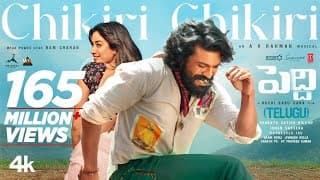
Chikiri Chikiri Video Song | Peddi | Ram Charan | Janhvi | Buchi Babu Sana | AR Rahman|Mohit Chauhan
The song "Chikiri Chikiri" is a highly anticipated track from the upcoming Telugu film *Peddhi* (tentatively referred to as *RC16*), directed by Buchi Babu Sana. Featuring music by the legendary A.R. Rahman and vocals by Mohit Chauhan, the song has generated significant buzz for its unique blend of rustic folk and soulful melody. Here is an analysis of the song: ### 1. Overall Theme "Chikiri Chikiri" is a soulful romantic track that explores the raw, earthy chemistry between the lead characters (played by Ram Charan and Janhvi Kapoor). Set against the backdrop of rural Uttarandhra, the song captures the innocence of village life and the whimsical nature of falling in love in a rustic, traditional setting. ### 2. Key Lyrics Analysis * "Chikiri Chikiri": The title phrase functions as a rhythmic, onomatopoeic expression common in folk music. It represents a sense of shimmering beauty or the fluttering heartbeat of someone in love. * Dialect Influence: The lyrics heavily utilize the Uttarandhra dialect (Northern Coastal Andhra). This gives the song a distinct "soil-to-surface" feel, using local metaphors involving nature, farming, and the landscape to describe the heroine’s beauty and the hero’s fascination. * The "Rahman-Mohit" Factor: Much like their previous collaborations (e.g., *Kun Faya Kun* or *Matargashti*), the lyrics are structured to allow the voice to glide, emphasizing phonetic beauty over complex vocabulary, making it catchy despite its regional roots. ### 3. Emotional Tone The emotional tone of the song is whimsical, breezy, and nostalgic. * Soulfulness: Mohit Chauhan’s distinct voice adds a layer of "mountain-air" freshness to a South Indian rural setting, creating a feeling of longing and purity. * Earthiness: AR Rahman’s instrumentation uses organic sounds that evoke the feeling of wind blowing through fields and the simplicity of village life, making the listener feel grounded yet uplifted. ### 4. Cultural Context * Uttarandhra Setting: The film is a sports drama (rumored to be based on Kabaddi) set in the Srikakulam/Vizianagaram region. The song reflects the specific cultural texture of this area, which is known for its unique folk music traditions and rugged landscapes. * The Sridevi Legacy: Janhvi Kapoor’s presence in a rustic Telugu film is a major cultural talking point, as it mirrors the "village belle" roles that made her mother, the late Sridevi, a superstar in Telugu cinema decades ago. ### 5. Artist Context * A.R. Rahman: This marks a significant return for Rahman to a "rooted" Telugu commercial film. He is known for redefining folk music with electronic and symphonic elements, and "Chikiri Chikiri" follows that trend of "Modern Folk." * Ram Charan: Following his global success with *RRR*, this song showcases a shift back to a more grounded, "man of the soil" character, reminiscent of his acclaimed performance in *Rangasthalam*. * Buchi Babu Sana: After his debut musical blockbuster *Uppena*, the director continues his streak of prioritizing high-quality, atmospheric music that drives the narrative. * Mohit Chauhan: His foray into Telugu cinema is rare; his casting as the singer suggests the makers wanted a voice that transcends regional boundaries to provide a "universal" romantic feel.

LVBEL C5, AKDO - COOOK PARDON
"COOOK PARDON" by LVBEL C5 (produced by AKDO) is a quintessential modern Turkish trap anthem that celebrates the artist's rapid rise to fame and financial success. The song serves as a boastful "victory lap," where LVBEL C5 flaunts his luxurious lifestyle while offering a sarcastic apology to his critics and rivals for being so successful. --- ### 1. Overall Theme The central theme is unapologetic success and materialism. LVBEL C5 focuses on the perks of his fame—expensive cars, designer clothing, and high-income status—using the phrase "Çok Pardon" (So Sorry) as a mocking retort to anyone who is jealous of his lifestyle. ### 2. Key Lyrics Analysis * "C5 baby, her şey yolunda" (C5 baby, everything is on track/fine): This is the artist’s signature catchphrase. It establishes a sense of security and confidence, telling the listener that despite any drama or struggle, he is winning. * "Çok pardon, paralar katlanıyor" (So sorry, the money is folding/multiplying): The title of the song comes to life here. He is sarcastically apologizing for his wealth. In Turkish slang, "folding money" refers to earning so much that the stack of cash becomes physically thick. * "Altımda Mercedes, yanımda manita" (Mercedes under me, a girl next to me): This utilizes classic trap tropes. It associates his musical success with tangible status symbols like luxury German cars and social "conquests." * "Baba hızlı, sanki Formula" (Father [referring to himself] is fast, like Formula [1]): He compares his lifestyle and his rise in the music industry to a high-speed race, suggesting that no one can catch up to him. ### 3. Emotional Tone The tone is braggadocious, energetic, and defiant. There is a high level of bravado; the song doesn't seek sympathy but rather demands respect (or envy). It is designed to be high-energy, making it a staple for club environments and "car culture" playlists. ### 4. Cultural Context The song sits within the Turkish Drill and Trap movement, which has dominated the Turkish music charts over the last few years. LVBEL C5 represents a generation of Turkish youth who have moved away from traditional melancholic melodies in favor of a globalized, hedonistic hip-hop sound. The mention of specific luxury brands (Prada, Mercedes, Audi) reflects a shift in Turkish youth culture toward conspicuous consumption and Western-style stardom. ### 5. Artist Context LVBEL C5 is one of the most commercially successful figures in the Turkish rap scene. "COOOK PARDON" reinforces his brand as the "cool, wealthy, and untouchable" character of the industry. His collaboration with AKDO, a top-tier producer known for heavy bass and infectious beats, ensures the song functions as a "club banger." This track helped solidify his reputation for making catchy, repetitive hooks that go viral on social media platforms like TikTok and Instagram Reels.

Highs and Goodbyes
"Highs and Goodbyes" (Korean title: 친구로 지내다 보면) by BIG Naughty is a soulful R&B track that explores the delicate and often painful boundary between friendship and romance. Here is an analysis of the song: ### 1. Overall Theme The song centers on the "friend-zone" dilemma and the fear of losing a precious person by confessing romantic feelings. It explores the bittersweet compromise of staying "just friends" to ensure the person remains in your life forever, even if it means suppressing your true heart. ### 2. Key Lyrics Analysis * "If we stay friends, we won’t ever have to say goodbye." This line (which mirrors the Korean title) is the core logic of the song. The narrator convinces himself that while romantic relationships often end in messy breakups (goodbyes), friendships can last a lifetime. He chooses a "long-term friendship" over a "short-term love." * "I’m the leading man in a movie that will never be released." This metaphor illustrates his internal struggle. In his own mind and heart, he is living a grand romantic movie, but because he never confesses, that "movie" stays hidden from the world and the person he loves. * "The distance between us is just one step, but that one step feels like a thousand miles." This highlights the emotional barrier of the friend-zone. Physically, they are close and comfortable, but the transition from friend to lover feels impossible and terrifying to navigate. ### 3. Emotional Tone The song is melancholic, resigned, and nostalgic. BIG Naughty’s signature "singing-rap" style adds a youthful yet weary tone to the track. It captures the specific ache of smiling on the outside while feeling a sense of longing and "quiet heartbreak" on the inside. ### 4. Cultural Context In South Korean pop culture, the concept of "Jjaksarang" (one-sided love) for a long-time friend is a very popular and sentimental trope often explored in K-Dramas (like *Reply 1988* or *Our Beloved Summer*). The song resonates deeply with a generation that values "safety" in relationships, reflecting a modern anxiety about losing meaningful connections in an era where romantic relationships are often seen as fleeting. ### 5. Artist Context BIG Naughty (Seo Dong-hyun) first gained fame as a teenage rap prodigy on *Show Me The Money 8*. "Highs and Goodbyes" marks his evolution from a "rapper" to a versatile R&B artist and songwriter. This song is a staple of his "romanticist" persona, where he blends jazzy, lo-fi beats with relatable storytelling about youth and unrequited love. It solidified his reputation as an artist who can capture the specific "vibe" (Gamsung) of modern Korean youth.

Dhanda Nyoliwala - Not Guilty (Official Music Video)
"Not Guilty" by Dhanda Nyoliwala is a high-energy Haryanvi hip-hop track that blends raw rural storytelling with modern trap aesthetics. Here is an analysis of the song: 1. Overall Theme The song centers on the themes of legal struggle, resilience, and vindication. It portrays the artist’s journey through the judicial system, addressing false accusations and legal hurdles while asserting that he remains clean and "not guilty" in the eyes of his community and the law. 2. Key Lyrics Analysis * "Kachehriyan de ghere" (Circles of the court): Dhanda frequently references the constant cycle of court dates (*tareekh*) and police involvement. This highlights a reality for many in his region where legal battles are a common part of life. * "Nyoliwala naam chale" (The name Nyoliwala echoes): He uses his village name (Nyoli) as a badge of honor. The lyrics emphasize that despite the legal heat, his reputation and influence in his hometown remain unshaken. * The Refrain "Not Guilty": By using an English legal term as the hook, he bridges the gap between local Haryanvi struggles and a universal hip-hop theme of the "outlaw" who is actually innocent or misunderstood by the system. * Defiance against Snitches: Like much of gangsta rap, the lyrics often target those who provide false testimony or "backstabbers," contrasting them with his own steadfast loyalty. 3. Emotional Tone The tone is defiant, aggressive, and triumphant. There is no sense of apology in his voice; instead, there is a gritty confidence. The driving beat and his sharp Haryanvi delivery create a sense of urgency and power, reflecting the "alpha" persona he maintains throughout the track. 4. Cultural Context * Haryanvi Identity: The song is a prime example of the "Haryanvi Hip-Hop" movement. It uses the raw, blunt nature of the Haryanvi dialect, which is often perceived as "harsh" or "tough" in India, to fit the aesthetic of drill and trap music. * Rural vs. Urban: The music video and lyrics often contrast luxury lifestyles (cars, money) with deep-rooted rural traditions, a common theme in the North Indian independent music scene where "Desi" (local) pride is paramount. 5. Artist Context Dhanda Nyoliwala has carved a niche for himself by staying true to his roots while adopting international hip-hop flows. "Not Guilty" serves as a definitive statement in his discography, solidifying his image as a "rebel with a cause." It follows his trend of storytelling where he represents the youth of Haryana who feel scrutinized by the system but remain successful and unbothered. This song helped propel him further into the mainstream Indian hip-hop scene.

manifest - Başrol Sensin | Official Music Video
"Başrol Sensin" (translated as "You are the Lead") by the Turkish alternative band manifest is a modern anthem for self-empowerment and personal agency. Here is an analysis of the song: 1. Overall Theme The song centers on the concept of reclaiming one’s life and identity after a period of being overshadowed or controlled by others. It uses the metaphor of a theater production to explain that the individual is the protagonist of their own story, urging the listener to stop playing a supporting role in someone else’s narrative. 2. Key Lyrics Analysis * "Bu hayat senin tiyatron, başrol sensin" (This life is your theater, you are the lead): This is the core message of the song. It emphasizes that life is a stage where the individual has the primary agency and responsibility to direct their own "performance." * "Işıklar sönse de, perde kapansa da" (Even if the lights go out, even if the curtain closes): This suggests resilience. It implies that a person's worth and their "lead" status do not depend on external applause or visibility; even in dark times or when a chapter ends, they remain the central figure. * "Bırak artık elinden o eski tozlu sayfaları" (Let go of those old dusty pages): This serves as a call to move on from the past. The "dusty pages" represent old traumas, failed relationships, or outdated versions of oneself that prevent progress. 3. Emotional Tone The song carries an empowering and liberating tone. While the verses have a slightly contemplative and melancholic undertone—reflecting on the fatigue of being a "supporting character"—the chorus swells with energy and determination. It feels like a motivational "wake-up call" that shifts from a sense of stagnation to one of newfound confidence. 4. Cultural Context In the landscape of Turkish alternative music, there has been a significant shift from the "Arabesque" tradition of victimhood and tragic suffering toward a more modern, individualistic focus on self-care and mental health. "Başrol Sensin" fits into this cultural shift, reflecting a Gen Z and Millennial Turkish audience that values self-actualization and breaking free from toxic social or romantic dynamics. 5. Artist Context manifest is a rising name in the Turkish indie and alternative rock scene. This song serves as one of their most defining tracks, showcasing their ability to blend catchy, guitar-driven melodies with relatable, introspective lyrics. It helped solidify their reputation as a band that addresses the internal emotional struggles of modern youth, moving away from generic love songs toward themes of self-discovery.
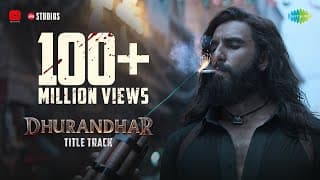
Dhurandhar - Title Track | Ranveer Singh, Shashwat Sachdev, Hanumankind, Jasmine Sandlas,Aditya Dhar
"Dhurandhar" is the high-octane title track for the film directed by Aditya Dhar. It serves as a power-packed anthem that blends modern rap, Punjabi folk-pop, and cinematic orchestration. Here is an analysis of the song: 1. Overall Theme The song is a celebration of dominance, supreme skill, and the "alpha" spirit. The word *Dhurandhar* translates to a master, an expert, or a titan; the lyrics reflect the protagonist's journey of being an unbeatable force who commands respect and carries a heavy legacy. 2. Key Lyrics Analysis * "Dhurandhar" (The Hook): The repetitive use of the title word establishes the protagonist's identity. It implies someone who is at the pinnacle of their craft, someone who cannot be moved or intimidated. * Hanumankind’s Verse: His English rap segments typically focus on the "grind" and the arrival of a global force. His presence bridge the gap between local grit and international hip-hop standards, emphasizing a "no-nonsense" attitude. * Ranveer Singh’s Delivery: Known for his high energy, Ranveer’s parts focus on the "beast mode" mentality. His lyrics often lean into the theme of fire, intensity, and being a "game-changer" in a world of followers. * Jasmine Sandlas’ Vocals: Her parts provide a melodic yet fierce contrast. While the men focus on the aggression of the "hunt," her voice adds a layer of cultural authority and "Swag," rooted in Punjabi pride. 3. Emotional Tone The song is aggressive, triumphant, and adrenaline-pumping. It is designed to evoke a sense of "main character energy." The heavy bass and fast-paced percussion create a feeling of urgency and power, making it a classic "hype" track used for high-stakes action sequences. 4. Cultural Context The song represents a "Pan-India" fusion of styles. By combining Hanumankind (who represents the rising South Asian global rap scene), Jasmine Sandlas (the queen of modern Punjabi folk), and Ranveer Singh (Bollywood’s biggest energy icon), the track attempts to appeal to a wide demographic. The title itself—*Dhurandhar*—is a heavy Sanskrit-derived Hindi word that appeals to traditional values of strength and mastery. 5. Artist Context * Hanumankind: This marks a massive mainstream Bollywood breakthrough for him following the global viral success of "Big Dawgs," solidifying his place as a versatile artist who can thrive in the film industry. * Ranveer Singh: This continues his evolution as a performer who blurs the line between actor and rapper, a journey he famously began with *Gully Boy*. * Shashwat Sachdev: Known for his work on *Uri: The Surgical Strike*, Sachdev continues his trend of creating "New India" anthems—tracks that feel cinematic, patriotic, and technologically advanced. * Aditya Dhar: The director uses this music to establish the same "high-stakes" atmosphere found in his previous hits, ensuring the film's brand is synonymous with intensity.
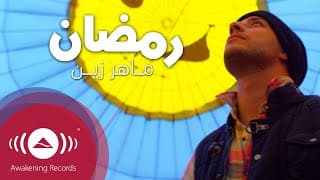
Maher Zain - Ramadan (Arabic) | ماهر زين - رمضان | Official Music Video
This is an analysis of Maher Zain’s "Ramadan" (Arabic version), a modern Islamic classic that has become a global anthem for the holy month. 1. Overall Theme The song is a celebratory and spiritual welcoming of the month of Ramadan. It personifies the month as a long-awaited "beloved" guest that brings light, mercy, and peace to the world while guiding believers back to their faith and the Quran. 2. Key Lyrics Analysis * "Ya Ramadan, Ramadan, Ramadan ya habib" (O Ramadan, the beloved): The repetition of the name emphasizes the deep emotional connection Muslims have with the month. Calling it "Habib" (beloved) signifies that it is not just a period of fasting, but a cherished spiritual season. * "Shahrul-Qur'an" (The Month of the Quran): This refers to the historical and theological significance of the month, as it is the time when the Quran was first revealed to the Prophet Muhammad. * "Nourun fil kawnit-tajalla" (A light manifested in the universe): This line suggests that the arrival of Ramadan changes the atmosphere of the world, bringing a divine "Nour" (light) that clears the darkness of sin and distraction. * "Fihi ghufranun wa rahma" (In it is forgiveness and mercy): These are the two primary pillars of the month. The lyrics focus on the opportunity for a "fresh start" and divine cleansing through worship and fasting. 3. Emotional Tone The tone is joyful, serene, and nostalgic. The melody is uplifting, designed to evoke a sense of warmth and communal happiness. There is also a layer of longing (shawq) in the verses, reflecting the bittersweet feeling that the month is fleeting and must be cherished before it ends. 4. Cultural Context Ramadan is the ninth month of the Islamic calendar, observed by Muslims worldwide as a month of fasting, prayer, reflection, and community. The music video highlights these cultural traditions: * Community and Family: Scenes showing people sharing food (Iftar) and greeting one another. * Universalism: While the song is in Arabic, the production and imagery aim to show that Ramadan is a global experience that transcends specific borders, uniting the "Ummah" (global Muslim community). * Spirituality over Hunger: The song focuses on the spiritual "beauty" of the month rather than the physical difficulty of fasting. 5. Artist Context Maher Zain is the most prominent figure in "modern nasheed" (Islamic music). This song, released in multiple languages (Arabic, English, Turkish, and Malay), was a pivotal moment in his career. It demonstrated his ability to blend Western pop production with traditional Middle Eastern melodies and religious themes. In the landscape of Islamic media, this song serves as a high-quality alternative to mainstream pop, providing a soundtrack for a modern Muslim identity.