
Latest Articles

HISTERIA - MIX BANDIDO (Live)
"HISTERIA - MIX BANDIDO (Live)" by the Bolivian group Grupo Histeria is a high-energy medley (mix) of several songs that define the "Cumbia Sureña" genre. Here is an analysis of the track: 1. Overall Theme The song centers on themes of romantic betrayal, the pain of being cheated on, and the subsequent "liberation" found through partying and alcohol. It describes a "Bandida" (a female "outlaw" or player) who toys with the singer's heart, leading him to seek solace in the nightlife. 2. Key Lyrics Analysis * "Bandida, tú me engañaste" (Bandit/Player, you deceived me): In this context, "Bandida" isn't a literal criminal; it refers to a woman who is unfaithful or manipulative in a relationship. It sets the stage for the singer as the victim of a "heart-robbery." * "Salud, salud por esa traicionera" (Cheers, cheers to that traitor): This is a classic trope in Southern Cumbia. Instead of wallowing in silence, the singer invites the audience to raise a glass. It suggests that the only cure for a broken heart is a drink and the company of friends. * "Ahora soy libre, ya no te quiero" (Now I am free, I don't love you anymore): This represents the turning point in the "Mix." After expressing pain, the lyrics shift toward reclaiming independence and moving on from a toxic cycle. 3. Emotional Tone The song carries a dual emotional tone. The lyrics are inherently melancholic and resentful, focused on the sting of infidelity. However, because it is *Cumbia Sureña*, the music is upbeat, euphoric, and danceable. This creates a sense of "catharsis"—turning sadness into a celebration of survival and freedom. 4. Cultural Context * Cumbia Sureña: This subgenre is massive in the Andean regions (Bolivia, Southern Peru, and Northern Argentina). It is characterized by heavy use of synthesizers, electronic drums, and high-pitched, emotional vocals. * The "Live" Experience: In this culture, live recordings are often preferred over studio versions. The presence of a "Hype Man" (animador) who shouts phrases to energize the crowd is a staple of the genre, making the listener feel like they are at a massive party or *chichería*. 5. Artist Context Grupo Histeria, led by Dimas Chipana, is one of the most influential contemporary groups in the Bolivian Cumbia scene. "Mix Bandido" is a cornerstone of their repertoire. It showcases their ability to blend traditional Andean sentimentality with modern electronic sounds. This specific live mix helped solidify their reputation as "The Kings of Hysteria," proving their ability to command large crowds and turn heartbreak into a collective anthem.

Ryan Castro, Kapo, Gangsta - LA VILLA (Video Oficial) | HOPI SENDÉ
"LA VILLA" is a vibrant urban collaboration that brings together the signature street style of Ryan Castro with the melodic flair of Kapo and the gritty energy of Gangsta. The track is a celebration of the "barrio" (neighborhood) lifestyle, blending street credibility with the high-energy atmosphere of a party. Here is an analysis of the song: ### 1. Overall Theme The song is a tribute to the artists' roots in the "villa" (the neighborhood or ghetto) and their subsequent rise to fame. It focuses on the intersection of street culture and nightlife, celebrating themes of loyalty, female beauty, and the "Hopi Sendé" lifestyle—a term used by Castro’s circle to describe a state of high energy and being "on fire." ### 2. Key Lyrics Analysis * "El cantante del ghetto": This is Ryan Castro’s signature self-identifier. It reinforces his brand as an artist who represents the working-class neighborhoods of Medellín, bridging the gap between the streets and global stardom. * "Hopi Sendé": Used throughout the track and in the title, this Papiamento-influenced slang (popularized in the ABC islands and adopted by Castro's crew) essentially means "Turn it up" or "It’s lit." It sets the high-octane pace of the song. * "En la villa se goza, en la villa se baila": These lines emphasize that despite the hardships often associated with the "villa," it is a place of joy, community, and intense celebration. * References to "Perreo" and "Sandungueo": The lyrics frequently mention these dance styles, grounding the song firmly in the Reggaeton tradition of club-focused music meant for dancing. ### 3. Emotional Tone The tone is triumphant, energetic, and unapologetic. There is a strong sense of pride in where they come from. Unlike darker "Trap" songs, "LA VILLA" feels festive; it conveys the excitement of a night out where everyone from the neighborhood is living their best life. ### 4. Cultural Context * Medellín Urban Culture: Ryan Castro is a central figure in the "Colombian New School." The song utilizes "Parlache" (Medellín street slang) and visual aesthetics that reflect the colorful but tough atmosphere of the city’s comunas. * The "Villa" Concept: In Latin American urban music, the "Villa" or "Barrio" is a sacred space. This song follows a long tradition of reclaiming the narrative of these neighborhoods—not as places of crime, but as places of culture and rhythm. ### 5. Artist Context * Ryan Castro: This song solidifies his position as a "tastemaker" who brings rising talents into the spotlight. It continues his streak of "Nea-core" (a style celebrating the aesthetic of Colombian street youth). * Kapo: After the global success of his hit "Ohnana," this collaboration shows Kapo’s versatility, moving from soulful Afro-fusion back into hard-hitting Reggaeton. * The Collaboration: By bringing Gangsta and Kapo together, Ryan Castro is curating a sound that represents the current state of the Colombian urban scene—melodic, rhythmic, and deeply rooted in local slang.

♫ La Quiero a Morir - Turromantikos & Bonny Lovy 🔥 ¡Tendencia de música #1! ✨
Here is an analysis of the song "La Quiero a Morir" by Turromantikos and Bonny Lovy. Overall Theme The song is a modern Cumbia reinterpretation of a classic romantic ballad, centered on the theme of absolute, unconditional, and all-consuming love. It describes a man whose entire existence is transformed and given meaning by the woman he loves, portraying her as both his savior and his world. Key Lyrics Analysis * "Y yo que hasta ayer solo fui un holgazán / Y hoy soy guardián de sus sueños de amor" (*And I who until yesterday was just a loafer / And today I am the guardian of her dreams of love*): These lines highlight the redemptive power of love. The narrator suggests that before her, he lacked purpose, but her presence has turned him into someone responsible and protective. * "Ella borra las horas de cada reloj / Me enseña a pintar transparente el dolor" (*She erases the hours from every clock / She teaches me to paint pain transparent*): This poetic imagery suggests that being with her makes time feel irrelevant and that her love has the power to heal or neutralize past suffering. * "La quiero a morir" (*I love her to death*): The central hook. It doesn't imply literal death, but rather a love so intense that it defines the narrator's life. It signifies a level of devotion where he would do anything for her. Emotional Tone The song strikes a balance between deeply romantic and vibrantly festive. While the lyrics are poetic and vulnerable, the rhythm (Cumbia/Turra) turns it into an upbeat celebration. It conveys feelings of euphoria, gratitude, and the infectious joy of being hopelessly in love. Cultural Context "La Quiero a Morir" is originally a French song ("Je l'aime à mourir" by Francis Cabrel) that became a legendary anthem in the Spanish-speaking world through versions by artists like Shakira and DLG (Salsa). By turning it into a Cumbia Turra/RKT track, Turromantikos and Bonny Lovy are bringing a sophisticated "classic" into the modern urban street culture of Argentina and Bolivia, making a timeless melody accessible to a younger, club-going generation. Artist Context * Bonny Lovy: Known as "El Conejo en el Mic," he is one of Bolivia's most successful exports, famous for blending Cumbia with pop and urban sounds. This song reinforces his ability to create "Cumbia Pop" hits that resonate across Latin America. * Turromantikos: This group specializes in the "Turra" movement—a subgenre of Argentine Cumbia. This collaboration is a significant milestone for them, as it pairs their "street" style with a high-profile mainstream artist like Bonny Lovy, helping them achieve "trending" status and broader commercial appeal beyond the underground scene.

El Bogueto , Yung Beef , Cuando No Era Cantante , No Hay Loco Que No Corone 👑 ( Visualizer )
"Cuando No Era Cantante" (from the album *No Hay Loco Que No Corone*) is a standout collaboration between Mexican rising star El Bogueto and Spanish trap legend Yung Beef. The track is a raw reflection on the transition from street life to musical stardom. Here is an analysis of the song: 1. Overall Theme The song centers on the contrast between the artist’s life before fame and his current reality as a successful musician. It serves as a "started from the bottom" anthem that emphasizes loyalty to one’s roots, the hustle required to "crown" (succeed), and the fact that despite the money and fame, his essence remains unchanged from his days in the *barrio*. 2. Key Lyrics Analysis * "Cuando no era cantante..." (When I wasn't a singer...): This recurring sentiment sets the stage for nostalgia. He discusses how he used to navigate the same streets and have the same desires, but now he has the platform to express them. * "No hay loco que no corone" (There is no crazy person who doesn't 'crown'/succeed): This is the central philosophy of the album. "Coronar" is street slang for completing a deal or reaching a goal. The line suggests that persistence and a bit of "madness" or daring are necessary to make it out of difficult circumstances. * "Sigo siendo el mismo ñero" (I’m still the same 'ñero'): El Bogueto frequently uses the term *ñero* (Mexican slang for someone from the lower-class urban neighborhoods). By saying this, he asserts that his wealth hasn't made him "soft" or disconnected from his community. * Yung Beef’s Verse: Yung Beef brings a gritty, Spanish trap perspective, often referencing the bridge between the streets of Spain and Mexico. His lyrics usually focus on the "rat" lifestyle—staying underground and authentic even when dealing with high-end luxury. 3. Emotional Tone The tone is confident and defiant, yet underscored by a sense of gritty nostalgia. There is an air of triumph in the beat and delivery, but it isn't "happy" pop; it is a dark, heavy brand of reggaeton (often called *Reggaeton Mexa*) that feels dangerous and celebratory at the same time. 4. Cultural Context * Reggaeton Mexa: The song is a prime example of the "New Wave" of Mexican Reggaeton. Unlike the polished commercial reggaeton from Puerto Rico or Colombia, this style is more raw, minimalist, and deeply tied to the slang and aesthetics of Mexico City’s suburbs (like Nezahualcóyotl or Tepito). * Spain-Mexico Connection: The collaboration with Yung Beef is culturally significant. It bridges the gap between the Spanish "La Vendicion" movement and the Mexican street scene, showing a unified front of underground urban music that rejects mainstream industry standards. 5. Artist Context For El Bogueto, this song is a statement of legitimacy. Known as "El Ghetto Baby," he has moved from being a viral sensation to a respected figure in the urban genre. By collaborating with an icon like Yung Beef, he positions himself as more than just a local artist; he is part of a global movement of "street-made" millionaires. The song solidifies his image as the voice of the Mexican youth who dream of "crowning" despite the odds.

Díario de um Cafajeste "O amor não paga as conta" MC's Lele JP, Ryan SP, Meno k,Negão Original, Tuto
"Diário de um Cafajeste (O Amor Não Paga as Conta)" is a prominent Brazilian Funk track featuring a powerhouse lineup of MCs from the São Paulo scene. Here is an analysis of the song: 1. Overall Theme The song explores the lifestyle of a "cafajeste" (a rogue or womanizer) who prioritizes financial success, status, and freedom over romantic commitment. Its central premise is pragmatism: in a world where poverty is a real threat, the artists argue that chasing money and luxury is more logical than chasing "true love." 2. Key Lyrics Analysis * "O amor não paga as conta" (Love doesn't pay the bills): This is the song’s thesis. It reflects a survivalist and materialistic mindset where financial stability is the ultimate goal, and emotional entanglements are seen as a distraction or a liability. * "Vida de solteiro é o que eu sempre quis" (Single life is what I’ve always wanted): The MCs celebrate the "revoada" (a slang term for a wild, multi-day party lifestyle). It positions being single not as a lack of options, but as a deliberate, empowered choice. * References to luxury brands (Lacoste, Rolex, exotic cars): These are "trophies" of success. For artists coming from the periphery (favelas), these brands symbolize social mobility and the fact that they have "won" against the system. * "Coração de gelo" (Heart of ice): A common trope in Funk, suggesting that to survive the betrayals of life and the streets, one must remain emotionally detached. 3. Emotional Tone The tone is confident, hedonistic, and unapologetic. There is a sense of triumph throughout the verses as the MCs brag about their wealth and their ability to attract women without catching feelings. However, beneath the bravado, there is a layer of cynicism regarding traditional relationships, suggesting they view "love" as something fragile or fake compared to the reality of money. 4. Cultural Context * Funk Ostentação & Revoada: The song fits into the "Ostentação" (ostentation) subgenre of Funk, which focuses on consumption. It also leans into the "Revoada" culture popularized by MC Ryan SP, which celebrates large, chaotic parties with many women and expensive liquor. * Economic Reality: In the Brazilian context, the phrase "love doesn't pay the bills" resonates deeply with the working class. It reflects a cultural shift where financial independence is viewed as the only true form of security. 5. Artist Context * MC Ryan SP: Known as the "Tubarão" (Shark), he is the king of the "revoada" movement. This song reinforces his brand as a leader of the nightlife scene. * MC Lele JP: Often known for more melodic or "conscious" funk, here he adapts his flow to the "relato" (storytelling) of a high-rolling lifestyle. * The Collaboration: Bringing together Meno K, Negão Original, and Tuto creates a "cypher" feel. This format is common in the São Paulo funk industry (GR6 Explode/Love Funk) to ensure the song becomes a viral anthem across different fanbases. In summary, the song is a manifesto for the modern "rogue" who replaces the search for a soulmate with the search for a bank balance, framing professional success as the ultimate revenge against a difficult past.

PEDRO SAMPAIO, MC Meno K, Melody - JETSKI
"JETSKI" is a high-energy collaboration between DJ/Producer Pedro Sampaio, the teen pop sensation Melody, and funk artist MC Meno K. It is a quintessential Brazilian "Summer Hit" designed for clubs and beach parties. Here is an analysis of the song: 1. Overall Theme The song centers on the "ostentação" (ostentation) lifestyle, focusing on wealth, summer parties, and romantic flirtation. It portrays a carefree environment where the protagonists enjoy high-end leisure activities—specifically riding jet skis—while highlighting their status and attractiveness. 2. Key Lyrics Analysis * "Pega a visão, hoje eu tô de jetski" (Get the vision, today I'm on a jet ski): This line sets the tone for the song. In Brazilian urban culture, the jet ski is a potent symbol of "making it." It represents the transition from the favela to a life of luxury and coastal leisure. * "Bota pra descer, joga, joga": These are classic funk "command" lyrics. They are designed to trigger specific dance moves in the listener, emphasizing the track's primary purpose as a dance-floor filler. * Melody’s Verse: Her lyrics often revolve around being the center of attention and her high value. By singing about being "the one everyone wants," she leans into her public persona as a provocative and confident pop figure. 3. Emotional Tone The tone is hedonistic, boastful, and high-octane. There is no room for melancholy here; the song vibrates with the excitement of a weekend getaway. It conveys a sense of confidence and "vibe" (the Brazilian "astral"), making the listener feel like they are part of an exclusive, sun-drenched party. 4. Cultural Context * Funk-Pop Fusion: The song is a prime example of the "Mandelão" and "Pop-Funk" blend that dominates the Brazilian charts. It takes the heavy, aggressive beats of street funk and polishes them with high-end pop production. * Summer Marketing: In Brazil, artists often release tracks specifically timed for the December–March summer season. "JETSKI" uses tropical imagery to position itself as the "song of the summer." * The "Melody" Factor: Melody is a polarizing and highly successful figure in Brazil, known for her marketing stunts and her signature falsettos. Her presence adds a "viral" quality to the track. 5. Artist Context * Pedro Sampaio: This song reinforces his role as a "curator-producer." Sampaio is known for bringing together artists from different niches (in this case, a pop diva and a funk MC) to create a commercial juggernaut. * Melody: This marks another step in her transition from a child internet meme to a legitimate pop force, showing her ability to adapt to the "Funk Carioca" style. * MC Meno K: For Meno K, this collaboration provides mainstream exposure, bridging the gap between the gritty underground funk scene and the national Top 50 charts.
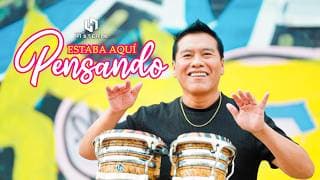
Grupo Histeria - Estaba aquí pensando (Video Official) 2025
Grupo Histeria, one of the leading names in contemporary Bolivian cumbia, continues their streak of romantic, high-energy hits with "Estaba aquí pensando" (2025). Here is an analysis and explanation of the song: Overall Theme The song focuses on the themes of nostalgia, longing, and the lingering pain of a breakup. It portrays a narrator who is caught in a moment of deep reflection, unable to move past the memories of a former lover and struggling with the silence that now exists between them. Key Lyrics Analysis * "Estaba aquí pensando en ti, en lo que fuimos" (I was here thinking of you, of what we were): This opening sentiment sets the stage for the entire song. It establishes that the narrator is stagnant—trapped in the past—while the world moves on. * "¿Cómo pudiste olvidarme tan rápido?" (How could you forget me so fast?): This line highlights a common trope in cumbia lyrics: the "asymmetry of pain." It expresses the frustration of seeing an ex-partner move on while the narrator remains emotionally wounded. * The repetitive call for "Vuelve" (Return): Like many songs in the *Cumbia Sureña* or *Chicha* tradition, the lyrics are simple and repetitive to emphasize the desperation and the singular desire for reconciliation. Emotional Tone The song carries a bittersweet duality. While the lyrics are inherently sad and melancholic—dealing with loneliness and regret—the musical arrangement is upbeat and danceable. This creates a "crying on the dance floor" vibe, where the pain is expressed through high-energy percussion and bright synthesizer melodies, a hallmark of the genre. Cultural Context This track sits firmly within the Cumbia Sureña style, which is immensely popular in Bolivia, Southern Peru, and Northern Argentina. * The Video Aesthetics: The official video likely features high-production values, showcasing the band's fashionable stage presence and vibrant lighting, which is a status symbol in the modern Bolivian music scene. * Social Function: In Andean culture, songs like this are staples at "fiestas patronales" and social gatherings where people use music as a cathartic release for romantic troubles. Artist Context In 2025, Grupo Histeria is at the peak of their popularity. This song serves to consolidate their identity as the "Kings of Romantic Cumbia" in the region. While many groups are moving toward "Cumbia Pop" or urban fusions, Grupo Histeria stays true to the "Histeriamanía" sound—heavy on synthesizers and clean, melodic vocals—ensuring they remain favorites in both the live circuit and on digital platforms like YouTube and TikTok.

Sangre Cumbiera - Ingrata / Coralí / Que mal me pagas
This song by Sangre Cumbiera is a "mix" or medley, a common practice in Latin American music where several popular songs are blended into one continuous track. In this case, it combines three classic themes of heartbreak and betrayal within the Cumbia Sureña style. ### 1. Overall Theme The song is a thematic journey through the pain of unrequited love and betrayal. It tells the story of a man who gave his all to a woman, only to be abandoned or cheated on, ultimately moving from deep sadness to a defiant realization of her "ingratitude." ### 2. Key Lyrics Analysis Because this is a medley, the lyrics shift through three distinct phases: * "Ingrata" (Ungrateful Woman): The lyrics repeat the word *"Ingrata"* (ungrateful) to emphasize the shock of being left behind. It focuses on the void left by a partner who forgets everything the narrator did for them. * "Coralí": This section often addresses a specific person (Coralí) with nostalgia. It captures the moment of realization that a "great love" has turned into a source of suffering. * "Que mal me pagas" (How badly you repay me): The most bitter part of the medley. The line *"Todo mi amor te di / Y ahora te vas con él"* (I gave you all my love / And now you go with him) is a classic trope in Cumbia. It highlights the injustice of "repayment"—the narrator "paid" with love, but received betrayal in return. ### 3. Emotional Tone The song carries a bittersweet duality. While the lyrics are melancholic, resentful, and filled with "despecho" (spite), the music is high-energy, rhythmic, and designed for dancing. It creates a sense of catharsis, allowing the listener to dance away their sorrow and publicly call out a lover’s betrayal. ### 4. Cultural Context This track belongs to the Cumbia Sureña (Southern Cumbia) genre, which is immensely popular in Southern Peru (Puno, Juliaca), Bolivia, and Northern Argentina. * The Sound: It is characterized by heavy use of synthesizers, electronic drums, and a faster tempo than Colombian or Mexican cumbia. * The Medley Format: In Andean Cumbia culture, "Mixes" are standard because they are designed for long parties and festivals where the music never stops. ### 5. Artist Context Sangre Cumbiera is a contemporary representative of the Southern Peruvian music scene. This medley serves as a tribute to the "golden era" of Southern Cumbia. By covering these classic themes, the group connects older generations who grew up with the original versions to younger audiences who enjoy modern, polished production. It solidifies their identity as a band that honors the roots of the "onda sureña" while keeping the sound fresh for the dance floor.

♫ MiX No Voy a Llorar / Encantos De Mujer / Si Te Vas 💎 El Cartel Q’mbiero 🔥 ¡Tendencia de Música! ✨
This "mix" (medley) by El Cartel Q’mbiero is a high-energy fusion of three classic Latin songs reimagined in the modern Argentine Cumbia Villera style. It transitions through the emotional stages of a relationship: moving on from heartbreak, the intoxication of new love, and the ultimatum of a final goodbye. ### 1. Overall Theme The song is a musical journey through the highs and lows of romance, focusing on the resilience required to survive a breakup and the irresistible pull of a woman’s "charms." It combines themes of romantic pride and celebratory dance, suggesting that even if love fails, one should keep dancing. ### 2. Key Lyrics Analysis * "No voy a llorar, cuando te vea partir" (I am not going to cry when I see you leave): This opening segment sets a tone of emotional strength. It’s an anthem of self-respect, where the singer chooses to hide their pain and maintain dignity rather than beg for a partner to stay. * "Tiene unos encantos esa mujer, que a mí me ponen a enloquecer" (That woman has charms that drive me crazy): The middle section shifts to pure infatuation. It highlights the magnetic power of a partner’s physical and personal beauty, shifting the mood from heartbreak to flirtation. * "Si te vas, si te vas... no vuelvas más" (If you go... don't come back): The final segment is a classic ultimatum. It expresses that while the departure might hurt, the singer is firm in their decision not to allow a "revolving door" relationship. ### 3. Emotional Tone The emotional tone is bittersweet yet festive. While the lyrics often deal with loss and longing, the rhythmic "repiqueteo" (fast drumming) and the upbeat synthesizer melodies typical of Argentine Cumbia create a party atmosphere. It conveys a sense of "healing through dancing," where the rhythm overrides the sadness of the words. ### 4. Cultural Context This track is a staple of "La Previa" (the Argentine tradition of drinking and dancing before going to a club). In Argentina and Uruguay, "enganchados" (medleys) are culturally significant because they allow people to hear several nostalgic hits in a single continuous dance track. By using songs originally famous in genres like Vallenato or Pop, El Cartel Q’mbiero "tropicalizes" these classics to fit the local urban nightlife scene. ### 5. Artist Context El Cartel Q’mbiero is a prominent group in the modern Cumbia scene, often associated with the "RKT" and "Cumbia 420" era, though they lean more toward the melodic side of Cumbia Villera. This mix is a strategic move typical of their career: taking nostalgic 90s and 2000s hits and updating them with a faster tempo and heavy bass to appeal to a younger generation while keeping the older generation engaged through familiar lyrics. This specific mix has become a "trend" because it bridges the gap between classic romanticism and modern club culture.

いますぐ輪廻 / 初音ミク
"いますぐ輪廻" (Imasugu Rinne / Immediate Reincarnation) is a high-energy, dark Vocaloid track by Nakiso (なきそ) featuring Hatsune Miku. It explores themes of obsession, failure, and the desperate desire for a "reset button" on life. ### 1. Overall Theme The song centers on the concept of Samsara (the cycle of death and rebirth) viewed through the lens of a toxic, obsessive relationship. The narrator feels that their current life or relationship is a "failure" and expresses an impulsive, manic desire to die and be reincarnated immediately in hopes of a better "roll" or a perfect start with their lover. ### 2. Key Lyrics Analysis * "いますぐ輪廻" (Imasugu Rinne - "Reincarnate right now"): The title and central hook emphasize impatience. Rather than valuing the present, the narrator views life as a disposable save file in a video game that should be deleted the moment things go wrong. * "失敗しちゃった" (Shippai shichatta - "I messed up"): This line suggests that the narrator has made a mistake in their current relationship. Instead of seeking growth or forgiveness, their immediate solution is to end this "loop" and try again from scratch. * "来世で会おう" (Raise de aou - "Let’s meet in the next life"): While this is a common romantic trope, in Nakiso’s context, it sounds threatening or delusional. It implies a "double suicide" (shinju) sentiment—suggesting that the partner should also die so they can be together in the next incarnation. * "君がいないと生きていけないなんて嘘だよ" (Kimi ga inaito ikite ikenai nante uso da yo - "It's a lie that I can't live without you"): This shows a sudden shift to nihilism or spite. It highlights the narrator's unstable mental state, oscillating between extreme dependence and cold detachment. ### 3. Emotional Tone The song is manic, frantic, and claustrophobic. The fast BPM and Miku’s high-pitched, almost strained tuning convey a sense of panic and mental instability. It feels like a "downward spiral" set to music—combining the upbeat energy of electronic music with the dark, heavy weight of the lyrical subject matter. ### 4. Cultural Context * Rinne (Reincarnation): The song draws on the Buddhist concept of *Rinne-tensho*, but strips away the spiritual goal of enlightenment. Instead, it treats reincarnation like "re-rolling" in a Gacha game. * Yandere/Menhera Culture: The song fits into the Japanese "Menhera" (mental health) and "Yandere" (obsessive love) subcultures prevalent in Vocaloid music. It mirrors the modern internet phenomenon where young people joke about "restarting life" when faced with social or romantic pressures. ### 5. Artist Context Nakiso is a prominent producer known for his "Dark Miku" style and themes of toxic, unrequited, or twisted love. This song follows the success of his other hits like *"Dokuzu"* and *"Omiyo-wa."* "Imasugu Rinne" reinforces Nakiso’s status as a master of the "toxic love anthem," using Hatsune Miku to voice the darkest, most selfish thoughts of the human ego. It showcases his signature use of heavy basslines and catchy, repetitive hooks that make unsettling themes feel addictive.

Before Spring Ends WangOK
"Before Spring Ends" (봄이 지나가기 전에) by Wang OK is a delicate, acoustic indie track that captures the bittersweet essence of a season in transition. Here is an analysis of the song: 1. Overall Theme The song explores the theme of transience and the desire to hold onto a fleeting moment. It uses the passing of spring—specifically the short-lived blooming of flowers—as a metaphor for a precious stage in a relationship or a period of youth that the narrator wishes to cherish before time inevitably moves forward. 2. Key Lyrics Analysis * "Before the petals all fall and scatter" (꽃잎이 다 떨어져 흩어지기 전에): This line establishes the central imagery of the song. The falling petals represent a beauty that is dying or ending. It signals an urgency to act or speak while the "spring" of their connection is still present. * "I want to walk with you a little longer": This simple request highlights the song's focus on companionship and the quiet intimacy of shared time. It suggests that the person is more important than the scenery itself. * "The warmth that stayed on my fingertips": This refers to the lingering physical and emotional sensation of a loved one. It emphasizes how sensory memories are tied to specific seasons and how we try to "save" those feelings before the weather (or life circumstances) changes. 3. Emotional Tone The tone is wistful, serene, and bittersweet. There is a sense of "mono no aware" (a Japanese term for the pathos of things)—a deep awareness of the impermanence of beauty. While the melody is soft and comforting, there is an underlying layer of sadness because the narrator knows that just as spring must end, this specific moment cannot be frozen in time. 4. Cultural Context In South Korea, "Spring Songs" (봄 캐럴) are a significant cultural genre. Spring represents the start of the school year and the peak of "romance" culture, symbolized by cherry blossoms (*beotkkot*). However, while many spring songs are upbeat and celebratory, Wang OK follows a more introspective K-Indie tradition that focuses on the melancholy of the changing seasons, resonating with listeners who feel a sense of loss as time passes. 5. Artist Context Wang OK is known for her minimalist, "bedroom pop" aesthetic and her ability to convey deep emotions with a hushed, airy vocal style. This song fits perfectly into her career as a signature piece of "sentimental indie." It showcases her strength in storytelling through atmosphere rather than vocal power, solidifying her place as a voice for the quiet, reflective moments of daily life.

처형박수 (Execution Clap) / 카사네 테토
"처형박수 (Execution Clap)" by TRAP CHICK (트랩칙) featuring Kasane Teto is a high-energy, dark, and satirical track that blends hyperpop elements with the cynical side of internet culture. Here is an analysis of the song: ### 1. Overall Theme The song serves as a visceral critique of "Cancel Culture" and the toxic nature of social media mob mentality. It explores the "schadenfreude" (joy in others' misfortune) of the public as they gather to watch someone’s social or literal downfall, treating a "punishment" as a form of rhythmic entertainment. ### 2. Key Lyrics Analysis * "The Execution Clap" (처형박수): The central metaphor. In various media (like the *Danganronpa* series), an execution is often preceded by a rhythmic beat. Here, the "clap" represents the collective heartbeat of a mob that is excited to see someone "canceled" or destroyed. * "Point your fingers and laugh": This highlights the dehumanization of the target. The lyrics suggest that the crowd doesn't care about justice; they care about the dopamine rush of being part of the "righteous" majority. * Repetitive, high-speed phrases: The frantic repetition of "clap, clap, clap" mimics the way scandals spread online—fast, mindless, and impossible to stop once the rhythm of hate has started. ### 3. Emotional Tone The tone is manic, aggressive, and darkly celebratory. While the beat is upbeat and danceable (fitting the "Trap" and "Hyperpop" genres), the underlying mood is cold and cynical. Kasane Teto’s voice—specifically her Synthesizer V "AI" power—is tuned to sound sharp and mocking, adding a layer of artificiality that mirrors the coldness of a digital lynch mob. ### 4. Cultural Context * Internet Mob Mentality: South Korea has a particularly intense "netizen" culture where public figures can be "executed" (socially exiled) overnight due to rumors or controversies. The song taps into this anxiety. * Anime/Game Tropes: The "Execution" aesthetic is heavily influenced by the Danganronpa video game franchise, where characters are executed in stylized, rhythmic ways. The song adopts this "game-ified" version of death to show how we view real-life tragedies as entertainment. * Kasane Teto (Synthesizer V): Once an April Fool’s joke, Teto has recently become a global icon for "darker" vocal synth tracks (like *Mesmerizer*). This song fits the trend of using Teto for songs that deal with psychological instability or social commentary. ### 5. Artist Context TRAP CHICK is a producer known for pushing the boundaries of the Korean Vocaloid/Synth V scene. They often utilize high BPMs, heavy bass, and chaotic "glitch" aesthetics. * Style: This song fits into TRAP CHICK’s signature style of merging K-Pop structures with underground electronic music. * Career Placement: "Execution Clap" solidified TRAP CHICK's reputation for creating "edgy" and socially relevant tracks that appeal to both the vocal synth fandom and fans of experimental electronic music. It stands as one of their most popular works for its infectious but unsettling energy.