
Latest Articles

Indila - Dernière Danse (Clip Officiel)
"Dernière Danse" (Last Dance) is a landmark French pop song released in 2013. It remains one of the most-viewed French-language music videos on YouTube, symbolizing a bridge between classic French tradition and modern world music. ### 1. Overall Theme The song is a powerful anthem of loneliness, social alienation, and resilience. It depicts a protagonist who feels like an outsider in a cold, indifferent world, using the metaphor of a "last dance" to represent her final struggle against her suffering and her desire to find peace or escape. ### 2. Key Lyrics Analysis * "Je remue le ciel, le jour, la nuit / Je danse avec le vent, la pluie" (*I stir the sky, day and night / I dance with the wind, the rain*): These lines suggest that the singer's internal pain is so vast it affects the elements. Dancing with the wind and rain symbolizes her attempt to turn her suffering into something beautiful and rhythmic rather than let it crush her. * "Une enfant du monde" (*A child of the world*): This reflects Indila’s personal identity and a universal theme. She doesn't belong to one specific place; she carries the weight and the beauty of the whole world, which contributes to her feeling of being a "stranger" everywhere. * "Dans cette douce souffrance / Dont j'ai payé toutes les offenses" (*In this sweet suffering / For which I've paid all the offenses*): She acknowledges that pain has become a constant companion. The "offenses" likely refer to the judgments or hardships she has faced as an outsider. ### 3. Emotional Tone The song carries a melancholic yet defiant tone. It begins with a sense of weary sadness and isolation (vulnerability), but as the orchestral production builds, it transforms into an epic, cinematic expression of strength. It feels both ancient (soulful) and urgent (modern). ### 4. Cultural Context * The Parisian Setting: The music video features Indila wandering through Paris, but the city is portrayed as gloomy and stormy. This subverts the "City of Lights" trope, instead focusing on the isolation one feels in a crowded metropolis. * Musical Fusion: The song blends the French Chanson tradition (reminiscent of Edith Piaf) with Oriental/Middle Eastern scales and modern trip-hop beats. This mix reflects France’s multicultural landscape and Indila’s own diverse heritage (Algerian, Egyptian, Indian, and Cambodian). ### 5. Artist Context "Dernière Danse" was Indila’s debut solo single and it catapulted her to international stardom. It established her "World Pop" style and proved that a French-language song could become a global phenomenon in the 21st century. Before this, she was known primarily for collaborations with French rappers; this song redefined her as a powerhouse vocalist and a mysterious, poetic figure in the pop industry.

Shakira - Waka Waka (This Time for Africa) (The Official 2010 FIFA World Cup™ Song)
"Waka Waka (This Time for Africa)" is the official song of the 2010 FIFA World Cup, held in South Africa. It remains one of the most iconic sporting anthems of all time, blending Latin pop with traditional African rhythms. ### 1. Overall Theme The song centers on the themes of resilience, perseverance, and global unity. It serves as a rallying cry for athletes and fans alike, celebrating the spirit of competition and the historical significance of the first World Cup hosted on the African continent. ### 2. Key Lyrics Analysis * "You're a good soldier, choosing your battles / Pick yourself up and dust yourself off, get back in the saddle": These opening lines emphasize the importance of persistence. They suggest that failure is temporary and that true strength is found in the ability to keep going after a setback. * "Tsamina mina, zangalewa / 'Cause this is Africa": This chorus is sampled from the Cameroonian song "Zangalewa" by the band Golden Sounds. "Zangalewa" is often interpreted as "Who called you?" or "Where do you come from?" It functions as a call to action and a declaration of presence. * "The pressure's on, you feel it / But you got it all, believe it": This speaks directly to the high stakes of professional sports, encouraging confidence in the face of immense public expectation. ### 3. Emotional Tone The song’s tone is triumphant, energetic, and infectious. It evokes a sense of "togetherness" and joy. The fast-paced rhythm and collective chanting create a celebratory atmosphere intended to make the listener feel empowered and part of a larger community. ### 4. Cultural Context The song is a cultural fusion. While performed by a Colombian artist (Shakira), it features the South African band Freshlyground and heavily samples Cameroonian military music. * Significance of 2010: It marked a major moment for South Africa, showcasing the "Rainbow Nation" to the world post-Apartheid. * Global Unity: The inclusion of various languages and sounds was meant to symbolize the FIFA World Cup’s ability to bridge different cultures through a shared love of football. ### 5. Artist Context "Waka Waka" solidified Shakira’s status as a global megastar who could transcend language barriers. At the time of its release, it became her most successful song since "Hips Don't Lie." * Personal Connection: The music video for "Waka Waka" is where Shakira met her long-time partner, Spanish footballer Gerard Piqué. * Legacy: Even years later, the song remains a staple at sporting events and is frequently cited as the gold standard for how to produce a global anthem that respects its cultural influences while maintaining pop appeal.
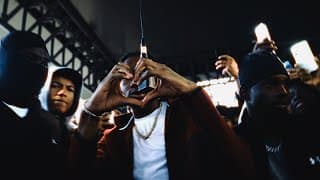
Nono La Grinta - LOVE YOU
"LOVE YOU" by Nono La Grinta is a standout track in the contemporary French "Melodic Drill" scene. It explores the complex intersection of street life, the pursuit of wealth, and the struggle to maintain genuine romantic or platonic connections. ### 1. Overall Theme The song centers on the duality of "love" in a harsh urban environment. It explores the conflict between the narrator’s loyalty to the "street" (and the money it provides) and his desire for a romantic partner who understands the dangers and sacrifices of his lifestyle. ### 2. Key Lyrics Analysis * "I love you, I love you, baby": While the chorus sounds like a traditional love song, the context suggests a sense of weariness. It is often interpreted as a tribute to those who stay loyal while he is out "hustling," or a reference to the "love" of the grind itself. * "On charbonne pour les loves": In French street slang, "loves" is a common term for money/banknotes (derived from the color of certain bills or the "love" of wealth). This line highlights that his primary motivation is financial survival for himself and his circle. * References to "La Zone" and betrayal: Throughout the verses, Nono contrasts his affection for his "baby" with the paranoia of the streets. He mentions "les traîtres" (traitors) and the need to stay armed or alert, showing that even in a song about "love," the threat of violence is never far away. ### 3. Emotional Tone The tone is melancholic yet gritty. The production uses a typical Drill rhythm (sliding 808 bass and sharp hi-hats), but the melody is soulful and sad. Nono’s delivery conveys a sense of "street fatigue"—the feeling of being tired of the struggle but being unable to leave it, creating a bittersweet atmospheric vibe. ### 4. Cultural Context * French Melodic Drill: Nono La Grinta is part of a wave of French artists (influenced by UK and Chicago drill) who have softened the genre’s aggressive edges with "Toplines" (catchy, sung melodies). * "La Grinta": His name itself comes from the Italian/Spanish term for "grit" or "determination." This cultural concept of never giving up and fighting through adversity is a recurring theme in his music. ### 5. Artist Context "LOVE YOU" serves as a definitive track for Nono La Grinta, showcasing his ability to bridge the gap between "hard" rap and "commercial" appeal. It helped solidify his reputation as an artist who can speak to the "charbonneurs" (hustlers) while still creating music that resonates in a club or on the radio. It represents his transition from a raw underground rapper to a more polished, versatile artist.

HISTERIA - CHIQUITITA (VIDEOCLIP OFICIAL) 2026
This song is a high-energy, Cumbia-style cover of the world-famous ABBA hit "Chiquitita." Grupo Histeria, a prominent Bolivian group, adapts the classic ballad into a rhythmic dance track typical of the "Cumbia Sureña" genre. 1. Overall Theme The song is a message of comfort and solidarity directed toward a close friend who is suffering from a broken heart. It explores the themes of emotional healing and the importance of friendship during times of deep sadness and despair. 2. Key Lyrics Analysis * "Chiquitita, dime qué es lo que pasa..." (Chiquitita, tell me what is happening): The opening line establishes a sense of intimacy and concern. The singer is asking for vulnerability and communication so they can help carry the burden. * "En tus ojos hay una sombra de dolor" (In your eyes, there is a shadow of pain): This line acknowledges that despite any attempt to hide it, the "Chiquitita" is clearly suffering. It validates her feelings of grief. * "No hay ninguna pena que no pueda el tiempo curar" (There is no sorrow that time cannot heal): This is the central message of hope. It serves as a reminder that pain is temporary and that better days are ahead. * "Vuelve a cantar" (Sing once again): In this context, "singing" represents a return to joy and life. The song encourages the listener to stop mourning and reclaim their happiness. 3. Emotional Tone The song carries a unique bittersweet duality. While the lyrics are melancholic and empathetic (addressing heartbreak and tears), the musical arrangement is upbeat, festive, and high-energy. The heavy use of synthesizers and a fast-paced "chicha" beat transforms a sad situation into an act of catharsis—encouraging the listener to literally dance their sorrows away. 4. Cultural Context In the Andean region (specifically Bolivia and Southern Peru), "Cumbia Sureña" often takes famous ballads and reinvents them for the dance floor. "Chiquitita" has been a beloved anthem in Latin America since ABBA released the Spanish version in 1979. By covering it, Grupo Histeria taps into a deep sense of nostalgia, connecting a classic global pop melody with the local sounds of the Altiplano. 5. Artist Context Grupo Histeria is known for their energetic stage presence and for being leaders in the modern Bolivian Cumbia scene. This song fits perfectly into their repertoire of "re-imaginings." By taking a legendary pop song and giving it the "Histeria style" (heavy drums, bright synths, and shouting encouragement to the crowd), they bridge the gap between older generations who love the original and younger fans who want to dance at parties and festivals. (Note: The "2026" in the title is likely a marketing tactic often used by YouTube channels to keep content appearing "current" or "fresh" for search algorithms).

Keblack Ft. Guy2Bezbar - Melrose Place (Clip Officiel)
"Melrose Place" is a vibrant collaboration between French-Congolese artist Keblack and Guy2Bezbar. It blends the catchy, melodic Afro-pop style Keblack is known for with the high-energy, "street" charisma of Guy2Bezbar. Here is an analysis of the song: ### 1. Overall Theme The song centers on the paradox of success: enjoying a luxurious, high-end lifestyle while navigating the superficiality and betrayal that come with it. The title "Melrose Place" serves as a metaphor for a glamorous but "scripted" world where people act like characters in a soap opera, hiding their true intentions behind a facade of wealth. ### 2. Key Lyrics Analysis * "Bienvenue à Melrose Place" (Welcome to Melrose Place): This recurring line sets the stage. By referencing the famous 90s American TV drama, the artists suggest that their current lives are full of drama, beautiful people, and complex betrayals, much like a television script. * "Tu m'as trahi pour des clopinettes" (You betrayed me for peanuts): Keblack touches on a common theme in his music—disappointment in friends or associates who chose small, short-term gains over long-term loyalty. * "J’suis dans le carré, j’suis dans le club" (I'm in the VIP area, I'm in the club): Guy2Bezbar’s verses emphasize the "egotrip" aspect of the song. He focuses on the rewards of the hustle: being in the most exclusive parts of the club and enjoying the fruits of his labor. * "On fait du bruit, on fait du cash": This highlights the primary goal of their collaboration—dominating the music charts and achieving financial success. ### 3. Emotional Tone The song carries a confident and celebratory tone, but it is layered with a sense of cynicism. While the beat is upbeat and designed for clubs, the lyrics reflect a "guarded" mindset. There is a feeling of triumph over those who doubted them, mixed with a cold realization that not everyone in their circle is genuine. ### 4. Cultural Context * The Soap Opera Reference: *Melrose Place* was a spin-off of *Beverly Hills, 90210*. In French urban culture, referencing old-school American media is a common way to symbolize a "dream life" that is both desirable and fake. * Afro-Urbain Fusion: The song is a prime example of the "French-Congolese" sound that has dominated the French charts for years. It mixes traditional Congolese rhythmic influences (Rumba/Ndombolo) with modern Trap and Pop production. * "La C": Guy2Bezbar often references "La C" (a shorthand for the street or his neighborhood), grounding the flashy song in his identity as a "street" artist who made it big. ### 5. Artist Context For Keblack, this song reinforces his status as a hitmaker who can oscillate between romantic ballads and hard-hitting club anthems. Following his massive success with "Bazardée," he continues to use his signature "honeyed" voice to talk about gritty topics. For Guy2Bezbar, this collaboration showcases his versatility. Known for his "Coco Jojo" persona and high-octane drill-influenced energy, he adapts perfectly to Keblack’s smoother melody, proving he can thrive in a mainstream pop-urbaine setting without losing his edge. This track sits comfortably as a summer/club anthem in both of their discographies.

melodrama
"Melodrama" is a standout track from Disiz’s critically acclaimed 2022 album, *L’Amour*. It serves as a poignant exploration of the theatrical nature of heartbreak and the lingering ghosts of a past relationship. Here is an analysis of the song: 1. Overall Theme The song centers on the aftermath of a painful breakup and the "theatrical" way we experience grief. It explores the paradox of being exhausted by emotional pain while simultaneously being addicted to the intensity of that "melodrama," framing a lost love as a tragic play that keeps repeating in the narrator's mind. 2. Key Lyrics Analysis * "C'est le mélodrame, c'est le grand soir" (It's the melodrama, it's the big night): By using the term "grand soir" (usually referring to a revolution or a major premiere), Disiz compares his emotional breakdown to a stage performance. He suggests that his suffering is so intense it feels cinematic. * "Je t'ai aimée comme un fou, je t'ai aimée comme un gosse" (I loved you like a madman, I loved you like a kid): This line highlights the purity and lack of restraint in his past love. "Like a kid" implies a vulnerable, total devotion that lacked the defensive cynicism of adulthood. * "Tout s'efface, tout se tasse, sauf ton visage" (Everything fades, everything settles, except your face): This illustrates the persistence of memory. While the world moves on and the "drama" should end, the mental image of the former lover remains an unshakeable fixture in his mind. 3. Emotional Tone The tone is melancholic, vulnerable, and cinematic. There is a sense of "bittersweet exhaustion." While the lyrics are heavy with sadness, the upbeat, synth-driven production creates a contrast—making the listener feel like they are dancing through a tragedy. It captures the "high" that comes with deep sadness. 4. Cultural Context The song leans heavily into the French "Chanson" tradition (emotional storytelling) blended with modern Synth-wave and Alt-Pop. The title itself, "Melodrama," is a nod to the 18th-century theatrical genre characterized by exaggerated emotions and stereotypical characters. Disiz uses this concept to critique how modern society experiences romance—as something that must be "spectacular" even when it is failing. 5. Artist Context "Melodrama" represents the "New Disiz." Early in his career, he was known as Disiz la Peste, a hardcore rapper from the French suburbs. With the album *L’Amour*, he dropped "la Peste" from his name and completed a total artistic reinvention. This song showcases his transition into a genre-bending artist who prioritizes singing, vulnerability, and atmospheric textures over traditional rap bravado. It is considered part of his "renaissance" period, where he became one of the most respected figures in the French "Pop-Urbaine" scene.

Retounen
"Retounen" by Carlo Vieux is a classic piece of romantic Konpa that showcases his skills as both a vocalist and a songwriter. Here is an analysis of the song: Overall Theme The song is a heartfelt plea for reconciliation and forgiveness. It explores the themes of regret, longing, and the realization that a life without a significant other is empty and unbearable, centered on the singer’s desperate desire for his partner to "return." Key Lyrics Analysis * "Retounen, vin bò kote mwen" (Return, come by my side): This is the central hook of the song. It is a direct, vulnerable request that strips away pride, focusing entirely on the physical and emotional need for the partner's presence. * "Mwen pa kapab ankò" (I can’t take it anymore): These lyrics highlight the breaking point of the narrator. It suggests that the period of separation has transitioned from a temporary break to an agonizing state of suffering. * "Padone m si m te fè w mal" (Forgive me if I hurt you): This line is crucial as it shows accountability. The narrator acknowledges that the separation may have been caused by his own mistakes, making the song not just a plea for love, but an act of contrition. * "Lavi m pa gen sans san ou" (My life has no meaning without you): This represents the "Konpa Love" trope of total devotion, where the artist equates their entire existence and happiness to the state of their relationship. Emotional Tone The tone is melancholic yet hopeful. There is a deep sense of "langui" (a Haitian Creole term for a soulful longing or pining) present in the melody. While the verses carry the weight of sadness and loneliness, the lush arrangements and Carlo's smooth vocal delivery provide a sense of romantic optimism—the belief that love can be restored if the partner simply comes back. Cultural Context The song sits firmly in the Konpa Love genre, a sub-style of Haitian Konpa characterized by slower tempos, sentimental lyrics, and a focus on intimate relationships. In Haitian culture, music is often the primary medium for expressing "sentiman" (deep emotions). "Retounen" resonates deeply with the Haitian diaspora, where themes of distance, separation, and the hope for reunification are common emotional experiences. Artist Context Carlo Vieux is widely recognized as a founding member and the "musical backbone" (keyboardist and singer) of the legendary Konpa band Carimi. "Retounen" highlights his transition and capability as a solo artist. While Carimi was known for high-energy hits, this song reaffirms Carlo’s reputation as a master of the "Lover's Konpa" style. It showcases his signature "Carlo Vieux touch"—sophisticated keyboard harmonies and a smooth, R&B-influenced vocal style that helped define the modern era of Haitian music.

All The Way
"All The Way" is a standout track by Dallas rapper BigXthaPlug, featured on his 2023 album *AMAR*. The song serves as a celebratory anthem of his rise to fame and his unwavering commitment to his roots. --- ### 1. Overall Theme The song centers on the theme of triumphant success and loyalty. BigXthaPlug reflects on his journey from the "trenches" of Dallas to mainstream recognition, emphasizing that he is taking his entire team and his Texas culture "all the way" to the top with him. ### 2. Key Lyrics Analysis * "I was down on my dick, now I’m up on my pivot." * BigX uses a basketball metaphor to describe his life turnaround. He went from being at his lowest point (financially and legally) to successfully "pivoting" his life toward music and business. * "Got the whole state behind me, it feel like I’m chosen." * This highlights his position as the current "face of Texas rap." He acknowledges the massive regional support he receives, which has propelled him to a national level. * "They know I’m the plug, I ain’t talking 'bout drugs." * He is redefining his "Plug" moniker. While the term usually refers to a drug supplier, BigX clarifies that he is now a "plug" for hits, opportunities, and inspiration for his community. * "Six-hundred, that's really the gang, it's a family." * This refers to his collective/neighborhood in Dallas. It emphasizes that his success isn't solitary; it’s a shared victory for his "600" brothers. ### 3. Emotional Tone The tone is confident, celebratory, and determined. There is a sense of "heavyweight" energy—consistent with BigX’s physical presence and deep, resonant voice. The song feels like a victory lap, yet it maintains a gritty undertone that reminds the listener of the hardships he overcame to get there. ### 4. Cultural Context The song is deeply rooted in Texas Hip-Hop culture. From the slowed-down, heavy bass production (reminiscent of the "Chopped and Screwed" legacy) to the mentions of "Plug City," BigX represents the modern Dallas sound. He positions himself as the successor to Texas legends, bringing the state’s distinct style back to the forefront of the global rap scene. ### 5. Artist Context "All The Way" arrived during a pivotal moment in BigXthaPlug's career. After the viral success of "Texas" and "Miso," this track helped solidify him as more than just a local sensation. It fits into his discography as a manifesto of his work ethic, proving that his rapid ascent was intentional and that he has the stamina to stay in the industry for the long haul.

Tennessee Whiskey
"Tennessee Whiskey" is a soul-infused country ballad that became a modern classic through Chris Stapleton’s 2015 rendition. While originally a country standard, Stapleton reimagined it with a bluesy, R&B-inspired arrangement. ### 1. Overall Theme The song is a powerful metaphor comparing the intoxicating and comforting effects of a romantic partner to high-quality alcohol. It tells the story of a man who has moved away from a life of lonely substance use because he found a love that is more satisfying and "smooth" than any drink. ### 2. Key Lyrics Analysis * "You’re as smooth as Tennessee whiskey / You’re as sweet as strawberry wine": This refrain uses sensory comparisons to describe the partner's character. "Smooth" implies a lack of drama or harshness, while "sweet" suggests kindness and affection. * "I used to spend my nights out in a barroom / Liquor was the only love I’ve known": These lines establish the protagonist's "before" state—a cycle of loneliness and perhaps addiction. It frames the relationship as a form of salvation or redemption. * "You’re as warm as a glass of brandy": Brandy is traditionally sipped for comfort and to provide physical warmth; here, it symbolizes the emotional security and "glow" the partner provides. ### 3. Emotional Tone The song conveys a tone of soulful intimacy and gratitude. Stapleton’s vocal delivery is gritty yet tender, shifting between powerful belts and soft runs. The slow, 6/8 time signature gives the song a "sway" that feels romantic, sultry, and timeless. ### 4. Cultural Context * A Country Standard: The song was written by Dean Dillon and Linda Hargrove. It was originally recorded by David Allan Coe in 1981 and became a hit for George Jones in 1983. * The Metaphor of Spirits: In Southern culture, Tennessee Whiskey (like Jack Daniel's) and Strawberry Wine are iconic staples. By using these specific references, the song grounds itself in rural, Southern imagery while appealing to universal feelings of love. ### 5. Artist Context "Tennessee Whiskey" was the definitive breakout moment for Chris Stapleton’s solo career. Though he had been a successful Nashville songwriter for years, his performance of this song with Justin Timberlake at the 2015 CMA Awards went viral. It transformed him from an "industry secret" into a superstar and is credited with helping bring a "soul-country" and "outlaw" aesthetic back into the mainstream.

I Remember Everything (feat. Kacey Musgraves)
"I Remember Everything" is a stripped-back, acoustic ballad that serves as a conversation between two former lovers. Here is an analysis of the song: Overall Theme The song explores the bittersweet nature of memory and the lingering pain of a failed relationship. It contrasts two perspectives on the same romance, highlighting how the "good times" are inextricably linked to the habits and flaws that eventually drove the couple apart. Key Lyrics Analysis * "Rotgut whiskey'll ease the pain / And all this small town love'll drive a man insane.": This opening line establishes the setting and the coping mechanisms used by the narrator. It suggests a sense of stagnation and the use of alcohol to numb the regret of staying in one place for too long. * "You're a concrete queen but you're a soft soul, too": This line highlights the complexity of the partner. It suggests she was tough enough to handle the narrator’s lifestyle but remained emotionally vulnerable. * "I wish I didn't, but I do / Remember every moment on the nights with you": The core of the song. While many people try to forget the pain of a breakup, the narrator is cursed with total recall, remembering both the beautiful intimacy and the ugly arguments. * "You drink enough to break a man’s heart": Kacey Musgraves’ perspective shifts the blame. While Zach’s verses are nostalgic, her response points out the destructive reality of his substance abuse, which ultimately made the relationship unsustainable. Emotional Tone The tone is melancholic, raw, and weary. There is a sense of resignation in the vocals of both artists. It doesn't feel like a song about "getting back together," but rather a final, painful look in the rearview mirror. The sparse production (mostly acoustic guitar and strings) emphasizes the vulnerability and loneliness of the lyrics. Cultural Context The song leans heavily into Americana and "Outlaw Country" imagery. References to Ford Broncos, coastal roads, and "88 label" whiskey ground the song in a specific rural American aesthetic. It reflects a modern revival of the "confessional" style of songwriting popularized by legends like Townes Van Zandt or Willie Nelson, where the protagonist is flawed and unapologetic. Artist Context "I Remember Everything" was a massive milestone for Zach Bryan, debuting at #1 on the Billboard Hot 100. It solidified his transition from a cult-favorite independent artist to a mainstream powerhouse. For Kacey Musgraves, it marked a return to her country roots after experimenting with "intergalactic" pop-country. The collaboration won a Grammy Award for Best Country Duo/Group Performance, proving that raw, minimalist storytelling still has significant commercial appeal in a high-production music industry.

A Bar Song (Tipsy)
"A Bar Song (Tipsy)" by Shaboozey became a global sensation in 2024, blending country storytelling with hip-hop energy. Here is an analysis of the track: 1. Overall Theme The song centers on the classic "working-class anthem" theme: the exhaustion of the 9-to-5 grind and the escapism found in nightlife. It describes a narrator who is overwhelmed by city life and financial stress, seeking a temporary "reset" through drinking and socializing at a local bar. 2. Key Lyrics Analysis * "My baby girl a thousand miles away / And I'm stuck here in this city, man, it's driving me insane.": This establishes the narrator's sense of isolation and burnout. The "city" represents the cold, fast-paced world of work, contrasting with the warmth of the bar or home. * "One, here comes the two to the three to the four / Tell 'em 'Raise up the lights, I can't see no more'": This is a direct interpolation (a melodic reference) of J-Kwon’s 2004 hip-hop hit "Tipsy." By flipping a club rap chorus into a country-folk stomp, Shaboozey bridges two different cultural worlds. * "Someone pour me up a double shot of whiskey / They know me and Jack Daniels got a history": This highlights the theme of self-medication and familiarity. The bar is a place where he is "known," offering a sense of belonging that his job does not. * "Workin' 9 to 5, and I'm still broke": A nod to Dolly Parton’s classic "9 to 5," this line grounds the song in modern economic frustration, making the party feel like a necessary release rather than just mindless fun. 3. Emotional Tone The tone is cathartic and rowdy. While the verses carry a hint of weariness and frustration regarding adult responsibilities, the chorus is explosive and celebratory. It captures the specific "high" of Friday night where the stresses of the week are drowned out by loud music and a couple of drinks. 4. Cultural Context The song is a landmark for the "Country-Trap" or "Americana-Hip-Hop" movement. By interpolating an early 2000s rap song into a country arrangement (complete with acoustic guitar and fiddle), Shaboozey highlights the shared DNA between Southern hip-hop and country music. It arrived during a "Cowboy Renaissance" in popular music, following the trail blazed by artists like Lil Nas X and Beyoncé. 5. Artist Context "A Bar Song (Tipsy)" is the definitive breakout hit for Shaboozey. Before this, he was a respected but niche artist known for blending genres; he gained significant mainstream attention after appearing on Beyoncé’s *Cowboy Carter* album. With this track, Shaboozey made history as the first Black male artist to top both the Billboard Hot 100 and the Hot Country Songs chart with a solo country song, cementing his place as a leader in the modern evolution of the genre.

Wasted On You
Here is an analysis of Morgan Wallen’s hit song "Wasted On You." Overall Theme The song is a post-breakup anthem that explores the frustration and regret of a failed relationship. It focuses on the feeling of having "squandered" valuable resources—time, money, and emotional energy—on someone who is no longer there, while simultaneously being unable to break the addiction to their memory. Key Lyrics Analysis * "I've been wasting time and money on the way I've been feeling.": This line highlights the literal and metaphorical cost of a breakup. He is spending money on alcohol to numb the pain and spending time ruminating on what went wrong. * "All of this time and all of this money / All of these smiles and all of these 'Honey's'": The repetition of "all of these" emphasizes the cumulative loss. He isn't just mourning the person, but the entire history and "investment" of the relationship. * "The way you move me's a permanent stain / And I’m still wasted on you": This is the clever "double entendre" (double meaning) of the song. While "wasted" usually refers to being drunk, here it also means he is still "intoxicated" or obsessed with her. Despite his efforts to wash her away with alcohol, her influence on him is permanent. Emotional Tone The song conveys a sense of melancholic resignation and lingering obsession. There is a bitterness toward the situation, but the smooth, rhythmic production suggests a hypnotic state of grief. It captures the "vicious cycle" of trying to move on while being stuck in the same self-destructive patterns. Cultural Context "Wasted On You" is a definitive example of the "Country-Trap" or "Hick-Hop" genre. It blends traditional country themes (whiskey, heartbreak, southern drawl) with modern urban production, featuring 808 drum beats and trap-style hi-hats. This crossover appeal helped the song dominate both country and pop charts, reflecting a shift in how modern country music is produced for a younger, streaming-heavy audience. Artist Context Released as part of the record-breaking 2021 album *Dangerous: The Double Album*, this song solidified Morgan Wallen’s status as a superstar. It fits his established persona as a "relatable everyman" who struggles with heartbreak and vices. Despite personal controversies occurring around the time of the album's release, the song's massive commercial success proved Wallen’s unique ability to connect with listeners through raw, vulnerable storytelling.