
Latest Articles

Mencinta Tanpa Arah
"Mencinta Tanpa Arah" (Loving Without Direction) is a soulful ballad by Indonesian pop star Rizky Febian. It captures the bittersweet reality of a relationship that has lost its purpose or a love that is not reciprocated. Here is an analysis of the song: 1. Overall Theme The song explores the exhaustion and confusion of one-sided love and the stagnation of a relationship that lacks a clear future. It portrays a person who is deeply committed to their partner but feels lost because the affection is not returned, leaving them wandering "without direction" in an emotional limbo. 2. Key Lyrics Analysis * "Mencinta tanpa arah" (Loving without direction): This central metaphor suggests a journey with no destination. It describes the feeling of giving your all to someone while realizing there is no "happily ever after" or even a clear status to the relationship. * "Bertahan dalam ketidakpastian" (Staying within uncertainty): These lines highlight the internal conflict of the protagonist—they are unwilling to let go, yet staying only brings more pain because nothing is being resolved. * "Hanya aku yang merasakan" (Only I am the one feeling it): This emphasizes the loneliness of the experience. It points to the realization that the emotional depth of the relationship is entirely one-sided. 3. Emotional Tone The song carries a melancholic, weary, and resigned tone. Unlike a "breakup song" that might express anger or sharp grief, this song feels heavy with the fatigue of waiting. Rizky Febian’s smooth, R&B-influenced vocals add a layer of vulnerability and intimacy, making the listener feel the "quiet ache" of someone who is tired of trying. 4. Cultural Context In Indonesia, this song perfectly fits into the "Galau" culture (a slang term for feeling sad, confused, or heartbroken). Indonesian pop audiences have a deep affinity for *lagu galau* (sad songs) that articulate the complexities of modern dating, such as "situationships" or "PHP" (*Pemberi Harapan Palsu*—giving false hope). The song resonates with young Indonesians who often find themselves in the "gray area" of romance. 5. Artist Context Released as part of his album *Berona* (2023), this song showcases Rizky Febian’s growth as a singer-songwriter. While his early hits (like "Kesempurnaan Cinta") were more idealistic and sweet, "Mencinta Tanpa Arah" reflects a more mature and realistic perspective on love. It solidifies his reputation as a "Prince of Pop Ballads" in Indonesia, blending catchy melodies with deeply relatable, soul-searching lyrics.
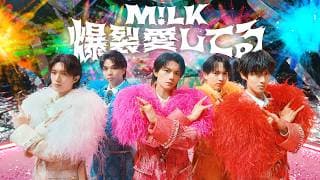
M!LK - 爆裂愛してる(Official Music Video)
"爆裂愛してる" (Bakuretsu Aishiteru) by M!LK is a high-energy, vibrant J-Pop anthem that blends modern idol aesthetics with a "chaotic-cool" retro energy. Here is an analysis of the song: 1. Overall Theme The song is an unapologetic, high-speed declaration of overwhelming love. It explores the feeling of being so infatuated with someone that your heart feels like it is "exploding" (bakuretsu). It captures the frantic, dizzying, and joyful nature of a crush that consumes one’s entire world. 2. Key Lyrics Analysis * "Bakuretsu Aishiteru" (Explosive I Love You): The title and recurring hook use the word *bakuretsu* to elevate a standard confession into something much more intense. It implies that "standard" love isn't enough to describe the narrator's feelings; it requires a burst of energy and sound. * The frantic tempo and wordplay: The lyrics often move at a breakneck speed, mimicking a racing heartbeat. By using phrases that emphasize "only you" (*Kimi shika mienai*), the song portrays a tunnel-vision style of devotion common in idol pop but delivered with a punchy, almost rock-inspired attitude. * "Check-it-out" and rhythmic interjections: The song uses rhythmic chants and English catchphrases that are designed for "call and response" during live performances, emphasizing the connection between the artist and the listener/fan. 3. Emotional Tone The tone is hyper-energetic, playful, and wildly optimistic. It carries a sense of "Genki" (boundless energy) that is characteristic of J-Pop, but it adds a layer of stylish confidence. While the lyrics are about the "chaos" of love, the emotion conveyed is pure happiness and the thrill of being completely "all-in" on a relationship. 4. Cultural Context * The "Retro-Modern" Aesthetic: The Music Video and the song’s arrangement tap into the current Japanese trend of "Showa/Heisei Retro." It uses bright, saturated colors and disco-funk elements that evoke a sense of nostalgia while remaining polished for a Gen Z audience. * Idol Interaction: In Japanese idol culture, songs like this are crafted to be "festival-like." The structure is built to maximize fan engagement through synchronized dancing and "calls" (cheers), making the song a communal experience rather than just a solo listen. 5. Artist Context For M!LK, this song represents their "Major Label" evolution. Since their debut, the group has transitioned from a younger, "cute" image to a more versatile and "cool" persona. "Bakuretsu Aishiteru" showcases their ability to handle complex, high-speed choreography while maintaining their signature charm. It highlights the group's unity and their position as top-tier entertainers in the EBiDAN (Ebisu Dankyu Boys) collective, proving they can be both musically experimental and commercially catchy.
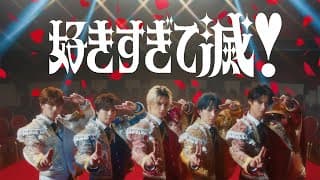
M!LK - 好きすぎて滅!(Official Music Video)
M!LK - "好きすぎて滅!" (Sukisugite Metsu!) is a high-energy, hyper-pop-influenced track that captures the chaotic and overwhelming feeling of being head-over-heels in love. Here is an analysis of the song: ### 1. Overall Theme The song explores the sensation of "overwhelming devotion"—the kind of love that is so intense it feels like it might actually "destroy" or "ruin" the person experiencing it. It uses the language of modern fan culture (*oshikatsu*) to describe a crush so powerful that the protagonist's heart can no longer function normally. ### 2. Key Lyrics Analysis * "好きすぎて滅!" (Sukisugite Metsu!): The title translates to "I love you so much I'm ruined!" or "I love you to death!" The use of the kanji 滅 (Metsu), which means destruction or extinction, is a playful exaggeration. It signifies that the object of their affection is so charming that the speaker’s composure is completely obliterated. * "尊い" (Toutoi): This is a key term in Japanese fan culture meaning "so precious it’s holy." The lyrics repeat this to emphasize that the person they love is on a pedestal, beyond the reach of mere mortals. * "キャパオーバー" (Capacity Over): This refers to the speaker's heart reaching its maximum capacity. They can no longer process how cute or wonderful the other person is, leading to a "system crash" of emotions. * "心臓が持たない" (My heart can't take it): A classic romantic trope pushed to the extreme, suggesting that the sheer visual or emotional impact of the loved one is physically taxing. ### 3. Emotional Tone The tone is hyperactive, chaotic, and celebratory. It is not a heavy or tragic song about ruin; rather, it is a comedic and joyful expression of "moe" (burning passion/infatuation). The fast-paced tempo, bright synthesizers, and shouting vocals convey a sense of frantic excitement, mimicking the "high" one feels when seeing their favorite person. ### 4. Cultural Context * Oshikatsu (Fan Culture): The song heavily utilizes Internet Slang and Otaku terminology. It reflects the "Oshi" culture in Japan, where fans dedicate their lives to supporting their favorite idols or characters. * Anime Aesthetics: The use of the character "滅" (Metsu) is a subtle nod to popular media like *Demon Slayer (Kimetsu no Yaiba)*, where the character appears on the uniforms of the slayers. Here, M!LK subverts the "cool/dark" meaning of the kanji into something cute and relatable to modern youth. * SNS Influence: The music video and song structure are designed for the TikTok era—short, punchy segments with high "meme-ability" and synchronized "point dances." ### 5. Artist Context M!LK, a group under Stardust Promotion, has a reputation for being "variable" idols. While they can perform elegant and "cool" concepts, they are also known for their playful, self-aware, and quirky side. "Sukisugite Metsu!" fits into their discography as a high-concept "Idol Song" that bridges the gap between the group and their fans. By singing about being "ruined" by love, they are essentially mirroring the feelings of their own fans (M!lkys), creating a meta-connection where the idols and the fans share the same vocabulary of obsession. This song marks their evolution into a more "viral-ready" sound that appeals to Gen Z audiences.

i-dle (아이들) 'Mono (Feat. skaiwater)' Official Music Video
It is important to note that this song is by the independent/underground artist i-dle (아이들), a member of the creative collective *idlexx*, and should not be confused with the famous K-pop girl group (G)I-DLE. Here is an analysis of "Mono (Feat. skaiwater)": 1. Overall Theme "Mono" is a moody, atmospheric track that explores the feelings of emotional numbness, isolation, and the repetitive nature of a fading relationship. The title refers to both "monochrome" (a world without color) and "monophonic" sound, symbolizing a life that has become flat, singular, and drained of its former vibrancy. 2. Key Lyrics Analysis * "Everything is mono": This recurring motif serves as a metaphor for the protagonist's mental state. It suggests that after a period of intense pain or exhaustion, their world has lost its "color" or emotional depth, leaving them in a gray, static-filled reality. * "I don't wanna go back": This line highlights a fear of returning to a past version of themselves or a toxic situation. Even though the current "mono" state is lonely, it is perceived as safer than the chaotic hurt of what came before. * skaiwater’s Verse: The feature adds a layer of "digital longing." The lyrics touch on the disconnect between people who are physically far apart but connected through screens, emphasizing that technology often fails to bridge the emotional gap, leaving one feeling "lo-fi" and distant. 3. Emotional Tone The tone is melancholic, detached, and hazy. It carries a sense of "digital sadness"—a specific type of modern loneliness that feels cold and synthesized. The production uses glitchy elements and reverb-heavy vocals to create a dreamlike, almost underwater atmosphere that feels both intimate and distant. 4. Cultural Context The song exists within the global underground "SoundCloud" or "Hyperpop/Pluggnb" subculture. It represents a shift in the Korean music scene where independent artists move away from traditional K-Pop or K-Hip-Hop structures to embrace a more experimental, internet-centric sound. The collaboration with skaiwater (an American underground artist) highlights the borderless nature of modern music, where artists from different continents collaborate via the internet to create a unified aesthetic. 5. Artist Context For i-dle, this song is a quintessential example of their "mood-focused" discography. It showcases their ability to blend Korean lyrics with the aesthetic tropes of Western underground melodic rap. By collaborating with skaiwater, i-dle positioned themselves as a bridge between the Korean indie scene and the global "alt-rap" community, prioritizing vibe and texture over mainstream pop appeal.

BLACKPINK - ‘뛰어(JUMP)’ M/V
It is important to clarify first that "뛰어 (JUMP)" is not an official song released by BLACKPINK. In the K-pop community, there are many highly realistic "fan-made" or AI-generated tracks and "Concept MVs" that circulate on platforms like YouTube and TikTok. These projects often use AI to mimic the members' voices and combine existing footage to create the illusion of a new comeback. Based on the popular fan-made/AI versions of "JUMP" that align with BLACKPINK’s signature style, here is an analysis of the song’s themes and context: ### 1. Overall Theme The song centers on limitless ambition, high-energy liberation, and the "Girl Crush" identity. It serves as a hype anthem, encouraging listeners to "jump" over obstacles and rise to the top of the music industry. It follows the recurring BLACKPINK theme of being "the greatest of all time" (GOAT) while maintaining a party-ready, club-oriented atmosphere. ### 2. Key Lyrics Analysis Since this is an AI/fan-made track, the lyrics are designed to mimic the "YG Style" written by producers like Teddy: * "뛰어 (Jump) / Higher than the ceiling": This repetitive hook symbolizes breaking through the "glass ceiling" or social limitations. It represents physical movement and metaphorical growth. * "Black and Pink in your area": AI tracks almost always include this signature catchphrase to establish brand identity and a sense of "arrival." * Rap Verses (Jennie/Lisa style): Usually contain references to luxury, speed (fast cars), and being "unreachable" to haters, reinforcing their status as global fashion and music icons. ### 3. Emotional Tone * Assertive and Bold: The song conveys a "don't mess with us" attitude, typical of their "Black" concept (the darker, more hip-hop-centric side). * Electric and Hype: The heavy bass and EDM drops are designed to evoke adrenaline, making the listener feel powerful and energized. ### 4. Cultural Context (The AI Phenomenon) This song is a perfect example of "K-pop AI Culture." * Fan Anticipation: These tracks often gain millions of views during long hiatuses between official BLACKPINK albums. They reflect the fans’ (BLINKs) desire for specific musical styles, such as heavy trap-beats or "Boombayah"-style dance tracks. * Digital Realism: The fact that fans can mistake these for real songs highlights how advanced AI vocal synthesis has become, sparking debates about copyright and the future of artist identity in K-pop. ### 5. Artist Context If this were an official song, it would fit into the "Stadium Anthem" category of BLACKPINK’s discography, alongside tracks like *"How You Like That"* or *"Pink Venom."* * The "Black" Concept: Within their career, this song emphasizes their hip-hop roots rather than their softer, "Pink" melodic side (like *"Ice Cream"* or *"As If It's Your Last"*). * Global Sound: It utilizes a mix of English and Korean, specifically tailored for a global festival audience (like Coachella), where "jumping" acts as a universal command to the crowd. * Note: If you are looking for an official high-energy song by BLACKPINK that involves "jumping" or similar themes, you might be interested in "BOOMBAYAH," "How You Like That," or their recent OST "THE GIRLS."
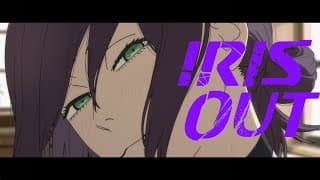
米津玄師 Kenshi Yonezu - IRIS OUT
"IRIS OUT" by Kenshi Yonezu is a high-energy anthem written specifically for the PlayStation "Play Beyond" commercial campaign in Japan. It explores the intersection of imagination, digital worlds, and the human perspective. --- ### 1. Overall Theme The song centers on the transformative power of perspective and imagination. It uses the metaphor of a camera’s "iris" to describe how narrowing or widening one's focus can reveal hidden worlds, suggesting that "play" is not just a hobby but a vital way to redefine one's reality. ### 2. Key Lyrics Analysis * "Iris Out" (The Title): In filmmaking, an "iris out" is a technique where the image transitions to black by closing a circular mask. Yonezu uses this to represent the moment of intense focus—where the outside world fades away, and the "game" or the "imagination" becomes the only reality. * "The playground is right here" (遊び場はここにある): This line emphasizes that creativity and adventure don't require physical travel. By shifting one's mindset (or picking up a controller), any space can become a limitless environment. * "Beyond the light that shines through": A recurring motif in Yonezu’s work, "light" represents inspiration or a new discovery. Here, it suggests that by looking past the surface of mundane life, one can find a more vibrant, "gamified" existence. * References to "Vision": The lyrics frequently mention pupils, retinas, and light, framing the act of "playing" as a physiological and spiritual change in how we perceive the universe. ### 3. Emotional Tone The song is exhilarating, restless, and curious. It carries a sense of "digital adrenaline," mimicking the heartbeat of someone deeply immersed in a challenge. There is an underlying feeling of liberation—as if the listener is breaking free from the constraints of the physical world. ### 4. Cultural Context * Gaming Culture: As the theme for PlayStation, the song celebrates the "Gamer Spirit." In Japan, gaming is often viewed not just as entertainment but as a "third place" (a social/mental space outside of work and home). * Cinematic Technique: By naming the song after a silent-film editing technique, Yonezu bridges the gap between old-school storytelling and modern interactive media, suggesting that the "lens" through which we see the world is always evolving. ### 5. Artist Context "IRIS OUT" fits into Yonezu’s recent era of maximalist pop production. Following the success of songs like "KICK BACK" and "POP SONG," this track showcases his ability to take a corporate collaboration and infuse it with his personal philosophy on art and perception. It cements his status as the "go-to" artist for projects that require a blend of mainstream appeal and avant-garde creative depth.
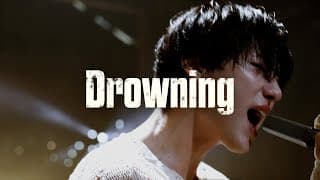
WOODZ 'Drowning' Live Clip
WOODZ’s "Drowning" is widely considered one of his vocal and artistic masterpieces. While the studio version is powerful, the Live Clip version is particularly famous for its raw, unfiltered energy and explosive high notes. Here is an analysis of the song: ### 1. Overall Theme "Drowning" serves as a metaphor for the suffocating, inescapable nature of a toxic or deeply painful love. It describes the paradox of wanting to escape a relationship that is destroying you, while simultaneously begging to be consumed by it because the pain is the only thing left connecting you to the other person. ### 2. Key Lyrics Analysis * "Let me drown in you": This is the central plea of the song. It represents a total surrender to despair. Instead of fighting to stay afloat, the narrator chooses to sink into the memory or the presence of the lover, accepting that this love will be their end. * "A rainy day with no umbrella": This imagery highlights a state of total vulnerability. The narrator is exposed to the "storm" of their emotions with no protection or way to hide. * "Even if I die like this, don't let me go": These lines capture the self-destructive nature of the song. It portrays a love so addictive that even at the cost of one's own well-being, the thought of separation is more terrifying than the thought of "dying" within the relationship. ### 3. Emotional Tone The tone is visceral, desperate, and cathartic. * It begins with a hollow, brooding atmosphere that slowly builds into an aggressive, rock-infused climax. * The Live Clip emphasizes the physicality of the emotion; you can hear the strain and "grit" in WOODZ’s voice, which mirrors the sensation of gasping for air while underwater. It conveys a sense of tragic beauty—finding a release through extreme emotional pain. ### 4. Cultural Context Within the Korean music scene, WOODZ is part of a movement of soloists (including artists like Dean or Colde) who blur the lines between Idol Pop, R&B, and Alternative Rock. "Drowning" specifically leans into the Korean Rock-Ballad tradition but modernized with "emo-rock" influences. It resonates with a generation that values "hyper-honesty" in lyrics regarding mental health and the darker side of romance. ### 5. Artist Context This song is a pivotal moment in WOODZ’s (Cho Seung-youn) career. * Versatility: Having debuted as a rapper in the group UNIQ and later a main vocal in X1, "Drowning" solidified his identity as a rock-leaning singer-songwriter. * Vocal Peak: The track is famous for its difficult high notes and vocal runs. The Live Clip version, in particular, was a "viral" moment that proved his ability to perform complex, high-stamina rock vocals without the aid of studio effects, cementing his reputation as an "all-rounder" artist. * The OO-LI Era: It is the standout track of his EP *OO-LI*, an album focused on self-discovery and raw human emotion.
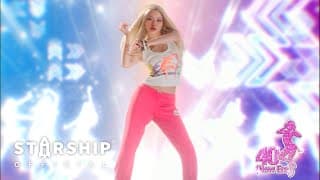
KiiiKiii 키키 '404 (New Era)' MV
"404 (New Era)" by KiiiKiii (키키) is a futuristic, hyperpop-inspired track that explores the boundaries between the digital and physical worlds. Released under Highline Entertainment (a subsidiary of Starship Entertainment), the song introduces KiiiKiii as a virtual persona navigating a world of data and identity. Here is an analysis and explanation of the song: 1. Overall Theme The song centers on the concept of digital rebirth and the reclamation of identity within a virtual landscape. It uses the "404 Not Found" error code as a metaphor for being lost or unrecognized by the "system," ultimately turning that glitch into a source of power to enter a "New Era" of self-expression. 2. Key Lyrics Analysis * "404 Not Found / I'm finding the real me": This line highlights the central irony of the song. While the system registers an "error" or a missing page, the artist uses that blank space to define herself away from pre-programmed expectations. * "Break the firewall, beyond the screen": This represents the desire to transcend the limitations of being a digital entity. It suggests a longing to connect with the "real" world or to make a real impact despite being virtual. * "System upgrade, loading my soul": By using tech-jargon like "upgrade" and "loading," the lyrics frame personal growth as a software update, emphasizing the hybrid nature of a virtual idol’s existence. 3. Emotional Tone The tone is bold, high-energy, and defiant. It carries the frantic, glitchy energy of Hyperpop, which creates a sense of organized chaos. While there is an underlying sense of mechanical coldness due to the electronic production, the vocal delivery remains assertive and empowering, signaling a triumphant breakthrough. 4. Cultural Context The song leans heavily into the "Virtual Idol" trend currently booming in South Korea (similar to acts like PLAVE, MAVE:, or aespa’s ae-members). It also taps into the Glitchcore and Y2K Cyberpunk aesthetics that are popular among Gen Z, reflecting a fascination with how our digital personas often feel more "real" than our physical ones in the age of social media and the metaverse. 5. Artist Context KiiiKiii is a virtual artist project by Highline/Starship, and "404 (New Era)" serves as a conceptual manifesto. For Starship, this song represents an expansion into experimental electronic music and the "metaverse" market. Within KiiiKiii's career, this track establishes her sonic identity as a "glitch in the system"—an artist who doesn't fit the standard K-pop mold and instead embraces a digitized, hyper-real sound.

Trivia 起: Just Dance
Trivia 起: Just Dance is a solo track by J-Hope from BTS’s 2018 compilation album, *Love Yourself: Answer*. It serves as the "Introduction" (起 - Gi) to the trivia trilogy within the album series. ### 1. Overall Theme The song explores the "beginning" of love, using dance as a metaphor for the spark of a new connection. It portrays the euphoria of meeting someone who shares the same rhythm and passion, suggesting that movement can bridge the gap between two people more effectively than words. ### 2. Key Lyrics Analysis * "Even my breathing feels like it will become music": This line illustrates J-Hope’s total immersion in the moment. His physical existence and the music have become one, showing how the presence of a partner elevates his art to a spiritual level. * "If I'm with you, anywhere is 'eogiyeocha'": *Eogiyeocha* is a traditional Korean rhythmic exclamation (similar to "heave-ho") used to synchronize effort. By using this, J-Hope implies that even difficult tasks feel rhythmic and easy when he is in sync with his partner. * "It was a different world from the one I knew": This reflects the transformative power of the "Beginning" (起). Through this new connection, the world shifts from a solitary practice room to a shared space of vibrant color and possibility. ### 3. Emotional Tone The tone is euphoric, high-energy, and hopeful. Driven by a bouncy Future Bass beat, the song radiates "sunshine" energy—a hallmark of J-Hope’s musical persona. It captures the fluttering excitement of a "crush" combined with the raw adrenaline of a live dance performance. ### 4. Cultural Context * Ki-Seung-Jeon-Gyeol (起承轉結): This is a four-step storytelling structure common in East Asian literature. "Just Dance" represents 起 (Ki)—the beginning or the introduction of the narrative arc of love in the *Love Yourself* series. * Dance Culture: J-Hope draws from his roots in the underground street dance scene in Gwangju. The song honors the "dance battle" or "dance jam" culture where people communicate through movement rather than social status or language. ### 5. Artist Context "Just Dance" is an essential piece of J-Hope’s identity as the "Main Dancer" of BTS. While RM’s trivia track focuses on wordplay and Suga’s focuses on narrative, J-Hope’s track focuses on physicality and rhythm. It serves as a bridge between his solo mixtape *Hope World* and his role in BTS, proving that his philosophy of "hope" is best expressed through the joy of movement. On tour, this song became legendary for J-Hope’s solo stage, cementing his reputation as a world-class performer.
Euphoria
"Euphoria" is a solo track performed by Jungkook of BTS, released in 2018 as part of the *Love Yourself: Answer* album. It remains one of the group's most beloved and commercially successful solo songs. ### 1. Overall Theme "Euphoria" explores the pure, overwhelming bliss found at the beginning of a deep connection or a new chapter in life. It depicts the feeling of finding a "utopia" with another person, acting as a bridge between a painful past and a hopeful, dream-like future. ### 2. Key Lyrics Analysis * "You are the sunlight that rose again in my life": This opening line establishes the person being addressed as a source of warmth and salvation, suggesting the narrator was previously in a "dark" or difficult place. * "Take my hands now / You are the cause of my euphoria": This is the core confession of the song. It emphasizes that this state of extreme happiness isn't just a feeling, but a result of the presence of the "other" (whether that be a lover, a friend, or even the fans). * "Even if the sandy ground cracks / No matter who shakes this world / Don’t let go of the hand you’re holding": These lines introduce a sense of fragility. It acknowledges that the world is unstable, but as long as they stay connected, the "euphoria" can be maintained. * "A dreamlike reality / A green oasis in the desert": This metaphor highlights the rarity and preciousness of the happiness they’ve found, contrasting it with the "desert" of everyday struggles. ### 3. Emotional Tone The tone is uplifting, ethereal, and cinematic. Jungkook’s airy, breathy vocals combined with the synth-pop production create a sense of floating. However, there is an underlying layer of poignancy or "han" (a Korean sentiment of longing); the song feels so perfect that there is a subtle, unspoken fear that the dream might eventually end. ### 4. Cultural Context "Euphoria" serves as the theme for the "BTS Universe" (BU) short film titled *Euphoria: Theme of LOVE YOURSELF 起 Wonder*. In the complex narrative of the BU, this song represents a moment of intervention where the characters are temporarily saved from their tragic fates. It symbolizes a "reset" where everyone is happy together, making the song culturally significant to fans who follow the band's long-term storytelling. ### 5. Artist Context For Jungkook, "Euphoria" was a pivotal moment in his career, solidifying his reputation as a "main vocal" capable of carrying a high-energy pop track with technical precision. Within the *Love Yourself* series, this song represents "Wonder," the stage of infatuation and the beginning of the journey toward learning to love oneself through the eyes of another. It remains a staple in BTS's live performances, often featuring Jungkook flying over the audience, literalizing the "soaring" feeling of the music.

Heartbeat (BTS World Original Soundtrack)
"Heartbeat" is the lead single from the soundtrack of the mobile game *BTS World*. It is a cinematic pop-rock track that serves as a tribute to the group's journey and their bond with their fans. ### 1. Overall Theme The song explores the theme of destiny and connection within a parallel universe framework. It ponders the question of what would have happened if the members had never met or found their fans (ARMY), ultimately concluding that their union was a cosmic necessity. ### 2. Key Lyrics Analysis * "If I was alone, if I didn't know you / Maybe I'd have given up, lost at sea." (RM's Verse): This highlights the vulnerability the members feel. It acknowledges that without the support of the group and the fans, they might have lost their way or failed to achieve their dreams. * "My heart’s on fire for your love / My heart’s on fire for your love.": This recurring line represents the passion and life-force given to them by their audience. The "heartbeat" is not just a physical pulse, but the rhythm of their shared journey. * "I wish that you would love me / For who I am / Or for who I was / In this world.": This reflects a desire for authentic connection, asking to be seen as human beings rather than just idols, regardless of which "timeline" or reality they are in. ### 3. Emotional Tone The song carries a nostalgic, grand, and ethereal tone. It begins with a haunting, atmospheric melody that feels intimate and lonely, but builds into a powerful, anthemic chorus. It conveys a mix of "what-if" melancholy and overwhelming gratitude, leaving the listener with a sense of wonder. ### 4. Cultural Context "Heartbeat" relies heavily on the "Parallel Universe" theory, a recurring motif in the Bangtan Universe (BU). In the *BTS World* game, players go back to 2012 to recruit the members. The song mirrors this "butterfly effect" narrative—suggesting that while their lives could have taken many different paths (as a farmer, a student, etc.), their souls were destined to find this specific "heartbeat" together. ### 5. Artist Context Released in 2019 during the height of their global superstardom, "Heartbeat" acted as a "love letter" to their past. While it was technically a game OST, it is regarded by fans as a high-quality core track because it encapsulates BTS’s narrative of growth. It bridges the gap between their humble beginnings and their status as global icons, reinforcing that their success is a collaborative miracle between the seven members and their fans.
![Nassif Zeytoun & @abuwardmusic - Kazdoura [Official Video] (2025) / ناصيف زيتون و أبو ورد - كزدورة](/_next/image?url=https%3A%2F%2Fimg.youtube.com%2Fvi%2FCs6i13GIyo8%2Fmqdefault.jpg&w=3840&q=75)
Nassif Zeytoun & @abuwardmusic - Kazdoura [Official Video] (2025) / ناصيف زيتون و أبو ورد - كزدورة
"Kazdoura" (کزدورة) by Nassif Zeytoun and Abu Ward is a vibrant Levantine pop track that celebrates the beauty of simple moments and the joy of escaping daily pressures. The song serves as a feel-good anthem centered around the Lebanese/Syrian concept of a "Kazdoura"—a leisurely stroll or a drive with no specific destination. Here is an analysis of the song: 1. Overall Theme The song is about escapism, spontaneity, and the importance of companionship. It focuses on the idea that life’s stresses can be temporarily forgotten by simply taking a drive or a walk with someone you love, prioritizing mental peace and present-moment happiness over the chaos of the world. 2. Key Lyrics Analysis * "Yalla Kazzdoura" (Let’s go for a stroll): This repetitive hook is a call to action. In the Levantine dialect, a *Kazdoura* is more than a walk; it is a cultural ritual of de-stressing. * "Nsina el hami" (We forgot our worries): This line highlights the song’s core message—that physical movement and good company act as a remedy for life’s burdens. * The focus on "The Road" and "Music": The lyrics often mention turning up the volume and hitting the road. This imagery signifies freedom and the act of leaving one’s problems behind in the rearview mirror. * "Dahketak/ik hiye el mashwar" (Your smile is the journey): This suggests that the destination doesn’t matter as much as the person you are with; the emotional connection is the true highlight of the trip. 3. Emotional Tone The tone is carefree, breezy, and optimistic. It carries a rhythmic energy that is both relaxing and danceable. There is a sense of "lightness" to the vocals, moving away from the heavy drama often found in Arabic ballads to embrace a more youthful, "sun-drenched" vibe. 4. Cultural Context * The "Kazdoura" Culture: In Lebanon, Syria, and Jordan, a "Kazdoura" is a fundamental social activity. Whether it's walking along the Corniche or driving through the mountains with music blaring, it is a primary way people bond and find relief from the economic or political stresses of the region. * Modern Levantine Pop: The song blends traditional Levantine melodic structures with modern synth-pop and electronic beats. This reflects a trend in the 2020s where Middle Eastern artists are "urbanizing" folk concepts to appeal to a globalized, younger audience. 5. Artist Context * Nassif Zeytoun: Since winning *Star Academy*, Nassif has become the "King of Levantine Pop." While he is famous for powerhouse vocals and intense romantic songs, "Kazdoura" shows his versatility in the "chill-pop" genre. It continues his trend of staying modern and relatable. * Abu Ward: The collaboration with Abu Ward adds a fresh, indie-influenced texture to the song. By teaming up, Zeytoun bridges the gap between his massive mainstream fan base and the newer, alternative Arabic music scene. * Career Move: Released in 2025, this track reinforces Nassif’s image as a trendsetter who can dominate both the wedding dance floor and the casual "driving music" playlists.