
Latest Articles

Ed Sheeran - Thinking Out Loud (Official Music Video)
### Ed Sheeran - "Thinking Out Loud" Artist Origin: Ed Sheeran is an English singer-songwriter born in Halifax, West Yorkshire, England. He started playing guitar at a young age and gained significant popularity through social media before his commercial breakthrough. Genre: The song falls under the genres of pop and soft rock, blending elements of soul and folk. Overall Theme: "Thinking Out Loud" is about a deep, enduring love that stands the test of time. It speaks to the idea of eternal commitment and the belief in finding true love where one least expects it. Key Lyrics Analysis: - When your legs don't work like they used to before / And I can't sweep you off of your feet: This line imagines a future scenario when physical attributes fade, yet emotional connection remains strong. - And I will be loving you 'til we're 70: Emphasizes the commitment to love through old age, highlighting the longevity and depth of their relationship. - I'm thinking about how / People fall in love in mysterious ways / Maybe just the touch of a hand: Reflects on the unpredictable nature of love and the small moments that can lead to profound connections. - And I just wanna tell you I am: A straightforward declaration of his feelings, showcasing an earnest desire for commitment. Emotional Tone: The song conveys a sense of tenderness, longing, and hope. It paints a picture of a loving couple through various stages of life, emphasizing the resilience of true love. Cultural Context: While not directly referencing any specific cultural events or traditions, the song resonates with universal themes of aging gracefully together and finding love in unexpected places, which are relatable across cultures. Artist Context: "Thinking Out Loud" was released as part of Sheeran's second studio album, "X" (or multiply), in 2014. It marked a shift towards more polished pop production while maintaining his signature emotional depth and storytelling ability. The song became one of his most successful singles, reaching number one in multiple countries including the UK and US, further establishing Sheeran as a global pop star.

Amr Diab - Khalik Maaya
### Artist Origin Amr Diab, also known as Amr Diab, is an Egyptian singer and songwriter. Born on May 15, 1961, in Port Said, Egypt, he has been a prominent figure in Arabic pop music since the early 1980s. ### Genre The song "Khalik Maaya" falls under Arabic Pop, with influences of Mediterranean and Latin rhythms. ### Overall Theme This song is about love and nostalgia, specifically focusing on reminiscing about past relationships where the speaker yearns for someone who left them behind ("you stayed away from me"). It captures a bittersweet emotion of longing mixed with acceptance. ### Key Lyrics Analysis - "كامل اللي جوايا مش داير غيرك يرجع ليّ" (Complete is what's inside me, I only want you to come back to me) This line expresses the singer’s deep feelings and how his heart remains whole only if this person returns. ### Emotional Tone The song conveys a mix of yearning, nostalgia, and bittersweetness. The melody is melancholic yet uplifting, reflecting both sadness over lost love and hope for reunion. ### Cultural Context "Khalik Maaya" draws on Arabic musical traditions while incorporating modern pop sensibilities. Its Mediterranean and Latin rhythms are reflective of the cultural fusion often found in Egyptian popular music, which blends various regional influences into a cohesive sound that appeals to a wide audience across the Middle East and beyond. ### Artist Context This song fits well within Amr Diab’s career as he is known for his romantic ballads. "Khalik Maaya" showcases his ability to craft emotionally resonant lyrics paired with catchy melodies, which has been a hallmark of his work since his debut. It continues the theme of heartfelt longing and nostalgia that runs throughout much of his discography.

HATUA (feat. Rose Muhando)
Artist Origin Victor Muthunya is a Kenyan musician and actor from Nairobi, Kenya. He began his musical career in the early 2000s and has since become a prominent figure in the Kenyan music industry. Genre The song "HATUA (feat. Rose Muhando)" falls under the genres of Benga, Genge, and Afro-pop. Benga, particularly, is a popular genre that originated from Kenya and blends traditional Luo music with modern rhythms. Overall Theme "HATUA" addresses themes of personal growth and the journey towards success. The song emphasizes the importance of taking steps ("Hatua" means "step" in Swahili) to achieve one's aspirations despite facing obstacles. Key Lyrics Analysis - *Kuna hatua ya kufika njia hii* (There is a step to get here) This line highlights that every accomplishment requires effort and perseverance. - *Tunafika sote, tuishi mbili, tunapata maisha yetu* (We will all arrive, we walk two by two, we have our own life) These lyrics suggest unity in the pursuit of success while acknowledging individual journeys. Emotional Tone The song conveys a sense of empowerment and optimism. It encourages listeners to stay positive and focused on their goals despite challenges they may face. Cultural Context "HATUA" is deeply rooted in Kenyan culture, particularly Luo traditions. The use of Swahili and local musical influences (Benga) make it relatable to the East African audience while appealing to a broader international following through its universal themes. Artist Context This song fits into Victor Muthunya's career as part of his efforts to blend traditional Kenyan sounds with contemporary pop elements. It showcases his versatility in creating music that resonates both locally and internationally, contributing significantly to his reputation as one of Kenya’s leading artists.

Ni Tengo Ni Necesito
### Artist Origin Yeison Jiménez is a Colombian singer, songwriter, and actor born on September 7, 1982, in Medellín, Colombia. He has been active since the early 2000s and gained recognition as one of Colombia's leading urban artists. ### Genre The song "Ni Tengo Ni Necesito" falls under the reggaeton genre, with influences from Latin pop and hip-hop. ### Overall Theme This song is a self-assured declaration by Yeison Jiménez about living life on his own terms without being swayed by material wealth. He emphasizes the importance of authenticity over superficial displays of riches or status. ### Key Lyrics Analysis - "Oiga, señor, a mí no me hable de dinero / Pues como pobre ni tengo ni necesito." The artist asserts that he doesn't need to talk about money since he neither has nor desires it. This line sets the tone for his overall message of contentment with what he has. - "Vivo muy bueno sin picármelas de rico." Despite not being wealthy, Jiménez expresses satisfaction in his life and suggests that material wealth is not a requirement for happiness or success. - "Ya estoy cansado de la gente presumida / Será por eso que me he vuelto tan sincero." The artist expresses frustration with people who brag about their possessions. This reflects on why he has become more honest in his outlook and actions. - "Yo soy graduado en la experiencia de la vida / Trabaje duro pa comprarme lo que tengo." Jiménez emphasizes that his life experiences have made him wise, and he has worked hard to earn what he possesses. This suggests a self-made attitude rather than inherited wealth or shortcuts. ### Emotional Tone The song conveys an emotional tone of confidence, pride in personal achievements, and a sense of defiance against societal pressures to conform to materialistic values. ### Cultural Context This song reflects the cultural context of Latin America where material success is often seen as a marker of status. Jiménez’s message counters this by promoting a lifestyle based on hard work and personal integrity rather than superficial wealth or fame. ### Artist Context "Ni Tengo Ni Necesito" fits into Yeison Jiménez's broader career narrative, which revolves around themes of authenticity and self-made success. The song reinforces his image as an artist who values genuine connections over materialistic pursuits, resonating with audiences seeking to align their lives with meaningful values rather than societal expectations.

N-a Fost Sa Fie
Artist Origin: Bogdan DLP is a Romanian rapper, singer-songwriter, and producer. Born as Bogdan Damian Lupu on July 25, 1984, in Galați, Romania, he started his music career in the early 2000s and has become one of Romania's most influential hip-hop artists. Genre: The song "N-a Fost Sa Fie" is primarily classified as hip-hop/R&B, blending elements from both genres with a soulful touch. Overall Theme: This song reflects on a past relationship that didn't work out, exploring themes of regret and acceptance. It captures the bittersweet feeling of longing for someone who no longer fits into one's life while acknowledging that moving forward is necessary. Key Lyrics Analysis: - "N-ai fost pentru viața toată / Ai fost cât să nu te pot uita niciodată" (You were not meant for my entire life, but you stayed just long enough for me to never forget you.) This line emphasizes the temporary nature of their relationship and how it left an indelible mark on the narrator. - "Ai venit când inima era curată / Dar mi-e dor de tine tot ca altădată" (You came when my heart was pure, but I still miss you as much as before.) The juxtaposition of purity at the start and enduring longing highlights how their time together had a profound impact. - "Și n-a fost să fie, dar poate-i mai bine / Hai să nu ne facem rău și să ne iubim mereu" (And it couldn't be so, but maybe it's better this way, let's not hurt each other and love forever.) This line suggests that the relationship didn't work out for the best, but both parties should move on without resentment. - "Ce ai avut cu mine, tu n-o să mai ai / Puteai să recunoști și un mesaj să-mi dai" (What you had with me, you won't have again, you could've recognized a message and given one.) This section expresses disappointment in the other person's inability to understand or reciprocate his feelings. Emotional Tone: The song conveys a mix of sadness, regret, acceptance, and hope. It is melancholic yet uplifting, acknowledging past mistakes while embracing future possibilities. Cultural Context: While there are no explicit cultural references, the lyrics resonate with universal themes of love, loss, and personal growth. In Romania, songs about heartbreak and moving on are popular among listeners who often face similar challenges in their relationships. Artist Context: "N-a Fost Sa Fie" fits into DLP's broader discography that often explores deep emotions and personal experiences through soulful hip-hop music. It showcases his ability to blend storytelling with melodic hooks, a hallmark of his artistic style.

Takdire Pisah
### Artist Origin Diorama is an Indonesian rock band formed in 1998 in Jakarta, Indonesia. The band has been a significant part of the Indonesian indie and alternative music scene. ### Genre The song "Takdire Pisah" falls under the genres of Indonesian Pop Rock and Alternative Rock. ### Overall Theme This song is about a painful separation due to circumstances beyond control. The lyrics express deep love, sacrifice, and acceptance of fate, reflecting the emotional turmoil when two people who deeply care for each other cannot be together. ### Key Lyrics Analysis - *"Aku wis nyobo nglalekake kenanganmu sing keukir ning jero atiku"* (I have started to erase your memories that are engraved in my heart) - This line indicates the beginning of an emotional process where one party is trying to let go of the past and move on. - *"Cintaku tulus seko ati, tak jogo tekaning mati, ning pie meneh takdir ora ngerestui"* (My love is true in my heart, not just a matter of life or death, but fate does not approve) - This highlights the protagonist's sincere love and acknowledges that despite their deep feelings, external factors dictate they cannot be together. - *"Roso sayangku ora kurang, tresnaku ora ilang, perjuanganku sudah ku ikhlaskan"* (My love for you is no less, my affection has not vanished, I have accepted my struggle) - These lines convey a sense of acceptance and resignation towards the situation. - *"Yen pancen iki akhire, aku pisah karo koe, tak trimo nek iki dadi dalane"* (If this is the end, I will part from you, not wanting this to become our path) - This line underscores the reluctance and sadness in accepting separation. ### Emotional Tone The song conveys a mix of sadness, longing, and acceptance. The narrator expresses deep affection but also acknowledges the inevitability of their separation due to external circumstances. ### Cultural Context Indonesian culture values harmony and collective well-being, which can influence personal decisions regarding relationships. In this context, the song reflects a traditional acceptance of fate (takdir) over individual desires, which is common in Indonesian society. ### Artist Context "Takdire Pisah" showcases Diorama's ability to blend emotional depth with musical sophistication. The band has often explored themes of love, loss, and personal struggles through their music, making this song a continuation of their signature style that resonates deeply with their audience. By addressing the complexities of relationships and the acceptance of fate, "Takdire Pisah" highlights Diorama's capacity to connect with listeners on an emotional level.

Riptide
Artist Origin Vance Joy, whose real name is James Charles Virginia Ogilvie, was born in Melbourne, Australia. He began his music career as busking on the streets before gaining recognition with his hit single "Riptide." Genre The song "Riptide" primarily falls under the genres of indie rock and folk. Overall Theme "Riptide" is a love song that explores themes of vulnerability, adoration, and the fear of loss in a relationship. The narrator expresses deep affection for his partner while also conveying anxiety about their future together. Key Lyrics Analysis - "I was scared of dentists and the dark / I was scared of pretty girls and starting conversations": This line establishes that the artist has always been anxious or timid, setting up the idea that he may be fearful in this relationship as well. - "Lady, running down to the riptide / Taken away to the dark side": The metaphorical use of 'riptide' symbolizes the strong pull and danger of a powerful attraction or situation (in this case, his love for her). This line reflects how overwhelming the feeling of falling deeply in love can be. - "I wanna be your left-hand man / I love you when you're singing that song": The narrator expresses his desire to support her unconditionally. His adoration is emphasized by noting he loves her specifically when she sings a particular song, showcasing his attentiveness and fond memories associated with her. Emotional Tone The emotional tone of "Riptide" is tender yet slightly anxious; it conveys intense affection mixed with a touch of apprehension about the relationship's future. Cultural Context While not explicitly tied to any specific cultural references, the song draws on universal themes of love and fear that resonate across different cultures. Its gentle melody and relatable lyrics have made it widely popular around the world. Artist Context "Riptide" was a significant breakthrough for Vance Joy; it helped propel him from an unknown street performer into international recognition. The song's success came shortly after his debut EP "Dream Your Life Away," showcasing how well-received his unique blend of indie folk and rock sounds were by audiences globally.

Take Me Home, Country Roads
### Artist Origin John Denver was an American singer-songwriter born in 1943 in a military family stationed in Roswell, New Mexico. He became one of the most prominent folk and country artists of his era. ### Genre The song "Take Me Home, Country Roads" is primarily categorized under folk rock and soft rock, with elements of country music. ### Overall Theme This song is a nostalgic ode to West Virginia, celebrating its natural beauty and evoking feelings of longing for home. It encapsulates the essence of rural American life and reflects on the singer's deep connection to his roots. ### Key Lyrics Analysis - "Almost Heaven, West Virginia / Blue Ridge Mountains, Shenandoah River": This line introduces the breathtaking scenery of West Virginia, emphasizing its serene beauty and tranquility. - "Life is old there, older than the trees / Younger than the mountains, growin' like a breeze": Here, Denver contrasts timelessness with growth, suggesting that while nature has ancient roots, life in these places remains vibrant and evolving. - "All my memories gather 'round her / Miner's lady, stranger to blue water": This verse paints a vivid picture of the area's history and identity. "Miner's lady" references the region’s coal mining heritage, while "stranger to blue water" underscores its distance from major bodies of water. - "I hear her voice in the mornin' hour, she calls me": This line personifies West Virginia as a beloved figure who yearns for the singer’s return. It highlights an intimate connection and emotional pull towards home. ### Emotional Tone The song conveys feelings of nostalgia, longing, and a deep affection for rural landscapes. There's also an underlying sense of regret or melancholy about being away from one’s roots. ### Cultural Context West Virginia is celebrated through its natural landmarks (Blue Ridge Mountains, Shenandoah River) and cultural heritage (coal mining). The song resonates with many Americans who have roots in small towns or rural areas, fostering a sense of pride and identity tied to place. ### Artist Context "Take Me Home, Country Roads" was released as a single in 1971 and became one of John Denver’s signature hits. It represented his ability to blend folk storytelling with catchy pop melodies, solidifying his status as a crossover artist between folk/country and mainstream music. The song remains iconic and has been widely covered by other artists across various genres.
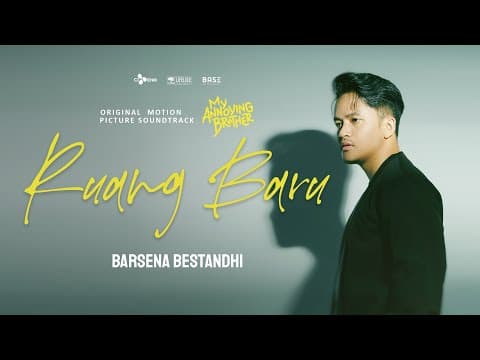
Ruang Baru (From "My Annoying Brother") (Video Edit)
### Artist Origin Barsena Bestandhi is an Indonesian singer and songwriter from Jakarta, Indonesia. He gained recognition through his participation in the reality singing competition show *Indonesian Idol*. ### Genre Ruang Baru (From "My Annoying Brother") (Video Edit) falls under the genre of pop ballad with influences from Indonesian traditional music elements. ### Overall Theme This song is about the emotional journey through life, addressing themes of separation and reunion. It conveys a sense of longing for past happy moments while accepting that all emotions are temporary and eventually lead to new beginnings (ruang baru). ### Key Lyrics Analysis - Bagaikan kemarau yang panjang / Kurindukan turunnya hujan ("Like a long drought / I miss the rain falling") This line uses a metaphor of dry weather awaiting rainfall to express longing for something that brings comfort and joy, symbolizing nostalgia. - Waktu yang berselang menunggumu pulang / Kembali mengulang kenangan (Time passes while waiting for you to return / To relive the memories) These lyrics speak about the passage of time and the hope to reunite with someone or something from the past. - Usap pelan air mataku / Sadari waktu akan berlalu (Wipe away my tears gently / Be aware that time will pass) This verse encourages emotional acceptance and resilience, acknowledging the inevitability of change and moving forward. ### Emotional Tone The song conveys a mix of melancholy, hope, and resilience. It reflects on past feelings with a touch of sadness but also looks towards future reunions with optimism. ### Cultural Context While not overtly referencing Indonesian cultural elements, the song's theme of separation and eventual reunion is a universal human experience that resonates in many cultures, including Indonesia's collective memory of familial gatherings and partings due to migration or other reasons. ### Artist Context Ruang Baru (From "My Annoying Brother") (Video Edit) is from Barsena Bestandhi’s involvement with the soundtrack for the Indonesian film *My Annoying Brother* (*Brother In Law*). This song showcases his ability to convey complex emotions through melodic, heartfelt ballads, which aligns well with his overall career focus on emotional and meaningful music.

尾崎 豊 - I LOVE YOU (Official Music Video)
Artist Origin: Yutaka Ozaki is a Japanese singer-songwriter born on April 20, 1975, in Chiba Prefecture, Japan. He debuted in the music industry as part of the pop duo "O-Zone" and later embarked on a successful solo career. Genre: This song falls under the genres of ballad, pop rock, and j-pop (Japanese popular music). Overall Theme: The song explores the complexity and vulnerability within a young, passionate relationship. It highlights the couple's struggle to maintain their love amidst societal pressures and personal insecurities, emphasizing the fragility and purity of their bond. Key Lyrics Analysis: - "I love you 今だけは悲しい歌聞きたくないよ" ("I love you / I don't want to listen to sad songs right now") - This line sets up a protective tone, suggesting that the speaker wishes to shield their relationship from sorrow and negativity. - "何もかも許された恋じゃないから / 二人はまるで 捨て猫みたい" ("This isn't a love where everything is forgiven / We're like abandoned kittens") - The comparison of the couple to abandoned kittens underscores their vulnerable state, highlighting feelings of neglect and uncertainty in their relationship. - "I love you 若すぎる二人の愛には触れられぬ秘密がある" ("I love you / There are secrets we cannot touch in our too-young love") - This line reveals that there are deep, untouchable aspects to their youthful romance, adding a layer of complexity and mystery to the relationship. - "きしむベッドの上で 優しさを持ちより / きつく躰 抱きしめあえば" ("On the creaking bed, we hold each other tenderly / We tightly embrace each other") - The imagery of a creaky bed and physical closeness conveys intimacy and emotional support, suggesting that through their intimate moments they find solace from the hardships of their relationship. Emotional Tone: The song conveys a mix of sadness, longing, and intimacy. It captures the bittersweet nature of young love, where there is immense affection but also underlying pain and vulnerability. Cultural Context: This song reflects Japanese cultural sensitivity toward relationships, particularly highlighting the struggles that young couples face in maintaining their connection amidst societal expectations and personal insecurities. The imagery of abandoned kittens and the tender embrace on a creaky bed are poignant representations of the couple's fragile yet enduring bond. Artist Context: "I Love You" is part of Yutaka Ozaki's solo career, which began after his successful stint with O-Zone. This song exemplifies his ability to convey deep emotions through heartfelt lyrics and melodies, showcasing a mature and introspective side that resonates deeply with his audience.

I Love You
Artist Origin: Yutaka Ozaki is a Japanese singer and songwriter, born on March 16, 1985. He gained popularity through his participation in the television talent show "My First Step" in 2004. Genre: The song "I Love You" falls under the genres of J-pop and ballad, with a touch of melancholic pop elements. Overall Theme: The song explores the complexities of young love, focusing on two people who are deeply connected but struggling with their relationship due to its fragility and hidden secrets. It reflects the bittersweet nature of their bond as they navigate through life together amidst heartache and longing. Key Lyrics Analysis: - "I love you 今だけは悲しい歌聞きたくないよ" (I love you, I don't want to listen to sad songs now): This line sets the tone for the song by emphasizing that the speakers want to focus on their present affection rather than dwell on sadness. - "二人はまるで 捨て猫みたい この部屋は落葉に埋もれた空き箱みたい" (We are like abandoned cats, this room is like an empty box buried under fallen leaves): This metaphor describes the couple’s sense of abandonment and loneliness. They feel as though they have been left behind and are in a place that offers no comfort or warmth. - "何度も愛してるって聞くおまえは この愛なしでは生きてさえゆけないと" (You keep asking me if I love you, saying you can't live without this love): This line highlights the insecurities and vulnerabilities within their relationship. It shows how one partner is constantly seeking reassurance and validation of their love. - "きしむベッドの上で 優しさを持ちより きつく躰 抱きしめあえば" (On the creaking bed, embracing each other with tenderness, tightly hugging): This imagery suggests a physical connection that is both comforting and necessary for them to maintain their relationship. It represents a moment of closeness amidst their struggles. Emotional Tone: The emotional tone of "I Love You" is deeply melancholic yet tender. There are elements of longing, despair, and the desperate need to hold on to each other despite the hardships they face. Cultural Context: Japanese pop culture often explores themes of unrequited love or relationships that struggle due to external pressures. This song fits within that context by depicting a relationship filled with sorrow but also moments of hope and tenderness. Artist Context: "I Love You" was released as part of Yutaka Ozaki's album titled "Happiness", which showcases his ability to convey complex emotions through heartfelt ballads. The song reflects the artist’s personal growth in expressing deeper emotional narratives in his music, aligning with his journey from a talented young contestant to an established singer-songwriter who can explore mature themes within J-pop.

"15の夜(15의 밤)" - 尾崎豊(오자키유타카) -
### Artist Origin The artist 尾崎豊 (Ozaki Utaka) is a Japanese singer-songwriter born on September 9, 1962. He was known for his socially conscious lyrics and poetic style of songwriting. His work often addressed social issues such as poverty, war, and youth struggles. ### Genre The genre of "15の夜 (15의 밤)" is primarily Japanese rock with folk influences. It falls under the broader category of J-Rock and has a melodic yet emotional tone typical of singer-songwriter compositions. ### Overall Theme This song reflects on the complex emotions experienced by someone during their 15th year, likely focusing on feelings of adolescence and the transition into adulthood. The lyrics paint a picture of uncertainty, longing, and reflection as one contemplates personal growth and change. ### Key Lyrics Analysis One significant line from the song is: > 15の夜は 独りぼっちで > (15의 밤은 혼자인 채로) > > "On a 15th night, alone." This captures the sense of isolation and introspection that comes with being young and feeling disconnected from others. Another important verse: > 未来はどこへ行くの? 悲しみも喜びも > (미래는 어디로 가는가? 슬픔도 행복도) > > "Where is the future going to lead? With sadness and joy." This line conveys a sense of uncertainty about what lies ahead, contrasting feelings of happiness with those of sorrow. ### Emotional Tone The song carries an emotional tone that oscillates between melancholy and hope. It expresses a mix of nostalgia, solitude, and anticipation for the future. The overall sentiment is one of introspection and contemplation on the passage of time and personal development. ### Cultural Context The title "15の夜" references the traditional Japanese belief in the lunar calendar where certain nights hold special significance or are associated with spiritual or cultural events. In this context, the 15th night likely symbolizes a turning point or a moment of significant reflection. ### Artist Context 尾崎豊 (Ozaki Utaka) is known for his powerful and poignant lyrics that often addressed societal issues and personal struggles. "15の夜" fits into his broader body of work as it reflects on themes of youth, growth, and the complexities of human emotions, which were recurrent in many of his songs. This song encapsulates the essence of Ozaki's style—emotional depth and reflective lyrics that resonate with listeners experiencing similar phases in their lives. This analysis provides a comprehensive understanding of "15の夜" within its cultural and artistic context, highlighting both its lyrical significance and emotional impact.