
Latest Articles
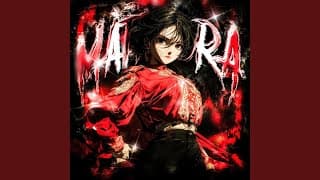
MATADORA
### Artist Origin DJ Asul is Brazilian, originating from the country's vibrant music scene. He has been active in the funk carioca and electronic dance music (EDM) scenes. ### Genre Genre: The song "MATADORA" combines elements of funk carioca, an urban rhythm that originated in Rio de Janeiro, with contemporary EDM and rap influences. ### Overall Theme The overall theme of "MATADORA" revolves around a confrontational relationship dynamic where the narrator addresses someone who has betrayed them. It is a song about resilience and standing firm against deceit and betrayal. ### Key Lyrics Analysis - Fez promessa, jurou lealdade / Mas mostrou que só viveu de falsidade (You made promises, swore loyalty / But showed that you only lived on falsehood) The lyrics set the scene of betrayal. The person being addressed had promised loyalty and fidelity but was ultimately untrustworthy. - Dei meu mundo, recebi veneno / Você foi golpe baixo, amor pequeno (I gave my world, received poison / You were a low blow, small love) This highlights the narrator's vulnerability and the betrayal they faced. They describe having given everything to someone who ended up hurting them deeply. - Matadora, matadora / Teu jogo sujo não me controla (Killer, killer / Your dirty game doesn't control me) The repeated refrain emphasizes defiance. Despite the hurt and deceit, the narrator asserts that they are not controlled by their former partner's manipulative behavior. ### Emotional Tone The emotional tone of "MATADORA" is intense and confrontational. It conveys feelings of anger, betrayal, and resilience as the narrator faces off against a perceived enemy or ex-partner. ### Cultural Context Funk carioca often features themes of urban life, social issues, and relationships. This song taps into these cultural elements by addressing betrayal and standing firm in the face of adversity, which are common narratives within this genre. ### Artist Context "MATADORA" fits well within DJ Asul's repertoire as it showcases his ability to blend funk carioca with modern EDM and rap styles. It is a standout track that exemplifies the artist’s knack for creating powerful, emotionally charged songs that resonate with listeners dealing with betrayal or heartbreak.

HT - Aventadoré (Clip Officiel)
Artist Origin: HT is a French rapper from Lyon, France. He has been active in the music scene since 2015 and has gained recognition for his distinctive flow and lyrical prowess. Genre: The song "HT - Aventadoré (Clip Officiel)" falls under the genre of French Hip-Hop/Rap with a strong influence from Trap and Electronic Dance Music (EDM) elements. Overall Theme: This song is about炫耀财富、豪车和女性的魅力,同时也展现了艺术家在夜生活中的自信态度。它通过描述奢华的生活方式和对敌人的警告来传达一种优越感。(This song showcases the artist's luxurious lifestyle, boasting wealth and women, and his confident attitude in nightlife. It conveys a sense of superiority through descriptions of lavish living and warnings to adversaries.) Key Lyrics Analysis: - "J'ai l'ambio, je t'entends 'pin-pin-pan'" (I have the Aventador, I hear "ping-ping-pong") This line references driving an Aventador, a high-end supercar, and hearing the distinctive engine sound. It's a metaphor for the artist's access to luxury. - "On évite les suceurs des bites / Belvedere dans la Vittel (We avoid penis suckers / Belvedere in the Vittel)" These lines suggest avoiding those who are sycophantic or parasitic, and instead enjoying luxurious brands like Belvedere vodka served from a high-end water brand, Vittel. - "Elle en veut encore, elle veut de la boire (She wants more, she wants to drink)" This line emphasizes the artist's appeal to women, indicating that his charm is irresistible. Emotional Tone: The song conveys an air of confidence and arrogance. It is energetic and boasts about wealth, luxury, and success without remorse or humility. Cultural Context: The cultural references in this song include specific locations, brands, and a mention of "tana," which refers to a type of nightclub. These elements are significant within the French hip-hop culture, particularly in Lyon, where the artist hails from. They reflect the opulent lifestyle often glorified in rap music. Artist Context: This song is part of HT's larger body of work that focuses on showcasing his luxurious lifestyle and success. It aligns with the trend in French hip-hop of artists who embrace a lavish image to represent their status and influence within the genre.

Shut Up And Drive
### Artist Origin Rihanna, born Robyn Rihanna Fenty on February 20, 1988, is a Barbadian singer and actress. She began her music career in Barbados before moving to the United States to pursue a recording contract with Def Jam Recordings. ### Genre The song "Shut Up And Drive" falls under the genres of pop and R&B. ### Overall Theme This song is an expression of Rihanna's desire for a man who can keep up with her fast-paced lifestyle. It uses automobile metaphors to convey a sense of speed, power, and intensity in both driving and romantic contexts. ### Key Lyrics Analysis - "I've been looking for a driver who is qualified / So if you think that you're the one step into my ride." This line sets up the song's metaphor: Rihanna is searching for someone capable enough to handle her lifestyle, which she equates with driving a car. - "Get you where you wanna go, if you know what I mean / Got a ride that's smoother than a limousine." Here, Rihanna suggests that she can take the listener wherever they want to go. The comparison to a smooth-running limousine emphasizes her luxurious and high-end nature. - "'Cause I'm zero to sixty in 3.5 / Baby, you got the keys." This line uses car performance as a metaphor for speed and intensity in a relationship. "Zero to sixty" refers to acceleration from stationary to high speed within a short period, implying excitement and urgency. - "Now shut up and drive, drive, drive (drive)" The title of the song is repeated here, emphasizing Rihanna's desire for action without unnecessary talk or delay. ### Emotional Tone The emotional tone of "Shut Up And Drive" is intense, exciting, and impatient. It conveys a sense of urgency mixed with confidence and allure. ### Cultural Context There are several references to luxury cars ("Maybach," "Ferrari") and high-end living, which reflect the glamorous lifestyle often associated with successful pop artists and celebrities. The song's imagery aligns well with Rihanna’s public persona as a style icon and trendsetter. ### Artist Context "Shut Up And Drive" was released in 2009 on Rihanna's third studio album, Rated R. This marked a shift from her earlier pop hits to a more mature and edgy sound that embraced themes of empowerment and control. The song helped solidify Rihanna’s transition into adulthood and reinforced her image as someone who doesn't hesitate or waste time in pursuing what she wants.
Breakin' Dishes
### Artist Origin Rihanna, born Robyn Rihanna Fenty in Saint Michael, Barbados, is a Barbadian singer and actress. She rose to fame in 2005 with her debut single "Pon de Replay." ### Genre The song "Breakin' Dishes" falls under the genres of pop and urban contemporary. ### Overall Theme This song is about a woman who is frustrated by her partner's behavior, particularly his late-night comings and goings. She expresses her anger and dissatisfaction by breaking dishes, symbolizing her emotional turmoil and desire for confrontation. ### Key Lyrics Analysis - "I don't know who you think I am... I'm not that person anymore." The repeated line "I don’t know who you think I am" suggests a shift in the narrator's personality or identity due to her partner’s neglect. She is no longer willing to be the same passive, patient person she was before. - "He been gone (g-g-gone) since 3:30 (3:30)" This line emphasizes the pattern of her partner leaving at odd hours and coming back late in the morning, indicating a lack of commitment or trustworthiness. - "I'm breakin' dishes up in here, all night..." The act of breaking dishes is used as a metaphor for the narrator's emotional state. She’s lashing out due to her partner’s actions, showing how his behavior has left her feeling broken and frustrated. ### Emotional Tone The song conveys intense emotions such as anger, frustration, and a sense of rebellion. Rihanna’s vocals express both controlled rage and moments of raw desperation. ### Cultural Context The song reflects cultural themes around relationship dynamics and personal boundaries. The imagery of breaking dishes ties into the idea of emotional destruction within intimate relationships, which is a universal theme but often more openly discussed in pop culture today. ### Artist Context "Breakin' Dishes" fits into Rihanna’s evolving musical style during her fourth studio album release period (Rated R). It showcases her ability to blend personal experiences with strong, empowering messages. This song represents her transition from being the upbeat party girl to a more introspective artist dealing with real-world issues like trust and fidelity in relationships. ### Summary "Breakin' Dishes" is Rihanna’s raw expression of frustration and rebellion against a partner's neglect. It underscores themes of emotional breakdown, betrayal, and personal transformation through vivid imagery and powerful vocals, aligning well with her artistic evolution towards more introspective themes.
Don't Stop The Music
### Artist Origin Rihanna, born Robyn Rihanna Fenty, is a Barbadian singer and songwriter. She was born in Saint Michael, Barbados, on February 20, 1988, and moved to the United States at age 16 to pursue her music career. ### Genre Genre: Pop, Dance-pop ### Overall Theme "Don't Stop The Music" is a song that captures the exhilaration of partying and the spontaneous connection between two people under the influence of dance music. It celebrates the liberating power of music in creating an intimate atmosphere conducive to romance and enjoyment. ### Key Lyrics Analysis - It's gettin' late, I'm making my way over to my favorite place This line sets the scene for a night out, highlighting Rihanna’s anticipation and her journey towards a venue known for good times. - I wasn't looking for nobody when you looked my way This indicates that although she came alone, she was immediately drawn to someone who caught her eye. - Do you know what you started? I just came here to party The speaker acknowledges how their presence has altered the course of the evening from a simple night out to something more intimate and engaging. - We're hand in hand, chest to chest, and now we're face to face This line describes the physical closeness that develops as they dance, suggesting a mutual interest and attraction. ### Emotional Tone The song conveys feelings of excitement, passion, and spontaneity. It captures the thrill of unexpected romantic encounters fueled by music and dancing in an upbeat, joyful atmosphere. ### Cultural Context While "Don't Stop The Music" does not contain overt cultural references, its dance-pop genre reflects a global trend that celebrates party culture and clubbing experiences widely recognized across many cultures and regions. ### Artist Context "Don’t Stop The Music" was released as the second single from Rihanna’s third studio album *Good Girl Gone Bad* in 2007. This song helped solidify Rihanna's transition into dance-pop music, showcasing her versatility beyond her early R&B sound. It contributed significantly to her success and popularity during that period, becoming one of her signature party anthems.
Push Up On Me
Artist Origin: Rihanna is a Barbadian singer, born Robyn Rihanna Fenty in Saint Michael, Barbados. She began her career as a recording artist in 2005 and has since become one of the world's best-selling music artists. Genre: The song "Push Up On Me" falls under the genres of pop and dance-pop. It incorporates elements typical of Rihanna’s style, such as electronic beats and rhythmic hooks. Overall Theme: This song is about a woman who is attracted to someone she finds extremely confident and attractive, but also wants him to take action and pursue her instead of just staring or playing games. Key Lyrics Analysis: - "It's getting later baby, and I'm getting curious / Nobody's looking at us, I feel delirious": The speaker is becoming more interested in the person she is with as time passes. She feels a sense of excitement that no one else is around to judge them. - "The way you stare, starts a fire in me / Come up to my room, my sexy little thing": The intense gaze from her partner ignites passion within her; she invites him into her personal space. - "I wish you would push up on me / I wish you would light me up and say you want me": She desires a more direct expression of his desire for her. These lines emphasize her hope that he will make the first move, showing confidence but also revealing her eagerness to be pursued. - "But let's get right down to it / I can be the girl that'll break you down": While she is interested in him, she warns of her own strength and capability. She implies that she isn’t someone easily tamed or won over. Emotional Tone: The song conveys a mix of desire, impatience, and confidence. It reflects both longing for intimacy and assertiveness about the speaker's own desires and capabilities. Cultural Context: Rihanna’s music often blends Caribbean influences with mainstream pop culture, which is evident in her dance-pop style. "Push Up On Me" maintains this blend but also taps into themes that resonate universally across cultures: desire, confidence, and the dynamics of attraction. Artist Context: This song fits well within Rihanna's career as she has consistently released tracks that explore themes of sexuality, empowerment, and desire. It represents her mature yet playful approach to pop music, blending catchy hooks with meaningful lyrics about relationships and personal power.
Aretha Franklin - Respect Official Video Winner
Artist Origin: Aretha Franklin, born on March 25, 1942, in Memphis, Tennessee, is an American singer and musician. She is often referred to as the "Queen of Soul" due to her profound influence on soul music and her numerous chart-topping hits. Genre: The song falls under the genres of soul, R&B, and pop. It combines powerful vocals with a catchy rhythm that resonates across various musical styles. Overall Theme: This song is about asserting one's self-respect and personal worth in a relationship. Franklin uses it to emphasize her need for recognition and respect from her partner, challenging traditional gender roles where women are often expected to be submissive. Key Lyrics Analysis: - *"(Ooh) what you want (Ooh) baby, I got / (Ooh) what you need (Ooh) do you know I've got it?*": These lines suggest that the speaker is willing and able to provide everything her partner desires. - *"All I'm askin' (ooh) is for a little respect when you come home (just a little bit)"*: This line encapsulates the main theme of the song. Franklin is asking for simple acknowledgment and respect from her partner, highlighting the imbalance in their relationship dynamics. - *"I ain't gonna do you wrong, while you're gone"*: The speaker promises loyalty and fidelity during the absence of the partner, reinforcing her commitment to the relationship but also making a case for mutual respect. - *"(Just a little bit) mister (just a little bit)"*: This repetition underscores the minimal requirement being asked from the partner; it’s not an excessive demand. Emotional Tone: The song conveys strong emotions such as assertiveness, determination, and longing. Franklin's vocal delivery is powerful yet emotive, creating an atmosphere of empowerment mixed with vulnerability. Cultural Context: "Respect" became a symbol of feminist empowerment in the 1960s, reflecting broader societal changes regarding gender equality and women’s rights. The song resonated deeply with audiences due to its message about personal dignity and respect within relationships. Artist Context: Released in 1967, "Respect" was one of Aretha Franklin's signature songs that catapulted her career into the mainstream spotlight. It helped cement her status as a major artist capable of influencing both musical trends and societal conversations around equality. This song marked a pivotal moment in her discography, aligning personal empowerment with broader cultural movements towards gender equality.
Umbrella (avec JAŸ-Z)
### Artist Origin Rihanna, born Robyn Rihanna Fenty on February 20, 1988, is a Barbadian singer and actress. She grew up in St. Michael, Barbados, before moving to the United States at age 16 to pursue her music career. ### Genre Genre: Pop, R&B ### Overall Theme The song "Umbrella" is about providing comfort and support during difficult times. Rihanna promises her lover that she will be there for them no matter what challenges come their way, symbolized by the imagery of rain and an umbrella. ### Key Lyrics Analysis - "No clouds in my stones / Let it rain, I hydroplane in the bank" - This line suggests confidence and financial stability. Even when facing difficulties ("clouds"), Rihanna is not affected because she has wealth ("hydroplane in the bank"). - "When the sun shine, we shine together / Told you I'll be here forever" - Here, Rihanna emphasizes unity during both good times (sunshine) and bad times (rain). She promises loyalty and support throughout their relationship. - "You can stand under my umbrella" - This is a metaphor for Rihanna offering shelter and protection to her partner. The umbrella symbolizes safety from life’s storms. ### Emotional Tone The song conveys feelings of warmth, comfort, and unwavering commitment. It has an uplifting tone that reassures listeners about the strength of love during challenging moments. ### Cultural Context - Umbrella Symbolism: In various cultures, umbrellas are not only tools for protection from rain but also symbols of protection more broadly. - Rihanna's Image: The song helped solidify Rihanna’s image as a pop icon and romantic figure who embodies strength and support. ### Artist Context "Umbrella" was released in 2007 and became one of Rihanna's signature hits. It marked her transition into mainstream pop music, following the success of "Pon de Replay," and helped establish her as a global superstar. The song’s success further cemented her reputation for powerful vocals and meaningful lyrics that resonate with audiences worldwide. This track is significant in Rihanna’s career as it showcased her ability to craft a universally relatable message wrapped in catchy pop hooks, leading to a string of successful collaborations and solo hits.

ABATASA
### Artist Origin Yeni Inka is a Peruvian singer and songwriter, born in Lima. She gained recognition through her participation in the reality TV show "Pop Idol Peru" where she was runner-up. Known for blending traditional Andean music with contemporary styles, Inka has become an influential figure in the Latin American music scene. ### Genre Genre: The song "ABATASA" primarily falls under Indigena Pop, a genre that incorporates elements of Andean and indigenous Peruvian musical traditions with modern pop sensibilities. It also includes aspects of World Music due to its incorporation of traditional instruments and cultural references. ### Overall Theme The overall theme of "ABATASA" is about resilience and the celebration of indigenous heritage in the face of adversity. The song speaks to maintaining one's identity while navigating through challenges, highlighting the strength and beauty of Andean culture. ### Key Lyrics Analysis Lyrics: *Original Text*: "Yo sé que en mis venas late el corazón de un pueblo ancestral y noble" (Translation: I know that in my veins beats the heart of an ancient and noble people.) This line emphasizes the deep connection between the singer and her indigenous roots, suggesting a pride in cultural heritage. *Original Text*: "La historia nos ha marcado, pero no ha podido quebrarnos" (Translation: History has marked us, but it hasn't been able to break us.) This verse reflects on historical struggles faced by indigenous communities, acknowledging the impact of these events while affirming their unyielding spirit. ### Emotional Tone The emotional tone of "ABATASA" is one of strength and hope. It conveys a sense of pride, resilience, and unity among those who share similar cultural backgrounds. The music combines upbeat rhythms with heartfelt lyrics to create an uplifting yet reflective atmosphere. ### Cultural Context Cultural References: - Andean Musical Instruments: "ABATASA" features traditional Andean instruments such as the quena (flute) and charango (small guitar), which are integral to Peruvian folk music. These elements serve to reinforce the song's connection to indigenous traditions. - Language: The use of Quechua, an indigenous language spoken in Peru, adds another layer of cultural significance to the lyrics. ### Artist Context Inka has often used her platform to celebrate and promote Andean culture through contemporary music. "ABATASA" fits within this context by blending traditional elements with modern production techniques, appealing to both younger audiences and those who value preserving cultural heritage. This song represents a continuation of Inka's mission to bridge the gap between indigenous traditions and mainstream pop music, highlighting her role as an ambassador for Andean culture in contemporary Latin American music scenes.

Luke Combs - Forever After All (Official Video)
### Artist Origin Luke Combs is an American country music singer and songwriter from Asheville, North Carolina. He was born on March 2, 1989, and began his career after moving to Nashville in 2014. ### Genre Genre: Country, Pop-Country ### Overall Theme "Forever After All" explores the profound emotional journey of falling deeply in love and the commitment that comes with it. It reflects on the idea that once you find your true partner, everything changes for the better. ### Key Lyrics Analysis - “We were just kids when we fell hard / Now I know why they say love's like a scar” This line captures how young love can be intense and formative. The metaphor of a "scar" implies that while love may cause pain, it also leaves an indelible mark on one’s life. - “Got no clue what we had when we started / But the day I met you changed everything” These lines illustrate how the narrator didn't understand or anticipate the depth of their feelings initially but acknowledges that meeting the subject transformed their life fundamentally. ### Emotional Tone The song exudes warmth, sincerity, and deep affection. It conveys a sense of hope and security about the future with one's partner. ### Cultural Context While "Forever After All" doesn’t reference specific cultural events or figures, it taps into universal themes related to relationships and love that resonate across various cultures where country music is popular. The idea of finding true love and making long-term commitments is a theme that transcends geographical boundaries. ### Artist Context This song marks a significant moment in Luke Combs' career as it was his first number one hit on the Billboard Hot 100 chart, breaking into mainstream pop music alongside its success in country music. It showcases his ability to blend traditional country storytelling with more universal themes that appeal to a broader audience. By exploring these aspects, "Forever After All" highlights Combs' growth as an artist and reinforces his position as one of the leading figures in contemporary country music.

Wishes
### Artist Origin Juris: Juris (Jūris Šķēpets) is a Latvian singer and songwriter, known for his romantic ballads. He began his music career in the 1990s and has since become one of Latvia's most beloved artists. ### Genre The song "Wishes" falls primarily under soft rock and pop ballad, with elements of adult contemporary style. ### Overall Theme "Wishes" is a romantic ballad that explores the theme of finding true love. The lyrics convey the idea that if one waits patiently, true love will eventually come and make wishes (particularly those related to finding a soulmate) come true. ### Key Lyrics Analysis - "I looked in the sky / And there I saw a star / Shining so bright above": This imagery sets up the metaphor of a shining star representing hope for something special, such as finding true love. - "Someone who needed me / Someone to share my life / For a love that would be true / I would wait forever: Here, the narrator expresses their willingness to wait patiently and find someone who shares their values and aspirations. - "One star brighter than the others / Two hearts beating for each other": These lines emphasize the uniqueness of finding one's soulmate amidst many people. The metaphor of a bright star highlights the special nature of this bond. ### Emotional Tone The song conveys feelings of hope, longing, and optimism. It reflects on the initial excitement and happiness of discovering true love after waiting for it. ### Cultural Context "Wishes" draws from universal themes that are prevalent across many cultures: the belief in destiny and fate when it comes to finding one's true love. The use of stars as symbols of hope and dreams is a common motif found in various cultural traditions. ### Artist Context This song fits well within Juris' established style of romantic ballads, which often explore themes of longing, waiting, and eventual fulfillment in relationships. "Wishes" continues this tradition by emphasizing the power of patience and belief in finding true love.

Seasons
Artist Origin: Young Cocoa is a Chinese rapper and singer from Beijing, China. He gained popularity through his participation in the Chinese reality TV show "The Rap of China" (also known as *中国有嘻哈* or Zhongguo You Xiha) in 2017. Genre: The song Seasons blends elements of hip-hop and R&B, showcasing Young Cocoa's versatility as an artist. Overall Theme: This song reflects on personal growth and resilience over time. It uses the metaphor of changing seasons to illustrate how one can find strength through challenges and emerge better from adversity. Key Lyrics Analysis: - "时间的尽头,我们终会相见 (在时间的尽头,我们会相遇)" *Translation: At the end of time, we will meet.* This line speaks to a sense of inevitability and destiny. It conveys an optimistic outlook that no matter how tough things get, there is always hope for reconnection or resolution. - "每个季节都是一道考验 (Each season is a test)" *Translation: Each season is a test.* Here, Young Cocoa uses the concept of seasons to represent life's trials and tribulations. It suggests that while each phase of our lives may present its own challenges, they are also opportunities for growth. Emotional Tone: The song has an uplifting yet reflective tone. It balances feelings of struggle with hope and perseverance. Listeners can feel both the weight of past hardships and a sense of determination to keep moving forward. Cultural Context: In Chinese culture, seasons often symbolize different stages in life or cyclical changes. This cultural metaphor enhances the song's relatability and emotional impact within its context. Artist Context: Seasons is part of Young Cocoa’s evolution as an artist who explores themes beyond just rap battles and street life. It showcases his ability to craft meaningful narratives through music, aligning with his journey towards becoming a more versatile performer in the Chinese hip-hop scene.