
Latest Articles

Will Pan - 潘瑋柏 - 不得不愛 ft. 弦子 (Official Video)
"不得不愛" (Cannot Help But Love), released in 2005, remains one of the most iconic Mandopop hits of the 2000s. A collaboration between Taiwanese-American singer Will Pan and Chinese singer Xian Zi, the song is a cover of the Korean track "Please Tell Me Why" by Free Style. Here is an analysis of the song: 1. Overall Theme The song explores the irresistible and consuming nature of romantic attraction. It portrays love as an inevitable force that dictates one’s happiness and identity, suggesting that despite the potential for pain or confusion, the protagonists are "forced" to love because life feels empty without it. 2. Key Lyrics Analysis * "不得不愛 否則快樂從何而來" (Cannot help but love, otherwise where would happiness come from?): This central hook establishes love as the primary source of the narrator's joy. It implies that even if love is complicated or overwhelming, it is a necessary requirement for a fulfilling life. * "天天都需要你愛 我的心思由你猜" (I need your love every day; let you guess what’s on my mind): These lines highlight the playful yet dependent nature of the relationship. It depicts the "honeymoon phase" where the lovers are constantly preoccupied with one another. * "才知道愛情如此的厲害" (Only then did I know love is so powerful): This line reflects a sense of surrender. The protagonists admit that they underestimated the gravity of their feelings, finding themselves completely swept away by the intensity of the connection. 3. Emotional Tone The song carries a sweet, melodic, and nostalgic tone. While the verses have a rhythmic, confident R&B flow provided by Will Pan, the chorus sung by Xian Zi introduces a soaring, slightly vulnerable quality. This combination creates an atmosphere of "romantic inevitability"—a mix of excitement, obsession, and the comfort of finding a soulmate. 4. Cultural Context * The K-Pop Influence: During the mid-2000s, it was a major trend in Mandopop to cover Korean songs. "不得不愛" is perhaps the most successful example of this "Hallyu" (Korean Wave) crossover, helping to bridge the musical styles of the two regions. * KTV Culture: This song is widely considered the ultimate "Mandarin duet" in Karaoke (KTV) culture. For nearly two decades, it has been a go-to choice for pairs, cementing its place in the collective memory of Millennials and Gen Z across the Sinosphere. 5. Artist Context * Will Pan (潘瑋柏): This song solidified Will Pan’s image as the "urban hip-hop prince" of Mandopop. It demonstrated his ability to blend Western R&B/Rap sensibilities with the emotional balladry preferred by Asian audiences. * Xian Zi (弦子): This was her breakout performance. Her clear, high-pitched vocals provided the perfect contrast to Will Pan’s deeper, rhythmic delivery, launching her career as a prominent female solo artist. * Career Peak: The song was a massive commercial success, appearing on Pan's fourth studio album *Expert* (高手). It remains his most-streamed and most-recognized signature song to this day.
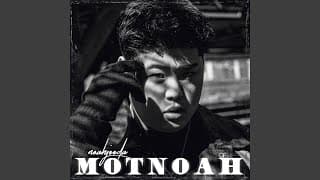
Love over hip hop, money over love (feat. Basick)
"Love over hip hop, money over love (feat. Basick)" by 노아주다 (noahjooda) is a reflective track that explores the hierarchy of priorities in an artist's life. Here is an analysis of the song: 1. Overall Theme The song explores the internal conflict between artistic passion, romantic devotion, and the harsh necessity of financial survival. It presents a realistic, somewhat cynical hierarchy: while the artist values love more than his craft (hip hop), he ultimately acknowledges that in the modern world, money often takes precedence over love to ensure security. 2. Key Lyrics Analysis * "Love over hip hop, money over love": This recurring mantra establishes the song's core logic. It suggests that while hip hop is a career, love is more humanly significant. However, the phrase "money over love" acts as a "cold shower" realization—admitting that without financial stability, maintaining love becomes an exhausting struggle. * Basick’s Verse: Basick, a veteran in the Korean hip-hop scene, often brings a "provider" perspective. His lyrics usually touch on the transition from a young dreamer to a man with responsibilities. His contribution highlights the exhaustion of the "grind" and the guilt of prioritizing work/money to support the ones he loves. * Lines about "Success": The lyrics often touch on the idea that success isn't just about fame, but about the freedom to stop worrying about the price tags attached to life’s basic comforts. 3. Emotional Tone The tone is melancholic, weary, and pragmatic. It doesn’t carry the aggressive "hustle culture" energy found in many trap songs. Instead, it feels like a late-night conversation. There is a sense of nostalgia for a time when "just hip hop" was enough, contrasted with the heavy, grounded reality of adulthood. 4. Cultural Context In the South Korean Hip-Hop (K-Hiphop) scene, there is a long-standing tension between "selling out" and "staying true." This song navigates that by being brutally honest about the Korean economic reality. For many artists in Seoul’s competitive environment, the pressure to achieve "Bujeo" (wealth) is intertwined with the ability to maintain a stable relationship and social status. The song reflects a generation that is romantically inclined but economically anxious. 5. Artist Context Noahjooda (노아주다) is known for his smooth, melodic flow and his ability to blend indie-pop sensibilities with hip-hop. This song serves as a bridge between his more experimental sounds and mainstream relatability. By featuring Basick (the winner of *Show Me The Money 4*), Noahjooda gains "street cred" while contrasting his youthful, melodic perspective with Basick’s seasoned, technical, and grounded veteran persona. This collaboration marks a significant moment in Noahjooda's discography, showing his growth into more mature, thematic songwriting.

다이나믹 듀오(Dynamicduo) - '죽일 놈 (Guilty)' M/V
"죽일 놈 (Guilty)," released in 2009 by the legendary hip-hop duo Dynamic Duo, remains one of the most iconic songs in Korean hip-hop history. Here is an analysis of the track: 1. Overall Theme The song explores the exhaustion and emotional decay of a toxic, long-term relationship. It depicts a man who has reached his breaking point, feeling suffocated by his partner’s constant suspicion and demands, eventually accepting the role of the "villain" just to end the cycle of fighting. 2. Key Lyrics Analysis * "내가 죽일 놈이지 뭐" (I guess I’m the one who should die / I’m the one to blame): The title "죽일 놈" literally translates to "a guy who deserves to be killed." This refrain isn't a sincere apology; it is a sarcastic, defeatist statement. He is saying, "Fine, if it makes you stop yelling, I’ll be the bad guy." * "미안하다는 말은 내 전매특허" (Saying sorry is my specialty/trademark): This line highlights how apologies have become a reflex rather than a genuine expression of regret. It shows the breakdown of communication where words have lost their meaning. * "사랑은 구속이 아닌 것 같은데" (I don't think love is about being restrained): This captures the core conflict—the tension between her desire for control/security and his need for personal space and freedom. 3. Emotional Tone The tone is a complex mix of exhaustion, resentment, and cynicism. While the melody is catchy and mid-tempo, the lyrics are heavy with the fatigue of someone "walking on eggshells." There is a sense of bitterness toward the partner, but also a underlying sadness because both parties know the love has turned into a prison. 4. Cultural Context In South Korean dating culture, there is a common trope of the "tired boyfriend" who is constantly interrogated about his whereabouts or female friends. This song resonated deeply because it portrayed this "K-relationship" dynamic with brutal honesty. The phrase "죽일 놈" is a common hyperbolic expression of self-deprecation used in intense arguments, making the song feel incredibly realistic to the Korean public. 5. Artist Context "죽일 놈 (Guilty)" was the lead single from Dynamic Duo's 5th album, *Band of Dynamic Brothers*. It was released shortly before members Gaeko and Choiza began their mandatory military service. The song’s massive mainstream success solidified their status not just as "rappers," but as masterful storytellers who could bridge the gap between underground hip-hop and the general public's sensibilities. It remains their "signature" song to this day.

꽃이 되어줄게
"꽃이 되어줄게" (I’ll Be Your Flower) is a soulful ballad by Lee Changsub, the lead vocalist of the K-pop group BTOB. Released as a pre-release single for his first solo full-length album, *1991*, the song showcases his signature emotional depth and powerful vocal range. Here is an analysis and explanation of the song: ### 1. Overall Theme The song is a poignant "healing" ballad centered on the theme of unconditional support and companionship. It uses the metaphor of a flower to represent a promise to stay by someone’s side, offering warmth and beauty even during their darkest or coldest moments. It is a selfless declaration of love and a commitment to be a source of comfort. ### 2. Key Lyrics Analysis * "내가 너의 꽃이 되어줄게" (I’ll become a flower for you): This is the core metaphor. In the song, a flower isn't just something pretty to look at; it represents a living presence that provides "scent" (comfort) and color to a person’s dull or difficult life. * "시린 겨울이 와도 난 지지 않을게" (Even if a freezing winter comes, I won't wither): "Winter" symbolizes life’s hardships, loneliness, or depression. By promising not to wither, the singer vows to be a resilient, steady force that won't abandon the listener when things get tough. * "그저 네 곁에서 향기를 채울게" (I’ll just fill your side with my scent): This suggests a gentle, non-intrusive form of love. He doesn’t demand change from the listener; he simply wants to exist in their space and make it more bearable through his presence. ### 3. Emotional Tone The tone is warm, sincere, and protective. It begins with a delicate, acoustic piano arrangement that feels intimate, like a whispered secret. As the song progresses, Changsub’s vocals build into a powerful, soaring crescendo, shifting the mood from quiet comfort to an intense, passionate vow. The listener is left feeling "hugged" by the music. ### 4. Cultural Context In South Korea, there is a strong appreciation for "Healing Music" (힐링송)—songs specifically designed to comfort the public during times of economic or social stress. Flowers are a common motif in Korean poetry and lyrics to represent the blooming of the soul after a long wait. Changsub’s choice to use this imagery resonates with a culture that values "Jeong" (정)—a deep, resonant bond and sense of loyalty toward others. ### 5. Artist Context This song marks a significant milestone as it comes from Lee Changsub’s first full-length solo album since his debut 12 years ago. While he is known as the "mood maker" of BTOB, he has established a solo identity as a "Vocal King." * Vocal Growth: The song highlights his transition from a standard idol singer to a sophisticated balladeer who can handle complex emotional textures. * BTOB Identity: BTOB is often called "Healing Idols," and this song carries that group legacy into his solo work, solidifying his reputation as a singer who "sings for the weary."

ALLDAY PROJECT - ‘LOOK AT ME’ M/V
The "ALLDAY PROJECT - ‘LOOK AT ME’" is a performance-based showcase by THEBLACKLABEL trainees. While the song is a cover of XXXTENTACION’s breakout hit "Look At Me!", this specific version serves as a powerful introduction to the label's next generation of talent. Here is an analysis of the song and performance: 1. Overall Theme The song is a bold declaration of arrival and a demand for visibility. It centers on the "trainee" experience of working in the shadows and finally stepping into the spotlight, using aggressive hip-hop energy to command the audience’s absolute attention before an official debut. 2. Key Lyrics Analysis * "Look at me, look at me!": In the original context, this was a rebellious shout; however, in THEBLACKLABEL’s version, it functions as a literal command to the K-pop industry. It signifies that these trainees are no longer just "practicing" but are ready to be seen as professional artists. * The Repetitive Bass-Heavy Hook: The lyrics are secondary to the rhythm and the "vibe." The repetition emphasizes a singular focus—dominance. By choosing a song with such a raw, distorted beat, the artists communicate that they prioritize "swag" and technical performance over traditional, polished idol pop. * Aggressive Flow: The delivery of the verses mimics the original’s "SoundCloud Rap" style, which is meant to sound unbothered yet threateningly confident. 3. Emotional Tone The tone is rebellious, high-octane, and gritty. Unlike typical pre-debut content that might focus on being "likable" or "cute," this project conveys an "edge." There is a sense of "dark-teen" intensity and a "nothing-to-lose" attitude that aligns with the "cool" aesthetic typically associated with THEBLACKLABEL and its founder, Teddy Park. 4. Cultural Context * Western Hip-Hop Influence: THEBLACKLABEL has always positioned itself as the bridge between K-pop and authentic Western hip-hop/R&B. Using a controversial yet iconic track like "Look At Me!" establishes "street cred" and signals that the group will likely have a hip-hop-heavy identity. * Trainee Reveal Culture: In modern K-pop, "Performance Videos" or "Dance Covers" are the standard way to build a fandom before a group even has a name. This project creates "hype" by showcasing the trainees' dance skills and "aura" rather than their vocals alone. 5. Artist Context This song serves as a portfolio piece for THEBLACKLABEL’s trainees (many of whom have since been revealed as members of the girl group MEOVV or are part of future boy group lineups). * It reinforces the Label’s Brand: It tells the public that THEBLACKLABEL produces "performers," not just "idols." * It fits into the lineage of YG-style training (where THEBLACKLABEL originated), emphasizing individual charisma and a "bad boy/girl" image that differentiates them from the more synchronized, "cleaner" images of other major K-pop agencies.

HERO
Park Hyo Shin’s "HERO" (released in 2024) is a cinematic ballad that showcases his legendary vocal depth. Here is an analysis of the song: Overall Theme The song explores the idea that a "hero" is not a supernatural figure, but a person who provides quiet strength, comfort, and protection in our daily lives. It is a profound tribute to the power of love and the resilience of the human spirit, centering on the theme of finding a "small light" in the midst of overwhelming darkness. Key Lyrics Analysis * "In the long darkness, you became a small light": This line uses the classic metaphor of light vs. dark to illustrate how a loved one provides hope during times of depression or uncertainty. It emphasizes that a hero doesn't need to save the world; they just need to illuminate a single person's path. * "Looking at you, who protects this small world of mine": This highlights the domestic and personal nature of the song’s heroism. It acknowledges the invisible labor and emotional support that keep a person’s world from crumbling. * "A miracle called you": By framing a person's presence as a "miracle," the lyrics elevate human connection to something divine. It suggests that simply existing for one another is an extraordinary feat. Emotional Tone The tone is solemn yet deeply healing. It begins with a fragile, breathy intimacy that feels like a whispered confession. As the song progresses, Park Hyo Shin’s vocals swell into a grand, orchestral climax, shifting the mood from vulnerability to powerful gratitude and triumph. There is an underlying sense of nostalgia and "Han" (a Korean concept of deep sorrow), which eventually resolves into a feeling of warmth and security. Cultural Context The song serves as the main theme for the film "Wonderland," a movie about a virtual world where people can reunite with deceased or distant loved ones through AI. In this context, the "Hero" becomes a bridge between memory and reality. Culturally, the song fits into the "Healing" (힐링) trend in South Korea, where music is intentionally composed to provide emotional catharsis and comfort to a society facing high levels of stress and isolation. Artist Context "HERO" marks a significant moment in Park Hyo Shin’s career, reaffirming his status as "The Captain" (his nickname among fans) of the Korean ballad scene. It showcases his evolved vocal style—moving away from his early career "husky/deep" technique toward a more sophisticated, musical-theater-influenced resonance. Released after a period of relatively few solo singles, it reinforces his identity as an artist who prioritizes emotional storytelling and high-art production over commercial pop trends.

Sunset
"Sunset" (Korean title: 우연인 듯 운명, meaning "Like a Coincidence, but Like Destiny") by 10CM is most famous as the first part of the soundtrack (OST) for the hit 2019-2020 K-drama *Crash Landing on You*. Here is an analysis and explanation of the song: ### 1. Overall Theme The song explores the theme of fated love and the thin line between a chance encounter and destiny. It captures the quiet, overwhelming realization that meeting a specific person was not an accident, but a profound moment that changes one's life forever. ### 2. Key Lyrics Analysis * "우연인 듯 운명처럼 나에게 다가와" (Like a coincidence, but like destiny, you came to me): This line captures the core message. It describes the "magic" of a first meeting that feels insignificant at first but later reveals itself to be the most important moment in the narrator's life. * "아무 말 하지 않아도 너의 눈빛을 보면 다 알 것만 같아" (Even without a word, if I look into your eyes, I feel like I know everything): This highlights a deep emotional intimacy. It suggests a connection so strong that verbal communication becomes secondary to the "language of the eyes," emphasizing a soul-deep bond. * "해가 저물어가는 길목에 서서" (Standing at the path where the sun is setting): The imagery of the sunset serves as a metaphor for a peaceful yet bittersweet transition. It represents the moment of reflection where the world slows down, allowing the narrator to focus entirely on their feelings for the other person. ### 3. Emotional Tone The song is warm, nostalgic, and deeply romantic. 10CM (Kwon Jung-yeol) is known for his unique, slightly breathy, and honey-like vocals. In this track, his delivery is gentle and vulnerable, creating an atmosphere that feels like a whispered confession. The acoustic guitar and light orchestration add a layer of comfort, making the listener feel a sense of longing mixed with peace. ### 4. Cultural Context As the primary theme song for the drama *Crash Landing on You*, the song carries heavy cultural weight. The drama follows the "star-crossed" love between a South Korean heiress and a North Korean officer. * In Korean culture, the concept of "In-yeon" (providence/fate) is very strong. * The "Sunset" imagery specifically mirrors the visual aesthetic of the drama—moments of quiet beauty found in difficult or restricted environments (like the North Korean countryside). ### 5. Artist Context For 10CM, "Sunset" marked a significant moment in his evolution from an "indie darling" to a "mainstream OST King." * Earlier in his career, 10CM was known for quirky, playful acoustic songs (like "Americano"). * "Sunset" showcased his ability to handle grand, emotional ballads with sophistication. * Following the massive global success of the drama, this song became one of his most-streamed tracks internationally, cementing his reputation as a vocalist whose voice perfectly complements romantic storytelling.

Close your eyes
"Close Your Eyes" (자꾸만 눈이 감기네) by DK (of SEVENTEEN) is a gentle, acoustic-leaning ballad designed to offer comfort and rest to the listener. Released in early 2024, it highlights DK’s warm vocal color and empathetic storytelling. 1. Overall Theme The song serves as a musical "lullaby" for those who are exhausted by the pressures of daily life. It explores the themes of burnout and the need for a safe emotional sanctuary where one can finally stop running and find peace in sleep. 2. Key Lyrics Analysis * "My eyes keep closing" (자꾸만 눈이 감기네): This recurring line represents more than just physical tiredness; it symbolizes a state of being emotionally overwhelmed where the only escape is rest. * "You’ve worked hard today, you’ve done well" (수고했어 오늘도, 참 잘했어): These are the central "healing" phrases of the song. In Korean culture, the phrase *Sugo-haesseo* is a powerful acknowledgement of someone’s unseen efforts, providing deep validation to the listener. * "Lean on my shoulder for a moment" (잠시 내 어깨에 기대어): DK positions himself as a reliable pillar of support, offering a physical and emotional space for the listener to let their guard down. 3. Emotional Tone The tone is intimate, tender, and protective. Unlike SEVENTEEN’s high-energy tracks, this song is stripped back. DK’s delivery is breathy and soft, creating an atmosphere that feels like a quiet conversation late at night. It evokes a sense of being wrapped in a warm blanket. 4. Cultural Context The song fits into the South Korean "Healing" (힐링) genre, which became highly popular due to the country’s competitive and high-stress societal norms. Music like "Close Your Eyes" acts as a form of "auditory therapy" for students and workers who often feel their hard work goes unnoticed. The lyrics specifically target the feeling of "loneliness amidst a crowd," a common sentiment in modern urban life. 5. Artist Context Within SEVENTEEN, DK is known as the "Happy Virus" and a powerhouse main vocalist. However, "Close Your Eyes" showcases his versatility by focusing on emotional nuance rather than vocal gymnastics. It reinforces his individual identity as an artist who uses his voice to provide comfort (often referred to as a "vocal healer"). This song aligns with his previous solo works and covers, which often emphasize empathy and a deep connection with his fans, CARATs.
![[MV] HYNN(박혜원) _ Longing For The One I Lost(이미 지나간 너에게 하는 말)](/_next/image?url=https%3A%2F%2Fi.ytimg.com%2Fvi%2FemsH4Ubq928%2Fhq720.jpg%3Fsqp%3D-oaymwEXCNUGEOADIAQqCwjVARCqCBh4INgESFo%26rs%3DAMzJL3k926aUovdj2Bdym-GZsvDBD3NuHw&w=3840&q=75)
[MV] HYNN(박혜원) _ Longing For The One I Lost(이미 지나간 너에게 하는 말)
"[MV] HYNN(박혜원) _ Longing For The One I Lost (이미 지나간 너에게 하는 말)" is a powerful emotional ballad that showcases HYNN’s signature vocal range and her ability to portray deep heartbreak. Here is an analysis of the song: ### 1. Overall Theme The song explores the lingering regret and unspoken words that remain after a relationship has ended. It focuses on the painful realization that while the world moves on and seasons change, the narrator is still trapped in the memories of a past lover, speaking to a person who is no longer there to listen. ### 2. Key Lyrics Analysis * "Words I say to you who have already passed by" (이미 지나간 너에게 하는 말): This line (the Korean title) emphasizes the futility of the narrator’s feelings. It is a one-sided monologue, highlighting that no matter how much she yearns or speaks, the person has already moved beyond her reach. * "The season without you returns again": This reflects the cyclical nature of grief. It suggests that time has passed, yet the return of certain weather or atmospheres triggers the same old pain, showing that she is stuck in time while the world moves forward. * The explosive high notes in the bridge/climax: While not specific "lyrics," the transition from hushed tones to soaring high notes acts as a lyrical device. It represents the transition from quiet sadness to an uncontrollable outburst of suppressed emotions and "han" (deep-seated sorrow). ### 3. Emotional Tone The tone is melancholic, yearning, and cathartic. The song starts with a delicate, almost fragile piano melody and a whisper-like vocal style, creating a sense of intimacy and loneliness. As it progresses, it builds into a powerful "power ballad" that feels like an emotional release, capturing the desperation of someone trying to let go but failing. ### 4. Cultural Context In the context of Korean music, this song sits firmly in the "K-Ballad" tradition. This genre is deeply loved in South Korea, especially for its focus on vocal prowess and the ability to evoke "tears." Such songs are staples in Korean karaoke (noraebang) culture, where singers use the high notes to vent their own personal stresses and heartbreaks. The song follows the "four-step" emotional progression common in 2000s Korean ballads, modernized by HYNN's technical skill. ### 5. Artist Context HYNN (Park Hye-won) is often referred to as a "vocal powerhouse" or the "Small Giant." This song is a definitive track in her discography because it solidifies her identity as an artist who can handle extreme technical difficulty while maintaining emotional sincerity. Coming after her breakout hit "The Lonely Bloom Stands Alone," this track proved she wasn't just a "one-hit-wonder" with high notes, but a vocalist capable of carrying the legacy of great Korean female balladeers like Baek Ji-young or Lee Sun-hee.

Because It's You (2025 ver.)
"Because It's You (2025 ver.)" by Ha Yea Song is a modern reimagining of a classic sentimental ballad. It showcases the artist’s signature vocal depth and emotional range while bringing a contemporary polish to a timeless melody. Here is an analysis and explanation of the song: 1. Overall Theme The song centers on the theme of unconditional, destined love and the willingness to endure any pain for a specific person. It explores the realization that the protagonist’s world revolves entirely around their partner, suggesting that no one else could ever fill that space. 2. Key Lyrics Analysis * "Even if it hurts enough to die, it’s okay" (죽을 만큼 아파도 괜찮아): This line reflects the "sacrificial" nature of the love described in the song. It emphasizes that the emotional pain of longing or heartbreak is secondary to the value of the person they love. * "Because it’s you, because it’s only you" (너라서, 너 하나라서): This is the core message of the track. It moves past superficial reasons for love, stating that the person’s identity itself is the sole reason for the singer's devotion. * "My heart calls out only to you" (내 가슴이 너만 불러): This personifies the heart, suggesting that the love is an involuntary, biological instinct rather than a conscious choice. 3. Emotional Tone The song carries a melancholic yet steadfast tone. While the melody and Ha Yea Song’s delivery feel sorrowful and vulnerable, the lyrics convey a sense of strength and certainty. It captures the "bittersweet" feeling of being deeply in love while facing the hardships or distances that often accompany such intense emotions. 4. Cultural Context * The "Remake" Trend: In the Korean music industry, the "2025 ver." tag indicates a trend where classic ballads from the 2000s or early 2010s are re-recorded with modern arrangements. This bridges the gap between generations, offering nostalgia to older listeners and a fresh sound to younger ones. * Winter Ballad Tradition: High-emotion ballads are traditionally released in South Korea during the winter months (late year/early new year). The "cold" atmosphere of the season is seen as the perfect backdrop for songs about longing and "warm" memories of love. 5. Artist Context Ha Yea Song has established herself as a "Ballad Specialist" and "OST Queen." Known for her participation in *K-pop Star 2* and her chart-topping hits like "Your Regards," she excels at "high-note emotional outbursts." This 2025 version fits perfectly into her career trajectory of reinterpreting emotional classics, allowing her to showcase her matured vocal control and her ability to tell a story through song.

That Place, That Time
"That Place, That Time" (그때 그 시절) is the title track from Lee Changsub’s first solo mini-album, *Mark*, released in 2018. It is a powerful rock-ballad that showcases his emotional range and technical vocal skill. Here is an analysis and explanation of the song: ### 1. Overall Theme The song centers on nostalgia and the bittersweet longing for a past relationship and the specific version of oneself that existed during that time. It explores how a physical location or a specific memory can freeze time, making the narrator feel both the warmth of old love and the cold reality that those days are gone forever. ### 2. Key Lyrics Analysis * "익숙한 향기에 이끌려 발길을 멈춰" (Drawn by a familiar scent, I stop my feet): The song begins with sensory triggers. In Korean lyricism, "scents" are often used to represent memories that are deeply embedded in the subconscious, suggesting that the past is never truly forgotten. * "모든 게 멈춰버린 듯해" (It feels like everything has stopped): This line captures the feeling of "emotional time travel." When revisiting "that place," the narrator feels disconnected from the present, as if the world has paused to let them relive a memory. * "그때 그 시절 우리가 사랑했던" (That time, those days when we loved): This is the core hook. The repetition of "that time" emphasizes the distance between the "now" and the "then," highlighting the narrator's acceptance that the relationship exists only in the past tense. * "다시 돌아갈 수 없다는 걸 알면서도" (Even though I know I can't go back): This line provides the emotional conflict. The song isn't just about happy memories; it’s about the pain of knowing that no matter how vividly you remember it, you cannot physically return to that moment. ### 3. Emotional Tone The tone is bittersweet and melancholic, yet it carries a sense of grandeur. It starts with a quiet, reflective mood accompanied by a soft melody, but as the rock elements and strings build, Changsub’s vocals become more desperate and powerful. The emotion isn't just sadness; it is a profound "longing" (*Geurium* in Korean) that feels both heavy and beautiful. ### 4. Cultural Context In Korean culture, the concept of "First Love" or "Youthful Love" is a recurring theme in music and film. These memories are often portrayed as "pure" and "unrepeatable." The song taps into the collective cultural sentiment of looking back at one’s youth with a sense of "Aeryeon" (a mix of affection and lingering sorrow). It reflects the universal human experience of how places hold the "ghosts" of our former selves. ### 5. Artist Context Lee Changsub is primarily known as a lead vocalist for the K-pop group BTOB, a group famous for their vocal prowess. * Solo Debut: This song was the lead single for his solo debut before his mandatory military enlistment. It served as a "parting gift" to fans, marking his transition from an idol group member to a serious solo vocalist. * Vocal Style: Unlike the polished pop sounds of BTOB, this track highlights Changsub’s affinity for rock-ballads. It allows him to use his signature "husky yet clear" tone and his ability to belt high notes with raw, unrefined emotion, proving his capability as a standalone artist.

Don't Say Goodbye
"Don't Say Goodbye" (안녕이라고 말하지마), released in 2011, remains one of the most iconic songs by the South Korean powerhouse duo Davichi. Here is an analysis of the song: Overall Theme The song centers on the raw desperation and denial experienced during an unwanted breakup. It is a heartfelt plea from a lover who is not yet ready to let go, begging their partner to reconsider and stay instead of uttering the final word that ends the relationship. Key Lyrics Analysis * "Don't say 'Annyeong' (Goodbye)": In Korean, *Annyeong* means both "Hello" and "Goodbye." By begging the partner not to say this word, the singer is trying to stop the transition from a shared life to a state of being strangers. * "We loved each other, didn't we? Don't make me cry": This line appeals to the history and shared memories of the couple. It highlights the singer's vulnerability, suggesting that their past love should be enough reason to prevent the current pain. * "I can't live without you for even a day": This is a classic hyperbole common in Korean ballads, emphasizing total emotional dependence. It conveys the feeling that the singer’s entire world is collapsing at the prospect of being alone. * "Look into my eyes": The singer asks for eye contact, hoping that looking at each other will reignite the partner's fading feelings or make it harder for them to walk away. Emotional Tone The tone is melancholic, desperate, and intensely emotional. The song follows a "crescendo" structure typical of K-ballads: it starts with a soft, trembling piano melody reflecting sadness and evolves into a powerful, high-note orchestral climax that mirrors the singer’s escalating panic and grief. Cultural Context In South Korea, Davichi is often referred to as the "Ballad Queens." This song is a staple of Noraebang (Karaoke) culture. Because of its high technical difficulty and emotional depth, it is a "challenge" song for many Koreans. The song reflects the "Han" (a uniquely Korean sentiment of deep sorrow and resentment) often found in traditional and modern Korean music. Artist Context "Don't Say Goodbye" was a massive turning point in Davichi’s career. It achieved a "Perfect All-Kill" on the Korean music charts and spent multiple weeks at number one. It solidified the duo's signature style: Lee Hae-ri’s powerful, clear high notes perfectly harmonizing with Kang Min-kyung’s breathy, emotive mid-range. This song transitioned them from a "rising duo" to the definitive female ballad group of the industry.