
Latest Articles
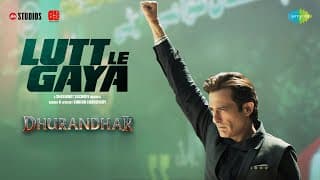
Lutt Le Gaya | Dhurandhar | Ranveer Singh, Akshaye Khanna, Shashwat Sachdev, Simran Choudhary
"Lutt Le Gaya" is a high-octane promotional track for the upcoming film Dhurandhar, featuring a powerhouse cast including Ranveer Singh, Akshaye Khanna, Sanjay Dutt, R. Madhavan, and Arjun Rampal. Composed by Shashwat Sachdev, it serves as a gritty, high-energy anthem that introduces the film's intense world. ### 1. Overall Theme The song revolves around the themes of dominance, arrival, and total takeover. It portrays a formidable force—a "Dhurandhar" (an expert or champion)—who enters a space and "loots" the attention, power, or glory, leaving a trail of awe and chaos in their wake. ### 2. Key Lyrics Analysis * "Lutt Le Gaya" (He looted it/took it all): This central hook signifies a character who doesn’t ask for permission but simply seizes control. It suggests a charismatic yet dangerous persona who leaves others with nothing once they have passed through. * "Kehar Macha Gaya" (He caused havoc/chaos): This line emphasizes the disruptive nature of the protagonist. It’s not just about a quiet entry; it’s about a presence so powerful that it shakes the foundation of the environment. * Folk-style Vocals: The lyrics use traditional Punjabi/Hindi rhythmic structures (reminiscent of *Boliyan*) to ground the modern electronic beats in a rugged, "earthy" masculinity. ### 3. Emotional Tone The song is aggressive, triumphant, and swagger-filled. It conveys a sense of "raw power" and "unapologetic confidence." The heavy bass and industrial synth sounds create an atmosphere of tension and adrenaline, making the listener feel the weight and importance of the characters being introduced. ### 4. Cultural Context * The "Dhurandhar" Archetype: In Indian culture, a *Dhurandhar* is someone who is a master of their craft, often implying a legendary or unbeatable status. The song leans into the "Alpha" imagery prevalent in modern Indian action cinema. * Modern-Folk Fusion: The track follows the trend of "Global Desi" music—taking traditional, high-pitched folk vocal styles (delivered brilliantly by Simran Choudhary) and layering them over global electronic/trap production to appeal to a contemporary audience. ### 5. Artist Context * Shashwat Sachdev: Known for his innovative work in *Uri: The Surgical Strike*, Sachdev continues to redefine the "action anthem" genre. This song reinforces his signature style: blending organic Indian sounds with cutting-edge, gritty sound design. * Simran Choudhary: This track showcases her ability to provide a "powerhouse" vocal performance that can stand tall against heavy, loud instrumentation. * Ranveer Singh & Cast: For Ranveer Singh, this song fits perfectly into his "high-energy" brand. For the film, which features a massive ensemble of veteran actors, the song acts as a "declaration of war" or a statement of intent for the high-stakes thriller they are portraying.

W Sound 05 "LA PLENA" - Beéle, Westcol, Ovy On The Drums
W Sound 05 "LA PLENA" is a collaboration between Colombian singer Beéle, the world-renowned producer Ovy On The Drums, and Colombia’s top streamer Westcol. The track is part of Westcol's "W Sound" series, which blends the world of digital streaming with urban music. --- ### 1. Overall Theme The song is a romantic, upbeat urban track that focuses on intense attraction and the desire to be with someone special in a tropical, carefree setting. It revolves around the concept of being "for real" (La Plena) about one's feelings, celebrating a summer-style romance filled with dancing, beach vibes, and genuine connection. ### 2. Key Lyrics Analysis * "Te lo digo de la plena, que tú me gustas": The phrase *"La Plena"* is Colombian Caribbean slang meaning "the truth" or "for real." By saying this, Beéle is stripping away the games and being honest about his infatuation. * "Vámonos pa' la playa, que el sol ya va a salir": This line emphasizes the "costeño" (coastal) lifestyle. It frames the relationship within a setting of freedom and nature, moving away from the club and toward the intimacy of a sunrise on the beach. * "Tú eres mi gata, mi nena, mi lady": These terms of endearment are classic reggaeton tropes, but Beéle delivers them with a melodic, soulful tone that makes the song feel more like a "romantic dancehall" track than a hard urban song. * "Con el sello de Ovy On The Drums": This shout-out acknowledges the producer's signature sound, which is characterized by clean, melodic reggaeton beats that are radio-friendly and globally appealing. ### 3. Emotional Tone The song conveys a joyful, relaxed, and flirtatious emotion. It feels "sunny"—evoking a sense of warmth and "breezy" happiness. Unlike many urban songs that focus on heartbreak or "perreo" (aggressive dancing), "LA PLENA" feels lighthearted, affectionate, and celebratory. ### 4. Cultural Context * Colombian Slang: The title itself, "La Plena," is deeply rooted in the Caribbean coast of Colombia (where Beéle is from). It represents a specific cultural identity of being direct and transparent. * Streamer Culture: The song is a product of the "W Sound" series curated by Westcol. This highlights a modern shift in the music industry where influencers and streamers act as A&Rs or curators, bridging the gap between Gen Z internet culture and mainstream music production. ### 5. Artist Context * Beéle: This track solidifies Beéle’s reputation as the "voice of the Caribbean." It fits perfectly into his discography of "Tropical-Urban" hits, showcasing his ability to blend smooth vocals with infectious rhythms. * Ovy On The Drums: For Ovy (Karol G’s main producer), this project shows his versatility in working with different formats (the "Sound" session format popularized by Bizarrap) while maintaining high-quality commercial appeal. * The Series: "W Sound 05" was a massive hit in the Spanish-speaking world, proving that the collaboration between a top-tier producer and a viral streamer can compete with traditional studio releases.

MONTAGEM XONADA
"MONTAGEM XONADA" by MAFIA is a prominent example of the "Funk Montagem" subgenre, blending the aggressive rhythms of Brazilian Funk with romantic, often pitch-shifted vocal samples. Here is an analysis of the song: ### 1. Overall Theme The song explores the theme of intense, almost obsessive attraction (slangily called being *"xonada"*). It portrays the magnetic pull between a woman and a man from the urban "malandro" (street-smart) lifestyle, set against a backdrop of heavy, hypnotic club beats. ### 2. Key Lyrics Analysis As is typical with "Montagem" tracks, the lyrics are repetitive and rhythmic rather than narrative-heavy. Key elements include: * "Xonada": This is a shortened, slang version of *apaixonada* (in love/crushing). Using this term grounds the song in youth culture and the informal language of the Brazilian streets. * The Vocal Samples: The song often uses high-pitched or distorted female vocals that sound both ethereal and desperate. This represents the "intoxication" of a crush—where the feeling is so overwhelming it feels slightly distorted or "trippy." * The Beat Drops: The lyrics often cut out right before a heavy bass drop. This structural choice mirrors the feeling of a "heart skip" or the adrenaline rush associated with seeing someone you are attracted to in a crowded party environment. ### 3. Emotional Tone The tone is darkly romantic and obsessive. While the word "xonada" implies sweetness, the heavy bass and distorted production create a sense of tension and raw energy. It feels less like a traditional love song and more like a high-energy "trance" induced by infatuation and the nightlife atmosphere. ### 4. Cultural Context * The "Montagem" Style: In Brazilian Funk, a *montagem* (assembly) is a track built by layering various samples, beats, and vocal snippets. This specific style has recently gained massive international popularity through TikTok and the "Brazilian Phonk" movement. * The Malandro Aesthetic: The song taps into the cultural fascination with the "bad boy" or the "rhythm of the favela." Being "xonada" in this context often implies an attraction to the danger, charisma, and confidence associated with the funk scene. ### 5. Artist Context MAFIA is part of a wave of producers who have mastered the art of creating viral, "vibe-heavy" tracks. This song fits into their career as a "bridge" track—it retains the grit of traditional Brazilian Funk but uses melodic elements that allow it to cross over into mainstream playlists and international dance floors. It showcases their ability to take a simple emotion (a crush) and turn it into a high-octane, club-ready anthem.
BLOK3 - KUSURA BAKMA (Official Music Video)
"KUSURA BAKMA" (which translates to "Excuse Me" or "Forgive Me") by BLOK3 is a significant departure from the artist's usual high-energy drill style, leaning into a more melodic and sentimental "Arabesque-trap" fusion. Here is an analysis and explanation of the song: ### 1. Overall Theme The song is a heartfelt reflection on a failed relationship and the internal conflict that follows a breakup. It centers on the themes of regret, personal accountability, and the painful realization that even though love remains, the relationship is irreparably broken. ### 2. Key Lyrics Analysis * "Kusura bakma, her şeyi mahvettim" (Excuse me, I ruined everything): This is the core of the song. BLOK3 takes full responsibility for the fallout, admitting his faults rather than blaming his partner. * "Seni hâlâ seviyorum ama bitti" (I still love you, but it's over): This line captures the "bittersweet" essence of the track. It highlights the maturity of recognizing that love alone isn't always enough to sustain a relationship. * "Gözlerimin içine bak, ne gördüğünü söyle" (Look into my eyes, tell me what you see): This suggests a plea for sincerity. He is asking for a moment of truth to acknowledge the shared history and the pain they are both hiding. * References to the street and lifestyle: Even in a love song, he maintains his persona by mentioning his fast-paced life and how it clashed with the stability the relationship required. ### 3. Emotional Tone The tone is melancholic, vulnerable, and apologetic. Unlike his more aggressive tracks, his delivery here is softer and more rhythmic. There is a sense of "tough-guy" resignation—someone who is used to being strong but is finally breaking down to admit his sadness. ### 4. Cultural Context * Arabesque-Rap Influence: The song heavily utilizes the emotional tropes of "Arabesque" music (a genre of music in Turkey known for themes of intense longing and woe) but blends it with modern trap beats. This "New Wave" of Turkish rap resonates deeply with the youth in Turkey who balance modern lifestyles with traditional emotional expressions. * Colloquialism: The phrase "Kusura Bakma" is a common Turkish idiom. While it often means a simple "sorry," in this context, it carries a heavier weight—a final apology before walking away. ### 5. Artist Context BLOK3 (Hakan Aydın) exploded onto the scene as a leader of the Turkish Drill movement with hits like *"VUR"* and *"AFFETMEM."* "KUSURA BAKMA" served as a turning point in his career, proving his versatility. By moving away from purely "street" themes to romantic vulnerability, he successfully crossed over into mainstream pop-rap, significantly expanding his fan base and dominating Turkish music charts for months.
Radiohead - Creep
"Creep" remains one of the most recognizable anthems of the 1990s, capturing a universal sense of inadequacy and longing. Overall Theme The song explores themes of extreme self-loathing, social alienation, and unrequited love. It depicts a narrator who is infatuated with someone they perceive as perfect ("an angel") while feeling fundamentally broken and unworthy of that person’s attention. Key Lyrics Analysis * "You're just like an angel / Your skin makes me cry": These lines establish a "divine vs. disgusting" dynamic. The narrator places the object of his affection on a pedestal of purity, which only serves to highlight his own perceived filth or "creepiness." * "I want a perfect body / I want a perfect soul": This highlights the narrator’s dissatisfaction with his entire existence. It’s not just about looks; it’s an existential desire to be a different person entirely. * "I'm a creep / I'm a weirdo / What the hell am I doing here? / I don't belong here": The chorus is a raw admission of being a misfit. The question "What the hell am I doing here?" suggests a profound sense of displacement in both a romantic setting and the world at large. Emotional Tone The song fluctuates between melancholic vulnerability and explosive frustration. The quiet verses represent the narrator’s internal wallowing, while the iconic "dead notes" (the loud, distorted guitar crunches by Jonny Greenwood before the chorus) represent a violent burst of self-hatred and the desire to sabotage the song’s own beauty. Cultural Context Released in 1992, "Creep" arrived at the height of the "grunge" and "alternative rock" explosion. It resonated with the "slacker" generation and anyone who felt marginalized by mainstream society. Its lyrics became a shorthand for teenage angst, and it has since become a global karaoke staple because its sentiment of "not belonging" is a near-universal human experience. Artist Context "Creep" was Radiohead's debut single from their first album, *Pablo Honey*. Ironically, the band grew to resent the song's massive success, as they felt it was too simplistic and didn't represent their evolving, experimental sound. For many years, they refused to play it live, calling it "Crap." However, in recent years, they have embraced it again, acknowledging its importance as the foundation of their legendary career.

Gajendra Verma - Mann Mera (Original Version) | Official HD Music Video
"Mann Mera" is one of the most iconic Indian romantic ballads of the 2010s. Originally featured in the film *Table No. 21*, the song has since become a timeless anthem for love and longing. Here is an analysis and explanation of the track: 1. Overall Theme The song explores the intense, consuming nature of a new or deep infatuation. It describes the "restlessness of the heart" (*Mann*) when one is completely captivated by another person, capturing that specific phase of love where the beloved becomes the center of one's universe. 2. Key Lyrics Analysis * "Mera mann kehne laga, paas aake na tu door ja": (My heart has started to say, come close and do not go away). This is the core plea of the song, expressing the vulnerability of the singer and the desperate desire for physical and emotional proximity. * "Saari raat aahein bharta, pal pal yaadon mein marta": (I sigh throughout the night, dying every moment in your memories). These lines illustrate the classic "lovesick" trope, where thoughts of the person lead to sleeplessness and a bittersweet kind of suffering. * "Chhuu liya tune iss dard ko, ban gaya tu sukoon": (You touched this pain and became my peace). This suggests that the beloved is not just an obsession, but a source of healing and tranquility for the singer’s troubled soul. 3. Emotional Tone the tone is soulful, tender, and atmospheric. While the lyrics speak of "dying" and "sighing," the melody is incredibly soothing. It balances the "ache" of longing with a dreamy, hopeful vibe, making the listener feel the warmth of romance rather than the bitterness of heartbreak. 4. Cultural Context Released in 2013, "Mann Mera" arrived during a shift in Indian music where "Urban Acoustic" and "Indie-Pop" styles began to dominate the Bollywood landscape. It reflects the modern Indian youth's romantic sensibilities—moving away from high-pitched traditional playback singing toward a more conversational, husky, and intimate vocal style. It has become a staple "guitar song" for college students and campfire gatherings across India. 5. Artist Context "Mann Mera" was a career-defining hit for Gajendra Verma. While he had already gained massive internet fame for his viral (and often misunderstood) track "Emptiness" (Tune Mere Jaana), "Mann Mera" proved his capability as a mainstream professional playback singer and composer. It solidified his reputation as the "Voice of Romance and Melancholy" for a generation, a niche he continues to lead today.
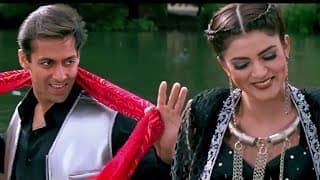
Chunnari Chunnari | Biwi No.1 | Salman Khan | Sushmita Sen | Abhijeet Bhattacharya | Anuradha Sriram
"Chunnari Chunnari" is a quintessential 90s Bollywood chartbuster from the 1999 film *Biwi No.1*. It remains one of the most recognizable dance anthems in Indian cinema history. 1. Overall Theme The song is a high-energy, flirtatious dialogue between two lovers. It centers on the man’s fascination with the woman’s beauty and her "Chunnari" (a traditional scarf/veil), which serves as a symbol of her grace and the playful romantic tension between them. 2. Key Lyrics Analysis * "Lal chhadi maidan khadi, kya khoob ladi, kya khoob ladi": While these lines are playful gibberish/folk-inspired metaphors, they suggest a sense of admiration for the woman's striking presence and "fighting" spirit or charm. * "Chunnari chunnari, ud jaaye tere hawa ke jhonke se": This translates to "Your scarf flies away with the gust of the wind." In Bollywood trope, the flying of a scarf often symbolizes the fluttering of the heart and the beginning of a romantic attraction. * "Pehle to kabhi kabhi gham tha, ab to har pal hi teri yaad hai": This indicates the transition from a casual acquaintance to a deep obsession, where the protagonist can no longer spend a moment without thinking of his beloved. 3. Emotional Tone The tone is exuberant, celebratory, and mischievous. It captures the "Masti" (fun-filled) vibe of the 90s. The fast-paced beats by Anu Malik and the spirited vocals by Abhijeet and Anuradha Sriram evoke a sense of joy, making it impossible for listeners not to dance. 4. Cultural Context * Wedding Anthem: Due to its catchy rhythm and lyrics revolving around traditional attire, it became a staple at Indian weddings and remains popular for "Sangeet" (dance) performances even decades later. * Global Recognition: Interestingly, the song gained international fame when it was featured in Mira Nair’s 2001 film *Monsoon Wedding*, introducing the track to a global audience. * 90s Aesthetics: The music video, featuring Salman Khan and Sushmita Sen in vibrant outfits and synchronized choreography, epitomizes the "David Dhawan" style of filmmaking—colorful, loud, and unapologetically commercial. 5. Artist Context * Salman Khan & Sushmita Sen: This song solidified Salman Khan’s image as a charismatic "Masala" hero. For Sushmita Sen (Miss Universe 1994), it became one of her most iconic screen appearances, showcasing her elegance and dancing prowess. * Abhijeet Bhattacharya: At the time, Abhijeet was the "voice of the superstars." This song showcased his ability to deliver high-pitched, energetic playback singing. * Anu Malik: The song represents Anu Malik at his creative peak, where he blended traditional Indian folk sounds with modern electronic beats to create a timeless pop-influenced track.

Sahiba (Official Music Video) : Aditya Rikhari, Ankita Chhetri | T-Series
Here is an analysis and explanation of the song "Sahiba" by Aditya Rikhari. ### 1. Overall Theme "Sahiba" is a soul-stirring ballad centered on the themes of longing, unrequited devotion, and the ache of distance. It portrays a lover who is deeply tethered to the memory or presence of a beloved, finding their entire world revolving around that one person despite the emotional pain involved. ### 2. Key Lyrics Analysis * "Sahiba, teri raahon mein, aankhein bichi hain...": The word *Sahiba* is a respectful and poetic term for a beloved woman. This line translates to "My eyes are laid out on the paths you walk," symbolizing a state of perpetual waiting and hyper-fixation on the beloved’s return. * "Tu jo nahi hai toh kuch bhi nahi hai...": This reflects the classic romantic trope of "all or nothing." It suggests that without the presence of the beloved, the singer's existence feels empty and devoid of meaning or color. * "Tere bina guzara, mushkil hai yaara...": This highlights the vulnerability of the protagonist. It isn’t just about wanting the person; it’s about the functional difficulty of surviving the day-to-day emotional toll of their absence. ### 3. Emotional Tone The song carries a melancholic yet romantic tone. It feels intimate and "heavy-hearted," characterized by a sense of nostalgia (looking back at what was) and yearning (wishing for what could be). The acoustic-leaning production enhances the feeling of vulnerability and loneliness. ### 4. Cultural Context The term "Sahiba" has deep roots in South Asian folklore and Sufi-influenced poetry (most famously from the tragic romance of *Mirza-Sahiban*). By using this title, Aditya Rikhari taps into a traditional lineage of "epic love," where love is often synonymous with sacrifice and suffering. The music video, featuring the scenic beauty of the hills, mirrors the "Indie-Pop" aesthetic currently trending in India, which romanticizes simplicity and emotional depth over flashy production. ### 5. Artist Context Aditya Rikhari has established himself as a prominent voice in the Indian Indie music scene, known for hits like *"Samjho Na"* and *"Faasle."* This track, released under the major label T-Series, represents a significant milestone in his career. It shows his successful transition from an independent artist to a mainstream name, all while retaining his signature soulful, "boy-next-door" vocal style that resonates deeply with Gen Z and Millennial listeners who prefer relatable, lyric-heavy music.
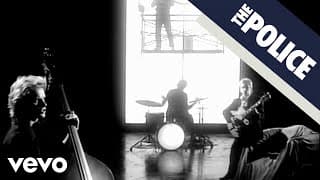
The Police - Every Breath You Take (Official Music Video)
Here is an analysis and explanation of The Police’s 1983 hit, "Every Breath You Take." ### 1. Overall Theme While often mistaken for a romantic love song, the theme is actually obsession, jealousy, and surveillance. It describes a person who is unable to let go of a former lover, tracking their every movement with a controlling and sinister intensity. ### 2. Key Lyrics Analysis * "Every breath you take / Every move you make... I'll be watching you": These opening lines establish the central conceit of "Big Brother" levels of surveillance. It suggests that the subject has no privacy and is constantly under the gaze of the narrator. * "Oh can't you see / You belong to me": This highlights the theme of possessiveness. The narrator views the other person as an object or property rather than an individual with their own agency. * "I wake up at night, I can only see your face / I look around, but it's you I can't replace": These lines reveal the narrator’s inner torment. Their fixation has reached a point of psychological haunting where they can no longer function normally without the other person. ### 3. Emotional Tone The song carries a deceptive emotional tone. Musically, the gentle guitar riff and Sting’s smooth vocals feel soothing and hypnotic. However, the subtext is cold, claustrophobic, and predatory. This contrast creates a "wolf in sheep’s clothing" effect, where the melody sounds like a lullaby while the lyrics describe a stalker’s manifesto. ### 4. Cultural Context * The "Wedding Song" Irony: This is famously one of the most misunderstood songs in pop history. Despite its dark meaning, it remains a staple at weddings. Sting has frequently expressed amusement and mild horror at this, once saying, "The song is very, very sinister... but it’s disguised as a gentle love song." * Visual Style: The music video, shot in stark black and white with a minimalist "film noir" aesthetic, reinforces the somber and lonely atmosphere of the track, moving away from the colorful pop visuals of the early 80s. ### 5. Artist Context * The Peak of Success: Released on their final studio album, *Synchronicity* (1983), the song was the band's biggest hit, spending eight weeks at number one on the Billboard Hot 100. * Personal Turmoil: Sting wrote the song during the collapse of his marriage to Frances Tomelty and the beginning of his relationship with Trudie Styler. The lyrics reflect the emotional "ugliness" and mental state he was experiencing during that period of personal upheaval. * Musical Legacy: The song’s distinctive "picked" guitar figure (played by Andy Summers) became an iconic sound of the decade and was later famously sampled by Puff Daddy (Diddy) in "I'll Be Missing You."
JANE DOE
"JANE DOE" by Kenshi Yonezu is a sophisticated, jazzy track released as the B-side to his 2023 single "LADY." It explores themes of identity, anonymity, and the transient nature of human connections. 1. Overall Theme The song centers on the concept of a "Jane Doe"—the legal placeholder name for an unidentified woman. It portrays a relationship where two people remain fundamentally strangers despite their intimacy, reflecting on how we lose ourselves or forget others in the blur of modern life. 2. Key Lyrics Analysis * "名前さえも知らないまま 愛し合えたらよかったのに" (I wish we could have loved each other without even knowing our names): This line suggests that labels and identities often complicate or ruin pure connection. Yonezu implies that the "identity" we project often gets in the way of true intimacy. * "空っぽのままでも愛してくれるかい" (Would you still love me even if I’m empty?): This captures the fear of having no core self. The narrator worries that if you strip away the name and the social mask, there is nothing left to love, echoing the "Jane Doe" theme of being a blank slate. * "煙に巻かれた 僕らの正体は" (Our true identities are shrouded in smoke): Using the metaphor of smoke (common in his jazzier tracks), he highlights the "blurriness" of modern relationships where people are physically close but emotionally unrecognizable. 3. Emotional Tone The tone is sultry, melancholic, and cynical. The jazzy instrumentation (brass and groovy basslines) gives it a "late-night city" vibe, but the lyrics provide a cold, lonely contrast. It feels like a walk through a crowded street where you realize everyone, including yourself, is a stranger. 4. Cultural Context The term "Jane Doe" is a Western legal term, but Yonezu uses it as a metaphor for the anonymity of urban life in Japan. In a hyper-connected yet lonely society, "Jane Doe" represents the "facelessness" of the people we pass or even the people we sleep next to. It touches on the existential dread of being forgotten or never truly "known" by anyone. 5. Artist Context "JANE DOE" marks Yonezu’s continued evolution into sophisticated Pop/Jazz fusion, moving away from the high-energy "Vocaloid" style of his early career. It fits into his recent era (alongside "LADY" and "Sayonara, Mata Itsuka!") which favors organic instruments and "grown-up" themes of daily life, mundanity, and the complexities of adult psychology. It showcases his ability to write "city pop" that is intellectually deep rather than just catchy.

Blue Jeans
"Blue Jeans" by HANA is a dreamy, atmospheric track that blends synth-pop elements with a nostalgic narrative. Here is an analysis of the song: Overall Theme The song explores the theme of lingering nostalgia and the physical triggers of memory. It focuses on how a specific, mundane object—a pair of blue jeans—can act as a vessel for memories of a past lover, making the absence of that person feel tangible and constant. Key Lyrics Analysis * "I see you in my blue jeans": This central metaphor suggests that the memory of the partner is "woven" into the narrator’s everyday life. Even when performing simple tasks like getting dressed, the narrator is reminded of the person they used to share those moments with. * "The scent of you is still on the fabric": This highlights the sensory nature of grief and longing. It’s not just a mental memory; it’s a physical haunting where the person’s presence remains in the fibers of her clothes. * "Faded like the denim": This reflects the passage of time. Just as jeans wear down and lose their color, the intensity of the relationship has faded, yet the "structure" or the remnant of the feeling remains. Emotional Tone The emotional tone is bittersweet and ethereal. The production uses airy synths and reverb-heavy vocals to create a "hazy" feeling, mimicking the way memories feel slightly out of focus. There is a sense of yearning and "saudade" (a deep emotional state of nostalgic longing), but it is delivered with a calm, almost hypnotic acceptance rather than sharp despair. Cultural Context In pop culture, "Blue Jeans" are often used as a symbol of youth, classic Americana, and effortless intimacy (famously used by artists like Lana Del Rey). HANA taps into this "vintage aesthetic" which is highly popular in the current "Newtro" (New Retro) trend in Korea and globally. It appeals to a generation that finds romantic value in physical objects and retro fashion as a way to connect with the past. Artist Context For HANA, this song serves as a showcase of her identity as a "mood-maker." While many artists focus on powerful vocal displays, HANA focuses on "texture" and "atmosphere." This song fits into her discography as a quintessential example of her ability to blend Western synth-pop influences with a more intimate, K-Indie sensibility. It solidified her reputation for creating music that feels like a "cinematic memory."

Lyrical | Saiyaara Reprise - Female Song | Ahaan, Aneet | Tanishk, Faheem, Arslan | Shreya | Irshad
The song "Saiyaara Reprise" (Female Version) from the YRF collection is a soulful reimagining of the original hit from the movie *Ek Tha Tiger*. Performed by Shreya Ghoshal, this version strips down the original’s grand arrangement to focus on raw emotion and lyrical depth. Here is an analysis of the song: ### 1. Overall Theme The song centers on the themes of destiny, cosmic separation, and the irony of love. It portrays a lover who feels like a "Saiyaara" (a planet or wandering celestial body), drifting through the universe of their emotions, unable to find a permanent anchor despite having found their "star." ### 2. Key Lyrics Analysis * "Saiyaara ve saiyaara, sitaara ve sitara": The metaphor of planets and stars is used to describe the lovers. A *Saiyaara* (planet) moves in an orbit, while a *Sitara* (star) is a point of light. It suggests that even though they are in the same "sky" (life), they are destined to remain at a distance or in a constant state of wandering. * "Tu jo mila toh yun hua, ho gaya hai khud se hi faasla": (Since I found you, I have become distant from my own self). This highlights the transformative and often destructive nature of intense love, where one loses their own identity in the process of loving someone else. * "Tumse juda hokar bhala, jaayenge hum kahan": (Having separated from you, where would I even go?). This reflects the feeling of being trapped in a vacuum of grief, where the beloved was the only destination the singer knew. ### 3. Emotional Tone The tone is melancholic, yearning, and deeply atmospheric. While the original version had a rhythmic, nomadic energy, this reprise is more intimate. Shreya Ghoshal’s vocals convey a sense of vulnerability and quiet resignation, making the listener feel the weight of a broken heart that is still deeply in love. ### 4. Cultural Context The song utilizes Urdu poetic metaphors (popular in Sufi-influenced Bollywood music) that equate human love with cosmic events. The word "Saiyaara" carries a sense of "Musafir" (traveler). In South Asian culture, the concept of *Qismat* (destiny) often plays a role in romantic tragedies—the idea that even if two people are perfect for each other, the "stars" or "planets" may not be aligned for them to stay together. ### 5. Artist Context * Shreya Ghoshal: Known for her incredible vocal range and "harkats" (nuances), Shreya demonstrates why she is the go-to artist for reprises. She adds a layer of maternal warmth and technical precision that differentiates this version from the original sung by Mohit Chauhan and Tarannum Mallik. * Tanishk Bagchi / Faheem / Arslan: This team worked on rearranging the track to suit a modern, digital audience. For YRF, these reprises serve as a bridge, keeping their classic melodies alive for a newer generation (represented by the actors Ahaan and Aneet in the music video). * Irshad Kamil: The lyricist is legendary for writing "soul-searching" poetry. This song remains one of his most recognized works for its ability to turn a simple romantic ballad into a cosmic metaphor.