
Latest Articles
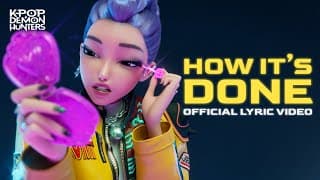
"How It's Done" Official Lyric Video | KPop Demon Hunters | Sony Animation
This song is a promotional track for the upcoming Sony Pictures Animation film, K-Pop: Demon Hunters. The film follows a world-renowned K-Pop girl group that balances their lives as global superstars with a secret identity as hunters of evil spirits. Here is an analysis of "How It's Done": ### 1. Overall Theme The song centers on mastery, confidence, and the duality of identity. It serves as a high-octane anthem that establishes the protagonists' dominance in two worlds: the competitive music industry and the dangerous realm of demon hunting. It highlights their professionalism, suggesting that whether they are performing on stage or slaying monsters, they do it with effortless style. ### 2. Key Lyrics Analysis * "Watch us do it with a smile": This line emphasizes the "Idol" persona. In K-Pop, maintaining a perfect image (the "smile") is essential, even when the work is grueling or—in this case—life-threatening. * "Class is in session, we’re the ones to teach ya": This establishes an authoritative tone. They aren't just participants in the game; they are the gold standard that others must follow. * "We got the rhythm, we got the light": This has a double meaning. "Rhythm" refers to their musical talent and choreography, while "Light" likely refers to the spiritual or magical energy they use to defeat dark spirits. * "Top of the charts / Winning your hearts": These lyrics reinforce their status as superstars, making it clear that their "day job" is just as successful as their secret mission. ### 3. Emotional Tone The tone is fierce, empowering, and energetic. It draws heavily from the "Girl Crush" concept common in modern K-Pop (like BLACKPINK or ITZY), which focuses on independence, "badassery," and self-assurance. It is designed to make the listener feel hyped and capable of tackling any challenge. ### 4. Cultural Context * The Hallyu Wave: The song is a direct response to the global explosion of K-Pop. It uses the genre's specific sonic signatures—heavy bass, catchy English-Korean hooks, and high-production synth-pop. * Modern Myth-Making: It blends traditional Korean folklore (demon hunting/spirits) with modern pop culture. This mirrors a trend in Korean media (like the drama *The Uncanny Counter*) where ordinary or famous people have supernatural duties. * Idol Culture: The lyrics reflect the intense training and "perfectionism" associated with K-Pop trainees, framing that discipline as a "superpower." ### 5. Artist Context Since this is a song by a fictional group created for a movie, its "career" context is world-building. Similar to how Riot Games created K/DA for *League of Legends*, Sony is using "How It's Done" to establish the musical identity and "vibe" of the characters before the movie is even released. It serves as a proof-of-concept that the film will treat the K-Pop element with authenticity while delivering a high-energy action spectacle.

INTRO. 권지용 (Middle Fingers-Up)
"INTRO. 권지용 (Middle Fingers-Up)" is the opening track of G-DRAGON’s 2017 self-titled EP, *Kwon Ji Yong*. It serves as a blunt, cynical re-introduction to the man behind the superstar persona. ### 1. Overall Theme The song is a defiant critique of the superficiality of fame and the exhaustion that comes with being a global icon. G-Dragon addresses the fake friends, social climbers, and the loss of privacy that define his life, ultimately choosing to dismiss the "noise" of the world with a middle finger. ### 2. Key Lyrics Analysis * "Peace minus one / Everyone, middle fingers up": This references his fashion brand, PEACEMINUSONE. He interprets "peace" as an ideal that is always missing something (the "minus one") in reality. By telling everyone to put their middle fingers up, he is inviting the listener to join him in rejecting societal expectations. * "I’m a small person / But my shadow is huge": A metaphor for the duality of his life. Kwon Ji Yong is just a man (the small person), but "G-DRAGON" is a massive, uncontrollable entity (the shadow) that follows him everywhere. * "Oh, I know Jiyong... We used to be close": In these verses, he mocks people who claim to be his friend to gain social status. He highlights the irony of strangers acting like they know his personal life when, in reality, he is increasingly isolated. * "Adults who don't act like adults": He expresses frustration with the industry veterans and seniors who lack integrity, suggesting that age does not necessarily command respect if it isn't earned. ### 3. Emotional Tone The tone is cynical, weary, and playfully aggressive. While the beat is upbeat and somewhat whimsical, the lyrics are biting. There is a sense of "fame fatigue"—he isn't bragging about his wealth; he is expressing how tired he is of the baggage that comes with it. ### 4. Cultural Context In South Korean society, there is a heavy emphasis on "Chem-myeon" (saving face) and extreme politeness toward seniors and the public. By titled a song "Middle Fingers-Up" and using profanity, G-Dragon intentionally breaks the "polite idol" mold. He also references the specific brand of social climbing prevalent in the Seoul nightlife and fashion scenes, where "knowing GD" is a form of social currency. ### 5. Artist Context This song marks a pivotal shift in G-Dragon’s career. Released just before his mandatory military enlistment, the *Kwon Ji Yong* album was his most personal work. While his previous hits like "One of a Kind" celebrated his status, "Middle Fingers-Up" strips away the glamour. It sets the stage for the rest of the album, which explores his loneliness and his struggle to reconcile his stage persona (G-DRAGON) with his true self (Kwon Ji Yong).

APT.
"APT." is a high-energy collaboration between BLACKPINK’s ROSÉ and Bruno Mars that has become a global sensation. Here is an analysis of the track: 1. Overall Theme The song is a playful, flirtatious anthem inspired by a popular Korean social game. It revolves around the excitement of a late-night romantic encounter and the direct, almost frantic energy of wanting to be with someone "face to face" rather than just communicating through a phone. 2. Key Lyrics Analysis * "Apateu, apateu": This repetitive hook is the Korean pronunciation of "apartment." It mimics the chant used in the "Apartment Game," a Korean drinking game, setting a rhythmic and addictive foundation for the track. * "Kissy face, kissy face / Sent to your phone but / I'm actually looking at you, girl": These lines by Bruno Mars highlight the transition from digital flirting to real-life chemistry, emphasizing the urgency of the physical meeting. * "Don't you want me like I want you, baby? / Don't you need me like I need you now?": This part of the chorus strips away the game-playing and expresses raw, pop-rock longing, shifting the tone from playful to passionately direct. * "Turn this 'apateu' into a club": This suggests transforming a private space into a scene of wild fun and celebration, blurring the lines between a casual hangout and a romantic party. 3. Emotional Tone The song is electric, fun, and nostalgic. It carries a "bratty-pop" and pop-punk energy reminiscent of the early 2000s (think Avril Lavigne or Toni Basil’s "Mickey"). It conveys a sense of uninhibited joy, youthful rebellion, and the "drunk-in-love" thrill of a night out. 4. Cultural Context The song is deeply rooted in Korean drinking culture. The "Apartment Game" (아파트 게임) involves players stacking their hands; a number is called, and whoever has their hand on that specific "floor" (number) must drink. By centering a global pop song around this specific social ritual, ROSÉ introduces a piece of Korean everyday life to the world, much like "Gangnam Style" did with its specific Seoul district, but with a more modern, "cool-girl" aesthetic. 5. Artist Context * ROSÉ: This serves as the lead single for her first studio album, *rosie*. It marks a significant stylistic shift from her more melancholic or polished solo work (like "On The Ground"), showcasing her versatility and her ability to lead a global "K-Pop-meets-West" crossover. * Bruno Mars: This continues his streak of high-profile collaborations (following his duet with Lady Gaga). It demonstrates his "chameleon" ability to fit into any genre—in this case, blending his retro-soul vocals with K-pop’s high-tempo energy—while further cementing his status as a global hitmaker.

Supernova Love
"Supernova Love" is a high-energy collaboration between the K-pop girl group IVE and the legendary French DJ David Guetta. Released as part of the "THE COLLAB X" project, the track blends K-pop’s melodic sensibilities with Western EDM production. Here is an analysis of the song: 1. Overall Theme The song centers on the overwhelming, explosive power of a romantic connection. Using the metaphor of a supernova—the brilliant and powerful explosion of a star—the track describes a love that is so intense it feels cosmic, transformative, and capable of lighting up the darkest parts of one's life. 2. Key Lyrics Analysis * "Like a supernova, love / Lighting up the dark": This is the central hook. It compares the sudden arrival of a romantic partner to a celestial event that provides light and energy, suggesting the relationship is a once-in-a-lifetime phenomenon. * "Everything you do is electric / Got me feeling like I’m magnetic": These lines emphasize the physical and chemical attraction between two people. It frames the relationship as something natural and inevitable, driven by a force (magnetism/electricity) they cannot control. * The "Merry Christmas, Mr. Lawrence" Sample: While not a lyric, the melodic motif throughout the song is a direct sample of the late Ryuichi Sakamoto’s iconic theme. This adds a layer of "melancholic beauty" to the song, contrasting the high-energy beats with a sense of nostalgic longing. 3. Emotional Tone The tone is euphoric, grand, and slightly nostalgic. David Guetta’s signature "future rave" production creates a sense of excitement and celebration, making it sound like a festival anthem. However, the delicate piano melody from the Sakamoto sample gives the song an emotional depth and a touch of elegance that sets it apart from typical club tracks. 4. Cultural Context The most significant cultural aspect of this song is the Ryuichi Sakamoto sample. By using the melody from *Merry Christmas, Mr. Lawrence*, the song pays homage to one of Asia's most influential composers. This choice bridges the gap between 1980s film music, Japanese heritage, and modern global pop, making the track feel familiar yet fresh to both Eastern and Western audiences. 5. Artist Context * For IVE: This track represents their continued push into the global market. While their previous hits (like "Love Dive" and "I AM") focused on the theme of "self-love" and "narcissism," "Supernova Love" sees them leaning into a more traditional romantic EDM sound, showcasing their versatility and vocal clarity alongside a world-class producer. * For David Guetta: The song follows his recent successful trend of sampling classic melodies (like Eiffel 65’s "Blue" or Haddaway’s "What Is Love") to create modern hits. By collaborating with IVE, he taps into the massive K-pop fanbase and reinforces his status as a bridge between underground dance music and mainstream pop stardom.
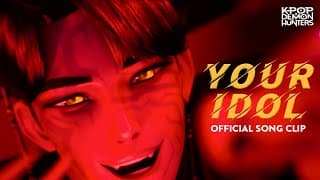
"Your Idol" | Official Song Clip | KPop Demon Hunters | Sony Animation
Based on the promotional clip released by Sony Pictures Animation for their upcoming feature (working title *K-Pop: Demon Hunters*), here is an analysis of the song "Your Idol." 1. Overall Theme The song explores the dual identity of the protagonists, who balance the high-pressure world of global superstardom with their secret lives as supernatural warriors. It serves as an anthem for empowerment, highlighting that their "perfection" as idols is mirrored by their lethal precision as demon hunters. 2. Key Lyrics Analysis * "I’m your idol, I’m your savior.": This line plays on the double meaning of the word "idol." In the music industry, they are objects of worship; in their secret lives, they are literal saviors protecting humanity from literal demons. * "Dancing in the neon, fighting in the dark.": This creates a sharp contrast between the bright, polished stage (the public eye) and the gritty, dangerous underworld where they perform their "real" work. * "Perfect timing, perfect pose.": This suggests that the discipline required for K-Pop choreography—where every movement must be synchronized—is the same discipline they use to execute combat maneuvers against monsters. 3. Emotional Tone The tone is high-energy, confident, and defiant. It blends the upbeat, infectious "earworm" quality of modern K-Pop with an aggressive, cinematic edge. There is a sense of "girl power" and bravado, conveying that the characters are fully in control of both their music and their weapons. 4. Cultural Context The song leans heavily into the Hallyu (Korean Wave) phenomenon. It references the rigorous standards of the K-Pop industry—visual perfection and synchronized performance—but subverts them by adding elements of Korean folklore and urban fantasy. By blending these elements, the song reflects how K-Pop has become a dominant global cultural force while paying homage to the supernatural tropes found in *Manhwa* (Korean comics) and anime. 5. Artist Context As this is a fictional group within a Sony Pictures Animation project, the "artist" is a collaborative effort between top-tier music producers and the studio’s creative team. * For Sony Animation: This song represents their continued push toward stylized, musically-driven storytelling following the success of *Spider-Man: Into the Spider-Verse*. * For the Movie: This track functions as the "mission statement" for the film, establishing the movie's unique aesthetic: a blend of high-fashion K-Pop visuals with intense, supernatural action.

5-7 (Music Video) Karan Aujla | Mxrci | Punjabi Songs 2026
Released in May 2024 (notably part of his consistent run of hits), "5-7" by Karan Aujla is a high-energy Punjabi track that blends traditional "swagger" with modern hip-hop sensibilities. Here is an analysis of the song: 1. Overall Theme The song is primarily a "flex" anthem centered around Karan Aujla’s physical stature and his massive influence in the music industry. The title "5-7" refers to his height (5 feet, 7 inches); the central theme is that while his physical height might be average, his status, reach, and "weight" in the world are unmatched. 2. Key Lyrics Analysis * "Panj-Satt kadd, kade vekh lavi hath ni": Aujla addresses his height (5'7") directly. He tells his critics or rivals that even with that height, they should look at the "reach of his hands" (his power/influence), implying he can reach heights others can’t. * Lifestyle Imagery: The lyrics frequently mention luxury cars (like the G-Wagon), high-end fashion, and the "Geetan di Machine" (Machine of Songs) persona. He emphasizes that he doesn't just talk about the lifestyle; he lives it. * Defiance to Rivals: He uses metaphors about lions and territory to explain that he doesn't need to shout to prove his dominance; his presence alone is enough to silence the competition. 3. Emotional Tone The tone is supremely confident, defiant, and celebratory. Mxrci’s production provides a heavy, rhythmic bassline that complements Aujla’s rhythmic flow, creating an atmosphere of "unbothered greatness." There is a sense of triumph—Aujla is no longer the underdog; he is the king of the hill, enjoying his success. 4. Cultural Context * Physicality vs. Stature: In Punjabi culture, "Kadd" (height/stature) is often a point of pride for a "Gabru" (young man). By naming the song after his height, Aujla subverts the traditional trope that a hero must be exceptionally tall, proving that talent and success define a man more than his physical dimensions. * Global Punjabi Wave: The song reflects the "Street Dreams" aesthetic—a fusion of Punjabi folk-style lyrics with global West Coast hip-hop beats, which has made Punjabi music a global phenomenon in recent years. 5. Artist Context Karan Aujla is currently at the pinnacle of his career. "5-7" serves as a follow-up to his massive success with the album *Making Memories* and his collaboration with Divine on *Street Dreams*. This song reinforces his partnership with producer Mxrci, a duo known for delivering "bangers" that dominate the charts and the club scene. It fits into his career as a "statement" track—asserting his dominance and reminding the industry that he is the most consistent hitmaker in the game. *Note: While the user mentioned "2026," the song was a major release in mid-2024.*

Benson Boone - Beautiful Things (Official Music Video)
Released in early 2024, "Beautiful Things" by Benson Boone quickly became a global phenomenon. Here is an analysis of the song: 1. Overall Theme The song explores the double-edged sword of happiness: the profound gratitude for finally finding peace and love, and the paralyzing fear that it will all be taken away. It captures the specific anxiety of "waiting for the other shoe to drop" after a period of hardship. 2. Key Lyrics Analysis * "For a while there it was rough / But lately, I've been doin' better": The opening lines establish a narrative of recovery. It suggests the narrator has come out of a dark period, making his current happiness feel more precious and fragile. * "I know that I’m waiting for the day you say you’ve had enough": This highlights the narrator's insecurity. Despite things being good, he struggles with the feeling that he doesn't deserve this stability or that his partner will eventually realize they want more. * "I thank God for the beautiful things that I’ve got / ... Please stay": The chorus shifts from a prayer of gratitude to a desperate plea. The repetition of "Please stay" serves as a raw, emotional demand to the universe (or a higher power) to let this moment of peace last. 3. Emotional Tone The song is characterized by extreme contrast. It begins with a soft, folk-inspired vulnerability, conveying intimacy and tenderness. However, the chorus explodes into a powerful, grit-filled rock anthem. This sonic shift mirrors the emotional state of the artist: the quiet peace of being happy interrupted by the loud, crashing realization of how much he has to lose. 4. Cultural Context "Beautiful Things" resonated deeply in the "post-pandemic" era, where many people have dealt with collective grief and a heightened sense of the fragility of life. Culturally, it fits into the trend of "Emotional Pop-Rock," similar to the works of Noah Kahan or Lewis Capaldi, which prioritizes raw, unpolished vocal delivery and "main character energy" storytelling that thrives on platforms like TikTok. 5. Artist Context This song marks Benson Boone’s definitive transition from a TikTok-famous singer to a legitimate global superstar. While his earlier hits (like "Ghost Town") were primarily piano ballads, "Beautiful Things" showcases his vocal range and ability to handle a heavier, rock-leaning sound. It became his first Top 10 hit on the Billboard Hot 100, cementing his place as one of the leading male vocalists of his generation.
Grupo Bryndis - Tu Traición
"Tu Traición" (Your Betrayal) by Grupo Bryndis is a classic of the *Grupero* and *Cumbia Romántica* genres. It is a quintessential "heartbreak anthem" that explores the devastation of infidelity. Here is an analysis of the song: ### 1. Overall Theme The song centers on the sudden and painful discovery of a partner’s infidelity. It explores the transition from deep love to bitter resentment as the narrator realizes that their trust was misplaced and their relationship was based on lies. ### 2. Key Lyrics Analysis * "Hoy me enteré que me engañabas, que te burlabas de mi amor." (*Today I found out you were cheating, that you mocked my love.*): This opening line sets the stage. It isn't just about the act of cheating; it’s about the humiliation of being "mocked" or treated like a fool while being faithful. * "Y ahora te vas con él, qué mala suerte para mí." (*And now you go with him, what bad luck for me.*): This highlights the narrator’s feeling of being discarded and the bitterness of seeing the partner immediately move on to someone else. * "Maldigo el momento en que te conocí." (*I curse the moment I met you.*): This is the emotional climax. The pain is so intense that the narrator wishes they could erase the relationship entirely, expressing "despecho" (spite/resentment) rather than just sadness. ### 3. Emotional Tone The tone is melancholic, bitter, and accusatory. While the rhythm is often a mid-tempo danceable cumbia, the vocals are delivered with a sense of "llanto" (crying), capturing the vulnerability of a broken heart. It oscillates between the sadness of loss and the anger of being betrayed. ### 4. Cultural Context In Mexican and Latin American music culture, this song falls under the category of "música para adoloridos" (music for the grieving/wounded). It is common for these songs to be played at parties or bars where the audience can commiserate with the lyrics over a drink. The song reflects a cultural emphasis on romantic loyalty and the dramatic, soul-crushing nature of a "traición." ### 5. Artist Context Grupo Bryndis, known as *"El grupo que le canta al amor"* (The group that sings to love), are icons of the 1990s and 2000s Grupero movement. "Tu Traición" is one of their hallmark tracks. It showcases their signature style: a blend of electronic synthesizers, a rhythmic cumbia bassline, and high-pitched, emotional vocals that made them one of the most successful romantic groups in Mexico and the United States.

보나마나 (BONAMANA)
It appears there may be a slight confusion regarding the artist. "보나마나 (BONAMANA)" is the iconic title track by the group Super Junior, released in 2010. G-DRAGON does not have a song by this title, though he uses the phrase "Bonamana" (which means "obviously" or "no matter how you look at it") in the lyrics of some of his songs, such as "BULLSHIT." Below is the analysis of the song "보나마나 (BONAMANA)" by Super Junior, which is the song associated with this specific title. --- ### 1. Overall Theme The song is a high-energy, aggressive confession of love directed toward a woman who is perceived as a "unattainable beauty." It explores the narrator's relentless determination and obsessive drive to win her over, despite his feelings of desperation and the competitive nature of the pursuit. ### 2. Key Lyrics Analysis * "보나마나 보나마나 보나마나 내 가슴이 터질 것만 같아" (Bonamana, Bonamana... My heart feels like it's going to burst): The title "Bonamana" translates to "obviously" or "no matter how you look at it." He is saying that it is obvious he has fallen for her and that his internal pressure is reaching a breaking point. * "미인아 (Miin-a)": This is the central hook of the song (often used as its secondary title). It literally means "Beauty" or "Beautiful Girl." The repetition signifies his singular focus and fixation on her physical and charismatic appeal. * "Listen girl, 좋아해" (Listen girl, I like you): Amidst the complex "SJ Funky" electronic beats, this direct, simple English/Korean line acts as the core emotional anchor—a straightforward declaration of his feelings. ### 3. Emotional Tone The tone is intense, frantic, and masculine. Unlike a gentle ballad, this song uses "Afro-beats" and heavy "electronic-funk" to create a sense of urgency. There is an underlying sense of desperation masked by a confident, rhythmic bravado. It feels like a high-speed chase or a frantic heartbeat. ### 4. Cultural Context Released in 2010, "Bonamana" arrived during the height of the "Autotune Era" in K-pop. It solidified the "SJ Funky" (Super Junior Funky) genre—a style characterized by heavy synthesizers, repetitive hooks, and highly synchronized choreography. Culturally, it was a massive hit across Asia, helping to cement the "Hallyu Wave" and establishing the "hook song" formula that dominated the early 2010s. ### 5. Artist Context For Super Junior, this song was the successor to their global mega-hit "Sorry, Sorry." It was a pivotal moment in their career where they shifted from a "pretty boy" image to a more powerful, mature, and "tough" aesthetic. It proved they could sustain their massive popularity and defined their signature sound for years to follow. * *Note: If you were actually looking for a song by G-DRAGON with a similar vibe, you might be thinking of "Crayon" or "BULLSHIT" (개소리). If you'd like an analysis of one of those, please let me know!*

Lembrei de Tu - MC Meno K e Oruam (Fepache) Video Clipe Oficial
"Lembrei de Tu" is a collaboration between MC Meno K and Oruam, produced by Fepache. It blends the rhythmic energy of Brazilian Funk with the melodic, atmospheric vibes of Trap (often called "Trap-Funk"). Here is an analysis of the track: 1. Overall Theme The song centers on the theme of romantic longing and "saudade" (a Portuguese word for intense yearning). Despite living a fast-paced life filled with fame, parties, and luxury, the narrators find themselves constantly distracted by memories of a specific woman they can’t seem to get over. 2. Key Lyrics Analysis * "Lembrei de tu..." (I remembered you): The recurring hook serves as a confession. It suggests that even in moments of success or distraction, the thought of the person remains persistent. * "Nós é o terror delas" (We are their terror/crush): This line establishes their status as "players" or successful men in the streets. It creates a contrast: they are desired by many, yet they only care about the one person they are singing to. * References to luxury (Gold, expensive cars, brands): Like much of the "Mandrake" or "Trap Star" culture in Brazil, the lyrics mention material wealth. In this song, these items serve as a backdrop to show that money hasn't replaced the emotional connection they feel for the woman. * The "Revoada" vs. Intimacy: The lyrics often mention the *revoada* (a wild party/celebration). The tension in the song comes from the artist being at a party but wishing they were in a private, intimate setting with the subject of the song. 3. Emotional Tone The tone is bittersweet and nostalgic. While the beat is catchy and suitable for clubs, the vocal delivery—especially Oruam’s signature melodic, slightly nasal flow—conveys a sense of vulnerability. It feels like a late-night thought translated into a song: confident on the outside but preoccupied with love on the inside. 4. Cultural Context * The "Mandrake" Aesthetic: This song heavily leans into the Brazilian "Mandrake" subculture, which involves a specific style (Lacoste clothing, heavy gold chains, Oakley glasses) and a lifestyle that balances "street" toughness with romantic sensitivity. * Trap-Funk Fusion: This style is currently dominating the Brazilian charts. It moves away from the aggressive "Proibidão" (forbidden) funk of the past and focuses on "Love Funk" or "Conscious Funk," which is more radio-friendly and relatable to a wider audience. 5. Artist Context * MC Meno K: Originally known for the "Funk Gaúcho" (from South Brazil) style, Meno K has evolved into a national figure. This song demonstrates his versatility in moving away from pure funk into the "Trap-Pop" sphere. * Oruam: As one of the biggest names in the "Mainstreet" label, Oruam is the "king of the hook" in Brazil. His participation in this track almost guaranteed it would be a hit on TikTok and Instagram Reels, as his style is currently the blueprint for modern Brazilian urban music. * Career Move: For both artists, this song solidifies their ability to create "lovesick" anthems that appeal to both the "favelas" and the mainstream club scene.
BAD BUNNY - EoO (Visualizer) | DeBÍ TiRAR MáS FOToS
"EoO" (alternatively titled or associated with the phrase "DeBÍ TiRAR MáS FOToS") is a standout track from Bad Bunny’s 2023 album, *nadie sabe lo que va a pasar mañana*. The song is a high-octane Latin trap anthem that prioritizes rhythm, flow, and "vibe" over complex storytelling. Here is an analysis of the song: ### 1. Overall Theme The song is a celebration of Bad Bunny’s status as a global icon and a return to his gritty trap roots. It focuses on the hedonism of his current lifestyle—fame, wealth, and fleeting romantic encounters—while the subtitle "DeBÍ TiRAR MáS FOToS" (I should have taken more photos) suggests a fast-paced life where he is so immersed in the moment that he forgets to document it. ### 2. Key Lyrics Analysis * "Eo, eo, eo...": This repetitive, rhythmic hook is the centerpiece of the song. It is designed to be infectious and hypnotic, meant for high-energy club environments and festival crowds. * "Ustedes son bueno' en lo que hacen, pero yo hago lo que me da la gana": (You all are good at what you do, but I do whatever I want.) This is a direct callback to his 2020 album *YHLQMDLG*. It reinforces his creative autonomy and the idea that while others follow industry rules, he defines them. * "Papi, no te compare', no me hable' de chart": (Buddy, don't compare yourself, don't talk to me about charts.) Here, Bad Bunny asserts that he has moved past caring about Billboard numbers or commercial metrics because his influence is now undeniable and transcends data. * "DeBÍ TiRAR MáS FOToS" (The Title/Concept): This phrase reflects a sense of "nostalgia for the present." It implies that his life is so surreal and fast-moving that he often realizes too late that he missed the chance to capture a memory. ### 3. Emotional Tone The tone is confident, aggressive, and boastful. Unlike the melancholic or romantic tracks on his previous album, "EoO" carries a "don’t care" attitude. It feels like a victory lap—energetic and unapologetic, capturing the adrenaline of being at the pinnacle of the music world. ### 4. Cultural Context The song leans heavily into Latin Trap, a genre Bad Bunny helped globalize. It uses specific Puerto Rican slang and references the "nightlife" culture of San Juan and Miami. The visualizer and the song’s aesthetic also play into the "Instagram vs. Reality" culture; by saying he "should have taken more photos," he is ironically highlighting how much more valuable the lived experience is compared to the social media post. ### 5. Artist Context This song marks a significant stylistic pivot. After the massive pop-reggaeton success of *Un Verano Sin Ti*, many fans expected more "radio-friendly" hits. Instead, Bad Bunny released *nadie sabe lo que va a pasar mañana* as a "gift" to his day-one trap fans. "EoO" fits perfectly into this era, signaling that he is reclaiming the "King of Trap" title and moving away from the mainstream "pop star" image to return to his underground origins.

PIPOCA - EMILLY VICK E ROBSON (clipe oficial)
"PIPOCA" is a vibrant, high-energy pop track by Brazilian influencer Emilly Vick and her frequent collaborator Robson. Designed primarily for a young audience, the song functions as both a musical track and a soundtrack for social media dance trends. Here is an analysis of the song: 1. Overall Theme The song is a lighthearted, "feel-good" anthem centered on the metaphor of popcorn (*pipoca*) to describe high energy, jumping, and dancing. It focuses on the excitement of a party atmosphere and the chemistry between the members of Emilly Vick’s creator circle. 2. Key Lyrics Analysis * "Pula, pula, igual pipoca" (Jump, jump, like popcorn): This is the central hook of the song. It serves as a literal instruction to the listener to dance and jump, using the imagery of popcorn popping in a pan to represent explosive energy. * "O Robson chegou, a Emilly também" (Robson has arrived, Emilly too): These lines establish the presence of the "characters." For their audience, the song is as much about the personalities as it is about the music, reinforcing their "squad" brand. * "Prepara o movimento, que agora vai estourar" (Prepare the movement, now it’s going to pop): This builds anticipation for the "drop" in the music. In the context of Brazilian TikTok and YouTube culture, "movement" refers to specific choreographed dance steps (*dancinhas*) that fans are expected to follow. 3. Emotional Tone The tone is playful, hyper-energetic, and celebratory. There is no hidden complexity or melancholy; the song is designed to induce a sense of fun and inclusion. It carries a "Saturday afternoon" vibe, aimed at making children and teenagers feel like they are part of a fun, exclusive club. 4. Cultural Context * The "Dancinha" Culture: The song is a product of the Brazilian "influencer music" scene. In Brazil, top YouTubers often release songs specifically designed to go viral on TikTok and Instagram Reels. The repetitive rhythm and simple instructions are tailored for short-form video choreography. * Popcorn Imagery: In Brazil, *pipoca* is a common metaphor for something lively. While it is also a term used in Carnival (for the crowds who follow the music trucks), in this specific song, it leans into the innocent, fun imagery associated with children's snacks and parties. 5. Artist Context Emilly Vick is one of the most influential content creators for the Gen Z and Alpha demographics in Brazil. This song fits into her career as a brand-extension tool. Rather than trying to be a traditional pop star, Emilly uses music to deepen the connection with her YouTube subscribers. Featuring Robson—a key figure in her video "lore"—strengthens the community aspect of her channel, turning a simple song into an event for her millions of followers.