
Latest Articles

SERAT PENJAJAH - LAILA AYU - SIMPATIK MUSIC
"Serat Penjajah" (The Colonizer’s Letter), performed by Laila Ayu with Simpatik Music, is a contemporary Javanese song that blends the *Campursari* and *Dangdut Koplo* genres. It is a soulful piece that uses historical metaphors to describe personal heartbreak. Here is an analysis of the song: 1. Overall Theme The song is a metaphor for a toxic and oppressive relationship where one partner treats the other’s heart like a territory to be "colonized" and then abandoned. It explores themes of broken promises, emotional manipulation, and the bitterness of realizing that a lover’s sweet words were merely a means of control. 2. Key Lyrics Analysis * The Title "Serat Penjajah": Translating to "The Colonizer’s Letter" or "The Script of the Oppressor," the title suggests that the communication from the lover wasn't a love letter, but a series of commands or lies that led to the narrator’s emotional downfall. * Metaphor of Colonization: The lyrics often imply that the lover came into the narrator’s life, "occupied" their heart, took what they wanted, and left behind "wounds" (scars of war). This mirrors the historical trauma of colonization but applies it to a romantic context. * "Janji manis" (Sweet Promises): Like many Javanese ballads, it emphasizes the contrast between the beautiful promises made at the beginning of the relationship and the painful reality of being discarded once the "colonizer" grew bored. 3. Emotional Tone The tone is melancholic, bitter, and deeply sorrowful. While the rhythm (especially in the *Koplo* version) might be upbeat, the vocal delivery by Laila Ayu carries a sense of *ngenes*—a Javanese term for a specific type of deep, stinging sadness. It conveys the feeling of being "defeated" by love. 4. Cultural Context * Historical Metaphor: By using the word *Penjajah* (Colonizer), the song taps into Indonesia's collective historical memory of Dutch and Japanese occupation. It frames emotional betrayal as a form of "imperialism" over someone’s soul, which resonates strongly with Indonesian listeners. * Regional Language: The use of the Javanese language adds a layer of intimacy and traditional poetic depth (*Sastra*) that is often lost in standard Indonesian pop songs. 5. Artist Context Laila Ayu is a rising star in the East Javanese music circuit, known for her clear, powerful vocals and her ability to bridge the gap between traditional *Langgam* styles and modern *Dangdut*. This song, backed by Simpatik Music, showcases her as a specialist in "sad girl" anthems (*lagu galau*). Within her career, this track helps solidify her reputation as a singer who can deliver emotional storytelling that appeals to both the older generation (who appreciate the lyrics) and the younger generation (who enjoy the Simpatik Music arrangement).

Afgan, Mahalini - Sampai Jumpa | Retrospektif Duets
Here is an analysis and explanation of the song "Sampai Jumpa" as performed by Afgan and Mahalini for the *Retrospektif Duets* project. 1. Overall Theme The song is a poignant meditation on the inevitability of goodbyes and the cyclical nature of life. It explores the idea that every beginning has an end, and every meeting eventually leads to a parting, while maintaining a sense of hope for a future reunion. 2. Key Lyrics Analysis * "Datang akan pergi, Lewat kan berlalu" (*What comes will go, what passes will be gone*): These opening lines set the philosophical tone of the song. It acknowledges that nothing is permanent and that change is the only constant in human relationships. * "Ada yang datang, ada yang pergi" (*Some arrive, some leave*): This highlights the rhythm of life. It suggests that while we lose people or phases of our lives, new ones will eventually take their place. * "Meskipun kita takkan pernah tahu, Kapan akan bertemu lagi" (*Even though we will never know when we will meet again*): This line captures the uncertainty of farewells. It emphasizes the "bitter" part of bittersweet—the lack of a guaranteed return. * "Hey, sampai jumpa di lain hari, Untuk kita bertemu lagi" (*Hey, see you another day, so that we may meet again*): The chorus transforms the goodbye into a promise. Rather than a final "Adieu," it uses "Sampai Jumpa" (See you later), shifting the focus from the pain of leaving to the hope of returning. 3. Emotional Tone The song carries a melancholic yet hopeful tone. While the verses feel intimate and heavy with the sadness of parting, the soaring harmonies between Afgan and Mahalini during the chorus provide a sense of catharsis and grandiosity. It feels like a "fond farewell"—painful, but filled with gratitude for the time spent together. 4. Cultural Context "Sampai Jumpa" was originally written and performed by the Indonesian pop-punk band Endank Soekamti. In Indonesian culture, this song has become the unofficial "national anthem" for farewells. It is played at almost every high school graduation, retirement party, and even funerals. By covering it as a slow, orchestral ballad, Afgan and Mahalini have stripped away the punk-rock energy to focus on the raw, emotional weight the lyrics hold for the Indonesian public. 5. Artist Context This duet is part of Afgan’s "Retrospektif" project, which celebrates his 15 years in the music industry. * Afgan: By choosing this song, Afgan reflects on his long journey, acknowledging the fans and collaborators who have come and gone. * The Collaboration: Pairing with Mahalini, one of the biggest current stars in Indonesia, bridges the gap between Afgan’s generation of pop and the new era. It showcases Afgan’s evolution from a solo "prince of ballads" to a mature artist capable of creating sophisticated, rearranged classics.
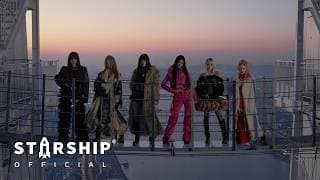
IVE 아이브 'BLACKHOLE' MV
"BLACKHOLE" is a standout B-side track from IVE’s first EP, *I’VE MINE*. It captures the group’s signature "sophisticated pop" sound, blending dreamy melodies with a confident, modern energy. Here is an analysis and explanation of the song: ### 1. Overall Theme "BLACKHOLE" explores the overwhelming and irresistible pull of attraction. Using the metaphor of a black hole, the song describes a love that is so magnetic and intense that it's impossible to escape, causing one to lose their sense of time and space while falling deeper into the other person’s charms. ### 2. Key Lyrics Analysis * "Sweet Gravity" / "Sweet tension": These phrases contrast the physical danger of a black hole with the pleasurable sensation of falling in love. It suggests that even though the "pull" is powerful and potentially consuming, the singer is enjoying the thrill of the descent. * "I leave myself to this orbit you made": This line highlights a sense of surrender. Instead of fighting the attraction, the protagonist chooses to revolve around the person they like, accepting the inevitability of the connection. * "Deep inside, getting deeper, Blackhole": The repetition of "deeper" emphasizes the psychological aspect of infatuation—the more you know someone, the more you are "sucked in" to their world until everything else fades away. ### 3. Emotional Tone The song carries a whimsical yet chic emotional tone. * Intoxicating & Dreamy: The synth-pop arrangement and airy vocals create a sense of floating in space. * Confident: Consistent with IVE’s "self-love" brand, the song doesn't sound desperate; rather, it sounds like someone who is cooly acknowledging a powerful force of nature. * Playful: The upbeat tempo and bright "hook" give it a lighthearted, danceable quality despite the "dark" space imagery. ### 4. Cultural Context In the K-pop landscape, space and cosmic metaphors (stars, moons, gravity) are frequently used to describe the "destined" nature of love. "BLACKHOLE" fits into this tradition but updates it with a "High-Teen" aesthetic—a popular South Korean trend that blends Western 90s/00s prep school fashion with modern, polished K-pop sensibilities. The song’s retro-disco influence also aligns with the global "nu-disco" trend seen in early 2020s pop music. ### 5. Artist Context "BLACKHOLE" reinforces IVE’s status as "concept queens" who focus on narcissism and self-identity. While their title tracks like "Baddie" or "I AM" are bold and anthemic, B-sides like "BLACKHOLE" show their versatility in handling more melodic, groove-heavy tracks. * It appeared on the *I'VE MINE* EP, which was a pivotal moment for the group as they promoted three different title tracks simultaneously, proving they could master multiple genres (from emotional ballads to gritty hip-hop) within a single project. * "BLACKHOLE" specifically highlights the vocal chemistry between the members, particularly the contrast between the rappers' (Gaeul, Rei) rhythmic delivery and the vocalists' (Wonyoung, Yujin, Liz, Leeseo) smooth, "pretty" tones.

CINTA MULIA ( SEPASANG REMAJA JATUH CINTA ) - AJENG FEBRIA FT ADINDA RAHMA - NIRWANA COMEBACK (OMV)
Based on the performance by Ajeng Febria and Adinda Rahma under the Pendopo Musik label, here is an analysis of the song "CINTA MULIA (SEPASANG REMAJA JATUH CINTA)." 1. Overall Theme The song is a nostalgic tribute to the innocence and beauty of young love. It portrays the purity of a first romantic encounter, framing the teenage years as the most golden and unforgettable period of a person's life. 2. Key Lyrics Analysis * "Sepasang remaja jatuh cinta, di bawah sinar lampu remang-remang" (*A pair of teenagers fall in love, under the dim lights*): This sets a classic, romantic atmosphere. It captures the quiet, private moments where young love begins to blossom away from the world's noise. * "Masa remaja masa yang paling indah, masa yang takkan terlupakan" (*Teenage years are the most beautiful, a time that will never be forgotten*): This is the core message of the song. It suggests that while life goes on, the intensity and sincerity of one's first love remain etched in the memory forever. * "Cinta yang mulia" (*Noble love*): The title itself implies that this isn't just a fleeting crush. The song frames the affection as something "noble" or "sacred," emphasizing sincerity and mutual respect between the two lovers. 3. Emotional Tone The tone is sweet, nostalgic, and lighthearted. While the original versions of this song (historically associated with Indonesian pop legends) were often slow ballads, this version by Ajeng Febria and Adinda Rahma incorporates a Dangdut Koplo/Campursari rhythm. This adds a cheerful, "easy-listening," and danceable vibe to the sentimental lyrics, making the feeling of falling in love feel celebratory rather than melancholic. 4. Cultural Context * Genre Fusion: This song is a modern "Koplo" reimagining of a classic Indonesian pop song. It reflects a major trend in the Indonesian music industry where legendary hits are rearranged with Javanese musical elements to appeal to younger audiences. * Conservative Romance: The lyrics reflect a traditional Indonesian view of romance—modest, poetic, and focused on "promises of loyalty" rather than physical intimacy, which is typical of classic Indonesian songwriting. 5. Artist Context * Ajeng Febria & Adinda Rahma: Both are rising stars in the East Javanese music scene. Ajeng Febria, in particular, has gained massive popularity on YouTube for her "sweet" vocal character. * Nirwana Comeback / Pendopo Musik: This collaboration is part of a broader movement by production houses like Pendopo Musik to revitalize classic songs. For these artists, performing a "legendary" song like *Cinta Mulia* helps establish them as versatile singers who can bridge the gap between the older generation (who remember the original) and the Gen Z audience (who follow them for their viral performances).

Afgan, Naykilla - Kacamata | Retrospektif Duets
"Kacamata" is a soulful, R&B-infused track by Indonesian superstar Afgan featuring the rising talent Naykilla. Part of the *Retrospektif* project, it reimagines older sounds with a modern, groovy twist. Here is an analysis of the song: 1. Overall Theme The song revolves around the metaphor of "glasses" (*kacamata*) to describe how a specific person changes one’s perception of the world. It explores the feeling of newfound clarity and the vibrant "color" that a romantic interest brings to an otherwise dull or blurry reality. 2. Key Lyrics Analysis * "Dunia terasa berbeda, saat kau ada di depan mata" (*The world feels different when you are before my eyes*): This encapsulates the central theme—that the presence of the loved one acts as a lens through which everything looks better and more meaningful. * "Kacamata" (The Metaphor): Throughout the song, glasses represent more than just vision; they represent a "perspective of love." Just as glasses help one see clearly, the partner helps the narrator see the beauty in life that they previously missed. * The Dialogue (Afgan and Naykilla): The back-and-forth between the two singers suggests a mutual attraction. It’s not just one person pining; it’s two people acknowledging that they see the world more clearly when they are together. 3. Emotional Tone The song carries a warm, flirtatious, and nostalgic tone. The production leans heavily into 90s and early 2000s R&B vibes, creating a "chill" atmosphere. It evokes the feeling of a blooming romance—lighthearted, smooth, and full of optimism. 4. Cultural Context In Indonesian pop culture, "Kacamata" is often used as a metaphor for "point of view" (*sudut pandang*). The song fits into the current "City Pop" and R&B revival in the Indonesian music scene, where artists are moving away from heavy ballads toward more rhythmic, "easy-listening" tracks that work well in urban settings like cafes or late-night drives. 5. Artist Context This song is part of Afgan’s "Retrospektif" era, marking his 15th anniversary in the music industry. * Evolution: It shows Afgan’s transition from a "King of Ballads" to a versatile R&B artist. * Mentorship: By collaborating with Naykilla, Afgan continues his trend of championing younger, independent Indonesian artists (similar to his collaborations with Jessi or Jackson Wang globally), bridging the gap between established legends and the new generation of soul/R&B singers.

Ay
The song "Ay" by Eby is a vibrant fusion of Afrobeats, Dancehall, and modern Trap influences. Eby, a Gambian-born artist based in Austria, uses this track to blend his cultural roots with the contemporary European music scene. Here is an analysis of the track: 1. Overall Theme The song is a rhythmic celebration of attraction, nightlife, and the magnetic pull of a specific woman. It focuses on the artist’s infatuation and his desire to connect with someone whose energy and "vibe" stand out in a crowded room. 2. Key Lyrics Analysis * "Sie ist anders, sie ist wild" (She is different, she is wild): Using German, Eby establishes that the subject of the song possesses a unique, untamed spirit that distinguishes her from everyone else in the club or social setting. * "I go provide for you, I go survive for you": Here, Eby switches to West African Pidgin English influences. This line moves beyond simple flirtation, utilizing classic Afrobeats tropes of devotion and the promise of security to show the depth of his interest. * "Move your body to the rhythm": This serves as both an invitation and a command. It emphasizes the physical connection between the music and the person he is watching, highlighting the dance-centric nature of the track. 3. Emotional Tone The tone is confident, upbeat, and flirtatious. There is an infectious energy to the song that aims to make the listener feel the same "high" that the narrator feels while watching his love interest. It balances a sense of romantic pursuit with a carefree, "feel-good" party atmosphere. 4. Cultural Context The song represents the modern African Diaspora in the DACH region (Germany, Austria, Switzerland). By mixing German lyrics with English and African linguistic styles, Eby reflects a multicultural identity. The production style draws heavily from the global rise of Afrobeats, showing how West African musical structures are being successfully adapted into the European club scene. 5. Artist Context Eby has carved out a niche as an artist who can bridge the gap between German-speaking audiences and the global Afrobeats movement. "Ay" serves as a quintessential example of his style—prioritizing "vibe" and rhythm over complex metaphors. In his career, this song helps solidify his reputation as a "bridge-builder" between cultures, making Afrobeats accessible to a European audience while staying true to his Gambian heritage.

NCT JNJM 엔시티 제노재민 'BOTH SIDES' MV
Based on the performance and release of "Both Sides" by NCT’s Jeno and Jaemin (JNJM), here is an analysis of the song. ### 1. Overall Theme The song explores the concept of duality and synergy. It focuses on the "two sides" of their personalities—the contrast between their polished, public idols personas and their raw, intense artistic identities—while emphasizing how their long-standing friendship allows them to function as two halves of a whole. ### 2. Key Lyrics Analysis * "Black and white, we both sides": This recurring motif symbolizes the balance between the two performers. Jeno and Jaemin are often styled in contrasting colors to represent their different charms (Jeno’s sharp, powerful energy vs. Jaemin’s charismatic, fluid style) that merge perfectly on stage. * "Two faces, one soul" (and similar variations): This highlights their deep bond. Having trained together since they were young teenagers, the lyrics suggest a "telepathy" where they move and think as one, despite having distinct individual styles. * Rap Verses focusing on "The Top": Much of the lyrical content is a "flex" typical of NCT’s hip-hop tracks. They discuss their growth, their refusal to stay in one lane, and their ambition to dominate the global stage from "both sides" (East and West, or light and dark). ### 3. Emotional Tone The tone is intense, confident, and sophisticated. It moves away from the bright, youthful energy often associated with NCT DREAM’s early work, opting instead for a "Neo" hip-hop vibe that feels mature and slightly dark. There is an underlying sense of bravado and mutual trust that only a duo with a decade of history could convey. ### 4. Cultural Context * NCT NATION: The song was a highlight of the *NCT NATION* stadium tour, showcasing the "NCT U" concept where members are rearranged into specialized units. * "NoMin" Chemistry: In K-pop culture, the pairing of Jeno and Jaemin (often called "NoMin" by fans) is one of the most iconic "best friend" dynamics. The song serves as fan service and a professional acknowledgment of their unique chemistry, turning a real-life friendship into a powerful musical brand. ### 5. Artist Context "Both Sides" marks a significant evolution for Jeno and Jaemin as a sub-unit. While they are the primary rappers of NCT DREAM, this track allows them to step out of the group’s "youthful" narrative to establish themselves as a formidable rap duo. It cements their transition from the "dreamies" the world met in 2016 to mature, versatile performers capable of carrying a high-intensity, performance-driven track on their own.

Hearts2Hearts 하츠투하츠 'RUDE!' MV
"RUDE!" by Hearts2Hearts (하츠투하츠) is a high-energy pop track released under the SMTOWN umbrella. It serves as a bold introduction to the group's identity, blending catchy hooks with a defiant, youthful spirit. Here is an analysis of the song: 1. Overall Theme The song centers on the theme of unapologetic self-expression and breaking free from societal expectations of how young women "should" behave. It reclaims the word "rude" not as a lack of manners, but as a symbol of being bold, loud, and confident enough to prioritize one's own desires over being "polite" or submissive. 2. Key Lyrics Analysis * "I’m so RUDE!" (The Hook): This is the core mantra of the song. By repeating this, the group embraces a label that is usually used as a criticism, turning it into a source of power. It signifies they are no longer afraid of being judged for their strong personalities. * "Stop the boring talk, I do what I want": These lines highlight a rejection of traditional advice or "standard" paths. It emphasizes "Main Character Energy," where the protagonists refuse to follow a script written by others. * "Breaking the frame / Creating my own rhythm": This represents the artistic and personal desire to deviate from the norm. It suggests that the group isn't just following K-pop trends but is intent on establishing a unique, slightly rebellious niche. 3. Emotional Tone The tone is defiant, playful, and high-octane. It carries a "brat-pop" aesthetic—a mix of sassiness and youthful arrogance that feels empowering rather than aggressive. The bright synths and fast tempo create a sense of liberation and excitement, as if the listeners are being invited to join a party where the only rule is to be yourself. 4. Cultural Context * Gen Z "IDGAF" Attitude: The song taps into the global "Individualism" trend prevalent among Gen Z and Gen Alpha, where authenticity is valued over traditional social etiquette. * Reclaiming Labels: Similar to how other K-pop acts have used words like "Bad Girl" or "Queencard," Hearts2Hearts uses "Rude" to challenge the specific Korean cultural expectation of *cheon-sa* (angelic/pure) girl group images. It aligns with the shift toward "Girl Crush" and "Anti-Hero" concepts in modern media. 5. Artist Context Hearts2Hearts is a project group that highlights SM Entertainment’s ability to pivot toward trendy, street-style pop. While SM is known for complex "world-building" (like aespa's Kwangya), "RUDE!" feels more grounded in current fashion and social media culture. For the members, this song establishes them as a "performance-heavy" group with a relatable, "cool-girl" persona, distinguishing them from the more experimental or high-concept lore of their senior labelmates.

DIL KE BADLE SANAM
"Dil Ke Badle Sanam" is a popular romantic ballad from the 2005 Bollywood film *Kyon Ki*. It features the iconic playback duo Udit Narayan and Alka Yagnik, with music composed by Himesh Reshammiya and lyrics by Sameer Anjaan. Here is an analysis of the song: 1. Overall Theme The song centers on the theme of unconditional surrender and the "transaction" of love, where the only currency is the heart. it portrays two lovers who have fully committed to one another, acknowledging that by giving their hearts, they have also accepted the inevitable pain and joys that come with deep emotional attachment. 2. Key Lyrics Analysis * "Dil ke badle sanam, dard-e-dil le chuke": This line translates to "In exchange for my heart, beloved, I have accepted the pain of the heart." It suggests that love is not just about happiness; to truly love someone is to willingly accept the vulnerability and "ache" that comes with it. * "De chuke hum tumhe yeh dil, ab jo bhi ho": "I have already given this heart to you, no matter what happens now." This reflects a sense of finality and fatalism common in Bollywood romances—the decision is made, and the lovers are ready to face any consequence or societal obstacle. * "Zindagi bhar nahi bhoolenge hum ye vafaa": "I will not forget this loyalty/faithfulness for as long as I live." The use of the word *Vafaa* (loyalty) elevates the relationship from a mere crush to a sacred lifelong vow. 3. Emotional Tone The tone is soulful, devoted, and intensely romantic. While the melody is sweet, there is an underlying sense of melancholy and yearning. The song feels like a "musical vow," where the singers are not just performing but are pledging their lives to one another. The arrangement is lush and orchestral, which adds a grand, cinematic weight to the emotions. 4. Cultural Context In the context of the film *Kyon Ki*, the song appears during a pivotal romantic phase between the characters played by Salman Khan and Kareena Kapoor. Because the movie is a tragic drama set partly in a psychiatric facility, the lyrics about "losing oneself" and "unending loyalty" carry a heavier, more poignant meaning. In South Asian culture, this song remains a staple at weddings and romantic playlists because it epitomizes the "pure love" (*pavitra prem*) ideal. 5. Artist Context * Udit Narayan & Alka Yagnik: This song represents the tail-end of their absolute dominance as the "voices of romance" in Bollywood. Their chemistry is effortless, perfectly capturing the innocence and maturity required for the track. * Himesh Reshammiya: This was composed during Himesh’s "golden era" as a composer (before he became a full-time singer). During this time, he was known for creating haunting, melody-driven soundtracks that blended traditional Indian instruments with modern arrangements. * Sameer Anjaan: As one of the most prolific lyricists in history, Sameer uses his signature style here—simple, relatable Urdu/Hindi vocabulary that resonates with the masses while remaining poetic.

Hum Jaante Hai
"Hum Jaante Hai" is a soulful and dramatic ballad from the 1996 Bollywood action-thriller Khiladiyon Ka Khiladi. Featuring the voices of Vinod Rathod and Alka Yagnik, it is one of the most memorable romantic tracks of the 1990s. ### 1. Overall Theme The song explores the theme of fatalistic love and the conscious surrender to a relationship that is destined to cause pain. It depicts a lover’s awareness that their partner might eventually break their heart or ruin them, yet they choose to embrace that love regardless of the consequences. ### 2. Key Lyrics Analysis * "Hum jaante hai tum humein barbad karoge..." *(I know that you will ruin/destroy me...)* This opening line sets a tone of tragic foresight. Unlike typical love songs that promise eternal happiness, this admits that the relationship is inherently dangerous or destructive. * "Dil tod ke mera humein aabaad karoge." *(You will break my heart, and in doing so, you will make me complete.)* This is a classic poetic paradox. It suggests that the pain of a broken heart is a form of emotional fulfillment or that the memory of the love is worth the eventual suffering. * "Pehle bhi kayi baar humein tumne dukh diye..." *(You have hurt me many times before as well...)* This indicates a cycle of emotional upheaval. The singer acknowledges a history of pain but confirms that their devotion remains unshaken despite past grievances. ### 3. Emotional Tone The emotional tone is melancholic, submissive, and intensely passionate. There is a sense of "shiddat" (extreme intensity) where the lovers find a strange beauty in their impending heartbreak. The music, composed by Anu Malik, uses heavy orchestral arrangements to heighten the drama and sense of longing. ### 4. Cultural Context In 90s Indian cinema, the trope of the "self-destructive lover" was highly popularized. This song fits perfectly into that narrative, where love is seen as a sacrifice or a test of endurance. In the context of the film, it highlights the complex and dangerous attraction between the characters played by Akshay Kumar and Rekha (Maya), where power dynamics and betrayal are constantly at play. ### 5. Artist Context * Vinod Rathod: This song showcased Rathod’s ability to handle deep, soulful melodies. While he was often sought after for high-energy tracks (like "Nayak Nahi Khalnayak Hoon"), this song demonstrated his range in the "serious romance" genre. * Alka Yagnik: As the leading female playback singer of the era, Yagnik provides a soft, ethereal contrast to Rathod’s deeper tones. Her performance adds a layer of vulnerability that makes the tragic lyrics feel more poignant. * Anu Malik: The song is a hallmark of Malik’s 90s style—combining catchy hooks with grand, sweeping compositions that define the "Khiladi" franchise’s musical identity.

Afusic - Pal Pal (Official Music Video) Prod. @AliSoomroMusic
"Pal Pal" by AFUSIC (produced by Ali Soomro) is a soulful contemporary Urdu track that blends elements of Lo-fi, Indie-pop, and R&B. It captures the essence of modern romantic longing through atmospheric production and heartfelt vocals. Here is an analysis of the song: 1. Overall Theme The song centers on the themes of deep infatuation, longing, and the constant presence of a loved one in one’s thoughts. It explores how a person becomes the central axis of someone's life, making every passing moment (*Pal Pal*) feel incomplete without their presence. 2. Key Lyrics Analysis * "Pal pal tujhe hi sochoon" (Every moment, I think only of you): This is the core hook of the song. It emphasizes the repetitive, almost obsessive nature of love where the mind refuses to wander away from the beloved. * "Tere bina guzara nahi" (There is no living/survival without you): A classic romantic trope used in Urdu poetry, expressing that the narrator’s existence feels stagnant or impossible without the partner's company. * "Aankhon mein khwaab tere" (Your dreams are in my eyes): This suggests that the narrator is no longer living in reality but in a curated world of memories and fantasies involving their love interest. * The focus on "Sada" (Always/Voice): The lyrics often play with the idea of hearing the beloved's voice or wanting them to stay forever, highlighting a fear of loneliness. 3. Emotional Tone The tone is dreamy, sentimental, and nostalgic. Thanks to Ali Soomro’s production, the song carries a "late-night" vibe—low-tempo and mellow—which evokes a sense of intimacy. It feels like a private confession of love rather than a loud declaration, moving between peaceful contentment and a slight ache of yearning. 4. Cultural Context The song fits perfectly into the "Indie Urdu/Pakistani Pop" movement. In recent years, there has been a shift in the South Asian music scene away from high-energy Bollywood-style tracks toward "bedroom pop" and Lo-fi. "Pal Pal" utilizes traditional Urdu romantic sentiments but packages them in a modern, Western-influenced soundscape that resonates with Gen Z and Millennial listeners in Pakistan and India. 5. Artist Context For AFUSIC, this track serves as a showcase of his vocal texture and his ability to ride a melodic beat. Collaborating with Ali Soomro, a producer known for his clean and atmospheric sound, helps establish AFUSIC as a serious contender in the independent music scene. This song is a definitive example of his style: soulful, relatable, and sonically polished, helping him carve out a niche in the growing wave of independent Urdu singer-songwriters.

Dil Lagana Mana Tha (Official MV) Krish & Kishore Mondal | Kunaal V, Devv S | Sanam Johar Ashi Singh
Here is an analysis and explanation of the song "Dil Lagana Mana Tha." 1. Overall Theme The song explores the bittersweet pain of unrequited or forbidden love and the regret that follows an emotional investment. It centers on the realization that the protagonist should have guarded their heart, as the love they found eventually led to heartbreak and isolation. 2. Key Lyrics Analysis * "Dil Lagana Mana Tha" (Falling in love was forbidden): This central hook suggests a self-imposed warning or a societal boundary. It implies that the protagonist knew from the start that this romance would end in pain, yet they succumbed to their feelings anyway. * "Ishq mein jo haare hain, hum wahi bechaare hain" (We are those poor souls who have lost in love): These lines emphasize a sense of defeat. It portrays the lover not as a hero, but as a victim of their own emotions and destiny. * "Tere bin ab guzara nahi" (Life is not possible without you): This reflects the classic romantic trope of total dependency, where the protagonist feels their existence is incomplete or impossible after the separation. 3. Emotional Tone The tone of the song is melancholic, soulful, and heavy with grief. The melody is designed to evoke "Virah" (the pain of separation). Through the soft vocal delivery of Krish and Kishore Mondal, the song conveys a sense of helplessness and "Dard" (deep emotional ache) that resonates with anyone who has experienced a breakup. 4. Cultural Context The song fits firmly within the "Sad Indie-Pop" genre that has become immensely popular in India. Culturally, it taps into the "Tragic Lover" archetype often seen in Bollywood, where love is depicted as a beautiful but dangerous path that often leads to suffering. The use of popular television stars (Ashi Singh) and choreographers (Sanam Johar) in the music video is a common cultural strategy to blend the worlds of TV drama and independent music to reach a wider youth audience. 5. Artist Context * Lyricist Kunaal Vermaa: Known for his work in major Bollywood hits (like *Tum Hi Aana*), Vermaa brings a high level of poetic depth to this independent release, ensuring the lyrics have a "filmy" emotional weight. * Sanam Johar & Ashi Singh: Their involvement marks the trend of "casting" popular actors to tell a visual story, making the song a cinematic experience rather than just an audio track. * Krish & Kishore Mondal: For the singers, this track serves as a showcase of their ability to handle "Dard-bhare gaane" (sad songs), a staple requirement for success in the Indian music industry.