
Latest Articles

3am
Artist Origin: ROSÉ is a South Korean singer and songwriter, born in New Zealand and raised in Australia. She is a member of the popular girl group BLACKPINK, which debuted under YG Entertainment in 2016. ROSÉ is known for her distinctive voice and has garnered attention for her solo projects, including her debut solo single "On The Ground." Genre: The genre of "3am" can be classified as pop, with elements of R&B and soul. The song features a smooth production style that emphasizes ROSÉ's vocal delivery and emotional lyrics. Overall Theme: "3am" explores the complexities of love and vulnerability in relationships. It captures the late-night thoughts and feelings that arise when one is alone, reflecting a yearning for connection despite imperfections and challenges. Key Lyrics Analysis: The opening lines, "I just saw a red flag / Gonna pretend I didn't see that," suggest a recognition of warning signs in a relationship, yet a willingness to overlook them due to emotional attachment. ROSÉ expresses a strong desire for her partner, indicated by the repeated phrase "I need you really, really that bad," highlighting the intensity of her feelings. The chorus, "When it's 3 AM / And I'm losing myself and my mind again," illustrates moments of vulnerability and self-doubt, showing the importance of having someone to lean on during difficult times. The lines "The one who gives me love that is bullet proof" convey a sense of resilience in the love she seeks, emphasizing the strength found in their connection. Emotional Tone: The song conveys a blend of yearning, vulnerability, and affection. There is a sense of desperation and hope within the lyrics, highlighting the emotional rollercoaster that comes with love—moments of sadness and uncertainty juxtaposed with the desire for closeness and support. Cultural Context: In the context of South Korean pop culture, expressions of vulnerability in love and the acknowledgment of imperfections resonate widely with listeners. The theme of longing and the late-night introspection depicted in "3am" is relatable and mirrors common experiences, especially among younger audiences navigating modern relationships. Artist Context: "3am" fits into ROSÉ's career as it showcases her individuality outside of BLACKPINK. Released as part of her solo repertoire, the song underscores her ability to convey deep emotion through her music, further establishing her identity as a solo artist. It emphasizes her growth as a performer, allowing her to explore personal themes that resonate with her audience.
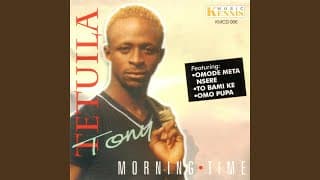
Omode Meta
Artist Origin Tony Tetuila is a Nigerian artist who gained prominence in the late 1990s and early 2000s. He hails from the country’s music scene that blends elements of traditional African music with contemporary genres. Known for his catchy tunes and engaging lyrics, Tetuila quickly became a household name in Nigeria and beyond. Genre "Omode Meta" falls into the Afropop genre, which is characterized by its fusion of various musical styles including traditional African, hip-hop, and dance rhythms. This genre is popular across Nigeria and has a vibrant, rhythmic sound that appeals to a broad audience. Overall Theme The song "Omode Meta" revolves around themes of love, attraction, and the complexities of relationships. It narrates the story of a man expressing his affection and desire for a woman, highlighting the joys and challenges of romantic pursuits in a lively manner. Key Lyrics Analysis While specific lyrics may not be quoted here, the title itself, "Omode Meta," translates to "Three Children" in English. This could suggest a deeper meaning regarding family and commitment. Lyrics that discuss the man's longing for the woman often include references to admiration and devotion, capturing the essence of infatuation and the desire for a shared life. Emotional Tone The song conveys emotions of joy, excitement, and a hint of vulnerability. The lively rhythm and upbeat melody promote feelings of happiness, while the lyrics reveal a tender yearning that resonates with many listeners. Cultural Context In Nigeria, music plays a crucial role in expressing social values and personal experiences. The song reflects the dynamic nature of love in contemporary Nigerian society, intertwining traditional notions of courtship with modern expressions of affection. Artist Context "Omode Meta" fits into Tony Tetuila’s career as a significant work that showcases his ability to blend catchy melodies with relatable themes. Throughout his career, he has been known for exploring love and societal issues in his music, and this song aligns well with his established style, contributing to his popularity and enduring legacy in the music industry.

I watch the moon (Phonk版)
Artist Origin DJ德朋 (DJ De Peng) is a Chinese artist hailing from China. He is known for blending various musical styles, particularly in the electronic and hip-hop scenes. His work reflects the contemporary trends within the rapidly evolving music industry in China, often drawing from international influences while incorporating local elements. Genre The song "I watch the moon (Phonk版)" falls into the genres of phonk and hip-hop. Phonk is characterized by its lo-fi aesthetic, heavy use of samples, and often a nostalgic, gritty sound that draws from 90s hip-hop and Memphis rap. Overall Theme This song explores themes of longing, introspection, and a sense of connection to the universe through the imagery of the moon. The artist reflects on personal experiences while invoking feelings of nostalgia and tranquility that come with nighttime contemplation. Key Lyrics Analysis While specific lyrics are not quoted here, the song features imagery associated with the moon, which typically symbolizes reflection, dreams, and emotional depth. Lines that refer to watching the moon can signify a moment of peace or a longing for connection—both to one's inner self and to others. Such imagery resonates with listeners who may find solace in nature during times of solitude. Emotional Tone The emotional tone of the song is reflective and melancholic, evoking feelings of nostalgia and introspection. This is complemented by its moody beats and atmospheric soundscape, which create a sense of calm while also hinting at a deeper emotional struggle. Cultural Context In the context of Chinese music, this song contributes to the growing popularity of phonk and lo-fi genres, which have gained traction among younger audiences. The use of moon imagery also resonates with traditional Chinese culture, where the moon often symbolizes reunion and longing, particularly during festivals like the Mid-Autumn Festival. Artist Context "I watch the moon (Phonk版)" fits into DJ德朋's broader career by showcasing his ability to fuse traditional themes with modern production techniques. It highlights his versatility as an artist and his endeavor to connect with a global audience while maintaining his cultural roots, marking another step in his evolution as a musician in the ever-changing music landscape.

Khaos Lan - I watch the moon
Artist Origin: Khaos Lan is a musical artist from [insert origin country if known, as it's not mentioned here]. Known for exploring contemporary themes and personal emotions in their work, Khaos Lan often draws from their background to create resonant and relatable music. Genre: The song "I watch the moon" falls under the genres of indie pop and electronic, characterized by its melodic soundscapes and introspective lyrics, which are common traits in these genres. Overall Theme: The song revolves around longing and contemplation, highlighting the connection between personal feelings and the natural world. The mention of the moon suggests a sense of romanticism and introspection, tying in the artist’s emotional state with the beauty of the night sky. Key Lyrics Analysis: The lyrics "I watch the moon / Let it run my mood / Can't stop thinking of you" encapsulate the song's essence. Watching the moon serves as a metaphor for reflection and emotional influence; it implies that the artist's feelings are guided by the serenity or melancholy associated with the moonlit night. This imagery links the act of observing the moon to an ongoing, possibly unresolved, romantic preoccupation, enhancing the theme of yearning. Emotional Tone: The song conveys a mixture of nostalgia, yearning, and serenity. The atmosphere is reflective and contemplative, inviting listeners to connect with feelings of longing and the tranquility that the moon often symbolizes. Cultural Context: The moon has been a powerful symbol in various cultures worldwide, often associated with love, mystery, and guidance. In many poetic traditions, it represents emotional cycles and the subconscious, which resonates with the themes of the song and provides a universal context that many listeners can relate to. Artist Context: "I watch the moon" fits into Khaos Lan's broader artistic narrative by showcasing their ability to blend personal sentiment with broad, relatable themes. As an artist, Khaos Lan may be consolidating a style that emphasizes emotional depth, which could be pivotal in expanding their audience and solidifying their presence in the indie music scene.

I watch the moon
Artist Origin: Khaos Lan is an emerging artist whose nationality is not widely documented, but they represent a rising wave of musicians in the global music scene. Their work often resonates with themes of introspection and personal experiences, reflecting a contemporary sound that bridges various musical styles. Genre: The song "I Watch the Moon" can be categorized within the indie pop genre, with potential influences from ambient and electronic music. The style typically blends soothing melodies with emotional lyrics, creating an atmosphere that invites reflection. Overall Theme: This song explores themes of longing and emotional connection, encapsulated in the imagery of the moon as a symbol of influence and introspection. The repetition of thoughts about a significant other suggests a deep desire and emotional attachment. Key Lyrics Analysis: The line "I watch the moon" serves as a poignant metaphor for introspection, suggesting that the moon symbolizes a constant presence or a guiding light in the singer’s life. "Let it run my mood" indicates how external factors, like the moon, can significantly influence one's emotions, hinting at a deep emotional state tied to thoughts of another person. The line "Can't stop thinking of you" straightforwardly reveals an intense longing or obsession, emphasizing the difficulty of moving on from someone. Emotional Tone: The emotional tone of the song is reflective and melancholic, conveying feelings of yearning and nostalgia. There’s a sense of vulnerability tied to the singer's repeated thoughts of someone special, suggesting both beauty and sadness in their memories. Cultural Context: The song may not contain explicit cultural references, but the imagery of the moon is universal in poetic literature, often symbolizing love, distance, and emotional states across various cultures. This makes the song relatable to a broad audience despite specific cultural nuances. Artist Context: "I Watch the Moon" fits into Khaos Lan's growing repertoire as an artist focusing on personal and emotive storytelling. This track likely serves as a stepping stone in their career, showcasing their lyrical depth and melodic sensibility, appealing to fans of introspective and heartfelt music.

夏を書き留める - To Write Down the Summer
Artist Origin: Rokudenashi is a Japanese artist known for their melodic sound and introspective lyrics. While details about their background might be limited, they emerge from Japan's vibrant music scene, contributing to its diverse array of genres. Genre: The song "夏を書き留める - To Write Down the Summer" typically falls within the genres of indie pop and folk, featuring a blend of acoustic elements and reflective storytelling. Overall Theme: The song captures the essence of fleeting moments during summer, evoking nostalgia and a sense of cherishing memories. It reflects on the beauty found in simple experiences, such as observing nature and the passage of time. Key Lyrics Analysis: - The line "路傍に咲いている花を見たんだ とても小さくて" (I saw a flower blooming by the roadside, so small) suggests an appreciation for the unnoticed beauty in everyday life. - The mention of the moon ("仰いだ夜空 月が綺麗だ") (I looked up at the night sky; the moon is beautiful) emphasizes the theme of contemplation and finding peace in solitude. - The phrase "忘れていくことばかり増えたら思い出って言葉は役立たずだね" (As I keep forgetting more, memories become useless) poignantly addresses the transient nature of memories and the inevitability of forgetting what once seemed significant. Emotional Tone: The song conveys a bittersweet emotional tone, blending feelings of appreciation for the present with an underlying sadness about the impermanence of moments. There’s a sense of longing and nostalgia that permeates the lyrics. Cultural Context: The imagery of summer, like fireworks and cicadas, reflects essential elements of Japanese culture, where these seasonal markers are significant in celebrating time and nature. Such events hold nostalgic value and often remind people of their childhood and fleeting moments. Artist Context: "To Write Down the Summer" aligns with Rokudenashi's overall artistic style, characterized by contemplative lyrics and melodic simplicity. This song encapsulates their tendency to explore themes of memory, nature, and the passage of time, fitting well within their broader discography.

Her Şeyi Yak
Artist Origin Sezen Aksu is a prominent Turkish singer-songwriter, born on July 13, 1946, in Sarayköy, Turkey. Often referred to as the "Queen of Turkish Pop," she is known for her contributions to Turkish music, blending traditional and modern styles, and is celebrated for her profound lyrics and emotive singing. Genre This song falls primarily within the genres of pop and folk, showcasing elements of Turkish classical music blended with contemporary pop sensibilities. Overall Theme "Her Şeyi Yak" explores the volatile and passionate nature of love, illustrating the idea that true love encompasses sacrifice and intensity. The lyrics express a willingness to endure pain and suffering for love, suggesting that love’s authenticity is often intertwined with deep emotional experiences, even suffering. Key Lyrics Analysis One of the pivotal lines, "Beni yak kendini yak her şeyi yak" (burn me, burn yourself, burn everything), emphasizes the extremes one is willing to go for love. This line illustrates the heightened emotions of desire and the willingness to embrace destruction for the sake of passion. Additionally, "Aşk için ölmeli aşk o zaman aşk" (for love, one must die; only then is there love) signifies the sacrificial nature of true love, reinforcing the idea that deep emotional connections often come with risks and personal costs. Emotional Tone The song conveys a mix of passionate yearning and profound sorrow. There’s a sense of desperation and intensity, highlighting the beautiful yet painful aspects of love. The repeated calls to burn and to embrace the intensity of feelings evoke a powerful and consuming love. Cultural Context In Turkish culture, love is often depicted in literature and music as something that encompasses both ecstasy and torment. The lyrics reflect a broader cultural narrative that romanticizes the agony of love, reminiscent of traditional stories that highlight the sacrifices made for passion. Artist Context "Her Şeyi Yak" is emblematic of Sezen Aksu's style and has contributed significantly to her legacy. It encapsulates her thematic focus on love and human emotions, and reinforces her status as a timeless figure in Turkish music. This song, like many of her others, showcases her ability to convey complex feelings through simple yet profound lyrics, solidifying her influence in the Turkish pop and folk music scenes.

Manya
Artist Origin Mut4Y is a Nigerian artist and music producer, known for his vibrant contributions to the Afrobeats genre. He is a member of the skilled duo Legendury Beatz, which has played a significant role in shaping contemporary Nigerian music. His work often showcases a blend of African rhythms with global sounds, further popularizing Afrobeats worldwide. Genre The song "Manya" is primarily classified under the Afrobeats genre, infused with elements of dancehall and pop, making it a lively and danceable track. This genre has become synonymous with contemporary African music, characterized by its catchy hooks and rhythmic beats. Overall Theme "Manya" celebrates living life to the fullest and embracing joy. It encapsulates themes of enjoyment, love, and the thrill of nightlife, highlighting a carefree attitude and the exhilaration found in dancing and partying. Key Lyrics Analysis A significant line in the song includes the phrase "Manya, Manya, Manya," which repeats throughout. This can be interpreted as an emotional call to action, urging listeners to join in the celebration and have fun. The repetition emphasizes the infectious energy and the need to fully immerse oneself in joyous experiences. Emotional Tone The emotional tone of "Manya" is upbeat and celebratory. It conveys a sense of excitement and freedom, encouraging listeners to let go of their worries and revel in the moment. The overall vibe is one of happiness and a carefree spirit. Cultural Context The song embodies the vibrant nightlife culture in Nigeria, where music and dance serve as a unifying force. It also reflects the burgeoning global influence of Afrobeats, celebrating African heritage while appealing to international audiences. Artist Context Positioned within Mut4Y's career, "Manya" marks a prominent point in his musical journey, showcasing his ability to craft infectious tracks that resonate with audiences both locally and globally. This song builds upon his established reputation in the music industry and highlights his evolution as a solo artist, emphasizing his creative versatility and appeal.

Buga (Lo Lo Lo)
Artist Origin: Kizz Daniel is a Nigerian artist hailing from Ogun State, Nigeria. He gained prominence in the Nigerian music scene with his unique blend of Afrobeats and contemporary pop. With hits like "Woju" and "Mama," Kizz Daniel has established himself as a significant figure in the music industry. Genre: The genre of "Buga (Lo Lo Lo)" incorporates Afrobeats, pop, and dancehall elements, characterized by rhythmic beats and catchy melodies that make it conducive for dancing. Overall Theme: The song celebrates success, hard work, and the enjoyment of life. It encourages listeners to rise and seize opportunities, emphasizing the rewards that come with diligence and hustle. Key Lyrics Analysis: - "Gbe'ra go get that mullah" - This line translates to "Get up and go get that money," encouraging listeners to be proactive in their pursuit of financial success. - "You don work, you don try try / You suppose to dey j'aiye j'aiye" - Translated as "You have worked, you have tried / You deserve to enjoy life," reinforcing the idea that hard work deserves a reward, and it’s time to celebrate. - "Buga" - This term can mean to show off or to flaunt one’s success, inviting listeners to embrace their accomplishments confidently. Emotional Tone: The song conveys a tone of celebration, motivation, and empowerment. It evokes feelings of joy and excitement, encouraging listeners to dance and feel good about their successes. Cultural Context: "Buga" reflects the vibrant Nigerian party culture where music serves as a catalyst for celebration and socialization. The call to "wake up" and enjoy the rewards of one's hard work resonates with the hustle culture prevalent in many African nations, where opportunities are often pursued rigorously. Artist Context: "Buga (Lo Lo Lo)" marks a significant entry in Kizz Daniel's discography, following his already established reputation for creating party anthems. This song further solidifies his brand as an artist who focuses on themes of success and enjoyment, appealing to a broad audience and potentially enhancing his influence in the Afrobeats genre.

Last Last
Artist Origin Burna Boy is a Nigerian artist, whose real name is Damini Ebunoluwa Ogulu. He hails from Port Harcourt, Nigeria, and has gained international recognition for his unique blend of afrobeat, dancehall, reggae, and pop influences. He began his career in the early 2010s and rose to prominence with hits that showcase his cultural roots and personal experiences. Genre The genre of "Last Last" can be classified as afro-fusion, incorporating elements of afrobeat, dancehall, and pop. This blend reflects Burna Boy's diverse musical influences and contributes to the global appeal of his music. Overall Theme "Last Last" deals with themes of heartbreak, loss, and the inevitability of moving on after a relationship ends. The phrase "na everybody go chop breakfast" translates to "everyone will eventually experience heartbreak," highlighting a shared human experience of love and its challenges. Key Lyrics Analysis - "Last, last / Na everybody go chop breakfast": This line introduces the central theme of the song—heartbreak. It indicates that everyone, regardless of who they are, will face a similar situation in love. - "Maybe another time, maybe another life / You would be my wife and we'd get it right": Here, Burna Boy reflects on missed opportunities and the wistfulness of wishing for a different outcome in a past relationship. - "I need igbo and shayo": In this context, "igbo" refers to cannabis and "shayo" refers to alcohol (specifically, a type of drink). These elements suggest that the artist seeks escape from his emotional pain through substances. Emotional Tone The emotional tone of "Last Last" is a mix of melancholic introspection and resilience. While it conveys sadness and a sense of loss, there is also an underlying strength in acknowledging shared experiences and the need to heal. Cultural Context The song integrates elements of Nigerian Pidgin English and references local customs and experiences. The mention of "igbo" and "shayo" reflects a Nigerian social culture where these substances are commonly consumed in social settings, especially during gatherings or after hardships. Artist Context "Last Last" fits into Burna Boy's career as a significant moment of vulnerability and authenticity. It showcases his ability to blend personal narrative with universal experiences, solidifying his status as a leading figure in contemporary African music. This song is part of his fifth studio album, "Love, Damini," which has received critical acclaim and has contributed to his growing international influence.

生活の - Living
Artist Origin Rokudenashi is a Japanese artist, known for their unique approach to contemporary music, blending elements of various genres. The name "Rokudenashi" loosely translates to "good-for-nothing" or "useless," which reflects a certain humility and relatability in their music. Genre The song "生活の - Living" falls into the genres of J-Pop and indie rock, characterized by its melodic structure and introspective lyrics. Overall Theme The song explores the complexities and nuances of daily life and love. It captures the beauty in mundane moments while reflecting on the deep emotional connections formed in relationships. There is a juxtaposition between the contentment of love and the existential uncertainties it brings. Key Lyrics Analysis - "また 今日が始まって / まずあなたのお腹に触れて" (Again, today starts / First, I touch your belly): This line conveys a sense of intimacy and affection, highlighting the joy found in simple acts of connection. - "君と過ごした日々よりも / 君がいない夜の方が" (Nights without you linger more than the days spent with you): This reflects a bittersweet acknowledgment that absence sometimes leaves a stronger impression than presence, indicating a deeper longing. - "自分で選んだ道なのに / なんだか違う気がしちゃって" (Even though it’s a path I chose / It feels a bit wrong): This suggests a conflict between personal choice and feelings of doubt, showcasing the internal struggle of the narrator. - "君がくれたんだろうな" (You probably gave me this): This line suggests gratitude for the influence of a loved one in shaping the narrator's outlook on life. Emotional Tone The song conveys a mix of affection, nostalgia, and existential unease. It evokes feelings of warmth through love while also expressing the complexities and uncertainties that arise in personal relationships. Cultural Context The song reflects Japanese cultural themes of intimacy and the significance of everyday moments. The exploration of love and its nuances is prevalent in Japanese art and music, often emphasizing how life’s mundane experiences can hold profound emotional weight. Artist Context "生活の - Living" fits well within Rokudenashi's artistic identity, encapsulating their focus on heartfelt, introspective lyrics combined with catchy melodies. This song continues to build upon their reputation for creating relatable music that resonates with listeners, reflecting the ups and downs of personal relationships and daily life.

SAD GIRLZ LUV MONEY (Remix) (feat. Kali Uchis & Moliy)
Certainly! Here’s the analysis of "SAD GIRLZ LUV MONEY (Remix) (feat. Kali Uchis & Moliy)" by Amaarae. Artist Origin: Amaarae is a Ghanaian-American singer and songwriter, known for her genre-blending music that combines elements of pop, R&B, and alternative influences. Born in the United States and raised in Ghana, she brings a unique perspective that reflects both American and African cultures in her work. Genre: The song blends genres such as alternative R&B, pop, and afrobeats, showcasing a contemporary sound that resonates with a diverse audience. Overall Theme: The song explores themes of empowerment, self-sufficiency, and the allure of material wealth. It conveys the excitement of living in the moment and embracing one's desires, particularly with respect to financial independence and romantic entanglements. Key Lyrics Analysis: - The line "I don't need no fake love / No, I don't need no favor" emphasizes the importance of authenticity and self-reliance in relationships. The artist asserts independence from superficial connections. - "Get the fuck outta my way / I'm gonna get paid, yeah" illustrates a determination to chase financial success, reflecting a motivating mindset. This repeated emphasis on getting paid suggests a focus on personal ambition and rejection of obstacles. - Kali Uchis's lines encapsulate a fun yet assertive vibe with references to partying and attraction: "I really like to party / I really like your body." This playfulness juxtaposes with themes of monetary gain, highlighting a desire for enjoyment amid the pursuit of wealth. Emotional Tone: The song conveys a mix of confidence, seduction, and celebratory energy. There is an underlying sense of empowerment, as the artists express their ambitions and desires unapologetically. Cultural Context: The remix features an intersection of cultures, particularly through the influences of Afrobeat and Latin sounds. The reference to "Miami" alludes to a party culture that is both hedonistic and glamorous, resonating particularly with a youthful audience drawn to affluent lifestyles. Artist Context: This song is significant in Amaarae's career, showcasing her ability to collaborate with well-known artists like Kali Uchis and capture a trendy and relatable vibe. It builds on her reputation as an innovative artist who keeps pushing boundaries and exploring diverse musical landscapes, further solidifying her place in the contemporary music scene. Overall, "SAD GIRLZ LUV MONEY (Remix)" serves as an anthem of empowerment and indulgence, blending catchy rhythms with meaningful reflections on money, identity, and desire.