
Latest Articles
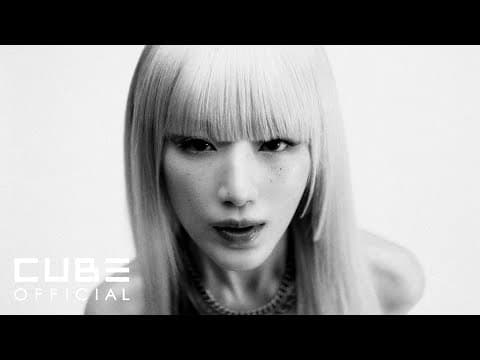
Mono (feat. Skaiwater)
Artist Origin (i-dle, stylized as (G)I-DLE) is a South Korean girl group formed by CUBE Entertainment. Debuting in 2018, the group quickly gained popularity with their unique music style, diverse concepts, and strong involvement in the songwriting and production processes. The members are known for their artistic versatility and have carved a niche for themselves in the K-pop industry. Genre The song "Mono (feat. Skaiwater)" blends elements of pop and electronic music with a danceable rhythm. It reflects the contemporary trends in K-pop, incorporating catchy melodies and engaging beats. Overall Theme This song celebrates individuality and self-acceptance. It conveys a message of embracing one's true self while welcoming love in its many forms, regardless of societal divisions. The idea of "playing the whole world in mono" suggests unity and harmony among diverse identities. Key Lyrics Analysis - "You're the beat that's breaking through / It's the meaning that hits louder": These lines highlight the importance of authenticity and personal truth over superficial noise. The metaphor of music indicates that genuine feelings resonate more strongly than external judgment. - "Every day and night / Dance to your real vibe": This emphasizes the importance of living authentically and expressing oneself freely, encouraging listeners to be in tune with their genuine emotions. - "So how do y'all identify?": This part invites listeners to embrace their identities openly. The various self-identifications mentioned promote inclusivity and self-acceptance. Emotional Tone The emotional tone of "Mono" is uplifting and empowering. It evokes feelings of joy, acceptance, and liberation as it encourages individuals to express themselves and love unapologetically. Cultural Context The song embodies a broader cultural movement towards acceptance and recognition of diverse sexualities and identities. By emphasizing inclusivity and self-love, it reflects the shifting perspectives in society where people are encouraged to embrace their true selves without fear of judgment. Artist Context "Mono" fits into (G)I-DLE's career as a continuation of their exploration of themes related to identity, empowerment, and self-expression. The group's history of engaging lyrics and impactful concepts has solidified their reputation as trendsetters in K-pop, making this track another milestone in their artistic journey.
![[1HOUR] きゅうくらりん / いよわ feat.可不(Kyu-kurarin / Iyowa feat.Kafu) - Neragi【T.E.L.E】](/_next/image?url=https%3A%2F%2Fi.ytimg.com%2Fvi%2F5WKkv-qKMAk%2Fsddefault.jpg%3Fsqp%3D-oaymwEWCJADEOEBIAQqCghqEJQEGHgg6AJIWg%26rs%3DAMzJL3lnHZ4-JoWndioQ23gEnT_zhLJiOg&w=3840&q=75)
[1HOUR] きゅうくらりん / いよわ feat.可不(Kyu-kurarin / Iyowa feat.Kafu) - Neragi【T.E.L.E】
Artist Origin: The artist Neragi, under the name T.E.L.E, originates from Japan. T.E.L.E is known for creating music that often blends various digital genres, focusing on a mix of electronic sounds and intricate compositions. Genre: This song is primarily categorized as J-pop, which often incorporates elements of electronic music, pop, and sometimes rock. It reflects a modern take on traditional Japanese pop music, integrating contemporary sounds and production techniques. Overall Theme: The song "きゅうくらりん" (Kyu-kurarin) portrays themes of longing and introspection. It captures the emotional struggles and complexities of relationships, often exploring the feeling of yearning for connection amid life's chaos. Key Lyrics Analysis: One important line in the song may convey a feeling of isolation or the desire for understanding: “一人じゃないんだ” (Hitori janai nda) meaning "I'm not alone." This highlights the emotional need for companionship and the reassurance that others may share similar sentiments, even in solitude. Emotional Tone: The song conveys a blend of nostalgia and yearning. The melody, often accompanied by ethereal sounds, evokes a reflective state, making listeners feel both melancholy and hopeful simultaneously. Cultural Context: Japanese pop culture often emphasizes emotional depth and personal experiences, with lyrical themes that resonate with a broad audience. This song fits into a larger narrative common in J-pop, where artists explore the intricacies of modern life, particularly relationships in urban settings. Artist Context: For Neragi and T.E.L.E, "きゅうくらりん" represents an evolution in their musical journey. It showcases their ability to merge personal storytelling with innovative soundscapes, making it a significant piece in their discography that may appeal to both new listeners and long-time fans. This track solidifies their presence in the J-pop scene while hinting at future explorations in sound and theme.

綺麗事 - Kireigoto
### Artist Origin Hoshimachi Suisei is a Japanese virtual YouTuber (VTuber) and singer associated with Hololive Production. She is characterized by her unique blend of gaming content and musical performances, debuting as a member of Hololive's first generation of talent in 2019. Suisei has quickly garnered a substantial following due to her talent and appealing personality. ### Genre This song, "綺麗事 - Kireigoto," falls under the genres of J-Pop and alternative pop, incorporating elements of introspection and emotional expression commonly found in modern Japanese music. ### Overall Theme The song explores themes of authenticity versus facade, examining the pressure to present a perfect image while grappling with personal struggles and inadequacies. It highlights the conflict between the ideals we project and the genuine emotions we experience beneath the surface. ### Key Lyrics Analysis - "綺麗事を吐くその口が君の事を苦しめるから" (The mouth that spews beautiful lies because it hurts you): This line suggests that the superficiality of saying "beautiful things" can be harmful and create distance between individuals. - "潔癖な思考に縛られたままで" (Still bound by a fastidious mindset): Here, the artist acknowledges her struggle with perfectionism, suggesting that rigid, idealistic thinking limits personal growth and understanding. - "虚勢を張る衝動で隠して" (Hiding behind the impulse to put up a façade): This line encapsulates the struggle of presenting a strong face to the world while concealing vulnerability, showcasing the tension between appearance and inner reality. ### Emotional Tone The emotional tone of "Kireigoto" is a mix of melancholy and introspection. It conveys frustration, sorrow, and a longing for authenticity amidst the pressures of societal expectations. The tension between vulnerability and a desire for self-expression creates a deeply relatable emotional landscape. ### Cultural Context In Japanese culture, there is often a focus on social harmony and the avoidance of conflict, which can lead to the suppression of true feelings and authenticity. This song reflects the cultural struggle between personal desires and societal expectations, a theme that resonates widely in contemporary Japanese society. ### Artist Context "Kireigoto" fits into Hoshimachi Suisei's career as a reflection of her artistic evolution, showcasing her songwriting abilities and her exploration of deeper emotional themes. This song marks a significant step in her growth as an artist, moving beyond mere entertainment to tackle more profound personal issues, aligning closely with the relatable struggles faced by many of her fans.
ムーンライト - Moonlight
Artist Origin: Hoshimachi Suisei is a Japanese virtual YouTuber (VTuber) and musician, known for her singing and gaming content. She is part of the Hololive production agency and has gained popularity for her unique blend of character-driven entertainment and music, establishing a strong fanbase since her debut. Genre: The song "ムーンライト - Moonlight" falls within the pop genre, often incorporating elements of J-Pop and electronic influences commonly found in contemporary Japanese music. Overall Theme: This song explores themes of connection, longing, and the search for happiness in fleeting moments. It invites listeners to revel in the simplicity of joy while also acknowledging the complexities and struggles of personal relationships, all under the metaphorical light of the moon. Key Lyrics Analysis: - "私と踊ってよ、ムーンライト" (Dance with me, Moonlight) captures the essence of the song’s invitation to embrace a magical but possibly unattainable connection, suggesting a desire for intimacy while emphasizing the ephemeral nature of such moments. - "この、重たいカーテンを開けて" (Open this heavy curtain) symbolizes breaking free from the weight of reality and mundane life, seeking escape into a more dreamlike and vibrant existence. - "届きそうで届かない あなたはムーンライト" (You are the moonlight, just out of reach) conveys a sense of yearning for someone or something that feels elusive, reinforcing the emotional undertone of longing present throughout the song. Emotional Tone: The song conveys a blend of wistfulness and hope, tinged with a sense of melancholy. There is an underlying tension of wanting to connect deeply with someone while also confronting the chaos of life, leading to feelings of both longing and tranquility. Cultural Context: The imagery of moonlight and dancing reflects a common motif in Japanese literature and art, symbolizing beauty, introspection, and romance. The juxtaposition of night with happiness showcases a contrast often found in Japanese pop culture, where serene and contemplative themes are prevalent. Artist Context: "ムーンライト - Moonlight" fits into Hoshimachi Suisei's musical journey as it highlights her ability to weave narrative and emotion into her songs. As a VTuber, this track showcases her musical talents beyond gaming, marking her growing presence in the J-Pop scene and resonating with her fans' emotional experiences, further establishing her artistic identity.
先駆者 - Pathfinder
Artist Origin: Hoshimachi Suisei is a Japanese virtual YouTuber and singer, affiliated with Hololive Production. She originally started her career as an independent artist before joining Hololive. Suisei has gained a substantial following through her singing, gaming streams, and distinct character design, becoming a prominent figure in the VTuber community. Genre: The song "先駆者 - Pathfinder" falls within the genres of J-Pop and rock, incorporating energetic instrumentation with dynamic vocal performances that highlight Suisei's musical versatility. Overall Theme: "Pathfinder" is about self-discovery, perseverance, and embracing the unknown. It encourages listeners to break free from their fears and limitations, choosing to forge their own path and live life fully in the face of challenges. Key Lyrics Analysis: - “消えはしないで 闇深いほどに隠せない / What is hidden cannot disappear in the depths of darkness”: This line suggests that true strengths and desires cannot be suppressed, no matter how dark or difficult one's circumstances may be. - “咲かせ、咲かせよ、咲かせきるまで / Blossom, let it bloom, until it can bloom fully”: This refrain reflects the desire for growth and the importance of resilience. It emphasizes that life should be lived vibrantly, akin to a flower blooming persistently. - “壁を作るな、足を止めるな / Don’t build walls, don’t stop your feet”: Here, the lyrics promote the idea of moving forward and remaining open to new experiences, warning against the self-imposed limitations that one might face. Emotional Tone: The song conveys a sense of empowerment and determination. It blends throbbing energy with an underlying urgency, evoking feelings of hope and motivation, urging listeners to embrace their true selves and push beyond their boundaries. Cultural Context: In Japan, the theme of self-discovery and resilience is significant, often seen in various art forms, including anime and music. Suisei’s battle against her own insecurities and journey to independence resonates with many young adults navigating similar challenges. Artist Context: "Pathfinder" fits well into Hoshimachi Suisei’s career as it showcases her growth as an artist and her evolution from a virtual character into a relatable figure. The song is a testament to her journey of self-discovery, aligning with her personal narrative of overcoming obstacles, both as a performer and an individual in the digital age.
AWAKE
Artist Origin: Hoshimachi Suisei is a Japanese virtual YouTuber (VTuber) and singer associated with the agency Hololive Production. She debuted in 2018, rapidly gaining popularity for her singing talent and engaging personality. Since then, Suisei has established herself as a prominent figure in the VTuber community, blending video streaming with music. Genre: The genre of "AWAKE" can be classified as J-pop with influences from electronic and pop-rock elements. The song incorporates upbeat melodies and a dynamic production style typical of contemporary pop music in Japan. Overall Theme: "AWAKE" explores themes of personal awakening and transformation. It emphasizes the idea of breaking free from complacency and embracing change, calling on the listener to pursue their passions and face new challenges with courage. Key Lyrics Analysis: - “安全圏のobserver, error 何を信じる?” ("Safe zone observer, error—what to believe?"): This line reflects a questioning of comfort zones and societal norms, urging listeners to challenge preconceived beliefs and embrace uncertainty. - “渇いた大地を駆ける唯一の光” ("The only light running across the dry land"): This evokes the imagery of hope and perseverance, suggesting that even in barren times, there is a guiding light that motivates one to strive for change. - “革命の火蓋は” ("The revolution’s fuse"): This metaphorical phrase signifies the beginning of a transformative journey, equating personal change with revolutionary zeal. Emotional Tone: The song conveys an exhilarating and empowering emotional tone. It inspires feelings of hope, determination, and excitement for the future, invoking a sense of readiness to embrace personal evolution. Cultural Context: In Japanese culture, the concept of transformation and renewal is often celebrated, particularly through seasons and life changes. "AWAKE" resonates with this notion, connecting with audiences who value self-discovery and the pursuit of dreams. Artist Context: "AWAKE" marks a significant entry in Hoshimachi Suisei's musical repertoire, showcasing her growth as an artist. This song builds on her identity as a virtual idol, blending her VTuber persona with impactful and relatable musical themes, further solidifying her place in the industry.

Newton
Artist Origin: 星街すいせい (Hoshimachi Suisei) is a Japanese virtual YouTuber (VTuber) and singer affiliated with hololive, a popular talent agency for virtual talent. Originating from Japan, she debuted in 2018 and is known for her singing, gaming streams, and engaging personality, rapidly gaining a substantial following in the VTubing community. Genre: The song "Newton" can be categorized primarily as J-Pop (Japanese Pop), often blending elements of rock and electronic music typical in many VTuber music releases. Overall Theme: "Newton" explores the complexities of emotions and relationships, touching on themes of love, pain, and internal conflict. The lyrics present a juxtaposition of conflicting feelings, illustrating how individuals grapple with their emotions in silence while simultaneously expressing their inner turmoil through music. Key Lyrics Analysis: 1. “逆らったメッセージが 流れ出して” (The defiant message flows out): This line suggests a struggle against societal norms or personal constraints, conveying the need to express individuality and truth amidst confusion. 2. “口を噤みながら 笑いながら 泣いているんだ” (While sealing my lips, laughing, and crying): This highlights the dichotomy of human emotions, where one can simultaneously feel joy and sorrow, reflecting the complexity of genuine emotional experiences. 3. “痛く 重いくらいの 想いが溢れる” (Painfully heavy thoughts overflow): This phrase emphasizes the intensity of emotional burdens and how they can be overwhelming, illustrating the pressure of unexpressed feelings. 4. “何もかも 反発して 崩壊して 滲んでいく” (Everything repels, collapses, and blurs): This line illustrates the chaos of conflicting emotions leading to a breakdown, mirroring the turmoil experienced during turbulent times. Emotional Tone: The song evokes a sense of confusion, longing, and introspection, blending feelings of frustration and hope. It captures the struggle of dealing with contradictory emotions and the desire for connection amidst isolation. Cultural Context: Japan has a rich tradition of music that often examines themes of personal struggle, nostalgia, and emotional complexity. J-Pop artists frequently delve into these themes, resonating with listeners who grapple with similar feelings, allowing for a deeper connection. Artist Context: "Newton" is a significant addition to Hoshimachi Suisei's discography, showcasing her growth as an artist. It reflects her ability to convey complex emotions through her music and solidifies her presence in the VTuber community as not only an entertainer but also a serious musician with depth in her lyrical content. As she progresses in her career, songs like "Newton" help to build her artistic identity and appeal to a wider audience beyond gaming.

レクイエム
Artist Origin Kanaria is a Japanese vocaloid producer and singer known for her unique blend of catchy melodies and emotional depth in her music. Suisei Hoshimachi is a virtual YouTuber (VTuber) affiliated with Hololive, also from Japan. She has gained popularity for her singing talent, gaming content, and engaging personality, contributing to the growth of VTubers in the global digital landscape. Genre The song "レクイエム" (Requiem) falls within the genres of pop and vocaloid music, incorporating upbeat melodies and electronic elements typical of the genre. Overall Theme The song explores themes of loss, longing, and the passage of time. It addresses the struggle of dealing with grief while also touching on the hope of cherishing memories, reflecting the duality of sorrow and acceptance. Key Lyrics Analysis One important line is: “失ったものは戻らないけど” (Shinatta mono wa modoranai kedo) (“What has been lost cannot return, but”) This line highlights the permanence of loss while acknowledging the need to move forward. It encapsulates the song's bittersweet message about accepting the past while looking to the future. Emotional Tone The song conveys a mix of melancholic nostalgia and uplifting hope. There is an underlying sadness that resonates with the theme of loss, but it is balanced by an element of resilience and the celebration of memories. Cultural Context In Japanese culture, themes of loss and remembrance are often found in literature and music, reflecting a deep understanding of impermanence. The concept of "mono no aware," or the beauty of transient things, plays a significant role in how these emotions are expressed. Artist Context "レクイエム" represents a significant entry in both Kanaria's and Suisei Hoshimachi's careers, showcasing Kanaria's skill in crafting meaningful narratives through music while solidifying Suisei's reputation as a talented vocalist. This collaboration highlights the growing intersection of music and digital performance in contemporary Japanese culture.

フォニイ / 星街すいせい(Cover)
Artist Origin: The artist, 星街すいせい (Hoshimachi Suisei), is from Japan. She is a virtual YouTuber (VTuber) and singer associated with Hololive Production, a talent agency for VTubers. Suisei debuted as an independent VTuber in 2018 before joining Hololive, gaining popularity for her singing talent and engaging personality. Genre: The song "フォニイ / 星街すいせい(Cover)" falls primarily within the genres of J-pop (Japanese pop) and Vocaloid music. It incorporates catchy melodies with a stylized pop production that is characteristic of contemporary Japanese music. Overall Theme: The song explores themes of identity and the dissonance between one's public façade and inner self. It delves into the complexities of feeling like a "phony," highlighting the struggle of authenticity in a world that often prioritizes superficial appearances. Key Lyrics Analysis: One significant line is: "大したことじゃないのに / (It's not a big deal, but...)" This line captures the feeling of being overwhelmed by the weight of expectations and the desire to be seen authentically despite external pressures. It conveys a sense of vulnerability that resonates with listeners who grapple with similar feelings of inadequacy or the fear of being misunderstood. Emotional Tone: The emotional tone of the song oscillates between introspection and melancholy. It evokes feelings of longing and self-doubt while maintaining an underlying sense of hope, reflecting the struggle to find one's true self amidst societal pressures. Cultural Context: The song resonates with a broader cultural context in Japan, where issues of self-presentation and the pressure to conform are prevalent. The concept of the "phony" connects with societal expectations around success and the curated identities often portrayed in media, particularly in the context of digital personas. Artist Context: This cover aligns with Hoshimachi Suisei's career as it showcases her vocal abilities and ability to connect with themes of personal struggle and authenticity. As a VTuber, her performances often blend music and character storytelling, and this song strengthens her image as a relatable artist who navigates similar challenges as her audience. This track also enhances her repertoire, demonstrating her versatility as an artist within the VTuber community.
ビビデバ - BIBBIDIBA
Artist Origin: Hoshimachi Suisei is a Japanese virtual YouTuber and singer, affiliated with the Hololive Production agency. She made her debut in 2018 as an independent artist, later joining Hololive in 2019. Suisei is known for her musical talents and gaming skills, blending elements of idol culture with modern streaming practices. Genre: The song "ビビデバ - BIBBIDIBA" falls within the J-Pop genre, blending elements of dance, pop, and electronic music, creating an upbeat and vibrant sound. Overall Theme: "BIBBIDIBA" exudes themes of self-empowerment and freedom, encouraging listeners to break free from limitations and embrace spontaneity. The song captures the excitement of living in the moment and dancing through life's challenges, emphasizing the joy of being oneself. Key Lyrics Analysis: 1. "つまらないデイズもう散々ね!" (The boring days have been enough!) – This opening line sets a tone of frustration with mundane life, hinting at a desire for change. 2. "Bibbidi bobbidi boowa" – This catchy refrain suggests a magical transformation or a whimsical escape from reality, referencing the idea of enchantment and making dreams come true. 3. "自由に踊った者勝ちでしょう?" (Those who dance freely are the winners, right?) – This line encapsulates the song's central message: that liberation and joy come from embracing one's true self and expressing it through dance. Emotional Tone: The song conveys a spirited and carefree emotional tone, characterized by excitement and enthusiasm. It radiates a sense of joy and empowerment, inviting listeners to let loose and enjoy the moment. Cultural Context: The song incorporates references to magical themes, reminiscent of fairy tales and anime culture, which are prevalent in Japanese entertainment. The usage of phrases like "glass slippers" evokes images of Cinderella, blending fantasy with personal empowerment. Artist Context: "BIBBIDIBA" showcases Hoshimachi Suisei's versatility as an artist, combining her vocal skills with engaging, danceable music. This song fits well in her career, as it highlights her growth from a virtual idol to a recognized musician, reinforcing her brand as a performer who encourages self-expression and joie de vivre.

勿忘草
Artist Origin: FUJISHOJI originates from Japan, known for blending traditional and modern musical styles. The artist often features elements of folk in their work, which can create a unique emotional impact and reflects Japan's rich cultural heritage. Genre: The song "勿忘草" (also known as "Forget-Me-Not") is primarily categorized within the genres of J-Pop and Japanese folk music. It showcases melodic structures that are often found in traditional Japanese music while incorporating contemporary pop elements. Overall Theme: This song explores themes of memory, longing, and the enduring nature of love. It reflects on how certain memories can linger, evoking feelings of nostalgia and a desire to hold onto cherished moments. Key Lyrics Analysis: The title "勿忘草" refers to the forget-me-not flower, symbolizing remembrance. Important lines may express sentiments like "Even when you are far away, I carry your memory with me." This highlights the idea that love transcends physical distance and time, emphasizing the emotional bonds that endure despite separation. Emotional Tone: The song conveys a bittersweet emotional tone. It evokes feelings of melancholy intertwined with warmth, suggesting a deep appreciation for memories while mourning their impermanence. Cultural Context: The forget-me-not flower holds particular significance in Japanese culture, often associated with love and remembrance. This cultural symbolism enhances the song's emotional depth as it taps into a broader understanding of how flowers are linked to human experiences in Japan. Artist Context: Within FUJISHOJI's career, "勿忘草" represents a noteworthy exploration of personal themes. It showcases the artist's ability to connect emotionally with listeners and reinforces their standing within the J-Pop genre, highlighting the fusion of contemporary and traditional influences that characterize their work.

TUCA DONKA
Artist Origin: CURSEDEVIL, DJ FKU, and Skorde are artists from Brazil, a country known for its rich musical heritage that blends various genres such as samba, bossa nova, funk, and hip-hop. This eclectic background often influences Brazilian artists, leading to innovative sounds and themes. Genre: The song "TUCA DONKA" falls into the genres of Brazilian funk and hip-hop, characterized by upbeat rhythms, repetitive hooks, and a vibrant delivery that is typical in the Brazilian music scene. Overall Theme: The song celebrates the lively culture within Brazilian communities, incorporating themes of enjoyment, partying, and community interaction. It expresses a sense of freedom and exuberance, particularly in how the artists connect with their audience through music and dance. Key Lyrics Analysis: The repeated phrases "catu', catu', catu'" (a playful term potentially referring to a dance move or vibe) and "fode, fode" (which translates to "fk, fk") represent a carefree, hedonistic attitude towards life in the community. The lines "dentro da comunidade" (inside the community) suggest that this joyful expression is rooted in local culture, indicative of a shared experience among listeners. Emotional Tone: The song conveys a tone of enthusiasm and celebration, inviting listeners to let go of their inhibitions and immerse themselves in the revelry. The heavy repetition creates a hypnotic effect, drawing the audience into a state of excitement. Cultural Context: "TUCA DONKA" reflects the vibrant street culture prevalent in Brazilian communities, especially in favelas where funk music serves as both entertainment and a voice for social commentary. The song captures the essence of communal gatherings and the importance of music in bringing people together. Artist Context: This song fits into the artists' careers by showcasing their ability to create music that resonates with contemporary Brazilian culture. It highlights their contributions to the Brazilian funk genre, which has gained international attention and showcases the dynamism of Brazilian artists in the global music landscape.