
Latest Articles

眼差し - Gaze
Artist Origin Rokudenashi is a Japanese indie band, which loosely translates to "good-for-nothing" in English. Formed in Japan, their music typically blends elements of alternative rock and pop, emphasizing emotional complexity and intimate storytelling in their lyrics. Genre The genre of "眼差し - Gaze" can be classified primarily as alternative rock, with influences from indie pop. The song features a blend of melancholic melodies and introspective lyrics that is characteristic of the genre’s emotional depth. Overall Theme The song explores themes of longing, self-reflection, and the complexity of human relationships. It highlights the struggle between the desire for connection and the fear of vulnerability, capturing the bittersweet nature of love and separation. Key Lyrics Analysis - "あの夜がこの目に / 染み付いて離れない" (That night clings to my eyes and won’t leave): This line evokes lasting memories that haunt the narrator, suggesting a significant emotional event tied to longing and nostalgia. - "君だけの心を / 打ち明けて欲しいの" (I want you to open up your heart just for me): This expresses a profound desire for intimacy and authenticity in a relationship, highlighting the narrator's yearning for deeper understanding and connection. - "涙だけ / 隠そうとするのはやめて" (Stop trying to hide just your tears): This line encourages honesty in expressing emotions, promoting vulnerability and the importance of being open about feelings, not just the pain but joy as well. Emotional Tone The song conveys a complex emotional tapestry, oscillating between yearning, sadness, and a flicker of hope. The juxtaposition of beauty and pain in relationships evokes a sense of profound melancholy as well as a desire for authenticity. Cultural Context In Japan, themes of love and emotional struggles in music resonate with the broader societal nuances of relationships. Often, the expression of vulnerability is seen as both important and difficult in Japanese culture, where social harmony is prioritized. The song taps into these cultural sentiments, reflecting the often-guarded nature of personal feelings. Artist Context "眼差し - Gaze" fits within Rokudenashi's discography as a representation of their lyrical depth and musical evolution. The song continues their exploration of intimate emotions, solidifying their identity in the indie music scene and resonating with fans who appreciate heartfelt and relatable storytelling. This track likely adds to their acclaim and marks a significant point in their artistic journey.
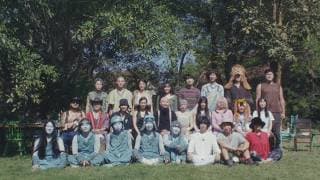
AKMU - '기쁨, 슬픔, 아름다운 마음 (Joy, Sorrow, A Beautiful Heart)' M/V
Artist Origin AKMU, or Akdong Musician, is a South Korean duo consisting of siblings Lee Chan-hyuk and Lee Su-hyun. They gained fame by winning the K-pop reality competition "K-pop Star" in 2012. Known for their unique blend of genres and heartfelt lyrics, AKMU has carved a niche in the South Korean music scene with their distinct folk-pop sound. Genre The song "기쁨, 슬픔, 아름다운 마음 (Joy, Sorrow, A Beautiful Heart)" encompasses a blend of pop and folk elements, showcasing the duo's signature style characterized by melodic harmonies and acoustic instrumentation. Overall Theme This song explores the juxtaposition of emotions—joy and sorrow—and the beauty that can arise from experiencing both. It reflects on the complexity of human feelings, emphasizing that understanding and embracing all emotions contributes to a beautiful heart. Key Lyrics Analysis One pivotal line conveys the sentiment: "기쁨이 없는 슬픔은 슬픔이 아니야" (Joyless sorrow is not sorrow). This line suggests that sorrow holds meaning when contrasted with joy, indicating that true emotional depth requires experiencing both happiness and sadness. This reflects the song's overall message that both joy and sorrow shape our character. Emotional Tone The emotional tone of the song is introspective and bittersweet. It conveys a sense of nostalgia and contemplation, encouraging listeners to appreciate life's full spectrum of emotions, even the painful ones. Cultural Context In South Korean culture, emotional expression, especially through music, is widely appreciated. Songs that delve into themes of love, loss, and emotional complexity resonate deeply with listeners, often reflecting societal values around emotional resilience and personal growth. Artist Context This song fits into AKMU's career as a continuation of their signature style—melding deep, meaningful lyrics with engaging melodies. It highlights their lyrical maturity and artistic growth, further solidifying their reputation as one of South Korea's leading music acts. This track also exemplifies their ability to tackle complex emotions, a recurring theme in their discography.

Sedia Aku Sebelum Hujan
Artist Origin: Idgitaf is an Indonesian band known for their contributions to the pop and indie music scene in Indonesia. The group has gained popularity for their relatable lyrics and melodic tunes, often reflecting the nuances of love and relationships. Genre: The song "Sedia Aku Sebelum Hujan" falls within the pop genre, with influences from indie and acoustic sounds that are characteristic of contemporary Indonesian music. Overall Theme: This song revolves around the themes of love, support, and emotional availability. The lyrics express a commitment to being there for a loved one through both hardships and joyful moments, emphasizing the importance of mutual comfort and care in a relationship. Key Lyrics Analysis: - "Sedia aku sebelum hujan" (Available to you before the rain): This line illustrates the idea of offering support and companionship before challenges arise, signifying a proactive approach to love. - "Ku yang lama disini, menjagamu tak patah hati" (I have been here for a long time, protecting you without a broken heart): This reflects the singer's dedication and unwavering presence, suggesting that true love entails resilience and strength. - "Kemanapun tak akan kau temukan, yang siapkan bekalmu di peperangan" (You won't find anywhere else, someone who prepares your provisions for battle): This metaphor suggests that the singer is a steadfast partner who equips their loved one for life's struggles. Emotional Tone: The song conveys a sense of warmth, reassurance, and devotion. It evokes feelings of comfort and safety, as the singer expresses a deep emotional connection and readiness to face challenges together. Cultural Context: In Indonesian culture, relationships often emphasize mutual support and dedication. The metaphor of rain represents challenges or tough times, while the assurance of being prepared reflects a cultural value placed on emotional responsibility in relationships. Artist Context: "Sedia Aku Sebelum Hujan" solidifies Idgitaf's reputation as a band that crafts heartfelt songs encapsulating love and resilience. This track contributes to their legacy, resonating with an audience that seeks relatable and sincere expressions of love in their music. It is a testament to their ability to connect with listeners through genuine emotional storytelling.

草々不一 - Sincerely Yours
Artist Origin: Rokudenashi is a Japanese artist known for their emotive songwriting and unique blend of musical styles. The name "Rokudenashi" translates to "good-for-nothing" in English, reflecting a common theme of struggle and introspection in their music. This artist often explores the complexities of life and relationships through their lyrics. Genre: The song "草々不一 - Sincerely Yours" falls within the J-Pop genre, characterized by its melodic hooks, emotionally charged lyrics, and varied instrumentation. The song may also incorporate elements of ballad and pop-rock, showcasing a blend of sounds typical of contemporary Japanese music. Overall Theme: "Sincerely Yours" reflects on personal struggle, identity, and the search for authenticity in a world that often demands conformity. The protagonist grapples with feelings of inadequacy, the burden of societal expectations, and the longing for self-acceptance amidst external pressures. Key Lyrics Analysis: - 「誰のための言葉だったんだろう」 (Who were these words for?): This line captures a sense of introspection and doubt, suggesting the speaker is questioning the motives behind their actions and words throughout life, highlighting the theme of searching for personal meaning. - 「私のための泣き場所を」 (A place to cry for myself): This longing expresses a desire for a safe space to be vulnerable and to process emotions, something often neglected in the pursuit of fulfilling others' expectations. - 「傷つくだけの日々が今 あなたの言葉で弾け飛んだ」 (Days that only cause pain have now burst with your words): Indicates a transformative moment where the love and support of another person have the power to alleviate suffering, showcasing the healing nature of human connection. - 「私の心はここにあるの あなたの闇を照らす光を」 (My heart is here to shine a light on your darkness): This line symbolizes a deep commitment to emotional support, portraying a selfless love that seeks to uplift the partner even amidst their struggles. Emotional Tone: The song conveys a blend of melancholy and hope. There is a sense of vulnerability and introspection throughout the lyrics, accompanied by moments of yearning and a desire for connection, portraying the complexities of love and personal identity. Cultural Context: In Japanese culture, themes of self-reflection, societal pressure, and the struggle for self-identity are prevalent in various art forms, including music and literature. The sentiment expressed in "Sincerely Yours" resonates with common Japanese experiences, where individuals often grapple with their place in a collectivist society. Artist Context: This song is a testament to Rokudenashi's signature style, reflecting their ongoing exploration of emotional depth and personal storytelling. It represents a continued evolution in their work, focus on introspective themes, and highlights the importance of authenticity in human connections. This piece is likely to resonate with both fans and new listeners, further establishing Rokudenashi's presence in the contemporary music scene.

Son Bakiş
Artist Origin Sezen Aksu is a prominent Turkish singer-songwriter born in Sarayköy, Turkey, in 1946. Often referred to as the "Queen of Turkish Pop," she has had a profound influence on the music scene in Turkey and beyond, blending traditional Turkish music with modern pop elements. Throughout her career, she has written and produced numerous hits that resonate with themes of love, loss, and nostalgia. Genre The song "Son Bakiş" is classified primarily as pop, with elements of folk music reflecting Aksu's roots and influences. Overall Theme "Son Bakiş" explores themes of love lost and the lingering memories that come with it. It presents the pain of parting and the emotional weight of a final glance between lovers, highlighting the intensity of feelings associated with farewells. Key Lyrics Analysis - "Bir söz bitişi gibi son buldu sevişler" (Like the end of a word, our lovemaking came to an end): This line conveys the abruptness of love's conclusion, comparing it to a word ending, which suggests finality. - "Aman aman yandım aman, Kurşun gibi izler, Son bakıştaki o gözler kaldı aklımızda" (Oh my, I burned, traces like lead remain, only those eyes in the last gaze remain in our minds): This captures the intense emotional pain and the lasting impression left by the lover's gaze, emphasizing how significant those final moments are, with the imagery evoking heaviness and permanence. Emotional Tone The song conveys deep emotions of sorrow, longing, and nostalgia. The repetition of phrases like "aman aman" evokes a sense of desperation and yearning, while the imagery of burning and lead-like traces emphasizes the heaviness of heartbreak. Cultural Context In Turkish culture, music often reflects personal emotions and collective experiences. "Son Bakiş" aligns with traditional storytelling in folk songs, where love and separation are central themes. Aksu's style frequently incorporates these elements, making the song relatable to a broad audience. Artist Context "Son Bakiş" is part of Sezen Aksu's extensive discography, showcasing her ability to convey profound emotional experiences through her music. Released during a period when she was consolidating her status as a pop icon in Turkey, this song fits into her larger body of work that often delves into themes of love, loss, and identity, securing her place as a timeless artist in Turkish music history.

イオ - Io
Artist Origin Rokudenashi is a Japanese artist, whose name translates to "good-for-nothing," possibly hinting at a self-deprecating or introspective nature. The artist has emerged from the Japanese music scene, which is known for its diverse genres and rich lyrical tradition, often exploring themes of love, existentialism, and personal struggles. Genre This song falls within the genres of J-Pop and Indie Pop, characterized by its melodic structure and emotional lyrics that resonate with listeners on a personal level. Overall Theme "Io" reflects the complexity of unrequited love and longing, capturing the bittersweet feelings of wanting to be close to someone who feels distant. It explores the tension between desire and reality, presenting the idea that despite being physically near someone, emotional distance can prevail. Key Lyrics Analysis - "君を仰ぐきざはしで" (While gazing up at you, on the steps) suggests a sense of admiration and yearning from a lower position, symbolizing the distance between the speaker and their beloved. - "何万回 何億回 君に恋をしてんだろ" (I wonder how many thousands, millions of times I've fallen in love with you) conveys the speaker's overwhelming affection and the cyclical nature of their feelings, indicating they continuously fall in love despite their awareness of the distance. - "触れられないの理解ってて" (Understanding that I can’t touch you) highlights the painful realization of emotional and physical barriers in the relationship. Emotional Tone The song conveys a poignant mix of sweet nostalgia, yearning, and sorrow. The speaker's emotions oscillate between hope and despair as they navigate their feelings of love and the associated pain of separation. Cultural Context In Japanese culture, themes of love and longing are prevalent in many artistic expressions, from literature to music. The concept of "mono no aware," which refers to the awareness of the impermanence of things and the beauty found in their transient nature, is subtly echoed in the song's exploration of unattainable love. Artist Context "Io" fits within Rokudenashi's oeuvre by exemplifying their ability to articulate complex emotional experiences through relatable themes. As part of their broader discography, this track helps to establish their identity as an artist who resonates with personal and deeply felt themes, appealing to a generation seeking connections through music.

心の奥 - Deep Down
1. Artist Origin Rokudenashi is a Japanese musical project, known for blending elements of pop and rock music. The term "rokudenashi" can translate to "good-for-nothing" or "useless" in English, and this clever naming reflects a theme of vulnerability and genuine emotions in their music. 2. Genre The genre of "心の奥 - Deep Down" falls primarily within J-Pop (Japanese Pop) with influences from rock. The song incorporates melodic hooks and emotional lyrics typical of the genres. 3. Overall Theme This song explores themes of love, longing, and inner turmoil. It delves into the complexity of human emotions, expressing a desire for connection regardless of pain and loneliness, emphasizing the importance of love and cherished memories. 4. Key Lyrics Analysis - "辛いことなどないはずなのに" (Even though there shouldn’t be anything painful) reflects the juxtaposition of expected happiness against actual feelings of sadness. - "愛されたいって思う度に" (Every time I think I want to be loved) embodies the loneliness and self-doubt that can accompany the desire for affection. - "傷が痛んだ 心の奥" (The wound hurts, deep down in my heart) signifies emotional pain that, despite existing, is paired with the recollection of beautiful memories. - "愛の音だけ また奏でてく" (Only the sound of love, let’s play it again) is a poignant reminder of how love transcends pain and the desire to relive joyful moments. 5. Emotional Tone The emotional tone of the song is bittersweet, encompassing feelings of melancholy, longing, and hope. There’s an underlying sense of vulnerability as the artist grapples with sadness while still cherishing love. 6. Cultural Context In Japanese culture, expressing emotions candidly can sometimes be less direct than in some Western cultures. The lyrical exploration of loneliness and the longing for affection resonates well with the traditional Japanese aesthetic of 'mono no aware,' which emphasizes the beauty of transience and the poignancy of life. 7. Artist Context "心の奥 - Deep Down" fits within Rokudenashi's broader discography, showcasing their skill in songwriting that resonates with personal experiences and emotional depth. This song solidifies their identity as an artist that embraces vulnerability and celebrates the complexities of love and heartache. It highlights their development and commitment to creating relatable music that speaks to listeners dealing with similar emotions.

Tükenecegiz
Artist Origin Sezen Aksu is a highly renowned Turkish singer-songwriter, often referred to as the "Queen of Turkish Pop." Born on July 13, 1946, in Denizli, Turkey, she has had a profound impact on Turkish music since the 1970s, blending traditional and modern musical elements. Aksu is celebrated for her emotive voice and poignant lyrics that often explore themes of love, loss, and human experience. Genre The genre of "Tükenecegiz" is predominantly pop, with influences from traditional Turkish music, showcasing Sezen Aksu's signature style that often incorporates rich melodies and emotional depth. Overall Theme The song delves into the complexities of love and the painful realities of relationships. It expresses a sense of resignation and inevitability regarding the end of a romantic bond, highlighting both the pain of separation and the emptiness that lingers in its absence. Key Lyrics Analysis One of the striking lines in the song is "Ne böyle sen'le ne de sensiz" (Neither with you nor without you), which captures the paradox of feeling trapped between two states of being — togetherness and loneliness. The repetition of "işte biz o gün tükeneceğiz" (that day we will exhaust ourselves) emphasizes the emotional toll taken by unresolved feelings and the idea of reaching a breaking point where love and longing will ultimately lead to depletion. Emotional Tone The emotional tone of "Tükenecegiz" is melancholic and contemplative. It evokes feelings of sadness, longing, and a profound sense of loss, making it resonate deeply with anyone who has experienced the complexities of love and heartache. Cultural Context In Turkey, pop music often intertwines with traditional elements, and Aksu's work exemplifies this fusion. The song reflects universal themes of heartbreak that transcend cultural boundaries but is deeply rooted in a Turkish context, where relationships and emotional expression hold significant importance. Artist Context "Tükenecegiz" fits into Sezen Aksu's extensive career as a poignant piece that underscores her ability to articulate complex emotional states. Released during a period when she was solidifying her status as a musical icon, this song further established her as a voice of a generation and a poignant storyteller in Turkish music. Aksu’s discography is filled with songs that explore love and loss, making "Tükenecegiz" a quintessential example of her artistry.

燦然 - Sanzen
Artist Origin: SUPER BEAVER is a Japanese rock band formed in 2005, originating from Tokyo, Japan. Known for their emotionally charged lyrics and engaging melodies, they quickly gained popularity in the Japanese music scene. The band’s name derives from the idea of a "super beaver," symbolizing resilience and industriousness. Genre: The genre of "燦然 - Sanzen" encompasses rock, pop-rock, and alternative rock, blending powerful instrumentals with emotive lyrical storytelling. Overall Theme: "Sanzen" explores themes of resilience, the struggle against inner weakness and regret, and the desire to protect what is dear to oneself. The song acknowledges the harsh realities of life while expressing a determination to continue living and finding hope through connections with others. Key Lyrics Analysis: - "抗い続ける 弱さと 後悔に ah-ah" (Continually resist weakness and regret ah-ah): This line introduces the central conflict of grappling with personal vulnerabilities and past mistakes. - "日和見るな尊厳 種火が後の燦然" (Do not compromise your dignity; the embers will shine later): Here, the songwriter emphasizes the importance of maintaining one’s dignity and integrity, suggesting that inner strength can lead to brighter outcomes. - "沈まない太陽 そんなもんないよ" (There’s no such thing as a sun that doesn’t set): This line reflects realistic acceptance of life's challenges, acknowledging that hardships are inevitable but can be confronted with resilience. Emotional Tone: The emotional tone of "Sanzen" is a mix of defiance, hope, and vulnerability. It conveys a sense of struggle but also an uplifting message of perseverance and the value of relationships. Cultural Context: The song reflects the Japanese ethos of "gaman," which means enduring the unbearable with patience and dignity. It resonates with listeners who face societal pressures and personal struggles, highlighting a collective experience of resilience. Artist Context: "Sanzen" fits into SUPER BEAVER’s discography as a representation of their signature style—introspective lyrics paired with dynamic rock instrumentation. It showcases their ability to articulate deep, universal emotions and continues the band's legacy of connecting with audiences through heartfelt music. As they evolve, songs like "Sanzen" solidify their place as significant voices in contemporary Japanese rock.

Firuze
Artist Origin Sezen Aksu is a renowned Turkish singer-songwriter, often hailed as the "Queen of Turkish Pop." Born on July 13, 1946, in Sarayköy, Turkey, she rose to prominence in the 1970s and has since become a pivotal figure in Turkish music. Aksu is celebrated for her lyrical storytelling and her ability to blend traditional Turkish folk music with contemporary pop. Genre The song "Firuze" falls under the genre of Turkish pop music, often intermingled with traditional folk elements. Aksu's work typically showcases melodic pop with rich emotional and cultural nuances. Overall Theme "Firuze" explores themes of beauty, longing, and the passage of time. It reflects on the delicate nature of existence and the ephemeral qualities of beauty. The narrator urges Firuze to embrace her emotions and memories while acknowledging the inevitable changes that come with time. Key Lyrics Analysis - "Ağla, ağla, Firuze, ağla / Anlat bir zaman ne dayanılmaz güzellikte olduğunu" (“Cry, cry, Firuze, cry / Tell how incredibly beautiful you were once”): This line implores Firuze to express her feelings, highlighting the importance of acknowledging and articulating beauty and nostalgia in one’s life. - "Kıskanır rengini baharda yeşiller / Sevda büyüsü gibisin sen, Firuze" (“The greens of spring are jealous of your color / You are like the magic of love, Firuze”): Here, the comparison of Firuze’s beauty to the vivid colors of spring emphasizes her uniqueness. The mention of jealousy from nature suggests that her allure transcends ordinary beauty. - "Duru bir su gibi, bazen volkan gibi" (“Like pure water, sometimes like a volcano”): This line captures the duality of Firuze's character, representing calmness and intensity. It illustrates that emotions can fluctuate dramatically, much like water that can be both serene and explosive. - "Her şeyin bedeli var, güzelliğinin de / Bir gün gelir ödenir, öde, Firuze" (“Everything has a price, including your beauty / One day it will be paid, pay it, Firuze”): This line conveys the idea that beauty, while revered, comes with a cost, potentially hinting at the consequences of aging and the transient nature of all things. Emotional Tone The song conveys a bittersweet and reflective tone. There is a sense of longing, nostalgia, and melancholy, intertwined with moments of appreciation for beauty and existence. The emotional complexity captures the listener's heart by exploring both the joy and sorrow inherent in life and love. Cultural Context The song resonates within Turkish culture, where beauty and nature often symbolize deeper emotional and metaphysical themes. Additionally, Aksu's work reflects a blend of modern and traditional values, showcasing the transformative power of music in articulating complex human experiences. Artist Context "Firuze" is a significant piece in Sezen Aksu's extensive discography, marking her ability to convey profound human emotions through simple yet evocative lyrics. The song exemplifies her style and lyrical prowess, further solidifying her status as a cultural icon in Turkey, and remains a beloved classic among her fans.

Oj Shoqni
Artist Origin Adri Rogaqi and Iliriana Sadriu are both from Kosovo, a region known for its rich cultural heritage and a diverse musical scene. They often draw inspiration from their Albanian roots and contemporary influences. Genre The song "Oj Shoqni" falls under the genres of pop and folk, which are popular in the Balkan region. This combination often features catchy melodies and traditional instruments, making it appealing to a wide audience. Overall Theme "Oj Shoqni" explores themes of friendship, loyalty, and the bonds shared among friends. The song celebrates the joy and support that friendships bring, emphasizing the importance of having someone to lean on in difficult times. Key Lyrics Analysis One of the notable lines is likely to convey the essence of camaraderie. Lines that might translate to "You are my strength, my friend," highlight the supportive nature of friendship. The expression of loyalty signifies how friends contribute to one’s resilience in life. Emotional Tone The song conveys a heartfelt and uplifting emotion. It encapsulates feelings of joy, nostalgia, and warmth associated with deep friendships, creating a sense of unity and togetherness. Cultural Context In the Balkan region, friendship and communal relationships are highly valued, often depicted in folk traditions. The song channels this sense of togetherness, reflecting cultural norms that prioritize close-knit social bonds. Artist Context This song fits well in Adri Rogaqi and Iliriana Sadriu's musical careers by showcasing their ability to blend modern pop sounds with traditional themes. It reinforces their roles as contemporary ambassadors of Balkan music, appealing to both younger and older audiences while rooted in their cultural identity.

Yjet
Sure! Here’s an analysis of the song "Yjet" by Adri rogaqi and Iliriana Sadriu. Artist Origin Adri Rogaqi hails from Kosovo, a country located in the Balkans in Southeast Europe. His music often blends contemporary styles with traditional elements, reflecting the rich cultural heritage of his region. Iliriana Sadriu, also from Kosovo, is known for her powerful vocals and contributions to the growing pop music scene in the area. Genre The song "Yjet" falls primarily within the pop genre, often incorporating elements of folk influences, which is common in the music scene of the Balkans. The blend creates an engaging sound that appeals to a wide audience. Overall Theme The song "Yjet" revolves around themes of love, yearning, and connection. It expresses the deep emotional experiences associated with longing for someone special and the idea that their presence can illuminate one's life, much like the stars. Key Lyrics Analysis Important lines in "Yjet" emphasize the metaphor of stars representing love and hope. For example, if the lyrics include something like "Yjet ndriçojnë për ty" (The stars shine for you), it suggests that the singer's feelings are as vast and bright as the night sky, indicating the importance of the beloved in their life. Emotional Tone The emotional tone of "Yjet" is primarily romantic and nostalgic, conveying a sense of longing and vulnerability. The music, paired with heartfelt lyrics, evokes a bittersweet feeling that resonates with listeners who have experienced similar emotions in their own lives. Cultural Context In the broader cultural context of the Balkans, themes of love and longing are prevalent in many folk songs, which often celebrate personal relationships and emotional connections. The song reflects these enduring themes, while also incorporating modern pop influences that resonate with younger audiences. Artist Context "Yjet" represents a pivotal moment in Adri Rogaqi and Iliriana Sadriu's careers, solidifying their presence in the modern music landscape of Kosovo. This song showcases their ability to blend contemporary pop with traditional themes, opening doors for future collaborations and expanding their artistic reach.