
Latest Articles

Daydream
Artist Origin WENDY, a member of the South Korean girl group Red Velvet, hails from South Korea. She was born in Canada and later moved to South Korea for her music career. Wendy is known for her strong vocal abilities and has engaged in various solo projects, showcasing her range and versatility as an artist. Genre The song "Daydream" falls within the pop genre, featuring elements of R&B and ballad. The production is lush, highlighting her vocal prowess against a dreamy soundscape. Overall Theme "Daydream" centers around the feelings of love and longing. The lyrics express a wish for connection, portraying a desire to share feelings with someone who feels like a dream come true. The singer captures the euphoric yet fleeting nature of affection, blending elements of fantasy with reality. Key Lyrics Analysis - “마음이란 게 참 신기해” (The heart is so mysterious): This line sets the reflective tone, emphasizing the complexity of emotions and how unexpected feelings can leave a deep impact. - “You make me feel like I'm living inside my dreams”: This expresses the transformative power of love, suggesting that the presence of the loved one creates a surreal, dreamy state. - “If I be honest, babe, will you stay?” conveys vulnerability, showcasing a desire for honesty in feelings while also fearing the possibility of loss. Emotional Tone The song conveys a bittersweet, hopeful tone. Emotions fluctuate between joy and a sense of longing, capturing the essence of daydreaming about love, filled with both optimism and an underlying fear of impermanence. Cultural Context The concept of a "daydream" in many cultures symbolizes an escape into one’s thoughts or fantasies, often reflecting desires and hopes, particularly in romantic contexts. This resonates deeply within K-pop culture, where themes of love and idealization are prevalent. Artist Context "Daydream" is part of Wendy's solo endeavors following her work with Red Velvet, showcasing her individual artistry and vocal abilities. It further establishes her reputation as a solo artist capable of delivering emotionally resonant music that connects with fans on a personal level.
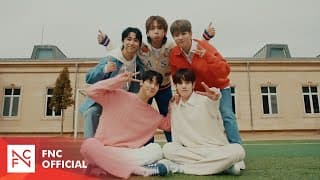
N.Flying (엔플라잉) 'Blue Moon' MV
Artist Origin N.Flying is a South Korean rock band formed by FNC Entertainment. Established in 2013, the group originally debuted as a four-member outfit, and they have expanded their sound and lineup over the years. N.Flying has gained recognition for their energetic performances and engaging music, bridging pop and rock elements. Genre The genre of "Blue Moon" blends alternative rock with pop influences. The song incorporates energetic guitar riffs and catchy hooks, typical of the band’s style, which appeals to a broad audience. Overall Theme "Blue Moon" explores themes of longing and reflection on missed opportunities and unrequited love. The imagery evokes a sense of yearning, depicting feelings of nostalgia and melancholy associated with love that feels just out of reach. Key Lyrics Analysis The lyrics express a deep sense of yearning and emotional complexity. For instance, lines referencing the "blue moon" highlight the rarity of the feelings and experiences being described. The blue moon serves as a metaphor for something beautiful and elusive ("파란 달이 뜨면" - "When the blue moon rises"), suggesting the fleeting nature of love and the moments associated with it. Emotional Tone The song conveys a spectrum of emotions including nostalgia, sadness, and yearning. It balances a sense of hope with a profound sense of loss, creating a bittersweet feeling that resonates deeply with listeners. Cultural Context In South Korea, references to natural phenomena like the moon often symbolize deep emotional experiences. The blue moon, specifically, adds an element of rarity and uniqueness, which aligns with the cultural appreciation of significant yet fleeting moments in relationships. Artist Context "Blue Moon" signifies an important step in N.Flying's career, showcasing their growth as musicians and their ability to evolve stylistically. This track contributes to their discography by demonstrating their versatility in handling a more introspective and emotional narrative, further solidifying their place within the K-rock scene.

【重音テト】ズレ Misalignment【Kasane teto】
Artist Origin: Kasane Teto is a Vocaloid character developed in Japan. She is part of the “Vocaloid” genre, which utilizes synthesized singing to create music. Teto was developed by the company "Vocaloid" and has garnered a following for her distinctive voice and persona since her introduction. Genre: The song "ズレ Misalignment" falls under the genres of J-Pop and Vocaloid music, which blend electronic elements with traditional pop sensibilities. Overall Theme: The song explores themes of emotional disconnect and the struggle of aligning one's feelings with those of another. It reflects a sense of yearning for understanding in relationships, emphasizing the pain that arises when individuals cannot connect on a deeper emotional level. Key Lyrics Analysis: One of the poignant lines in the song is “心のズレずれ彷徨って” (Kokoro no zurezure samayotte) which translates to "My misaligned heart is wandering." This line illustrates the central conflict—the speaker feels emotionally misplaced and lost, highlighting the complexity of their feelings and the frustration of not being able to synchronize with others emotionally. Emotional Tone: The emotional tone of "ズレ Misalignment" is bittersweet; it conveys feelings of loneliness and longing intertwined with hope. The music underscores a sense of melancholy, reflecting the pain of miscommunication in relationships while also hinting at the desire for connection. Cultural Context: The song resonates with contemporary Japanese culture where themes of emotional struggle and social disconnect are increasingly prevalent. This reflects a broader societal dialogue about mental health and emotional expression, especially among younger generations navigating relationships in a fast-paced digital world. Artist Context: Within Kasane Teto's discography, "ズレ Misalignment" showcases her versatility as a Vocaloid artist, capable of delivering complex emotional narratives through synthetic vocal performances. This song contributes to her evolution as a character in the Vocaloid community, demonstrating depth beyond typical pop themes and solidifying her place as a relatable figure in this genre.

Into the Sun
Sure! Here’s the analysis of "Into the Sun" by BTS. Artist Origin BTS, also known as Bangtan Sonyeondan or Beyond The Scene, is a South Korean boy band formed in 2013. They originated from Seoul, South Korea, and quickly rose to international fame with their unique blend of pop, hip-hop, and R&B, addressing themes such as youth, mental health, and societal issues in their music. Genre The song "Into the Sun" can be classified as pop with elements of R&B and electronic music, featuring melodic soundscapes that enhance its emotional depth. Overall Theme "Into the Sun" explores themes of longing, connection, and hope amidst darkness. It encapsulates the desire to find solace and light in a relationship, signifying that love can guide individuals through their struggles and uncertainties. Key Lyrics Analysis - “You call, I run / Dark days, and find the sun”: This line indicates a willingness to escape troubled times in pursuit of happiness and connection with a loved one. The imagery of finding the sun symbolizes the hope and brightness that love brings. - “해 질 때의 바람, 해 뜰 때의 온도” ("The wind at sunset, the warmth at sunrise"): This illustrates the transition between dark and light, portraying the beauty of time and how it parallels the emotional journey in a relationship. It emphasizes the cyclical nature of life—darkness eventually leads to dawn. - “I'll follow you into the sun”: This repeated phrase signifies unconditional support and commitment to a partner, willing to face the challenges together, underlining the theme of love triumphing over adversity. Emotional Tone The song conveys a blend of yearning, hope, and determination. There is a sense of optimism in the journey from dark times to brighter days, emphasizing resilience and the power of love. Cultural Context The concept of finding light in the midst of darkness resonates deeply within Korean culture, which values strong emotional connections and showing deep care for loved ones. The use of natural imagery is also prevalent in many Korean songs, symbolizing the interplay between emotions and nature. Artist Context "Into the Sun" fits well within BTS's broader discography, which often explores themes of personal and collective struggles and growth. It continues to showcase their artistic evolution by incorporating more nuanced emotional expressions, reflecting their growth as individuals and artists in a constantly changing world. It underscores the ongoing narrative of seeking light and hope, which is a staple in their music.
Please
Artist Origin: BTS, also known as the Bangtan Boys, is a South Korean boy band formed by Big Hit Entertainment in 2013. The group consists of seven members—RM, Jin, Suga, J-Hope, Jimin, V, and Jungkook. They gained global recognition for their music, which often tackles themes such as mental health, love, and societal issues, melding K-pop with various genres and rich storytelling. Genre: The genre of "Please" aligns with K-pop, incorporating elements of pop, hip-hop, and R&B. The song features a smooth melody with playful rhythms that accentuate its emotional undertones. Overall Theme: "Please" is a song about longing and the desire for closeness in the face of external challenges that threaten a romantic relationship. The lyrics express vulnerability, with a plea for the partner's support during difficult times, emphasizing a deep connection and a yearning to be together despite obstacles. Key Lyrics Analysis: - "Baby, oh, please, 세상이 우릴 갈라놓을 때" (When the world tries to separate us): This line captures the essence of external obstacles in a relationship, highlighting the singer's determination to overcome them. - "I'm on my knees, 함께해줘 나의 worst day" (Please be with me on my worst day): This illustrates vulnerability and dependence on the partner during tough times, showcasing an emotional plea for support. - "You and me just all day, all night": This expresses the desire for constant companionship, emphasizing the importance of being together regardless of circumstances. Emotional Tone: The emotional tone of "Please" is a mix of yearning and hope. It conveys a sense of desperation yet also reflects a loving commitment, evoking feelings of warmth and intimacy. Cultural Context: In Korean culture, the themes of love and perseverance in relationships resonate strongly. The use of expressions that indicate emotional vulnerability aligns with the traditional values of expressing affections and support within romantic partnerships. Artist Context: "Please" fits well into BTS's discography, where they frequently explore complex emotional themes. This song continues their trend of portraying authentic human experiences—showcasing their growth as artists who connect deeply with their audience on personal levels. It further solidifies BTS's reputation as a group that brings sincerity and relatability to their music.
One More Night
Artist Origin BTS, also known as Bangtan Sonyeondan (Bulletproof Boy Scouts), is a South Korean boy band formed in 2013. The group originally began as a hip-hop act and has since evolved into a globally influential pop phenomenon, known for their intricate choreography, socially conscious lyrics, and strong connection with their fanbase, known as ARMY. Genre The genre of "One More Night" encompasses elements of pop, R&B, and hip-hop. The song features a smooth, laid-back production typical of contemporary pop, blending melodic hooks with rhythmic verses. Overall Theme The song "One More Night" explores themes of yearning and romantic fantasy. It encapsulates the desire to hold onto a fleeting moment of intimacy and love, emphasizing the joy and comfort found in a cherished partner's presence. Key Lyrics Analysis - "언젠가 너로 인해 한참을 울게 되겠지" (Someday, I will cry for a long time because of you): This line hints at the bittersweet nature of love, recognizing that while the relationship brings joy, it also holds the potential for pain. - "Fantasy (you like it), it's a fantasy (you next to me)": This refrain highlights the feeling of bliss associated with romantic dreams, suggesting that the presence of the loved one elevates reality into a fantastical experience. - "Let's repeat it one more night": This repeated line expresses a longing for the continuation of a perfect moment, symbolizing the desire to relive an ideal experience again and again. Emotional Tone The emotional tone of "One More Night" is a blend of longing, happiness, and a touch of melancholy. The lyrics evoke a sense of dreamy nostalgia, depicting the boundless joy that love can bring, alongside an awareness of its potential impermanence. Cultural Context This song aligns with Korean pop culture’s emphasis on romantic ideals and the fleeting nature of youth. Romantic relationships are often idealized in K-pop music, making songs like "One More Night" resonate deeply with fans who seek escapism in their music. Artist Context As of the release of "One More Night," BTS continues to solidify their status as global icons in the music industry. This song demonstrates their versatility and ability to convey complex emotions, furthering their artistic identity. It reflects their exploration of love and relationships, themes they return to frequently, indicating growth both lyrically and musically in their expansive discography.
they don't know 'bout us
Artist Origin BTS is a South Korean boy band formed in 2013 by Big Hit Entertainment (now HYBE Corporation). The group, consisting of RM, Jin, Suga, J-Hope, Jimin, V, and Jungkook, gained international fame through their music, powerful performances, and meaningful lyrics. They have become a global phenomenon, addressing issues like mental health, self-acceptance, and societal expectations. Genre The song "They Don't Know 'Bout Us" falls primarily within the pop genre, incorporating elements of hip-hop and R&B, which is characteristic of BTS’s diverse musical style. Overall Theme The song reflects the experiences of the members in the face of public perception and misunderstanding. It speaks to their private lives and struggles that are overlooked by others. The recurring message is about the disconnect between how they are viewed versus their true selves. Key Lyrics Analysis - "They don't know about us": This line captures the essence of the song, suggesting that people have a superficial understanding of the group and their lives. It emphasizes a sense of isolation despite fame. - "대체 뭐가 달랐냐고 자꾸 물어 / 나는 대답해, '나도 몰라'" ("What’s so different? They keep asking / I answer, 'I don’t know'"): This reveals the confusion and frustration of being in the spotlight while feeling unchanged personally. It highlights the difficulty of explaining their complex identity. - "Hold up, chill and take a bubble bath, babe": Here, there’s a carefree attitude juxtaposed against the pressures they face. This line suggests a need for self-care and relaxation amid stress. - "진짜 사람 일곱인데 / You said we changed? we feel the same, shit" ("We’re just seven real people / You said we changed? We feel the same, shit"): This challenges misconceptions that fame or success drastically alters their identity. Emotional Tone The song conveys a blend of defiance and vulnerability. While there is an assertive and confident tone, there is also an undercurrent of frustration and a desire for understanding. The repeated assertions of their individuality suggest a longing to be seen for who they truly are. Cultural Context The song reflects the cultural pressures faced by public figures, especially in the entertainment industry, where image and perception can often overshadow individual authenticity. In many Asian cultures, public perception plays a significant role in personal identity, making this song resonate with both Korean and international audiences. Artist Context "They Don't Know 'Bout Us" fits into BTS's broader narrative of self-exploration and commentary on their fame. It is part of their ongoing effort to engage with their audience about issues of identity, societal expectation, and the realities of their experiences as global stars. This song reinforces their mission to connect on a deeper emotional level with fans and promote self-identity, which has been a consistent theme throughout their career.
Like Animals
Artist Origin BTS is a South Korean boy band formed in Seoul in 2013. The group consists of seven members—RM, Jin, Suga, J-Hope, Jimin, V, and Jungkook—and is known for their significant contributions to the global music scene, particularly in the K-pop genre, blending various musical styles and addressing complex themes in their lyrics. Genre "Like Animals" primarily falls under the pop genre, with influences from R&B and electronic music. The song features an upbeat rhythm and engaging melodic structure that characterizes much of BTS's work. Overall Theme The song explores themes of freedom, raw passion, and living in the moment. It invites listeners to embrace their instincts and desires, suggesting that we are all wild and untamed beings seeking authenticity in life. Key Lyrics Analysis - "If you wanna be animals / Baby, we can be animals": This repeated line highlights a desire for primal connection and freedom. It suggests shedding societal norms to embrace one's true self alongside another person, akin to being "wild." - "There's beauty outside control": This line addresses the idea that true beauty lies in chaos and untamed nature, encouraging listeners to appreciate the unpredictability of life instead of conforming to restrictions. Emotional Tone The song conveys a sense of exhilaration, yearning, and liberation. Listeners might feel empowered and enthusiastic as the lyrics promote a carefree approach to life and relationships, invoking excitement and adventure. Cultural Context In South Korean culture, there is often a strong emphasis on conformity and societal expectations. By advocating for a wild and free-spirited nature, the song challenges these norms and resonates with a younger audience seeking authenticity and self-expression. Artist Context "Like Animals" fits into BTS’s broader discography, which often elaborates on self-identity, love, and the complexities of youth. The song reflects the band's ongoing evolution and their embrace of various musical styles. As they continue to break barriers globally, this song encapsulates their signature approach to tackling meaningful themes through engaging pop music.
NORMAL (Explicit Ver.)
Artist Origin BTS, also known as Bangtan Sonyeondan or Beyond The Scene, is a South Korean boy band formed by Big Hit Entertainment in 2013. The group consists of seven members: RM, Jin, Suga, J-Hope, Jimin, V, and Jungkook. They gained international fame for their music, impactful lyrics, and engagement with social issues, becoming a leading force in the global K-pop phenomenon. Genre The genre of "NORMAL (Explicit Ver.)" includes elements of pop, hip-hop, and rock, showcasing BTS's versatility and ability to blend different musical styles. Overall Theme The song explores themes of identity, mental health, and societal expectations. It reflects the complexities of navigating emotions and the pressure to conform to a 'normal' way of living amid personal struggles and external influences. Key Lyrics Analysis The repetition of "Kerosene, dopamine, chemical induced" highlights the contrasts between destructive and pleasurable experiences. Kerosene symbolizes something that can ignite and destroy, while dopamine represents fleeting happiness and addiction (chemical-induced happiness). In lines like "Run away out of sight, don't know what I want," the speaker expresses confusion and the desire for escape from their chaotic mental state. The line “If everything's just happy, mm, that ain't real” suggests a deeper acknowledgment that genuine experiences are often a mix of joy and pain, challenging the notion of constant positivity. Emotional Tone The emotional tone of the song oscillates between frustration, introspection, and a longing for authenticity. It encapsulates the struggles of dealing with conflicting emotions and societal pressures, ultimately portraying a sense of vulnerability. Cultural Context This song resonates with the struggles many young people face in a hyper-connected, often judgmental society where mental health issues are often stigmatized. BTS’s willingness to address such themes reflects a broader cultural shift towards openness about mental health, especially within the South Korean context. Artist Context "NORMAL (Explicit Ver.)" fits within BTS's larger body of work that frequently addresses personal and societal issues, making them relatable to a global audience. This song continues their tradition of encouraging dialogue about mental health, identity, and the pressures of modern life, solidifying their role as ambassadors of self-love and understanding in the music industry.
Merry Go Round
Artist Origin: BTS, also known as Bangtan Sonyeondan (Beyond the Scene), is a South Korean boy band formed in Seoul in 2013. The group consists of seven members: RM, Jin, Suga, J-Hope, Jimin, V, and Jungkook. They gained worldwide fame for their music that blends various genres, powerful choreography, and socially conscious themes. Genre: "Merry Go Round" falls under the genres of pop and hip-hop, incorporating elements of R&B and trap, which are characteristic of BTS's diverse musical style. Overall Theme: The song explores feelings of entrapment and the cyclical nature of life, where the narrator wishes for an escape from pain and repetitive struggles. It highlights the challenges of adult life and the sensation of being stuck in a relentless cycle of anxiety and existential questioning. Key Lyrics Analysis: - “I wish that I could tell you that it's over” reflects a longing for emotional closure and relief from struggles. - “My life is like a broken roller coaster” symbolizes instability and the unpredictability of life's highs and lows. - “I can't get off this merry-go-round” and “This merry-go-round” metaphorically illustrate the feeling of being trapped in a never-ending cycle, trying to break free but unable to do so, capturing the essence of despair and stagnation. - The lines in Korean, “어른이 된 것 같은 기분이지만 고민은 뭐 여전하지” (I feel like I’ve become an adult, but my worries remain the same) highlight the dissonance between expected maturity and the persistence of childhood troubles. Emotional Tone: The song conveys a sense of frustration, sadness, and introspection. There is an underlying feeling of vulnerability as the narrator expresses a desire for change while being stuck in their current circumstances. Cultural Context: In South Korea, there is significant societal pressure to succeed, especially among the youth. The song resonates with listeners who may feel overwhelmed by expectations and the relentless pace of life, reflecting common themes of mental health and emotional struggles in contemporary society. Artist Context: "Merry Go Round" is indicative of BTS's continual exploration of personal and societal themes within their music. The song fits into their broader discography, which often addresses mental health, identity, and the complexities of life, contributing to BTS's reputation as artists who challenge conventional perceptions and open dialogues about important issues.
SWIM
Artist Origin: BTS, also known as Bangtan Sonyeondan or Beyond The Scene, is a South Korean boy band formed in Seoul in 2013. The group consists of seven members: RM, Jin, Suga, J-Hope, Jimin, V, and Jungkook. They gained international fame for their music that blends various genres and addresses themes like mental health, self-identity, and societal issues. Genre: "SWIM" is primarily categorized under the pop genre, with elements of R&B and electronic influences. The song features smooth melodies and rhythmic beats that contribute to its atmospheric sound. Overall Theme: The song "SWIM" explores themes of escapism and desire for intimacy. Through the imagery of swimming, it conveys a yearning to immerse oneself in love and connection amid the chaos of the world. Key Lyrics Analysis: - “Swim, swim / Water falling off your skin”: This opening line embodies a moment of intimacy and beauty, suggesting a captivating presence that draws the speaker in. - “Bad world gone away / And I still wake up in this mad world”: These lines acknowledge the struggles of reality while creating a contrast with the escape found in swimming and being with someone special. The "bad world" signifies the chaos of life, suggesting a desire to escape it. - “Under here, we don't chase the time”: This lyric emphasizes living in the moment and fully immersing oneself in the experience, celebrating freedom and connection without the weight of time. Emotional Tone: The song conveys a mix of longing, serenity, and exhilaration. While it discusses the challenges of the world, it also evokes feelings of joy and intimacy, particularly through the metaphor of swimming as a liberating escape. Cultural Context: While "SWIM" doesn't delve deeply into specific cultural references, it reflects the modern longing for connection prevalent in today's fast-paced society. The imagery of water and swimming can also resonate with universal themes of freedom and exploration. Artist Context: "SWIM" fits into BTS's broader discography, which often highlights emotional depth and personal experiences. It showcases their growth as artists capable of blending various themes and genres while continuing to connect with listeners on a personal level. This song aligns with BTS's trend of exploring intimate themes, further solidifying their reputation as artists who aren't afraid to dive into complex emotions.
No. 29
Artist Origin: BTS, also known as Bangtan Sonyeondan (Beyond The Scene), is a South Korean boy band formed in Seoul in 2013. Comprising members RM, Jin, Suga, J-Hope, Jimin, V, and Jungkook, they gained international fame through their innovative blend of music genres, powerful lyrics, and engagement with social issues. The group has played a pivotal role in the global spread of K-pop and South Korean culture. Genre: The song "No. 29" can be categorized primarily within the genres of pop and hip-hop, reflective of BTS's signature style that often incorporates various musical elements across their discography. Overall Theme: Though the actual lyrics for "No. 29" are not provided, BTS songs often explore themes of introspection, personal growth, and societal issues. This song likely delves into the emotional struggles of individuals navigating their identity or facing pressures in their lives, characteristic of the group's narrative approach. Key Lyrics Analysis: Since only instrumental information is provided, I will address the implicit themes common in BTS's work. The group's lyrics often blend personal and collective experiences, focusing on overcoming adversity and the journey toward self-acceptance. It would be enlightening to analyze specific lines of the song in detail if they were available. Emotional Tone: The emotional tone of BTS's music generally oscillates between introspection, melancholy, hope, and resilience. "No. 29" likely encapsulates a feeling of yearning or nostalgia, resonating with listeners' shared experiences of life's challenges. Cultural Context: BTS's music often reflects contemporary issues relevant to South Korean society as well as broader global challenges, including mental health, youth identity, and social harmony. Their work encourages dialogue about these topics, creating a connection with audiences worldwide. Artist Context: The release of "No. 29" fits within BTS's larger narrative of growth and evolution as an artist. It continues the group's trend of exploring deep emotional and social themes while maintaining their musical identity, further solidifying their status as influential artists in the modern music landscape.