
Latest Articles
![[MV] HWASA(화사) - FOOL FOR YOU | 영화 💵 PROJECT Y 프로젝트 Y OST](/_next/image?url=https%3A%2F%2Fimg.youtube.com%2Fvi%2F8ybkZav0QYg%2Fmqdefault.jpg&w=3840&q=75)
[MV] HWASA(화사) - FOOL FOR YOU | 영화 💵 PROJECT Y 프로젝트 Y OST
### Artist Origin HWASA (화사) is a South Korean singer and dancer, originally from Busan. She debuted as a member of the K-pop girl group Mamamoo in 2017 and later gained individual recognition for her solo work. ### Genre The song "FOOL FOR YOU" primarily falls under R&B, with influences from pop and soul music. ### Overall Theme This song is an emotional ballad about a person who remains devoted to their partner despite being hurt repeatedly. It conveys the singer's unwavering belief in love, even when faced with rejection or betrayal. ### Key Lyrics Analysis - "I'm such a fool / Such a fool for you": The repeated phrase emphasizes the speaker’s self-awareness and acceptance of their own naivety in being completely enamored by someone who doesn’t reciprocate affection equally. - "And you had me down and blue / All for you": This line reflects how the partner's actions or behavior have caused significant emotional distress, yet the singer continues to prioritize the relationship. - "Ah, one day I hope you'll be running back to me / Ah, one day I hope you'll stay": These lines express a hopeful wish that the love interest will eventually return and commit to the relationship. - "I believe in miracles / So go ahead, baby / Sing a song for me": Despite the difficulties, the singer maintains faith in the possibility of a positive outcome. The encouragement to "sing a song" symbolizes a plea for reconciliation or harmony. ### Emotional Tone The emotional tone is predominantly bittersweet and melancholic. There's an underlying sense of hope intertwined with sorrow as the singer grapples with past pain and future possibilities. ### Cultural Context Korean pop culture often romanticizes devotion and perseverance in relationships, which aligns well with this song’s theme. The concept of enduring hardship for love resonates deeply within Asian cultures, making such themes popular in K-pop. ### Artist Context This song is part of HWASA's growing repertoire as a solo artist after her successful stint with Mamamoo. It showcases her vocal range and emotional depth, reinforcing her image as an independent artist capable of delivering heartfelt performances.
![[MV] 최수호 (CHOI SOO HO) - 큰거온다 (Something Big is Coming) Official MV](/_next/image?url=https%3A%2F%2Fimg.youtube.com%2Fvi%2FvrL_reZ8rbY%2Fmqdefault.jpg&w=3840&q=75)
[MV] 최수호 (CHOI SOO HO) - 큰거온다 (Something Big is Coming) Official MV
### Artist Origin Choi Soo Ho, also known as 최수호, is a South Korean singer and songwriter. He debuted in 2018 with the release of his single "You're My Star," which gained popularity through various music charts. ### Genre The song "[MV] 최수호 (CHOI SOO HO) - 큰거온다 (Something Big is Coming)" falls under the K-pop and R&B genre. It blends elements of electronic dance with a melodic, soulful touch that is characteristic of contemporary K-pop artists. ### Overall Theme This song speaks about anticipation for future success and growth. The lyrics reflect on past struggles and setbacks but emphasize an optimistic outlook towards what lies ahead. It symbolizes resilience and the hope that something significant and positive will emerge from present challenges. ### Key Lyrics Analysis The title track "큰거온다" translates to "Something Big is Coming." A key verse goes: ``` 길 가는 내내 뭐가 더 좋을까 생각했어 (I wondered what would be better as I walked) 그런데 이제야 알았어, 이 길이 답이었어 (But now, I realize that this path was the answer all along) ``` This verse highlights the introspective journey of self-discovery and acceptance. The artist expresses a realization that the challenges faced are leading to something greater. ### Emotional Tone The song conveys an uplifting and hopeful tone despite acknowledging past hardships. It inspires listeners with its optimistic view on personal growth and future success, evoking emotions such as determination, hope, and inspiration. ### Cultural Context This song reflects Korean culture's emphasis on perseverance and optimism in the face of adversity. The lyrics resonate with the cultural values of hard work (근면), resilience (견고함), and the belief that good fortune will come eventually (행운의 신념). ### Artist Context "큰거온다" is part of Choi Soo Ho's effort to solidify his position in the K-pop industry. The song showcases his versatility as an artist who can blend different musical styles while delivering a message of hope and optimism. This release follows previous singles that have also emphasized personal growth and resilience, reinforcing his narrative as an artist navigating through life challenges with grace. Overall, "[MV] 최수호 (CHOI SOO HO) - 큰거온다" is a significant entry in Choi Soo Ho's discography, aiming to connect with listeners on both emotional and aspirational levels.

【Ado】ビバリウム
Artist Origin: Ado, the artist behind "【Ado】ビバリウム", is a Japanese singer and songwriter. She gained popularity after being featured in the video game *Dragon Quest Builders 2* through her song "Kokoro no Kabe". Since then, she has released numerous singles that blend pop with alternative styles. Genre: The song falls under alternative pop and J-pop, characterized by catchy hooks and a mix of electronic and traditional Japanese elements. Overall Theme: This song explores themes of pretense, self-deception, and the pursuit of an idealized image. Ado delves into how individuals often mimic behaviors or personas to fit societal expectations, leading to feelings of emptiness and disillusionment. Key Lyrics Analysis: - "愛のネタバレ「別れ」っぽいな" (ai no netabare 'wakare' ppoi na): The opening lines hint at the theme of pretense in relationships. - "それっぽい単語集で踊ってんだ 失敬" (sore ppoi tango shū de odotten da shikkei): This line suggests that people dance or act based on a collection of trendy words, implying superficiality. - "Gott ist tot Gott ist tot": A reference to Nietzsche's proclamation, meaning "God is dead," symbolizing the loss of traditional values and moral certainties in modern society. - "邪心っぽいな それ 畢竟ひっきょう" (jashin ppoi na sore hikyō): This line highlights the underlying selfish motives behind pretense and imitation. Emotional Tone: The song conveys a mix of ironic detachment and disillusionment, with moments of playful mockery. It critiques societal norms while maintaining an almost detached, sarcastic tone throughout. Cultural Context: References to Nietzsche ("Gott ist tot") and the use of Japanese pop culture idioms reflect both Western philosophical influences and Japanese youth culture's fascination with superficial trends and appearances. Artist Context: "【Ado】ビバリウム" fits into Ado’s body of work by continuing her exploration of themes like self-deception, societal norms, and personal authenticity. This song showcases her ability to blend pop sensibilities with deeper, more introspective lyrics that critique modern society's superficiality.

Unknown
It seems there might be a misunderstanding in the prompt. The song "Unknown" by an Unknown Artist doesn't exist, or at least it isn't widely recognized under those specific details. Without a concrete artist or song to analyze, I can't provide the requested information accurately. However, if you have any other songs or artists in mind for analysis, please feel free to specify them!

가비엔제이 (Gavy NJ) '해바라기 (2026)' Official MV
### Artist Origin Gavy NJ, whose full name is Gaebi Enjay, is a South Korean rapper and singer. He gained prominence through his participation in the reality show "Unpretty Rapstar 2" in 2015. ### Genre The song "해바라기 (Sunflower)" falls under the genres of K-pop ballad and rap ballad. It blends melodic singing with rap verses, creating a smooth yet rhythmic sound. ### Overall Theme This song is about comforting someone who might be feeling down or lonely. The lyrics express a desire for companionship and reassurance in difficult times, highlighting the singer's willingness to provide emotional support through casual interactions like eating together or just talking on the phone. ### Key Lyrics Analysis - "좋은 아침 어제 힘들었지 / 눈을 뜨려 할수록 / 잠이 고플 거야" (joeun achim eoje himdeureotji / nuneul tteuryeo halsurok / jami gopeul geoya) - This line sets the scene for someone who is struggling after a difficult day, suggesting that they might find sleep more inviting than facing the morning. - "필요해 설탕 같은 그런 목소리 그게 / 필요할걸 I know you" (piryohae seoltang gateun geureon moksori geuge / pirohalgeol I know you) - The singer expresses a desire for someone with a soothing voice, similar to the sweetness of sugar, implying that their voice can be comforting. - "쉬어가 이럴 때면 누가 생각나 / 너를 위로해줄" (swieoga ireol ttaemyeon nuga saenggangna / neoreul wirohaejul) - When someone is feeling down, they think of the listener and want to offer them comfort. - "사랑이란 말은 살짝 어색해 난 그냥 / 니가 좋아" (sarang-iran mareun saljjak eosaekae nan geunyang / niga joa) - The singer finds saying 'I love you' a bit awkward but directly states that they like the listener. ### Emotional Tone The song conveys emotions of warmth, comfort, and reassurance. It aims to uplift listeners who might be feeling down by reminding them of someone's care and willingness to help through simple gestures. ### Cultural Context This song reflects a common cultural theme in K-pop where artists often explore themes of friendship, companionship, and emotional support. The casual nature of the lyrics (like inviting someone over for a meal) is typical in Korean social interactions, emphasizing comfort and familiarity. ### Artist Context "해바라기 (Sunflower)" fits well into Gavy NJ's career as an artist who often blends rap with melodic ballads to convey personal messages. This song showcases his ability to write heartfelt lyrics that resonate with listeners on a deep emotional level, solidifying his reputation as an emotive and versatile artist in the K-pop scene.
東京真中 - ブレインロット feat. 重音テト
Artist Origin: 東京真中 (Tokyo Shunaka) is a Japanese music producer and DJ. His work often features collaborations with popular Vtuber (virtual YouTuber) artists, blending electronic dance music with anime-inspired themes. Genre: The song "東京真中 - ブレインロット feat. 重音テト" primarily falls under the genres of VOCALOID, EDM (Electronic Dance Music), and anime-inspired pop. Overall Theme: This track is an upbeat and energetic electronic dance number with anime-inspired lyrics about the city of Tokyo and its vibrant nightlife. The song features a collaboration between Tokyo Shunaka and the Vtuber "重音テト" (Teto), emphasizing themes of excitement, exploration, and digital fantasy. Key Lyrics Analysis: - "君の脳みそは今 ブレインロットだぜ?" ("Kimi no namimiso wa ima bureinrotto da ze?") This line suggests that the listener's brain is currently filled with excitement or frenzy, reflecting the high-energy atmosphere of Tokyo's nightlife. - "夜が明けるまで踊り続けよう 僕らの街を見つめよう" ("Yoru ga akere made odorikiteku you bokura no machi wo mitsumemeyou") The chorus encourages continuous dancing until dawn, urging listeners to keep exploring and appreciating their surroundings. Emotional Tone: The song exudes a sense of enthusiasm, excitement, and adventure. It creates an uplifting mood that inspires listeners to engage in the vibrant nightlife culture it depicts. Cultural Context: This track draws inspiration from Tokyo's bustling urban lifestyle, particularly its late-night entertainment scenes such as clubs, bars, and other venues frequented by young adults. The incorporation of a Vtuber enhances the digital and fantastical elements commonly associated with Japanese pop culture. Artist Context: "東京真中 - ブレインロット feat. 重音テト" showcases Tokyo Shunaka's ability to blend traditional EDM rhythms with anime-inspired vocals, highlighting his unique style within the electronic music scene. The collaboration with Teto aligns well with his ongoing work with Vtuber artists and reflects a trend in contemporary Japanese pop culture where virtual performers are increasingly featured alongside real-world musicians.
![[MV] Car, the garden(카더가든) _ Tree(나무)](/_next/image?url=https%3A%2F%2Fimg.youtube.com%2Fvi%2FcHkDZ1ekB9U%2Fmqdefault.jpg&w=3840&q=75)
[MV] Car, the garden(카더가든) _ Tree(나무)
Artist Origin The song "[MV] Car, the garden (카더가든) _ Tree (나무)" is performed by 1theK (원더케이), a South Korean record label that focuses on promoting K-pop artists. The artist featured in this song is specifically part of their roster and represents the broader trend of K-pop music from South Korea. Genre The genre of this song can be classified as ballad with elements of pop and acoustic instrumentation, making it a melodic and somewhat contemplative piece. Overall Theme This song explores themes of vulnerability and beauty in imperfection. The artist describes themselves through metaphors involving trees and dancing, highlighting the emotions and insecurities that come with being human while also appreciating one's uniqueness. Key Lyrics Analysis - "인사 하네요 근심없게 / 날 화려하게 장식해줘요" (I greet you without worries / Decorate me splendidly) The artist acknowledges a sense of relief and comfort, suggesting that the presence of someone or something (possibly an audience or admirer) helps them feel at ease and enhances their appearance. - "그대 춤을 추는 나무 같아요 / 그 안에 투박한 음악은 나에요" (You are like a dancing tree / The crude music inside is me) This line metaphorically describes the artist as a tree that moves gracefully but contains within it an unpolished, raw essence of their true self. It conveys the idea that despite external appearances, one's inner self remains unrefined and genuine. - "웃어 줄래요 사진처럼 / 수줍은 맘이 다 녹아내리게" (Can you smile like a picture / Let my shy heart melt away) The artist wishes for a moment of pure joy where their bashful emotions can be alleviated, symbolizing the desire to break free from shyness and feel at peace. Emotional Tone The emotional tone of this song is reflective, gentle, and somewhat melancholic. It conveys feelings of vulnerability, longing for acceptance, and appreciation of one's own imperfections. The use of metaphors creates a poetic atmosphere that resonates with listeners on an emotional level. Cultural Context In Korean culture, the image of a tree symbolizes endurance, growth, and beauty in simplicity—traits that are highly valued in society. This metaphor is used to highlight the idea of finding grace and worth in one's inherent qualities rather than external appearances or achievements. The concept of imperfection being beautiful aligns with broader cultural themes of humility and authenticity. Artist Context This song fits within 1theK's aim to promote K-pop artists who convey emotional depth and lyrical sophistication. It showcases the artist’s ability to connect emotionally with their audience through storytelling and metaphor, which are crucial elements in the K-pop genre. This work likely contributes to building a fanbase that appreciates meaningful lyrics alongside catchy melodies.

@SaiAbhyankkar - Pavazha Malli (Music Video ) | Kayadu Lohar | Thejo Bharathwaj | Think Indie
### Artist Origin The song "@SaiAbhyankkar - Pavazha Malli (Music Video)" is by Think Music India, which features Sai Abhyankkar and Thejo Bharathwaj. While the primary artist behind the composition and production seems to be Sai Abhyankkar, no specific mention of his nationality or origin country was provided in the available information; however, given the title "Pavazha Malli" (which means "Red Flower" in Tamil) and the involvement of Kayadu Lohar (an Indian musician), it is likely that this work has significant cultural relevance to India. ### Genre Indie Folk/Alternative Indie ### Overall Theme This song explores themes of loneliness, yearning for connection, and the cyclical nature of life. The lyrics suggest a deep emotional connection with a loved one, emphasizing the speaker's reliance on her presence and his struggle through solitude during the night. ### Key Lyrics Analysis 1. *"Every setting sun / And every mother's daughter is one"* - This line draws an analogy between the cyclical nature of the sunset and the universality of women, suggesting a sense of continuity and shared humanity. 2. *"Though I know we be but dust / Know I never lost her to one"* - Despite recognizing their mortality ("we be but dust"), the speaker maintains that his connection with his loved one remains unbroken. 3. *"What good is the night to me? 'cause night wants to fall on me"* - This line conveys a sense of helplessness and despair during nighttime, implying that darkness brings more isolation and longing for companionship. 4. *"Any medicine for curing hungry lovers?"* - A rhetorical question questioning if there's any solution or remedy for the relentless hunger or desire in love, indicating an unfulfilled craving. 5. *"Don't you leave me here / What good is the light to me? When lights tend to fall"* - The speaker pleads not to be abandoned, emphasizing his need for company and comfort as he feels lost without her presence even when surrounded by light. ### Emotional Tone The song conveys melancholic and yearning emotions, filled with a sense of isolation and longing. It evokes feelings of deep sorrow and unfulfilled desires. ### Cultural Context "Pavazha Malli" features elements of Indian folk music, particularly through the involvement of Kayadu Lohar, known for his traditional folk performances. The Tamil title and the use of cultural musical influences underscore a connection to Indian culture and tradition. ### Artist Context Sai Abhyankkar, under Think Music India, is an independent artist who often blends different genres like indie and alternative music with elements of world music. This song fits within his repertoire by showcasing his ability to create emotive, introspective compositions that draw from diverse cultural influences. The involvement of Kayadu Lohar adds a unique folk dimension to the track, enriching its thematic depth and emotional resonance. This analysis provides insights into how "Pavazha Malli" integrates personal emotion with broader cultural themes in a way that is both intimate and universally relatable.

TATEEREE | Mhare Ri Mandere Pe Boli He Tatiri | New Haryanvi Song 2026 | Badshah | Haryanvi Song
### Artist Origin The artist, Badshah, is associated with the Haryanvi Star Records and originates from the state of Haryana in India. Badshah is known for his contributions to the Haryanvi music genre. ### Genre Tateeree falls under the Haryanvi genre, which is a type of folk music originating from the Indian states of Haryana and Punjab. ### Overall Theme This song celebrates the spirit of rural life in Haryana, emphasizing themes of simplicity and natural beauty. The lyrics paint a vivid picture of village scenes and daily activities. ### Key Lyrics Analysis - "Mhare Ri Mandere Pe Boli He Tateeree" (On our streets, they say 'Tateeri'): This line introduces the concept of "tateeri," which refers to a type of folk dance or celebration common in Haryana. It highlights the joy and community spirit associated with such events. - "Nanhee Dooni Jeevde, Mandere Nanhe Boliye" (Our streets are small, but our words are big): This verse emphasizes that despite the simplicity of rural life, there is a richness in communication and community values. ### Emotional Tone The song conveys feelings of warmth, nostalgia, and joy. It celebrates the simple pleasures of village life while evoking a sense of pride and belonging. ### Cultural Context Tateeree references traditional Haryanvi cultural practices such as folk dances and songs. The lyrics evoke imagery related to rural landscapes and everyday activities typical of Haryana villages, reflecting the rich cultural heritage of the region. ### Artist Context This song fits well within Badshah's repertoire by continuing his focus on promoting and preserving Haryanvi culture through music. It aligns with his aim to connect with the roots of Haryana while reaching a broader audience interested in folk traditions.

Diljit Dosanjh : Dealer (Official Music Video) Virk Andaaz : Da Future
### Artist Origin Diljit Dosanjh is a Punjabi singer, actor, and producer from Punjab, India. He gained prominence through his work in the Punjabi film industry but has since become widely recognized across South Asia for his music and acting roles. ### Genre The song "Dealer" falls under the genres of Punjabi pop and hip-hop, blending traditional Punjabi lyrics with modern beats. ### Overall Theme This song is a rap anthem that portrays the life of an urban street dealer. It highlights themes of defiance, toughness, and non-conformity while also touching on the harsh realities of dealing drugs in a dangerous environment. ### Key Lyrics Analysis 1. "ਜਿਦੇ ਤੂ ਪਿੱਛੇ ਜੱਟ ਨਗੀਨਾ / jide tū pichhe jaṭṭ nagīn" (You're stuck behind the tough and snake-like) This line suggests that the subject is surrounded by dangerous and cunning individuals. 2. "ਬੰਨੇ ਮਰਸਿਡੀਜ਼ ਨਾਲ ਜੋੜਦੇ ਫੁੱਲ ਮਸਟੀਫ਼ ਦੇ / banē marsidīz nāl joṛdē phull mastīf d" (Banding with the Marines, full of muscle) This indicates a strong and powerful group associated with military toughness. 3. "ਸਿਰ ਕਰਦੇ ਰਹਿੰਨ ਕਲਿੱਪ / sir karde rahin kalipp" (Keep your head low, stay cool) This advises the listener to remain calm and collected in dangerous situations. 4. "ਓਹ ਟੈਂਕ ਨੇ ਖਿਲਾਰੇ ਕੁੜੇ ਪਿਛਲੇ ਗੈਰਾਜ ਚ / ōh ṭaṅk nē khilārē kuṛē pichlē gairaaj ch" (In the tank, playing with weapons in the old garage) This suggests involvement in illegal activities and a life filled with risk. ### Emotional Tone The song conveys an intense emotional tone of defiance, toughness, and menace. It exudes confidence and a sense of danger, reflecting the gritty underworld depicted in its lyrics. ### Cultural Context This track draws heavily from Punjabi culture, using traditional Punjabi words and phrases while incorporating modern hip-hop elements. The imagery and slang used are reflective of urban street life and drug dealing scenes found in many Indian cities. ### Artist Context "Diljit Dosanjh: Dealer" fits into the artist's repertoire as an exploration of a different persona and narrative. While Diljit is known for his romantic ballads, this song showcases his versatility by delving into more edgy themes typically seen in urban street culture. It reflects his ability to address diverse aspects of life through music and helps solidify his image as a multifaceted artist capable of tackling various musical styles and lyrical content.

#video | #Khesari Lal Yadav | पत्नी खोजतानी | #Shilpi Raj | Akanksha P | Patni Khojatani | New Song
### Artist Origin Khesari Lal Yadav is an Indian folk singer and politician primarily from the state of Bihar. He gained fame through his musical career before venturing into politics, where he has been a member of the legislative assembly for several terms. ### Genre Genre: The song falls under Bhojpuri folk music, which blends traditional Bhojpuri rhythms with contemporary styles, often incorporating elements of pop and regional Indian music. ### Overall Theme The overall theme of this song is about seeking or searching for a partner. It captures the essence of longing for companionship through heartfelt lyrics that resonate with the cultural sentiments of the region. ### Key Lyrics Analysis - *पत्नी खोजतानी मैं दिल से कहता हूँ* (Patni khojatani main dil se kahata hoon) This line translates to "I am searching for a partner from my heart." It expresses the singer's sincere and heartfelt desire for finding someone special. - *काहीं देखता हूँ, कहीं मुस्कराता हूँ* (Kahin dekhta hoon, kahin muskaraata hoon) Meaning "Sometimes I look around, sometimes I smile," this line conveys the singer's hopeful and optimistic attitude while searching for his partner. ### Emotional Tone The emotional tone of the song is warm and heartfelt. It evokes feelings of longing, hope, and optimism as the singer expresses his desire to find a suitable companion in life. ### Cultural Context Bhojpuri folk music often reflects themes of love, relationships, and daily life experiences within Bhojpuri-speaking communities. This song continues that tradition by addressing common human desires like finding a partner through the lens of traditional culture and contemporary musical styles. ### Artist Context In Khesari Lal Yadav’s career, this song fits as part of his repertoire that combines elements of traditional folk music with modern influences. It showcases his versatility as an artist who can blend cultural heritage with popular appeal to connect deeply with his audience. The theme of seeking a partner is universally relatable and helps maintain his relevance in both musical and political spheres. This analysis provides insight into the song's structure, its thematic content, emotional underpinnings, cultural significance, and how it aligns with Khesari Lal Yadav’s broader career trajectory.
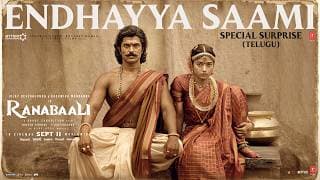
Endhayya Saami Special Surprise | Ranabaali |Vijay Deverakonda,Rashmika |Rahul Sankrityan |Ajay–Atul
Artist Origin: The song "Endhayya Saami Special Surprise | Ranabaali" features Vijay Deverakonda and Rashmika Mandanna, who are both Indian actors primarily from Telugu cinema. They are well-known in South India for their acting skills and popularity across various film industries. Genre: This song falls under the Bollywood/Telugu Pop genre, which is characterized by upbeat rhythms, catchy melodies, and contemporary themes often found in Indian popular music. Overall Theme: The song "Ranabaali" revolves around the playful yet affectionate relationship between two individuals. It captures a moment of surprise where one person expresses their feelings for another with humor and excitement. Key Lyrics Analysis: - Original lyrics: "Endhayya saami special surprise (This is a special surprise)" - This line sets up the entire mood of the song, establishing that there's an element of surprise or revelation about to unfold. - Original lyrics: "Ranabaali ranabhaali (Running around in circles)" - These lines describe a playful and energetic exchange between the characters, indicating a joyful and whimsical interaction. Emotional Tone: The emotional tone of this song is light-hearted, joyful, and romantic. It conveys excitement, playfulness, and a sense of discovery or surprise within the relationship dynamic. Cultural Context: In Indian culture, especially in Telugu cinema, songs often serve as pivotal moments for expressing emotions that might not be openly discussed through dialogue alone. "Ranabaali" encapsulates this cultural practice by using humor and playful lyrics to convey romantic feelings between characters. Artist Context: This song is part of the film "Shaka Laka Boom Boom," in which Vijay Deverakonda and Rashmika Mandanna star as the lead pair. It showcases their chemistry on screen and fits into a trend where contemporary Indian cinema uses upbeat music to enhance the narrative and engage with audiences emotionally. Overall, "Endhayya Saami Special Surprise | Ranabaali" exemplifies how popular Telugu cinema integrates lively musical elements to convey romantic themes and enhance viewer engagement.