
Latest Articles

希望の丘 - Kibou no Oka (Live)
### Artist Origin King & Prince is a Japanese boy band formed by Johnny & Associates, the same talent agency behind other famous groups like Arashi and EXO. The band members are all from Japan. ### Genre Genre: Pop/J-pop ### Overall Theme The song "希望の丘 - Kibou no Oka (Live)" by King & Prince is about cherishing moments with friends and creating memories together at a place called "Hope Hill". It reflects on the desire to maintain relationships over time, emphasizing joy and unity. ### Key Lyrics Analysis - *"10年後20年後もみんなに会っていたいな (I want to meet everyone even after 10 or 20 years)"* This line conveys a deep wish for lasting friendships that endure the test of time. - *"希望の丘で集まって、輪になって、肩組んで、乾杯しよう (Let's gather at Hope Hill, form a circle, hold hands, and raise a toast!)"* The band members express their desire to come together as one big family, celebrating in unison. - *"あふれこぼれ出すエナジーを 拾いかき集め、差し支えなけりゃ差し上げます(頂きます) (I'll collect the overflowing energy and give it to you if there's no problem)"* This repeated phrase symbolizes sharing joy, which is a core theme of the song. - *"有休使ってでもみんなと会っていたいな (Even on my day off, I want to meet everyone)"* The singer emphasizes the importance of spending time with friends beyond regular work hours. ### Emotional Tone Emotional Tone: The song conveys feelings of joy, nostalgia, and unity. It is uplifting and optimistic, encouraging listeners to cherish their friendships and create memorable moments together. ### Cultural Context - Cultural Reference: In Japanese culture, the concept of *gathering* (集まる - umaru) holds significant importance in social interactions and relationships. The phrase *"差し上げます(頂きます)"*, which translates to "I will give you something if there's no problem," is often used when offering assistance or sharing resources with others. ### Artist Context Artist Context: This song fits well within King & Prince’s discography, as it aligns with their overall message of positivity and unity. It showcases the band's ability to create catchy pop songs that resonate with fans who value friendship and community spirit.

Family Song
### Artist Origin Gen Hoshino is a Japanese singer-songwriter and composer. Born in 1983, he has gained recognition for his distinctive voice and poetic lyrics that often explore themes of longing, nostalgia, and personal growth. ### Genre The song "Family Song" falls under the genres of J-Pop (Japanese Pop) and Indie Folk, blending melodic pop arrangements with introspective folk storytelling. ### Overall Theme This song reflects on the interconnectedness of family ties and human experiences. It conveys a message that while individual happiness is desirable, shared sorrows can also serve as bridges to future connections and growth for others. ### Key Lyrics Analysis - "目が覚めて涎を拭いたら 窓辺に光が微笑んでた"(When I woke up and wiped my drool, light was smiling by the window.) This line sets a peaceful morning scene, suggesting a sense of renewal and hope for the day. - "救急車のサイレンが 胸の糸を締めるから (The ambulance siren tightens the strings in my chest.)" Here, an ambulance's siren serves as a somber reminder of life's unpredictability, emphasizing the fragility and interconnectedness of human lives. - "ただ幸せが 一日でも多く 側にありますように 悲しみは (May happiness be with me for just one more day. May sorrow...) These lines articulate the wish for daily happiness while acknowledging that sadness is an inevitable part of life, yet it can lead to future connections and growth. - "出会いに意味などないけれど 血の色 形も違うけれど (Though meeting has no meaning, colors of blood are different, shapes are different...) Despite differences in background or circumstances, the song promotes the idea that what truly matters is staying close and connected. ### Emotional Tone The emotional tone of "Family Song" is bittersweet and reflective. It balances hope with melancholy, celebrating small moments of joy while acknowledging life's inevitable hardships. ### Cultural Context While there are no direct cultural references in the lyrics, the themes of interconnectedness and shared human experiences resonate with Japanese culture’s emphasis on community and family bonds. The imagery used (like morning light or an ambulance siren) evokes a universal sense of daily existence and its nuances. ### Artist Context "Family Song" fits into Gen Hoshino's broader body of work, which often explores personal growth through intimate, lyrical storytelling. This track continues his tradition of creating emotionally resonant music that touches on universal themes while maintaining a uniquely Japanese aesthetic sensibility.

사랑은 늘 도망가
Artist Origin: The artist, Im Young-woong (임영웅), is a South Korean singer. He gained fame through the music competition show "I Am A Singer" in 2017 and has since become one of Korea's most popular singers. Genre: This song falls under the genres of ballad and抒情流行音乐(ballad)。 Overall Theme: The song is about the elusive nature of love. It captures the sorrow and longing one feels when their loved ones drift away, even as they try to hold on tightly. Key Lyrics Analysis: - "눈물이 난다 이 길을 걸으면 / 그 사람 손길이 자꾸 생각이난다" (Tears well up when I walk this road / The touch of that person keeps coming to mind) - This line sets the tone for the entire song, indicating a sense of sadness and nostalgia. - "사랑이란게 참 쓰린거더라 / 잡으려 할 수록 더 멀어지더라" (Love is truly bitter / The more you try to hold onto it, the farther it slips away) - Here, the speaker expresses the frustration that comes with loving someone who seems to be slipping away. - "사랑아 왜 도망가 / 수줍은 아이처럼 / 행여 놓아버릴까봐 꼭 움켜쥐지만 / 그리움이 쫒아 사랑은 늘 도망가" (Why does love run away, like a shy child / Afraid of being let go but still tightly grasped, / The memory chases after it as love always runs away) - This line encapsulates the idea that love is elusive and fleeting. - "잠시 쉬어가면 좋을 텐데" (It would be nice to take a brief rest) - This repetition suggests an unfulfilled desire for respite from the emotional turmoil. Emotional Tone: The song conveys feelings of sadness, longing, frustration, and helplessness. It evokes deep emotions associated with lost love and the struggle to keep hold of something precious yet fleeting. Cultural Context: Korean ballads often deal with themes of unrequited or lost love, reflecting broader cultural sentiments about emotional expression and relationships. The imagery used in this song is relatable across cultures but resonates particularly within South Korea's context of romantic melancholy. Artist Context: "사랑은 늘 도망가" fits into Im Young-woong’s repertoire as a heartfelt ballad that showcases his ability to convey deep emotions through music and lyrics. It demonstrates the artist's versatility in handling emotional themes, which has contributed significantly to his popularity among audiences who appreciate this genre of music.

Wild flower (들꽃이 될게요)
Artist Origin Lim Young Woong is a South Korean singer-songwriter and actor. Born in 1992, he first gained recognition through his participation in the reality talent show "Korean Idol Star Survival." He has since released several successful singles and albums, establishing himself as one of the prominent voices in contemporary Korean pop music. Genre The song "Wild flower (들꽃이 될게요)" falls under the genres of ballad and indie-pop. It features a gentle melody with emotional vocals that convey deep sentimentality. Overall Theme "Wild flower (들꽃이 될게요)" is about unrequited love, where the singer expresses his enduring affection for someone who may not be aware of it or reciprocate those feelings. The comparison to a wildflower emphasizes the protagonist's desire to remain unnoticed yet present in the loved one's life. Key Lyrics Analysis - 들꽃이 될게요 계절 틈에 피는 (I will become a wild flower, blooming during the gaps of seasons) This line sets up the metaphor for unrequited love. The singer likens himself to a wildflower that grows between cracks, symbolizing someone who is present but not fully acknowledged or appreciated. - 나 그대 많이 사랑해요 (I have loved you so much) These lines directly express the depth of affection felt by the protagonist, emphasizing his enduring yet unspoken love for another person. - 어쩔 수 없는 거겠죠 고작 이런 날 그대는 높은 하늘의 무지개 같거든요 닿을 수 없을 테죠 (It's something that can't be helped. You're like a rainbow in the high sky, out of reach.) These lyrics highlight the futility and hopelessness felt by the singer when he acknowledges the impossibility of reaching or touching someone who seems as unreachable as a rainbow. Emotional Tone The emotional tone of this song is one of longing, vulnerability, and resignation. The gentle melody paired with poignant lyrics evoke a sense of melancholic beauty, reflecting on unrequited love that persists despite its hardships. Cultural Context In Korean culture, the imagery of wildflowers often carries connotations of resilience and understated beauty. This metaphor resonates strongly within the context of traditional Korean aesthetics, which value subtlety and naturalness over flamboyance. Artist Context "Wild flower (들꽃이 될게요)" fits well into Lim Young Woong's discography as a piece that showcases his ability to convey deep emotions through ballads. This song continues his trend of releasing introspective music that touches on themes of love, loss, and longing, cementing his reputation as an artist capable of evoking strong emotional responses from listeners. Overall, "Wild flower (들꽃이 될게요)" is a poignant reflection on unrequited love, encapsulating the bittersweet nature of affection that remains unsaid.

TABOLA BALE
### Artist Origin The song "TABOLA BALE" is performed by SILET OPEN UP, Jacson Seran, Juan Reza, and Diva Aurel. These Indonesian artists are from the country of Indonesia, which has a rich tradition of pop music, blending local traditions with international influences. ### Genre Genre: The song falls primarily into the Indonesian Pop (Pop Indonesia) genre, incorporating elements of contemporary R&B and traditional Indonesian musical styles. ### Overall Theme The overall theme revolves around the protagonist's infatuation with a young woman named Maimuna. He expresses his deep admiration for her beauty, character, and the impact she has on him emotionally and physically. The song is essentially about love at first sight and the desire to pursue romantic relationships despite societal norms. ### Key Lyrics Analysis - "Lia ade nona makin gaga bikin kaka jadi suka / Dulu ade rambu kepang dua sekarah rambu mera mera" (This young woman makes me fall for her more and more / In the past, she had pigtails, now she has red hair) This line sets up a contrast between the character's memories of the woman from their childhood to her current appearance, highlighting how much she has grown and changed. - "Kaka tabola bale lia ade nona e / Su makin manyala e kaka hati susah e" (My heart flutters when you're near me / The more I see you, the harder it is for my heart) These lines directly express the character’s emotional turmoil and his growing affection for Maimuna. - "Ini bidadari timur siapa yang punya" (This Eastern angel, who owns her?) This line metaphorically describes Maimuna as an angel-like figure, emphasizing her beauty and allure. - "Eh maimuna eh lucunya kaka harap bisa satu rumah / Kalo trima sa pu cinta kaka janji kita langsung nikah" (Oh Maimuna, oh how I hope we can live together / If you accept my love, I promise to marry you right away) The character expresses his desire for a relationship with Maimuna and even proposes marriage if she accepts him. ### Emotional Tone The emotional tone of the song is overwhelmingly romantic and passionate. It conveys feelings of longing, admiration, and desire as the protagonist becomes increasingly enamored with Maimuna. ### Cultural Context The lyrics incorporate Indonesian slang terms such as "ade" (young woman) and "kaka" (older brother/elder), which are commonly used in contemporary Indonesian pop music to create a relatable and modern context. Additionally, the mention of hairstyles and fashion trends reflects current Indonesian youth culture. ### Artist Context This song fits into the artists' careers by showcasing their ability to blend traditional and contemporary elements in their music while addressing universal themes like love and desire. It aligns with the pop genre's trend of incorporating local languages and slang to appeal to younger audiences, which has been a hallmark of their work.

Tresno Tekan Mati
### Artist Origin Ajeng Febria, also known as Feby, is an Indonesian singer-songwriter. She hails from Bandung, Indonesia, and gained significant popularity in the late 2010s for her emotive ballads. ### Genre The song "Tresno Tekan Mati" falls under the genres of Pop Ballad and Indie Pop. ### Overall Theme This song is about a relationship that has ended due to external pressures or societal expectations. The singer expresses her internal struggle with continuing on despite these influences, highlighting the pain she feels from the lost love but also acknowledging the necessity of moving forward. ### Key Lyrics Analysis - "Kau takkan tahu bagaimana hatiku sedih / Mengenang masa-masa indah bersama kau" *You won't know how my heart is sad / Remembering those beautiful times together.* This line reflects the singer's deep sorrow as she reminisces about her past relationship, indicating a strong emotional attachment and longing. - "Tresno tekanku mati, namun aku tetap hidup / Meski hatiku kini merana dan jatuh dalam kesepian" *Love, you force me to die, but I still live on / Even though my heart is now withered and falls into loneliness.* These lines encapsulate the main theme of the song: while the singer’s love may be suppressed or forced to end due to external pressures, she struggles internally as her heart remains yearning for what once was. ### Emotional Tone The emotional tone of "Tresno Tekan Mati" is somber and reflective. It conveys a sense of deep sadness, longing, and resignation intertwined with an underlying strength in facing the inevitable. ### Cultural Context In Indonesian culture, societal expectations often play a significant role in personal relationships. The theme of familial or social pressures compelling individuals to end a relationship is not uncommon, reflecting broader cultural dynamics around arranged marriages, family honor, or economic stability. This song resonates deeply with listeners who have experienced similar situations. ### Artist Context Feby has been known for her introspective and emotional ballads that often explore themes of love, loss, and personal struggle. "Tresno Tekan Mati" fits well within this context as it continues to showcase Feby's ability to convey complex emotions through melodic and poignant lyrics. This song is part of a body of work that has helped solidify her reputation as an emotive singer who tackles relatable themes.
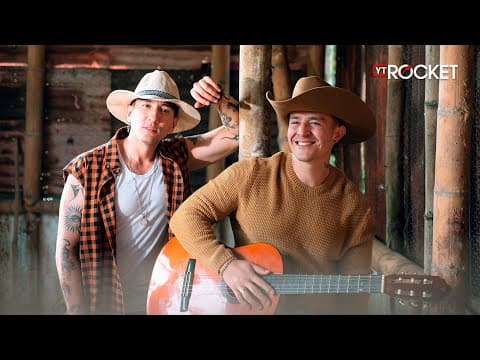
No La Llamen Infiel
### Artist Origin Luis Alfonso is a Colombian singer and songwriter from Cali, Colombia. He is known for his romantic ballads and has been active in the Latin American music scene since the early 2000s. ### Genre The song "No La Llamen Infiel" falls under the genres of Latin pop and bolero, with elements of reggaeton. ### Overall Theme This song tells the story of a woman who, after being neglected by her partner, finds solace in another relationship. She desires affection and attention, which were previously absent from her original relationship. The theme revolves around the complexities of love and fidelity, emphasizing that sometimes people need to feel loved and valued to be truly happy. ### Key Lyrics Analysis - "Y se cansó de esperarlo / Llorando sobre la almohada / Él siempre llega muy tarde / Y no se daba cuenta de lo que pasaba" She has grown tired of waiting for him, crying into her pillow as he constantly arrives late. This line highlights her frustration and loneliness caused by the lack of consideration from her partner. - "Ella con otra piel buscó su reparo / Y en otros brazos se sintió mujer" She seeks solace with someone else, feeling like a woman again in another's arms. This indicates that she finds validation and self-worth through this new relationship. - "Y quiere que vuelvan esas mariposas / De esas que un día erizaron su piel" She desires the butterflies and excitement of her past love to return. This line expresses a hope for rekindling the passion in her original relationship, implying that she still has feelings for him. ### Emotional Tone The song conveys emotions such as sadness, frustration, longing, and desire for validation. The woman's emotional journey from feeling unloved to finding comfort elsewhere is palpable throughout the lyrics. ### Cultural Context In Latin American culture, fidelity and loyalty are highly valued in relationships, often seen as pillars of trust and commitment. However, this song challenges those cultural norms by highlighting the complexities of human emotions and desires when faced with neglect and lack of attention. ### Artist Context "No La Llamen Infiel" fits into Luis Alfonso's repertoire of romantic ballads that explore themes of love, heartbreak, and redemption. This song adds depth to his discography by addressing a nuanced perspective on fidelity and the importance of emotional support in relationships.

Mă sună nebunele
### Artist Origin Lazy Ed, whose real name is Eduard Ciubotariu, is a Romanian singer-songwriter and comedian. He is known for his satirical songs that often blend humor with social commentary. ### Genre The song "Mă sună nebunele" can be classified under the genres of Romanian folk-pop, comedy music, and satire. ### Overall Theme This song primarily explores themes of societal absurdity and individualism, highlighting how people often act out of their usual characters or engage in nonsensical behavior. The title itself translates to "Crazy People Call Me," suggesting that the singer is a target for eccentric individuals or receives odd calls. ### Key Lyrics Analysis - "Mă sună nebunele ca să meargă către mine" (Crazy people call me as if they're going towards me) This line introduces the main subject of the song, implying that unusual characters reach out to him. - "Eu sunt cel care ridicolizează nebunii și-i las pe cei normali în pace" (I am the one who ridicules the crazy ones and leaves the normal ones in peace) The singer portrays himself as someone who mocks eccentric individuals, allowing those with more conventional behaviors to remain unaffected. ### Emotional Tone The emotional tone of "Mă sună nebunele" is predominantly humorous and playful, with a touch of mockery towards bizarre or nonsensical behavior. It conveys a sense of amusement and detachment from the whimsical characters described in the song. ### Cultural Context This song reflects aspects of Romanian culture where satire and humor are often used to critique societal norms and eccentric behaviors. The use of colloquial language and references that resonate with local experiences make it relatable for Romanian audiences, who may recognize elements of their own society within the lyrics. ### Artist Context "Mă sună nebunele" fits well into Lazy Ed's repertoire as a satirical artist. Known for his comedic and socially-aware songs, this track aligns with his style of blending humor with social commentary. It showcases his ability to observe and critique societal quirks through light-hearted and entertaining music. Overall, the song is a humorous take on the idiosyncrasies of society and personal eccentricities, reflecting Lazy Ed's knack for delivering critical yet amusing observations through catchy tunes.

I Am... All Of Me
Artist Origin Crush 40 is a Japanese rock band, best known as the side project of Kenji "Naka" Nakahara, who was also the rhythm guitarist and backing vocalist for the video game music composer Motoi Sakuraba. The band has been active since the late 1990s. Genre The song "I Am... All Of Me" falls under the genres of rock and alternative metal. Overall Theme This song is about embracing one's duality—both the good and the bad aspects of oneself. It portrays a powerful and complex self-image where the narrator acknowledges their darker side but also claims to be a hero, suggesting an acceptance of all parts of their personality. Key Lyrics Analysis - "I see no, hear no evil / Black writing's on the wall": This line introduces a theme of hidden or unseen negativity ("evil") that is becoming apparent. The "black writing" could symbolize signs of trouble or warning signals. - "Unleashed a million faces / And one by one, they fall": Referring to various aspects of oneself or different personas being revealed and then failing or falling away. - "Black-hearted evil / Brave-hearted hero": Acknowledging the coexistence of negative ("black-hearted") and positive ("brave-hearted") traits within the self. - "Do it, do it, do it, do it! Can you see all of me? Walk into my mystery Step inside and hold on for dear life": An invitation to confront or understand the complex nature of oneself fully. - "I am, I am everyone, everywhere / Anyhow, anyway, any will, any day": A declaration that the self is universal and can manifest in various ways at different times and places. Emotional Tone The song conveys a strong, powerful emotion with a sense of defiance and bravado. It also has an element of mystery and complexity, reflecting the multifaceted nature of personal identity. Cultural Context While not overtly referencing specific cultural elements, the theme of duality is somewhat universal across many cultures. However, the song’s style and production are heavily influenced by Japanese rock aesthetics, blending with Western alternative metal influences to create a unique sound that resonates globally. Artist Context "I Am... All Of Me" fits within Crush 40's exploration of heavy, powerful themes through their music. As part of Kenji Nakahara's creative output outside his work with Motoi Sakuraba, this song exemplifies the band’s ability to merge aggressive rock sounds with introspective lyrical content, showcasing a broader artistic range compared to their typical soundtracks. This analysis provides insight into how "I Am... All Of Me" stands as both a powerful statement and an exploration of personal identity within Crush 40's repertoire.

What It Sounds Like
### Artist Origin HUNTR/X, also known as Hunter Hayes, is an American singer-songwriter and multi-instrumentalist. He was born on October 10, 1991, in Chapel Hill, North Carolina. ### Genre The genre of this song is pop with elements of alternative rock and country-pop. ### Overall Theme "What It Sounds Like" is a deeply personal song that explores themes of self-discovery and redemption. The artist reflects on past mistakes and the importance of embracing one’s true self, scars and all. ### Key Lyrics Analysis - *"Nothing but the truth now / Nothing but the proof of what I am"*: This line introduces the theme of honesty and authenticity, setting up the song's narrative about revealing one's true nature. - *"I broke into a million pieces, and I can't go back / But now I'm seeing all the beauty in the broken glass"*: These lines symbolize personal growth through overcoming past struggles. The "broken glass" represents fragmented experiences that are now seen as valuable parts of the self. - *"Why did we cover up the colors stuck inside our head? / Get up and let the jagged edges meet the light instead"*: This metaphor encourages embracing one’s inner complexities rather than hiding them, suggesting a journey towards authenticity and acceptance. ### Emotional Tone The emotional tone is deeply introspective, with moments of vulnerability, remorse, and ultimately hope. There's an underlying sense of resilience and determination to move forward despite past shortcomings. ### Cultural Context This song doesn't contain specific cultural references but resonates broadly with themes of self-reflection and overcoming personal challenges, which are universally relatable. ### Artist Context In HUNTR/X’s career, "What It Sounds Like" is part of his broader narrative of growth and artistic evolution. The song showcases a more introspective and emotionally raw side compared to some of his earlier hits, reflecting a matured perspective on self-expression and authenticity in music. By analyzing these aspects, we see how the song encapsulates personal journey towards truth and healing, resonating with listeners who may be going through similar experiences of self-discovery.

I Am... All Of Me
### Artist Origin Crush 40 is an American alternative metal band formed in 1989 by Dimebag Darrell, the guitarist of Pantera. The name "Crush 40" comes from the nickname given to a guitar Darrell played. ### Genre The genre of I Am... All Of Me is alternative metal, with elements of hard rock and industrial music. ### Overall Theme This song explores the concept of duality, where the protagonist embodies both evil and heroism. It delves into themes of power, mystery, and identity, challenging listeners to confront the complexity within oneself and others. ### Key Lyrics Analysis - "I see no, hear no evil / Black writing's on the wall": This line suggests a warning or impending doom (the black writing symbolizing danger). The phrase "see no evil/hear no evil" implies denial or ignorance in the face of danger. - "Unleashed a million faces / And one by one, they fall": This verse indicates that many individuals or personas are being released, each falling as they encounter something powerful and overwhelming (likely the persona described later). - "Black-hearted evil / Brave-hearted hero": The protagonist declares themselves to be both an embodiment of darkness ("black-hearted") and courage ("brave-hearted"). They assert their duality by stating "I am all I am." - "Do it, do it, do it... Can you see all of me?": This repetition challenges the listener to try and understand or perceive the entirety of who the speaker is. The invitation to step into their mystery suggests an offer for intimacy but also a warning about the danger involved. - "Step inside and hold on for dear life / Do you remember me? Capture you or set you free": This line highlights a paradoxical relationship between power, freedom, and control. It questions whether capturing someone (possibly metaphorically) is an act of protecting them or imprisoning them. ### Emotional Tone The song conveys a mix of intensity, mystery, and ambivalence. The emotional tone oscillates between the dark and light aspects of human nature, creating a sense of tension and intrigue. ### Cultural Context While there are no explicit cultural references in this song, the theme of duality aligns with broader philosophical concepts often explored in Western literature and philosophy, particularly in discussions of good versus evil, identity, and self-awareness. The song also reflects a postmodern perspective on individuality and complexity within one's persona. ### Artist Context "I Am... All Of Me" fits into Crush 40's body of work by continuing the exploration of heavy themes through aggressive sounds. It is part of their effort to carve out an identity separate from Pantera, showcasing Darrell’s versatility as a musician beyond his role in that band. The song encapsulates the darker and more introspective side often found in alternative metal, reflecting on personal complexity and power dynamics. This analysis provides insight into how Crush 40's music delves into deep existential and psychological themes through their unique blend of hard rock and industrial elements.

Golden
Artist Origin: HUNTR/X is a South Korean singer, songwriter, and rapper. The artist was previously known as X or IU's X before adopting the stage name HUNTR/X. Genre: This song falls under the genres of K-pop, electropop, and pop-rap. Overall Theme: "Golden" is a励志歌曲,讲述了从过去的孤独和自我怀疑中走出来,找到自信并追求自己真正价值的过程。这首歌鼓励听众相信自己,并通过努力达到顶峰。 Key Lyrics Analysis: - *I was a ghost, I was alone (hah) 어두워진 (darkened)*: This line sets the stage for the artist's past struggles with isolation and inner darkness. - *"Given the throne i don't know (hah), How to believe (hah)"*: Despite being in a position of power or recognition, the artist still questions their worth. - *I'm done hidin' now I'm shinin', Like I'm born to be* : The artist declares that they are no longer hiding and is shining as if it was their destiny all along. - *"We're goin' up-up-up, It's our moment... Gonna be, gonna be golden"*: This repeated line emphasizes the rise of self-confidence and the realization that achieving one’s potential can bring a sense of fulfillment. Emotional Tone: The song conveys emotions ranging from past struggles with insecurity to present-day empowerment and optimism. There is a clear shift towards positivity and confidence as the lyrics progress. Cultural Context: Although not overtly referencing specific Korean culture, the theme of overcoming personal adversity and achieving success resonates strongly within many cultures, including Korea’s emphasis on perseverance (bulgi) and self-improvement. Artist Context: "Golden" fits into HUNTR/X's career as a track that showcases their growth from being a supporting artist to finding their own voice and asserting confidence in their unique identity and capabilities.