
Latest Articles

VAI NO PAL VEM NO PAL - GORDINHO BOLADO
"VAI NO PAL VEM NO PAL" by Gordinho Bolado is a quintessential example of modern Brazilian Funk (specifically the *Mandelão* or *Ritmo dos Fluxos* style). Here is an analysis of the track: Overall Theme The song is a high-energy party anthem centered on the "fluxo" (Brazilian street party) culture and sexual liberation. Its primary theme is the rhythmic coordination between the music’s heavy beat and the physical acts of dancing and sexual movement. Key Lyrics Analysis * "Vai no pal, vem no pal": The word "pal" is a phonetic, slang spelling of *pau* (literally "stick," but used as a vulgar slang term for penis). The phrase translates to "Go on the [penis], come on the [penis]," describing the back-and-forth motion of grinding or sexual intercourse. * "Senta pros cria": In Brazilian slang, *cria* refers to someone born and raised in the community (the favela or neighborhood). This line is an invitation for a woman to dance for or engage with the local men. * "Vem jogando o bundão": This is a standard Funk command meaning "Come throwing your big butt." It emphasizes the "twerking" and rhythmic dance moves that are central to the genre's subculture. * Repetitive Onomatopoeia: The song uses repetitive vocal triggers to match the aggressive, "stuttering" bassline characteristic of São Paulo's *Mandelão* style, intended to induce a trance-like state on the dance floor. Emotional Tone The tone is hedonistic, provocative, and aggressive. It isn’t meant to be "romantic"; instead, it conveys a raw, nocturnal energy. The song is designed to be loud and impactful, mirroring the chaotic and celebratory atmosphere of a crowded street party where social norms are relaxed. Cultural Context The song belongs to the Funk Putaria subgenre, which is known for its explicit lyrics and focus on sexual themes. Culturally, it represents the *Baile Funk* or *Fluxo*—informal gatherings in the outskirts of Brazilian cities. The use of "pal" instead of "pau" is a common linguistic trait in internet slang and music titles in Brazil, often used to bypass censorship filters on social media or streaming platforms while maintaining the original meaning for the audience. Artist Context Gordinho Bolado is a prominent figure in the São Paulo Funk scene. His career is built on tracks that are highly "danceable" and optimized for viral success on platforms like TikTok and Instagram Reels. "VAI NO PAL VEM NO PAL" fits perfectly into his discography as a "track for the DJs"—a song with a minimal melodic structure but a powerful rhythmic hook intended to be played on high-volume sound systems (known as *paredões*). This track solidified his status as an artist who understands the "language of the streets" and the specific sonic requirements of the current Funk market.

♫ Tú Llegaste - Turromantikos / Cumbia 🔥 ¡#1 Tendencia de música! ✨
"Tú Llegaste" by Turromantikos is a viral hit that blends the gritty, rhythmic energy of Argentinian urban cumbia with deeply sentimental, romantic lyrics. Here is an analysis of the song: ### 1. Overall Theme The song centers on the theme of emotional salvation through love. It describes a protagonist who was going through a dark or lonely period until a special person arrived at the "perfect moment" to transform their life and provide a sense of purpose and happiness. ### 2. Key Lyrics Analysis * "Tú llegaste cuando más lo necesitaba" (*You arrived when I needed it most*): This is the core hook of the song. It emphasizes "divine timing"—the idea that the partner wasn't just a random encounter, but a necessary lifeline during a low point. * "Me cambiaste la vida, me diste alegría" (*You changed my life, you gave me joy*): This line highlights the transformative power of the relationship. It moves the narrative from a state of sadness to one of celebration. * "Desde que estás conmigo, todo es diferente" (*Since you've been with me, everything is different*): This suggests a total shift in the singer's worldview. The "gray" world becomes colorful again because of the partner's presence. ### 3. Emotional Tone The tone is grateful, celebratory, and deeply romantic, yet it maintains an upbeat, danceable energy. There is a sense of relief in the vocals—as if the singer is exhaling after a long struggle. Despite the "tough" urban aesthetic of the genre, the vulnerability in the lyrics creates a "sweet" contrast that resonates with a wide audience. ### 4. Cultural Context The song belongs to the Cumbia Romántica subgenre, heavily influenced by the "Turro" culture of Argentina (urban youth culture from the suburbs). * The "Turromantiko" Concept: The name of the group itself is a play on words: "Turro" (urban/street kid) + "Romántico." It represents a cultural movement where artists who look like they belong to the "street" or "barrio" express soft, devoted, and loyal feelings, breaking the stereotype of the "tough guy." * Danceability: Like most modern Argentinian cumbia, it is designed for *boliches* (nightclubs) and family gatherings, making it a "feel-good" anthem for the summer season. ### 5. Artist Context Turromantikos has quickly become a leader in the "new wave" of Argentinian cumbia. This song’s success, reaching #1 in music trends, marks a significant milestone in their career, proving that there is a massive appetite for lyrics that prioritize loyalty and love over the more hedonistic themes often found in urban music. It cements their position as the go-to group for "romantic street music" that appeals to both younger Gen-Z fans on TikTok and traditional cumbia listeners.
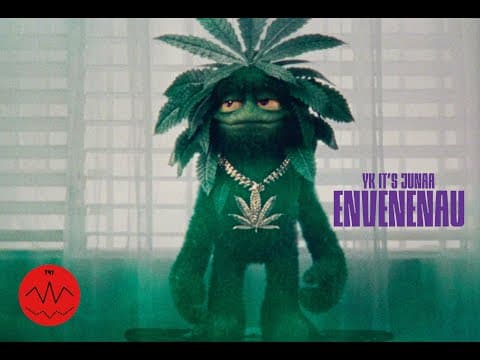
Envenenau
"Envenenau" by Yk It's Junaa is a standout track in the contemporary Latin "Sad Trap" and "Corridos Tumbados" scene. It explores the dark, addictive nature of a toxic relationship through a gritty, urban lens. Here is an analysis of the song: 1. Overall Theme The song centers on the theme of emotional "poisoning" within a romantic relationship. It describes a deep, obsessive attachment to a partner who is ultimately harmful, portraying love as a drug that the narrator cannot quit despite the pain it causes. 2. Key Lyrics Analysis * "Me tienes envenenau" (You have me poisoned): The title and central hook use the colloquial pronunciation of *envenenado*. It suggests that the love he feels has circulated through his system like venom, affecting his judgment and well-being. * "No puedo salir de este laberinto" (I can’t get out of this labyrinth): This line highlights the feeling of being trapped. The relationship is no longer a path forward but a confusing, repetitive cycle of hurt. * References to substances and "la calle" (the street): Like many songs in this genre, Junaa blends heartbreak with street life. He often mentions using substances (smoking or drinking) as a coping mechanism to numb the "poison" of the heartbreak. * "Tú sabes que yo por ti me muero": A classic hyperbole in Latin music, but in the context of "Envenenau," it takes on a darker meaning—not just dying for love, but being destroyed by it. 3. Emotional Tone The tone is melancholic, dark, and resigned. There is a sense of "tragic romanticism" where the narrator accepts his suffering as part of his reality. The slow, heavy bass and moody production enhance the feeling of being weighed down by sorrow and obsession. 4. Cultural Context The song fits into the "Sad Boy" movement within Latin Trap and Regional Mexican music. This subculture blends the "machismo" of street life with extreme emotional vulnerability. * Language: The use of slang and the dropping of the "d" in words (typical of Caribbean-influenced urban Spanish) grounds the song in a specific street-level identity. * Aesthetic: The song resonates with the "Cholo" or "Lowrider" aesthetic common in the Southwest US and Northern Mexico, where internal pain is masked by a tough exterior. 5. Artist Context Yk It's Junaa has built a reputation for being a voice for the "broken-hearted" in the urban scene. "Envenenau" is a quintessential example of his style: merging melodic trap beats with lyrics that feel like a modern, urban *bolero* (ballad). It helped solidify his position as an artist who can bridge the gap between hard-hitting street music and raw, emotional storytelling.

EDM Workout Music Mix (Continuous DJ Mix)
Analyzing a continuous DJ mix is slightly different from analyzing a single song, as the "EDM Workout Music Mix" by the EDM Workout DJ Team is a curated experience designed for a specific physiological purpose. Here is an analysis of the mix: 1. Overall Theme The primary theme of this mix is functional motivation and physical endurance. Rather than telling a narrative story, the music acts as a psychological tool designed to synchronize a listener's movement with high-tempo rhythms, helping to sustain peak physical performance during a workout. 2. Key Lyrics Analysis Because this is a continuous EDM mix, the "lyrics" are often secondary to the beat. However, the vocal samples used throughout generally follow these patterns: * Command-Based Hooks: Phrases like *"Let’s go," "Push it,"* and *"Don't stop"* serve as external cues. These aren't just lyrics; they are psychological triggers meant to combat fatigue. * The "Drop" Preparation: Vocals often build tension (e.g., *"Are you ready?"* or counting down *"3, 2, 1"*). This mirrors the "interval training" logic of a workout, where the listener prepares for a burst of high-intensity effort. * Rhythmic Repetition: Many tracks use repetitive phrases that become hypnotic. This allows the athlete to enter a "flow state," where the music fades into the background of their subconscious while maintaining their heart rate. 3. Emotional Tone The emotional tone is relentlessly high-energy, aggressive, and triumphant. * Adrenaline-Inducing: The use of heavy bass and high BPM (usually between 124 and 130) mimics an elevated heart rate. * Aggressive Optimism: There is no room for melancholy or slow reflection. The tone is strictly focused on power, strength, and overcoming physical resistance. 4. Cultural Context This mix exists within the "Gym Culture" and "Playlist Economy" of the digital age. * Ergogenic Aid: In sports science, music is considered a "legal performance-enhancing drug." This mix is specifically engineered to lower the "perceived rate of exertion" (making the workout feel easier than it actually is). * EDM Evolution: It reflects how Electronic Dance Music has moved from the nightclub to the fitness studio, becoming the global standard for high-intensity interval training (HIIT) and spin classes. 5. Artist Context The EDM Workout DJ Team is a specialized production entity rather than a traditional performing band. * Functional Music Creators: Their career is built on creating "utilitarian music"—tracks designed for a specific task (fitness) rather than radio play or artistic storytelling. * Consistency over Branding: In their discography, the "brand" is the workout itself. They fit into a niche of artists who prioritize seamless transitions and consistent energy levels to ensure that a person’s workout isn't interrupted by a change in mood or a slow song.

I Never Give Up
Here is an analysis of the song "I Never Give Up" by Fearless Motivation. ### 1. Overall Theme The song is a powerful anthem centered on resilience, mental toughness, and the refusal to surrender in the face of adversity. It argues that failure is a temporary state and that true character is defined not by how many times you fall, but by your commitment to getting back up until you achieve your goals. ### 2. Key Lyrics Analysis * "It’s not over until I win." This line encapsulates the "warrior mindset." It suggests that the timeline of success is flexible; as long as the individual refuses to stop, the "end" of the story hasn't been written yet. It removes the possibility of permanent failure. * "I’ve been down, but I’ve never been out." This borrows from boxing terminology. Being "down" means taking a hit or suffering a setback, but being "out" means the fight is over. It emphasizes that struggle is inevitable, but defeat is a choice. * "The pain you feel today will be the strength you feel tomorrow." This verse highlights the concept of "post-traumatic growth." It frames current suffering as a necessary refining process—a form of "emotional resistance training" that builds the capacity for future success. * "I am the master of my fate, I am the captain of my soul." (Referencing the poem *Invictus*) This reinforces the theme of extreme ownership—taking full responsibility for one's life regardless of external circumstances. ### 3. Emotional Tone The tone is intense, aggressive, and cinematic. It begins with a sense of gravity and builds into an explosive, high-energy crescendo. It is designed to evoke a "fight or flight" response, specifically channeling that energy into "fight." It feels like a pep talk delivered in the heat of a battle or at the peak of an exhausting workout. ### 4. Cultural Context This song is a product of the modern "Hustle Culture" and the self-development movement. It reflects a cultural shift where people look to "motivational media" (often found on YouTube and Spotify) to supplement their mental health or fitness routines. It taps into the "underdog" narrative that is deeply rooted in sports and business culture, where grit is valued above talent. ### 5. Artist Context Fearless Motivation is not a traditional music group but a production team that specializes in "motivational speeches set to epic music." "I Never Give Up" is one of their most iconic tracks, serving as a cornerstone of their brand. It represents their transition from simple spoken-word tracks to high-production "cinematic motivational" songs that are widely used by athletes, bodybuilders, and entrepreneurs worldwide to fuel their "grind."

Give Me Everything (कलाकार. Nayer)
"Give Me Everything" is a landmark dance-pop anthem released in 2011 by Pitbull, featuring Ne-Yo, Afrojack, and Nayer. It remains one of the best-selling singles of all time. Here is an analysis of the track: Overall Theme The song centers on the philosophy of *Carpe Diem* (seize the day). It encourages listeners to live entirely in the present moment, casting aside worries about the future or past mistakes. The narrative focuses on a night of uninhibited partying and romantic connection, driven by the urgency that "tomorrow is not guaranteed." Key Lyrics Analysis * "Grab somebody sexy, tell 'em hey / Give me everything tonight.": This serves as the song's primary hook. It’s a direct call to action to find human connection and give 100% of one's energy to the moment. * "For all we know, we might not get tomorrow / Let's do it tonight.": These lines provide the existential justification for the song’s hedonism. It suggests that since life is unpredictable, the only logical choice is to enjoy the "now." * "Reach for the stars, and if you fall, you'll land on the clouds.": A classic Pitbull motivational trope. It encourages ambition and risk-taking, suggesting that even a "failure" while aiming high results in a better position than not trying at all. * "I got it locked up like Lindsay Lohan.": This famous (and controversial) line referenced the actress's legal troubles at the time, used as a metaphor for Pitbull having the music industry "on lock" (under control). Emotional Tone The tone is euphoric, urgent, and celebratory. Afrojack’s high-tempo house production creates a sense of kinetic energy, while Ne-Yo’s soulful vocals add a layer of romantic yearning. The song feels like a "last call" at a club—there is a desperate need to make the night count before the sun comes up. Cultural Context "Give Me Everything" was released during the peak of the EDM-Pop crossover era (roughly 2009–2013), when European electronic dance music merged with American hip-hop and R&B. * Legal Trivia: The mention of Lindsay Lohan led to a lawsuit from the actress for "exploiting her name." Pitbull eventually won the case, with the court ruling that the lyrics were protected under the First Amendment as artistic expression. Artist Context This song was a pivotal moment in Pitbull’s career, marking his first No. 1 single on the Billboard Hot 100. It fully transitioned him from a local Miami rapper ("Mr. 305") to a global pop superstar ("Mr. Worldwide"). The track established the "Pitbull Formula": a world-class DJ for the beat (Afrojack), a smooth R&B singer for the chorus (Ne-Yo), and Pitbull’s own charismatic, bilingual verses.

KAMOKO - KARUGANO KA MAA (OFFICIAL VIDEO)
"Karugano Ka Maa" (The Story of Mom) by Kamoko is a deeply personal and soulful Gikuyu song that celebrates the sacrifices of motherhood. Below is an analysis of the song. Overall Theme The song is a poignant tribute to the artist's mother, detailing the hardships she endured to raise him and his siblings. It focuses on the themes of maternal sacrifice, the transition from poverty to success, and the cultural importance of "returning thanks" to one’s parents. Key Lyrics Analysis * "Karugano ka maa nî kairu" (The story of my mother is a dark/difficult one): Kamoko uses this line to set the stage, indicating that his upbringing was not easy and required immense resilience from his mother. * References to manual labor: The lyrics often describe the mother performing backbreaking work—such as farming, carrying heavy loads, or selling small wares—to pay for school fees. This highlights the "self-denial" common in many Kenyan households where parents skip meals to educate their children. * "Nî ngukuhe kîrathimo" (I will give you a blessing/reward): The song culminates in the artist promising to take care of his mother in her old age, symbolizing the "harvest" of her years of labor. Emotional Tone The tone is nostalgic and celebratory, yet underlined with a sense of deep debt and humility. While the verses reflecting on the past are somber and reflective, the chorus and the upbeat rhythm evoke a sense of triumph and joy, celebrating the fact that those "dark days" are over. Cultural Context In Gikuyu culture, the relationship between a mother and her son is held in high regard. There is a strong cultural belief in *Kîrathimo* (blessings) that come from honoring one’s parents. The song reflects the "Central Kenya" narrative of the "hustler" who moves from a humble rural village to the city and eventually returns to uplift his family. It resonates with the collective experience of many Kenyans who were raised by single mothers or in low-income rural settings. Artist Context Kamoko is known for his witty, often humorous, and socially conscious Gikuyu music. "Karugano Ka Maa" represents a more serious and sentimental side of his artistry. While many of his other hits are meant for the "Mugithi" (party/club) scene, this song established him as an artist capable of deep storytelling, earning him respect across different age demographics—from the youth who relate to the struggle to the elderly who appreciate the recognition of motherhood.

נועה קירל - או לה פופה (Prod. by Navi)
"Oulala Poupa" (או לה פופה) is a high-energy dance-pop track by Israeli superstar Noa Kirel. Produced by Navi, the song blends Middle Eastern rhythms with modern Latin and Mediterranean pop influences. ### 1. Overall Theme The song is an anthem of female empowerment, independence, and self-confidence. It portrays Noa as a woman who is fully in control of her life and romantic interactions, refusing to be treated like a "doll" or a passive participant in a man's game. ### 2. Key Lyrics Analysis * "אני לא הבובה שלך" (I am not your doll): This is the core message of the song. Noa asserts that she isn't a plaything or someone to be manipulated. It plays on the word "Poupa" (likely derived from the French *poupée* for doll), reclaiming the term to show she has agency. * "לא קונה את הסיפור שלך" (I’m not buying your story): She expresses skepticism toward smooth talkers and "players." It highlights her emotional intelligence and the fact that she isn't easily impressed by superficial charms. * "או לה פופה" (Oulala Poupa): While largely a catchy, rhythmic hook, it serves as a "call to the dancefloor." It frames her presence as something spectacular and worthy of the "Oulala" exclamation. * References to speed and luxury: Like many of her tracks, the lyrics imply she is "moving fast" and living a high-status life, leaving those who can't keep up behind. ### 3. Emotional Tone The tone is assertive, sassy, and playful. It carries a "boss-girl" energy designed to make the listener feel confident and untouchable. The driving beat and repetitive hook create a sense of urgency and celebration. ### 4. Cultural Context * Mediterranean Fusion: The song uses "Mediterranean-Pop" tropes that are very popular in Israel, blending Hebrew lyrics with international sounds (French and Spanish vibes) to create a "Global Pop" feel. * Fashion and Aesthetics: The song leans heavily into Noa's persona as a fashion icon. The term "Poupa" fits into the "Bratz doll" or "Barbie" aesthetic that was trending globally, but Kirel adds a Middle Eastern edge to it. ### 5. Artist Context "Oulala Poupa" fits into a specific era of Noa Kirel’s career where she transitioned from a "teen idol" to a mature, sophisticated pop artist with international ambitions. Working with producer Navi—known for his sharp, polished beats—this song reinforced her status as the "Queen of Israeli Pop" who can deliver radio-ready hits that work both in clubs and on the Eurovision-style stage. It showcases her ability to balance commercial appeal with a message of strength.

Lembrei de Tu
"Lembrei de Tu" is one of the most popular tracks by the Brazilian artist MC Meno K, showcasing a melodic and romantic side of the Funk genre. Here is an analysis and explanation of the song: 1. Overall Theme The song is a romantic ballad centered on the theme of *saudade* (a deep sense of longing and nostalgia). It describes a narrator who is constantly reminded of a past or distant lover by simple daily occurrences, highlighting the contrast between his tough urban persona and his vulnerable emotional state. 2. Key Lyrics Analysis * "Lembrei de tu, deitada no meu peito" (I remembered you, lying on my chest): This opening line sets a tone of physical intimacy and comfort. It shifts the focus from the artist’s public life to a private, quiet moment of connection. * "Toda vez que eu vejo a lua, eu lembro de você" (Every time I see the moon, I remember you): Using the moon as a catalyst for memory is a classic romantic trope. It suggests that even when he is alone at night, his thoughts are occupied by her. * "O coração de um maloqueiro também ama" (A 'maloqueiro's' heart also loves): This is a pivotal sentiment in modern Brazilian Funk. A *maloqueiro* (often referring to a street-smart youth from the outskirts) is usually portrayed as tough or cold, but this line humanizes the character, asserting that lifestyle doesn't preclude deep emotion. 3. Emotional Tone The tone is nostalgic, soulful, and sincere. While the beat maintains the rhythmic energy of Funk, the delivery is melodic and almost "dreamy." There is a sense of peaceful resignation—he isn't necessarily mourning a tragic loss, but rather savoring the sweetness of a memory. 4. Cultural Context The song fits into the "Funk Romântico" or "Funk Light" subgenre. In the Brazilian *periferias* (outskirts), music often oscillates between "proibidão" (raw lyrics about crime and hardship) and romantic tracks. "Lembrei de Tu" represents the "Maloka" aesthetic—where the urban youth culture of the favelas embraces designer clothes, motorcycles, and jewelry, but also values loyalty and romantic devotion. 5. Artist Context MC Meno K, hailing from the south of Brazil, gained significant fame for his distinct voice and melodic flow. "Lembrei de Tu" was a breakthrough hit that helped define his career as an artist who could bridge the gap between "street" credibility and mainstream pop appeal. It solidified his reputation as a "heartthrob" within the Funk scene, capable of producing viral hits that resonate across different social classes in Brazil.

Coração Partido (Corazón Partío) (Ao Vivo)
"Coração Partido" is a Portuguese adaptation of the legendary Spanish hit "Corazón Partío" by Alejandro Sanz. Performed live by Grupo Menos É Mais, the song transforms a Latin pop ballad into a vibrant, rhythmic *Pagode* anthem while maintaining its deep emotional core. ### 1. Overall Theme The song is a poignant exploration of heartbreak, abandonment, and the lingering attachment to a past lover. It centers on the existential dread of moving forward alone and the desperate search for someone who can mend a soul shattered by a failed relationship. ### 2. Key Lyrics Analysis * "Tiro as mãos do meu destino e me entrego aos seus olhos" (*I take my hands off my destiny and surrender to your eyes*): This line expresses total vulnerability. The narrator has lost their sense of self-direction, allowing their happiness and future to be dictated entirely by the person they love. * "Quem vai me entregar as suas emoções? Quem vai me pedir que nunca o abandone?" (*Who will give me your emotions? Who will ask me never to abandon them?*): These rhetorical questions highlight the fear of losing the unique intimacy shared with a partner. It’s not just about losing a person, but losing the specific role the narrator played in that person's life. * "Quem vai curar meu coração partido?" (*Who is going to heal my broken heart?*): This is the central plea of the song. It suggests that the damage is so significant that the narrator cannot heal themselves; they are looking for a "remedy" or a new love to fix what was broken. ### 3. Emotional Tone The tone is a mix of melancholy and rhythmic energy. While the lyrics are profoundly sad and reflect a state of "sofrência" (suffering), the *Pagode* arrangement gives it a communal, almost cathartic feel. It conveys a sense of shared pain—the kind of song a crowd sings together at the top of their lungs to let out their own romantic frustrations. ### 4. Cultural Context In Brazil, there is a long-standing tradition of reinterpreting Spanish-language Latin hits into *Pagode* or *Sertanejo*. By taking Alejandro Sanz’s global hit—which originally blended pop with flamenco—and adding the percussion and "swing" of Brazilian Samba, Menos É Mais bridges the gap between Hispanic and Lusophone cultures. It makes the sophisticated drama of the original accessible to the casual, festive atmosphere of a Brazilian barbecue (*churrasco*). ### 5. Artist Context Grupo Menos É Mais is a powerhouse in the modern Pagode scene, largely known for their "Churrasquinho" live sessions. This song is a perfect example of their signature style: taking established classics (both Brazilian and international) and giving them a fresh, high-energy live treatment. "Coração Partido" helped solidify their reputation as masters of the "piseiro-pagode" era, where emotional lyrics meet infectious, danceable rhythms.
Rulay y Pico
"Rulay y Pico" by Ezzy R is a high-energy urban track that bridges the gap between Dominican Dembow and Spanish street culture. It is a celebratory anthem focused on the lifestyle of the "barrio," success, and unfiltered partying. Here is an analysis of the song: 1. Overall Theme The song centers on the concept of being "Rulay"—a Dominican slang term for feeling great, partying, or being in a state of euphoria. It describes the artist's transition from the struggles of the streets to a life of wealth, loyalty to his "coro" (inner circle), and ignoring critics while enjoying the fruits of his labor. 2. Key Lyrics Analysis * "Me mantengo rulay y pico": This is the core hook. "Rulay" means to be chilling or partying, and "y pico" is an intensifier meaning "and then some" or "to the max." He is stating that his vibe is at an all-time high. * "Lo' fiele' con lo' fiele', lo' falso' pa' su sitio": A common theme in urban music, this emphasizes street loyalty. He keeps his true friends close and discards those who were only there for the convenience, a nod to the "codes" of the neighborhood. * "Tamo' haciendo cuarto', mami, no me critique'": "Cuartos" is Dominican slang for money. Ezzy R is telling his detractors (or a specific woman) not to judge his lifestyle because he is successfully generating wealth. * References to "el bloque" and "la movie": These terms highlight the transition from the "block" (the streets) to living a life that feels like a movie due to fame and luxury. 3. Emotional Tone The tone is defiant, energetic, and triumphant. It carries the frantic, high-bpm energy characteristic of Dembow, which provokes a sense of movement and "hype." There is also a secondary tone of arrogance, as the artist flexes his current status against those who doubted him. 4. Cultural Context * Dominican Influence: Although Ezzy R has built much of his career in Spain, the song is deeply rooted in Dominican culture. The slang (Dembow vocabulary) and the rhythm are traditional to the "Bajo Mundo" (underworld/working-class neighborhoods) of Santo Domingo. * The "Chipeo" Culture: The song is mixed and produced to be played in loud car speaker systems (known as *chipeo*), which is a massive subculture in the Spanish-speaking Caribbean and urban Spain. 5. Artist Context Ezzy R is a key figure in the "Dembow España" movement. This song serves as a staple in his discography that solidified his identity as a versatile artist who can dominate both the "Drill" scene and the "Dembow" scene. "Rulay y Pico" helped bridge the gap for his fans, showing he could create a club hit that remains authentic to his gritty, street-oriented roots.

Ela Sai de Provocação
"Ela Sai de Provocação" is one of the standout tracks by MC Don Juan, a leading figure in the Brazilian Funk (Funk Paulista) scene. Here is an analysis of the song: 1. Overall Theme The song explores the game of mutual attraction and visual flirtation. It describes a woman who intentionally dresses and acts provocatively to capture the narrator's attention, knowing his reputation as a charismatic "maloqueiro" (street-smart guy) who is easily drawn to her confidence and style. 2. Key Lyrics Analysis * "Ela sai de provocação / Só pra chamar minha atenção": These lines establish the premise of the song. The "provocation" isn't accidental; it’s a calculated social move. It highlights the power dynamic where the woman holds the initial visual power. * "Sabe que eu sou maloqueiro / E que eu tenho o dom da sedução": Don Juan identifies as a *maloqueiro*. In this context, it doesn't mean a "delinquent," but rather a stylish, street-wise man from the periphery who possesses natural charm and knows how to navigate the dating scene. * "Nois é os vilão que elas gosta": This translates to "We are the villains they like." It plays on the popular trope in Funk culture where the "bad boy" or the guy from the favela is seen as the most desirable partner due to his authenticity and "swagger." 3. Emotional Tone The tone is confident, flirtatious, and rhythmic. It carries a sense of "ostentação" (pride in one's status) and high self-esteem. There is no heartbreak here; instead, the song radiates the energy of a crowded nightclub or a street party (*baile funk*) where everyone is feeling attractive and bold. 4. Cultural Context * Funk Paulista/Ousadia: The song fits into the "Funk Ousadia" subgenre, which focuses on sensuality and flirting without necessarily being as crude as "Funk Proibidão." * The "Maloqueiro" Aesthetic: The song celebrates the lifestyle of the urban periphery in São Paulo. The fashion, the way of speaking, and the social interactions described are central to the identity of young people living in the outskirts of major Brazilian cities. * The Baile Funk: The "provocation" mentioned often refers to the specific way women dress for funk parties—frequently featuring branded clothing and bold styles that are meant to stand out in a high-energy environment. 5. Artist Context MC Don Juan is known for his unique, high-pitched vocal delivery and his ability to blend romantic themes with street-level funk. "Ela Sai de Provocação" was a pivotal track that helped solidify his image as a "romantic rogue." It showcases his transition from more explicit underground funk to a more polished, melodic sound that achieved massive mainstream success across Brazil and on streaming platforms.