
Latest Articles

LACAZETTE x GWENDO - LOV
"LOV" is a collaboration between the French artist LACAZETTE and Gwendo. It is a melodic urban track that blends elements of Afro-pop and Zouk-inflected RnB. Here is an analysis of the song: 1. Overall Theme The song explores the complexities of a modern, "toxic" romantic relationship characterized by deep passion but a lack of trust. It centers on the dialogue between two lovers who struggle to reconcile their feelings for each other with the pride and lifestyle choices that keep them apart. 2. Key Lyrics Analysis * "J’voulais pas te faire de mal, mais j'suis dans le mal": This line reflects the internal conflict of the protagonist. He acknowledges the pain he causes his partner but justifies it through his own personal suffering and "street" mentality, suggesting that his environment makes it hard to be a "good" partner. * The interplay between Lacazette and Gwendo: The song is structured as a conversation. While Lacazette focuses on his struggles and his need for loyalty, Gwendo’s verses often represent the woman’s perspective—demanding more than just words and highlighting the emotional exhaustion of waiting for him to change. * "LOV": The title itself is a play on "Love." In French urban slang, "LOV" can sometimes refer to money (from "Lové"), creating a double entendre where the artists weigh the importance of emotional love versus material success and the grind of daily life. 3. Emotional Tone The tone is bittersweet and melancholic. While the rhythm is danceable (typical of the Afro-Zouk style), the vocal delivery is heavy with longing and regret. There is a sense of "fatalism"—a feeling that even though they love each other, the relationship is destined to be difficult. 4. Cultural Context The song fits into the "Afro-Urban" or "Urban Zouk" genre, which is immensely popular in France and the French West Indies. This genre often uses upbeat, rhythmic production to tell stories of heartbreak and street life. It reflects the "banlieue" (suburban) culture in France, where traditional romanticism is often filtered through a lens of toughness and financial survival. 5. Artist Context LACAZETTE is part of a wave of French artists who transition between hard-hitting rap/drill and more melodic, "mainstream" club hits. "LOV" represents his versatility, showing he can move away from aggressive lyricism to a softer, more emotional sound. By featuring Gwendo, a female vocalist, he broadens the song's appeal to a wider audience, positioning the track as a "summer hit" style record rather than a niche rap song.

MONTAGEM VOZES PROFUNDAS (Ultra Slowed)
"MONTAGEM VOZES PROFUNDAS (Ultra Slowed)" by DJ MAXZZ is a prominent example of the "Brazilian Phonk" or "Dark Funk" subgenre. This version, specifically slowed down, enhances the atmospheric and heavy elements of the original production to create a specific "vibe" popular in internet subcultures. Here is an analysis of the track: ### 1. Overall Theme The song revolves around themes of dominance, raw energy, and the dark aesthetic of the Brazilian underground scene. It isn't a narrative song with a beginning or end; rather, it is a "Montagem" (Assembly), designed to create a hypnotic, powerful, and slightly menacing atmosphere through repetitive vocal loops and heavy bass. ### 2. Key Lyrics Analysis Because this is a "Montagem," the lyrics are often sampled, chopped, and distorted. In this track, the Portuguese lyrics function more as a rhythmic instrument than a poetic statement: * "Vozes Profundas" (Deep Voices): The title itself refers to the use of pitch-shifted, masculine vocals that sound guttural or demonic. This represents a sense of authority and "street" toughness. * Repetitive Bass-heavy phrases: While the specific lyrics often reference partying or "putaria" (the sexualized nature of Funk Carioca), the Ultra Slowed version strips away the literal meaning. The lyrics become a mantra of intensity, meant to make the listener feel invincible or focused. ### 3. Emotional Tone The emotional tone of this version is dark, aggressive, and "edgy." * The "Ultra Slowed" aspect adds a layer of doom and gravity, making the beat feel "heavier" and more imposing. * It evokes a sense of unshakeable confidence, which is why it is frequently used in videos depicting physical strength or stoic characters. ### 4. Cultural Context This song exists at the intersection of Brazilian Funk and the global Phonk movement. * TikTok and "Sigma" Culture: This specific track became a staple for "Sigma" edits, gym transformations, and car drifting videos. The slowed-down tempo appeals to a global audience that may not speak Portuguese but responds to the "dark" and "cool" aesthetic. * The "Slowed + Reverb" Trend: This is a digital-age cultural phenomenon where listeners seek out versions of songs that feel more immersive and "trippy" than the high-energy originals. ### 5. Artist Context DJ MAXZZ is a producer who has mastered the art of "viral" production. In his career, this song represents his ability to bridge the gap between local Brazilian "Bailes" (street parties) and international streaming success. By leaning into the "Deep Voices" aesthetic, he helped define the "Brazilian Phonk" sound that dominates Spotify and YouTube charts, proving that the rhythm and texture of Funk can transcend language barriers.

IZ*ONE (아이즈원) - 'FIESTA' MV
Here is an analysis and explanation of IZ*ONE’s "FIESTA." 1. Overall Theme "FIESTA" serves as the grand finale of IZ*ONE’s "Flower Trilogy" (following *La Vie en Rose* and *Violeta*). The song is a celebration of the group reaching their "full bloom," metaphorically turning their hard work and dreams into an eternal, vibrant festival that never ends. 2. Key Lyrics Analysis * "The time has come, long-awaited, as I bloom": This line signals the transition from the "budding" stage of their earlier songs to full maturity. It represents the moment their potential is finally realized. * "The festival is at its peak": The "Fiesta" isn't just a party; it is a state of being where the members are at the height of their confidence and artistry. * "The sun that doesn't set, in my heart": This refers to an internal drive and passion that remains constant. Even when the external world changes, the "sun" (their ambition) stays at high noon, fueling the celebration. * "Let all the colors of the world wake up": This reflects the group’s concept of "12 colors becoming one," suggesting that their collective energy brings vibrancy to everything around them. 3. Emotional Tone The song is triumphant, high-energy, and euphoric. It carries a sense of "controlled chaos"—the production is fast-paced and layered, creating a feeling of overwhelming joy and urgency. There is also an underlying sense of determination, as the lyrics emphasize that this festival is something they created through their own effort. 4. Cultural Context * The Flower Metaphor: In K-pop storytelling, flowers often represent growth, beauty, and the fleeting nature of idol careers. By calling the song "FIESTA" and claiming the sun won't set, IZ*ONE subverts the idea that flowers must wither, instead promising an eternal peak. * Visual Maximalism: The music video uses a "maximalist" aesthetic—rich textures, celestial imagery, and vibrant palettes—which was a hallmark of the late 2010s/early 2020s K-pop "elegant" concept. 5. Artist Context "FIESTA" is perhaps the most significant turning point in IZ*ONE’s career. Originally scheduled for late 2019, the release was delayed by several months due to the Mnet voting controversy. Consequently, when the song finally dropped in February 2020, it became a symbol of resilience. For the fans (WIZ*ONE), the "festival" represented the relief and joy of the group's return. It solidified their status as a "top-tier" girl group and remains their most iconic performance due to its incredibly complex and fast-paced choreography.

KiiiKiii 키키 'I DO ME' MV
"I DO ME" is the debut single by KiiiKiii (키키), a virtual human/artist project under Starship Entertainment. The song serves as a bold introduction to her digital persona. Here is an analysis and explanation of the track: ### 1. Overall Theme The song is a quintessential "self-love" and "independence" anthem. It focuses on the importance of prioritizing one's own happiness, style, and path over societal expectations or the judgmental gaze of others. The central message is about embracing individuality in a digital age where everyone is constantly being watched and compared. ### 2. Key Lyrics Analysis * "I do me, I do me": This repetitive hook is the core mantra of the song. It signifies a refusal to conform to a "template" or "mold." In the context of a virtual artist, it suggests that even though she is digital, her "personality" and "will" are distinct. * "Don't need your approval" (뉘앙스): The lyrics often touch on ignoring the "likes" or "dislikes" of the crowd. It emphasizes that self-validation is more important than social media metrics. * "Step into my world": This line invites the listener into KiiiKiii’s unique digital reality, framing her "otherness" as a point of pride rather than a flaw. ### 3. Emotional Tone The song carries a rebellious, energetic, and "cool" tone. * Confidence: The vocals are delivered with a sense of nonchalance and self-assurance. * Vibrancy: The pop-rock and synth-heavy production create a high-energy atmosphere that feels liberating and youthful. * Unbothered Vibe: There is a distinct "I don't care" attitude (often referred to as *Kitsch* or *MZ generation* energy in Korea) that permeates the track. ### 4. Cultural Context * The Virtual Idol Trend: KiiiKiii represents the growing intersection of K-pop and the Metaverse. Like PLAVE or MAVE:, she reflects a cultural shift where fans engage with digital identities that are "perfected" but meant to represent human emotions. * Gen Z Individualism: The song mirrors the South Korean "MZ Generation" value of *Gaekseong* (individuality). It moves away from the traditional K-pop themes of "intense love" toward "self-focus" and "personal branding." ### 5. Artist Context "I DO ME" is the debut project for KiiiKiii. As Starship Entertainment is home to major groups like IVE and MONSTA X, KiiiKiii represents the label’s expansion into the tech-driven entertainment market. * The "Digital Influencer" Image: Rather than just being a singer, KiiiKiii is marketed as a fashion icon and influencer. * Brand Identity: This song establishes her "brand" as a trendsetter who isn't afraid to be different, setting the stage for future collaborations in fashion, gaming, and music.

ACIDO III (Slowed)
"ACIDO III (Slowed)" by UdieNnx is a prominent track within the Brazilian Phonk genre, known for its dark, gritty, and high-energy production. Here is an analysis of the song: 1. Overall Theme The song centers on an atmosphere of raw, nocturnal intensity and sensory overload. It explores the feeling of an adrenaline-fueled "dark rave" or a psychedelic trance, emphasizing a sense of power and urban aggression through its heavy bass and "acidic" synthesizer textures. 2. Key Lyrics Analysis As is common in Phonk and Brazilian Funk-influenced tracks, the lyrics function more as rhythmic instruments than a linear narrative. * The Title "ACIDO": This refers to the "Acid House" style of synthesizers used in the track—sharp, biting, and resonant sounds that mimic the disorienting effects of a psychedelic trip. * Vocal Chops: The repetitive, distorted vocal samples (often drawn from 90s Memphis rap or Brazilian street funk) are used to create a hypnotic effect. In this context, phrases regarding "losing control" or being "crazy" (often using Brazilian slang like *cê tá doido*) reinforce the idea of a chaotic, high-stakes environment. * The "Slowed" Aspect: By slowing the tempo, the lyrics become deeper and more guttural, shifting the focus from high-speed dancing to a menacing, "boss-like" swagger. 3. Emotional Tone The tone is menacing, gritty, and hypnotic. While the original version is designed for high-speed energy, the "Slowed" version carries a heavy sense of dread and confidence. It evokes the feeling of a late-night drive or the "Sigma" aesthetic often found on social media—composed but dangerous. 4. Cultural Context This song is a staple of the Brazilian Phonk movement, a subgenre that exploded on TikTok and YouTube. It blends the cowbell-heavy sound of 1990s Memphis rap with the aggressive "Proibidão" (forbidden) beats of Brazilian Funk. Culturally, this track is heavily associated with drift culture, gym "pump" playlists, and "dark aesthetic" video edits, where the music serves as a backdrop for displays of strength or high-performance cars. 5. Artist Context UdieNnx is a significant producer in the underground Phonk scene, known for the "ACIDO" series. This third installment represents a refinement of his signature sound—moving toward a more polished, "metallic" production style. The "Slowed" versions of his tracks often become more popular than the originals, as they cater to the "slowed and reverb" trend that dominates mood-based streaming playlists, solidifying his role as a go-to artist for atmospheric, aggressive electronic music.
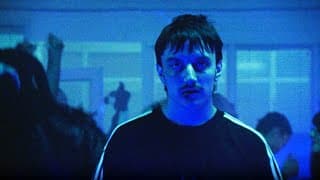
Artemas - i like the way you kiss me (official music video)
"i like the way you kiss me" by Artemas is a dark-pop anthem that exploded in popularity in early 2024. Here is an analysis of the track: Overall Theme The song explores the complexities of a "situationship"—a relationship that is intensely physical but lacks emotional commitment. It focuses on the tension between raw desire and the narrator’s blunt refusal to offer anything more than a temporary, physical connection. Key Lyrics Analysis * "I like the way you kiss me / I can tell you miss me": This hook establishes the physical chemistry while acknowledging that the other person is likely developing deeper feelings (missing him) that he does not necessarily share. * "I’m not tryna be your boyfriend": This is the central conflict. Artemas is setting a hard boundary, making it clear that despite the intimacy, he is not looking for a traditional romantic commitment. * "You’re not the one for me, but you’re the one right now": This line encapsulates the "placeholder" nature of the relationship. It is honest to the point of being cold, prioritizing immediate gratification over long-term compatibility. * "I can't help but feel like you're just using me to get to him": (In some interpretations/verses) This suggests a cycle of toxicity or rebounding, where both parties might be using the physical connection to distract from other emotional pain. Emotional Tone The tone is sultry, detached, and hypnotic. The driving, 80s-inspired synth-bass creates an energetic "club" feel, but Artemas’s vocal delivery is moody and nonchalant. It conveys a sense of "honest cynicism"—he isn't lying about his intentions, but the truth is emotionally cold. Cultural Context The song perfectly captures the modern "Situationship Culture" prevalent among Gen Z and Millennials, where boundaries are often blurred and "catching feelings" is seen as a complication. Its massive success was fueled by TikTok, where its dark-wave, "dark-academia" aesthetic paired well with edgy, nocturnal content and "sped-up" remixes. Artist Context For Artemas (Artemas Diamandis), this song served as his global breakout moment. While he had been releasing music for years, "i like the way you kiss me" solidified his transition from indie-pop into a more distinct Alternative Dark-Pop/Synth-Wave sound. It positioned him alongside artists like The Weeknd or Chase Atlantic, who blend pop sensibilities with a gritty, late-night underground vibe.

이찬원(LeeChanWon) '오늘은 왠지' official MV
"오늘은 왠지" (Somehow, Today) is a track from Lee Chan-won’s second mini-album, *bright;燦*, released in April 2024. The song showcases his growth not just as a singer, but as a songwriter and producer. Here is an analysis of the song: 1. Overall Theme The song explores the sudden, unprovoked surge of nostalgia and longing for a past love. It captures that specific moment when, despite moving on with life, a certain atmosphere or feeling makes one miss someone from the past "for some reason" today. 2. Key Lyrics Analysis * "오늘은 왠지 그대가 보고 싶어서" (For some reason today, I miss you): This is the central hook of the song. The word "왠지" (somehow/for some reason) implies that there isn't necessarily a tragic event triggering the sadness; rather, it’s an intuitive, spontaneous wave of emotion that hits during a normal day. * "찬란했던 우리들의 시간" (Our radiant/brilliant times): This line reflects on the past relationship not with bitterness, but with a sense of beauty. It suggests that the memories are precious, making the current absence of that person feel more profound. * "익숙한 길을 걷다 보면" (While walking down a familiar path): This highlights how physical spaces act as triggers for memory. The "familiar path" symbolizes the shared history that the narrator can't easily escape. 3. Emotional Tone The tone is bittersweet and reflective. While the lyrics deal with longing and loneliness, the melody—inflected with folk-rock and soft trot elements—prevents it from feeling overly Lu-gu-bri-ous. It feels like a warm, comforting embrace for anyone who has ever felt a sudden emptiness in their heart on a quiet evening. 4. Cultural Context The song taps into the "7080" nostalgia (referring to the music style of the 1970s and 80s in Korea). It blends traditional Trot vocal techniques with the "Campus Folk" or "Folk Rock" vibes that were popular in Korea decades ago. This allows the song to resonate with older generations who remember that era, as well as younger listeners who appreciate the "New-tro" (New Retro) aesthetic. 5. Artist Context "오늘은 왠지" marks a significant point in Lee Chan-won's career as he continues to transition from a "Trot Prodigy" (from his *Mr. Trot* days) to a versatile singer-songwriter. By participating in the composition and lyrics, Lee Chan-won proves he can handle sophisticated arrangements that bridge the gap between traditional Trot and contemporary Adult Contemporary music. It solidifies his image as a "healing" artist who provides comfort through relatable, everyday storytelling.

MONTAGEM XONADA
"MONTAGEM XONADA" by MXZI is a prominent example of the "Brazilian Funk" subgenre known as *Montagem*, which relies heavily on vocal loops, chopped samples, and aggressive percussion. The track specifically leans into the "Phonk" and "Mandelão" aesthetic that has gained massive popularity on social media platforms like TikTok. Here is an analysis of the song: 1. Overall Theme The song centers on the feeling of intense romantic infatuation and physical attraction. It describes the state of being "smitten" (*xonada*) and the visceral reaction the narrator has to a specific person’s presence or actions. 2. Key Lyrics Analysis Because the song is a "Montagem," the lyrics are repetitive and rhythmic rather than narrative. * "Tô apaixonada, tô xonada...": The word *xonada* is a colloquial, slang version of *apaixonada* (in love). The repetition reflects a sense of obsession or a "looping" thought process where the narrator can only think about their crush. * "O jeito que ele faz me deixa toda arrepiada": This translates to "The way he does [it] gives me goosebumps all over." It emphasizes that the attraction is not just emotional, but deeply physical. * The "Beat Drop": In this style of music, the production (the heavy bass and distorted kicks) acts as a lyrical element itself, conveying the "impact" of the feelings described. 3. Emotional Tone The tone is a mix of euphoria and raw energy. While the lyrics suggest a soft theme (love), the production is heavy and dark, creating a "club" or "street" atmosphere. It conveys the adrenaline rush of a new crush mixed with the hypnotic energy of a Brazilian warehouse party (*Baile Funk*). 4. Cultural Context * The Montagem Style: Originating from the favelas of Brazil, *Montagem* refers to the "assembly" of different sounds. This specific track uses a "slowed and reverb" or "distorted" aesthetic common in Brazilian Phonk, a genre that has recently exploded globally. * Social Media Impact: The song is structurally designed for viral content. The short, catchy vocal hooks and the heavy bass drops are tailor-made for "edits" (videos of cars, anime, or fashion) on TikTok and Instagram Reels. 5. Artist Context MXZI is part of a new generation of Brazilian producers who bridge the gap between traditional Funk Carioca/Paulista and global electronic trends. By focusing on the *Montagem* style, MXZI prioritizes the "vibe" and the texture of the sound over complex songwriting, fitting perfectly into the current digital landscape where "vibe-heavy" tracks often outperform traditional pop songs. "MONTAGEM XONADA" stands as one of the artist's most recognizable tracks, helping define the "romantic-yet-heavy" niche of modern funk.
![[MV] N.Flying(엔플라잉) _ Rooftop(옥탑방)](/_next/image?url=https%3A%2F%2Fimg.youtube.com%2Fvi%2FVpaUh_BGqE0%2Fmqdefault.jpg&w=3840&q=75)
[MV] N.Flying(엔플라잉) _ Rooftop(옥탑방)
"Rooftop" (옥탑방) by N.Flying is a quintessential K-pop band track that blends soft rock with sentimental storytelling. Here is an analysis of the song: 1. Overall Theme The song explores the bittersweet nostalgia of a past relationship, specifically centered around a "rooftop" where the couple used to spend time together. It captures the lingering feelings of love and the quiet realization that while the person is gone, the memories of their shared youth and starry nights remain. 2. Key Lyrics Analysis * "You used to tell me to look at the stars / and you pulled my hand." This line illustrates the dynamic of the relationship. The partner was someone who brought light, wonder, and direction into the narrator's life, helping them notice the beauty in the world. * "The rooftop where we used to sit side by side." The rooftop serves as a sanctuary. It represents a small, humble space where they were away from the world's noise, focusing only on each other and their dreams. * "I hope you are happy." Unlike aggressive heartbreak songs, this lyric emphasizes a gentle, selfless longing. It signifies a stage of grief where the narrator has accepted the breakup but still carries deep affection for the other person. 3. Emotional Tone The song is bittersweet and comforting. It doesn't feel heavy or tragic; rather, it feels like a cool breeze on a summer night. The melody is catchy and light, but the vocal delivery—alternating between smooth rapping and emotive singing—conveys a sense of "longing-filled happiness." 4. Cultural Context In Korea, a "Rooftop Room" (Oktapbang) carries a specific cultural meaning. While they are often the cheapest apartments and signify a struggle for young people starting out, they are also heavily romanticized in media as places of freedom, intimacy, and "youthful romance." The song taps into this "dreamy but humble" aesthetic that resonates deeply with the younger generation in Korea. 5. Artist Context "Rooftop" is the most significant song in N.Flying’s career. It is a famous "sleeper hit" (or *Yeok-ju-haeng* in Korean); it initially didn't chart high, but it went viral on social media weeks after promotions ended. It eventually climbed to #1 on the Melon charts and earned the band their first-ever music show win. Written and composed by the band’s leader, Lee Seung-hyub, it solidified N.Flying’s identity as a self-producing band with a relatable, "boyfriend-material" image.
![[LIVE] 한로로 (HANRORO) - 0+0 I 4TH 단독콘서트 [자몽살구클럽]](/_next/image?url=https%3A%2F%2Fimg.youtube.com%2Fvi%2FILDol5yPM0Q%2Fmqdefault.jpg&w=3840&q=75)
[LIVE] 한로로 (HANRORO) - 0+0 I 4TH 단독콘서트 [자몽살구클럽]
"0+0" is a standout track by the rising South Korean indie artist HANRORO, known for her poetic lyricism and "youth-rock" sound. Here is an analysis of the song, specifically based on her live performance from the *Grapefruit Apricot Club* concert. 1. Overall Theme The song explores the concept of two "incomplete" or "empty" individuals (represented by the number 0) finding solace and completion in one another. It posits that while two people may feel like "nothings" on their own, their union creates a sense of wholeness and a "circle" of protection against a cold world. 2. Key Lyrics Analysis * "0과 0이 만나서 동그라미가 돼" (When 0 and 0 meet, they become a circle): This is the core metaphor of the song. Mathematically, $0+0$ is still $0$, but visually and emotionally, HANRORO suggests that two zeros overlapping create a "circle"—a shape signifying unity, eternity, and a space where they can finally belong. * "서로의 구멍을 메워주며" (Filling each other’s holes/voids): This line acknowledges that both individuals carry scars or "emptiness." Rather than trying to be perfect, they accept each other's voids and use their shared experience of loneliness to heal one another. * "우리의 무기력함이 무기가 되어" (Our helplessness becomes our weapon): This powerful paradox suggests that by embracing their vulnerability and shared struggles, they find the strength to face the world. Their "weakness" is what connects them and makes them resilient. 3. Emotional Tone The song carries a bittersweet yet comforting tone. It begins with a sense of melancholic isolation, reflecting the hollow feeling of being a "zero." However, as the rock-driven arrangement builds, the emotion shifts toward catharsis and solidarity. It feels like a warm, empathetic embrace for anyone who feels like they aren't "enough" according to society's standards. 4. Cultural Context In contemporary South Korea, many young people (often referred to as the "N-po generation") feel a sense of hopelessness or "emptiness" due to intense societal pressure and competition. HANRORO’s music resonates deeply because it doesn't offer superficial "cheer up" messages; instead, it validates the feeling of being a "zero" and suggests that there is beauty and community to be found even in that state of nothingness. 5. Artist Context HANRORO is currently one of the most significant figures in the K-indie scene, often dubbed the "voice of the youth." "0+0" is a quintessential example of her "Literary Rock" style—where high-quality, poetic Korean lyrics meet 90s-influenced indie rock sounds. Performing this at her 4th solo concert (*Grapefruit Apricot Club*) marked a milestone in her career, showcasing her transition from a viral indie sensation to a commanding live performer with a dedicated cult following.

Pehle Bhi Main
"Pehle Bhi Main" is a soulful ballad from the 2023 blockbuster film *Animal*, composed and sung by Vishal Mishra with lyrics by Raj Shekhar. It became one of the most celebrated tracks of the year due to its haunting melody and intimate lyrics. Here is an analysis of the song: 1. Overall Theme The song explores the concept of spiritual recognition and eternal connection. It delves into the feeling of *déjà vu* in love—the idea that two souls have met, loved, and belonged to each other in past lives or deep within their subconscious long before their physical meeting in the present. 2. Key Lyrics Analysis * *"Pehle bhi main tumse mila hoon, pehle bhi main tumse mila..."* (I have met you before...): These opening lines set the foundation of the song. It suggests a karmic bond, implying that the intensity of the current attraction isn't new but a continuation of an old, perhaps forgotten, story. * *"Khaamoshiyaan teri meri milti rahein..."* (May our silences continue to meet): This line emphasizes a deep level of intimacy. It suggests that the couple has reached a stage where words are unnecessary, and their silence speaks the same language. * *"Tu hai toh darr kis baat ka..."* (If you are here, what is there to fear?): In the context of the film’s high-stakes and violent world, this line represents the protagonist's vulnerability. It portrays the partner as a "safe harbor" or a grounding force amidst chaos. 3. Emotional Tone The tone is intimate, vulnerable, and atmospheric. Vishal Mishra uses a soft, almost whispered vocal delivery in the verses that builds into a powerful, yearning crescendo. The music relies on a minimalist acoustic arrangement (primarily guitar and subtle percussion), which creates a sense of privacy, as if the listener is eavesdropping on a personal confession. 4. Cultural Context The song leans into the Indian cinematic trope of "Janmantharam" (connections across lifetimes). While the movie *Animal* is known for its "alpha-male" aggression and violence, "Pehle Bhi Main" serves as a stark contrast. It highlights the protagonist’s desperation for love and his capacity for deep emotional obsession, which is a recurring theme in director Sandeep Reddy Vanga’s films (similar to *Kabir Singh*). 5. Artist Context "Pehle Bhi Main" is a landmark track for Vishal Mishra, further cementing his reputation as the "king of soulful melancholia" in modern Bollywood. Following the success of "Kaise Hua" (*Kabir Singh*), this song showcased his range—moving from high-energy belting to delicate, nuanced textures. The song’s massive success on social media (reels and covers) helped it stay on global music charts for months, making it one of the defining hits of his career.
![Sean Paul - Give It Up To Me (feat. Keyshia Cole) [Official Video]](/_next/image?url=https%3A%2F%2Fimg.youtube.com%2Fvi%2FbMoNV9oWs2E%2Fmqdefault.jpg&w=3840&q=75)
Sean Paul - Give It Up To Me (feat. Keyshia Cole) [Official Video]
Released in 2006, "Give It Up To Me" is a standout collaboration between Jamaican dancehall artist Sean Paul and American R&B singer Keyshia Cole. Originally appearing on Sean Paul's album *The Trinity*, the remix featuring Keyshia Cole became a massive hit as the lead single for the movie *Step Up*. Here is an analysis of the track: Overall Theme The song centers on the themes of romantic attraction, dancefloor chemistry, and mutual desire. It is a flirtatious dialogue between a man and a woman where Sean Paul expresses his infatuation and intent to pursue his love interest, while Keyshia Cole responds with confidence, challenging him to prove he is the one for her. Key Lyrics Analysis * "Give it up to me, work it out with me / My girl, you're the one that I'm thinking of": The chorus serves as both an invitation to dance and an invitation to enter a relationship. It emphasizes Sean Paul's focus on one specific woman amidst the chaos of a club setting. * "I'll be everything you need, and more than you could even imagine": Keyshia Cole’s verse shifts the perspective to a woman who knows her worth. She isn't just looking for a casual fling; she is promising depth and a meaningful connection if the partner is serious. * "Keep it blazing / Never stop, we just keep it amazing": Typical of Sean Paul’s "dutty rock" style, these lines use fire imagery to describe the intensity of the physical and emotional spark between the two protagonists. Emotional Tone The tone is high-energy, vibrant, and flirtatious. The driving dancehall beat creates a sense of urgency and excitement, while the vocal interplay between Sean Paul’s rhythmic Patois and Keyshia Cole’s soulful R&B vocals adds a layer of sensuality and warmth. It feels like a celebration of modern romance and nightlife. Cultural Context * Step Up (2006): The song is inextricably linked to the film *Step Up*, which played a massive role in the mid-2000s dance movie craze. The music video features the film’s stars (Channing Tatum and Jenna Dewan), cementing the song as a "dance anthem." * Genre Fusion: The track represents the successful mid-2000s "crossover" era, where Jamaican Dancehall and American R&B/Hip-Hop blended seamlessly to dominate global pop charts. Artist Context * Sean Paul: At this point in his career, Sean Paul was arguably the biggest dancehall star in the world. "Give It Up To Me" solidified his ability to produce radio-friendly hits that maintained his Caribbean roots while appealing to a mainstream audience. * Keyshia Cole: For Keyshia Cole, this was a pivotal moment that showcased her versatility. Known mostly for "heartbreak" R&B ballads, this upbeat collaboration proved she could excel in the dance and pop sectors, further elevating her status as a rising star in the mid-2000s.