
Latest Articles

AYMEN x AMO - Capri Sun (prod. by Lord JKO, Chekaa)
"Capri Sun" by AYMEN and AMO is a melodic German street-rap track that blends "vibey" summer energy with typical urban themes. Released under the MOONBOYS ENTERTAINMENT label, it serves as a lifestyle anthem focused on success, women, and the contrast between their street origins and their current luxury. ### 1. Overall Theme The song is a quintessential "vibe" track that uses the nostalgic imagery of a Capri Sun drink as a metaphor for a sweet, refreshing, and carefree lifestyle. It revolves around the artists' rise to fame, their interactions with women, and their ability to maintain a cool demeanor while navigating the fast-paced life of the music industry and the streets. ### 2. Key Lyrics Analysis * "Sie trinkt Capri Sun / Baby, komm und schau mich an" (She drinks Capri Sun / Baby, come and look at me): The hook uses the drink to evoke a sense of youthfulness and sweetness. It suggests a relaxed, flirtatious atmosphere, contrasting the harder themes usually found in their genre. * "Vollgas, keine Bremse" (Full throttle, no brakes): This is a common motif in German rap representing their relentless work ethic and rapid ascent in the scene. They aren't slowing down for anyone. * "Von der Siedlung in die Charts" (From the housing estate to the charts): This line highlights the classic "started from the bottom" narrative. It emphasizes their transition from the "Bando" (impoverished neighborhoods) to mainstream success. * Interjection of Arabic terms (e.g., "Habibi," "Inshallah"): Like many modern German rappers with migrant backgrounds, AYMEN and AMO weave Arabic vocabulary into their verses. This authenticates their identity and reflects the multicultural "Kiez" (neighborhood) language of cities like Berlin or Frankfurt. ### 3. Emotional Tone The tone is confident, upbeat, and summery. While the lyrics touch on the "hustle," the production by Lord JKO and Chekaa provides a melodic, almost tropical drill-influenced beat that makes the song feel lighthearted. It conveys a sense of "having made it" and enjoying the fruits of their labor. ### 4. Cultural Context * The "Capri Sun" Symbolism: In Germany, Capri Sun (now often called Capri-Sun) is a nostalgic staple of childhood. In rap, referencing it often creates a "cool," retro-aesthetic that appeals to Gen Z listeners who grew up with the brand. * German-Arabic Rap Fusion: The song sits firmly within the "New Wave" of German rap, where melodic flows are prioritized over aggressive delivery. It reflects the dominant sound of the German charts, which heavily features artists from the diaspora blending European pop sensibilities with Middle Eastern influences. ### 5. Artist Context AYMEN and AMO are rising stars within the MOONBOYS ENTERTAINMENT roster, a collective known for high-quality visuals and polished production. * AMO is known for his melodic hooks and "catchy" delivery. * AYMEN often provides a slightly grittier flow to balance the tracks. "Capri Sun" represents a strategic move to create a "radio-friendly" street hit—retaining their street credibility while producing a melody catchy enough for TikTok and club playlists. It showcases their chemistry as a duo and their ability to craft hits that fit the "summer hit" mold.

怪獣の花唄 / Vaundy : MUSIC VIDEO
"怪獣の花唄" (Kaiju no Hanauta), which translates to "The Monster’s Flower Song," is one of Vaundy’s most iconic tracks. It captures a universal sense of nostalgia and the bittersweet transition from childhood to adulthood. Here is an analysis of the song: ### 1. Overall Theme The song explores the theme of nostalgia and the longing for lost childhood innocence. it depicts the struggle to remember a "melody" or a feeling from the past that has become muffled by the noise of adult life, using a "monster" as a metaphor for the large, clumsy, yet pure emotions of youth. ### 2. Key Lyrics Analysis * "思い出すのは君の歌" (What I remember is your song): The "song" represents a core memory or a person from the past. Vaundy is trying to call back a version of himself or a connection that he can no longer reach perfectly. * "怪獣のサイズで / 夢にまで見たような世界を" (In the size of a monster / A world like the one I saw in my dreams): To a child, everything feels "monster-sized"—huge, overwhelming, and full of wonder. This line emphasizes how small and confined life feels now compared to the boundless imagination of the past. * "ねえ、もっと / 響かせてよ" (Hey, make it ring out more): This recurring plea in the chorus represents a desperate desire to keep those fading memories alive. It’s an urge to feel that "monster-sized" passion once more before it disappears entirely. ### 3. Emotional Tone The song is euphoric yet melancholic. While the tempo is fast-paced and the melody is anthemic—making it feel like a celebratory rock song—the lyrics are steeped in a sense of loss and yearning. It creates a "shippu-dotou" (storm and stress) feeling: a high-energy rush of emotions that feels both heart-racing and heartbreaking. ### 4. Cultural Context The term "Kaiju" (Monster) is a staple of Japanese pop culture (think Godzilla or Ultraman). In this song, Vaundy subverts the "scary" image of a Kaiju, instead using it to represent something clumsy, loud, and honest. It taps into the Japanese concept of *mono no aware*—a sensitivity to the transience of things—by acknowledging that childhood (the monster) must eventually fade away. ### 5. Artist Context Released in 2020 on his debut album *strobo*, this song was the catalyst that propelled Vaundy to superstardom in Japan. It showcases his "artistic polymath" nature—he wrote, composed, and arranged the track himself. It remains his most-streamed song and solidified his signature style: blending retro J-Rock/City Pop influences with modern production and a powerful, raw vocal delivery that appeals to both Gen Z and older generations.

NOWIMYOUNG (나우아임영) - AH AH (feat. 식케이 (Sik-K)) (M/V)
"AH AH" by NOWIMYOUNG (나우아임영) featuring Sik-K (식케이) is a sleek, atmospheric K-R&B and Hip-hop track that prioritizes mood and sensory experience over complex storytelling. Here is an analysis of the song: ### 1. Overall Theme The song explores the themes of late-night hedonism, physical attraction, and the "vibe" of a fleeting romantic encounter. It captures the essence of living in the moment, focusing on the chemistry between two people amidst the backdrop of city nightlife and modern youth culture. ### 2. Key Lyrics Analysis * The Onomatopoeic Hook ("Ah Ah"): The repetitive title and chorus serve as a vocal texture rather than just lyrics. It conveys a sense of breathlessness, pleasure, and ease, mirroring the physical intimacy the song suggests. * "Focus on the rhythm, don't ask why": These types of lines emphasize the song’s philosophy of intuition over intellect. The artists urge their partner to stop overthinking and simply sink into the music and the physical connection. * Sik-K’s Verse: Known for his melodic rap style, Sik-K’s lyrics often touch on his lifestyle—expensive tastes, confidence, and his "Young & Wild" persona. His contribution adds a layer of swagger to NOWIMYOUNG’s more soulful delivery, framing the encounter as something exclusive and high-energy. * References to Time and Light: The lyrics often mention the "blue hour" or late-night settings, framing the romance as something that exists only in the shadows of the night, away from the realities of the day. ### 3. Emotional Tone The emotional tone is sensual, laid-back, and confident. It carries a "chill-trap" vibe that feels both expensive and intimate. There is no sense of desperation or deep longing; instead, it projects a cool, detached intimacy—the kind of feeling associated with a high-end club or a late-night drive through Seoul. ### 4. Cultural Context * K-Hiphop/R&B "Vibe" Culture: This song fits perfectly into the "K-Trend" of the late 2010s and early 2020s, where the "vibe" (the overall aesthetic and mood) is often more important than a lyrical narrative. * The Sik-K Influence: Sik-K is a heavyweight in the Korean hip-hop scene (formerly of H1GHR Music). His participation brings a specific "AOMG/H1GHR" aesthetic—highly produced, autotune-heavy, and fashion-forward—which is a hallmark of modern urban Korean culture. ### 5. Artist Context * NOWIMYOUNG: As an emerging artist, this track serves as a statement of his musical identity. His name itself—NOWIMYOUNG—reflects the "YOLO" (You Only Live Once) and "Live for Today" mentality present in this song. * Career Growth: Featuring a major artist like Sik-K was a significant "co-sign" for NOWIMYOUNG. It positioned him within the mainstream K-Hip-hop circle and helped establish him as an artist capable of producing polished, radio-ready R&B that appeals to both domestic and international fans of the "mellow" Korean hip-hop sound.

Minikki Minikki (From "Thangalaan") (Tamil)
"Minikki Minikki" is a vibrant, earthy track from the 2024 Tamil period-drama *Thangalaan*, composed by G.V. Prakash Kumar and written by Uma Devi. The song serves as a celebratory anthem for the tribal community depicted in the film. --- ### 1. Overall Theme The song is a celebration of discovery, resilience, and the deep connection between a tribal community and their land. It revolves around the moment they find gold (the "sparkle") in the Kolar Gold Fields, framing the arduous labor not just as toil, but as a spiritual and ancestral triumph over the earth. ### 2. Key Lyrics Analysis * "Minikki Minikki...": The title refers to something that "shines" or "glitters." While it literally describes the gold they are mining, metaphorically it represents the light of hope and the dignity of the workers coming to the surface. * References to the Soil (Mann): The lyrics often personify the earth. The song suggests that the gold isn't just a metal, but the "sweat and blood" of their ancestors that has finally manifested as wealth. * "Enga Karuppasamy..." / Tribal Deities: The lyrics invoke local deities and ancestral spirits. This highlights that for these people, the act of mining is not a commercial venture but a sacred interaction with the land they belong to. * Rhythm of Labor: The repetitive, percussive nature of the lyrics mimics the physical movements of digging and sifting, turning the sound of hard labor into a rhythmic dance. ### 3. Emotional Tone The song carries an exuberant and raw emotional tone. It feels grounded and "of the earth." There is a sense of unbridled joy and pride, yet it retains a haunting, primitive quality that reminds the listener of the historical struggles and the physical grit required to survive in that era. ### 4. Cultural Context * Subaltern Identity: Directed by Pa. Ranjith, the film explores the history of marginalized communities in the Kolar Gold Fields (KGF) during British rule. The song reflects the "Oppari" (lament) influences blended with celebratory folk, a signature of Dalit and tribal musical reclamation. * Reclaiming History: Culturally, the song represents the reclamation of a narrative where these people were the original masters of the land before colonial exploitation. The music uses indigenous instruments to ground the sound in the 19th-century setting. ### 5. Artist Context * G.V. Prakash Kumar: This song marks a significant point in GVP’s "experimental folk" phase. Following his acclaimed work in *Asuran* and *Soorarai Pottru*, *Thangalaan* allowed him to dive deeper into tribal soundscapes. * Collaborative Style: GVP often uses raw, non-polished vocalists to maintain authenticity. In "Minikki Minikki," the vocal performance (by Sinduri Vishal) is intentionally unrefined and powerful, fitting the "earthy" aesthetic that GVP has mastered for period dramas. It cements his reputation as a composer who can translate historical struggle into a modern sonic experience.
![Aymo - Bleib stark (prod. by PzY) [Official video]](/_next/image?url=https%3A%2F%2Fimg.youtube.com%2Fvi%2FI1-dVUj0F3k%2Fmqdefault.jpg&w=3840&q=75)
Aymo - Bleib stark (prod. by PzY) [Official video]
"Bleib stark" (Stay strong) by Aymo, produced by PzY and released under the influential Frankfurt label 385idéal, is a quintessential piece of modern German street rap. Here is an analysis of the song: 1. Overall Theme The song is a motivational anthem centered on resilience, perseverance, and integrity amidst the hardships of life in marginalized neighborhoods. Aymo speaks directly to those struggling with poverty, crime, and lack of perspective, urging them to maintain their mental fortitude and stay true to their values regardless of their circumstances. 2. Key Lyrics Analysis * "Bleib stark, auch wenn die Welt gegen dich steht" (Stay strong, even when the world is against you): This central hook serves as the song’s mantra. It acknowledges a sense of social isolation and systemic pressure felt by many in the "Siedlung" (housing estates), framing resilience as a form of resistance. * "Vom Bordstein zur Skyline, doch der Fokus bleibt echt" (From the curb to the skyline, but the focus remains real): This mirrors a classic trope in German rap (popularized by Bushido), but Aymo emphasizes that even as he finds success, his perspective remains grounded in the reality of his upbringing. * References to "Lobby" and "Kiez": Aymo frequently references the streets and the stairwells of high-rise buildings. These lyrics highlight the lack of privacy and the constant surveillance—both by the police and the community—that defines life in the "Block." * The struggle for "Para" (Money): The lyrics touch upon the temptation of quick, illegal money versus the slow, difficult path of legal work, ultimately advocating for character over material wealth. 3. Emotional Tone The tone is gritty yet hopeful. While the verses depict a bleak reality filled with betrayal and financial struggle, the delivery is determined. The production by PzY uses melancholic melodies layered over hard-hitting trap drums, creating an atmosphere that feels both heavy and driving—symbolizing the "grind" of daily survival. 4. Cultural Context Aymo represents the "New School" of the 385idéal label (founded by icons Celo & Abdi). Culturally, the song sits within the "Straßenrap" (street rap) genre, which is heavily influenced by the multi-ethnic backgrounds of the artists. The language used is a blend of German with street slang (Kiez-Deutsch), reflecting the melting-pot reality of German metropolitan areas like Frankfurt or the Ruhr region. It speaks to the "Generation 385"—youths who feel overlooked by mainstream society but find a voice in rap. 5. Artist Context For Aymo, "Bleib stark" is a defining track that helps establish his persona as an authentic narrator of street life. Within the 385idéal roster, which has launched superstars like Nimo, Aymo occupies a space that is slightly more serious and "conscious" in its street approach. This song serves to solidify his loyalty to his roots while signaling his ambition to move beyond his environment through music. It positions him not just as a rapper, but as a voice of encouragement for his community.
![[MV] 김민석 (멜로망스) - 사랑의 언어 (Love Language) / Official Music Video](/_next/image?url=https%3A%2F%2Fimg.youtube.com%2Fvi%2Fccbq5l511uU%2Fmqdefault.jpg&w=3840&q=75)
[MV] 김민석 (멜로망스) - 사랑의 언어 (Love Language) / Official Music Video
Here is an analysis and explanation of "Love Language" (사랑의 언어) by Kim Min-seok of MeloMance. ### 1. Overall Theme The song explores how the experience of love fundamentally changes a person’s perspective on the world. It describes the realization that mundane words and everyday moments take on deep, miraculous meanings when shared with a loved one, effectively creating a unique "language" that only the two people in the relationship truly understand. ### 2. Key Lyrics Analysis * "All the words in the world feel like my heart toward you" (세상의 모든 말이 다 너를 향한 마음 같아): This line suggests that love has become the singer's primary lens. He can no longer hear a beautiful phrase or see something lovely without immediately connecting it to his feelings for his partner. * "It doesn’t have to be grand; your small words are miracles to me" (거창하지 않아도 돼 소소한 너의 말들이 내겐 기적이야): This emphasizes that true intimacy isn't found in dramatic gestures, but in the "small talk" and quiet moments of daily life. To someone truly in love, even a simple "How was your day?" feels like a profound gift. * "With the language called love, we color each other" (사랑이라는 언어로 우린 서로를 물들여가): This metaphor of "coloring" suggests that the two people are being permanently changed and influenced by one another, blending their lives into a single shared masterpiece. ### 3. Emotional Tone The song is warm, tender, and deeply sincere. Unlike many K-ballads that focus on the pain of a breakup, "Love Language" is celebratory and comforting. Kim Min-seok’s soft, airy vocals combined with the acoustic arrangement create a "spring-like" atmosphere that feels like a cozy conversation or a heartfelt confession. ### 4. Cultural Context The title and theme likely reference the popular psychological concept of "The 5 Love Languages" (Words of Affirmation, Acts of Service, etc.), which has been a major trend in South Korean dating culture over the last few years. The song specifically leans into "Words of Affirmation," highlighting how verbal communication is the bridge that connects two souls. The music video’s aesthetic—soft lighting, domestic settings, and "boyfriend material" vibes—caters to the Korean "Gamsung" (sentimental/aesthetic) trend. ### 5. Artist Context Kim Min-seok is the lead vocalist of the hit duo MeloMance. While MeloMance is known for sophisticated, jazz-influenced pop, Kim Min-seok’s solo work often focuses more purely on his vocal color and storytelling ability. "Love Language" solidifies his reputation as a "Sentimental King" in the Korean music industry, showcasing his incredible vocal range (especially his signature clear high notes) in a way that feels intimate rather than performative. It fits perfectly into his discography of "healing music."

KALYANI
"KALYANI" by ARJN is a standout track in the contemporary Tamil Indie scene, blending traditional aesthetic sensibilities with modern Lo-fi production. Here is an analysis of the song: 1. Overall Theme The song is a romantic tribute to a muse whom the artist refers to as "Kalyani." It explores the themes of infatuation, the beauty of simple moments, and the comparison of a loved one to a divine melody that brings peace and light to the narrator's life. 2. Key Lyrics Analysis * "Kalyani...": The title itself is a double entendre. While it serves as a woman's name, *Kalyani* is also one of the most famous and auspicious Ragas in Carnatic music. By calling her this, the artist suggests she is as beautiful and soul-stirring as the classical melody. * Focus on Presence: Many of the lyrics focus on the "vibe" or the feeling of being in the person’s company. Instead of grand declarations of love, the lyrics lean into the "Mayakkam" (enchantment or intoxication) that her presence causes. * Modern Romanticism: The lyrics use simple, conversational Tamil, which contrasts with the classical name. This creates a bridge between traditional heritage and a modern, urban relationship. 3. Emotional Tone The emotional tone is dreamy, serene, and deeply intimate. The song carries a "chill" or "mellow" vibe, often associated with late-night listening. It evokes a sense of contentment and soft longing, making the listener feel as though they are eavesdropping on a private, soulful confession. 4. Cultural Context The song represents the "Tamil Lo-fi" movement. Culturally, it taps into the deep connection South Indians have with music (specifically Ragas). By naming a modern R&B/Lo-fi track after a traditional Raga, ARJN appeals to a generation that values their cultural roots but prefers a global, modern sound. It reflects the "aesthetic" culture of the modern Tamil diaspora and youth. 5. Artist Context ARJN is part of a wave of independent Tamil artists who are moving away from the dominance of film music (Kollywood). "KALYANI" is one of his most popular tracks and has helped define his signature style: smooth, soulful vocals paired with minimalist, atmospheric beats. This song solidified his position as a go-to artist for "vibe-heavy" Tamil music that resonates on social media platforms like Instagram and TikTok.

NewJeans (뉴진스) 'Hype Boy' Official MV (Performance ver.1)
"Hype Boy" by NewJeans is a quintessential Y2K-inspired pop track that redefined the K-pop landscape upon its release in 2022. Here is an analysis of the song and its performance version. 1. Overall Theme The song captures the electrifying feeling of a youthful crush and the playful confidence that comes with mutual attraction. It explores the "hype" or excitement of falling for someone who stands out, emphasizing a natural, breezy connection rather than a forced romance. 2. Key Lyrics Analysis * "Cause I know what you like boy / You're my hype boy": Here, "Hype Boy" refers to someone who excites the singer or boosts her mood. It suggests a sense of empowerment—she isn't just waiting to be liked; she understands the chemistry and claims the connection. * "Take him to the sky-y-y-y-y": This line uses the sky as a metaphor for the euphoric "high" of new love. The airy, melodic delivery emphasizes the lightheartedness of the emotion. * "I don’t care about the attention / Just wanna make it feel right": These lyrics ground the song in authenticity. In an era of social media and public image, the focus is shifted back to the genuine, private feelings between two people. 3. Emotional Tone The tone is nostalgic, cool, and optimistic. It balances a "dreamy" R&B vibe with a rhythmic Moombahton beat, creating a sound that feels both relaxed and energetic. It conveys the effortless confidence of Gen Z—composed and stylish, yet openly enthusiastic about their feelings. 4. Cultural Context * Y2K Revival: The song and its MV are heavily rooted in the late 90s and early 2000s aesthetic (fashion, film grain, and choreography). This tapped into a global trend of "new-stalgia," appealing to both older listeners who remember the era and younger fans who find the vintage look "cool." * Interactive Storytelling: "Hype Boy" was famously released with four different music videos, each focusing on different members and storylines. This encouraged fans to engage deeply with the group's lore and established the "NewJeans" brand as one focused on individuality and relatability. 5. Artist Context "Hype Boy" was a revolutionary debut for NewJeans under the label ADOR (a subsidiary of HYBE). While most K-pop groups at the time were doing "maximalist" concepts with heavy EDM and intense "girl crush" themes, NewJeans moved in the opposite direction with easy-listening music and a natural, "girl-next-door" image. The song became a massive cultural phenomenon in South Korea and globally, sparking a viral dance challenge and cementing NewJeans as leaders of the "Fourth Generation" of K-pop.
![[STAGE CLIP] 영탁(YOUNGTAK) 'Brighten' 2024 영탁 단독콘서트 [TAK SHOW3 - ENCORE]](/_next/image?url=https%3A%2F%2Fimg.youtube.com%2Fvi%2Fo10Iqhikvs8%2Fmqdefault.jpg&w=3840&q=75)
[STAGE CLIP] 영탁(YOUNGTAK) 'Brighten' 2024 영탁 단독콘서트 [TAK SHOW3 - ENCORE]
The song "Brighten" by Young Tak (영탁), particularly the live version from his "TAK SHOW3 - ENCORE" concert, is a high-energy anthem designed to uplift both the performer and the audience. It serves as a powerful bridge between Young Tak’s trot roots and his versatility in pop-rock. --- ### 1. Overall Theme "Brighten" is a song about mutual empowerment, hope, and the transformative power of positive energy. It explores the idea that when the artist and the fans come together, they create a light that can dispel any darkness and "brighten" the world. ### 2. Key Lyrics Analysis * "Brighten up, the light that shines on you and me": This central hook emphasizes that the "light" isn't a solo effort; it is a shared experience. It symbolizes the symbiotic relationship between Young Tak and his fandom ("Youngtak’s Club"). * "A miracle starting again" (다시 시작되는 기적): This line likely refers to the "miracle" of his late-blooming success and the renewed energy he feels every time he stands on stage after years of obscurity. * "Let’s get it started, don’t stop": These lyrics function as a call to action. They reflect Young Tak’s relentless work ethic and his desire to keep moving forward into a brighter future without hesitation. ### 3. Emotional Tone The emotional tone is explosively optimistic and celebratory. It carries a sense of "healing energy" (a term often associated with Young Tak), transitioning from a driving, rhythmic build-up to a triumphant chorus. In the live "TAK SHOW3" context, there is also a deep sense of gratitude and liberation, as the song is performed in a large-scale stadium setting. ### 4. Cultural Context * The "New-Trot" Wave: While "Brighten" leans heavily into pop-rock, it exists within the "New-trot" cultural context where artists like Young Tak are breaking genre boundaries. * Lightstick Culture: In the live clip, the "brightening" is literal—the stadium is filled with blue lightsticks. In Korean fan culture, the synchronization of light and music represents the unity of the "community," making the song a literal manifestation of its title. ### 5. Artist Context "Brighten" marks a significant point in Young Tak’s career where he has moved beyond being "just a trot singer" to a versatile entertainer. * Self-Production: Young Tak is known for writing and producing his own music. This song showcases his skill in crafting "stadium anthems" that suit large-scale tours. * Career Resilience: Having spent over 15 years as an unknown singer before his breakthrough on *Mr. Trot*, the lyrics about "shining" and "miracles" carry personal weight. This song is his declaration that his "dark era" is over and he is now in his "brightest" moment.

Vazhithunaiye (From "Dragon")
"Vazhithunaiye" is a soul-stirring track from the Tamil film *Dragon*, composed by Leon James and sung by the prolific Sid Sriram. The song serves as a melodic exploration of companionship and inner peace. ### 1. Overall Theme The song revolves around the theme of guided journeying and emotional companionship. It portrays a person acknowledging a presence (be it a partner, a friend, or a spiritual guide) that acts as a "Vazhithunai" (a companion on the path), providing direction and comfort through the uncertainties of life. ### 2. Key Lyrics Analysis * "Vazhithunaiye" (The Title): The word itself means "Companion of the Way." It signifies that the journey of life is less about the destination and more about who is walking alongside you. * Metaphors of Nature: The lyrics often use elements like the wind, the road, and light to describe the feeling of being supported. These metaphors suggest that this companionship feels natural, inevitable, and essential for survival. * The Idea of "Home": Some verses suggest that "home" isn't a physical place but a person. When the companion is near, the protagonist feels they have reached their destination, even while they are still moving. * Vulnerability: The lyrics highlight a sense of letting one's guard down, suggesting that the "companion" is the only one who sees the protagonist's true, unmasked self. ### 3. Emotional Tone The song carries a serene, introspective, and comforting tone. * It begins with a sense of wandering or searching, which gradually evolves into a feeling of profound reassurance. * Sid Sriram’s vocal delivery adds a layer of yearning and warmth, making the listener feel a sense of "solace in motion." ### 4. Cultural Context In Tamil culture and literature, the term *Vazhithunai* has deep roots, often used in a spiritual context (such as the "Vazhithunai Amman" or prayers for safe passage). By using this term in a contemporary film song, the lyricist blends traditional sentiments of protection with a modern, youthful perspective on relationships. In the context of the movie *Dragon*, which features a vibrant and perhaps chaotic protagonist, this song acts as the emotional anchor that grounds the character’s journey. ### 5. Artist Context For Sid Sriram, "Vazhithunaiye" is another addition to his repertoire of "soulful anthems." * It fits perfectly into his signature style: a mix of Carnatic-influenced nuances and contemporary pop sensibilities. * After a string of high-energy or intensely tragic songs, this track showcases his ability to deliver a "healing" melody. * His collaboration with Leon James continues their trend of creating breezy yet emotionally dense music that resonates particularly well with the "urban-folk" or "indie-pop" aesthetic of modern Tamil cinema.
![[MV] MeloMance(멜로망스) _ Love, Maybe(사랑인가 봐) (사내맞선 OST 스페셜 트랙(A Business Proposal OST Special Track))](/_next/image?url=https%3A%2F%2Fimg.youtube.com%2Fvi%2FUoBsiQW23IY%2Fmqdefault.jpg&w=3840&q=75)
[MV] MeloMance(멜로망스) _ Love, Maybe(사랑인가 봐) (사내맞선 OST 스페셜 트랙(A Business Proposal OST Special Track))
"Love, Maybe" (사랑인가 봐) by MeloMance is one of the most successful K-drama OSTs of recent years, serving as the signature theme for the 2022 hit romantic comedy *A Business Proposal*. Here is an analysis and explanation of the track: 1. Overall Theme The song captures the fluttering moment of realization when someone acknowledges they have fallen in love. It describes the subtle changes in one’s daily routine and thoughts, shifting from casual interest to a deep, undeniable romantic attraction that feels both surprising and inevitable. 2. Key Lyrics Analysis * "너와 함께하고 싶은 일들을 상상하는 게 요즘 내 일상이 되고" (Imagining things I want to do with you has become my daily routine): This line highlights how love changes a person’s mental space. The transition from "living my own life" to "visualizing a future with another" is the hallmark of falling in love. * "말도 안 되게 나를 웃게 해" (You make me smile in a way that makes no sense): This reflects the "uncontrollable" nature of feelings. The narrator finds themselves smiling without a logical reason, suggesting that the heart has bypassed the brain. * "사랑인가 봐" (It must be love): The titular phrase is a gentle confession. Rather than a dramatic declaration, it feels like a quiet realization—a "lightbulb moment" where the narrator finally labels the confusing emotions they’ve been feeling. 3. Emotional Tone The song carries a warm, breezy, and lighthearted tone. Unlike heavy, dramatic ballads, "Love, Maybe" feels like a sunny spring day. It is characterized by "seollem" (설렘)—a specific Korean word for the heart-fluttering excitement and nervousness at the start of a romance. The smooth, medium-tempo piano arrangement and Kim Min-seok’s honey-like vocals create a cozy and comforting atmosphere. 4. Cultural Context The song was central to the success of the drama *A Business Proposal*. In South Korea, high-quality OSTs (Original Soundtracks) often become as popular as the dramas themselves. "Love, Maybe" achieved a "Perfect All-Kill" on Korean music charts, staying at the top for months. It became the "unofficial anthem" for the "Office Romance" trope in K-drama culture, symbolizing the charming and comedic chemistry between the main characters, Kang Tae-moo and Shin Ha-ri. 5. Artist Context MeloMance, a duo consisting of vocalist Kim Min-seok and pianist Jeong Dong-hwan, are known for their "Sentimental Pop" style. This song solidified their reputation as "OST Kings" and "Digital Monsters" (artists who consistently perform well on digital charts). It showcased Kim Min-seok’s unique ability to hit high, delicate notes with a soft, masculine tone, while Jeong Dong-hwan’s sophisticated piano accompaniment elevated the track from a simple TV theme to a timeless pop standard.
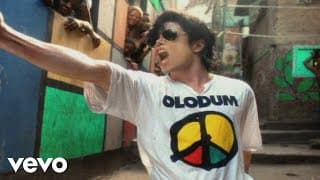
Michael Jackson - They Don’t Care About Us (Brazil Version) (Official Video)
Analysis of "They Don’t Care About Us (Brazil Version)" by Michael Jackson: Overall Theme The song is a powerful protest anthem addressing social injustice, systemic racism, police brutality, and government indifference. It serves as a voice for the marginalized and oppressed, expressing the frustration of being ignored or mistreated by those in power. Key Lyrics Analysis * "Skinhead, dead head, everybody gone bad": Jackson highlights a world spiraling into extremism and moral decay, where hatred has become a common language. * "Tell me what has become of my rights / Am I invisible because you ignore me?": These lines question the validity of the social contract. Jackson challenges the legal system and the elite who overlook the suffering of the poor and the "invisible" classes. * "Jew me, sue me, everybody do me / Kick me, kike me, don't you black or white me": Though controversial, Jackson used these slurs to illustrate the labels and dehumanizing language used by bigots. He is essentially saying that no matter what label is placed on a person, the underlying intent of the oppressor is to strip away their humanity. * "All I wanna say is that they don’t really care about us": The repetitive hook emphasizes the deep-seated distrust between the common citizen and institutional authorities. Emotional Tone The song conveys a sense of defiance, urgency, and raw anger. However, the Brazil version (filmed in Salvador and Rio de Janeiro) adds an underlying tone of resilience and communal strength. The heavy percussion gives the song a "marching" quality, turning a cry of pain into a rhythmic call to action. Cultural Context * Olodum: The video features the famous Afro-Brazilian drumming group, Olodum. Their participation grounded the song’s global message in the specific struggles of Afro-Brazilians fighting against poverty and police violence. * Location: Filmed by director Spike Lee in the Pelourinho (Salvador) and the Santa Marta favela (Rio). At the time, the Brazilian government initially tried to block the filming, fearing it would show the world the "unattractive" side of Brazil; instead, it became a point of pride for the local community and boosted tourism to those areas. Artist Context This song was released during the *HIStory* era (1995), a period when Michael Jackson’s music became significantly more aggressive, political, and defensive. Following years of intense media scrutiny and personal legal battles, MJ moved away from his "Heal the World" optimism toward a more confrontational style. It remains one of his most enduring legacy pieces, frequently used today in human rights protests globally.