
Latest Articles

Forever Young
"Forever Young" is one of BLACKPINK’s most iconic tracks from their 2018 EP *Square Up*. It serves as a high-energy anthem that blends tropical house, moombahton, and trap. Here is an analysis of the song: 1. Overall Theme The song centers on the concept of "Carpe Diem" (Seize the Day), focusing on living in the moment and the eternal feeling of youth found through love and passion. It suggests that "youth" isn't just an age, but a state of mind achieved when you are fearless and deeply connected to someone else. 2. Key Lyrics Analysis * "Under the milky way, let’s dance... If I’m with you, I could die in this moment.": These lines emphasize a sense of romantic fatalism. The speakers are so consumed by the beauty of the present that the future and even death become irrelevant. * "My reflection in your eyes / I hope it’s like the day we met": This highlights a desire for stillness in time. It conveys the wish for their passion to remain as fresh and "young" as it was at the very beginning of the relationship. * "Blackpink is the revolution": Found in the bridge/outro transition, this signature phrase asserts their dominance in the music industry, shifting the song’s tone from a romantic melody to a powerful, defiant anthem. * "Girls wanna have some fun / We go party till the sun exist": The outro shifts the focus from a specific romantic partner to a broader "girl power" sentiment, emphasizing freedom and rebellion. 3. Emotional Tone The song carries a dual emotional tone. The verses and chorus feel nostalgic, euphoric, and romantic, evoking the feeling of a warm summer night. However, the sudden beat switch in the outro transforms the emotion into fierce confidence and high-octane energy, moving from "dreamy" to "rebellious." 4. Cultural Context "Forever Young" leans heavily into the "Girl Crush" concept, a K-pop subgenre that focuses on female empowerment, style, and independence rather than traditional "cute" or "innocent" tropes. The song’s structure also mirrors the global EDM-pop trend of the late 2010s, making it highly accessible to international audiences and helping it become a staple at music festivals like Coachella. 5. Artist Context Though it was a B-side to the lead single "DDU-DU DDU-DU," "Forever Young" became a massive hit in its own right, often outperforming other groups' title tracks. It solidified BLACKPINK’s identity as a group that can balance melodic pop (the "Pink" side) with aggressive hip-hop influences (the "Black" side) within a single song. It remains a core part of their live sets and is widely considered one of their "signature" sounds.

Typa Girl
"Typa Girl" is a standout B-side track from BLACKPINK’s second studio album, *BORN PINK* (2022). It is an unapologetic hip-hop anthem that reinforces the group’s "girl crush" image. ### 1. Overall Theme The song is a bold declaration of self-confidence, individuality, and superiority. It centers on the idea of being a "one-of-a-kind" woman who is so impactful and unique that she defies all categories and expectations, ultimately becoming the standard that others are measured against. ### 2. Key Lyrics Analysis * "Typa girl that’ll make you forget that you got a type / And make you every girl you ever met before dislike": These lines assert that the speaker is so captivating that she renders a partner's previous preferences irrelevant. She doesn't just fit a "type"; she becomes the new, unattainable gold standard. * "I bring money to the table, not your dinner": This is a powerful subversion of traditional gender roles. It emphasizes financial independence and success, signaling that she is a partner of equal (or greater) status rather than someone playing a domestic role. * "I’m not the one to lay low / If you want it, I’ll give you a show": This highlights the group's "main character" energy. It suggests they are comfortable in the spotlight and take pride in their ability to perform and command attention. * "Typa girl you wanna put a ring on": While the song is about independence, this line acknowledges their high value in the eyes of others—they are "marriage material" not because they are submissive, but because they are high-status and irreplaceable. ### 3. Emotional Tone The tone is empowered, swaggering, and coolly dismissive. There is a sense of "bravado" throughout the track. It doesn't seek validation; rather, it demands it. The delivery is calm yet sharp, conveying a sense of "quiet power"—they don't need to scream to prove they are the best. ### 4. Cultural Context * The "It Girl" Aesthetic: The song taps into the global "It Girl" culture, where fashion, wealth, and influence are the primary markers of status. * Subverting Tropes: While the "I’m not like other girls" trope is often criticized as being "pick-me" behavior, BLACKPINK frames it through the lens of luxury and professional dominance, aligning more with modern feminist themes of reclaiming power and celebrating high-achieving women. * Western Hip-Hop Influence: The minimalist trap beat and English-heavy lyrics (the song is entirely in English) show BLACKPINK’s seamless integration into the global pop and hip-hop market. ### 5. Artist Context Within BLACKPINK’s discography, "Typa Girl" serves as a spiritual successor to tracks like "Money" (Lisa) or "Pretty Savage." It fits perfectly into their "Black" side—the half of their identity that is edgy, hip-hop-oriented, and fierce. As one of their most popular B-sides, it became a staple of their *Born Pink World Tour* and their historic Coachella 2023 headline set, proving that their brand of "boss-bitch" music resonates deeply with a global audience.

휘파람(Whistle)
"Whistle" (휘파람) is the debut single by South Korean girl group BLACKPINK, released in 2016 as part of their debut single album *Square One*. Produced by Teddy Park, it remains one of their most iconic and critically acclaimed tracks. ### 1. Overall Theme The song explores the thrill of a powerful, magnetic attraction and the confidence of a woman who knows she is captivating. It serves as an invitation for a love interest to "whistle" back at her, symbolizing a call to connect and an acknowledgment of their mutual chemistry. ### 2. Key Lyrics Analysis * "Make 'em whistle like a missile, bomb, bomb": This repetitive hook uses explosive metaphors to describe the impact the members have when they enter a room. It suggests that their presence is high-tension and impossible to ignore. * "Every time I show up, blow up, uh": This line emphasizes their "Girl Crush" persona—a recurring theme in BLACKPINK’s discography—focusing on their charisma and the instant attention they command. * "Don’t pass me by / If you can't forget me either, whoa": These lines shift the tone from pure confidence to a more intimate request, showing the human desire to be remembered and pursued by the person they are interested in. * "Hwi-param" (Whistle): The sound of the whistle itself acts as a recurring motif, representing a secret signal or a heartbeat-like rhythm between two people. ### 3. Emotional Tone The emotional tone of "Whistle" is chic, cool, and minimalist. Unlike many high-energy pop debut songs, "Whistle" is laid-back and dreamlike. It carries an air of "effortless cool," blending flirtatious playfulness with a sophisticated, slightly detached confidence. ### 4. Cultural Context "Whistle" was instrumental in reviving and refining the "Girl Crush" concept in K-pop. At the time of its release, many girl groups focused on either "cute" or "sexy" concepts. BLACKPINK introduced a hybrid: high-fashion, hip-hop influenced, and fiercely independent. The song's minimalist production (sparse beats and a simple whistle hook) was also a departure from the "maximalist" electronic sounds common in 2016 K-pop. ### 5. Artist Context As one of their two debut tracks (alongside the high-energy "Boombayah"), "Whistle" demonstrated BLACKPINK’s versatility. It achieved a "Perfect All-Kill" on the Korean charts, making them one of the fastest groups to reach #1. The song established their signature sonic identity: a blend of Teddy Park’s signature hip-hop production, powerful rap verses by Jennie and Lisa, and the distinct vocal colors of Rosé and Jisoo. It set the stage for their global superstardom by proving they could dominate both fierce dance tracks and mid-tempo, stylish grooves.

Ice Cream
"Ice Cream" is a vibrant, bubblegum-pop collaboration between the South Korean girl group BLACKPINK and American singer Selena Gomez. Released in 2020, it served as a pre-release single for BLACKPINK’s debut studio album, *The Album*. 1. Overall Theme The song is a playful, flirtatious anthem that uses ice cream and various frozen treats as extended metaphors for attraction and confidence. It highlights a "sweet but cold" persona, suggesting that while the artists may appear "chill" or tough, they are also sweet and desirable to a romantic interest. 2. Key Lyrics Analysis * "Look so good, yeah, look so sweet / Looking good enough to eat": This sets the central metaphor, equating physical appearance and charm with the desirability of a dessert. It emphasizes self-confidence and visual appeal. * "Coldest with the kiss, so he call me ice cream": This plays on the contrast between temperature and affection. It suggests a "cool" exterior or a "tough to get" attitude that makes the person even more intriguing to their partner. * "Diamonds on my wrist, so he call me ice cream / You can double dip 'cause I know you like me": These lines blend themes of wealth and luxury with flirtation. "Double dip" is a playful nod to ice cream etiquette used here to invite closer romantic attention. * "I know that my heart can be so cold / But I’m sweet for you, come put me in a cone": This line highlights the duality of the "Black" and "Pink" concept—being "cold" (tough/independent) but softening up for the right person. 3. Emotional Tone The tone is playful, upbeat, and sugary. Unlike some of BLACKPINK’s more aggressive, "girl crush" anthems (like "How You Like That"), "Ice Cream" is lighthearted and summery. It conveys a sense of feminine power through charm and confidence rather than through intensity. 4. Cultural Context * The Collaboration: This track was a major moment in the globalization of K-pop, pairing one of the world's biggest girl groups with a massive Western pop star. * Visual Aesthetic: The music video and lyrics draw heavily on 1950s and 60s "Americana" aesthetics—pin-up styles, ice cream parlors, and retro fashion—blending Western vintage vibes with modern K-pop production. * Double Entendre: While the song sounds innocent and "bubblegum," the lyrics contain several suggestive double entendres common in Western pop, allowing it to appeal to both younger fans and a more mature global audience. 5. Artist Context For BLACKPINK, "Ice Cream" represented the "Pink" side of their brand—emphasizing their cute, colorful, and feminine aspects over their darker "Black" (hip-hop/edge) side. It was a strategic move to solidify their presence in the U.S. market, especially with the help of producer Tommy Brown (known for working with Ariana Grande). For Selena Gomez, it was her first foray into the K-pop scene, showcasing her versatility and ability to blend into a high-energy group dynamic.
Bohemian Rhapsody
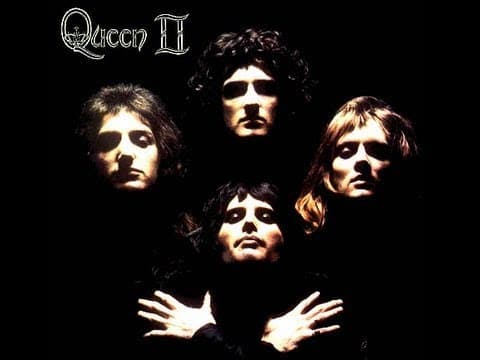
"Bohemian Rhapsody" is widely considered one of the greatest and most complex songs in rock history. Released in 1975, it famously lacks a chorus and combines diverse musical genres into a single narrative suite. Overall Theme The song is a surrealist journey exploring themes of guilt, identity, and the loss of innocence. While Freddie Mercury never fully explained its meaning, it is often interpreted as a metaphorical "coming out" story or a young man grappling with the consequences of his actions and his desire for liberation from his past. Key Lyrics Analysis * "Mama, just killed a man": Most critics believe this isn't about physical murder, but rather the "killing" of Mercury’s former image or his old self to make way for his true identity. * "I see a little silhouetto of a man / Scaramouche, Scaramouche, will you do the Fandango?": The operatic section uses characters from Italian *Commedia dell'arte*. Scaramouche is a clownish figure, suggesting the narrator feels like a puppet or a performer in a chaotic, judgmental world. * "Bismillah! No, we will not let you go": "Bismillah" is Arabic for "In the name of God." This section represents a trial or an exorcism where the narrator fights against demonic forces (or inner demons) for his soul. * "Anyway the wind blows": The final line signifies a sense of nihilism or fatalism—an acceptance that no matter what happens, life will continue without him. Emotional Tone The song is a rollercoaster of emotions. It begins with vulnerability and confession in the ballad section, moves into theatrical confusion and hysteria during the opera, shifts to aggressive defiance and anger in the hard rock segment, and concludes with a sense of melancholy resignation and peace. Cultural Context At nearly six minutes long, the song defied the "3-minute rule" for radio play at the time. Its innovative structure blended high art (opera) with popular culture (rock). Furthermore, its promotional clip is often cited as the first "modern" music video, effectively launching the MTV era by proving that visual storytelling could propel a song to global success without the band being physically present. Artist Context "Bohemian Rhapsody" was the centerpiece of the album *A Night at the Opera*. It was a "make-or-break" moment for Queen; the band was in significant debt and took a massive risk by insisting on this song as a single. Its massive success solidified Freddie Mercury’s reputation as a songwriting genius and established Queen as one of the biggest bands in the world, capable of technical precision and bold experimentation.
Shut Down
Released in 2022 as the title track for their second studio album *BORN PINK*, "Shut Down" is a powerful anthem of self-assurance. Here is an analysis of the song: 1. Overall Theme "Shut Down" is a victory lap that asserts BLACKPINK’s dominance in the global music industry. The song serves as a direct response to critics and haters, signaling that the group is at the peak of their power and has no intention of stepping down from their throne. 2. Key Lyrics Analysis * "It’s not a comeback since we never left": This line addresses the long hiatuses between their releases. Jennie and Rosé clarify that even when they aren't releasing music, their influence and presence in fashion and culture remain omnipresent. * "Praying for my downfall, many have tried, baby": This is a blunt acknowledgment of the "anti-fans" or critics who wish for their decline. The lyrics suggest that despite the pressure and negativity, the group remains untouchable. * "When we pull up you know it’s a shut down": Using automotive and street slang, "pull up" refers to their arrival. "Shut down" implies that when BLACKPINK enters the room (or releases a song), the competition is over and the conversation centers entirely on them. * "Catch me when you hear my Lamborghini go vroom, vroom, vroom, vroom": Luxury branding is a staple of their lyrics, symbolizing their massive commercial success and the "rockstar" lifestyle they lead. 3. Emotional Tone The tone is composed, icy, and supremely confident. Unlike some of their high-energy "hype" tracks, "Shut Down" is more restrained and sophisticated. It carries a sense of "cool arrogance"—the vibe of someone who doesn't need to scream to be heard because their success speaks for itself. 4. Cultural Context * Classical Sampling: The song famously samples Niccolò Paganini’s "La Campanella" (Violin Concerto No. 2). By mixing a 19th-century classical masterpiece with modern hip-hop beats, the song bridges the gap between "high art" and contemporary pop, suggesting that BLACKPINK’s music is timeless and elite. * Visual Meta-references: The music video is a cultural tribute to their own history. It recreates iconic sets from their previous hits like "Boombayah," "Whistle," and "DDU-DU DDU-DU," visually signaling the closing of one chapter and the beginning of a new, more powerful era. 5. Artist Context "Shut Down" arrived at a pivotal moment in BLACKPINK's career, coinciding with their contract renewal period and their status as the biggest girl group in the world. It moved away from the experimental "Pink Venom" sound toward a more hip-hop-centric identity. It solidified their "BORN PINK" identity—a blend of the feminine ("Pink") and the fierce, untouchable powerhouse ("Black").
Pink Venom
"Pink Venom" by BLACKPINK is a high-energy hip-hop and pop track that served as the pre-release single for their second studio album, *BORN PINK*. ### 1. Overall Theme The song centers on the concept of duality, specifically the contrast between the group’s "pink" side (beauty, femininity, and sweetness) and their "venom" side (danger, power, and lethality). It serves as a bold declaration of their global dominance, warning listeners that while they are attractive, their impact is "poisonous" and unavoidable. ### 2. Key Lyrics Analysis * "Kick in the door, waving the coco" (Jennie): This is a direct homage to The Notorious B.I.G.'s "Kick in the Door." "Coco" refers to Chanel (Coco Chanel), blending 90s hip-hop grit with the group's status as high-fashion icons. * "This that pink venom, get 'em, get 'em, get 'em": The repetitive, rhythmic hook acts as a chant. It emphasizes the "attack" nature of the song, suggesting that their music and charms are a "toxin" spreading through the listener. * "Straight to your dome like whoa whoa whoa": This highlights the immediate, mind-blowing impact of their return to the music scene after a long hiatus. * "Look what you made us do" (Rosé/Jisoo): While echoing a famous Taylor Swift line, in this context, it suggests that the pressures of fame and their critics have forced them to sharpen their "venomous" edge. ### 3. Emotional Tone The song conveys a sense of supreme confidence, swagger, and aggression. It is not a vulnerable track; instead, it is celebratory and intimidating. The tone is dark and mysterious during the verses but shifts into a fierce, anthemic energy during the "Ratatata" dance break and chorus. ### 4. Cultural Context * Traditional Korean Music: The song opens and is driven by the Geomungo (a traditional Korean plucked zither). This blends BLACKPINK’s global hip-hop sound with their Korean heritage, a hallmark of their international identity. * Pop Culture References: Beyond Biggie Smalls, the lyrics and choreography reference Rihanna's "Pon de Replay" ("It goes one by one and two by two") and various high-fashion elements, reflecting the group’s role as bridge-builders between Western pop culture and K-pop. ### 5. Artist Context "Pink Venom" marked BLACKPINK’s first group comeback in nearly two years. It was designed to re-establish their "Royal" status in the K-pop industry after the members focused on solo projects. The song solidified their "Girl Crush" brand—a style defined by empowering themes and high-production spectacles—and set the stage for one of the highest-grossing world tours by a female group in history.

How You Like That
"How You Like That" by BLACKPINK is a global K-pop anthem that serves as a powerful statement of resilience and triumph. Here is an analysis of the song: 1. Overall Theme The song centers on the theme of "rising from the ashes." It describes the journey of hitting rock bottom, enduring dark times, and ultimately returning with even greater power and confidence to mock those who doubted or looked down on them. 2. Key Lyrics Analysis * "Look at you, now look at me": This is the song’s central hook. It is a direct confrontation, forcing the antagonist (or hater) to compare their own position with the group’s massive success and elevated status. * "In this darkness, shining like the star": This verse symbolizes finding internal strength and "light" even when everything around them seems to be falling apart. * "Karma come and get some": This line suggests that their current success is the natural consequence of their hard work, and the "punishment" for those who treated them poorly is having to witness their unstoppable rise. * "Look up in the sky, it's a bird, it's a plane": A play on the classic Superman quote, used here to emphasize that they have reached heights that are superhuman or untouchable. 3. Emotional Tone The tone is fierce, assertive, and celebratory. It begins with a dark, atmospheric tension that feels heavy and oppressed, but it quickly shifts into a mocking, high-energy dance track. The final "dance break" section conveys a sense of total victory and "badass" confidence. 4. Cultural Context * Modernized Hanbok: In the final sequence of the music video, the members wear modernized versions of traditional Korean clothing (Hanbok). This was a significant cultural moment that sparked a global fashion trend and showcased Korean heritage on a massive international stage. * Symbolism: The video uses heavy symbolism, such as the wings of Icarus and different elemental sets (fire, ice, sand), to represent the struggle of falling and the power of being reborn. 5. Artist Context Released in June 2020, "How You Like That" was the lead pre-release single for BLACKPINK’s first full-length project, *The Album*. It followed a year-long hiatus, during which fans (BLINKs) were hungry for new music. The song shattered several YouTube and Guinness World Records upon release, solidifying BLACKPINK’s position as the "biggest girl group in the world" and perfecting their signature "Girl Crush" concept.

JUMP
It is important to clarify that BLACKPINK does not have an official song titled "JUMP." However, there is a very popular AI-generated song (fan-made) and several viral AI covers (specifically of the song "Jump" by Tyla) that have been circulating on TikTok and YouTube, often mislabeled as a BLACKPINK original or a "leak." Based on the viral AI-generated version that fans often associate with the group, here is an analysis of the song's themes and context: ### 1. Overall Theme The theme revolves around unapologetic confidence, dominance, and "baddie" energy. Like many of BLACKPINK’s official tracks, the lyrics focus on the members' status as fashion icons and leaders of the music scene, encouraging listeners to "jump" to their rhythm and acknowledge their power. ### 2. Key Lyrics Analysis Because this is an AI-generated/fan-made track, the lyrics are designed to mimic the "BLACKPINK formula": * "Queen of the scene" / "Top of the world": These lines mimic the "Flexing" culture found in songs like *How You Like That* or *Lalisa*, emphasizing that no one can compete with their success. * "Jump, jump, make it pop": This serves as a high-energy hook. It’s a call to action common in K-pop anthems, designed to create a "party" atmosphere and provide a catchy "killing part" for a choreography-heavy chorus. * Multilingual switches: The fan-made lyrics often blend English "swagger" with rhythmic Korean phrases to replicate the group’s signature international appeal. ### 3. Emotional Tone The song conveys fierce empowerment and high-octane energy. It feels "expensive" and aggressive, utilizing a heavy bassline and trap-inspired beats. It is designed to make the listener feel bold, stylish, and physically energized (perfect for dance challenges). ### 4. Cultural Context * The AI Trend: "JUMP" is a prime example of the AI Music Era in K-pop. Fans use sophisticated AI models of the members' voices (Jennie’s rap tone, Rosé’s unique rasp, Lisa’s attitude, and Jisoo’s steady vocals) to create "what-if" songs. * Tyla "Jump" Confusion: Much of the search for "BLACKPINK JUMP" comes from an AI cover of the hit song "Jump" by Tyla. This became a cultural moment because the Afrobeats style of the original song fit Lisa and Jennie’s vocal styles so perfectly that many casual listeners thought it was an official collaboration. ### 5. Artist Context While not an official part of their discography, this "song" fits into the "Girl Crush" concept that BLACKPINK pioneered. * Gap in Releases: Because BLACKPINK has long hiatuses between group albums, the "JUMP" AI trend grew out of fans' hunger for new music. * Sonic Identity: The fact that fans can "create" a BLACKPINK song that sounds believable speaks to how strong and defined the group's "brand" of music (heavy EDM-trap, catchy hooks, and empowerment lyrics) has become over the years. * Note: If you are looking for an official K-pop song titled "JUMP," you are likely thinking of the 2014 track by BTS or the 2023 song by P1Harmony.

Annan Galax
"Annan Galax" (Swedish for "Another Galaxy") is a standout track by the Swedish rapper Asme, known for his melodic flow and his roots in the Gothenburg hip-hop scene. Here is an analysis of the song: 1. Overall Theme The song explores themes of success, escapism, and the mental shift that occurs when transitioning from a life of struggle to one of wealth. Asme uses the metaphor of being in "another galaxy" to describe his current state of mind—feeling detached from his past and unreachable by his enemies or those who doubted him. 2. Key Lyrics Analysis * "Jag är i en annan galax" (I am in another galaxy): This recurring line serves as the central metaphor. It suggests that his lifestyle, wealth, and mindset are now on a completely different level compared to his old environment. It also carries a double meaning, implying a state of being "high" or mentally checked out from the stress of the streets. * "Mamma, jag svär jag ska göra dig stolt" (Mama, I swear I will make you proud): Despite the references to "the trap" and street life, this line anchors the song in a universal motivation. It highlights that his drive for success is rooted in family loyalty and the desire to provide a better life for his mother. * References to the "trakt" (neighborhood): Asme frequently contrasts his current luxury with his upbringing in Hammarkullen. He acknowledges where he came from but emphasizes that he can no longer be found in the same places because his world has expanded. 3. Emotional Tone The tone is melancholic yet triumphant. The production is atmospheric and "spacey," matching the title. While Asme sounds confident about his success, there is an underlying sense of isolation. It conveys the "lonely at the top" sentiment common in modern trap music—where the protagonist has achieved their goals but feels alienated from their former reality. 4. Cultural Context Asme is a central figure in the "Ortens favorit" (Neighborhood favorite) subgenre of Swedish hip-hop. This genre often blends Swedish with slang from various immigrant backgrounds (Arabic, Somali, etc.). "Annan Galax" reflects the cultural shift in Swedish rap from aggressive, drill-heavy sounds to a more melodic, "vibe"-focused style that draws heavy influence from French and American melodic trap. 5. Artist Context Asme first gained fame as one half of the duo Aden x Asme. "Annan Galax" solidified his status as a powerhouse solo artist. It showcases his ability to carry a song with a catchy, melodic hook while maintaining his "street credibility." This track is often cited as a prime example of his evolution from a raw street rapper to a polished artist capable of creating hits that appeal to both the underground and the mainstream charts in Sweden.

Answer: Love Myself
"Answer: Love Myself" is the concluding track of BTS’s *Love Yourself* era, serving as the final resolution to a narrative journey that spanned over two years. ### 1. Overall Theme The song explores the realization that the ultimate "answer" to life’s hardships and the search for identity is unconditional self-love. It acknowledges that while loving oneself is often harder than loving others, it is a necessary journey of accepting one’s past mistakes and current flaws. ### 2. Key Lyrics Analysis * "Maybe there’s no answer / Maybe this isn’t the answer either": This line reflects the humble admission that "self-love" isn't a magical cure-all or a fixed destination, but a continuous process of questioning and growing. * "Even the scars formed by my mistakes make up my constellation": This metaphor suggests that our failures and "scars" are not things to be ashamed of; instead, they are the stars that form the unique map of who we are. * "Loving myself might be harder / Than loving someone else": This captures a universal human truth—we are often our own harshest critics, finding it easier to give grace to others than to ourselves. * "The me of yesterday, the me of today, the me of tomorrow / (I’m learning how to love myself)": This emphasizes that self-love covers all versions of the self: the one we regret, the one we are now, and the one we fear becoming. ### 3. Emotional Tone The tone is warm, anthemic, and healing. It begins with a reflective, slightly melancholic vibe but builds into a triumphant, soaring chorus. It feels like a reassuring embrace or a collective sigh of relief after a long struggle, offering the listener a sense of peace and hope. ### 4. Cultural Context This song was the musical centerpiece of BTS's "Love Myself" campaign with UNICEF, which aimed to end violence against children and young people. In a South Korean cultural context (and globally), where high societal pressure and "perfectionism" often lead to mental health struggles, the song’s message was a radical call to prioritize self-compassion over social standards. ### 5. Artist Context "Answer: Love Myself" marks the end of the *Love Yourself* trilogy (*Her, Tear,* and *Answer*). Throughout this series, BTS moved from the excitement of external love to the pain of losing oneself in a "fake" relationship, finally arriving at this song’s conclusion: that internal love is the foundation for everything else. It solidified BTS’s reputation as "healing idols" who use their personal growth to provide a roadmap for their fans.

So What
"So What" is a high-energy EDM track from BTS’s 2018 album *Love Yourself: Tear*. It serves as a defiant anthem for youth struggling with the pressures of modern life. 1. Overall Theme The song centers on the concept of letting go of anxieties, overthinking, and the paralyzing fear of making mistakes. It encourages listeners to stop ruminating on problems they cannot change and instead embrace a "so what?" attitude to reclaim their happiness and freedom. 2. Key Lyrics Analysis * "90% of your worries are an imaginary swamp you’ve created yourself." – This line highlights the psychological trap of overthinking. It suggests that most of our stress isn't based on reality but on hypothetical fears that keep us stuck. * "In the middle of the road, in the event you want to give up / Don’t shout ‘I can’t do it’ / So what?" – Here, the members reject defeatism. Instead of letting failure define them, they use the phrase "so what?" as a shield to protect their drive and keep moving forward. * "Ay, someone calls me right / Someone calls me wrong / I’m not gonna care about it / Why don't you do the same?" – This reflects the theme of personal autonomy. It acknowledges that public opinion is fickle and that true peace comes from ignoring external judgment. 3. Emotional Tone The tone is cathartic, liberating, and explosive. While the lyrics acknowledge the "hell" of worrying, the upbeat synth-pop production transforms that frustration into a celebratory release. It feels like a "stadium anthem" designed to make the listener jump and physically shake off their stress. 4. Cultural Context In South Korean society, youth face immense pressure regarding academic success, career stability, and social etiquette. This environment often leads to a "safety-first" mindset where mistakes are heavily stigmatized. "So What" acts as a counter-culture response to this pressure, advocating for the right of young people to be "clumsy" or "wrong" without being shamed for it. 5. Artist Context Within the *Love Yourself* series, "So What" represents the transition from recognizing pain (*Tear*) to finding the strength to love oneself. It is a staple of BTS’s live concerts, usually performed during the encore where the members run around the stage and interact playfully with the crowd. It serves as a reminder that even global superstars like BTS face immense scrutiny and have to tell themselves "so what?" to survive the pressures of fame.