
Latest Articles

FLU
"FLU" is a track from IVE’s first full-length album, *I’ve IVE* (2023). It is a fan-favorite B-side known for its catchy, minimalist production and clever metaphors. ### 1. Overall Theme The song uses the medical symptoms of a flu—fever, dizziness, and loss of appetite—as a metaphor for the overwhelming experience of falling in love. It describes the moment someone realizes they have "caught" feelings for someone else, portraying love as an involuntary and uncontrollable biological reaction. ### 2. Key Lyrics Analysis * "I’m feeling so strange / My temperature is rising": This sets the stage for the metaphor. Just as a fever is the first sign of an infection, these lines represent the initial "heat" and excitement of a new crush. * "It’s not like me, not at all": A recurring theme in the lyrics is the loss of self-control. IVE’s brand is often centered on being cool, poised, and self-assured; here, they admit that love has made them act out of character. * "My heart beats fast, it’s a symptom": By labeling emotional responses as "symptoms," the song shifts the narrative of romance from a fairy tale to a physical condition that the body simply has to endure. * "Spread through me like a virus": This highlights the "contagious" nature of attraction—once it starts, there is no stopping it from taking over the entire person. ### 3. Emotional Tone The tone is delirious yet playful. While "the flu" sounds negative, the song feels light, airy, and slightly dazed. There is a sense of "sweet suffering"—the singers are annoyed that they are losing their composure, but they are also caught up in the giddy, rhythmic pulse of the attraction. ### 4. Cultural Context In pop music, the "love as a sickness" trope is a classic (similar to songs like "Bad Case of Loving You" or "Love Potion No. 9"). However, coming out of a global pandemic era, the imagery of "catching a virus" and "symptoms" carries a modern weight, though IVE keeps it strictly metaphorical and romantic. It also plays into the "teen crush" aesthetic popular in K-pop, where the intensity of first feelings is often compared to a physical ailment. ### 5. Artist Context "FLU" fits perfectly into IVE’s discography by subtly subverting their "Narcissistic" (Self-Love) concept. While hits like "Love Dive" and "I AM" focus on extreme self-confidence and being in control, "FLU" shows a more vulnerable side. It explores what happens when a girl who loves herself suddenly finds her focus shifted toward someone else, making it a relatable addition to their "modern young woman" persona.

gameboy
"Gameboy" is a standout track from ROSÉ's debut studio album, *rosie*. It showcases her ability to blend sharp, metaphorical songwriting with an upbeat, indie-pop sound. Here is an analysis of the song: 1. Overall Theme The song uses the metaphor of a handheld video game console to describe an emotionally immature partner. It focuses on a relationship where one person treats love as a game to be won or manipulated, while the other (Rosé) realizes they are being used for entertainment and decides to "power down" the relationship. 2. Key Lyrics Analysis * "You’re just a Game Boy / Playing with my heart like it’s a toy": This is the central hook of the song. By calling him a "Game Boy," she reduces him to something small, portable, and meant for amusement rather than a serious life partner. * "Always tryna level up": This suggests the partner is never satisfied and is constantly looking for the next thrill or "winning" an argument rather than seeking emotional connection. * "Pressing all my buttons": A double entendre. In gaming, you press buttons to control a character; in a relationship, it refers to intentionally provoking someone or testing their patience. * "Your battery’s running low": This symbolizes that her patience has run out and the relationship is physically and emotionally "dying" because the partner hasn't put in the work to keep it "charged." 3. Emotional Tone The tone is sassy, confident, and dismissive. Unlike some of her more vulnerable ballads, "gameboy" carries a sense of empowerment. While there is a hint of frustration regarding the time wasted, the overriding emotion is the satisfaction of finally seeing the partner for who they truly are—someone childish and insignificant. 4. Cultural Context The song leans heavily on 90s and early 2000s nostalgia. The Nintendo Game Boy is an iconic cultural symbol of that era. By using this specific reference, Rosé frames the partner's behavior as "retro" or "old-fashioned" in a negative way—implying his games are outdated and she has outgrown them. It fits into the "Y2K" aesthetic that is currently trending in global pop and K-pop fashion and music. 5. Artist Context "Gameboy" marks a significant stylistic departure from Rosé’s work with BLACKPINK. While BLACKPINK often focuses on "girl crush" themes of dominance and power, this track is more intimate and singer-songwriter-driven. It fits into the narrative of her album *rosie*, which she has described as her most personal and "raw" project, allowing her to tell specific stories about her own experiences with heartbreak and growth. It highlights her growth as a lyricist who can turn a clever concept into a radio-ready pop anthem.

Be Alright
"Be Alright" is a standout B-side track from IVE’s second EP, *IVE SWITCH* (2024). Here is an analysis of the song: 1. Overall Theme "Be Alright" is a song of comfort and resilience that addresses the feeling of being overwhelmed by life’s challenges. It carries a message of hope, reminding the listener that no matter how dark the "night" feels, a brighter morning is inevitable and they are not alone. 2. Key Lyrics Analysis * "Everything’s gonna be alright / After the long night, a new morning will come": These lines serve as the emotional anchor of the song. It uses the classic "night vs. morning" metaphor to illustrate that hardship is a temporary phase that precedes growth and clarity. * "Lean on my shoulder for a moment / You can cry if you want to": These lyrics shift the focus from individual strength to communal support. It acknowledges that it is okay to show vulnerability and that the members are offering a safe space for the listener. * "I’ll be by your side": This recurring sentiment reinforces the bond between the artist and the fan (DIVE), transforming a general "healing" song into a personal promise of companionship. 3. Emotional Tone The song is warm, uplifting, and soothing. While much of IVE's discography is high-energy and "girl crush," "Be Alright" utilizes a brighter, more atmospheric pop sound. The vocals are delivered with a gentle, airy quality that evokes a sense of relief and peacefulness, making it feel like a musical "hug." 4. Cultural Context In South Korea, there is a significant sub-genre of K-pop known as "healing music" (힐링송). These songs are specifically designed to provide emotional comfort to a youth population facing high levels of academic and professional pressure. "Be Alright" fits perfectly into this cultural niche, acting as a mental health "pick-me-up" for listeners dealing with burnout or anxiety. 5. Artist Context Since their debut, IVE has been defined by the concept of "Self-Love" and "Narcissism" (as seen in hits like *Love Dive* and *I AM*). "Be Alright" represents an evolution of that theme. Instead of focusing solely on "I love myself because I am great," the group pivots to "We will be okay because we are together." It shows a more mature, empathetic side of the members, balancing their image as "glamorous idols" with that of "relatable friends."
3am
"3am" is a standout track from ROSÉ’s debut studio album, *rosie*. It serves as an intimate look into the artist's private thoughts during the hours when the rest of the world is asleep. Here is an analysis of the song: 1. Overall Theme The song explores the raw vulnerability, loneliness, and overthinking that occur in the middle of the night. It captures the specific "witching hour" impulse to reach out to someone from the past or the struggle to quiet a restless mind when the distractions of the day have faded. 2. Key Lyrics Analysis * "It’s 3:00 AM and I’m calling again": This line highlights the cycle of late-night regret. It portrays the loss of inhibitions that happens when exhaustion meets loneliness, leading back to habits the narrator likely promised to break. * The focus on the phone/screen: Throughout the song, the phone acts as a bridge between her isolation and the person she misses. It symbolizes the modern digital heartache where peace is just one "send" button away, yet remains out of reach. * "I'm just a little bit lonely": ROSÉ uses direct, unadorned language here. Instead of complex metaphors, she opts for a simple confession that resonates with anyone who has felt the weight of an empty room at night. 3. Emotional Tone The tone is melancholic, stripped-back, and deeply personal. Unlike the high-energy production often found in her work with BLACKPINK, "3am" feels like a "bedroom pop" confession. It conveys a sense of longing mixed with a touch of self-frustration—the feeling of knowing you shouldn't feel this way, but being unable to help it. 4. Cultural Context The "3 AM song" is a classic trope in global pop music (similar to works by artists like Taylor Swift or Halsey). It represents a universal human experience: the "night owl" clarity where we are most honest with ourselves. In the context of "Gen Z" culture, it taps into the aesthetic of "sad girl autumn" and the transparency regarding mental health and emotional struggles. 5. Artist Context "3am" is a pivotal track for ROSÉ’s solo identity. It demonstrates her shift from a global K-pop superstar to a vulnerable singer-songwriter. By participating heavily in the writing and conceptualizing of the album *rosie*, she uses tracks like this to peel back the "idol" veneer, showing fans the "Rosie" behind the stage name—a young woman navigating the same heartbreak and late-night anxieties as everyone else.

I WANT
"I WANT" by IVE is a bright, summery anthem released in 2023 as part of a collaboration with Pepsi. Despite being a promotional track, it carries the group's signature message of self-assurance and empowerment. Here is an analysis of the song: 1. Overall Theme The song centers on the theme of personal freedom and living in the moment without hesitation. It encourages listeners to pursue their true desires and find joy in the "here and now" rather than worrying about the future or others' opinions. 2. Key Lyrics Analysis * "What I want, want, want / I want to be me": These lines represent the core of the song. It emphasizes that the ultimate "want" isn't a material object, but the freedom to be one’s authentic self. * "Even if it’s a tiny choice / If it makes me breathe, it’s my choice": This lyric highlights the importance of autonomy. It suggests that even small decisions are significant if they contribute to one’s happiness and sense of self. * "Breathe in the air that fills you up": While a subtle nod to the "refreshing" nature of the product they are promoting (Pepsi), it also serves as a metaphor for taking in life's positive energy and feeling alive. * "Just move, want, want, keep moving on": This focuses on momentum and the idea that action is better than stagnation. 3. Emotional Tone The song is vibrant, energetic, and refreshing. It uses a "bubblegum pop" sound with a driving disco-pop beat to evoke feelings of liberation and excitement. The tone is meant to feel like a "cool breeze on a hot summer day," making the listener feel confident and lighthearted. 4. Cultural Context "I WANT" was released as part of the 2023 Pepsi K-Pop Campaign. In South Korea, collaborations between major brands and K-pop idols are a significant cultural staple, often resulting in high-quality "CM (Commercial) Songs" that chart as well as standard comebacks. The song follows the tradition of "Summer Queens," where girl groups release high-energy tracks to coincide with the vacation season. 5. Artist Context Since their debut, IVE’s brand has been built on "Self-love" and "Narcissism" (in a positive, empowering sense). "I WANT" fits perfectly into their discography—alongside hits like "I AM" and "LOVE DIVE"—by reinforcing their image as a group that knows what they want and isn't afraid to go after it. It serves as a bridge between their major eras, maintaining their presence as leaders of the 4th generation of K-pop with a polished, "expensive" pop sound.

Gone
Here is an analysis and explanation of ROSÉ’s solo track "Gone." 1. Overall Theme "Gone" is a raw, melancholic breakup ballad that explores the aftermath of a failed relationship and the bitterness of being left behind. It focuses on the realization that a former lover has moved on to someone new while the narrator is still trapped in the pain and memories of what they once had. 2. Key Lyrics Analysis * "I’m tired of being the last to know / I’m moving on from what we once were": This highlights the feeling of betrayal and the lack of closure. It suggests that the partner checked out of the relationship long before it officially ended, leaving her to deal with the shock alone. * "All my love is gone / Now you’re dead and gone": This is the emotional climax of the song. The word "dead" isn't literal; it signifies the total death of their connection. She is trying to force herself to feel nothing, erasing the love that once defined her. * "I hate to see you with her / As if you never even knew me": These lines capture the specific sting of seeing an ex move on quickly. It conveys the feeling of being "erased" or replaced, making the previous relationship feel like it was an illusion. 3. Emotional Tone The song carries a vulnerable, lonely, and resentful tone. Unlike many breakup songs that are either purely sad or fiercely empowering, "Gone" sits in the messy middle. It is stripped-back and acoustic, which emphasizes the "hollow" feeling of heartbreak. There is a sense of exhaustion in ROSÉ’s vocals, reflecting someone who has spent too many nights crying over the same person. 4. Cultural Context While there are no specific geographic cultural references, the song is notable for being entirely in English. As a member of a global K-pop group, ROSÉ (who grew up in New Zealand and Australia) used this song to bridge the gap between K-pop and Western indie-pop. The song’s aesthetic—both lyrically and in its music video—draws on the "sad girl" vintage aesthetic popularized by Western artists like Lana Del Rey or Taylor Swift. 5. Artist Context "Gone" was the B-side to ROSÉ's debut solo single "On The Ground" from her album *R*. It served as a crucial turning point in her career, establishing her individual artistic identity outside of BLACKPINK. While BLACKPINK is known for high-energy, "girl crush" anthems with heavy production, "Gone" showcased ROSÉ as a soulful, guitar-driven singer-songwriter. It proved her ability to carry a song with minimal production, relying almost entirely on her unique vocal color and emotional delivery.

개소리 (BULLSHIT)
"개소리 (BULLSHIT)" is a high-octane hip-hop track from G-DRAGON’s 2017 self-titled EP, *Kwon Ji Yong*. It serves as a defiant, experimental exploration of his public persona and the noise surrounding his fame. 1. Overall Theme The song is a rebellious commentary on the rumors, criticism, and "nonsense" (bullshit) that follow G-Dragon as a global icon. It explores the chaos of the entertainment industry, with GD ultimately embracing the madness and telling his critics to stop talking and start "barking" if they have nothing of substance to say. 2. Key Lyrics Analysis * "What is this bullshit? (개소리)": The central hook uses the Korean term *gaesori*, which literally translates to "dog sound" but idiomatically means "nonsense" or "bullshit." By repeating this, he dismisses the media's obsession with his private life as meaningless noise. * "Do the bullshit, woof woof": GD leans into the metaphor by mimicking a dog. This is a satirical take on how people expect him to perform or behave; if the world is going to treat his art or life like a spectacle, he will give them the most chaotic version of it. * "Heaven? I’m already there. Hell? I’m already there.": These lines highlight the duality of his life. He experiences the peak of luxury and success (Heaven) alongside the intense pressure and scrutiny (Hell) simultaneously. * "I’m a god, but I’m a dog": In Korean, "God" (Shin) and "Dog" (Gae) are often contrasted in wordplay. GD suggests he is both a deity to his fans and a "dog" (a servant to the industry or a target for hate) to the public. 3. Emotional Tone The song’s tone is aggressive, raw, and unapologetically chaotic. It feels frantic and high-energy, reflecting a sense of "organized madness." There is an undercurrent of frustration and cynicism toward the industry, but it is masked by a layer of supreme confidence and playfulness. 4. Cultural Context In Korean culture, the word "Gae" (dog) is frequently used as a derogatory prefix for insults (similar to "f*ing" in English). By titling the song "Gaesori" and filling it with dog-related metaphors, G-Dragon subverts a common linguistic taboo. He takes a word used to belittle others and transforms it into a powerful, rhythmic anthem of self-assertion, effectively taking the "teeth" out of his critics' insults. 5. Artist Context "BULLSHIT" was released during a pivotal moment in G-Dragon's career, just before his mandatory military enlistment. While the rest of the *Kwon Ji Yong* EP is deeply introspective and vulnerable (focusing on the human "Kwon Ji Yong"), this track represents the "G-DRAGON" persona—the superstar who is loud, polarizing, and larger than life. It serves as a reminder that even as he explores his inner self, he remains the "King of K-pop" who can dominate the hip-hop scene with experimental sounds.
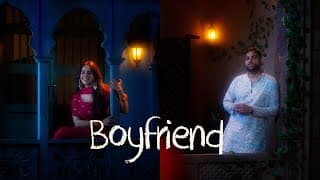
BOYFRIEND(MUSIC VIDEO) KARAN AUJLA| SUNANDA | IKKY | Latest Punjabi Songs 2025
"BOYFRIEND" is a vibrant collaboration between Punjabi superstar Karan Aujla, the versatile Sunanda Sharma, and hit producer Ikky. Released in early 2025, the song is a modern romantic anthem that blends traditional Punjabi folk elements with contemporary global pop production. Here is an analysis of the track: ### 1. Overall Theme The song revolves around the playful, flirtatious chemistry and "tug-of-war" between a man and a woman in the early stages of attraction. It is a dialogue-style track where the male protagonist (Aujla) expresses his direct desire to be the woman's partner, while the female protagonist (Sunanda) responds with her own conditions and "nakhra" (playful attitude). ### 2. Key Lyrics Analysis * "Munda tera boyfriend banna chaunda" (The boy wants to be your boyfriend): This is the central hook. It marks a shift from Aujla’s traditional themes of rivalry or struggle to a more direct, romantic pop appeal. It’s a straightforward declaration of intent delivered with confidence. * Sunanda’s Verses: Her lyrics often highlight her high standards and the attention she receives from others. This creates a "chase" dynamic, where the man has to prove he is worthy of her time, reflecting a classic trope in Punjabi romantic songs. * References to Lifestyle: Like many of Aujla’s hits, the lyrics pepper in mentions of luxury, style, and "gehri" (cruising/driving), grounding the romance in a modern, affluent Punjabi setting. * Ikky’s Production Tag: While not a lyric, the "Ikky" sound—characterized by heavy basslines mixed with polished synths—is crucial to the song's identity, making the lyrics feel "club-ready" rather than just a traditional folk duet. ### 3. Emotional Tone The tone is playful, confident, and high-energy. * Aujla brings his signature "swag" and rhythmic flow, sounding self-assured rather than desperate. * Sunanda provides a melodic and cheeky counterpoint, adding a layer of charm and sass. The song avoids heavy or dark emotions, focusing instead on the excitement and "vibe" of modern dating. ### 4. Cultural Context * The "Nakhra" Culture: The song leans heavily into the Punjabi cultural concept of *Nakhra*—the flirtatious pride or "attitude" shown by a woman that the man must admire and win over. * Urban-Folk Fusion: This track is a prime example of the "New Age Punjabi" sound. It respects the lyrical roots of the region but packages it for a global audience that listens to Hip-Hop and R&B. * Fashion and Visuals: The music video likely emphasizes high-end streetwear and luxury cars, which are staple cultural symbols in the modern Punjabi music industry representing success and "making it." ### 5. Artist Context * Karan Aujla: For Aujla, this song represents his continued evolution into a "Global Pop Star." After the massive success of his albums like *Making Memories*, he has moved away from purely "gangster-rap" vibes toward more melodic, catchy, and commercial sounds that appeal to all age groups. * Sunanda Sharma: Known for her expressive acting and powerful vocals, this collaboration reinforces her position as one of the leading female voices in the industry who can hold her own alongside a powerhouse like Aujla. * The Collaboration: Following their previous chemistry, this 2025 release solidifies their duo-dynamic as a "hit-making machine," similar to the legendary duets of past Punjabi eras but updated for the Gen-Z and Millennial audience.

Post Malone, Swae Lee - Sunflower (Spider-Man: Into the Spider-Verse)
"Sunflower" by Post Malone and Swae Lee is a global mega-hit that serves as the lead single for the 2018 film *Spider-Man: Into the Spider-Verse*. Here is an analysis of the track: Overall Theme The song explores the dynamics of a volatile, "push-and-pull" relationship where one person remains stubbornly loyal despite the emotional exhaustion. It uses the sunflower as a metaphor for a partner who is vibrant and beautiful but demands constant attention and resilience to keep the relationship alive. Key Lyrics Analysis * "You’re a sunflower, I think your love would be too much": This central metaphor suggests that while the partner is radiant, their intensity is overwhelming. Just as a sunflower follows the sun, the narrator feels compelled to follow this person, even if it leads to burnout. * "You’ll be left in the dust, unless I stuck by ya": These lines emphasize a sense of duty and protection. The narrator believes the other person is too fragile or chaotic to survive the "dust" of life alone, highlighting a co-dependent bond. * "Needless to say, I keep her in check / She was a bad-bad, nevertheless": This opening line sets the stage for a relationship filled with conflict. It portrays the partner as someone rebellious or difficult, yet the attraction remains undeniable. Emotional Tone The song carries a bittersweet, dreamy, and nostalgic tone. While the production is upbeat, melodic, and "sunny," the lyrics describe anxiety, fear of being alone, and the struggle of maintaining a rocky romance. This contrast creates a "vibe" that feels both youthful and slightly melancholic. Cultural Context The song is inextricably linked to the character Miles Morales from *Spider-Man: Into the Spider-Verse*. In the film, Miles sings the song (getting the lyrics wrong) to calm his nerves, making it an anthem for his transition from a regular teenager to a superhero. Culturally, it became one of the biggest hits of the streaming era, recently becoming the first song in RIAA history to be certified Double Diamond (20x Platinum). Artist Context For Post Malone, "Sunflower" solidified his status as a genre-blurring pop titan who could dominate both hip-hop and mainstream charts. For Swae Lee, it showcased his unique ability to create infectious, high-pitched "earworm" melodies. The collaboration proved that the "melodic rap" style was the defining sound of the late 2010s, appealing to children, teenagers, and adults alike.
call it the end
"call it the end" is a standout track from ROSÉ’s debut studio album, *rosie*. It is a raw, stripped-back exploration of finality in a relationship. 1. Overall Theme The song centers on the quiet, somber realization that a long-term relationship has reached its breaking point. It captures the moment when both parties stop trying to fix what is broken and finally accept that there is no path forward together. 2. Key Lyrics Analysis * "I guess we call it the end": This line serves as the emotional anchor of the song. It isn't a dramatic scream, but a quiet acknowledgement. It represents the shift from the "fighting" phase to the "acceptance" phase. * "We ran out of ways to say 'I’m sorry'": This highlights the exhaustion of the cycle of conflict. It suggests that apologies have become hollow and that the emotional well has run dry, making further effort feel futile. * "I’m not looking for a reason to stay": This marks the turning point of the narrator’s mindset. She has moved past the stage of making excuses for the partner or the relationship and is finally ready to let go. 3. Emotional Tone The tone is resigned, melancholic, and weary. There is no anger or bitterness in her delivery; instead, there is a sense of "heavy peace." The vulnerability in ROSÉ’s vocals conveys the grief of losing someone while simultaneously feeling the relief of ending a cycle of pain. 4. Cultural Context The song aligns with the "confessional pop" movement, popularized by artists like Taylor Swift and Olivia Rodrigo, where the focus is on extreme lyrical honesty. ROSÉ, being a global icon with roots in New Zealand, Australia, and South Korea, uses this song to bridge the gap between K-pop’s polished production and the raw, acoustic-driven storytelling of Western indie-folk. 5. Artist Context "call it the end" is a significant departure from the high-octane "girl crush" image of BLACKPINK. It establishes ROSÉ as a serious singer-songwriter with a distinct solo identity. By choosing such an intimate sound, she moves away from being a "performer" and positions herself as an "artist," sharing her personal vulnerabilities and life experiences directly with her audience.

Off The Record
"Off The Record" by IVE is a pre-release single from their 2023 EP *I'VE MINE*. It serves as an atmospheric, groovy exploration of intimacy and the private lives of young women. ### 1. Overall Theme The song captures the intimate, late-night conversations shared between close friends when the rest of the world is asleep. It explores the freedom of being one’s true self and sharing secrets that are meant to stay "off the record," away from the public eye and social media filters. ### 2. Key Lyrics Analysis * "This night is off the record": This central hook sets the boundary. In an era where every moment is often recorded and shared, the song emphasizes the value of a moment that exists only for those present. * "무성한 소문 그 이면의 story" (The story behind the thick rumors): This line suggests that while the world may gossip about them (as idols or individuals), the "real" story is something only they know. It highlights the gap between public persona and private reality. * "더 깊이 deep sleep 잠든 도시 / 더 짙게 deep talk 우린 여기" (As the city falls into deep sleep / We have deeper talk here): The contrast between the sleeping city and the girls' wakefulness emphasizes a sense of rebellion and exclusive connection. * "비밀스러운 chemistry" (Secretive chemistry): This refers to the unspoken bond and trust required to share one's deepest thoughts without fear of judgment. ### 3. Emotional Tone The tone is dreamy, nostalgic, and relaxed. Unlike IVE’s more high-energy "narcissistic" anthems, this song feels soft and sophisticated. It carries a sense of warmth and security, mimicking the cozy feeling of a "girls' night in" where everyone lets their guard down. ### 4. Cultural Context The song plays on the media term "off the record," which is used in journalism to describe information that cannot be published. For K-pop idols—who live under constant public scrutiny—the concept of having a private space where they don't have to be "on" or "perfect" is particularly resonant. It also taps into the "Girlhood" aesthetic popular in modern K-pop, focusing on the strength of female friendships rather than romantic love. ### 5. Artist Context "Off The Record" marked a stylistic shift for IVE. While their early hits (*Love Dive, After LIKE*) focused on "Self-love" and "Chaebol Crush" (glamorous, confident vibes), the *I'VE MINE* album aimed to show "various sides of 'Me'." This song represents the relatable, human side of the members, proving they can master mid-tempo, synth-pop tracks just as well as high-energy dance hits. It adds a layer of maturity and vulnerability to their discography.
On The Ground
"On The Ground" is the debut solo single by ROSÉ, a member of the global K-pop group BLACKPINK. Released in 2021, the song marks a significant milestone in her career as a singer-songwriter. 1. Overall Theme The song is a reflective narrative about the pursuit of ambition and the realization that true fulfillment doesn’t come from fame or status. It explores the idea that while we often strive to reach the "top," everything we truly need for happiness has been with us all along—at our roots and within ourselves. 2. Key Lyrics Analysis * "I worked my whole life just to get high, just to realize everything I need is on the ground." This is the core message of the song. The "high" represents the peak of success and the "sky-high" expectations of stardom. Rosé admits that after achieving world-class fame, she discovered that her basic needs—love, self-acceptance, and her origins—are what actually sustain her. * "My name’s been getting bigger, but the heart’s been getting smaller." This line highlights the personal cost of fame. As her public persona grew and became a global brand, she felt a sense of internal shrinking or emotional emptiness, suggesting that success can sometimes lead to losing touch with one’s soul. * "I’m way up in the clouds they say I made it now / But I figured it out, everything I need is on the ground." This contrasts society’s definition of success ("making it") with her own personal epiphany. It suggests that the view from the top is lonely and that the "ground" is a place of stability and truth. 3. Emotional Tone The song carries a reflective and vulnerable tone. It begins with a sense of weary honesty but shifts into an empowering and anthemic mood during the chorus. There is a palpable sense of nostalgia as she looks back at her journey, combined with a triumphant feeling of finally finding her own peace. 4. Cultural Context * The Idol Journey: The song provides a rare, personal glimpse into the grueling K-pop trainee system. Rosé moved from Australia to South Korea as a teenager to pursue this dream, making the lyrics about "working my whole life" deeply literal. * Global Appeal: By releasing the song entirely in English, Rosé signaled her status as a global artist. It allowed her to communicate her personal story directly to an international audience without a language barrier, reflecting her multicultural upbringing. 5. Artist Context "On The Ground" served as Rosé’s statement of identity outside of BLACKPINK. While the group is known for "girl crush" concepts and high-energy hip-hop, this solo track showcased her affinity for pop-rock and folk-influenced sounds. It established her not just as a "main vocal" of a group, but as a thoughtful storyteller who prioritizes authenticity over the glitz of the idol industry.