
Latest Articles

MC's Lele JP, Leozinho ZS, GH Original, Menor ZL e Meno K, PR - Vai Tomando Pock Pock - Álbum Chatão
### 1. Overall Theme "Vai Tomando Pock Pock" is a high-energy Brazilian Funk (Funk Paulista) track centered on the vibrant nightlife of the *baile funk* and casual sexual encounters. The song serves as a celebratory anthem of the "playboy" or "malandro" lifestyle, focusing on physical attraction, rhythmic dancing, and the status associated with successful MCs in the urban scene. ### 2. Key Lyrics Analysis * "Vai tomando pock pock": This is the central hook of the song. "Pock pock" is an onomatopoeia commonly used in Brazilian funk to mimic the rhythmic sound of a heavy beat or the physical impact during sex. It is designed to be catchy and hypnotic for the dance floor. * "Ela se envolve com os cara do momento" (*She gets involved with the guys of the moment*): This line highlights the social status of the MCs. It suggests that their fame and current success make them highly desirable in the social hierarchy of the favela and the club scene. * "Noite de luxo, as de cem pro alto" (*Luxury night, hundred-dollar bills in the air*): This reflects the "Funk Ostentação" (Ostentation Funk) influence, where the lyrics emphasize wealth, spending power, and the transition from poverty to a life of luxury. * The Multi-MC Structure: Because the song features multiple artists (Lele JP, Leozinho ZS, etc.), each verse represents a different "vibe" or perspective on the party, showcasing the camaraderie and collaborative nature of the São Paulo funk scene. ### 3. Emotional Tone The tone is hedonistic, confident, and high-octane. It conveys a sense of "living in the moment" without worries about the future. There is an undercurrent of masculine bravado and triumph, as the artists celebrate their ability to attract women and command the attention of the crowd through their music and lifestyle. ### 4. Cultural Context * Baile Funk & Fluxos: The song is tailor-made for "fluxos" (spontaneous street parties in Brazil) and organized funk clubs. The rhythm is the "MTG" or "Mandela" style, characterized by aggressive, repetitive beats. * Slang: The lyrics are dense with "gírias" (slang) from the peripheries of São Paulo. Terms like "revoada" (a party that lasts until morning) or "pock pock" are part of a specific linguistic identity shared by the youth in these communities. * Collaboration Culture: In Brazil, it is common for several MCs to join forces on a single track (often called a "Set"). This helps cross-pollinate fanbases and ensures the song reaches different regions of the country. ### 5. Artist Context MC Lele JP is one of the most prominent voices in modern Brazilian funk, known for his versatility. While he often creates "Funk Consciente" (songs with social messages about struggle and faith), "Vai Tomando Pock Pock" represents his commercial and "proibidão" (explicit) side. This track reinforces his position as a hitmaker who can dominate the charts by providing the high-energy, rhythmic music that fuels the Brazilian nightlife industry.

💕🧃 YOGURCITO REMIX | BLESSD ❌ ANUEL AA ❌ YAN BLOCK ❌ LUAR LA L ❌ ROA ❌ KRIS R
"YOGURCITO REMIX" is a high-energy urban collaboration that brings together the rising "Medellín sound" of Blessd with the heavy-hitting street trap of Puerto Rico. Here is an analysis of the track: 1. Overall Theme The song is a provocative, hedonistic anthem centered on sexual attraction, wealth, and the urban nightlife. The term "Yogurcito" (literally "little yogurt") is used as a slang metaphor for a woman the artists find physically attractive and "sweet," while the lyrics revolve around luxury lifestyles, street credibility, and casual encounters. 2. Key Lyrics Analysis * "Tú ere' mi yogurcito, estás bien rica..." (Blessd): This hook uses a playful, almost nursery-rhyme style diminutive to describe a woman, contrasting the "sweet" nickname with the explicit sexual nature of the verses. * "Real hasta la muerte, ¿oíste, cabrón?" (Anuel AA): Anuel uses his signature catchphrase to ground the song in his "Street King" persona. His verses often focus on high-end luxury (mentioning Richard Mille watches or G-Wagons) to signal his status. * "En el cuello tengo un iglú" (Kris R / Roa): A common trope in Latin Trap, this refers to "ice" (diamonds). It emphasizes the "flexing" culture—showing off the fruits of their success in the music industry. * "La L" (Luar La L): Known for his "Drill" influence, Luar’s verses usually shift the tone from flirtatious to more aggressive street talk, maintaining the song's "street" edge. 3. Emotional Tone The tone is confident, boastful, and high-octane. It oscillates between the smooth, melodic flow of Blessd and the aggressive, raspy delivery of Anuel AA and Luar La L. It is designed to be a "club banger," meant to evoke a sense of power, sexual dominance, and expensive taste. 4. Cultural Context * The Remix Strategy: In the Reggaeton and Latin Trap world, a remix is a strategic tool used to breathe new life into a hit. By adding established legends (Anuel AA) and street favorites (Luar La L), Blessd expands the song's reach from Colombia to the wider Caribbean and US markets. * Medellín vs. Puerto Rico: The song represents the bridge between the "Paisa" (Medellín) style of Reggaeton, which is often more melodic, and the Puerto Rican "Trap" style, which is grittier and more lyrically explicit. 5. Artist Context * Blessd: This song solidifies his position as a leader of the new generation of Colombian artists. Collaborating with Anuel AA is a "stamp of approval" in the industry, moving him from a local star to a global contender. * Anuel AA: His appearance on this track serves to maintain his dominance in the Trap genre and his reputation for supporting the "new school" of artists. * The "New School" (Yan Block, Kris R, Roa): For these artists, appearing on a track with Anuel and Blessd is a massive career boost, providing them with mainstream visibility.

Mix CAZZU (Live) Grupo Histeria 2025 4k Official Performance
This performance by Grupo Histeria is a "Cumbianized" medley (mix) of hits by the Argentine trap artist Cazzu. It reimagines urban trap and reggaeton songs through the lens of high-energy tropical Cumbia. ### 1. Overall Theme The song is a high-octane tribute to feminine empowerment, heartbreak (*despecho*), and street-smart resilience. By blending Cazzu’s raw, urban lyrics with Grupo Histeria’s danceable rhythm, the theme becomes a celebration of moving on from toxic relationships through music and dance. ### 2. Key Lyrics Analysis Since this is a mix, it touches on several of Cazzu’s iconic sentiments: * "Mucha Data" (Lots of Information): This recurring concept in Cazzu’s work refers to having "the receipts" or knowing the truth about a situation. In this cumbia version, it serves as a warning to a former lover that the singer is too smart to be played. * Themes of Betrayal: Many of the verses chosen for the mix focus on a partner who lied or was unfaithful. The lyrics emphasize that the woman is now the one in control, often referred to as "La Jefa" (The Boss). * Urban Slang: The lyrics retain "turra" culture references—slang from the streets of Buenos Aires—which highlights a "tough" identity that doesn't need a man to feel validated. ### 3. Emotional Tone The tone is defiant and festive. There is a distinct contrast known in Latin music as "dancing through the pain." While the lyrics describe betrayal and the coldness of a breakup, the musical arrangement by Grupo Histeria is celebratory and fast-paced, intended to get a crowd jumping at a live show. ### 4. Cultural Context * "Cumbianización": In South America (especially Argentina, Bolivia, and Peru), there is a massive cultural trend of taking "Urban" hits (Trap/Reggaeton) and turning them into Cumbia Villera or Cumbia Base. This makes the music more accessible to older generations and traditional dance halls. * The "Live" Session Era: This 4K official performance is part of a modern marketing trend where groups film high-quality "live" studio sessions to simulate the energy of a concert, which is then consumed heavily on YouTube and TikTok. ### 5. Artist Context * Cazzu: Known as the "Queen of Argentine Trap," her music often deals with female sexuality and power. This mix keeps her legacy relevant in the tropical music scene. * Grupo Histeria: This group has become a powerhouse in the Andean and Southern Cone cumbia scene. They are known for their "Mixes"—taking the most popular songs of the moment and giving them a "Histeria" twist characterized by synthesizers and aggressive percussion. This 2025 release cements their position as trendsetters who bridge the gap between street trap and traditional party music.

ONDA KUMBIERA - SE QUE TE AMARE
"Se Que Te Amaré" by Onda Kumbiera is a quintessential romantic cumbia track that combines high-energy dance rhythms with a deeply sentimental message of eternal devotion. Here is an analysis of the song: 1. Overall Theme The song centers on the theme of eternal and unwavering love. It is a declaration of commitment, where the singer promises to love their partner forever, regardless of how much time passes or what challenges may arise. It reflects the certainty of finding a "soulmate." 2. Key Lyrics Analysis * "Sé que te amaré, por siempre te amaré" (*I know I will love you, I will love you forever*): The use of "Sé" (I know) instead of "pienso" (I think) establishes a tone of absolute certainty. It is a vow rather than just a feeling. * "Aunque pase el tiempo, nunca te olvidaré" (*Even if time passes, I will never forget you*): This line emphasizes the longevity of the emotion. It suggests that their love is "time-proof," a common trope in romantic Latin music that resonates deeply with audiences. * "Eres tú mi vida, mi único querer" (*You are my life, my only love*): This represents the total surrender of the narrator to the relationship, placing the partner at the very center of their existence. 3. Emotional Tone The tone is optimistic, celebratory, and romantic. While the lyrics are poetic and could work as a ballad, the fast-paced cumbia rhythm gives the song a joyful energy. It captures the "euphoria" of being in love—the feeling of wanting to dance and shout your feelings to the world. 4. Cultural Context * Cumbia as a Social Glue: In Mexico and parts of the U.S. with large Latino populations, this style of cumbia is a staple at weddings, *quinceañeras*, and family parties. The song serves a dual purpose: it is romantic enough for a "first dance" but upbeat enough to keep the party moving. * The "Grupero" Influence: Onda Kumbiera fits into the *Onda Grupera* or *Technocumbia* tradition, which uses synthesizers and electronic drums to modernize traditional folk rhythms, making them more appealing to urban and younger audiences. 5. Artist Context Onda Kumbiera is known for their ability to blend romantic lyrics with the "sonidero" spirit. "Se Que Te Amaré" stands out as one of their most representative hits. It helped solidify their position in the cumbia scene by providing a "clean," melodic sound that is both radio-friendly and perfect for live dance halls. Within their career, this song exemplifies their signature style: sentimental storytelling backed by a relentless, danceable beat.

MC JACARÉ, MC LELE JP, MC NEGÃO ORIGINAL, JAPA NK - CARNÍVORO (Lyric Video Oficial)
"Carnívoro" is a high-energy Brazilian Funk track featuring MC Jacaré alongside MC Lele JP, MC Negão Original, and Japa NK. It blends the aggressive beats of "Funk de BH" (Belo Horizonte) with the electronic influences of "Eletrofunk." Here is an analysis of the song: Overall Theme The song is a hedonistic anthem focused on nightlife, sexual pursuit, and the "predatory" nature of the party scene. Using the metaphor of a "Carnivore," the artists describe their search for pleasure and status within the context of a *fluxo* (street party) or a club environment. Key Lyrics Analysis * "Eu sou carnívoro, ela é carne fresca" (I am a carnivore, she is fresh meat): This is the central metaphor of the song. It frames the nightclub interaction as a primal instinct, where the "predator" (the man) is seeking out "prey" (the woman) in a purely physical and sexual sense. * "O Jacaré tá na pista" (The Alligator is on the track/dance floor): This is a double entendre. While it refers to MC Jacaré’s stage name, it also reinforces the animalistic theme of a predator lurking in its territory, ready to engage. * "Taca o peito no Jacaré" (Throw your chest at the Alligator): This refers to a specific style of dancing common in Brazilian Funk, where movements are synchronized with the heavy bass hits. It highlights the physical, dance-oriented nature of the track. * References to "Ciroc," "Chivas," and "Red Label": Like many songs in the "Funk Ostentação" lineage, these references signal success and the ability to afford a high-end lifestyle, which is presented as a magnet for attention. Emotional Tone The tone is bold, aggressive, and highly confident. There is no room for romance; instead, the song vibrates with raw energy and "hype." It is designed to be played at maximum volume on "Paredões" (large car sound systems), creating an atmosphere of celebration and social dominance. Cultural Context * Eletrofunk and BH Funk: The song represents a fusion of styles. MC Jacaré is a key figure in Eletrofunk, a subgenre that gained massive popularity in the Center-West and South of Brazil by mixing electronic dance music with funk lyrics. * The "Jacaré" Persona: In Brazilian culture, the alligator (*jacaré*) is often associated with someone who is "crafty" or a "player." MC Jacaré leans into this branding heavily, making it his trademark. * The "Revoada": The lyrics celebrate the "revoada"—a slang term for a long, unrestrained party that usually lasts until morning, involving many people, music, and alcohol. Artist Context This song fits perfectly into MC Jacaré’s career trajectory as a hitmaker who bridge the gap between regional Funk scenes. After going viral with hits like "Comprei um Lança," Jacaré solidified his place as a leader of the "Eletrofunk" movement. "Carnívoro" serves as a collaborative effort to maintain his presence in the "fluxos" (street parties) by uniting with other rising voices like MC Lele JP, ensuring the track appeals to both the electronic and the traditional funk crowds.

♫ MiX Gracias / Tú Con Él - Turromantikos / Cumbia 🔥 ¡Tendencias de música! ✨
The song "MiX Gracias / Tú Con Él" by Turromantikos is a medley of two classic romantic tracks reimagined in the style of *Cumbia Santafesina* and *Turreo*. It blends nostalgic, heartbreak-driven lyrics with the upbeat, danceable rhythm typical of the Argentine urban cumbia scene. ### 1. Overall Theme The song explores the bittersweet aftermath of a breakup and the lingering shadow of a past lover. It transitions from a message of gratitude for a past relationship ("Gracias") to a direct, jealous comparison between the narrator and the woman’s new partner ("Tú Con Él"). ### 2. Key Lyrics Analysis * "Gracias por haberme dado tanto amor..." (Thank you for giving me so much love...): From the first part of the medley, these lines represent acceptance. The narrator isn't bitter yet; he is acknowledging the beauty of what they shared, framing the relationship as a life lesson. * "Él te da la mano, yo te daba el alma" (He gives you his hand, I gave you my soul): This is the core of the second song. It highlights the narrator’s belief that while the new man provides social stability and "proper" gestures, the narrator provided a raw, spiritual, and emotional depth that can never be replaced. * "Tú con él, porque así lo quisiste" (You’re with him because you wanted it that way): This line places the responsibility on the partner. It suggests a sense of tragic irony—she chose a "safer" or "better" option on paper, but at the cost of the passion she once had. ### 3. Emotional Tone The song is melancholic yet energetic. While the lyrics deal with loss, jealousy, and the pain of being replaced, the musical arrangement is designed for dancing and parties. It conveys a "sing-along" catharsis where listeners can dance away their heartbreak while feeling superior to their ex’s new partner. ### 4. Cultural Context * Cumbia Romántica/Santafesina: This style is a staple of Argentine working-class culture. It often takes old ballads or salsa songs (like the original "Tú Con Él" by Frankie Ruiz) and adapts them to cumbia. * The "Turro" Movement: The name "Turromantikos" refers to the *turro* subculture in Argentina—an urban, street-style aesthetic. This movement "romanticizes" the tough exterior of street life, showing that even "tough guys" or *turros* suffer from love and enjoy classic romantic melodies. ### 5. Artist Context Turromantikos is part of a wave of modern Argentine artists and producers who specialize in Remixes/Medleys. Their career is built on revitalizing classic hits for a younger generation. By choosing "Gracias" (associated with the legendary Leo Mattioli) and "Tú Con Él," they bridge the gap between 90s/00s romantic icons and the modern club scene, cementing their place as leaders in the "Cumbia con Clase" (Classy Cumbia) and "Turreo" hybrid genres.

ONDA KUMBIERA - MIX MORENA (VIDEO OFICIAL)
"Mix Morena" by Onda Kumbiera is a vibrant medley (mix) of Southern Cumbia (Cumbia Sureña) tracks. It is a celebratory yet melancholic collection of songs that revolve around themes of romantic devotion, the pain of abandonment, and the magnetic beauty of a "morena" (a brunette or dark-skinned woman). ### 1. Overall Theme The song is a quintessential Cumbia medley that explores the duality of love: the joy of attraction and the sorrow of heartbreak. It focuses on the singer’s deep obsession with a specific woman and his struggle to move on after she leaves him, all set to a high-energy, danceable beat. ### 2. Key Lyrics Analysis As this is a "Mix," it transitions through several lyrical hooks. Here are the most significant elements: * "Morena, morenita, ¿por qué te vas?" (Morena, little morena, why are you leaving?): This line captures the central conflict. The diminutive "morenita" is a term of endearment, contrasting with the pain of her departure. It reflects the common Cumbia trope of pleading for a lover to stay. * "Salud, salud, por ese amor" (Cheers, cheers, to that love): Southern Cumbia often incorporates the culture of drinking to forget ("beber para olvidar"). This line signals that the music is intended for social gatherings where people dance and drink to process their emotional wounds. * "Te sigo amando, te sigo esperando" (I keep loving you, I keep waiting for you): These lines emphasize the "eternal wait," a hallmark of the genre's romantic lyricism, where the protagonist remains stuck in the past despite the upbeat tempo of the music. ### 3. Emotional Tone The song carries a "festive melancholy." While the lyrics are often sad, focusing on loneliness and rejection, the musical arrangement is fast-paced, driven by bright synthesizers and a steady electronic drum beat. This creates an atmosphere where the listener is encouraged to "dance away the pain." ### 4. Cultural Context * Cumbia Sureña: This style is specific to the Southern regions of Peru (like Puno and Arequipa) and Bolivia. It is characterized by the heavy use of electronic synthesizers and a 4/4 beat that is slightly faster than Colombian or Argentinian Cumbia. * The "Morena" Figure: In Andean and Latin American music, the "Morena" is an iconic figure of beauty. Singing to a "Morena" is both a tribute to the mestizo/indigenous identity of the region and a classic romantic poetic device. * The "Mix" Format: In the Andean Cumbia scene, artists frequently release "mixes" rather than single tracks. This is designed for parties and "chichódromos" (dance halls) to keep the energy high without pause. ### 5. Artist Context Onda Kumbiera is a prominent representative of the modern Southern Cumbia movement. This mix serves as a showcase of their ability to blend traditional Andean sentimentality with modern electronic production. "Mix Morena" is one of their most popular sequences, solidifying their reputation as a "must-play" band at festivals and weddings across the Peruvian-Bolivian highlands. It fits into their career as a signature piece that highlights their energetic stage presence and vocal harmony style.
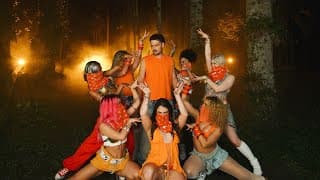
PEDRO SAMPAIO - SEQUÊNCIA FEITICEIRA feat MC GW, MC Rodrigo do CN, MC Jhey, MC Nito
"SEQUÊNCIA FEITICEIRA" is a high-energy Brazilian Funk track that blends Pedro Sampaio’s polished production with the raw, aggressive "Mandelão" and "Bruxaria" styles of the featured MCs. --- ### 1. Overall Theme The song is a quintessential "Baile Funk" anthem designed specifically for the dance floor. Its primary theme is the hypnotic power of the beat—referred to as a "sorceress sequence"—which compels listeners to dance, lose inhibitions, and engage in the hyper-sexualized movements typical of the funk scene. ### 2. Key Lyrics Analysis * "Sequência feiticeira" (Sorceress/Witchcraft sequence): In the context of modern Brazilian Funk, "witchcraft" (*bruxaria*) refers to a specific subgenre characterized by dark, distorted, and repetitive beats. The "sequence" implies a non-stop loop of rhythm designed to put the dancer in a trance. * "Vem que vem no movimento" (Come on, get into the movement): This is a classic "call to action" in funk, inviting the audience to synchronize their dancing with the heavy bass. * "Ela tá viciada no beat que o Pedro faz" (She’s addicted to the beat Pedro makes): A self-referential line common in Pedro Sampaio’s tracks, establishing his "brand" as a hitmaker whose production is "addictive" like a drug. * Repetitive Onomatopoeia (e.g., "Taca, taca"): Much of the song uses rhythmic slang that describes the physical act of dancing (specifically "rebolando" or twerking) or sexual metaphors, emphasizing rhythm over complex storytelling. ### 3. Emotional Tone The tone is aggressive, hedonistic, and hypnotic. Unlike Pedro Sampaio’s more melodic pop-funk hits, this track feels darker and more industrial. It aims to create an atmosphere of high-intensity energy and raw physical release, typical of late-night parties in the Brazilian suburbs. ### 4. Cultural Context * Funk Mandelão & Bruxaria: The song belongs to the "Bruxaria" (Witchcraft) trend within the Funk Mandelão scene of São Paulo. This style uses distorted audio, heavy bass, and "creepy" or minimalist samples to create a "bewitching" effect on the listener. * Collaboration with MC GW: MC GW is one of the most iconic voices in rhythmic funk. His presence gives the song "street cred," bridging the gap between Pedro Sampaio’s mainstream pop appeal and the underground roots of the *baile funk*. ### 5. Artist Context Pedro Sampaio is known for being a "chameleon" in the Brazilian music scene. While he often dominates the charts with "Pop-Funk" (radio-friendly and polished), "SEQUÊNCIA FEITICEIRA" shows him leaning into the more aggressive, "underground" aesthetic of the streets. By collaborating with MCs like GW and Rodrigo do CN, Pedro ensures his music remains relevant in the authentic *fluxos* (street parties) while maintaining his status as a major mainstream producer.

Posso Até Não Te Da Flores - MC Ryan SP, MC Jacaré e MC Meno K (DJ Japa NK e DJ Davi DogDog)
"Posso Até Não Te Dar Flores" is a collaborative track featuring MC Ryan SP, MC Jacaré, and MC Meno K. It blends the rhythmic energy of Funk with a "maloqueiro" (street-style) romanticism that has become a hallmark of the modern São Paulo funk scene. Here is an analysis of the track: ### 1. Overall Theme The song explores a non-traditional form of romance, often referred to as "thug love" or "urban romance." It focuses on a narrator who admits he doesn't fit the "gentleman" stereotype—he doesn't buy bouquets or act like a "playboy"—but offers an authentic, intense, and lifestyle-driven connection based on his reality in the urban periphery. ### 2. Key Lyrics Analysis * "Posso até não te dar flores, mas de flores o meu quarto vai exalar o cheiro..." * This is the central hook and a clever double entendre. In Brazilian slang, "flores" (flowers) is often a term for high-quality marijuana (buds). The artist is saying he won't give her a traditional gift, but they will spend time together in his room smoking and relaxing. It subverts romantic expectations. * "Deixa esse playboy de lado, que ele não te entende." * A common trope in funk music where the "maloqueiro" (the guy from the favela/street) compares himself to the "playboy" (wealthy, sheltered man). The argument is that while the playboy has money and manners, he lacks the soul, chemistry, and "vibe" that the narrator provides. * "Vem pra base do Tubarão." * "Tubarão" (Shark) is MC Ryan SP’s nickname. "Base" refers to his home or a safe hangout spot. It signifies an invitation into his private, successful world. ### 3. Emotional Tone The tone is laid-back, confident, and seductive. It isn't a "sad" love song; rather, it’s a "chill" anthem. It conveys a sense of pride in one’s lifestyle—balancing the hardness of the streets with the softness of a private encounter. There is an air of "take it or leave it" confidence throughout the verses. ### 4. Cultural Context * The "Maloqueiro Romântico" Aesthetic: This song fits into a subgenre of funk that celebrates the "rogue" who has a heart. It’s a rebellion against traditional bourgeois dating standards (dinner, flowers, jewelry) in favor of shared experiences, loyalty, and "vibe." * Regional Collaboration: The track brings together artists from different regions. MC Ryan SP represents the powerhouse of São Paulo, while MC Jacaré brings the "funk goiano" (from Goiás) influence, showing how funk has become a unified national language in Brazil. ### 5. Artist Context For MC Ryan SP, this song reinforces his status as the "King of Funk" in Brazil. Ryan is known for his versatility—moving between "Funk Ostentação" (about wealth) and "Funk Romântico." This track specifically highlights his ability to create "hits for the ladies" without losing his street credibility. It fits into his career trajectory of dominated the charts by collaborating with rising stars (like Meno K) and established hitmakers (like Jacaré) to maintain his massive streaming presence.

HISTERIA - MIX BANDIDO (Live)
"HISTERIA - MIX BANDIDO (Live)" by the Bolivian group Grupo Histeria is a high-energy medley (mix) of several songs that define the "Cumbia Sureña" genre. Here is an analysis of the track: 1. Overall Theme The song centers on themes of romantic betrayal, the pain of being cheated on, and the subsequent "liberation" found through partying and alcohol. It describes a "Bandida" (a female "outlaw" or player) who toys with the singer's heart, leading him to seek solace in the nightlife. 2. Key Lyrics Analysis * "Bandida, tú me engañaste" (Bandit/Player, you deceived me): In this context, "Bandida" isn't a literal criminal; it refers to a woman who is unfaithful or manipulative in a relationship. It sets the stage for the singer as the victim of a "heart-robbery." * "Salud, salud por esa traicionera" (Cheers, cheers to that traitor): This is a classic trope in Southern Cumbia. Instead of wallowing in silence, the singer invites the audience to raise a glass. It suggests that the only cure for a broken heart is a drink and the company of friends. * "Ahora soy libre, ya no te quiero" (Now I am free, I don't love you anymore): This represents the turning point in the "Mix." After expressing pain, the lyrics shift toward reclaiming independence and moving on from a toxic cycle. 3. Emotional Tone The song carries a dual emotional tone. The lyrics are inherently melancholic and resentful, focused on the sting of infidelity. However, because it is *Cumbia Sureña*, the music is upbeat, euphoric, and danceable. This creates a sense of "catharsis"—turning sadness into a celebration of survival and freedom. 4. Cultural Context * Cumbia Sureña: This subgenre is massive in the Andean regions (Bolivia, Southern Peru, and Northern Argentina). It is characterized by heavy use of synthesizers, electronic drums, and high-pitched, emotional vocals. * The "Live" Experience: In this culture, live recordings are often preferred over studio versions. The presence of a "Hype Man" (animador) who shouts phrases to energize the crowd is a staple of the genre, making the listener feel like they are at a massive party or *chichería*. 5. Artist Context Grupo Histeria, led by Dimas Chipana, is one of the most influential contemporary groups in the Bolivian Cumbia scene. "Mix Bandido" is a cornerstone of their repertoire. It showcases their ability to blend traditional Andean sentimentality with modern electronic sounds. This specific live mix helped solidify their reputation as "The Kings of Hysteria," proving their ability to command large crowds and turn heartbreak into a collective anthem.

Ryan Castro, Kapo, Gangsta - LA VILLA (Video Oficial) | HOPI SENDÉ
"LA VILLA" is a vibrant urban collaboration that brings together the signature street style of Ryan Castro with the melodic flair of Kapo and the gritty energy of Gangsta. The track is a celebration of the "barrio" (neighborhood) lifestyle, blending street credibility with the high-energy atmosphere of a party. Here is an analysis of the song: ### 1. Overall Theme The song is a tribute to the artists' roots in the "villa" (the neighborhood or ghetto) and their subsequent rise to fame. It focuses on the intersection of street culture and nightlife, celebrating themes of loyalty, female beauty, and the "Hopi Sendé" lifestyle—a term used by Castro’s circle to describe a state of high energy and being "on fire." ### 2. Key Lyrics Analysis * "El cantante del ghetto": This is Ryan Castro’s signature self-identifier. It reinforces his brand as an artist who represents the working-class neighborhoods of Medellín, bridging the gap between the streets and global stardom. * "Hopi Sendé": Used throughout the track and in the title, this Papiamento-influenced slang (popularized in the ABC islands and adopted by Castro's crew) essentially means "Turn it up" or "It’s lit." It sets the high-octane pace of the song. * "En la villa se goza, en la villa se baila": These lines emphasize that despite the hardships often associated with the "villa," it is a place of joy, community, and intense celebration. * References to "Perreo" and "Sandungueo": The lyrics frequently mention these dance styles, grounding the song firmly in the Reggaeton tradition of club-focused music meant for dancing. ### 3. Emotional Tone The tone is triumphant, energetic, and unapologetic. There is a strong sense of pride in where they come from. Unlike darker "Trap" songs, "LA VILLA" feels festive; it conveys the excitement of a night out where everyone from the neighborhood is living their best life. ### 4. Cultural Context * Medellín Urban Culture: Ryan Castro is a central figure in the "Colombian New School." The song utilizes "Parlache" (Medellín street slang) and visual aesthetics that reflect the colorful but tough atmosphere of the city’s comunas. * The "Villa" Concept: In Latin American urban music, the "Villa" or "Barrio" is a sacred space. This song follows a long tradition of reclaiming the narrative of these neighborhoods—not as places of crime, but as places of culture and rhythm. ### 5. Artist Context * Ryan Castro: This song solidifies his position as a "tastemaker" who brings rising talents into the spotlight. It continues his streak of "Nea-core" (a style celebrating the aesthetic of Colombian street youth). * Kapo: After the global success of his hit "Ohnana," this collaboration shows Kapo’s versatility, moving from soulful Afro-fusion back into hard-hitting Reggaeton. * The Collaboration: By bringing Gangsta and Kapo together, Ryan Castro is curating a sound that represents the current state of the Colombian urban scene—melodic, rhythmic, and deeply rooted in local slang.

♫ La Quiero a Morir - Turromantikos & Bonny Lovy 🔥 ¡Tendencia de música #1! ✨
Here is an analysis of the song "La Quiero a Morir" by Turromantikos and Bonny Lovy. Overall Theme The song is a modern Cumbia reinterpretation of a classic romantic ballad, centered on the theme of absolute, unconditional, and all-consuming love. It describes a man whose entire existence is transformed and given meaning by the woman he loves, portraying her as both his savior and his world. Key Lyrics Analysis * "Y yo que hasta ayer solo fui un holgazán / Y hoy soy guardián de sus sueños de amor" (*And I who until yesterday was just a loafer / And today I am the guardian of her dreams of love*): These lines highlight the redemptive power of love. The narrator suggests that before her, he lacked purpose, but her presence has turned him into someone responsible and protective. * "Ella borra las horas de cada reloj / Me enseña a pintar transparente el dolor" (*She erases the hours from every clock / She teaches me to paint pain transparent*): This poetic imagery suggests that being with her makes time feel irrelevant and that her love has the power to heal or neutralize past suffering. * "La quiero a morir" (*I love her to death*): The central hook. It doesn't imply literal death, but rather a love so intense that it defines the narrator's life. It signifies a level of devotion where he would do anything for her. Emotional Tone The song strikes a balance between deeply romantic and vibrantly festive. While the lyrics are poetic and vulnerable, the rhythm (Cumbia/Turra) turns it into an upbeat celebration. It conveys feelings of euphoria, gratitude, and the infectious joy of being hopelessly in love. Cultural Context "La Quiero a Morir" is originally a French song ("Je l'aime à mourir" by Francis Cabrel) that became a legendary anthem in the Spanish-speaking world through versions by artists like Shakira and DLG (Salsa). By turning it into a Cumbia Turra/RKT track, Turromantikos and Bonny Lovy are bringing a sophisticated "classic" into the modern urban street culture of Argentina and Bolivia, making a timeless melody accessible to a younger, club-going generation. Artist Context * Bonny Lovy: Known as "El Conejo en el Mic," he is one of Bolivia's most successful exports, famous for blending Cumbia with pop and urban sounds. This song reinforces his ability to create "Cumbia Pop" hits that resonate across Latin America. * Turromantikos: This group specializes in the "Turra" movement—a subgenre of Argentine Cumbia. This collaboration is a significant milestone for them, as it pairs their "street" style with a high-profile mainstream artist like Bonny Lovy, helping them achieve "trending" status and broader commercial appeal beyond the underground scene.