
Latest Articles
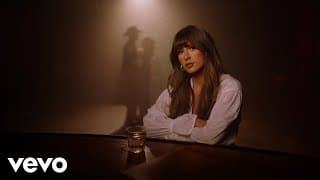
Ella Langley - Choosin' Texas (Official Lyric Video)
"Choosin' Texas" by Ella Langley is a modern country anthem that explores the tug-of-war between romantic love and the call of one’s roots. It serves as a "breakup song" where the "other woman" isn't a person, but a place. ### 1. Overall Theme The song centers on the difficult decision to leave a stable relationship to return to one's home state. It frames Texas not just as a location, but as an essential part of the narrator's identity that she cannot ignore, even for love. ### 2. Key Lyrics Analysis * "I ain't choosin' another man / I'm just choosin' Texas." This is the core hook of the song. It clarifies that the breakup isn't due to a lack of affection or infidelity; rather, it is an issue of soul-level compatibility with her environment. * "It’s a lonesome dove kind of goodbye." A direct nod to Larry McMurtry’s classic Western novel/miniseries *Lonesome Dove*. This suggests a rugged, cinematic, and perhaps inevitable departure, evoking the spirit of the Old West. * "I need a sky that’s a little bit wider / And a neon light that’s a little bit brighter." These lines contrast the narrator's current life with the "larger-than-life" mythos of Texas. It conveys a sense of restlessness and the need for the specific atmosphere (the "Texas sky" and the honky-tonk culture) that she can't find elsewhere. ### 3. Emotional Tone The tone is bittersweet and resolute. While there is a palpable sadness in leaving a partner who hasn't necessarily done anything wrong, there is also a sense of empowerment. Langley’s delivery is gritty and unapologetic, capturing the "wild heart" archetype of someone who chooses independence and heritage over settling down in the wrong place. ### 4. Cultural Context Texas holds a unique, almost religious status in country music (often referred to as the "Texas Country" or "Red Dirt" scene). In this subgenre, the state is frequently personified as a character or a sanctuary. By using references like Fort Worth, bluebonnets, and the "yellow rose," Langley taps into deep-seated Southern pride and the cultural idea that Texas is a "homeland" that eventually calls its people back. ### 5. Artist Context Ella Langley has built a reputation for being a "tough-talking" female voice in modern country, blending rock influences with traditional themes. "Choosin' Texas" (from her debut album *hungover*) reinforces her persona as an independent woman who isn't afraid to walk away from a "good" thing to stay true to herself. It aligns her with the "outlaw country" tradition where freedom and the road are prioritized over domestic stability.

Sabrina Carpenter - Manchild (Official Video)
Released as part of her 2016 sophomore album *Evolution*, "Manchild" is a bold pop anthem that serves as a direct critique of emotional immaturity in relationships. ### 1. Overall Theme The song centers on the frustration of dating someone who is chronologically an adult but emotionally a child. Sabrina Carpenter uses the track to set firm boundaries, making it clear that she is looking for an equal partner rather than a project to "raise" or babysit. ### 2. Key Lyrics Analysis * "I’m not your mother, I’m not your sister / You don’t get to treat me like a babysitter." * These lines address the "emotional labor" often expected of women. Sabrina rejects the role of caretaker, asserting that she will not take responsibility for his lack of growth or basic life skills. * "Talking like you’re twenty-five, but you’re only five." * This hyperbolic comparison highlights the gap between the persona the man tries to project (an adult) and his actual behavior (a toddler). * "You’re just a manchild, you’re a little boy." * By using the term "manchild," she strips away his power. It is a direct insult aimed at his ego, emphasizing that his behavior is unimpressive and unattractive. ### 3. Emotional Tone The tone is sassy, dismissive, and self-assured. There is no heartbreak in this song; instead, it is fueled by a sense of "I’m over it." It conveys the confidence of a young woman who knows her worth and is too busy for someone who hasn't reached her level of maturity. ### 4. Cultural Context The "Manchild" or "Peter Pan Syndrome" is a common trope in modern dating culture, referring to men who refuse to take on adult responsibilities. The song fits into the mid-2010s wave of "Girl Power" pop, where young female artists were encouraged to speak up against toxic or unequal relationship dynamics rather than playing the victim. ### 5. Artist Context "Manchild" was a pivotal track in Sabrina Carpenter’s transition from a Disney Channel star (*Girl Meets World*) to a serious pop artist. It showcased a sharper, more cynical wit than her debut album, *Eyes Wide Open*. This "sassy" songwriting style laid the groundwork for her future hits (like "Feather" or "Nonsense"), proving early on that she could blend humor with empowerment.

NO
"NO" was released in 2016 as the lead single from Meghan Trainor’s second studio album, *Thank You*. It marked a significant stylistic shift for the artist and became an anthem for self-empowerment. 1. Overall Theme The song is a bold anthem about female independence and the importance of setting boundaries. It focuses on a woman’s right to reject unwanted romantic advances and emphasizes that her night—and her value—is not dependent on male attention. 2. Key Lyrics Analysis * "My name is 'No', my sign is 'No', my number is 'No', you need to let it go.": The chorus uses a repetitive structure to emphasize absolute refusal. By replacing personal details (name, zodiac sign, phone number) with the word "No," Trainor shuts down every avenue of pursuit, leaving no room for negotiation. * "I’m feeling untouchable, untouchable.": This line highlights the internal state of the protagonist. It suggests that her confidence comes from within and that she is unaffected by external pressure or "game" from others. * "All my ladies, listen up / If that boy ain't giving up... Girl, all you gotta say is [No].": The bridge serves as a call to action, turning a personal experience into a collective feminist message. It encourages women to support one another in being assertive rather than feeling pressured to be "polite" to persistent strangers. 3. Emotional Tone The tone is assertive, defiant, and sassy. Unlike the sugary, retro-pop of her earlier work, "NO" carries a sense of "boss" energy. It is upbeat and energetic, designed to make the listener feel powerful and in control of their social interactions. 4. Cultural Context Musically, the song is a tribute to the late 90s and early 2000s R&B/Pop era, drawing heavy inspiration from groups like Destiny’s Child and artists like Britney Spears. Socially, it arrived during a heightened cultural conversation regarding consent and the "nice girl" trope, where women often feel obligated to entertain unwanted conversations to avoid conflict. "NO" gave women a direct script to use in those situations. 5. Artist Context "NO" was a pivotal moment in Meghan Trainor’s career. After the massive success of her debut album, *Title*, which featured a 1950s doo-wop aesthetic, critics wondered if she was a "one-trick pony." By pivoting to a Y2K-inspired sound and a more mature, aggressive message, she proved her versatility and successfully transitioned into a more contemporary pop landscape.

You Stole The Show
Here is an analysis and explanation of "You Stole The Show" by SIENNA SPIRO. 1. Overall Theme The song is a powerful ballad centered on the metaphor of a theatrical performance to describe a toxic or one-sided relationship. It explores the realization that a partner was never truly authentic, but was instead "acting" a part to gain attention, sympathy, or control, leaving the narrator as a mere background character in their own life. 2. Key Lyrics Analysis * "I was just a prop in your production": This line highlights the narrator's feeling of insignificance. She wasn't a partner; she was an object used to make the other person look better or to help them achieve their goals. * "You’re a natural / Born to take the light": Here, Spiro acknowledges the partner's charisma and talent for manipulation. It suggests that their ability to deceive is so effortless it seems innate. * "The curtains close, the crowd is going wild / But I’m the only one who saw the lie": This emphasizes the isolation of being in a relationship with a "performer." While the outside world sees a perfect person or a "star," only the narrator knows the ugly reality behind the scenes. * "Encore, encore": Used sarcastically, this indicates that the partner’s cycle of drama and manipulation never ends; they are always looking for the next opportunity to be the center of attention. 3. Emotional Tone The song conveys a mixture of bitterness, heartbreak, and weary realization. While the verses feel intimate and vulnerable, the soaring choruses channel a sense of empowerment through clarity. Spiro’s soulful delivery captures the pain of being deceived, but also the strength found in finally seeing the truth. 4. Cultural Context The song taps into the modern cultural conversation surrounding "Main Character Syndrome" and narcissism in relationships. In an era of curated social media personas, the idea of someone "performing" their life for an audience rather than living authentically resonates deeply with a younger generation (Gen Z) who are increasingly vocal about emotional manipulation and "performative" affection. 5. Artist Context Sienna Spiro is a rising star in the UK soul-pop scene, often compared to legends like Adele and Amy Winehouse due to her vocal maturity and "old-school" soulful grit. "You Stole The Show" served as a breakout moment for her, showcasing her ability to blend classic torch-song songwriting with contemporary relatability. It solidified her identity as an artist who uses powerhouse vocals to navigate complex emotional landscapes.

Bebot
"Bebot" is a landmark track by The Black Eyed Peas, specifically serving as a solo showcase for the group’s Filipino-American member, apl.de.ap. Released in 2006, it remains one of the most famous examples of Filipino culture appearing in mainstream global pop music. Here is an analysis of the song: Overall Theme "Bebot" is a high-energy celebration of Filipino identity, culture, and women. While the title is a slang term for a "hot girl," the song functions more broadly as a proud anthem for the Filipino diaspora, blending party vibes with specific cultural references. Key Lyrics Analysis * "Bebot bebot, ikaw ang aking bebot": Translated to "Girl, girl, you are my girl," this is the infectious hook. It uses "Bebot," a common Tagalog slang term, to frame the song as a flirtatious party track. * "Hoy, pare, pakinggan n'yo ako / Eto ang tunay na Pilipino": (Hey, friend, listen to me / This is a real Filipino). Here, apl.de.ap establishes his authenticity. He isn’t just a global superstar; he is asserting his roots and demanding attention for his heritage. * "Masarap na pagkain, luto ni nanay / Adobo, balut, pati na rin ang tinapay": (Delicious food cooked by mom / Adobo, balut, and also bread). By mentioning specific foods like Adobo and Balut, the song creates an immediate sense of "home" for Filipinos worldwide, turning domestic comforts into a global shout-out. * "Filipino! Filipino!": The repetitive chant serves as a rhythmic backbone, turning the song into a literal shout of national and ethnic pride. Emotional Tone The tone is exuberant, proud, and communal. It carries a "fiesta" energy, meant to be played at parties and family gatherings. Unlike many hip-hop songs of the era that focused on individual wealth, "Bebot" feels inclusive—like an open invitation to join a celebration of Filipino life. Cultural Context The song is significant for its use of Tagalog on a multi-platinum American album (*Monkey Business*). * Cultural Symbols: The music videos (there are two versions) prominently feature the Philippine flag, "Jeepneys" (iconic Filipino transport), and traditional clothing. * Representation: For many young Filipinos in the mid-2000s, hearing their language and culture represented by one of the biggest groups in the world was a massive point of pride and a rare moment of visibility in Western media. Artist Context "Bebot" is the spiritual successor to "The Apl Song" from the group's previous album, *Elephunk*. While "The Apl Song" was a somber, nostalgic look at apl.de.ap’s upbringing and the struggles of his homeland, "Bebot" represents the joy and vibrancy of that same culture. It solidified apl.de.ap’s role as a cultural ambassador within the Black Eyed Peas, ensuring that even as the group moved toward a more commercial "intergalactic" sound, they remained grounded in the diverse heritages of their members.

Fame is a Gun
"Fame is a Gun" is a standout track from Addison Rae’s 2023 debut EP, *AR*. The song explores the volatile, dangerous, and often predatory nature of celebrity culture. Overall Theme The song serves as a cynical commentary on the "double-edged sword" of being famous. It uses the central metaphor of a firearm to explain how fame provides power and protection, yet remains a lethal tool that can destroy the person wielding it at any moment. Key Lyrics Analysis * "Fame is a gun, and I'm holding the trigger": This highlights the agency and power Addison feels she has over her image, but it also implies a constant state of tension where one wrong move (pulling the trigger) could result in self-destruction. * "Shoot for the stars, leave 'em all in the gutter": This line reflects the cutthroat nature of the entertainment industry. It suggests that her ascent to the top often requires stepping over others or leaving them behind. * "One little slip and the whole world is watching": This speaks directly to the "cancel culture" and intense scrutiny that social media stars face. It emphasizes the lack of privacy and the pressure to remain perfect. * "It’s a long way down": A reminder of the fragility of success; the higher the pedestal, the more devastating the eventual fall. Emotional Tone The song conveys a dark, slick, and detached tone. While the production is upbeat and "dance-pop" in nature, the vocals are often breathy and nonchalant, creating a sense of "cool girl" cynicism. There is an underlying feeling of paranoia and self-awareness, suggesting that Addison knows exactly how precarious her position in Hollywood is. Cultural Context The song draws heavily from the 2000s "Dark Pop" aesthetic, reminiscent of Britney Spears’ *Blackout* era or Lady Gaga’s *The Fame*. It critiques the "paparazzi culture" and the public’s obsession with watching stars rise and fall. In the context of the 2020s, it specifically addresses the viral nature of TikTok fame, where someone can become a global household name overnight without any "armor" to protect them from the backlash. Artist Context For Addison Rae, this song was a major turning point in her musical identity. Having started as a "clean-cut" TikTok dancer, "Fame is a Gun" allowed her to pivot toward a more sophisticated, "indie-pop" sound. The song (and the entire *AR* EP) helped shift her public perception from an influencer to a legitimate pop artist, proving she was self-aware enough to critique the very mechanism that made her famous.

No Hands (feat. Roscoe Dash & Wale)
"No Hands" remains one of the most iconic club anthems of the early 2010s. Produced by Drumma Boy, it brought together the aggressive energy of Atlanta trap with a catchy, melodic hook that dominated radio and dance floors. Here is an analysis of the track: Overall Theme The song is a quintessential strip club anthem centered on the celebration of nightlife, lavish spending, and the physical skill of dancers. It focuses on the "no hands" motif, referring to both the dancers’ ability to perform without using their hands for support and the rappers’ willingness to throw money freely. Key Lyrics Analysis * "Girl the way you movin' got me in a trance / DJ turn it up, ladies this yo' song" (Roscoe Dash): The hook establishes the song’s hypnotic intent. It positions the track as a tribute to the women in the club, ensuring it remains a staple for DJs to play for their female audience. * "I’m a Brick Squad boss, I’m a Brick Squad rider" (Waka Flocka Flame): Waka uses his verse to reinforce his brand and street credibility. Unlike his more aggressive tracks, here he blends his "hard" persona with a party-friendly atmosphere. * "Long hair, don't care / She's a professional, I'm a connoisseur" (Wale): Wale provides a more lyrical, polished contrast to Waka’s raw energy. He portrays himself as a refined observer of the club scene, adding a "smooth" element to the high-energy beat. * "No hands": This phrase carries a double meaning—referring to the dancers’ athletic prowess and the rappers "making it rain" (throwing money) so fast that it seems to happen effortlessly. Emotional Tone The tone is hedonistic, high-energy, and celebratory. It is designed to induce a sense of excitement and confidence. There is no social commentary or deep introspection; the goal is purely to create a vibe of wealth, attraction, and carefree fun. Cultural Context "No Hands" was released during the height of the Atlanta "Trap" explosion in the mainstream. It reflects the massive influence of Atlanta strip club culture on the music industry, where songs were often "broken" (made hits) by dancers and club DJs before they ever hit the radio. The song also represents the era of the "club feature," where artists like Wale and Roscoe Dash were essential for giving street-heavy albums commercial appeal. Artist Context This song was the third single from Waka Flocka Flame’s debut album, *Flockaveli*. While tracks like "Hard in da Paint" solidified him as a leader of the aggressive trap subgenre, "No Hands" proved he could achieve massive commercial success. It became his highest-charting single (peaking at #13 on the Billboard Hot 100) and remains his most recognizable song. For Wale, it helped bridge the gap between his "poetic" roots and mainstream stardom, while it served as the career-defining performance for Roscoe Dash.

Never Really Over
"Never Really Over" is a vibrant electropop track released by Katy Perry in 2019. It marks a return to her signature pop roots while exploring more mature, introspective themes. 1. Overall Theme The song explores the cyclical and often non-linear nature of healing after a breakup. It focuses on the "relapse" phase of moving on, where despite one’s best efforts to find closure, memories or triggers pull them back into the orbit of a past lover. 2. Key Lyrics Analysis * "I’m out of the habit / I’m out of the woods... But then I get a little taste of you and I'm back at the start." – These lines describe the fragility of progress. Perry uses the "woods" metaphor to symbolize the dark, confusing time after a split, noting how easily a single trigger can reset months of recovery. * "Just because it’s over doesn’t mean it’s really over / And if I think it over, maybe you’ll be coming over." – The wordplay here captures the obsessive "thought loops" people experience. It highlights the irrational hope that if one simply dwells on the past long enough, it might manifest back into reality. * "I guess I should try hypnosis / To stop being so obsessive." – This reflects a sense of desperation. It suggests that the attachment has become so involuntary that it feels like a psychological condition requiring professional intervention or alternative therapy. 3. Emotional Tone The song carries a "crying on the dancefloor" energy. While the production is upbeat, high-tempo, and euphoric, the lyrics are anxious, self-doubting, and restless. It conveys a mix of frantic energy and the weary realization that moving on is much harder than it looks. 4. Cultural Context The music video and aesthetic lean heavily into "New Age" wellness culture. By featuring cupping therapy, acupuncture, and group retreats, the song satirizes and explores the modern obsession with "self-care" and the various (sometimes absurd) ways people try to purge negative energy or "detox" from a relationship. 5. Artist Context "Never Really Over" was a critical turning point in Katy Perry’s career. After her 2017 album *Witness* received mixed reviews, this song was hailed as a triumphant return to form. It combined the catchy, stadium-sized hooks of her *Teenage Dream* era with a more vulnerable, adult perspective. Interestingly, the song's theme of "coming back" mirrored her personal life, as she had recently reconciled with her now-fiancé, Orlando Bloom.

Não Coração (Acústico) (feat. Jorge & Mateus)
"Não Coração" is a standout track by the Brazilian duo Paulo e Nathan, particularly in its acoustic version featuring the legendary sertanejo duo Jorge & Mateus. Here is an analysis of the song: 1. Overall Theme The song centers on the internal conflict between logic and emotion following a painful breakup. It depicts a dialogue where the narrator is literally begging his own heart to stop being stubborn and to stop seeking out an ex-partner who is clearly bad for his mental well-being. 2. Key Lyrics Analysis * *"Não, coração / Se você quer bater, bate no peito / Mas não bate no portão dela"*: This is the song's most clever wordplay. In Portuguese, the verb *bater* means both "to beat" (like a heart) and "to knock" (on a door). The narrator tells his heart that if it needs to beat to keep him alive, it should stay in his chest, but it must not "knock" on the ex-lover's gate. * *"O corpo tá pedindo cama, mas o coração quer lama"*: This line highlights the self-destructive nature of "sofrência" (suffering). While his body needs rest and peace ("cama"), his heart is addicted to the "mud" ("lama")—a metaphor for the messy, toxic, and complicated cycle of the past relationship. * *"Você é teimoso demais"*: By calling his heart "too stubborn," the narrator personifies his feelings as a separate entity that he cannot control, emphasizing the feeling of helplessness that comes with lost love. 3. Emotional Tone The tone is one of desperate resignation. While the melody is catchy, the lyrics convey frustration and exhaustion. The acoustic arrangement strips away heavy production, making the vocal performances feel more intimate and vulnerable, as if the artists are sharing a secret over drinks at a bar. 4. Cultural Context The song is a perfect example of the "Sofrência" movement within *Sertanejo Universitário* (Brazilian country music). *Sofrência* focuses on the "suffering" of love, drinking to forget, and the inability to move on. In Brazilian culture, this music is often the soundtrack to late nights at "botecos" (small bars), where listeners find catharsis in singing about their own romantic failures. 5. Artist Context For Paulo e Nathan, this song—and specifically the collaboration with Jorge & Mateus—was a career-defining moment. Jorge & Mateus are considered the "godfathers" of modern sertanejo. Having them feature on this track acted as a massive "stamp of approval," catapulting Paulo e Nathan into the mainstream. The acoustic version's success proved that the duo could hold their own alongside industry titans, focusing on vocal harmony and emotional storytelling rather than just high-energy party anthems.

Cheerleader (Felix Jaehn Remix) (Radio Edit)
"Cheerleader (Felix Jaehn Remix)" is a global pop-reggae hit that dominated the charts in 2015. Here is an analysis of the song: Overall Theme The song is a tribute to a loyal, supportive, and devoted romantic partner. It focuses on the importance of finding "the one" who provides emotional stability and constant encouragement, making all other potential distractions irrelevant. Key Lyrics Analysis * "When I need motivation / My girl is my salvation": This opening line establishes the partner as a source of strength. She isn't just a romantic interest; she is a life-line who rescues him from low points. * "She is the only one / All these other girls are tempting but I'm empty when you're gone": Here, OMI addresses the theme of fidelity. He acknowledges that while there are other attractive women, they lack the substance and emotional connection he shares with his partner. * "Oh, I think that I found myself a cheerleader": The central metaphor compares his partner to a cheerleader—someone who stands on the sidelines of his life to root for his success, boost his morale, and remain his biggest fan regardless of the circumstances. * "She gives me love and affection / Baby, did I mention, you're the only girl for me?": This reinforces the simplicity of what he values: consistent love and the decision to be exclusive. Emotional Tone The song is joyful, breezy, and celebratory. While the lyrics are a heartfelt declaration of love, the Felix Jaehn remix adds a "tropical house" production—featuring a prominent trumpet melody and a light, bouncy beat—that gives the track a relaxed, summery, and optimistic feel. Cultural Context The song is a prime example of the "remix culture" of the mid-2010s. Originally released by OMI in 2012 as a reggae song, it was a modest success in Jamaica. It wasn’t until German DJ Felix Jaehn sped it up and added a deep house/pop production in 2014 that it became a global phenomenon. It helped define the "Tropical House" era of pop music that influenced many other artists during that time. Artist Context "Cheerleader" was the career-defining breakout for Jamaican singer OMI (Omar Samuel Pasley). It reached number one in over 20 countries, including the US Billboard Hot 100. While OMI released subsequent tracks like "Hula Hoop," he is primarily remembered for this specific remix, which transformed him from a local artist into an international household name and earned him a place in pop history as a "one-hit wonder" with massive cultural impact.

Swimming Pools (Drank)
"Swimming Pools (Drank)" is one of Kendrick Lamar’s most famous tracks, often misunderstood as a party anthem when it is actually a profound critique of alcohol culture. ### 1. Overall Theme The song is a cautionary tale about alcoholism, peer pressure, and the psychological motivations behind binge drinking. It explores how social environments and generational cycles of substance abuse force individuals to "dive" into a "swimming pool" of liquor to escape their reality or fit in. ### 2. Key Lyrics Analysis * "Nigga, why you babysittin' only two or three shots? / I'ma show you how to turn it up a notch." These lines represent the external pressure of "the crowd." The song highlights how social circles often shame moderate drinkers, pushing them toward dangerous levels of consumption to prove their status or masculinity. * "Pool full of liquor, then you dive in it / Pool full of liquor, then you dive in it." The central metaphor of a "swimming pool" of alcohol illustrates the sheer volume of consumption in party culture. To "dive in" suggests a total loss of control—drowning in a substance rather than just consuming it. * "Okay, now open your mind up and listen to me, Kendrick / I am your conscience, if you do not hear me, then you will be history, Kendrick." In the second verse, Kendrick introduces his "conscience" as a separate character. This internal monologue warns him that his path leads to death, shifting the song from a social observation to an intimate, life-or-death internal struggle. ### 3. Emotional Tone The song carries a heavy sense of duality. The production by T-Minus is atmospheric, woozy, and hypnotic, mimicking the feeling of being intoxicated. While the beat feels "club-ready," the lyrics are paranoid, somber, and anxious, creating a tension between the urge to party and the fear of self-destruction. ### 4. Cultural Context Released in 2012, the song arrived during an era of "bling" and "party" rap where glorifying drugs and alcohol was the norm. Kendrick subverted this trend by using a catchy hook to trick listeners into dancing to a song that was actually criticizing their behavior. It also touches on generational trauma, as Kendrick mentions his grandfather’s drinking habits, suggesting that addiction is a cycle passed down through families in many communities. ### 5. Artist Context "Swimming Pools (Drank)" was the lead single for Kendrick’s major-label debut, *good kid, m.A.A.d city*. It solidified his reputation as a "trojan horse" artist—someone capable of making massive radio hits that contain complex, "conscious" storytelling. The song’s placement in the album narrative occurs right before a pivotal, violent moment, showing how substance abuse often leads to poor decision-making and tragedy in the streets of Compton.

I Love Rock 'N Roll
"I Love Rock 'N Roll" is one of the most iconic anthems in music history. While originally recorded by the British band The Arrows in 1975, Joan Jett’s 1982 cover became the definitive version, cementing her status as the "Queen of Rock 'n' Roll." Here is an analysis of the song: Overall Theme The song is a high-energy celebration of the raw power of music and its role as a catalyst for romantic attraction. It tells a simple but effective story of a person captivated by a stranger at a jukebox, using a shared love for rock music to bridge the gap between them. Key Lyrics Analysis * "I saw him dancin' there by the record machine / I knew he must've been about seventeen": This opening line establishes the setting (a bar or diner) and reverses traditional gender roles of the era. Jett takes the position of the observer and the pursuer, asserting her agency. * "I love rock 'n roll / So put another dime in the jukebox, baby": The chorus is a literal and metaphorical demand. On a literal level, it’s about keeping the party going; metaphorically, it represents the ritualistic, communal experience of listening to music that defines a subculture. * "The beat was goin' strong / Playin' my favorite song": These lines emphasize the physical, visceral impact of rock music. The "beat" isn't just background noise; it is the driving force that facilitates the social interaction taking place. Emotional Tone The tone is assertive, rebellious, and celebratory. Jett’s delivery is gritty and confident, eschewing the polished pop sounds of the early 80s for a "street-level" toughness. It conveys a sense of youthful liberation and the intoxicating excitement of a new encounter fueled by a loud soundtrack. Cultural Context The song acts as a bridge between the classic 1950s rock-and-roll spirit (symbolized by the jukebox) and the 1980s hard rock/punk aesthetic. By flipping the lyrics from the original (where a man watches a woman), Jett challenged the male-dominated narrative of rock music. At a time when women were often relegated to "pop princess" roles, Jett’s leather-clad, guitar-heavy performance was a revolutionary statement of female power. Artist Context This song was the turning point for Joan Jett’s career. After her previous band, The Runaways, broke up, Jett was rejected by 23 different record labels. She eventually formed the Blackhearts and released this track, which stayed at #1 on the Billboard Hot 100 for seven weeks. It transformed her from a cult punk figure into a global superstar and remains her signature song, embodying her lifelong dedication to the genre.