
Latest Articles

DIL KE BADLE SANAM
"Dil Ke Badle Sanam" is a popular romantic ballad from the 2005 Bollywood film *Kyon Ki*. It features the iconic playback duo Udit Narayan and Alka Yagnik, with music composed by Himesh Reshammiya and lyrics by Sameer Anjaan. Here is an analysis of the song: 1. Overall Theme The song centers on the theme of unconditional surrender and the "transaction" of love, where the only currency is the heart. it portrays two lovers who have fully committed to one another, acknowledging that by giving their hearts, they have also accepted the inevitable pain and joys that come with deep emotional attachment. 2. Key Lyrics Analysis * "Dil ke badle sanam, dard-e-dil le chuke": This line translates to "In exchange for my heart, beloved, I have accepted the pain of the heart." It suggests that love is not just about happiness; to truly love someone is to willingly accept the vulnerability and "ache" that comes with it. * "De chuke hum tumhe yeh dil, ab jo bhi ho": "I have already given this heart to you, no matter what happens now." This reflects a sense of finality and fatalism common in Bollywood romances—the decision is made, and the lovers are ready to face any consequence or societal obstacle. * "Zindagi bhar nahi bhoolenge hum ye vafaa": "I will not forget this loyalty/faithfulness for as long as I live." The use of the word *Vafaa* (loyalty) elevates the relationship from a mere crush to a sacred lifelong vow. 3. Emotional Tone The tone is soulful, devoted, and intensely romantic. While the melody is sweet, there is an underlying sense of melancholy and yearning. The song feels like a "musical vow," where the singers are not just performing but are pledging their lives to one another. The arrangement is lush and orchestral, which adds a grand, cinematic weight to the emotions. 4. Cultural Context In the context of the film *Kyon Ki*, the song appears during a pivotal romantic phase between the characters played by Salman Khan and Kareena Kapoor. Because the movie is a tragic drama set partly in a psychiatric facility, the lyrics about "losing oneself" and "unending loyalty" carry a heavier, more poignant meaning. In South Asian culture, this song remains a staple at weddings and romantic playlists because it epitomizes the "pure love" (*pavitra prem*) ideal. 5. Artist Context * Udit Narayan & Alka Yagnik: This song represents the tail-end of their absolute dominance as the "voices of romance" in Bollywood. Their chemistry is effortless, perfectly capturing the innocence and maturity required for the track. * Himesh Reshammiya: This was composed during Himesh’s "golden era" as a composer (before he became a full-time singer). During this time, he was known for creating haunting, melody-driven soundtracks that blended traditional Indian instruments with modern arrangements. * Sameer Anjaan: As one of the most prolific lyricists in history, Sameer uses his signature style here—simple, relatable Urdu/Hindi vocabulary that resonates with the masses while remaining poetic.

Hum Jaante Hai
"Hum Jaante Hai" is a soulful and dramatic ballad from the 1996 Bollywood action-thriller Khiladiyon Ka Khiladi. Featuring the voices of Vinod Rathod and Alka Yagnik, it is one of the most memorable romantic tracks of the 1990s. ### 1. Overall Theme The song explores the theme of fatalistic love and the conscious surrender to a relationship that is destined to cause pain. It depicts a lover’s awareness that their partner might eventually break their heart or ruin them, yet they choose to embrace that love regardless of the consequences. ### 2. Key Lyrics Analysis * "Hum jaante hai tum humein barbad karoge..." *(I know that you will ruin/destroy me...)* This opening line sets a tone of tragic foresight. Unlike typical love songs that promise eternal happiness, this admits that the relationship is inherently dangerous or destructive. * "Dil tod ke mera humein aabaad karoge." *(You will break my heart, and in doing so, you will make me complete.)* This is a classic poetic paradox. It suggests that the pain of a broken heart is a form of emotional fulfillment or that the memory of the love is worth the eventual suffering. * "Pehle bhi kayi baar humein tumne dukh diye..." *(You have hurt me many times before as well...)* This indicates a cycle of emotional upheaval. The singer acknowledges a history of pain but confirms that their devotion remains unshaken despite past grievances. ### 3. Emotional Tone The emotional tone is melancholic, submissive, and intensely passionate. There is a sense of "shiddat" (extreme intensity) where the lovers find a strange beauty in their impending heartbreak. The music, composed by Anu Malik, uses heavy orchestral arrangements to heighten the drama and sense of longing. ### 4. Cultural Context In 90s Indian cinema, the trope of the "self-destructive lover" was highly popularized. This song fits perfectly into that narrative, where love is seen as a sacrifice or a test of endurance. In the context of the film, it highlights the complex and dangerous attraction between the characters played by Akshay Kumar and Rekha (Maya), where power dynamics and betrayal are constantly at play. ### 5. Artist Context * Vinod Rathod: This song showcased Rathod’s ability to handle deep, soulful melodies. While he was often sought after for high-energy tracks (like "Nayak Nahi Khalnayak Hoon"), this song demonstrated his range in the "serious romance" genre. * Alka Yagnik: As the leading female playback singer of the era, Yagnik provides a soft, ethereal contrast to Rathod’s deeper tones. Her performance adds a layer of vulnerability that makes the tragic lyrics feel more poignant. * Anu Malik: The song is a hallmark of Malik’s 90s style—combining catchy hooks with grand, sweeping compositions that define the "Khiladi" franchise’s musical identity.

Afusic - Pal Pal (Official Music Video) Prod. @AliSoomroMusic
"Pal Pal" by AFUSIC (produced by Ali Soomro) is a soulful contemporary Urdu track that blends elements of Lo-fi, Indie-pop, and R&B. It captures the essence of modern romantic longing through atmospheric production and heartfelt vocals. Here is an analysis of the song: 1. Overall Theme The song centers on the themes of deep infatuation, longing, and the constant presence of a loved one in one’s thoughts. It explores how a person becomes the central axis of someone's life, making every passing moment (*Pal Pal*) feel incomplete without their presence. 2. Key Lyrics Analysis * "Pal pal tujhe hi sochoon" (Every moment, I think only of you): This is the core hook of the song. It emphasizes the repetitive, almost obsessive nature of love where the mind refuses to wander away from the beloved. * "Tere bina guzara nahi" (There is no living/survival without you): A classic romantic trope used in Urdu poetry, expressing that the narrator’s existence feels stagnant or impossible without the partner's company. * "Aankhon mein khwaab tere" (Your dreams are in my eyes): This suggests that the narrator is no longer living in reality but in a curated world of memories and fantasies involving their love interest. * The focus on "Sada" (Always/Voice): The lyrics often play with the idea of hearing the beloved's voice or wanting them to stay forever, highlighting a fear of loneliness. 3. Emotional Tone The tone is dreamy, sentimental, and nostalgic. Thanks to Ali Soomro’s production, the song carries a "late-night" vibe—low-tempo and mellow—which evokes a sense of intimacy. It feels like a private confession of love rather than a loud declaration, moving between peaceful contentment and a slight ache of yearning. 4. Cultural Context The song fits perfectly into the "Indie Urdu/Pakistani Pop" movement. In recent years, there has been a shift in the South Asian music scene away from high-energy Bollywood-style tracks toward "bedroom pop" and Lo-fi. "Pal Pal" utilizes traditional Urdu romantic sentiments but packages them in a modern, Western-influenced soundscape that resonates with Gen Z and Millennial listeners in Pakistan and India. 5. Artist Context For AFUSIC, this track serves as a showcase of his vocal texture and his ability to ride a melodic beat. Collaborating with Ali Soomro, a producer known for his clean and atmospheric sound, helps establish AFUSIC as a serious contender in the independent music scene. This song is a definitive example of his style: soulful, relatable, and sonically polished, helping him carve out a niche in the growing wave of independent Urdu singer-songwriters.
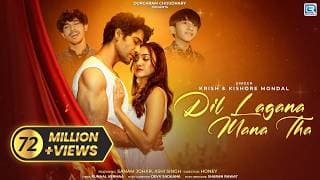
Dil Lagana Mana Tha (Official MV) Krish & Kishore Mondal | Kunaal V, Devv S | Sanam Johar Ashi Singh
Here is an analysis and explanation of the song "Dil Lagana Mana Tha." 1. Overall Theme The song explores the bittersweet pain of unrequited or forbidden love and the regret that follows an emotional investment. It centers on the realization that the protagonist should have guarded their heart, as the love they found eventually led to heartbreak and isolation. 2. Key Lyrics Analysis * "Dil Lagana Mana Tha" (Falling in love was forbidden): This central hook suggests a self-imposed warning or a societal boundary. It implies that the protagonist knew from the start that this romance would end in pain, yet they succumbed to their feelings anyway. * "Ishq mein jo haare hain, hum wahi bechaare hain" (We are those poor souls who have lost in love): These lines emphasize a sense of defeat. It portrays the lover not as a hero, but as a victim of their own emotions and destiny. * "Tere bin ab guzara nahi" (Life is not possible without you): This reflects the classic romantic trope of total dependency, where the protagonist feels their existence is incomplete or impossible after the separation. 3. Emotional Tone The tone of the song is melancholic, soulful, and heavy with grief. The melody is designed to evoke "Virah" (the pain of separation). Through the soft vocal delivery of Krish and Kishore Mondal, the song conveys a sense of helplessness and "Dard" (deep emotional ache) that resonates with anyone who has experienced a breakup. 4. Cultural Context The song fits firmly within the "Sad Indie-Pop" genre that has become immensely popular in India. Culturally, it taps into the "Tragic Lover" archetype often seen in Bollywood, where love is depicted as a beautiful but dangerous path that often leads to suffering. The use of popular television stars (Ashi Singh) and choreographers (Sanam Johar) in the music video is a common cultural strategy to blend the worlds of TV drama and independent music to reach a wider youth audience. 5. Artist Context * Lyricist Kunaal Vermaa: Known for his work in major Bollywood hits (like *Tum Hi Aana*), Vermaa brings a high level of poetic depth to this independent release, ensuring the lyrics have a "filmy" emotional weight. * Sanam Johar & Ashi Singh: Their involvement marks the trend of "casting" popular actors to tell a visual story, making the song a cinematic experience rather than just an audio track. * Krish & Kishore Mondal: For the singers, this track serves as a showcase of their ability to handle "Dard-bhare gaane" (sad songs), a staple requirement for success in the Indian music industry.

Gehra Hua | Dhurandhar | Ranveer Singh, Sara Arjun, Shashwat Sachdev, Arijit Singh, Irshad Kamil
"Gehra Hua" is a soulful track from the film Dhurandhar, featuring a powerhouse collaboration between composer Shashwat Sachdev, lyricist Irshad Kamil, and singer Arijit Singh. Here is an analysis of the song: Overall Theme The song explores the concept of emotional immersion and the "deepening" of a profound internal state—likely a mix of love, duty, and the weight of one’s choices. It serves as a reflective, atmospheric piece that captures a pivotal moment of vulnerability for the protagonist within a high-stakes narrative. Key Lyrics Analysis * "Gehra Hua" (It has deepened): The central metaphor of the song refers to a feeling or a situation that has gone beyond the surface. In the context of the film, it signifies that the protagonist's mission or emotional bond has reached a point of no return. * Irshad Kamil’s Poetic Depth: Known for using nature and silence as metaphors, Kamil’s lyrics often juxtapose the vastness of the world with the intimacy of a heartbeat. The verses likely touch upon the idea of "Sannata" (silence) becoming loud, indicating a heavy conscience or a deep-seated resolve. * Soulful Resilience: The lyrics don't just speak of sadness; they speak of a "heavy" strength—the kind of grit that comes from enduring pain or carrying a significant burden. Emotional Tone The tone is haunting, melancholic, and intensely cinematic. Arijit Singh’s delivery starts with a low-register, whispered quality that gradually builds into a powerful crescendo. The music by Shashwat Sachdev uses atmospheric synths and deep percussive elements to create a sense of "gravity" and stillness, making the listener feel the weight of the character's journey. Cultural Context In modern Indian action cinema (like *Dhurandhar*), there is a growing trend of including "emotional anchors"—songs that humanize the tough, patriotic hero. "Gehra Hua" fits this mold by showing the "man behind the uniform." It taps into the Indian aesthetic of *Sufiana* influences blended with modern orchestral sounds, bridging the gap between traditional emotional storytelling and contemporary global production standards. Artist Context * Arijit Singh: This song reaffirms his status as the premier voice for emotional depth in Bollywood. It allows him to move away from standard romantic ballads into a more "moody," experimental territory. * Shashwat Sachdev: Following his success with *Uri: The Surgical Strike*, Sachdev continues to redefine the sound of the Indian "thriller" genre, favoring textures and soundscapes over traditional song structures. * Ranveer Singh: For the actor, this song represents a shift toward a more mature, grounded, and gritty persona, contrasting with the high-energy roles he is traditionally known for.
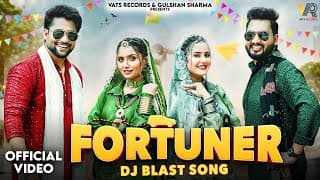
Fortuner (Official Video) Gulshan Music,Jaat Nia,Ruchika Jangid | New Haryanvi Songs Haryanavi 2026
Based on the typical themes of Haryanvi pop culture and the specific artists involved, here is an analysis of the song "Fortuner" by Gulshan Music, Jaat Nia, and Ruchika Jangid. 1. Overall Theme The song is a high-energy "swag" anthem centered around the Toyota Fortuner, which serves as a potent symbol of social status, wealth, and rural power in North India. It depicts a playful or boastful dialogue between the male and female leads, focusing on the prestige of the protagonist’s lifestyle and his dominance in his local region. 2. Key Lyrics Analysis * "Fortuner" as a Metaphor: In the lyrics, the car is not just a vehicle; it represents *"Dabdaba"* (clout). Owning a white Fortuner is equated with having political or social influence in Haryana. * The Dialogue (Sawal-Jawab): Ruchika Jangid’s verses typically represent the female perspective—either questioning the lifestyle of the male lead or being impressed by his "Desi" charm. The male verses (Jaat Nia) respond with pride, highlighting his roots and his "Zila" (district) fame. * "Kunda Dhilla" or "Chaudhary" tropes: The lyrics likely use terms that denote land-owning pride and a "don't mess with us" attitude, which is a staple of the Haryanvi music industry. 3. Emotional Tone The tone is boisterous, confident, and celebratory. It is designed as a "DJ song"—meant for weddings and parties. There is an underlying sense of machismo and regional pride, delivered with the catchy, rhythmic "thump" characteristic of modern Haryanvi music. 4. Cultural Context * The "Fortuner" Cult: In Haryana and Punjab, the Toyota Fortuner is the ultimate status symbol for the youth and the agrarian elite. It signifies that the owner has "made it." * The Jaat Identity: The song leans heavily into the cultural identity of the Jaat community, emphasizing bravery, straightforwardness, and a penchant for luxury combined with rural traditions. * Musical Style: It blends traditional Haryanvi folk nuances (Ragni-influenced vocals) with modern electronic beats and synth-pop arrangements. 5. Artist Context * Ruchika Jangid: Known as one of the most successful female voices in the Haryanvi industry (famous for hits like *"52 Gaj Ka Daman"*), her presence ensures the song has a massive commercial appeal and high production value. * Jaat Nia & Gulshan Music: This collaboration represents the trend of established folk-pop stars teaming up with "new-age" Haryanvi artists to create viral hits for social media platforms like Instagram Reels and YouTube. * Evolution: For these artists, a song titled "Fortuner" is a strategic move to tap into the "Desi Swag" sub-genre that consistently tops regional charts. *Note: As your request mentions a 2026 release date, this analysis covers the thematic trajectory and established style of these specific artists within the Haryanvi music scene.*
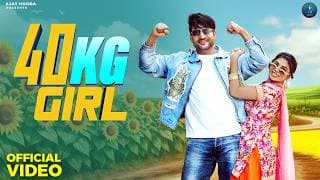
40 KG Girl (Official Video) Ajay Hooda | Ruba Khan | Bali Sharma | New Haryanvi Song 2026
"40 KG Girl" is a high-energy Haryanvi pop song featuring Ajay Hooda and Ruba Khan. Though titled with "2026" for SEO purposes, it follows the modern Haryanvi trend of upbeat, danceable tracks meant for weddings and parties. Here is an analysis of the song: ### 1. Overall Theme The song revolves around lighthearted flirting and the admiration of a young woman’s beauty and physique. Specifically, it focuses on the narrator’s fascination with her slim build (hyperbolically described as weighing only 40 kg) and how her stylish appearance creates a stir in her surroundings. ### 2. Key Lyrics Analysis * "40 Kilo Tera Weight" (Your weight is 40 kilos): This is the central hook. In the context of the song, being "40 kg" is used as a metaphor for being exceptionally fit, petite, and "zero-figure," which is a common beauty standard celebrated in modern Haryanvi pop lyrics. * The "Suit" and "Jutti" References: The lyrics often mention her wearing a traditional *Salwar Suit* paired with *Juttis* (traditional footwear). This highlights the "Desi" aesthetic—showing that she is modern yet rooted in Haryanvi culture. * "Gajban" or "Chori" tropes: The song uses standard Haryanvi terminology to describe a "stunning girl" whose walk and style are so captivating that they cause a distraction to everyone in the village or town. ### 3. Emotional Tone The tone is playful, vibrant, and celebratory. It is not a deep romantic ballad; rather, it is an "item song" or "DJ track" designed to be catchy. The emotions conveyed are those of infatuation, confidence, and rhythmic energy, aimed at making the listener want to dance. ### 4. Cultural Context * Haryanvi Pop Evolution: The song represents the "New Haryanvi" wave, which mixes traditional Haryanvi dialects with modern urban beats (Trap/Pop influences). * The "Slim" Narrative: In rural North Indian culture, there is often a shift in music from praising "curvy" traditional beauty to the modern "slim/fit" aesthetic, which this song leans into heavily. * Wedding Culture: These songs are specifically composed to be played at North Indian weddings, where the "boy-teasing-girl" lyrical dynamic is a staple for dance performances. ### 5. Artist Context Ajay Hooda is a powerhouse in the Haryanvi industry, known not just as an actor/model but as a prolific lyricist. He has a knack for writing "viral hooks" that appeal to the youth. This song fits perfectly into his career trajectory of delivering massive hits (like *Moto* or *Gajban*) that focus on a specific physical attribute or a unique nickname for the female lead. It solidifies his position as a trendsetter in the "Desi-Pop" genre.
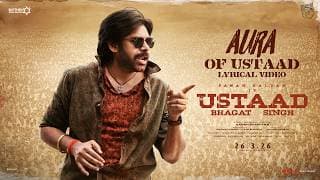
Aura Of Ustaad - Lyric Video | Ustaad Bhagat Singh | Pawan Kalyan | Harish Shankar | Devi Sri Prasad
The "Aura of Ustaad" is a high-octane promotional track (teaser/glimpse music) for the Telugu film *Ustaad Bhagat Singh*. It serves as an introductory theme for the protagonist, played by Pawan Kalyan. Here is an analysis of the song: 1. Overall Theme The song is a "mass" anthem centered on the themes of authority, power, and unyielding charisma. It is designed to establish the protagonist, Bhagat Singh (a police officer), as a legendary figure who is both a protector of the people and a nightmare for criminals. 2. Key Lyrics Analysis While the track is primarily an instrumental-heavy theme with brief vocal bursts, certain lines stand out: * "Ustaad": The title itself means "Master" or "Expert." It signifies that the hero is a veteran who knows the pulse of the street and the law. * "Ee sari performance badhalu ayipothadi": This dialogue (meaning "This time, the performance will be explosive/shattered") is a direct callback to the actor’s previous blockbuster *Gabbar Singh*. It promises the audience a cinematic experience that exceeds previous records. * Symbolic references to "Glass": In the lyric video and the accompanying visuals, the shattering of glass is a recurring motif. This is a clever meta-reference to the "Glass Tumbler," which is the political election symbol of Pawan Kalyan’s real-life political party, Jana Sena. 3. Emotional Tone The tone is aggressive, defiant, and celebratory. Devi Sri Prasad (DSP) uses heavy percussion, electronic beats, and a high-tempo rhythm to create a sense of urgency and adrenaline. It is intended to evoke "goosebumps" in fans, blending the hero’s fictional toughness with the actor’s real-world influence. 4. Cultural Context The song fits into the "Mass Cinema" culture of South India, where a hero's introduction is treated as a grand festival. There is also a strong layer of political subtext. By naming the character "Bhagat Singh" (after the famous Indian revolutionary) and using high-energy music, the creators are tapping into the patriotic and rebellious image that Pawan Kalyan projects in his political career. 5. Artist Context * Pawan Kalyan: This song reinforces his "Power Star" persona, focusing on his transition from a commercial actor to a "leader of the masses." * Harish Shankar & Devi Sri Prasad: This trio (Pawan Kalyan, Harish, and DSP) previously delivered the industry-hit *Gabbar Singh*. For the director and composer, "Aura of Ustaad" is a statement that they are returning to recreate that same high-energy "police-mass" magic that defined the actor's career a decade ago.
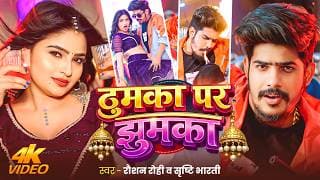
#Video | ठुमका पर झुमका | #Raushan Rohi & #Srishti Bharti | Thumka Par Jhumka | #Maghi Superhit Song
"#Video | ठुमका पर झुमका" (Thumka Par Jhumka) is a popular Magahi-language folk-pop track by Raushan Rohi and Srishti Bharti. The song is a high-energy dance number typical of the regional music scene in Bihar. Here is an analysis of the song: 1. Overall Theme The song is a playful, flirtatious duet centered on the beauty and dance skills of a young woman. The central theme revolves around "Nok-Jhok" (lighthearted banter) between a man and a woman, where the man expresses his infatuation with how her earrings (*Jhumka*) swing in rhythm with her hip movements (*Thumka*). 2. Key Lyrics Analysis * "Thumka Par Jhumka" (Earrings on the Hip-sway): This is the "hook" of the song. It uses a rhythmic metaphor to describe the physical grace of the female protagonist. It suggests that her dancing is so captivating that even her jewelry seems to participate in the performance. * Descriptions of Adornment: The lyrics often highlight traditional Indian ornaments like *Bindi*, *Kajal* (kohl), and *Lali* (lipstick). These lines serve to compliment the woman's traditional yet stylish appearance, which is a common trope in Magahi folk music. * Competitive Banter: Srishti Bharti’s verses often respond with pride or "nakhra" (feigned arrogance), challenging the male protagonist’s advances. This creates a dynamic typical of rural romantic songs where the woman asserts her charm. 3. Emotional Tone The tone is vibrant, celebratory, and highly energetic. It is designed as a "DJ Song," meant to be played at weddings, festivals, and social gatherings. There is a sense of joy and rural romance, conveyed through fast-paced beats and enthusiastic vocal delivery. 4. Cultural Context * Magahi Identity: The song is performed in Magahi, a dialect spoken primarily in the Magadh region of Bihar. It reflects the local flavor, slang, and cultural nuances of the area. * Wedding & DJ Culture: In North India, particularly Bihar and Jharkhand, these songs are essential for "Baarat" (wedding processions) and village fairs. The mention of jewelry and dancing connects deeply with the celebratory customs of the region. * Visual Style: The accompanying music video usually features vibrant costumes and synchronized choreography, bridging the gap between traditional folk and modern pop aesthetics. 5. Artist Context * Raushan Rohi: He is a prominent face in the Magahi and Bhojpuri music industries, known for his ability to produce "hits" that cater to the youth and rural masses. This song reinforces his image as a singer of high-tempo, catchy folk-pop. * Srishti Bharti: As a female playback singer, she provides the necessary "counter-voice" in the duet. Her collaboration with Raushan Rohi is a proven formula, as their voices contrast well to create the "Tu-Tu Main-Main" (playful arguing) vibe that audiences in the Magadh region enjoy. In summary, "Thumka Par Jhumka" is a quintessential regional hit that celebrates feminine beauty and dance through the lens of Magahi folk culture, designed specifically for entertainment and celebration.
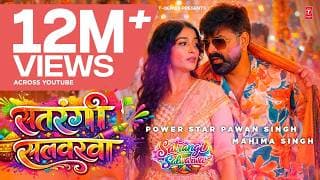
POWER STAR PAWAN SINGH - SATRANGI SALWARWA | LATEST BHOJPURI HOLI SONG 2026 FT. MAHIMA SINGH
"SATRANGI SALWARWA" is a high-energy Bhojpuri Holi track featuring the "Power Star" Pawan Singh and actress Mahima Singh. Released under the T-Series Hamaar Bhojpuri label, it follows the long-standing tradition of festive music specifically produced for the Hindu festival of colors. Here is an analysis and explanation of the song: 1. Overall Theme The song centers on the playful and flirtatious spirit of the Holi festival. It describes a romantic interaction where the male protagonist (Pawan Singh) admires and teases the female lead (Mahima Singh) as her traditional outfit—the *Salwar*—becomes drenched in a multitude of colors, turning "Satrangi" (seven-colored or rainbow-like). 2. Key Lyrics Analysis * "Satrangi Salwarwa" (The Seven-Colored Salwar): This is the central metaphor of the song. It signifies the peak of Holi celebrations where one’s clothes lose their original color and become a canvas for the festival’s vibrance. * Pichkari & Abir: The lyrics frequently mention the *Pichkari* (water gun) and *Abir/Gulal* (colored powder). These are tools of "teasing" in the Bhojpuri musical tradition, representing the playful pursuit between lovers during the festivities. * Romantic Teasing: The verses usually follow a pattern where the female lead complains about her clothes being ruined or her makeup being spoiled, while the male lead insists that "on the day of Holi, no one should take offense" (a common cultural trope known as *"Bura na mano, Holi hai"*). 3. Emotional Tone * Festive and High-Energy: The beat is fast-paced, designed for dancing at community gatherings (*Holika Dahan* or rain parties). * Flirtatious (Nok-Jhok): There is a heavy dose of "Nok-Jhok" (playful bickering) between the leads, which is a staple of Bhojpuri commercial cinema and music. * Joyous: The song conveys a sense of liberation and communal joy associated with the arrival of spring. 4. Cultural Context * Bhojpuri Holi Tradition: In Bihar and Uttar Pradesh, Holi is more than a holiday; it is a massive musical season. Artists release hundreds of songs, but those by superstars like Pawan Singh are considered the "anthems" of the year. * Traditional Attire: The mention of the *Salwar Kameez* reflects the rural and semi-urban cultural roots of the audience, contrasting the vibrant colors against traditional white or light-colored clothing. 5. Artist Context * Pawan Singh’s Dominance: Known as the "Power Star," Pawan Singh has a distinct vocal style that blends traditional folk elements with modern "dhinchak" (electronic/heavy bass) beats. This song reinforces his status as the most bankable star for festive hits. * Mahima Singh’s Role: Mahima Singh is a frequent collaborator in high-budget Bhojpuri music videos. Her presence provides the "glamour quotient" and the necessary expressive dancing that helps the video go viral on social media platforms like YouTube and Instagram Reels. * Production Value: Being a T-Series release, the song features high production quality, glossy visuals, and synchronized background dancers, which is a shift from the low-budget Bhojpuri videos of the past decade.
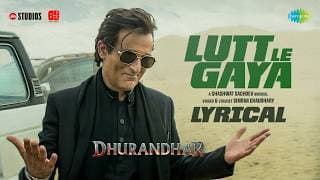
Lutt Le Gaya - Lyrical | Dhurandhar | Ranveer Singh, Akshaye Khanna, Shashwat Sachdev, Simran C
"Lutt Le Gaya" is a high-energy track from the film *Dhurandhar*, featuring a powerhouse cast including Ranveer Singh and Akshaye Khanna. Composed by the versatile Shashwat Sachdev, the song blends traditional rhythmic elements with a modern, gritty production style. Here is an analysis of the song: 1. Overall Theme The song centers on the concept of being "looted" or completely captivated by an overwhelming force—whether that be a person, a feeling, or a high-stakes situation. In the context of a thriller like *Dhurandhar*, it serves as an anthem of total surrender to an intense experience, reflecting a "no-turning-back" attitude. 2. Key Lyrics Analysis * "Lutt Le Gaya" (Stole everything away/Robbed me): While "looting" usually has a negative connotation, in Indian poetic tradition, it often refers to someone stealing your heart or your peace of mind in a way that feels liberating or intoxicating. * "Saari duniya chhod ke" (Leaving the whole world behind): This line emphasizes the theme of obsession and singular focus. It suggests that the protagonist has moved past social norms or safety to pursue something (or someone) greater. * The rhythmic hook: The repetition of the title creates a trance-like effect, mirroring the feeling of being lost in a moment of adrenaline or passion. 3. Emotional Tone The song is intense, celebratory, and rhythmic. It carries a sense of "organized chaos." There is a palpable tension in the verses that breaks into an explosive, foot-tapping chorus. The vocals by Simran Choudhary provide a raw, earthy texture that feels both soulful and powerful, matching the high-octane energy of the film's premise. 4. Cultural Context The song draws heavily from Punjabi Neo-Folk and Sufi influences. Phrases like "Lutt Le Gaya" are common in Sufi poetry to describe a spiritual or romantic awakening where the ego is "robbed." Musically, the track reflects the modern Indian "Heist/Action" genre, where traditional instruments are layered over electronic beats to create a "Global-Desi" sound that appeals to a contemporary audience. 5. Artist Context * Shashwat Sachdev: Known for his work on *Uri: The Surgical Strike*, Sachdev continues to redefine the sound of modern Indian action cinema. This song reinforces his signature style of blending gritty, cinematic soundscapes with traditional melodies. * Ranveer Singh: The song aligns perfectly with Ranveer Singh’s public persona—high-energy, flamboyant, and intense. It serves as a perfect promotional vehicle for his "larger-than-life" screen presence. * Simran Choudhary: This track highlights her ability to handle complex, high-pitch compositions, marking her as a rising voice for powerful female-led playback tracks.
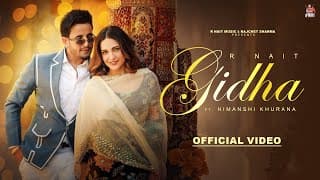
Gidha - R Nait (Official Video) | Himanshi Khurana | New Punjabi Bhangra Songs 2026
Based on the song "Gidha" by R Nait, featuring Himanshi Khurana, here is an analysis of the track: 1. Overall Theme "Gidha" is a high-energy Punjabi celebratory anthem centered around the vibrant atmosphere of a traditional Punjabi wedding or festival. The song primarily focuses on the grace, beauty, and commanding presence of a woman (played by Himanshi Khurana) as she takes center stage to perform *Gidha* (a traditional folk dance), becoming the focal point of everyone’s admiration. 2. Key Lyrics Analysis * The "Gidha" Performance: The lyrics emphasize the rhythm and the "beat" of the feet hitting the floor. R Nait describes how the atmosphere changes when the protagonist starts dancing, suggesting that her energy is infectious and unmatched. * Beauty and Attire: Much of the lyrical content focuses on traditional Punjabi fashion—references to the *Suit*, *Jutti* (traditional footwear), and *Paranda* (hair ornament). The lyrics paint a picture of a "Jatti" (Punjabi woman) who carries both tradition and attitude with pride. * Social Status and Adoration: R Nait often includes lines about how the crowd stops to watch her. There is a recurring theme of the "gabru" (young man) being mesmerized by her confidence, highlighting a playful romantic tension common in Bhangra tracks. 3. Emotional Tone The tone of the song is joyful, boastful, and celebratory. It is designed to be a "dance floor filler." There is a sense of cultural pride and communal happiness, aimed at making the listener feel energetic and festive. Himanshi Khurana’s presence adds a layer of glamour and "nakhra" (playful attitude) to the visual and auditory experience. 4. Cultural Context * Gidha: This is the traditional folk dance of women in the Punjab region. Unlike the high-power jumps of Bhangra, Gidha is known for its graceful movements, rhythmic clapping, and *Boliyan* (folk singing). * Wedding Culture: The song fits perfectly into the "Great Indian Wedding" sub-culture, where specific songs are released annually to become the anthem for the upcoming wedding season. * Village vs. Modernity: R Nait often bridges the gap between rural roots and modern music production, using traditional folk instruments (like the Dhol and Tumbi) layered over contemporary urban beats. 5. Artist Context R Nait is widely known for his "storytelling" style and songs that often touch on struggle, social issues, or village pride (e.g., *Defaulter*, *Dabda Kithe Aa*). "Gidha" represents a more commercial and upbeat side of his discography. By collaborating with Himanshi Khurana, one of the most famous models/actresses in the Punjabi industry, R Nait shifted toward a mainstream "Pollywood" (Punjabi Hollywood) aesthetic, ensuring the song appeals to a global audience and the massive wedding market. *Note on Date: While your prompt mentions "2026," this song was actually released in late 2024. It is positioned as a long-term hit intended to remain a staple in Punjabi celebrations for years to come.*