
Latest Articles
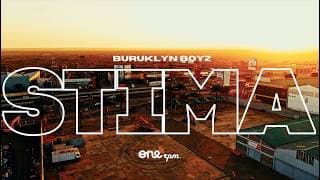
BURUKLYN BOYZ - STIMA (Official Music Video)
"STIMA" is a standout track by the Kenyan rap duo BURUKLYN BOYZ (comprising Mr. Right and Ajay), who are the primary pioneers of the "Nairobi Drill" scene. Here is an analysis of the song: 1. Overall Theme "STIMA" (a Swahili word for electricity or power) is an anthem of dominance, energy, and consistency. The song revolves around the group's status in the Kenyan music industry, asserting that they are "currently plugged in" and holding the power while staying true to their neighborhood roots. 2. Key Lyrics Analysis * "Kama tuko on, tuko stima": This is the core hook. It translates to "If we are on, we are electricity." It means they are currently the "live wire" of the scene—unfailing, powerful, and essential. * "Bado tuko zone, bado niko home": This emphasizes their loyalty to their origins in Buruburu (Nairobi). Despite their fame, they remain "in the zone" (focused) and "at home" (grounded in the streets that raised them). * "Tunasaka ganji, hatutaki story": A common drill sentiment meaning "We are hunting for money, we don't want small talk/drama." It highlights their professional focus over social media beef or distractions. * References to "58": In many of their songs, including this one, references to "58" relate to the bus route number for Buruburu, serving as a geographical stamp of identity. 3. Emotional Tone The tone is confident, gritty, and assertive. There is a sense of "cool" nonchalance in their delivery; they aren't shouting for attention but rather stating their dominance as a matter of fact. The deep, bass-heavy UK Drill-style production adds a dark, cinematic intensity to the track. 4. Cultural Context * Sheng and Language: The song is performed in Sheng (Nairobi slang), which mixes Swahili and English. This makes the music deeply relatable to the urban youth in Kenya. * The Drill Movement: While Drill music originated in Chicago and the UK, BURUKLYN BOYZ localized it. They swapped the "gang violence" tropes of international drill for "neighborhood pride" and "hustle culture," making it palatable for the Kenyan mainstream while keeping the "street" aesthetic. * "Stima" as Slang: In Kenya, "Stima" doesn't just mean electricity; it can also refer to having a "spark" or being "lit" (energetic/high-status). 5. Artist Context "STIMA" serves as a victory lap for BURUKLYN BOYZ. After breaking out with hits like "Durag na Mapanga," this song solidified their position as the kings of Nairobi Drill. It proved that they weren't a "one-hit-wonder" group and that their sound had the longevity to lead a new sub-genre in East Africa. It moved them from being just "underground rappers" to influential figures in the wider African hip-hop landscape.

Itan Dayalu Karna
"Itan Dayalu Karna" (often referred to as *Itne Dayalu Karuna Sagar*) is a soul-stirring devotional song (Bhajan) dedicated to Lord Swaminarayan. Produced under the aegis of the Maninagar Shree Swaminarayan Gadi Sansthan, it features the voices of legendary playback singers Suresh Wadkar and Alka Yagnik, with music by the iconic duo Kalyanji-Anandji. Here is an analysis of the song: ### 1. Overall Theme The song is a prayer of profound gratitude and surrender, centering on the infinite mercy and compassion of the Divine. It describes the Lord as an "Ocean of Mercy" (*Karuna Sagar*) who overlooks the flaws of his devotees to provide them with spiritual shelter and peace. ### 2. Key Lyrics Analysis * "Itne dayalu karuna sagar, mujh par kripa ki": This translates to "You are such a merciful ocean of compassion; you have bestowed your grace upon me." It sets the foundation of the song—acknowledging that the devotee’s spiritual progress is entirely due to God's kindness. * "Aap ke charano ki dhool mil jaye": The request for the "dust of the Lord’s feet" is a classic trope in Indian devotional literature, symbolizing the ultimate humility and the desire for liberation (*Moksha*) through service. * "Antar mein jyot jalayi": This refers to the Lord lighting the "lamp of wisdom" within the devotee's heart, dispelling the darkness of ignorance and ego. * "Bhakti ka vardaan dena": A plea for the "boon of devotion," suggesting that the ability to love God is itself a gift granted by God. ### 3. Emotional Tone The song conveys a serene, meditative, and reverent tone. * Peace: The melody is composed in a way that induces a sense of calm. * Surrender (Sharanagati): There is a palpable sense of the devotee letting go of their ego and placing their life in the hands of the Almighty. * Joyful Gratitude: Unlike some somber hymns, this song carries an undertone of quiet joy—the happiness of finding a spiritual home. ### 4. Cultural Context The song is deeply rooted in the Swaminarayan Sampraday, a Hindu Vaishnava tradition. * Swaminarayan Gadi: This refers to the spiritual lineage and the seat of authority (the *Gadi*) of the Maninagar sect. * Bhakti Movement Influence: The lyrics follow the tradition of the Bhakti movement, emphasizing a personal, loving relationship with God rather than complex rituals. * Sadhana: In this culture, music (Kirtan) is considered a form of *Sadhana* (spiritual practice) to focus the mind on the form of the Lord. ### 5. Artist Context * Suresh Wadkar & Alka Yagnik: During the 1980s and 90s, these two were the pinnacle of Bollywood playback singing. Their involvement in devotional music brought a "mainstream" polish and technical perfection to Bhajans. Suresh Wadkar, in particular, is celebrated for his classical training, which allows him to deliver the devotional nuances (*Bhaav*) required for such songs. * Kalyanji-Anandji: Known for their massive Bollywood hits, this duo also had a deep understanding of folk and spiritual music. Their composition here avoids heavy orchestration, instead using a melodious, flute-and-tabla-heavy arrangement that allows the lyrics and the singers' voices to remain the focal point. This song is a testament to their versatility in moving from "filmi" music to "dharmic" (religious) music seamlessly.

What It Sounds Like
"What It Sounds Like" by HUNTR/X, EJAE, AUDREY NUNA, and REI AMI is a high-octane, experimental track that serves as a sonic manifesto for a new generation of genre-bending artists. It prioritizes texture, rhythm, and bravado to showcase the performers' unique styles. ### 1. Overall Theme The song is a celebration of artistic dominance, self-confidence, and the literal power of sound. It revolves around the idea of "flexing" one’s talent and unconventionality, positioning the artists as pioneers who are "breaking the system" of traditional pop music. ### 2. Key Lyrics Analysis * "I’m the glitch in the system.": This line reflects the artists' refusal to fit into standard industry molds. It suggests that their presence is disruptive and intentional, turning a "flaw" into a position of power. * "Listen to the bass, that’s what it sounds like.": The chorus emphasizes the physical experience of the music. It’s a meta-commentary on the track itself, telling the listener that the "noise" and heavy production *is* the message. * "Look at my face, I’m the one that they mention.": This highlights the visibility and influence these artists have gained. It shifts the focus from just the music to their status as icons in the alternative scene. * Audrey Nuna’s rhythmic wordplay: Her verses often focus on "keeping it pushing" and status, using her signature staccato delivery to mirror the mechanical, industrial production of the track. ### 3. Emotional Tone The tone is aggressive, futuristic, and unapologetic. It carries a sense of controlled chaos—switching between cold, calculated verses and explosive, bass-heavy drops. There is an underlying feeling of "coolness" and swagger that borders on intimidation. ### 4. Cultural Context The song sits at the intersection of Hyperpop, Industrial Hip-Hop, and the Asian-American alternative scene. By bringing together Audrey Nuna and REI AMI—two of the most prominent Asian-American women in the "alt" space—the song serves as a cultural marker for the "cool kids" of the internet age who prioritize aesthetic and experimentalism over radio-friendly structures. ### 5. Artist Context * HUNTR/X: This project acts as a curator/producer, bringing together disparate voices into a cohesive, high-energy package. * Audrey Nuna: This track fits perfectly into her evolution from a traditional R&B singer to a rapper known for her "liquid" flow and avant-garde visuals (similar to her work on *Liquid Breakfast*). * REI AMI: Known for her "sweet and sour" duality, she leans heavily into her "sour" (aggressive/edgy) persona here, solidifying her reputation as a performer who can command heavy, dark instrumentals. * EJAE: Adds a layer of vocal depth and polish that bridges the gap between the experimental production and melodic sensibilities.

NUEVAYoL
"NUEVAYoL" is a track from Bad Bunny’s 2023 album *nadie sabe lo que va a pasar mañana*. It serves as a high-energy tribute to Dominican culture and the immigrant dream of success. ### 1. Overall Theme The song celebrates Bad Bunny’s global success while paying homage to the Dominican Republic and the "Nueva Yol" (New York) immigrant experience. It explores themes of wealth, cultural pride, and the transition from humble Caribbean roots to an elite international lifestyle. ### 2. Key Lyrics Analysis * "Nueva Yol" (The Title): This is a phonetic spelling of how "New York" is pronounced in the Spanish-speaking Caribbean (specifically by Dominicans). Historically, "Nueva Yol" represented the promised land of opportunity; by using this title, Bad Bunny claims that he has achieved the ultimate dream. * "Yo no tengo que forzar, yo soy el que más factura": He asserts his dominance in the music industry, claiming he doesn't have to try hard because his financial success and numbers speak for themselves. * "Los avión' privado' ya parecen Uber": This hyperbolic line emphasizes his extreme wealth and constant travel, suggesting that flying private has become as mundane for him as calling a ride-share. * "Mofongo con mambo / Salami y de to'": He references traditional Caribbean food (Mofongo from PR and Salami, a staple in DR) to show that despite his riches, his tastes and identity remain firmly rooted in island culture. ### 3. Emotional Tone The tone is celebratory, boastful, and high-octane. It carries a sense of "victory lap" energy. The use of Merengue rhythms creates a festive, party atmosphere, while the lyrics maintain the defiant and confident "trap" persona Bad Bunny adopts throughout the album. ### 4. Cultural Context * The DR-PR Connection: Bad Bunny has a long history of collaborating with Dominican artists and incorporating Dominican genres (like Dembow and Merengue). This song features Morrillo, a Dominican artist, and utilizes *Merengue de calle* (street merengue) instrumentation. * The Immigrant Dream: For decades, the migration from the Caribbean to New York has been a central theme in Latino literature and music. Bad Bunny flips the script by showing that he can live the "New York Dream" while remaining a "tíguere" (a street-smart person) from the islands. ### 5. Artist Context "NUEVAYoL" fits into Bad Bunny’s career as another example of his genre-bending versatility. While *nadie sabe lo que va a pasar mañana* was marketed as a return to his trap roots, this song follows the tradition of tracks like "Después de la Playa" (*Un Verano Sin Ti*), where he breaks away from urban beats to experiment with traditional tropical rhythms. It reaffirms his role not just as a reggaetonero, but as a global ambassador for Caribbean music at large.

Love Me Harder
"Love Me Harder" is a synth-pop and R&B collaboration between Ariana Grande and The Weeknd, released in 2014 as part of Grande’s sophomore album, *My Everything*. ### 1. Overall Theme The song centers on the demand for emotional depth and physical intensity in a relationship. It serves as an ultimatum: the narrator is warning her partner that if he wants to keep her, he must be willing to commit fully and meet her high standards for passion and devotion. ### 2. Key Lyrics Analysis * "Tell me something I need to know / Then take my breath and never let it go": This opening line sets the stage for a high-stakes romance. Grande is asking for both transparency (the truth) and an overwhelming physical connection. * "And if you really need me, you should love me harder": The chorus acts as the song's thesis. It implies that "standard" or casual love isn't enough; she requires a love that is resilient and intense to stay interested. * "I'll take the pleasure with the pain / Do you ever feel the same?": The Weeknd’s verse introduces a darker, more complex side of love. It suggests that true intimacy involves navigating challenges and emotional scars, rather than just seeking a superficial "happy" connection. * "Can you feel the pressure between your hips? / I’ll make it feel like the first time": These lines lean into the song's sensual undertones, equating physical chemistry with the "harder" love the duo is singing about. ### 3. Emotional Tone The tone is sensual, urgent, and atmospheric. The production—driven by moody synths and a mid-tempo beat—creates a "dark-pop" aesthetic. It balances a sense of romantic longing with a confident, almost demanding assertion of needs. ### 4. Cultural Context Released during a time when "Alternative R&B" was starting to merge with mainstream Pop, "Love Me Harder" bridged the gap between Ariana Grande’s "Nickelodeon star" image and her more mature identity. It also played a role in the mid-2010s trend of pop stars adopting moodier, 80s-inspired synth textures (pioneered by producers like Max Martin). ### 5. Artist Context * For Ariana Grande: This was a pivotal transition song. It helped her shed her bubblegum-pop image and showcased her ability to handle more mature, sultry themes alongside her signature high-register vocals. * For The Weeknd: This was a massive career turning point. Before this, Abel Tesfaye was primarily an underground R&B artist known for dark, drug-infused mixtapes. "Love Me Harder" was his first major Top 10 hit, introducing him to a global pop audience and paving the way for his superstardom with his next album, *Beauty Behind the Madness*.

Blinding Lights
"Blinding Lights" by The Weeknd (Abel Tesfaye) is a global phenomenon that blends 1980s nostalgia with modern pop sensibilities. Here is an analysis of the track: Overall Theme The song explores themes of intense longing, isolation, and the intoxicating nature of fame or addiction. It portrays a protagonist who is physically and emotionally "blinded" by the overwhelming sensory input of a city (metaphorically Las Vegas/Sin City), finding that only the presence of a specific lover can pull him out of his dark, solitary state. Key Lyrics Analysis * "I've been on my own for long enough / Maybe you can show me how to love, maybe": These opening lines establish a sense of emotional bankruptcy. The protagonist has become hardened by isolation and looks toward a partner as a source of redemption or "re-learning" human connection. * "I'm blinded by the lights / No, I can't sleep until I feel your touch": The "lights" represent several things: the flashing lights of fame, the literal streetlights of a city at night, or the blurring effects of substances. The inability to sleep highlights a state of withdrawal—he is addicted to the person he is chasing. * "Sin City's cold and empty / No one's around to judge me": This references Las Vegas but also suggests a moral vacuum. In this high-speed, late-night environment, the protagonist feels a sense of freedom born from loneliness; since he is alone, he can indulge his worst impulses without scrutiny. Emotional Tone The song carries a striking dual energy. Musically, it is fast-paced, euphoric, and high-energy, driven by a pulsating synth-pop beat that feels triumphant. However, the lyrics and vocal delivery are anxious and desperate. This contrast creates a "manic" atmosphere—the feeling of driving too fast at 4:00 AM while trying to outrun a panic attack or a sense of emptiness. Cultural Context "Blinding Lights" was the spearhead of a massive 1980s synth-wave revival in the early 2020s, drawing heavy inspiration from bands like A-ha and Depeche Mode. Released just before the global COVID-19 lockdowns, its themes of isolation and the desire for "touch" resonated deeply with a world suddenly forced into solitude. It also became a viral sensation on TikTok through the "Blinding Lights Challenge," cementing its place as a zeitgeist-defining hit. Artist Context This song represents the commercial pinnacle of The Weeknd's career, marking his full transformation from an underground PBR&B artist to a global pop icon. It is the centerpiece of his *After Hours* album, where he adopted a specific "character"—wearing a red suit with a bloodied, bandaged face. This aesthetic was a commentary on the physical and mental toll of the Hollywood lifestyle. Statistically, the song is one of the most successful of all time, holding the record for the #1 Greatest Hot 100 Hit of All Time by *Billboard*.

The Hills
"The Hills" is one of The Weeknd’s most defining tracks, blending dark R&B with a heavy, horror-inspired production. Released in 2015 as part of *Beauty Behind the Madness*, it became a massive commercial hit despite its gritty subject matter. ### 1. Overall Theme The song explores the dark, hollow reality of a secret sexual affair fueled by drug use and mutual dishonesty. It serves as a critique of the "Hollywood lifestyle," where intimacy is transactional and the "real" versions of people only emerge when they are intoxicated. ### 2. Key Lyrics Analysis * "I only call you when it's half-past five / The only time I'd ever call you mine": This sets the scene of a "booty call." The relationship exists only in the early morning hours, stripping away any pretense of a traditional romance. * "Your man on the road, he doing promo / You said keep our business on the low-low": This highlights the infidelity involved. Both parties are being deceptive, using the secrecy to protect their public images. * "When I'm fucked up, that's the real me": This is the song’s most famous line. It suggests that the artist's sober persona is a mask, and his true, perhaps darker and more vulnerable self only surfaces through substance abuse. * The Amharic Outro: The song ends with a haunting female voice singing in Amharic (the native language of Ethiopia, The Weeknd's heritage). The lyrics translate roughly to "I love you / My beautiful / I love you very much," providing a jarring, romantic contrast to the song's cynical tone. ### 3. Emotional Tone The tone is menacing, nihilistic, and heavy. The distorted bass and the sound of a literal scream in the production create an atmosphere of dread. It feels claustrophobic, capturing the "dirty" feeling of a high coming down or a secret that is about to be exposed. ### 4. Cultural Context The title refers to the Hollywood Hills, an area synonymous with celebrity, wealth, and excess. The song pulls back the curtain on the "glamorous" LA life to show the loneliness and moral ambiguity that often lies beneath. It also incorporates his Ethiopian roots through the outro, which was a rare and bold move for a mainstream pop song at the time. ### 5. Artist Context "The Hills" was a pivotal moment in The Weeknd’s career. Before this, critics wondered if he would "sell out" to become a clean pop star. Instead, "The Hills" took his underground, dark "Trilogy" sound and brought it to the top of the Billboard Hot 100. It proved that he could achieve superstardom without sacrificing his signature "anti-pop" aesthetic and disturbing themes.
Often
Released in 2014, "Often" served as a bridge between The Weeknd’s underground R&B roots and his eventual status as a global pop icon. Here is an analysis of the track: Overall Theme The song explores the repetitive nature of a hedonistic lifestyle, specifically focusing on casual sex, stamina, and the perks of fame. It portrays a cycle of debauchery where luxury and physical intimacy have become a routine "day at the office" for the artist. Key Lyrics Analysis * "I usually love sleeping all alone / This time around bring your friend with you": These lines establish Abel’s persona as emotionally detached. He values his solitude but is willing to indulge in excess (threesomes) purely for physical gratification, emphasizing quantity over quality. * "Ask me if I do this every day, I say, 'Often'": This hook defines the song’s premise. He isn't claiming these experiences are special or romantic; rather, they are a standard, frequent occurrence in his high-speed life. * "Infrared dots to the head / Made a name for myself, my hair's all you know": Here, he acknowledges his rising fame and his distinct aesthetic at the time (his signature hairstyle). The "infrared dots" could symbolize the constant gaze of the paparazzi or the "targets" on his back as he becomes more successful. * The Sample (Turkish Lyrics): The song samples "Ben Sana Vurgunum" by Turkish singer Nükhet Duru. The translated lyrics mean "I am infatuated with you," which provides a haunting, romantic contrast to the cold, casual nature of The Weeknd’s verses. Emotional Tone The tone is confident yet detached. While the production is sensual and atmospheric, there is an underlying sense of boredom or "coolness" to his delivery. It feels less like a celebration of sex and more like a nonchalant report on his daily habits. It conveys a "numb" kind of pleasure that is characteristic of his early work. Cultural Context "Often" solidified the "Toronto Sound"—a dark, moody, and atmospheric style of R&B that The Weeknd and producers like Illangelo and DaHeala helped pioneer. Culturally, the song also highlights the "Instagram-era" of celebrity, where the lifestyle of the rich and famous is characterized by endless parties and shallow connections. Artist Context This song was a pivotal moment in The Weeknd’s career. It was the lead single for his second studio album, *Beauty Behind the Madness*. It transitioned him from the "mysterious indie artist" of the *Trilogy* era to a radio-friendly star. It proved he could maintain his dark, edgy persona and explicit themes while creating a catchy, commercially viable hit that appealed to a mainstream audience.
Tell Your Friends
"Tell Your Friends" is a standout track from The Weeknd’s 2015 album *Beauty Behind the Madness*. Produced by Kanye West, it serves as a soulful yet gritty manifesto of Abel Tesfaye’s transition from an underground mystery to a global superstar. 1. Overall Theme The song is a blunt, unapologetic celebration of The Weeknd’s lifestyle, success, and identity. It explores the juxtaposition between his newfound wealth and his refusal to change his dark, hedonistic habits (drugs, casual sex, and emotional detachment), essentially telling the listener to "tell their friends" exactly who he is without any filters. 2. Key Lyrics Analysis * "I'm that n*a with the hair, singin' 'bout poppin' pills, fuckin' bitches, livin' life so trill." This is one of Abel’s most self-aware lines. He acknowledges his public image at the time—defined by his signature hairstyle and his dark lyrical content—and embraces it as his brand rather than shying away from it. * "Mama called me destructive, oh yeah / Said it'd ruin me one day, oh yeah." Here, he touches on the personal cost of his lifestyle. It highlights a conflict between his family’s concerns and his own pursuit of fame and pleasure, suggesting that even those closest to him feared his path. * "I was broken, I was broke, I was low / Now I'm always high, always high, always roll." This classic "rags-to-riches" trope is delivered with a drug-infused twist. He uses "high" as a double entendre for both his financial status and his constant state of intoxication. 3. Emotional Tone The tone is nonchalant, boastful, and coolly detached. While the production is warm and soulful—reminiscent of 1970s R&B—Abel’s delivery is icy. He isn't asking for approval; he is stating facts. There is a sense of "arrogant honesty" throughout the track, where he flaunts his success while admitting to his flaws. 4. Cultural Context The song features heavy production involvement from Kanye West, which is evident in the soul-sampling style (sampling "Can't Stop Loving You" by Soul Dog). Culturally, this song arrived at a time when The Weeknd was transitioning from a "Tumblr-era" cult favorite to a mainstream pop titan. It helped bridge the gap between his "dark R&B" roots and the high-gloss production of mid-2010s pop-soul. 5. Artist Context "Tell Your Friends" is a pivotal track in The Weeknd’s discography because it serves as his official introduction to the mainstream. While *Trilogy* was for the underground and *Kiss Land* was experimental, *Beauty Behind the Madness* was his bid for superstardom. This song acts as his mission statement: he is entering the pop world, but he isn't cleaning up his act or changing his "villainous" persona to fit the radio.
Real Life
"Real Life" serves as the cinematic opening track to The Weeknd’s 2015 album, *Beauty Behind the Madness*. It sets a dark, confessional tone for the project that catapulted him to global superstardom. ### 1. Overall Theme The song is a gritty anthem of self-awareness and warning. Abel Tesfaye (The Weeknd) admits to his self-destructive tendencies and warns a romantic interest that he is incapable of providing a stable, traditional relationship because he is fundamentally "broken." ### 2. Key Lyrics Analysis * "Tell 'em this boy wasn't meant for loving / Quote me well, bitch, I'm next to nothing": This is a blunt rejection of the "romantic lead" trope. He views himself as emotionally void and wants to ensure there are no misconceptions about his capacity for love. * "Mama called me destructive, oh yeah / Said it'd ruin me one day": This line provides a rare glimpse into his personal history. It suggests that his toxicity isn't a new development but a character trait noticed by those who have known him longest. * "Heaven only lets a few in / It's what we tell ourselves to keep from jumping": These lyrics highlight a nihilistic worldview. He suggests that religious or moral "hope" is merely a coping mechanism for the misery of existence. * "I heard that you’re an angel now / If that’s the case then I’m in hell": He creates a sharp contrast between the purity of his partner and his own perceived damnation, reinforcing the idea that they belong in two different worlds. ### 3. Emotional Tone The song carries an unapologetic, brooding, and cinematic tone. Supported by heavy orchestral strings and a driving beat, the mood is one of heavy resignation. He isn't asking for forgiveness; he is simply stating his "truth" with a sense of dark grandiosity. ### 4. Cultural Context Released during the mid-2010s, "Real Life" exemplifies the "Dark R&B" movement that The Weeknd helped pioneer. It explores the "anti-hero" archetype that was becoming popular in pop culture—characters who are deeply flawed, drug-addled, and emotionally unavailable, yet magnetically attractive. ### 5. Artist Context Within The Weeknd’s career, this song marks the bridge between his underground "Mixtape Era" (*Trilogy*) and his "Pop Star Era." While the production is much bigger and more polished (thanks to collaborators like Max Martin and Kanye West), the lyrical content remains rooted in the same self-loathing and hedonism that defined his early work. It serves as a "mission statement" for the album, telling the world that despite his new fame, he remains the same "destructive" individual.

Popular (feat. Playboi Carti)
Here is an analysis and explanation of "Popular" by The Weeknd, Madonna, and Playboi Carti. ### 1. Overall Theme The song explores the toxic, obsessive pursuit of fame and the moral compromises people make to stay relevant in the spotlight. It portrays popularity not as a merit-based achievement, but as a hollow addiction that requires "selling one’s soul" and stepping over others to reach the top. ### 2. Key Lyrics Analysis * "Beggin' on her knees to be popular / That's her only purpose." * This highlights a total loss of self. The character described has no identity or goals outside of being perceived and validated by the public, suggesting that fame has become her religion. * "Killin' any person that she thinks is in her way." * This metaphor points to the ruthless nature of the entertainment industry. It suggests that to become "popular," one must be willing to sabotage others and prioritize ambition over human connection. * "I know you're obsessed with me / I'm the one." (Madonna's Verse) * Madonna, the "Queen of Pop," represents the actualized version of the girl in the song. Her lines flip the perspective from desperation to the ego-driven reality of someone who has already achieved legendary status and demands worship. * "Money on top of me, money on top of her." (Playboi Carti's Verse) * Carti’s minimalist contribution emphasizes the material rewards of fame, contrasting the dark psychological themes with the shallow, flashy lifestyle that lures people in. ### 3. Emotional Tone The tone is cynical, seductive, and darkly rhythmic. While the beat is catchy and reminiscent of early 2000s R&B, the lyrics feel cold and observational. It captures a sense of "expensive emptiness"—the feeling of being at a high-end Hollywood party where everyone is beautiful but no one is happy. ### 4. Cultural Context The song was created for the HBO series *The Idol*, which stars The Weeknd and centers on a struggling pop star named Jocelyn. The song serves as a meta-commentary on the show's themes of exploitation and the "meat grinder" of the music industry. Musically, the production (co-produced by Mike Dean and Metro Boomin) pays homage to the Timbaland and Aaliyah era, a time when pop music first began blending sleek R&B with a futuristic, slightly detached sound. ### 5. Artist Context * The Weeknd: This track continues his long-running fascination with the "Starboy" persona—the idea that he is both a victim and a king of a shallow culture. * Madonna: This collaboration was significant as it marked her first major chart hit in years, reinforcing her status as the ultimate blueprint for modern pop stardom. * Playboi Carti: His inclusion bridges the gap between old-school pop/R&B and the modern "rage" rap scene, helping the song go viral on platforms like TikTok, which ironically mirrors the song’s theme of desperate modern popularity.

Wake Me Up
"Wake Me Up" is a high-octane collaboration between The Weeknd and the French electronic duo Justice. It serves as a pivotal track from his 2024/2025 era, specifically the album *Hurry Up Tomorrow*. ### 1. Overall Theme The song explores the blurred lines between reality and a hallucinatory nightmare. It centers on existential dread and the desperate desire to escape a cycle of psychological or spiritual paralysis, framing life (or fame) as a dream from which the narrator is pleading to be released. ### 2. Key Lyrics Analysis * "Is it real or a dream? / Is this the end?": These opening lines set the stage for the album's core concept of being trapped in a "limbo." Abel is questioning his consciousness, suggesting he can no longer distinguish his true self from the persona he created. * "Wake me up from this life / I’m lost in the fire": This serves as a callback to his previous album themes (*After Hours* and *Dawn FM*). The "fire" often symbolizes the self-destructive nature of his lifestyle and the "hell" of his own making. * "I can't believe my eyes": This line reflects the surrealism of his success and the paranoia that comes with it. It emphasizes the feeling that his current state is an illusion that could shatter at any moment. ### 3. Emotional Tone The tone is frantic, cinematic, and euphoric yet anxious. Justice’s production provides a driving, aggressive disco-funk beat that creates a sense of urgency. While the music makes you want to dance, Abel’s vocals convey a sense of panic and exhaustion—a hallmark of "dancefloor existentialism." ### 4. Cultural Context The song heavily draws from 80s synth-pop and French House. The collaboration with Justice infuses the track with a gritty, analog texture reminiscent of *Discovery*-era Daft Punk or Michael Jackson’s *Thriller*. Culturally, it taps into the "retro-futurism" trend, using sounds of the past to describe a dystopian future. ### 5. Artist Context "Wake Me Up" is a crucial piece of the Final Trilogy (*After Hours*, *Dawn FM*, and *Hurry Up Tomorrow*). It represents the transition from the purgatory of *Dawn FM* into the "rebirth" stage. This song is widely seen as Abel Tesfaye’s way of "killing off" The Weeknd persona, as he seeks to "wake up" and emerge as his true self, leaving the dark, drugged-out character behind.