
Latest Articles

2025 하반기 밈 음악을 클럽노래랑 쓰까쓰까 신나게 달려보자고 ㅋㅋ
This track by DJ moshee is a high-energy "Meme EDM" mashup that reflects the fast-paced nature of Korean internet culture. Below is an analysis of the song. ### 1. Overall Theme The song is a high-tempo, chaotic club megamix that fuses viral internet memes with heavy EDM beats (specifically "Bounce" or "Melbourne Bounce"). Its primary goal is to provide a "dopamine hit" by combining recognizable, humorous sound bites from the Korean web sphere with a professional club-room production style. ### 2. Key Lyrics Analysis As a "Meme EDM" track, it doesn't have traditional verses, but rather uses vocal samples as hooks: * "쓰까쓰까" (Sska-Sska): A slang term derived from the Gyeongsang dialect meaning "mix it up." It highlights the song's identity as a mashup of disparate elements—internet jokes and hard dance music. * Viral Catchphrases: The song samples various TikTok trends, streamer outbursts, and famous anime/movie lines. By placing these "funny" sounds over a "serious" club beat, it creates a comedic irony that is central to the genre. * 2025 Reference: While the title mentions "the second half of 2025," it is a stylistic exaggeration often used by Korean remixers to suggest the mix is "ahead of its time" or features the very latest trends. ### 3. Emotional Tone The tone is hyper-energetic, chaotic, and irreverent. It aims for a "B-grade humor" (B-geup gamseong) aesthetic—something that feels slightly low-brow but is undeniably catchy and fun. It evokes a sense of "heung" (traditional Korean joy/excitement) modernized for the Gen Z and Alpha internet age. ### 4. Cultural Context * K-Meme Culture: Korea has one of the fastest-moving internet cultures in the world. DJ moshee’s music acts as a "time capsule" for what was viral at the moment of the song's release. * Cyber Clubbing: This style of music is popular in "Cyber Clubs" or online communities where users listen to high-bpm music while gaming or chatting. * The "Mixing" Trend: There is a specific subculture in Korea that enjoys "mixing" high-energy dance music with seemingly mismatched elements, such as old Trot songs or children's nursery rhymes, to create a sense of absurdity. ### 5. Artist Context DJ moshee is a prominent figure in the Korean YouTube "Meme-core" scene. He is known for his technical ability to take "garbage" sound bites and turn them into high-quality electronic tracks. This song fits perfectly into his discography as a signature "seasonal mix," further cementing his reputation as a producer who can turn internet chaos into a dancefloor anthem.

ZOO
"ZOO" is a high-energy hip-hop collaboration released as part of the 2021 Winter SMTOWN: SMCU EXPRESS project. It features a unique cross-group "Rap Unit" consisting of members from NCT 127, NCT Dream, WayV, and aespa. 1. Overall Theme The song uses the metaphor of a "zoo" to describe a wild, untamed environment where the artists assert their dominance as "alpha" predators. Rather than being captives in a cage, the performers present themselves as the rulers of a concrete jungle, showcasing primal confidence and an "unleashed" spirit. 2. Key Lyrics Analysis * "Welcome to the zoo / I'm a king in the wild": These opening lines immediately establish the power dynamic. The artists aren't just visitors; they own the space, framing the stage as their natural habitat. * "Out of control / We’re moving like animals": This highlights the theme of raw instinct. It suggests that their talent and performance energy cannot be contained or regulated by industry norms. * "I’m the main character" (Giselle’s verse): In a track dominated by four male rappers, Giselle’s lines emphasize her equal standing and "it-girl" confidence, asserting her dominance within the track's narrative. * "Look at my rhythm, look at my movement": This points to the song’s focus on physicality. Since the track was heavily marketed through its choreography, these lyrics remind the listener that their power is as much visual and physical as it is vocal. 3. Emotional Tone The tone is aggressive, swagger-filled, and high-octane. The heavy bass and trap beats create a sense of urgency and "feral" energy. There is an underlying feeling of liberation—the performers sound as if they have been "let out of the cage" to show their true, unpolished skills. 4. Cultural Context * The SMCU (SM Culture Universe): This song is a prime example of SM Entertainment’s "SMCU" concept, which focuses on lore-heavy storytelling and cross-unit collaborations. The "Zoo" represents a wilder sector of this digital universe. * Viral Performance: "ZOO" became a massive cultural moment on social media (specifically TikTok and Instagram) due to its "ZOO Challenge." Taeyong’s involvement in the choreography helped the song transcend the album and become a standalone performance phenomenon. 5. Artist Context * Taeyong (NCT 127): Solidifies his role as a leader and creative director, as he contributed significantly to the performance’s staging and choreography. * Jeno (NCT Dream), Hendery & Yangyang (WayV): This track allowed the "Rap Line" of different NCT subunits to showcase a darker, more mature hip-hop style that they don't always get to explore in their main groups. * Giselle (aespa): This was a pivotal moment for Giselle, as it was her first major collaboration outside of aespa. It successfully established her as a formidable rapper capable of holding her own alongside the veteran rappers of NCT.

ExtraL
"ExtraL" is a high-energy collaboration between K-pop icon JENNIE and American rapper Doechii. It serves as a bold anthem for self-confidence and high standards. ### 1. Overall Theme The song centers on the concept of being "too much" for people who aren't on your level. It explores themes of unapologetic success, high-fashion lifestyles, and the refusal to shrink oneself to make others comfortable. ### 2. Key Lyrics Analysis * "I’m a lot, I’m an extra L": This is a clever play on words. In internet slang, an "L" stands for a "Loss." By calling herself an "extra L," JENNIE suggests she is such a massive presence that she is "extra" (over the top) for any "Loser" (L) to handle. Alternatively, it implies she is handing out "losses" to her competition. * "Put the 'Extra' in extravagant": This line emphasizes the luxury and high-status lifestyle both artists lead. It reclaims the word "extra"—which is often used as a pejorative for being annoying or dramatic—and turns it into a symbol of wealth and excellence. * Doechii’s Verse: Her rapid-fire delivery focuses on her rise to fame and her refusal to settle for anything less than the best. She reinforces the idea that their "extra" nature is actually their greatest strength. ### 3. Emotional Tone The tone is defiant, swaggering, and empowered. There is a sense of cool detachment; the artists aren't trying to convince the listener of their worth—they are stating it as an objective fact. It feels both playful and intimidating. ### 4. Cultural Context * Slang Utilization: The song leans heavily into Gen Z and hip-hop vernacular, specifically the terms "extra" (excessive/dramatic) and "taking an L" (suffering a defeat). * Global Fusion: The track represents the "East-meets-West" trend in music, blending the polished, high-concept production of K-pop with the gritty, rhythmic flow of American Southern rap (Doechii's signature style). ### 5. Artist Context * JENNIE: This track is a significant step in her solo career under her own label, OA (Odd Atelier). It showcases a more "uncensored" and hip-hop-forward side of her artistry compared to her more melodic work within BLACKPINK. * Doechii: Known as the "Swamp Princess," this collaboration cements Doechii's position as a global force, proving her ability to adapt her aggressive, technical rap style to a pop-centric international stage.

Baby Don’t Stop
"Baby Don’t Stop" is a sleek, minimalist masterpiece by NCT U (specifically the duo Taeyong and Ten), released in 2018 as part of the *NCT 2018 Empathy* project. It remains one of the most iconic tracks in the NCT discography. Here is an analysis of the song: 1. Overall Theme The song explores the theme of intense, irresistible attraction and the desire for a continuous connection with a muse. It portrays a "push-and-pull" dynamic where the protagonists are captivated by someone’s presence, urging the feeling and the moment to never end. 2. Key Lyrics Analysis * "I’m the blank paper, you’re the color / You give me a feeling I’ve never had before": This uses artistic metaphors to describe how the subject of the song completes the speaker. They view themselves as an empty canvas that only comes to life through the vibrancy and influence of the other person. * "Cotton, wind, blow, blouse": These whispered, sensory words emphasize a tactile and airy feeling. The lyrics focus on physical sensations and subtle movements rather than grand declarations, highlighting a more intimate and sophisticated form of attraction. * "Stop, baby don’t stop": The central hook is a paradox. It’s a rhythmic command that mimics the heartbeat or the pace of a dance, reinforcing the idea of being caught in a loop of desire that they don't want to break. 3. Emotional Tone The emotional tone is sensual, hypnotic, and sophisticated. Unlike many high-energy K-pop tracks, "Baby Don’t Stop" relies on a "less is more" approach. The use of breathy vocals, whispered raps, and a deep, thumping bassline creates an atmosphere that feels both intimate and magnetic. It conveys a sense of confidence and controlled tension. 4. Cultural Context The music video was filmed at the National Ukrainian Palace of Arts and the Vernadsky National Library of Ukraine in Kyiv. This choice of location adds an "Art-Pop" aesthetic to the song, aligning it with high fashion and classical architecture. Culturally, it signaled a shift in K-pop toward more mature, minimalist concepts that focus on performance art and "vibe" rather than just a catchy chorus. 5. Artist Context "Baby Don’t Stop" was a pivotal moment for NCT U because it showcased the immense chemistry between Taeyong and Ten, the two "main dancers" of the NCT brand. * It solidified NCT’s reputation for being "experimental" and "artistic." * It proved that a duo unit could carry as much weight and impact as a full group. * The song is widely regarded as a "legendary" K-pop track, frequently covered by other idols and cited as a benchmark for performance-focused choreography.
Handlebars
It is important to clarify first: "Handlebars" is not an official song released by JENNIE and Dua Lipa. There is currently a viral AI-generated cover or "fan-made edit" circulating on social media (like TikTok and YouTube) that uses AI to impose the voices of Jennie and Dua Lipa over the 2005 alternative hip-hop hit "Handlebars" by the band Flobots. Because this version has gained significant traction, here is an analysis of the song’s meaning and why this "collaboration" has captured the public's imagination: 1. Overall Theme The song is a chilling exploration of the duality of human potential. It tracks the journey of an individual from innocent childhood accomplishments to the terrifying reaches of adult power, illustrating how the same creative drive can lead to both great innovation and total destruction. 2. Key Lyrics Analysis * "I can ride my bike with no handlebars / No handlebars / No handlebars": This represents the peak of childhood pride and the discovery of one's abilities. It’s a metaphor for freedom and the thrill of mastery. * "I can lead a nation with a microphone": This marks the shift into influence. It suggests that the same person who mastered a bike can now master the masses through charisma and media, a line that feels particularly relevant to global superstars like Jennie and Dua Lipa. * "I can show you how to atomize a cubic centimeter / And I can end the planet in a holocaust": The song takes a dark turn into megalomania. It highlights how human intelligence, when unchecked by morality, leads to the creation of weapons of mass destruction. 3. Emotional Tone The song begins with a confident, rhythmic, and playful tone. However, as the lyrics progress and the beat intensifies, the emotion shifts to something ominous, eerie, and megalomaniacal. By the end, the tone is one of warning—a "god complex" that feels both powerful and frightening. 4. Cultural Context The original song by Flobots was an anti-authoritarian and anti-war anthem released during the Iraq War era. In the modern context of the Jennie/Dua Lipa AI version, it fits into the "Main Character" or "Girl Boss" aesthetic on social media. Fans use the song to portray these idols as powerful figures who "run the world," though the original intent of the song was actually to warn against the dangers of having too much power. 5. Artist Context * For JENNIE & Dua Lipa: While they haven't officially covered this, the AI version works because both artists are known for their "Alpha" energy and command over global pop culture. * The AI Trend: This "collaboration" highlights the current trend of fans using AI to create "dream collaborations" that would be difficult to organize in real life due to label politics or scheduling. It reflects a shift in how fans consume and "remix" the identities of their favorite idols. *Note: If you are looking for an official collaboration between these two, their only official track together is "Kiss and Make Up" (2018) by Dua Lipa & BLACKPINK.*
Mantra
"Mantra" by JENNIE is a high-energy pop anthem that celebrates female empowerment, self-confidence, and global "it-girl" culture. Released in October 2024, it serves as a bold declaration of independence and a celebration of women who define beauty on their own terms. 1. Overall Theme The song revolves around the concept of a "Pretty Girl Mantra," which isn't just about physical appearance but a mindset of confidence, peace, and independence. It promotes the idea of female solidarity and living a high-standard life without the need for unnecessary drama or external validation. 2. Key Lyrics Analysis * "This the pretty girl mantra / Pretty girls don't need no drama." JENNIE redefines "pretty" as a state of mind. The "mantra" is a lifestyle choice where one prioritizes self-worth and avoids negativity, suggesting that true beauty comes from a place of inner peace and composure. * "L.A. girls, we're the best / Seoul girls, we're the best." This line highlights JENNIE's global identity. By bridging her Korean roots with her international lifestyle, she creates a sense of unity among women worldwide, positioning her music as a global movement rather than just a regional hit. * "Just doin' what pretty girls do / We're movin' our bodies like this." These lyrics emphasize liberation and the joy of self-expression. It’s about taking up space and enjoying one's own company and body without apology. 3. Emotional Tone The song conveys a confident, playful, and assertive tone. It feels "cool" and effortless, blending a rhythmic "boss" energy with an infectious, upbeat vibe. It’s designed to make the listener feel empowered and stylish. 4. Cultural Context * The "It Girl" Phenomenon: JENNIE has long been labeled the "it-girl" of South Korea. This song leans into that title, turning a media label into a personal brand of empowerment. * Globalism: The song reflects the modern "borderless" pop world, blending Western pop structures with the meticulous production and visual flair associated with K-pop. * Luxury & Lifestyle: Mentions of "Defenders" (cars) and high-end living reflect the aspirational "clean girl" or "luxury girl" aesthetics popular on social platforms like TikTok and Instagram. 5. Artist Context "Mantra" is a pivotal release in JENNIE's career. It is her first solo single released under her own independent label, OA (Odd Atelier), in partnership with Columbia Records. This track signifies her transition from a member of a group (BLACKPINK) to a global solo powerhouse with full creative control over her image and sound. It establishes her new era as an independent businesswoman and a global pop icon.

plankton aaaahhhh meme
The song "plankton aaaahhhh meme" by Hardstyle Killer, PHONK GROOVE, and MC DJ MONTAGEM is a quintessential example of "Meme-core" electronic music. It blends aggressive internet subgenres to create a track designed specifically for viral social media content. Here is an analysis of the track: Overall Theme The song is a high-energy, chaotic fusion of Brazilian Phonk and Hardstyle centered around a viral audio sample of the character Plankton from *SpongeBob SquarePants*. Its primary purpose is to serve as a "hype" track for TikTok edits, gym videos, and shitposting, prioritizing rhythmic intensity over traditional songwriting. Key Lyrics Analysis * "AAAAGGHHHH!" (Plankton Sample): This is the centerpiece of the song. The scream functions as a "fake-out" or a "tension release" right before the heavy bass drop. It leans into the absurdity of modern internet humor, where a childhood cartoon character is placed in an aggressive, adult musical context. * "Montagem": This word, often heard in the background, refers to the Brazilian Funk style of "montage" (cutting and looping samples). It signals the song's rhythmic structure, which is built on repetitive, percussive loops meant to keep the energy at a peak. * Minimalist Phonk Phrases: Most of the lyrics are distorted or repetitive vocal chops that serve as rhythmic instruments rather than meaningful prose, emphasizing the "phonk" aesthetic of dark, lo-fi textures. Emotional Tone The tone is aggressive, frantic, and humorous. It creates a sense of "sensory overload." While the heavy hardstyle kicks and distorted bass suggest anger or power, the inclusion of the cartoon scream adds a layer of irony and playfulness, making the song feel like an "inside joke" for the internet generation. Cultural Context The song exists at the intersection of several digital subcultures: * The Plankton Meme: Specifically, the "Good grief, he’s naked!" or similar clips where Plankton screams in terror have become a staple of "earrape" and "distorted" memes. * Brazilian Phonk/Hardstyle: A genre that exploded on TikTok (often called "Sigma" music), used frequently in "edit" culture to accompany high-intensity visuals or displays of strength/confidence. * Gym Culture: Tracks like this are frequently added to "hardstyle gym" playlists where the driving BPM (beats per minute) helps motivate high-intensity workouts. Artist Context The artists involved—Hardstyle Killer, PHONK GROOVE, and MC DJ MONTAGEM—are part of a new wave of digital producers who prioritize "viral potential" and "algorithm-friendly" sounds. Their careers are built on identifying trending sounds or memes and quickly turning them into high-production-value electronic tracks. This song fits perfectly into their discography as a tactical "meme-track" designed to gain millions of streams through TikTok background usage rather than traditional radio play.

Sticker
NCT 127’s "Sticker" is one of the most polarizing and discussed tracks in modern K-pop. Here is an analysis of the song: 1. Overall Theme The song uses the metaphor of a "sticker" to describe an intense, inseparable romantic bond. It expresses a desire to be constantly attached to a partner, disregarding the chaos of the outside world to focus solely on the intimacy between two people. 2. Key Lyrics Analysis * "Nae yeope kkok buteo isseojwo / Like a sticker" (Stay right by my side / Like a sticker): This is the central hook of the song. It emphasizes physical and emotional proximity, suggesting a love that is adhesive, permanent, and difficult to peel away. * "I sesang-eun urimaneuro chungbunhae" (This world is enough with just us): This line highlights an "us-against-the-world" mentality. It suggests that the complexity of the world doesn't matter as long as the two individuals remain connected. * "Show me your movement / Make it iconic": This reflects the group’s "Neo" (futuristic/experimental) identity. It encourages their partner to be bold and unique, matching the song's own unconventional energy. 3. Emotional Tone The tone of "Sticker" is bold, confident, and slightly obsessive. Musically, the signature "distorted flute" creates a sense of tension and strangeness, which mirrors the overwhelming and sometimes chaotic nature of a deep infatuation. It is not a gentle love song; it is an aggressive, high-energy declaration of devotion. 4. Cultural Context * The "Neo" Aesthetic: The song is a prime example of the "Neo" brand—NCT's commitment to experimental, "out-there" music. It challenged the standard K-pop formula of catchy, easy-listening melodies. * Western/Cowboy Motif: The music video and styling utilize a "Neo-Western" theme. This blends traditional American frontier imagery with futuristic technology, symbolizing NCT 127's role as "pioneers" in the global music scene. 5. Artist Context "Sticker" was a pivotal moment in NCT 127’s career. Released in 2021 after the massive success of "Kick It," it solidified their reputation as the "kings of experimental music." While the song’s unconventional production initially divided the public and fans, it became a massive commercial success, earning the group several *Daesangs* (Grand Prizes) and proving that their unique "noise music" style had a powerful and dedicated global audience.
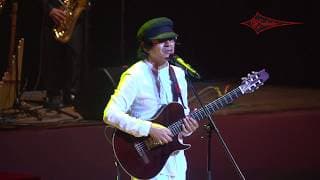
Mac Salvador - NECESITO DE TI (Gran Teatro Nacional 2018)
"Necesito de Ti" (I Need You) by Mac Salvador is a landmark piece of contemporary Andean music. The 2018 performance at the Gran Teatro Nacional in Lima, Peru, is widely considered one of the most definitive and emotionally charged versions of the song. Here is an analysis and explanation of the track: Overall Theme The song is a profound expression of emotional dependency and existential longing. It explores the theme of "desamor" (heartbreak) and the agonizing void left by a departed lover, framing the partner not just as a companion, but as a vital necessity for the singer’s survival. Key Lyrics Analysis * *"Necesito de ti, como el aire que respiro..."* (I need you, like the air I breathe): This opening metaphor sets the stakes of the song. It elevates the relationship from a simple romance to a biological necessity, suggesting that without the other person, the singer is literally suffocating. * *"Sin tu amor, mi vida no tiene sentido..."* (Without your love, my life has no meaning): This line reflects a common trope in Andean ballads—the "total surrender" to love. It portrays a state of vulnerability where the self is entirely defined by the presence of the beloved. * *"Vuelve pronto, que mi alma se muere de pena..."* (Come back soon, for my soul is dying of grief): Here, Salvador uses the "soul" (*alma*) to indicate that the pain is not just mental but spiritual. The urgency in the plea "Vuelve pronto" (Come back soon) emphasizes the desperation of the narrator. Emotional Tone The tone is profoundly melancholic, vulnerable, and solemn. In the 2018 live version, this is amplified by Mac Salvador’s signature vocal style—raw, high-pitched, and slightly raspy—which conveys a sense of "llanto" (crying) through song. The orchestral arrangements at the Gran Teatro Nacional add a layer of grandeur and tragic beauty to the intimate pain described in the lyrics. Cultural Context This song belongs to the genre of Música Andina Contemporánea (Contemporary Andean Music). Historically, Andean music was often relegated to rural festivals or small venues. However, Salvador’s performance at the Gran Teatro Nacional—Peru’s most prestigious stage—symbolizes the "triumph" of Andean migration and culture in the capital city. It represents a bridge between traditional Andean "Huayno" sensibilities (which often focus on loss and nostalgia) and modern, sophisticated pop-ballad production. Artist Context Mac Salvador is often called the "Idol of Contemporary Andean Music." Within his career, "Necesito de Ti" is a signature anthem that solidified his reputation as a master of the romantic Andean ballad. The 2018 concert was a career-defining moment, showcasing his transition from a popular folk artist to a high-caliber performer capable of commanding a symphonic stage. This specific version is frequently cited by fans as the emotional peak of his discography.

Natanzinho Lima - Me Apaixonei Nessa Morena - EM BH
Here is an analysis of "Me Apaixonei Nessa Morena - EM BH" by Natanzinho Lima. 1. Overall Theme The song is a quintessential romantic anthem about sudden infatuation and the magnetic pull of a specific woman (the "morena"). It describes the protagonist's immediate attraction and the desire to be close to her, shifting from a casual night out to a feeling of deep longing. 2. Key Lyrics Analysis * "Me apaixonei nessa morena" (I fell in love with this brunette): This is the core hook of the song. In Brazilian culture, "morena" is a common and affectionate term for a woman with dark hair or tanned/brown skin, and it is a classic trope in romantic songwriting. * "E o beijo dela é doce, é mel" (And her kiss is sweet, it's honey): The use of sensory metaphors highlights the addictive nature of the romance. It portrays the woman not just as someone beautiful, but as someone who provides emotional and physical satisfaction. * "Eu quero é mais, eu quero é todo dia" (I want more, I want it every day): These lines emphasize the transition from a fleeting moment to a desire for permanence. It captures the "sofrência" (suffering/passion) element where the singer admits he is now "hooked." 3. Emotional Tone The song carries an energetic, passionate, and celebratory tone. While the lyrics deal with the vulnerability of falling in love, the rhythm (Arrocha) is upbeat and danceable. It conveys a sense of "happy longing"—the feeling of being intoxicated by a new crush and wanting to share that excitement with a crowd. 4. Cultural Context * Arrocha and Seresta: The song is rooted in the *Arrocha* genre, which originated in Bahia. It is characterized by romantic lyrics and a sensual, rhythmic beat designed for partner dancing. * The "EM BH" Factor: The "In Belo Horizonte" (BH) tag is significant. BH is a major hub for Brazilian music (specifically Sertanejo and Arrocha). Recording there signifies the artist's expansion from the Northeast region to the national stage, tapping into the massive nightlife culture of Minas Gerais. * The "Morena" Archetype: In Brazilian music, the "Morena" represents a cultural ideal of beauty. Countless songs are dedicated to this figure, placing Natanzinho’s track in a long tradition of Brazilian romantic pop. 5. Artist Context Natanzinho Lima is a rising star in the "Sofrência" scene—a subgenre of Arrocha that focuses on the "pain" of love. This song represents a pivotal moment in his career where he bridges the gap between traditional *seresta* (serenade) music and modern, polished live productions. His style is often compared to other "phenomenons" like Nadson O Ferinha, focusing on high-pitched, emotional vocals that resonate with the working-class and bar-culture demographics in Brazil.

Christian Nodal - Ya No Somos Ni Seremos (Video Oficial)
"Ya No Somos Ni Seremos" (We Are No Longer, Nor Will We Ever Be) is one of Christian Nodal’s most successful and emotionally charged tracks. Released in early 2022, it serves as an anthem for finality in a relationship. Here is an analysis of the song: 1. Overall Theme The song centers on the painful realization that a relationship is beyond repair and that the bond between two people has been completely severed. It explores the struggle of trying to erase the memory of a former lover and the bitter acceptance that they can no longer even be friends. 2. Key Lyrics Analysis * "Quise mi piel llenarla de tatuajes para cubrir los besos que dejaste" (*I wanted to fill my skin with tattoos to cover the kisses you left*): This is the song's most famous line. It metaphorically (and literally, given Nodal's history) suggests that the singer is trying to physically overwrite the memories of his ex, implying that the "marks" she left on him are deep and painful. * "Lo que un día fue, no será" (*What once was, will not be*): This echoes a famous phrase in Latin music history (referencing José José). It emphasizes the theme of finality—there is no hope for a reunion or a "second round." * "Dicen que el tiempo va a curarlo todo y sé que es mentira" (*They say time will heal everything and I know it’s a lie*): This captures the raw pessimism of heartbreak, where the pain feels so permanent that the cliché of "time heals all wounds" feels like an insult. 3. Emotional Tone The tone is somber, melancholic, and deeply vulnerable. The choice of a black-and-white music video enhances this feeling of mourning. Nodal’s vocal delivery is raw, often sounding like he is on the verge of tears, which conveys a sense of "despecho" (a specific Latin American term for the mixture of spite, grief, and longing felt after a breakup). 4. Cultural Context The song fits perfectly into the "Mariacheño" genre—a style Nodal pioneered that blends traditional Mariachi (trumpets and violins) with Norteño (accordion). Culturally, the song taps into the long-standing tradition of Mexican "rancheras" that celebrate "suffering with dignity." It is a modern "cantina song"—music intended to be listened to while drinking and processing a broken heart. 5. Artist Context This song was released at a pivotal moment in Nodal’s career. It was his first single after a highly publicized and messy legal battle with his previous record label (Fonovisa) and his signing with Sony Music. More importantly, it was released just days after his very public breakup with his fiancée, Mexican pop star Belinda. Because of the lyrics regarding tattoos and regret, the public immediately interpreted the song as a direct response to his real-life heartbreak, which helped the song debut at the top of the charts and solidified his reputation as the "King of Despecho" for the new generation.

like jennie (MMA performance ver.)
"like jennie (MMA performance ver.)" by RAW NOIZE is a high-energy, phonk-influenced track that blends underground rap aesthetics with mainstream K-pop iconography. This specific version is arranged to sound like a high-stakes award show dance break, emphasizing rhythmic intensity. ### 1. Overall Theme The song centers on the concept of high status, charisma, and the "It Girl" energy epitomized by Jennie Kim of BLACKPINK. It explores themes of luxury, self-confidence, and being a trendsetter who is constantly in the spotlight. ### 2. Key Lyrics Analysis * "Walkin’ like Jennie": This repetitive hook is less about literal imitation and more about capturing Jennie’s specific "aura"—a mix of high-fashion elegance and effortless cool. It serves as a metaphor for peak confidence. * "Flash, light, camera": These lines evoke the environment of the paparazzi and the red carpet. It suggests that the artist (or the subject of the song) is always being watched and must maintain a perfect image. * The heavy bass and Phonk-style beats: While not "lyrics," the sonic structure acts as a narrative tool. The aggressive, distorted production represents the pressure and power that comes with high-level fame. ### 3. Emotional Tone The tone is assertive, cocky, and high-octane. Unlike the original version, the "MMA Performance Ver." adds a layer of theatricality and urgency. It feels "larger than life," designed to make the listener feel powerful, fashionable, and untouchable. ### 4. Cultural Context * Jennie as a Muse: In modern pop culture, Jennie Kim is the ultimate "Human Chanel" and a symbol of the "wealthy, pretty, and talented" archetype. Referencing her is a shorthand for luxury and global influence. * MMA (Melon Music Awards): The title references the "MMA," one of Korea's major music awards. Performance versions of songs at these events are typically remixed to be more dramatic, bass-heavy, and dance-focused to fill a stadium, which explains the track’s "epic" sound. ### 5. Artist Context RAW NOIZE is known for operating in the experimental and underground side of the Korean music scene, often blending Phonk, Trap, and Cyberpunk aesthetics. This song represents a bridge between that gritty underground sound and the polished world of K-pop. It showcases RAW NOIZE’s ability to take a mainstream cultural reference and re-imagine it through a dark, aggressive, and high-energy lens, solidifying their reputation for "performance-ready" club tracks.