
Latest Articles

Sangre Cumbiera - Ingrata / Coralí / Que mal me pagas
This song by Sangre Cumbiera is a "mix" or medley, a common practice in Latin American music where several popular songs are blended into one continuous track. In this case, it combines three classic themes of heartbreak and betrayal within the Cumbia Sureña style. ### 1. Overall Theme The song is a thematic journey through the pain of unrequited love and betrayal. It tells the story of a man who gave his all to a woman, only to be abandoned or cheated on, ultimately moving from deep sadness to a defiant realization of her "ingratitude." ### 2. Key Lyrics Analysis Because this is a medley, the lyrics shift through three distinct phases: * "Ingrata" (Ungrateful Woman): The lyrics repeat the word *"Ingrata"* (ungrateful) to emphasize the shock of being left behind. It focuses on the void left by a partner who forgets everything the narrator did for them. * "Coralí": This section often addresses a specific person (Coralí) with nostalgia. It captures the moment of realization that a "great love" has turned into a source of suffering. * "Que mal me pagas" (How badly you repay me): The most bitter part of the medley. The line *"Todo mi amor te di / Y ahora te vas con él"* (I gave you all my love / And now you go with him) is a classic trope in Cumbia. It highlights the injustice of "repayment"—the narrator "paid" with love, but received betrayal in return. ### 3. Emotional Tone The song carries a bittersweet duality. While the lyrics are melancholic, resentful, and filled with "despecho" (spite), the music is high-energy, rhythmic, and designed for dancing. It creates a sense of catharsis, allowing the listener to dance away their sorrow and publicly call out a lover’s betrayal. ### 4. Cultural Context This track belongs to the Cumbia Sureña (Southern Cumbia) genre, which is immensely popular in Southern Peru (Puno, Juliaca), Bolivia, and Northern Argentina. * The Sound: It is characterized by heavy use of synthesizers, electronic drums, and a faster tempo than Colombian or Mexican cumbia. * The Medley Format: In Andean Cumbia culture, "Mixes" are standard because they are designed for long parties and festivals where the music never stops. ### 5. Artist Context Sangre Cumbiera is a contemporary representative of the Southern Peruvian music scene. This medley serves as a tribute to the "golden era" of Southern Cumbia. By covering these classic themes, the group connects older generations who grew up with the original versions to younger audiences who enjoy modern, polished production. It solidifies their identity as a band that honors the roots of the "onda sureña" while keeping the sound fresh for the dance floor.

♫ MiX No Voy a Llorar / Encantos De Mujer / Si Te Vas 💎 El Cartel Q’mbiero 🔥 ¡Tendencia de Música! ✨
This "mix" (medley) by El Cartel Q’mbiero is a high-energy fusion of three classic Latin songs reimagined in the modern Argentine Cumbia Villera style. It transitions through the emotional stages of a relationship: moving on from heartbreak, the intoxication of new love, and the ultimatum of a final goodbye. ### 1. Overall Theme The song is a musical journey through the highs and lows of romance, focusing on the resilience required to survive a breakup and the irresistible pull of a woman’s "charms." It combines themes of romantic pride and celebratory dance, suggesting that even if love fails, one should keep dancing. ### 2. Key Lyrics Analysis * "No voy a llorar, cuando te vea partir" (I am not going to cry when I see you leave): This opening segment sets a tone of emotional strength. It’s an anthem of self-respect, where the singer chooses to hide their pain and maintain dignity rather than beg for a partner to stay. * "Tiene unos encantos esa mujer, que a mí me ponen a enloquecer" (That woman has charms that drive me crazy): The middle section shifts to pure infatuation. It highlights the magnetic power of a partner’s physical and personal beauty, shifting the mood from heartbreak to flirtation. * "Si te vas, si te vas... no vuelvas más" (If you go... don't come back): The final segment is a classic ultimatum. It expresses that while the departure might hurt, the singer is firm in their decision not to allow a "revolving door" relationship. ### 3. Emotional Tone The emotional tone is bittersweet yet festive. While the lyrics often deal with loss and longing, the rhythmic "repiqueteo" (fast drumming) and the upbeat synthesizer melodies typical of Argentine Cumbia create a party atmosphere. It conveys a sense of "healing through dancing," where the rhythm overrides the sadness of the words. ### 4. Cultural Context This track is a staple of "La Previa" (the Argentine tradition of drinking and dancing before going to a club). In Argentina and Uruguay, "enganchados" (medleys) are culturally significant because they allow people to hear several nostalgic hits in a single continuous dance track. By using songs originally famous in genres like Vallenato or Pop, El Cartel Q’mbiero "tropicalizes" these classics to fit the local urban nightlife scene. ### 5. Artist Context El Cartel Q’mbiero is a prominent group in the modern Cumbia scene, often associated with the "RKT" and "Cumbia 420" era, though they lean more toward the melodic side of Cumbia Villera. This mix is a strategic move typical of their career: taking nostalgic 90s and 2000s hits and updating them with a faster tempo and heavy bass to appeal to a younger generation while keeping the older generation engaged through familiar lyrics. This specific mix has become a "trend" because it bridges the gap between classic romanticism and modern club culture.

いますぐ輪廻 / 初音ミク
"いますぐ輪廻" (Imasugu Rinne / Immediate Reincarnation) is a high-energy, dark Vocaloid track by Nakiso (なきそ) featuring Hatsune Miku. It explores themes of obsession, failure, and the desperate desire for a "reset button" on life. ### 1. Overall Theme The song centers on the concept of Samsara (the cycle of death and rebirth) viewed through the lens of a toxic, obsessive relationship. The narrator feels that their current life or relationship is a "failure" and expresses an impulsive, manic desire to die and be reincarnated immediately in hopes of a better "roll" or a perfect start with their lover. ### 2. Key Lyrics Analysis * "いますぐ輪廻" (Imasugu Rinne - "Reincarnate right now"): The title and central hook emphasize impatience. Rather than valuing the present, the narrator views life as a disposable save file in a video game that should be deleted the moment things go wrong. * "失敗しちゃった" (Shippai shichatta - "I messed up"): This line suggests that the narrator has made a mistake in their current relationship. Instead of seeking growth or forgiveness, their immediate solution is to end this "loop" and try again from scratch. * "来世で会おう" (Raise de aou - "Let’s meet in the next life"): While this is a common romantic trope, in Nakiso’s context, it sounds threatening or delusional. It implies a "double suicide" (shinju) sentiment—suggesting that the partner should also die so they can be together in the next incarnation. * "君がいないと生きていけないなんて嘘だよ" (Kimi ga inaito ikite ikenai nante uso da yo - "It's a lie that I can't live without you"): This shows a sudden shift to nihilism or spite. It highlights the narrator's unstable mental state, oscillating between extreme dependence and cold detachment. ### 3. Emotional Tone The song is manic, frantic, and claustrophobic. The fast BPM and Miku’s high-pitched, almost strained tuning convey a sense of panic and mental instability. It feels like a "downward spiral" set to music—combining the upbeat energy of electronic music with the dark, heavy weight of the lyrical subject matter. ### 4. Cultural Context * Rinne (Reincarnation): The song draws on the Buddhist concept of *Rinne-tensho*, but strips away the spiritual goal of enlightenment. Instead, it treats reincarnation like "re-rolling" in a Gacha game. * Yandere/Menhera Culture: The song fits into the Japanese "Menhera" (mental health) and "Yandere" (obsessive love) subcultures prevalent in Vocaloid music. It mirrors the modern internet phenomenon where young people joke about "restarting life" when faced with social or romantic pressures. ### 5. Artist Context Nakiso is a prominent producer known for his "Dark Miku" style and themes of toxic, unrequited, or twisted love. This song follows the success of his other hits like *"Dokuzu"* and *"Omiyo-wa."* "Imasugu Rinne" reinforces Nakiso’s status as a master of the "toxic love anthem," using Hatsune Miku to voice the darkest, most selfish thoughts of the human ego. It showcases his signature use of heavy basslines and catchy, repetitive hooks that make unsettling themes feel addictive.

Before Spring Ends WangOK
"Before Spring Ends" (봄이 지나가기 전에) by Wang OK is a delicate, acoustic indie track that captures the bittersweet essence of a season in transition. Here is an analysis of the song: 1. Overall Theme The song explores the theme of transience and the desire to hold onto a fleeting moment. It uses the passing of spring—specifically the short-lived blooming of flowers—as a metaphor for a precious stage in a relationship or a period of youth that the narrator wishes to cherish before time inevitably moves forward. 2. Key Lyrics Analysis * "Before the petals all fall and scatter" (꽃잎이 다 떨어져 흩어지기 전에): This line establishes the central imagery of the song. The falling petals represent a beauty that is dying or ending. It signals an urgency to act or speak while the "spring" of their connection is still present. * "I want to walk with you a little longer": This simple request highlights the song's focus on companionship and the quiet intimacy of shared time. It suggests that the person is more important than the scenery itself. * "The warmth that stayed on my fingertips": This refers to the lingering physical and emotional sensation of a loved one. It emphasizes how sensory memories are tied to specific seasons and how we try to "save" those feelings before the weather (or life circumstances) changes. 3. Emotional Tone The tone is wistful, serene, and bittersweet. There is a sense of "mono no aware" (a Japanese term for the pathos of things)—a deep awareness of the impermanence of beauty. While the melody is soft and comforting, there is an underlying layer of sadness because the narrator knows that just as spring must end, this specific moment cannot be frozen in time. 4. Cultural Context In South Korea, "Spring Songs" (봄 캐럴) are a significant cultural genre. Spring represents the start of the school year and the peak of "romance" culture, symbolized by cherry blossoms (*beotkkot*). However, while many spring songs are upbeat and celebratory, Wang OK follows a more introspective K-Indie tradition that focuses on the melancholy of the changing seasons, resonating with listeners who feel a sense of loss as time passes. 5. Artist Context Wang OK is known for her minimalist, "bedroom pop" aesthetic and her ability to convey deep emotions with a hushed, airy vocal style. This song fits perfectly into her career as a signature piece of "sentimental indie." It showcases her strength in storytelling through atmosphere rather than vocal power, solidifying her place as a voice for the quiet, reflective moments of daily life.

처형박수 (Execution Clap) / 카사네 테토
"처형박수 (Execution Clap)" by TRAP CHICK (트랩칙) featuring Kasane Teto is a high-energy, dark, and satirical track that blends hyperpop elements with the cynical side of internet culture. Here is an analysis of the song: ### 1. Overall Theme The song serves as a visceral critique of "Cancel Culture" and the toxic nature of social media mob mentality. It explores the "schadenfreude" (joy in others' misfortune) of the public as they gather to watch someone’s social or literal downfall, treating a "punishment" as a form of rhythmic entertainment. ### 2. Key Lyrics Analysis * "The Execution Clap" (처형박수): The central metaphor. In various media (like the *Danganronpa* series), an execution is often preceded by a rhythmic beat. Here, the "clap" represents the collective heartbeat of a mob that is excited to see someone "canceled" or destroyed. * "Point your fingers and laugh": This highlights the dehumanization of the target. The lyrics suggest that the crowd doesn't care about justice; they care about the dopamine rush of being part of the "righteous" majority. * Repetitive, high-speed phrases: The frantic repetition of "clap, clap, clap" mimics the way scandals spread online—fast, mindless, and impossible to stop once the rhythm of hate has started. ### 3. Emotional Tone The tone is manic, aggressive, and darkly celebratory. While the beat is upbeat and danceable (fitting the "Trap" and "Hyperpop" genres), the underlying mood is cold and cynical. Kasane Teto’s voice—specifically her Synthesizer V "AI" power—is tuned to sound sharp and mocking, adding a layer of artificiality that mirrors the coldness of a digital lynch mob. ### 4. Cultural Context * Internet Mob Mentality: South Korea has a particularly intense "netizen" culture where public figures can be "executed" (socially exiled) overnight due to rumors or controversies. The song taps into this anxiety. * Anime/Game Tropes: The "Execution" aesthetic is heavily influenced by the Danganronpa video game franchise, where characters are executed in stylized, rhythmic ways. The song adopts this "game-ified" version of death to show how we view real-life tragedies as entertainment. * Kasane Teto (Synthesizer V): Once an April Fool’s joke, Teto has recently become a global icon for "darker" vocal synth tracks (like *Mesmerizer*). This song fits the trend of using Teto for songs that deal with psychological instability or social commentary. ### 5. Artist Context TRAP CHICK is a producer known for pushing the boundaries of the Korean Vocaloid/Synth V scene. They often utilize high BPMs, heavy bass, and chaotic "glitch" aesthetics. * Style: This song fits into TRAP CHICK’s signature style of merging K-Pop structures with underground electronic music. * Career Placement: "Execution Clap" solidified TRAP CHICK's reputation for creating "edgy" and socially relevant tracks that appeal to both the vocal synth fandom and fans of experimental electronic music. It stands as one of their most popular works for its infectious but unsettling energy.

임영웅 '순간을 영원처럼' Official M/V
"순간을 영원처럼" (Moments Like Eternity) by Lim Young-woong is a soulful ballad that emphasizes the beauty of the present. Originally released in collaboration with Hana Bank, the song transcends its commercial origins to become a "healing" anthem for his massive fanbase. Here is an analysis of the song: ### 1. Overall Theme The song centers on the value of cherishing the present moment and the people who stay by our side through the passage of time. It conveys a message of gratitude, suggesting that even small, everyday experiences can become eternal memories if we treat them with love and sincerity. ### 2. Key Lyrics Analysis * "익숙함에 잊혀져 간 우리의 소중한 순간들" (Our precious moments that were forgotten in familiarity): This line acknowledges how people often take their loved ones or happy moments for granted because they become routine. It serves as a gentle wake-up call to appreciate the "now." * "오늘 이 순간을 영원처럼" (Today, this moment, like eternity): This is the core hook of the song. It expresses the desire to freeze time and make the current happiness last forever, emphasizing a "carpe diem" philosophy rooted in emotional connection. * "내 곁에 있어 준 너에게" (To you, who stayed by my side): Lim Young-woong often uses his lyrics to speak directly to his fans (*Hero Generation*). This line highlights loyalty and the mutual support system between the artist and the listener. ### 3. Emotional Tone The tone is warm, comforting, and nostalgic. Lim Young-woong’s signature "golden voice" provides a sense of security and peace. The melody starts softly and builds into a soaring, hopeful climax, evoking a feeling of "healing" (*hyu-shik*)—as if the listener is taking a deep breath of fresh air after a long day. ### 4. Cultural Context In South Korea, Lim Young-woong is more than just a singer; he is a cultural phenomenon representing "trust" and "comfort." This song aligns with the Korean trend of "So-hwak-haeng" (Small but Certain Happiness). Furthermore, the music video and lyrics reflect the high value Korean society places on long-term relationships and "jeong" (deep emotional attachment/bonding). Even though it was a brand collaboration, the song stayed on top of music charts, proving that Lim's "brand power" turns any message into a sincere artistic expression. ### 5. Artist Context "Moments Like Eternity" reinforces Lim Young-woong’s transition from a "Trot King" to a versatile pop-balladeer. It fits perfectly into his discography of "healing music," further solidifying his image as a "Hero" who provides emotional strength to his audience. The song demonstrates his ability to make commercial content feel deeply personal and authentic, a rare skill that has maintained his status as Korea’s most beloved male soloist.
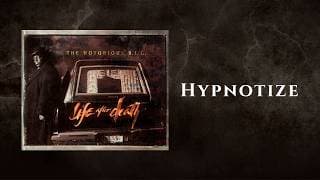
The Notorious B.I.G. - Hypnotize (Official Audio)
Here is an analysis and explanation of "Hypnotize" by The Notorious B.I.G. Overall Theme "Hypnotize" is an anthem of luxury, success, and charismatic confidence. It serves as a boastful celebration of Biggie’s transition from a street-level dealer to a high-fashion, globetrotting superstar who dominates the rap game through both wealth and lyrical prowess. Key Lyrics Analysis * "Biggie, Biggie, Biggie, can't you see? / Sometimes your words just hypnotize me.": Taken from the chorus (sung by Pamela Long), these lines highlight Biggie’s magnetic personality and his legendary "flow." It suggests that his verbal skill is so smooth it has a spellbinding effect on his audience. * "Sicker than your average / Poppa twist cabbage with low-backage.": This showcases Biggie’s effortless wordplay. "Cabbage" is slang for money, and "low-backage" refers to the low-riding suspension of luxury cars, immediately establishing his elite financial status. * "I put hoes in NY onto DKNY / Miami, D.C. prefer Versace.": Biggie was a pioneer in blending hip-hop with high fashion. These lines illustrate his influence and his jet-setting lifestyle, moving between cities and luxury brands like Donna Karan and Versace. * "Escargot, my car go, one-sixty, swiftly.": This is one of the most famous examples of Biggie’s internal rhyming ability. He uses the sophisticated French delicacy (escargot) to rhyme with the speed of his vehicle, emphasizing that he lives a fast, high-class life. Emotional Tone The song is confident, smooth, and celebratory. It carries a sense of "effortless cool." Unlike the darker, grittier tracks on his first album, "Hypnotize" feels vibrant and infectious, designed to make the listener feel as powerful and "larger-than-life" as Biggie himself. Cultural Context "Hypnotize" was a cornerstone of the "Shiny Suit Era" in late-90s hip-hop, led by Puff Daddy and Bad Boy Records. This era moved hip-hop away from the "starving artist" aesthetic toward a world of champagne, yachts, and designer suits. The song’s production heavily samples Herb Alpert’s 1979 jazz-funk hit "Rise," which helped the track bridge the gap between hardcore rap and mainstream pop radio. Artist Context Released in March 1997, "Hypnotize" was the lead single for Biggie’s second and final studio album, *Life After Death*. Tragically, the song was released just weeks before he was murdered in a drive-by shooting. It became a bittersweet legacy piece, reaching #1 on the Billboard Hot 100 posthumously and solidifying Biggie’s reputation as a rapper who could maintain technical lyrical excellence while achieving massive commercial success.

All of me
"All of Me" by NiExshadow is a quintessential example of the modern "sad-rap" or "emo-lofi" genre. It resonates deeply with listeners who have experienced the exhaustion of one-sided relationships and emotional burnout. Here is an analysis of the track: 1. Overall Theme The song centers on total emotional vulnerability and the aftermath of a broken heart. It explores the pain of giving every part of one's identity and effort to a romantic partner, only to be met with indifference or betrayal. It is a reflection on the cost of "loving too much" and the emptiness that remains when that love is not reciprocated. 2. Key Lyrics Analysis * *"I gave you all of me, and you threw it all away."* — This is the core thesis of the song. It highlights the imbalance of the relationship; the narrator feels their "entirety" (their secrets, time, and heart) was treated as disposable trash. * *"I’m losing my mind in the middle of the night."* — This line emphasizes the isolation and insomnia that often follow a breakup. It portrays the "overthinking" phase where silence becomes loud and painful. * *"You’re the only one I want, but I’m the only one who cares."* — This highlights the tragic irony of the song: the narrator is still emotionally tethered to someone who has already mentally moved on. 3. Emotional Tone The tone is melancholic, raw, and weary. Unlike aggressive breakup songs, this track feels "tired." The vocals are often delivered with a melodic, slightly muffled or "underwater" effect, conveying a sense of being overwhelmed by sadness and drifting in one's own thoughts. It captures a blend of longing and quiet resentment. 4. Cultural Context The song fits into the Internet-era "Sad Boy" aesthetic. This cultural movement, popularized on platforms like SoundCloud and TikTok, prioritizes raw honesty about mental health and heartbreak over traditional "macho" tropes in hip-hop. It draws influence from the Emo-rap wave (pioneered by artists like Lil Peep and Juice WRLD), where the "vibe" and atmospheric production are as important as the lyrics themselves. 5. Artist Context For NiExshadow, "All of Me" serves as a signature track that defines his musical identity. He is known for his ability to take deeply personal, diary-like sentiments and set them to lo-fi, melodic beats. This song helped establish him within the underground community as a relatable voice for listeners dealing with the complexities of digital-age romance and the fragility of modern mental health.

Wanna Be Startin' Somethin'
Here is an analysis of Michael Jackson’s high-energy masterpiece, "Wanna Be Startin' Somethin'." 1. Overall Theme The song is a frantic critique of the media, gossip culture, and the "social vampires" who thrive on creating drama. It explores the feeling of being under constant scrutiny and the destructive cycle of rumors that can alienate and dehumanize an individual. 2. Key Lyrics Analysis * "I said you wanna be startin' somethin' / You got to be startin' somethin'": The repetitive hook addresses the instigators directly. It highlights the human tendency to stir up trouble just for the sake of excitement or conflict. * "You're a vegetable / Still they hate you... You're just a buffet / They're eating off of you": This serves as a metaphor for the way the public and the press consume celebrities. Even when a person is "down" or broken (a vegetable), people continue to exploit their life for entertainment. * "Billie Jean is always talkin' / When nobody is listenin'": This line provides a bridge to another track on the *Thriller* album. It characterizes "Billie Jean" as a source of baseless rumors and lies, emphasizing that the drama she creates is often ignored by those who know the truth. * "Ma-ma-se, ma-ma-sa, ma-ma-ko-ssa": This iconic chant was adapted from Cameroonian artist Manu Dibango’s song "Soul Makossa." It serves as a rhythmic, trance-like release from the lyrical tension, symbolizing a shift from the chaos of rumors to the healing power of music and dance. 3. Emotional Tone The tone is paranoid and urgent, yet resilient. The fast-paced, complex percussion creates a sense of being chased or overwhelmed. However, the sheer energy of the vocals and the driving bassline convey a sense of defiance—Jackson is calling out his detractors rather than hiding from them. 4. Cultural Context The song’s use of the "Makossa" chant brought African musical influences into the mainstream American pop landscape, though it sparked a legal dispute with Manu Dibango over sampling rights. Additionally, the song reflected the early 1980s shift toward a more aggressive tabloid culture, foreshadowing the intense media obsession that would follow Jackson for the rest of his life. 5. Artist Context As the opening track of *Thriller* (1982), this song signaled a major evolution in Jackson's career. While his previous album, *Off the Wall*, was largely celebratory and disco-oriented, "Wanna Be Startin' Somethin'" introduced the "Jackson vs. The World" narrative. It established the themes of privacy and persecution that would become central to his later work in songs like "Leave Me Alone," "Tabloid Junkie," and "Scream."

Tu Última Canción
"Tu Última Canción" (Your Last Song) is one of the most iconic romantic ballads in Spanish music history. Released in 1993, it remains a staple of the Mexican *Grupero* genre. Here is an analysis of the song: 1. Overall Theme The song is a final farewell to a lost love. It describes the painful moment of realization that a relationship is beyond repair, serving as a "last tribute" or dedication before the narrator cuts ties and seeks to move on from the heartache. 2. Key Lyrics Analysis * "Te dedico esta canción, que será la última..." (I dedicate this song to you, which will be the last...): The title and opening line establish the metaphor. The narrator isn't just ending the relationship; they are ending the artistic inspiration derived from the pain, signaling a definitive emotional closure. * "Y aunque me duela el alma, tengo que decirte adiós" (And even though my soul hurts, I have to say goodbye): This highlights the conflict between love and self-preservation. It acknowledges that leaving isn't easy, but it is necessary for the narrator’s well-being. * "Vete con él, no me pidas perdón" (Go with him, don't ask for my forgiveness): These lines reveal the reason for the breakup—infidelity or the partner choosing someone else. It shifts the tone from mere sadness to a firm, albeit painful, rejection of the partner's excuses. 3. Emotional Tone The tone is melancholic, resigned, and deeply sorrowful. While there is a sense of finality and strength in the decision to leave, the music—driven by mournful synthesizers and Gustavo Ángel’s high, yearning vocals—conveys a profound sense of loss and "desamor" (heartbreak). 4. Cultural Context In Mexico and across Latin America, this song is considered a "himno al desamor" (an anthem of heartbreak). It belongs to the *Grupero* movement, which blended traditional Mexican styles with 90s electronic keyboards and pop sensibilities. It is a quintessential "cantina song"—the kind of music people play when they are drinking to forget a past love. 5. Artist Context "Tu Última Canción" is the definitive hit for Los Temerarios. It was the title track of the album that propelled them to international superstardom, earning them a Grammy nomination and solidifying their image as the "Romantic Knights" of music. The song’s signature keyboard intro is instantly recognizable and helped define the "Temerarios sound"—a mix of tragic lyrics and soft, synthesized melodies that dominated the Latin charts in the early 90s.

NewJeans (뉴진스) 'ETA' Official MV
The song "ETA" by NewJeans is a high-energy track from their 2023 EP *Get Up*. It stands out for its unique production style and its relatable, narrative-driven lyrics. ### 1. Overall Theme The song centers on "girl talk" and loyalty among friends. It depicts a scenario where the members are on a phone call with a friend, informing her that they’ve spotted her boyfriend cheating at a party and urging her to arrive quickly to catch him in the act. ### 2. Key Lyrics Analysis * "낭비하지 마 네 시간은 은행" (Don't waste your time, your time is a bank): This line emphasizes the value of the friend’s time. The lyrics argue that staying with an unfaithful partner is a poor investment of one's life. * "What’s your ETA? What’s your ETA?": ETA stands for "Estimated Time of Arrival." In the song, this repetitive hook creates a sense of frantic urgency, asking the friend how soon she can get to the location to see the truth for herself. * "He's never going to be what you need": This is a direct, blunt piece of advice common in close friendships. It shifts the focus from the boy's actions to the friend’s long-term well-being. ### 3. Emotional Tone The tone is urgent, energetic, and supportive. The fast-paced "Favela Funk" inspired beat and the constant horn samples create a feeling of adrenaline and chaos, mimicking the excitement and anxiety of sharing scandalous gossip. Despite the heavy subject of infidelity, the song feels empowering because it focuses on friends looking out for one another. ### 4. Cultural Context * The Apple Collaboration: The music video gained significant attention for being "Shot on iPhone 14 Pro" as part of a collaboration with Apple. This influenced the visual style, utilizing the phone's "Action Mode" to capture the frantic, handheld energy of the choreography. * Gen Z Communication: The song perfectly captures modern youth culture, where relationships and dramas are often navigated through constant connectivity, FaceTime, and real-time location sharing. ### 5. Artist Context "ETA" solidified NewJeans’ reputation as trendsetters in the K-pop industry. While their debut tracks focused on Y2K nostalgia and "first love" vibes, "ETA" showcased a more contemporary, experimental sound. It proved that the group could successfully merge high-concept commercial partnerships (with Apple) with a song that feels authentic to their brand of "sophisticated yet relatable" teenagers.

NewJeans (뉴진스) 'Attention' Official MV (Performance ver.)
Here is an analysis of NewJeans’ debut sensation, "Attention." ### 1. Overall Theme "Attention" is a breezy, R&B-infused pop track that captures the innocent excitement and fluttering heart of a first crush. The song explores the vulnerability and confidence involved in wanting someone to notice you, focusing on the electric feeling of a burgeoning attraction. ### 2. Key Lyrics Analysis * "You got me looking for attention": This central hook is a direct and honest confession. Instead of playing "hard to get," the lyrics admit that the narrator is actively seeking the gaze and interest of their crush. * "One, two, three, four / I'll tell you only one thing... I want you to be the one": This sequence highlights the youthful directness of the song. It strips away complex metaphors in favor of a clear, heart-on-sleeve declaration. * "Drop the beat / Just for a moment, look at me": The lyrics often emphasize the "moment" of connection. It’s not about a long-term plan, but about the immediate, physical sensation of being seen by the person you like. ### 3. Emotional Tone The song carries a nostalgic, breezy, and effortless tone. Unlike many high-energy K-pop tracks that rely on aggressive beats, "Attention" feels laid-back and cool. It conveys a sense of "teenage dream" euphoria—that specific mix of nervousness and joyful confidence that comes with being young and in love. ### 4. Cultural Context * Y2K Revival: The song and its performance video are heavily influenced by the late 90s and early 2000s aesthetic. From the baggy "streetwear" fashion to the R&B production style reminiscent of groups like TLC or En Vogue, it tapped into a global "retro-cool" trend. * The "Easy Listening" Shift: At the time of its release, K-pop was dominated by "maximalist" sounds (heavy EDM and complex lore). "Attention" led a cultural shift toward "easy listening"—music that is catchy, melodic, and less taxing on the ears. ### 5. Artist Context "Attention" was a revolutionary debut single for NewJeans. Released by ADOR (a subsidiary of HYBE) under the creative direction of Min Hee-jin, the song was dropped with almost no prior teaser campaign, breaking traditional K-pop marketing rules. It immediately established NewJeans as "Monster Rookies" and defined their brand: natural, relatable, and musically sophisticated. It remains the foundation of their "girl-next-door" identity.