
Latest Articles

plankton aaaahhhh meme
The song "plankton aaaahhhh meme" by Hardstyle Killer, PHONK GROOVE, and MC DJ MONTAGEM is a quintessential example of "Meme-core" electronic music. It blends aggressive internet subgenres to create a track designed specifically for viral social media content. Here is an analysis of the track: Overall Theme The song is a high-energy, chaotic fusion of Brazilian Phonk and Hardstyle centered around a viral audio sample of the character Plankton from *SpongeBob SquarePants*. Its primary purpose is to serve as a "hype" track for TikTok edits, gym videos, and shitposting, prioritizing rhythmic intensity over traditional songwriting. Key Lyrics Analysis * "AAAAGGHHHH!" (Plankton Sample): This is the centerpiece of the song. The scream functions as a "fake-out" or a "tension release" right before the heavy bass drop. It leans into the absurdity of modern internet humor, where a childhood cartoon character is placed in an aggressive, adult musical context. * "Montagem": This word, often heard in the background, refers to the Brazilian Funk style of "montage" (cutting and looping samples). It signals the song's rhythmic structure, which is built on repetitive, percussive loops meant to keep the energy at a peak. * Minimalist Phonk Phrases: Most of the lyrics are distorted or repetitive vocal chops that serve as rhythmic instruments rather than meaningful prose, emphasizing the "phonk" aesthetic of dark, lo-fi textures. Emotional Tone The tone is aggressive, frantic, and humorous. It creates a sense of "sensory overload." While the heavy hardstyle kicks and distorted bass suggest anger or power, the inclusion of the cartoon scream adds a layer of irony and playfulness, making the song feel like an "inside joke" for the internet generation. Cultural Context The song exists at the intersection of several digital subcultures: * The Plankton Meme: Specifically, the "Good grief, he’s naked!" or similar clips where Plankton screams in terror have become a staple of "earrape" and "distorted" memes. * Brazilian Phonk/Hardstyle: A genre that exploded on TikTok (often called "Sigma" music), used frequently in "edit" culture to accompany high-intensity visuals or displays of strength/confidence. * Gym Culture: Tracks like this are frequently added to "hardstyle gym" playlists where the driving BPM (beats per minute) helps motivate high-intensity workouts. Artist Context The artists involved—Hardstyle Killer, PHONK GROOVE, and MC DJ MONTAGEM—are part of a new wave of digital producers who prioritize "viral potential" and "algorithm-friendly" sounds. Their careers are built on identifying trending sounds or memes and quickly turning them into high-production-value electronic tracks. This song fits perfectly into their discography as a tactical "meme-track" designed to gain millions of streams through TikTok background usage rather than traditional radio play.

Sticker
NCT 127’s "Sticker" is one of the most polarizing and discussed tracks in modern K-pop. Here is an analysis of the song: 1. Overall Theme The song uses the metaphor of a "sticker" to describe an intense, inseparable romantic bond. It expresses a desire to be constantly attached to a partner, disregarding the chaos of the outside world to focus solely on the intimacy between two people. 2. Key Lyrics Analysis * "Nae yeope kkok buteo isseojwo / Like a sticker" (Stay right by my side / Like a sticker): This is the central hook of the song. It emphasizes physical and emotional proximity, suggesting a love that is adhesive, permanent, and difficult to peel away. * "I sesang-eun urimaneuro chungbunhae" (This world is enough with just us): This line highlights an "us-against-the-world" mentality. It suggests that the complexity of the world doesn't matter as long as the two individuals remain connected. * "Show me your movement / Make it iconic": This reflects the group’s "Neo" (futuristic/experimental) identity. It encourages their partner to be bold and unique, matching the song's own unconventional energy. 3. Emotional Tone The tone of "Sticker" is bold, confident, and slightly obsessive. Musically, the signature "distorted flute" creates a sense of tension and strangeness, which mirrors the overwhelming and sometimes chaotic nature of a deep infatuation. It is not a gentle love song; it is an aggressive, high-energy declaration of devotion. 4. Cultural Context * The "Neo" Aesthetic: The song is a prime example of the "Neo" brand—NCT's commitment to experimental, "out-there" music. It challenged the standard K-pop formula of catchy, easy-listening melodies. * Western/Cowboy Motif: The music video and styling utilize a "Neo-Western" theme. This blends traditional American frontier imagery with futuristic technology, symbolizing NCT 127's role as "pioneers" in the global music scene. 5. Artist Context "Sticker" was a pivotal moment in NCT 127’s career. Released in 2021 after the massive success of "Kick It," it solidified their reputation as the "kings of experimental music." While the song’s unconventional production initially divided the public and fans, it became a massive commercial success, earning the group several *Daesangs* (Grand Prizes) and proving that their unique "noise music" style had a powerful and dedicated global audience.
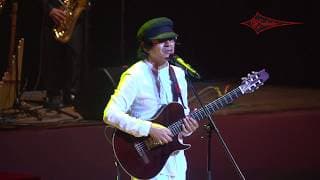
Mac Salvador - NECESITO DE TI (Gran Teatro Nacional 2018)
"Necesito de Ti" (I Need You) by Mac Salvador is a landmark piece of contemporary Andean music. The 2018 performance at the Gran Teatro Nacional in Lima, Peru, is widely considered one of the most definitive and emotionally charged versions of the song. Here is an analysis and explanation of the track: Overall Theme The song is a profound expression of emotional dependency and existential longing. It explores the theme of "desamor" (heartbreak) and the agonizing void left by a departed lover, framing the partner not just as a companion, but as a vital necessity for the singer’s survival. Key Lyrics Analysis * *"Necesito de ti, como el aire que respiro..."* (I need you, like the air I breathe): This opening metaphor sets the stakes of the song. It elevates the relationship from a simple romance to a biological necessity, suggesting that without the other person, the singer is literally suffocating. * *"Sin tu amor, mi vida no tiene sentido..."* (Without your love, my life has no meaning): This line reflects a common trope in Andean ballads—the "total surrender" to love. It portrays a state of vulnerability where the self is entirely defined by the presence of the beloved. * *"Vuelve pronto, que mi alma se muere de pena..."* (Come back soon, for my soul is dying of grief): Here, Salvador uses the "soul" (*alma*) to indicate that the pain is not just mental but spiritual. The urgency in the plea "Vuelve pronto" (Come back soon) emphasizes the desperation of the narrator. Emotional Tone The tone is profoundly melancholic, vulnerable, and solemn. In the 2018 live version, this is amplified by Mac Salvador’s signature vocal style—raw, high-pitched, and slightly raspy—which conveys a sense of "llanto" (crying) through song. The orchestral arrangements at the Gran Teatro Nacional add a layer of grandeur and tragic beauty to the intimate pain described in the lyrics. Cultural Context This song belongs to the genre of Música Andina Contemporánea (Contemporary Andean Music). Historically, Andean music was often relegated to rural festivals or small venues. However, Salvador’s performance at the Gran Teatro Nacional—Peru’s most prestigious stage—symbolizes the "triumph" of Andean migration and culture in the capital city. It represents a bridge between traditional Andean "Huayno" sensibilities (which often focus on loss and nostalgia) and modern, sophisticated pop-ballad production. Artist Context Mac Salvador is often called the "Idol of Contemporary Andean Music." Within his career, "Necesito de Ti" is a signature anthem that solidified his reputation as a master of the romantic Andean ballad. The 2018 concert was a career-defining moment, showcasing his transition from a popular folk artist to a high-caliber performer capable of commanding a symphonic stage. This specific version is frequently cited by fans as the emotional peak of his discography.

Natanzinho Lima - Me Apaixonei Nessa Morena - EM BH
Here is an analysis of "Me Apaixonei Nessa Morena - EM BH" by Natanzinho Lima. 1. Overall Theme The song is a quintessential romantic anthem about sudden infatuation and the magnetic pull of a specific woman (the "morena"). It describes the protagonist's immediate attraction and the desire to be close to her, shifting from a casual night out to a feeling of deep longing. 2. Key Lyrics Analysis * "Me apaixonei nessa morena" (I fell in love with this brunette): This is the core hook of the song. In Brazilian culture, "morena" is a common and affectionate term for a woman with dark hair or tanned/brown skin, and it is a classic trope in romantic songwriting. * "E o beijo dela é doce, é mel" (And her kiss is sweet, it's honey): The use of sensory metaphors highlights the addictive nature of the romance. It portrays the woman not just as someone beautiful, but as someone who provides emotional and physical satisfaction. * "Eu quero é mais, eu quero é todo dia" (I want more, I want it every day): These lines emphasize the transition from a fleeting moment to a desire for permanence. It captures the "sofrência" (suffering/passion) element where the singer admits he is now "hooked." 3. Emotional Tone The song carries an energetic, passionate, and celebratory tone. While the lyrics deal with the vulnerability of falling in love, the rhythm (Arrocha) is upbeat and danceable. It conveys a sense of "happy longing"—the feeling of being intoxicated by a new crush and wanting to share that excitement with a crowd. 4. Cultural Context * Arrocha and Seresta: The song is rooted in the *Arrocha* genre, which originated in Bahia. It is characterized by romantic lyrics and a sensual, rhythmic beat designed for partner dancing. * The "EM BH" Factor: The "In Belo Horizonte" (BH) tag is significant. BH is a major hub for Brazilian music (specifically Sertanejo and Arrocha). Recording there signifies the artist's expansion from the Northeast region to the national stage, tapping into the massive nightlife culture of Minas Gerais. * The "Morena" Archetype: In Brazilian music, the "Morena" represents a cultural ideal of beauty. Countless songs are dedicated to this figure, placing Natanzinho’s track in a long tradition of Brazilian romantic pop. 5. Artist Context Natanzinho Lima is a rising star in the "Sofrência" scene—a subgenre of Arrocha that focuses on the "pain" of love. This song represents a pivotal moment in his career where he bridges the gap between traditional *seresta* (serenade) music and modern, polished live productions. His style is often compared to other "phenomenons" like Nadson O Ferinha, focusing on high-pitched, emotional vocals that resonate with the working-class and bar-culture demographics in Brazil.

Christian Nodal - Ya No Somos Ni Seremos (Video Oficial)
"Ya No Somos Ni Seremos" (We Are No Longer, Nor Will We Ever Be) is one of Christian Nodal’s most successful and emotionally charged tracks. Released in early 2022, it serves as an anthem for finality in a relationship. Here is an analysis of the song: 1. Overall Theme The song centers on the painful realization that a relationship is beyond repair and that the bond between two people has been completely severed. It explores the struggle of trying to erase the memory of a former lover and the bitter acceptance that they can no longer even be friends. 2. Key Lyrics Analysis * "Quise mi piel llenarla de tatuajes para cubrir los besos que dejaste" (*I wanted to fill my skin with tattoos to cover the kisses you left*): This is the song's most famous line. It metaphorically (and literally, given Nodal's history) suggests that the singer is trying to physically overwrite the memories of his ex, implying that the "marks" she left on him are deep and painful. * "Lo que un día fue, no será" (*What once was, will not be*): This echoes a famous phrase in Latin music history (referencing José José). It emphasizes the theme of finality—there is no hope for a reunion or a "second round." * "Dicen que el tiempo va a curarlo todo y sé que es mentira" (*They say time will heal everything and I know it’s a lie*): This captures the raw pessimism of heartbreak, where the pain feels so permanent that the cliché of "time heals all wounds" feels like an insult. 3. Emotional Tone The tone is somber, melancholic, and deeply vulnerable. The choice of a black-and-white music video enhances this feeling of mourning. Nodal’s vocal delivery is raw, often sounding like he is on the verge of tears, which conveys a sense of "despecho" (a specific Latin American term for the mixture of spite, grief, and longing felt after a breakup). 4. Cultural Context The song fits perfectly into the "Mariacheño" genre—a style Nodal pioneered that blends traditional Mariachi (trumpets and violins) with Norteño (accordion). Culturally, the song taps into the long-standing tradition of Mexican "rancheras" that celebrate "suffering with dignity." It is a modern "cantina song"—music intended to be listened to while drinking and processing a broken heart. 5. Artist Context This song was released at a pivotal moment in Nodal’s career. It was his first single after a highly publicized and messy legal battle with his previous record label (Fonovisa) and his signing with Sony Music. More importantly, it was released just days after his very public breakup with his fiancée, Mexican pop star Belinda. Because of the lyrics regarding tattoos and regret, the public immediately interpreted the song as a direct response to his real-life heartbreak, which helped the song debut at the top of the charts and solidified his reputation as the "King of Despecho" for the new generation.

like jennie (MMA performance ver.)
"like jennie (MMA performance ver.)" by RAW NOIZE is a high-energy, phonk-influenced track that blends underground rap aesthetics with mainstream K-pop iconography. This specific version is arranged to sound like a high-stakes award show dance break, emphasizing rhythmic intensity. ### 1. Overall Theme The song centers on the concept of high status, charisma, and the "It Girl" energy epitomized by Jennie Kim of BLACKPINK. It explores themes of luxury, self-confidence, and being a trendsetter who is constantly in the spotlight. ### 2. Key Lyrics Analysis * "Walkin’ like Jennie": This repetitive hook is less about literal imitation and more about capturing Jennie’s specific "aura"—a mix of high-fashion elegance and effortless cool. It serves as a metaphor for peak confidence. * "Flash, light, camera": These lines evoke the environment of the paparazzi and the red carpet. It suggests that the artist (or the subject of the song) is always being watched and must maintain a perfect image. * The heavy bass and Phonk-style beats: While not "lyrics," the sonic structure acts as a narrative tool. The aggressive, distorted production represents the pressure and power that comes with high-level fame. ### 3. Emotional Tone The tone is assertive, cocky, and high-octane. Unlike the original version, the "MMA Performance Ver." adds a layer of theatricality and urgency. It feels "larger than life," designed to make the listener feel powerful, fashionable, and untouchable. ### 4. Cultural Context * Jennie as a Muse: In modern pop culture, Jennie Kim is the ultimate "Human Chanel" and a symbol of the "wealthy, pretty, and talented" archetype. Referencing her is a shorthand for luxury and global influence. * MMA (Melon Music Awards): The title references the "MMA," one of Korea's major music awards. Performance versions of songs at these events are typically remixed to be more dramatic, bass-heavy, and dance-focused to fill a stadium, which explains the track’s "epic" sound. ### 5. Artist Context RAW NOIZE is known for operating in the experimental and underground side of the Korean music scene, often blending Phonk, Trap, and Cyberpunk aesthetics. This song represents a bridge between that gritty underground sound and the polished world of K-pop. It showcases RAW NOIZE’s ability to take a mainstream cultural reference and re-imagine it through a dark, aggressive, and high-energy lens, solidifying their reputation for "performance-ready" club tracks.
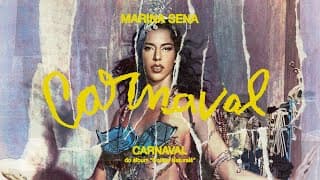
Marina Sena - CARNAVAL (Visualizer)
"CARNAVAL" is a standout track from Marina Sena’s second studio album, *Vício Inerente* (2023). It showcases her ability to blend traditional Brazilian themes with modern, urban production. ### 1. Overall Theme The song explores themes of longing, missed connections, and the melancholy that follows a period of intense celebration. It portrays the internal solitude one feels when the person they desire is absent, even while surrounded by the chaos and noise of Brazil’s biggest party. ### 2. Key Lyrics Analysis * "O carnaval passou e a gente nem se viu" (*Carnival passed and we didn't even see each other*): This is the central conflict. In Brazil, Carnival is the ultimate time for meeting people and romance; missing someone during this window signifies a deep sense of lost time and missed opportunity. * "Me perdi no meio da multidão / Procurando o seu rastro no chão" (*I got lost in the middle of the crowd / Looking for your trail on the ground*): This imagery highlights the contrast between the "crowd" (the collective) and the "individual" (the person she wants). It evokes the feeling of searching for a needle in a haystack. * "Eu sou o que eu sou, e você é o que é" (*I am what I am, and you are what you are*): This suggests a sense of resignation or acceptance of their separate identities, adding a layer of maturity to the typical "pop" heartbreak narrative. ### 3. Emotional Tone The tone is dreamy, sensual, and nostalgic. While the beat has a rhythmic pulse, Marina’s signature high-pitched, nasal vocals give the track a "floaty" quality. It feels like the emotional "hangover" after a party—a mix of physical exhaustion and emotional yearning. ### 4. Cultural Context * The Myth of Carnival Romance: Brazilian culture often romanticizes "Carnival loves" (*amores de carnaval*)—intense, fleeting romances. By singing about *missing* the person during Carnival, Marina subverts the usual trope of the "wild party," focusing instead on the emptiness that remains when the music stops. * Sonic Fusion: The song blends MPB (Música Popular Brasileira) with Trap and Trip-hop, reflecting the modern, urban landscape of São Paulo, where Marina moved during the creation of this album. ### 5. Artist Context "CARNAVAL" marks Marina Sena’s evolution from her debut album *De Primeira*. While her first album was sunny and organic, this track belongs to her "urban-pop" era. It solidifies her position as a versatile artist who can bridge the gap between alternative indie-MPB and mainstream pop, proving she can handle slower, more atmospheric tracks just as well as dance-floor hits like "Por Supuesto."

Cherry Bomb
"Cherry Bomb" by NCT 127 is widely considered one of the most defining tracks in the group's discography, solidifying their "Neo" experimental sound. Here is an analysis of the song: 1. Overall Theme The song is a bold anthem of confidence, dominance, and artistic identity. It serves as a warning to the music industry that NCT 127 is an "explosive" force—unique, dangerous, and impossible to ignore—ready to blow up the stage like a "Cherry Bomb." 2. Key Lyrics Analysis * "I’m the biggest hit, I’m the biggest hit on this stage": This repetitive hook is a direct assertion of power. It moves beyond a simple catchphrase to become a mantra of self-assurance, claiming their spot at the top of the K-pop hierarchy. * "If you’re happy and you know it, clap your hands": By recontextualizing a famous nursery rhyme into a gritty, hip-hop track, NCT 127 creates an eerie, mocking contrast. It suggests that their "happiness" and success are so obvious that the audience has no choice but to follow along. * "Poppin’ cherry bomb": The metaphor combines something small and sweet (a cherry) with something destructive (a bomb). This reflects the group’s duality: they have the visual appeal of idols but the explosive, unconventional talent of innovators. * "Fasten your seatbelts": Mark’s intro sets the stage for a high-speed, intense journey, signaling that the listener should prepare for a sound that isn't "safe" or traditional. 3. Emotional Tone The tone is aggressive, cocky, and futuristic. Unlike typical pop songs that aim for a bright or emotional melody, "Cherry Bomb" stays low and rhythmic, creating a sense of tension. It feels cold and calculated, yet incredibly high-energy, meant to intimidate rivals while energizing fans. 4. Cultural Context "Cherry Bomb" is a hallmark of the "Neo" aesthetic—a subculture within K-pop characterized by experimental structures, "noise music" influences, and avant-garde fashion. The song used an 8-bit video game aesthetic in its promotions, blending retro digital culture with modern urban hip-hop. It also challenged the "standard" K-pop formula by having a very minimal melody in the chorus, focusing instead on performance and rhythm. 5. Artist Context Released in 2017, this song was the turning point for NCT 127. While their previous tracks like "Fire Truck" introduced their experimental style, "Cherry Bomb" perfected it. It earned the group their first-ever music show win and established them as the performance leaders of the 3rd generation of K-pop. The choreography—specifically the "split" at the end—became legendary, proving that NCT 127 was a group that prioritized difficult, high-concept performance over radio-friendly hooks.

TOOTHLESS DANCE MEME SONG
The song "TOOTHLESS DANCE MEME SONG" (produced by Keiron Raven, Trap Music Now, and Kids Music Now) is a modern electronic remix of a classic video game melody. It gained massive popularity as the soundtrack to a viral 2D animation featuring the character Toothless from *How to Train Your Dragon*. Here is an analysis of the track: Overall Theme The song’s primary theme is playful celebration and internet absurdity. It is a high-energy, electronic reimagining of the "Driftveil City" theme from *Pokémon Black and White*, designed specifically to provide a rhythmic, catchy backdrop for viral social media content. Key Lyrics Analysis Because this version is primarily an instrumental dance track (with stylized vocal chops), there are no complex narrative lyrics. However, the structure carries meaning: * The "Driftveil City" Melody: The core hook is a nostalgic nod to Nintendo gaming. By using this specific melody, the song taps into "Millennial and Gen Z nostalgia," blending the past with modern "trap" production. * The Rhythmic "Chops": The repetitive, percussive vocal sounds (like "Hey!" or high-pitched chirps) are synchronized with the animation of Toothless tapping his feet. This creates a "mickey-mousing" effect, where the music and visual movement are perfectly aligned to maximize the comedic effect. Emotional Tone The emotional tone is whimsical, infectious, and hyper-energetic. It conveys a sense of "carefree chaos." The fast tempo and bright synth sounds are meant to evoke joy and a sense of silliness, making it impossible for the listener not to move along with the beat. Cultural Context * The Meme Origin: The song became a global phenomenon due to an animation by Cas van de Pol, which featured a simplified, "derpy" version of the dragon Toothless dancing. * Internet Synergy: The track represents the "Green Screen Meme" culture, where a specific sound and character are isolated so creators can place the dancing dragon in increasingly ridiculous locations (e.g., historical events, movie scenes, or intense sports matches). * Genre Blending: It fits into the "Phonk" or "Meme-Trap" subgenres—music that is specifically mixed to sound good through smartphone speakers and to loop perfectly on TikTok and YouTube Shorts. Artist Context The artists involved—Keiron Raven, Trap Music Now, and Kids Music Now—are part of a modern wave of digital-first producers. * This track fits into their strategy of "SEO-driven music production." They identify trending sounds on the internet and release polished, high-quality versions of those sounds to platforms like Spotify and Apple Music so that fans can easily find the "official" version of a meme they saw online. * For these artists, the song isn't about personal expression; it's about capturing the zeitgeist and providing the "audio engine" for internet creativity.

La Konga, Luck Ra, Ke Personajes - YA NO VUELVAS (Video Oficial)
"YA NO VUELVAS (Versión Cuarteto)" is a massive hit from Argentina that blends the energy of *Cuarteto* with the emotional storytelling of modern pop-cumbia. Here is an analysis of the song: 1. Overall Theme The song is a definitive "breakup anthem" about setting boundaries and reclaiming one’s self-worth. It tells the story of someone who was deeply hurt by a former lover but has finally moved on, and now firmly rejects that person’s attempts to come back into their life. 2. Key Lyrics Analysis * *"Ya no vuelvas, que ya no te quiero."* (Don’t come back, because I don't love you anymore.) – This is the central hook. It serves as a blunt, final declaration that the door is permanently closed. * *"Me dolió, pero por fin te olvidé."* (It hurt, but I finally forgot you.) – This line acknowledges the pain of the past while celebrating the narrator's emotional growth and resilience. * *"Ahora me ves bien y quieres volver."* (Now you see me doing well and you want to come back.) – This highlights the toxic nature of the ex-partner, suggesting they only value the narrator now that they are happy and successful without them. * *"Tú me dejaste cuando más te necesitaba."* (You left me when I needed you most.) – This provides the "why" behind the rejection, pointing to a betrayal or abandonment during a low point. 3. Emotional Tone The song carries a "triumphant bitterness." While the lyrics are about heartbreak and betrayal, the high-tempo rhythm creates a sense of liberation and empowerment. It conveys the feeling of "dancing through the pain" and the satisfaction of finally being able to say "no" to someone who once had power over your emotions. 4. Cultural Context The song is a Cuarteto version of an original track by Luck Ra. Cuarteto is a genre native to Córdoba, Argentina, characterized by its fast, upbeat rhythm using pianos, accordions, and brass. In Argentina and Uruguay, this type of music is the heartbeat of "el boliche" (the nightclub) and family parties, where songs about heartbreak are paradoxically shouted with joy and energy by large crowds. 5. Artist Context This collaboration was a pivotal moment for all three artists: * Luck Ra: This song solidified his transition from the "Urban/Trap" scene into the king of modern "Pop-Cuarteto." * La Konga: Currently Argentina's most popular Cuarteto band, they are known for taking solo hits and turning them into massive ensemble "live" versions that dominate the charts. * Ke Personajes (Emanuel Noir): His participation added a raw, emotional vocal style (Cumbia flair) that helped the song go viral internationally, making it one of the most-streamed Argentine songs of 2023.

Léo Santana - Marquinha De Fitinha (Ao Vivo Em Salvador / 2025)
"Marquinha De Fitinha" is a high-energy track by Léo Santana, recorded live in Salvador as part of his 2025 summer project. The song is a quintessential example of *Pagodão Baiano*, designed specifically to dominate the Brazilian Carnival season. Here is an analysis of the song: 1. Overall Theme The song is a celebration of Brazilian summer beauty standards and beach culture, specifically focusing on the "marquinha de fita" (tan lines created using tape instead of a traditional bikini). It describes the attraction and "magnetic" energy of a woman who is confident, sun-kissed, and ready for the party atmosphere of Salvador. 2. Key Lyrics Analysis * "Marquinha de fitinha": This refers to a popular Brazilian beauty ritual where women use electrical tape or specialized adhesive strips to create perfectly sharp, geometric tan lines. In the song, this "mark" serves as a symbol of sensuality and summer readiness. * "Ela joga, ela balança": These lines focus on the choreography. Léo Santana’s music is heavily tied to "TikTok" and street dance culture; these lyrics act as cues for the audience to follow a specific dance routine. * "Vibe de Salvador": By mentioning his hometown, Léo anchors the song in the specific "swing" and percussion-heavy style of Bahia, framing the song as an anthem for the world's largest street party (Carnival). 3. Emotional Tone The tone is festive, sensual, and euphoric. It is "high-vibe" music intended to be played at beach clubs, gyms, and street blocks. There is an air of admiration and flirtation in the lyrics, but the primary emotion is the collective joy of dancing and the "heat" of the tropical climate. 4. Cultural Context The song taps into a specific Brazilian phenomenon: the "Bronzeamento com fita." This practice became a global talking point after being featured in Anitta’s "Vai Malandra" and has since become a staple of Brazilian funk and pagodão aesthetics. Additionally, the "Live in Salvador" setting is crucial—Salvador is the heart of Afro-Brazilian music, and the song’s rhythm (the *batida*) is a modern evolution of traditional samba-reggae mixed with pop. 5. Artist Context Léo Santana, often called "O Gigante" (The Giant), is currently the leading figure in *Pagodão Baiano*. This song follows the successful formula of his previous mega-hits like "Zona de Perigo." It cements his strategy of releasing rhythmic, dance-oriented tracks right before the turn of the year to ensure he has the "Song of the Summer" for the upcoming 2025 Carnival. The live recording highlights his prowess as a performer who can command crowds of tens of thousands.

Candy
"Candy" by NCT DREAM is a vibrant, modern reimagining of the 1996 classic by H.O.T. It bridges the gap between first-generation K-pop and the current era. ### 1. Overall Theme The song explores the internal conflict of a young man who feels overwhelmed by his partner’s deep affection and considers breaking up to find "freedom." However, as the day progresses, he realizes his feelings are just as strong and concludes that he truly loves her and wants to stay by her side. ### 2. Key Lyrics Analysis * "사실 오늘 너와의 만남을 정리하고 싶어" (Actually, I want to end things with you today): The song starts with a startling confession. It sets up the central conflict: the narrator feels burdened by the relationship and plans to end it. * "머리 위로 비친 내 하늘 바라다보며" (Looking at my sky reflected above my head): This iconic line refers to the narrator’s moment of reflection. He looks up at the sky to find the courage to speak, but the beauty/vastness of the sky makes him hesitate and rethink his decision. * "단지 널 사랑해 이렇게 말했지" (I just love you, that's what I said): This is the emotional resolution. Instead of breaking up, he finds himself blurting out "I love you," proving that his initial desire to leave was just a momentary feeling of pressure, not a lack of love. ### 3. Emotional Tone The tone is youthful, bubbly, and energetic. Despite the lyrics being about a potential breakup, the high-tempo "bubblegum pop" production makes the song feel festive and sweet. It conveys a sense of innocent confusion and the clumsy nature of first loves. ### 4. Cultural Context * H.O.T. Remake: The original "Candy" (1996) is one of the most famous songs in Korean history. By remaking it, NCT DREAM paid homage to their seniors at SM Entertainment. * Nostalgia: The song tapped into the "Newtro" (New + Retro) trend in Korea. The oversized colorful outfits, fluffy mittens, and bucket hats are direct references to 90s K-pop fashion, appealing to both older generations who remember the original and younger fans who find the aesthetic trendy. * Choreography: The "Hammer Dance" and "Car Wash Dance" from the original were kept, maintaining the cultural DNA of the song while adding NCT DREAM's signature synchronized precision. ### 5. Artist Context "Candy" was a massive turning point for NCT DREAM. Released as a Winter Special Mini Album in late 2022, it became one of their biggest hits, topping major South Korean charts (like Melon). It solidified their image as the "Nation’s Younger Brothers" and proved that they could handle lighthearted, bright concepts just as well as their more experimental "Neo" sound. It remains one of the most successful boy group remakes in K-pop history.