
Latest Articles

마지막 인사 To My First
"마지막 인사 To My First" is a track from NCT DREAM’s 2022 album *Beatbox* (Repackage). It serves as the poignant conclusion to one of the most famous narrative arcs in K-pop history. ### 1. Overall Theme The song represents the final chapter of NCT DREAM’s "First Love" series, documenting the transition from the excitement of a crush to the maturity of a final breakup. It is about letting go of a first love with grace, choosing to cherish the memories rather than clinging to a relationship that has run its course. ### 2. Key Lyrics Analysis * "안녕이란 말의 끝을 맺으려 해" (I’m trying to bring the word 'goodbye' to an end): This line signifies the act of providing closure. It’s not just a casual goodbye; it is the finality of a chapter that has lasted for years. * "Love is not forever, but the memory is": This lyric encapsulates the song's philosophy. It acknowledges that while the romantic relationship failed to be eternal (contrary to their earlier song "My First and Last"), the impact of that person remains a permanent part of the narrator’s growth. * "너라는 서툰 첫사랑의 마침표" (The period at the end of the clumsy first love that was you): The use of "clumsy" (서툰) highlights the youthfulness of the experience. By calling it a "period" (full stop), they signify that they are finally ready to move on to a new sentence in their lives. ### 3. Emotional Tone The tone is bittersweet and reflective. Unlike typical breakup songs that focus on anger or devastating heartbreak, this song feels composed and mature. There is a sense of peaceful resignation and gratitude, conveyed through smooth R&B harmonies and a mellow tempo that feels like a sunset at the end of a long day. ### 4. Cultural Context In South Korean pop culture, the concept of "First Love" (첫사랑) is often romanticized as the purest, most formative experience of one's youth. However, it is also culturally accepted that first loves rarely last. This song leans into the Korean sentiment of *beautiful sadness*, where the ending is seen as a necessary "coming-of-age" ritual to become a true adult. ### 5. Artist Context This song is the fifth and final installment in NCT DREAM’s "First Love" saga, which began with their debut-era tracks: 1. Chewing Gum (The crush) 2. My First and Last (The vow of eternal love) 3. Bye My First (The first breakup/cynicism) 4. Love Again (The lingering feelings/relapse) 5. To My First (The final closure) For the fans (NCTzens), this song is deeply symbolic of NCT DREAM’s own growth. They debuted as young teenagers and released this song as young men, mirroring their journey from childhood innocence to adulthood through the lens of this recurring storyline.

뚜두뚜두(DDU-DU DDU-DU)
Released in 2018, "뚜두뚜두 (DDU-DU DDU-DU)" is BLACKPINK's signature anthem. It solidified their "girl crush" image and became one of the most successful K-pop songs in history. --- ### 1. Overall Theme The song is a fierce declaration of confidence, self-empowerment, and defiance. It serves as a warning to those who underestimate the group based on their looks, asserting that they are both "Black" (strong/tough) and "Pink" (beautiful/feminine) simultaneously. ### 2. Key Lyrics Analysis * "A kind face with an attitude that isn't" (착한 얼굴에 그렇지 못한 태도): This opening line by Jennie sets the stage for the song's duality. It challenges the stereotype that women must be purely submissive or "nice," suggesting there is a sharp, unyielding edge beneath their polished exterior. * "I’m the one that’s going to make you feel like you’re on fire": This highlights their charisma and impact. They aren't just performers; they are a force of nature that demands attention and provokes a reaction. * "DDU-DU DDU-DU" (Chorus): The title is an onomatopoeia for the sound of a gunshot. It symbolizes firing back at haters and critics, as well as the "lethal" impact of their visuals and talent. * "I’m a girl crush, I’m a badass" (Lisa's Rap): This line explicitly claims the "Girl Crush" trope, a K-pop concept focused on winning over female fans through displays of power and independence rather than traditional "cute" concepts. ### 3. Emotional Tone The tone is assertive, dominant, and unapologetic. The heavy trap beats and intense brass sounds create a "boss-like" atmosphere. There is no vulnerability here; instead, the song vibrates with high-energy swagger and the thrill of being at the top of the game. ### 4. Cultural Context The music video and lyrics use several metaphors for fame and public scrutiny. * The Umbrella Scene (Jisoo): Jisoo walks through a rain of sparks with an umbrella, representing protection against the "fire" of malicious comments. * The Tank (Jennie): Jennie riding a diamond-encrusted tank symbolizes the "luxurious" but "militant" nature of their success. * Global Impact: The song was a major catalyst for the "Hallyu" (Korean Wave) 4.0, breaking records on Billboard and YouTube, and proving that K-pop could achieve mainstream Western success without losing its Korean identity. ### 5. Artist Context "DDU-DU DDU-DU" was the turning point that transitioned BLACKPINK from "rising stars" to global icons. It defined the "Teddy Park sound" (their main producer)—characterized by a catchy hook, trap-influenced verses, and an explosive dance break. This song established the blueprint for their future hits like "How You Like That" and "Pink Venom," cementing their identity as the premier high-fashion, high-power girl group.

Beat It Up
"Beat It Up" (Korean title: 푸르게 빛나, meaning "Shining Blue") is a high-energy track from NCT DREAM’s 2024 mini-album, *DREAM( )SCAPE*. Here is an analysis of the song: 1. Overall Theme The song is a powerful anthem of resilience and defiance. It centers on the idea of fighting back against the internal scars and external pressures that suppress one's spirit. It depicts the moment a person decides to stop being a victim of their "nightmares" and instead uses that pain as fuel to shine even brighter. 2. Key Lyrics Analysis * "Beat it up, beat it up": This repetitive hook serves as a literal and metaphorical command to strike down obstacles, anxiety, and self-doubt. It transforms the feeling of being "beaten down" into an active movement of "beating up" the challenges ahead. * "푸르게 빛나" (Shining Blue): In the context of the album, "blue" represents the hottest part of a flame. While blue often symbolizes sadness, here it represents a cold, sharp, and intense determination that glows even in the darkest "Dreamscape." * "흉터는 다 지워내" (Erase all the scars): This line suggests a process of healing through action. Rather than hiding one's wounds, the singer chooses to move past them so aggressively that the scars no longer define them. * "I’m the monster, I’m the beast": These lyrics signify a shift in identity—embracing a fierce, untamed version of oneself to survive a hostile environment. 3. Emotional Tone The tone is aggressive, fierce, and empowering. Unlike the bright, "bubblegum pop" image NCT DREAM had in their early years, this song carries a heavy, dark intensity. The booming 808 bass and sharp rap verses convey a sense of raw adrenaline and the gritty confidence of someone who has survived a trial and come out stronger. 4. Cultural Context The song fits into the broader South Korean cultural discourse regarding the struggles of the "Youth" (Cheong-chun). In a society with high academic and professional pressure, "Beat It Up" resonates as a "survival song" for young people who feel trapped. The use of "Blue" (Cheong) in the title also plays on the word for youth (*Cheong-chun*), reclaiming the color not as a sign of bruising, but as a sign of power. 5. Artist Context "Beat It Up" marks a significant step in NCT DREAM’s artistic evolution. Having debuted as a group representing youthful innocence (*Chewing Gum*), they have transitioned into "adult" themes. This song is a centerpiece of the *DREAM( )SCAPE* era, which focuses on the darker side of growth. It highlights the group's "performance-heavy" identity and showcases the growth of the rap line (Mark, Jeno, Jaemin, and Jisung) in delivering more cynical and hard-hitting narratives.

마지막처럼(As If It's Your Last)
"마지막처럼 (As If It's Your Last)" by BLACKPINK is one of the group’s most iconic tracks, blending high-energy synth-pop with a bright, "pink" aesthetic. Here is an analysis of the song: 1. Overall Theme The song is a vibrant plea for a lover to cast aside their hesitations and love with total abandon. It centers on the idea of romantic urgency, urging the partner to treat their current moment together as if it were their very last chance to be in love. 2. Key Lyrics Analysis * "마지막처럼 마-마-마지막처럼 / 내일 따윈 없는 것처럼 사랑해줘" (As if it’s your last, as-as-as if it’s your last / Love me like there’s no tomorrow): This chorus encapsulates the song’s core message. It isn't about a breakup; it’s about the intensity of the present. The "no tomorrow" sentiment highlights a youthful, reckless passion. * "Call me pretty and nasty": In Lisa’s rap, this line serves as a nod to the group’s name, "BLACKPINK." It emphasizes their duality—being sweet and feminine (pretty) but also fierce and powerful (nasty/tough). * "원한다면 너를 가질 수 있게" (So I can have you if I want to): This reflects the "girl crush" persona of the group. Rather than being passive, the lyrics portray the narrator as someone who is confident and proactive in pursuing her desires. 3. Emotional Tone The song carries an exhilarating, flirtatious, and upbeat tone. While the lyrics suggest a hint of desperation ("please love me"), the production is celebratory and bright. It evokes the feeling of a "summer crush"—the rush of adrenaline and the heat of a new romance. 4. Cultural Context * The "Pink" Concept: Within BLACKPINK’s discography, they often alternate between "Black" (hip-hop, girl-crush, edgy) and "Pink" (pop, feminine, bright). This song is widely considered their most "Pink" track, released specifically as a refreshing summer anthem for the Korean public. * YG Legacy: Many fans and critics noted that the song carries the "classic" YG Entertainment sound, drawing comparisons to their senior label-mates 2NE1. It captures the transition of K-pop from 2nd-generation boldness to 3rd-generation global polish. 5. Artist Context Released in June 2017, this song served as a bridge between their debut era and their first major EP (*Square Up*). It was a standalone digital single that proved BLACKPINK could dominate the "bright pop" genre just as well as their darker hip-hop tracks. It became their first music video to hit major milestones on YouTube, solidifying their status as global superstars and remains a staple closer for their live concerts due to its high energy.

Same Sky
"Same Sky" (Japanese title: "Onaji Sora") is a B-side track from NCT WISH's debut single album, *WISH*. It serves as a heartfelt contrast to their energetic title track, showcasing the group's softer, more melodic side. Here is an analysis of the song: 1. Overall Theme "Same Sky" is a sentimental mid-tempo ballad that centers on the theme of unbreakable connection despite physical distance. It expresses the comforting idea that no matter how far apart the members are from their loved ones or their fans, they are all united by looking up at the same sky and sharing the same dreams. 2. Key Lyrics Analysis * "Even if the scenery changes, my heart stays the same": This line emphasizes constancy. For a new group that has moved from their trainee days to a global stage, it signifies that their core values and feelings for those who supported them remain unchanged. * "Under the same sky, we are breathing together": This utilizes the "sky" as a metaphor for a shared reality. It suggests that distance is an illusion because the natural world—and their shared goals—connects them instantly. * "I’ll be your light when it’s dark": A classic promise of support. It frames the relationship between the artist and the listener as one of mutual protection and guidance. 3. Emotional Tone The song conveys a warm, nostalgic, and hopeful tone. It feels like a "healing" track, characterized by gentle harmonies and a serene melody. While there is a slight touch of melancholy regarding the distance mentioned in the lyrics, the overwhelming emotion is one of reassurance and youthful sincerity. 4. Cultural Context The concept of "looking at the same sky/moon" is a deeply rooted poetic trope in East Asian cultures (often seen in Japanese and Korean literature). It is frequently used to bridge the gap between people who are separated. As a Japanese-localized unit of NCT, NCT WISH uses this motif to speak to their dual identity—connecting their roots in Japan with their activities in Korea and their global fanbase. 5. Artist Context Within NCT WISH’s career, "Same Sky" helps define their "Fresh & Pure" concept. While other NCT units (like NCT 127 or WayV) often focus on "Neo" experimental sounds or high-intensity performances, NCT WISH focuses on a sense of "innocence" and "hope." This song establishes them as a group with strong vocal stability and a relatable, "boy-next-door" charm that differentiates them from their more aggressive-sounding seniors.

Kill This Love
"Kill This Love" is one of BLACKPINK’s most iconic tracks, serving as an anthem for independence and emotional survival. Here is an analysis of the song: 1. Overall Theme The song centers on the painful realization that a romantic relationship has become toxic and self-destructive. It describes the difficult but necessary decision to "kill" the love before it completely destroys one's sense of self, framing the breakup as a deliberate act of self-preservation. 2. Key Lyrics Analysis * "Feeling like a sinner / It's so fire with him I go boo hoo": This line highlights the addictive nature of toxic love. Even though the passion feels "fire," it ultimately leads to misery, creating a cycle of pleasure and pain. * "We all commit to love / That makes you cry / We’re all making love / That kills you inside": These lyrics suggest that people often settle for relationships that are damaging because they mistake intensity for true love. It universalizes the experience of staying in a relationship that is slowly eroding your spirit. * "Let’s kill this love!": The titular refrain acts as a battle cry. It transitions the song from a place of suffering to a place of action, signaling the end of the victim mentality. 3. Emotional Tone The tone is aggressive, empowering, and cinematic. The use of heavy brass (trumpets) and marching-band drums creates a sense of a military operation. While the lyrics acknowledge sadness and "crying," the dominant emotion is resilience. It sounds like a declaration of war against one's own weaknesses and a toxic partner. 4. Cultural Context The song heavily utilizes military motifs—from the choreography (the "salute" and "firing a gun") to the outfits and the booming production. Culturally, this represents the "Girl Crush" concept in K-pop, which moves away from traditional "cute" or "submissive" female roles in favor of fierce, independent, and powerful imagery. The song’s global success also coincided with BLACKPINK’s historic performance at Coachella 2019, bridging the gap between K-pop and Western mainstream pop. 5. Artist Context "Kill This Love" was a pivotal moment in BLACKPINK’s career, following the massive success of "DDU-DU DDU-DU." It solidified their international "Powerhouse" status and established their signature musical formula: high-energy EDM-pop with catchy English hooks and high-fashion visuals. It remains the definitive example of the group’s "BLACK" side—the side that is dark, edgy, and unapologetically strong.

CORONA - MAS MONEY MAS CASH
Here is an analysis and explanation of the song "MAS MONEY MAS CASH" by the Turkish rapper CORONA. 1. Overall Theme The song is a quintessential "hustle" anthem centered on the relentless pursuit of wealth, status, and power within the urban landscape. It explores the transition from a difficult street life to a position of financial success, emphasizing that in his world, money is the ultimate metric of victory and security. 2. Key Lyrics Analysis * "Mas money, mas cash": The title and hook use a blend of Spanish (*Mas*) and English to create a repetitive, catchy mantra. It reinforces the singular focus of the artist: accumulation of capital as a means of escaping the "ghetto" or "mahalle" (neighborhood). * References to the "Mahalle" (The Neighborhood): Like much of Turkish drill, CORONA references his roots. He speaks about the struggles of the streets, implying that his aggressive pursuit of money is a necessity born from his environment, not just greed. * "Düşmanlar izler" (Enemies are watching): This reflects a common theme in the genre—paranoia and competition. As he gains "mas cash," he acknowledges that he becomes a target for envy and "fake" friends, necessitating a defensive and tough posture. * Luxury vs. The Street: He often contrasts high-end brands or cars with the gritty reality of his upbringing, highlighting the "rags to riches" narrative that defines his persona. 3. Emotional Tone The tone is aggressive, defiant, and highly confident. There is an underlying sense of urgency in his delivery, conveying a "hunger" for success. It oscillates between the boastfulness of a winner and the cold, calculated mindset of someone who has had to fight for every cent. 4. Cultural Context * Turkish Drill Movement: The song sits firmly within the "Turkish Drill" subgenre, which draws heavy inspiration from the UK and Chicago drill scenes but infuses it with Turkish slang and local street culture. * Multilingual Slang: The use of Spanish/English terms (Mas Money) is a common trend in European rap, where artists use "global" street slang to give their music a more international, commercial appeal while staying rooted in their local dialects. * The "Varoş" Identity: In Turkey, rap is deeply tied to the *varoş* (suburbs/ghettos). This song serves as a representative voice for youth who feel marginalized and see financial success through music or "the hustle" as their only way out. 5. Artist Context CORONA is a rising figure in the Turkish rap scene, often associated with the aggressive, "street-certified" style popularized by artists like Uzi and Critical. "MAS MONEY MAS CASH" serves as a definitive track in his discography that solidifies his image as a "street-rich" rapper. It showcases his ability to ride dark, heavy-bass drill beats with a rhythmic flow that appeals to both the club scene and the streets.
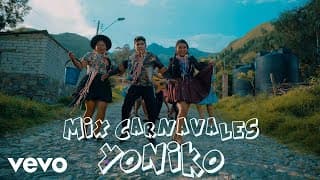
Yoniko y su Grupo Australia - Mix Carnavales "Muero por Besarte"
Yoniko y su Grupo Australia - Mix Carnavales "Muero por Besarte" is a high-energy medley representative of the Southern Peruvian Cumbia scene. Here is an analysis of the track: Overall Theme The song is a festive medley (mix) primarily focused on intense romantic longing and the desire for physical affection. While the lyrics often touch on the pain of absence or the desperation of love, the musical arrangement is designed for the high-energy celebrations of the Andean Carnival season. Key Lyrics Analysis * "Muero por besarte, por sentir tus labios" (I’m dying to kiss you, to feel your lips): This central hook expresses a deep, almost desperate physical yearning. In the context of the song, "dying" is a hyperbole used to show that the narrator's happiness depends entirely on the presence of the beloved. * "Si no te tengo a mi lado, yo me muero de dolor" (If I don't have you by my side, I die of pain): This line reflects the "sufre y goza" (suffer and enjoy) aesthetic common in Peruvian Cumbia. It pairs a tragic sentiment with a fast-paced, danceable beat, suggesting that one should dance through their romantic sorrows. * "Carnavales..." (Shouted cues): Throughout the mix, there are frequent mentions of the "Carnaval" or the town. These are not just lyrics but "shout-outs" meant to energize the crowd and signal that the music is specifically for the ritual celebrations of the season. Emotional Tone The tone is dualistic. On one hand, the lyrics are melancholic and sentimental, dealing with heartache and intense desire. On the other hand, the instrumentation—characterized by fast-paced electronic drums and bright, "spacey" synthesizer melodies—is ecstatic and celebratory. It creates a "festive nostalgia" that is very popular in regional Peruvian parties. Cultural Context This song belongs to the genre of Cumbia Sureña (Southern Cumbia), which is distinct for its heavy use of synthesizers and its origins in the Altiplano region (Puno/Juliaca). The "Mix Carnavales" format is specifically tailored for the Yunza or Umisha (the ritual of dancing around and cutting down a decorated tree during Carnival). In these cultural settings, the music must be continuous and high-tempo to keep the community dancing for hours. Artist Context Yoniko y su Grupo Australia are prominent figures in the Southern Cumbia circuit. This "Mix Carnavales" serves as a showcase of their ability to take romantic ballads and transform them into "hits of the people." For the artist, these mixes are essential for maintaining their relevance in the lucrative live-circuit of Puno, Bolivia, and Northern Chile, where they are considered icons of the "Chicha" and Southern Cumbia movements.
JULLIANY SOUZA - QUEM É ESSE? (AO VIVO)
"Quem é Esse? (Ao Vivo)" by Julliany Souza is a powerful contemporary Christian worship song that has become a staple in the Brazilian "Worship" movement. Here is an analysis of the track: 1. Overall Theme The song is a profound anthem of adoration centered on the majesty, identity, and sovereignty of Jesus Christ. It draws heavily from biblical imagery (specifically Psalm 24) to celebrate the entrance of the "King of Glory" into the lives and hearts of the believers. 2. Key Lyrics Analysis * "Quem é esse que entra no templo? / Quem é esse que para o tempo?" (Who is this who enters the temple? / Who is this who stops time?): These opening questions establish a sense of holy curiosity and awe. It suggests that God’s presence is so overwhelming that it transcends physical space and the laws of nature. * "É o Rei da Glória, o Senhor Poderoso" (He is the King of Glory, the Powerful Lord): This is a direct reference to Psalm 24. It shifts the song from inquiry to proclamation, identifying Jesus not just as a savior, but as a triumphant monarch. * "O Leão da Tribo de Judá" (The Lion of the Tribe of Judah): Referencing Revelation 5:5, this line emphasizes the strength, authority, and lineage of Christ, portraying Him as the victorious ruler. * "Lindo, Lindo, Lindo" (Beautiful, Beautiful, Beautiful): In the "Worship" genre, the repetition of "Beautiful" signifies a moment of "contemplative adoration," where the lyrics move past theological facts into a personal, emotional response to God’s character. 3. Emotional Tone The song conveys a sense of reverent ecstasy. It begins with a building sense of anticipation and moves into a high-energy celebration. There is a palpable feeling of surrender and wonder, typical of live recordings where the congregation’s voices are heard, emphasizing a communal experience of the divine. 4. Cultural Context The song fits into the Brazilian Gospel/Worship movement, which has seen a massive surge in popularity over the last decade. Brazilian worship is characterized by long "ministrations" (spontaneous prayers and singing) and a very high emotional intensity. The use of the "King of Glory" theme resonates with the Brazilian church's focus on the "Kingdom of God" (Reino) and the return of Christ. 5. Artist Context Julliany Souza rose to national and international fame as one of the lead voices of the group Casa Worship (known for the hit "A Casa É Sua"). "Quem é Esse?" is a pivotal track in her solo career, cementing her status as a leading female figure in the genre. It showcases her ability to lead large-scale "live" worship experiences and highlights her signature vocal style—transitioning from soft, intimate verses to powerful, belting choruses.

Natanzinho Lima - Sonho de Amor - Cortando Chão Teresina/PI
"Sonho de Amor" as performed by Natanzinho Lima is a contemporary cover of a classic Brazilian romantic anthem (originally made famous by the sertanejo duo Zezé Di Camargo & Luciano). In this version, Natanzinho adapts the song to the Arrocha/Seresta style, which is characterized by its "suffering" (sofrência) lyrics paired with a danceable, keyboard-driven rhythm. ### 1. Overall Theme The song explores the themes of intense longing and emotional dependency following a breakup. It depicts a narrator who is trapped in the memory of a past relationship, unable to escape the feeling of loneliness, and pleading for his partner to return and restore his happiness. ### 2. Key Lyrics Analysis * "Vem pra me tirar da solidão / Fazer feliz meu coração" *(Come to take me out of loneliness / To make my heart happy)*: These lines establish the core conflict—the narrator’s happiness is entirely dependent on the presence of the other person. He views his current state of solitude as a burden that only she can lift. * "Meu sonho de amor" *(My dream of love)*: The title and recurring phrase suggest that the relationship has become idealized. Now that it is over, the love only exists in his mind or dreams, highlighting the gap between his painful reality and his romanticized memories. * "Deixe que o dia amanheça / Deixe que o sol me aqueça" *(Let the day break / Let the sun warm me)*: This represents a desire for renewal. After a "long night" of sadness and cold isolation, the narrator looks for the metaphorical warmth of the sun (or the return of his lover) to bring him back to life. ### 3. Emotional Tone The song carries a tone of melancholic passion. While the lyrics are deeply sad and vulnerable, Natanzinho Lima’s delivery—typical of the *Arrocha* genre—is energetic and rhythmic. This creates a "bittersweet" experience known in Brazil as *sofrência*: music you can dance to while simultaneously crying over a lost love. ### 4. Cultural Context * The "Cortando Chão" Series: This specific performance is part of a project recorded in Teresina, Piauí, a city in Northeast Brazil. The phrase "Cortando Chão" (Cutting through the ground) refers to traveling long distances, symbolizing the life of a touring musician in the rural and interior regions of the country. * Seresta/Arrocha: In the Northeast, reimagining old Sertanejo hits into modern "Serestas" (serenades) is a massive trend. It bridges the gap between the older generation's romantic ballads and the younger generation's preference for electronic beats and dancing. ### 5. Artist Context Natanzinho Lima is currently one of the fastest-rising stars in the Brazilian "Seresta" and "Arrocha" scenes. This song is a key part of his repertoire because it showcases his ability to take a "sacred" classic of Brazilian music and make it relevant for modern audiences. By recording in Teresina, he reinforces his connection to the Nordeste (Northeast region), which is the primary engine for this musical style's popularity.
Sangre Cumbiera - Amor sincero / Estrechándome / He nacido para amarte / Nada se compara contigo
This song is a "mix" or medley by the Peruvian group Sangre Cumbiera. It combines four distinct romantic tracks into one continuous danceable sequence. ### 1. Overall Theme The song is an anthem to unconditional and eternal love. It journeys through different stages of a relationship, starting with the promise of honesty, moving through physical intimacy, and concluding with the belief that the partner is a unique, irreplaceable soulmate destined by fate. ### 2. Key Lyrics Analysis * "Yo te quiero con amor sincero" (Amor sincero): This line establishes the foundation of the medley. It emphasizes that the singer's feelings are not superficial or fleeting, but rooted in "sincere love," which is a common trope in Latin American balladry and cumbia. * "Estrechándome en tus brazos, sintiendo tu calor" (Estrechándome): These lyrics shift the focus to physical presence and security. It describes the "warmth" and comfort found in a lover's embrace, highlighting the intimacy required to sustain a long-term bond. * "He nacido para amarte, para toda la vida" (He nacido para amarte): This introduces the concept of destiny. It suggests that the singer’s entire existence was predestined for this one person, elevating the relationship from a simple choice to a cosmic necessity. * "Nada se compara con tu forma de amar" (Nada se compara contigo): The closing sentiment is one of "total preference." By stating that nothing compares to the partner, the lyrics place the lover on a pedestal, dismissing all other past or future possibilities. ### 3. Emotional Tone The tone is deeply romantic, celebratory, and nostalgic. While the rhythm is upbeat (designed for dancing), the vocal delivery and lyrics are sentimental. It evokes the feeling of "Cumbia con sentimiento" (Cumbia with feeling), where the joy of the rhythm masks a profound, almost desperate devotion. ### 4. Cultural Context * The Medley (Mix) Format: In South American cumbia (especially in Peru, Bolivia, and Argentina), it is a standard tradition to perform "mixes." This allows bands to keep the energy high on the dance floor while cycling through several "hits" that share a similar emotional theme. * Cumbia Sureña Influence: Sangre Cumbiera often plays in a style influenced by Southern Cumbia, which utilizes synthesizers and a steady electronic beat. This music is the heartbeat of social gatherings like weddings, anniversaries, and community festivals, where these romantic lyrics serve as a communal celebration of love. ### 5. Artist Context Sangre Cumbiera is known for their "clean" and melodic approach to cumbia. They specialize in reviving classic romantic tropes and arranging them into modern, danceable formats. This specific medley is a staple of their repertoire because it condenses the most "relatable" romantic sentiments into a single track, making it a favorite for "dedicated" songs on the radio or at live concerts. It solidifies their image as a band that plays "for the heart."
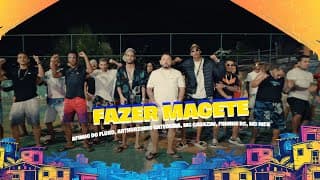
FAZER MACETE - AFINHO DO FLUXO, ARTHURZINHO BATEDEIRA, MC CAUAZIM, MC FININHO DA RC, MC NICK
"FAZER MACETE" is a vibrant example of contemporary Brazilian Funk (specifically the *Funk de Fluxo* and *Mandela* styles) originating from the outskirts of São Paulo. Produced and filmed by the prominent SR FILMES, the track serves as both a dance anthem and a celebration of peripheral youth culture. Here is an analysis of the song: 1. Overall Theme The song centers on the "Fluxo" (informal street parties) and the ritual of the "macete"—a slang term referring to specific, rhythmic dance moves or "tricks" used to impress others. It describes a lifestyle of partying, attracting women, and displaying social status through fashion and confidence. 2. Key Lyrics Analysis * "Vou fazer o macete": The core hook of the song. In the current funk scene, "macete" refers to a synchronized, often repetitive dance step. The lyrics invite the listener to join in, highlighting the importance of dance as a form of social currency. * "O pai tá trajado": This translates to "the father (I) is well-dressed." Being "trajado" is a crucial cultural concept in São Paulo funk, involving wearing expensive brands, gold chains, and designer perfumes to signal success and "power" within the community. * "No pique de jogador": Literally "in the style of a football player." This refers to living a high-profile, successful, and "charming" lifestyle, mimicking the swagger and financial freedom associated with professional athletes. 3. Emotional Tone The emotional tone is energetic, boastful, and celebratory. The heavy, repetitive "beat box" style of the production creates an aggressive yet hypnotic rhythm designed for dancing. It conveys a sense of collective joy and defiance, typical of youth living in the *favelas* who use these parties as an escape and a space for self-expression. 4. Cultural Context The song is deeply rooted in the TikTok/Social Media era of Funk. Many of these tracks are composed with short, catchy segments specifically intended to become viral dance challenges. It also reflects the "Fluxo" culture, where large groups gather around cars with massive sound systems. The mention of specific scents and clothing brands reflects the *Ostentação* (ostentation) subgenre, which focuses on material success as a response to social marginalization. 5. Artist Context This track is a "set" or collaboration between several rising MCs (MC Cauazim, MC Nick, etc.) and the visual powerhouse SR FILMES. In the Brazilian funk scene, these collaborations are vital for building a "scene" and helping independent artists reach the mainstream. For artists like Afinho do Fluxo and Arthurzinho Batedeira, this song solidifies their position as creators of "hits for the street," focusing on the sounds that currently dominate the nightlife in São Paulo.