
Latest Articles

End of Beginning
"End of Beginning" by Djo (the musical project of actor Joe Keery) is a synth-pop reflection on growth, nostalgia, and the bittersweet nature of moving on from a transformative period of life. Here is an analysis of the track: 1. Overall Theme The song explores the transition from youth to adulthood, specifically focusing on the feeling of returning to a place where a past version of yourself lived. It deals with the realization that while you can never truly "go back" to who you were, those past versions of yourself remain a permanent part of your identity. 2. Key Lyrics Analysis * "And when I'm back in Chicago, I feel it / Another version of me, I was in it": Keery lived in Chicago during his formative years at DePaul University. These lines describe the "ghosts" of our past selves that we encounter when we revisit old haunts; he can see the person he used to be, but he is no longer "in" that life. * "You take the man out of the city, not the city out the man": A play on the classic idiom, suggesting that his time in Chicago fundamentally shaped his character. Even though he moved to Los Angeles for his acting career, the values and experiences from his Chicago era remain his core. * "Trouble getting used to the self-indulgence": This likely refers to his transition into Hollywood and the "fame" lifestyle. It highlights the friction between his grounded past and his current reality as a public figure. * "Goodbye, farewell / Mistook it for hell": This suggests that at the time, he may have struggled or felt stuck in his old life, but with hindsight, he realizes it was a beautiful, necessary beginning. 3. Emotional Tone The tone is bittersweet and nostalgic. The shimmering, 80s-inspired synthesizers create a dreamlike atmosphere that feels both warm and slightly melancholic. It evokes the "longing" one feels when looking at old photos—a mix of happiness that it happened and sadness that it is over. 4. Cultural Context The song became a massive viral hit on TikTok in early 2024, nearly two years after its release. It became the definitive anthem for "nostalgia" trends, where users posted montages of their hometowns, college years, or younger selves. It resonated globally because it perfectly captures the universal feeling of a "coming-of-age" story ending. 5. Artist Context "End of Beginning" served as a breakthrough moment for Joe Keery, helping him step out of the shadow of his *Stranger Things* character, Steve Harrington. While his earlier music was more experimental and psychedelic, this track showcased his ability to write a polished, emotionally resonant pop song. It solidified Djo as a serious musical project rather than just an "actor’s side project."

FEAR
Here is an analysis and explanation of the song "FEAR" by NF. 1. Overall Theme The song is a raw, introspective dialogue where NF personifies fear as a physical entity or a "roommate" that has lived in his head since childhood. It explores the toxic, symbiotic relationship between the artist and his anxiety, highlighting how fear both fuels his drive for success and acts as a prison that prevents him from finding peace. 2. Key Lyrics Analysis * "I'm a product of my environment, they say I'm toxic / I'm a product of the things that I've been through, it's a logic." NF acknowledges that his struggles with fear and trauma aren't random; they are the result of his upbringing and past experiences. He is defending his "darkness" as a logical reaction to a difficult life. * "Fear’s been my best friend, but he’s also my worst enemy." This highlights the central paradox of NF’s career. Fear makes him a perfectionist and drives him to work harder than anyone else, but it also causes him deep emotional suffering and isolation. * "I’ve been livin’ in a cage for a long time / And I’m finally startin’ to see that the door’s open." The "cage" is one of NF’s most famous metaphors. Here, he admits that while he feels trapped by his thoughts, he is beginning to realize that the power to leave—to heal—has been within his reach the entire time. 3. Emotional Tone The tone is intense, claustrophobic, and confrontational. The song begins with a sense of brewing frustration and builds into a high-energy climax. It conveys a deep sense of vulnerability mixed with aggression, as NF is essentially fighting a war against his own mind. The cinematic, orchestral production adds a layer of grandeur and urgency to his internal struggle. 4. Cultural Context NF is a leading figure in the "Mental Health Rap" movement. In a culture that often prizes bravado and material wealth in hip-hop, "FEAR" resonates because it focuses on internal weakness and psychological battles. The song mirrors the rising global conversation regarding anxiety and the "stigma" of men discussing their emotions. NF’s use of cinematic elements also bridges the gap between hip-hop and film-score-style production, making the emotional stakes feel "larger than life." 5. Artist Context "FEAR" (and the album it appears on, *Perception*) was a pivotal moment in NF's career. This song helped solidify the visual and thematic motifs he is now famous for: the cage, the keys, and the personification of his demons. It serves as a precursor to his later work, like *The Search*, where he continues to map out the "map" of his mind. In the arc of his career, this song marks the point where he stopped just "feeling" fear and started "challenging" it.
![(When You Gonna) Give It Up to Me (feat. Keyshia Cole) [Radio Version]](/_next/image?url=https%3A%2F%2Fi.ytimg.com%2Fvi%2FbMoNV9oWs2E%2Fsddefault.jpg%3Fsqp%3D-oaymwEWCJADEOEBIAQqCghqEJQEGHgg6AJIWg%26rs%3DAMzJL3mvywGdWcdmJwyfYD0zWiPzkpYksg&w=3840&q=75)
(When You Gonna) Give It Up to Me (feat. Keyshia Cole) [Radio Version]
"(When You Gonna) Give It Up to Me" is a mid-2000s dancehall-pop anthem that features the energetic delivery of Sean Paul paired with the soulful R&B vocals of Keyshia Cole. Originally appearing on Sean Paul's album *The Trinity*, the version featuring Cole gained massive popularity as a lead single for the movie *Step Up*. ### 1. Overall Theme The song centers on the themes of pursuit, flirtation, and chemistry on the dance floor. It depicts a man (Sean Paul) trying to convince a woman he is attracted to that they should stop playing games and act on their mutual attraction, while the woman (Keyshia Cole) acknowledges his charm but remains playfully elusive. ### 2. Key Lyrics Analysis * "When you gonna give it up to me?": This is the central hook. While it has a suggestive double meaning regarding physical intimacy, in the context of the song’s "Radio Version," it also refers to "giving in" to the relationship and stopping the "chase." * "I'm the type of guy that will give you what you need": Sean Paul uses his verses to establish his confidence and reliability. He is positioning himself not just as a dance partner, but as a "top-tier" man who can provide emotional and physical satisfaction. * "Boy, you're making me feel like / I'm the only girl in the world": Keyshia Cole’s bridge shifts the perspective. It shows that Sean Paul’s persistence is working; his focused attention makes her feel special, which is the catalyst for her eventually "giving up" her resistance. * "My girl, you're no 'maybe,' you're a 'definitely'": This line highlights the decisiveness of the pursuit. There is no doubt in the narrator’s mind that they belong together. ### 3. Emotional Tone The tone is confident, playful, and high-energy. It lacks the heavy drama of a typical R&B ballad; instead, it feels like a celebration of "the chase." Sean Paul’s delivery is assertive and rhythmic, while Keyshia Cole adds a layer of warmth and melodic sweetness that softens the song’s aggressive dancehall beat. ### 4. Cultural Context The song is a prime example of the Dancehall-Pop fusion that dominated the 2000s. During this era, Jamaican artists like Sean Paul were instrumental in bringing Patois and Caribbean "riddims" to mainstream American radio. Additionally, as a cornerstone of the *Step Up* movie soundtrack, the song became synonymous with the "urban dance" culture of the time, bridging the gap between hip-hop choreography and Caribbean club vibes. ### 5. Artist Context For Sean Paul, this song solidified his status as a global hitmaker during his commercial peak following the success of "Get Busy" and "Temperature." It proved he could collaborate effectively with American R&B stars to create "crossover" hits. For Keyshia Cole, who was known primarily for her "heartbreak" ballads, this collaboration showed her versatility and her ability to dominate an upbeat, club-oriented track.

Jamaican (Bam Bam)
"Jamaican (Bam Bam)" by HUGEL and SOLTO (FR) is a modern Latin House reimagining of one of the most iconic anthems in reggae history. The track blends the infectious rhythm of Jamaican dancehall with the high-energy, driving basslines of the European electronic music scene. Overall Theme The song is a high-octane tribute to the "Bam Bam" vocal hook, focusing on the power of rhythm and the universal appeal of dancehall culture. It serves as a bridge between the classic sounds of 1980s Jamaica and the contemporary global house music movement, designed specifically for summer festivals and club dancefloors. Key Lyrics Analysis * "What a bam bam / Bam bam, dilla bam bam": This iconic phrase is sampled/interpolated from Sister Nancy’s 1982 classic "Bam Bam." In Jamaican Patois, "Bam Bam" originally referred to a commotion or "trouble," but in this musical context, it represents a boast of talent and a celebration of a "killer" sound that dominates the room. * "I'm a lady, I'm not a man / MC is my ambition": While the HUGEL version focuses more on the beat, these underlying lyrics (from the original source) emphasize female empowerment and dominance in a male-dominated music industry. By using these vocals, the track carries an aura of confidence and authority. * The Minimalist Structure: The lyrics are used rhythmically rather than narratively. The repetition of the hook acts as a "mantra" that builds tension before the drop, emphasizing that the "feeling" of the music is more important than the literal meaning of the words. Emotional Tone The tone is vibrant, rebellious, and celebratory. It carries a "sunny" disposition typical of tropical house, but the heavy tech-house bassline adds a sense of swagger and grit. It evokes the feeling of a high-energy summer party where the atmosphere is both nostalgic and modern. Cultural Context The track is deeply rooted in the Stalag 17 riddim, one of the most sampled rhythms in music history. By choosing "Bam Bam," HUGEL and SOLTO (FR) are tapping into a cultural touchstone that has been used by everyone from Lauryn Hill to Kanye West. The song represents the "Latin House" or "Tribal House" trend, where European producers take sounds from the Global South (Caribbean, Africa, Latin America) and re-contextualize them for the global EDM market. Artist Context HUGEL has carved out a massive niche as a leader of the Latin House movement, particularly after the global success of his remix of "Bella Ciao" and "Morenita." This track fits perfectly into his career trajectory of taking recognizable, soulful vocal hooks and turning them into "shufflable" club hits. For SOLTO (FR), this collaboration reinforces his presence in the French electronic scene, showcasing an ability to blend underground house textures with commercial, world-music appeal.

LET ME BE
"Let Me Be" is a quintessential track by the German synth-pop/darkwave project The Second Voice, released in 1992 on their album *D.A.W.N.* Here is an analysis of the song: 1. Overall Theme The song explores the themes of emotional exhaustion, depression, and the desperate need for solitude. It depicts a narrator who has reached a breaking point and is pleading for withdrawal from the world to process internal pain without the pressure of social interaction. 2. Key Lyrics Analysis * "Let me be, just for a while / Let me be, I've lost my smile": These lines establish the central plea. The "loss of a smile" isn't just sadness; it represents a loss of the "social mask" people wear, signaling that the narrator no longer has the energy to pretend to be okay. * "I don't want to talk about it / There is no way out": This highlights a sense of fatalism. The narrator isn't looking for a solution or advice; they feel trapped in their emotional state and find the prospect of explaining their feelings to be an additional burden. * "I'm feeling so alone / But I don't want you here": This perfectly captures the paradox of depression. Even though the narrator feels isolated, the presence of others is perceived as intrusive rather than comforting, emphasizing a total retreat into the self. 3. Emotional Tone The tone is melancholic, weary, and claustrophobic. While the beat is characteristic of early 90s electronic music, the vocal delivery is somber and detached. There is a palpable sense of "heavy stillness"—the feeling of being weighed down by one's own thoughts. 4. Cultural Context The song emerged from the German "Schwarze Szene" (Black Scene) of the early 1990s. This subculture blended the aesthetic of Gothic rock with the emerging sounds of EBM (Electronic Body Music) and Synth-pop. "Let Me Be" fits into the "Angst-pop" niche, where catchy electronic melodies were used to package deeply personal, often nihilistic, lyrical content. 5. Artist Context The Second Voice was the early project of Thomas Franzmann (better known as Zip) and Maik Hinkelmann. While they were stars of the dark synth-pop scene in the early 90s, the band is a fascinating footnote in music history because Zip eventually moved away from this sound to become a legendary figure in the minimal techno scene (co-founding the influential Perlon label). "Let Me Be" stands as one of the definitive moments of his early career, showcasing his ability to craft emotive, moody electronic anthems before pivoting to underground club music.

ALAMBRE PúA
"ALAMBRE PÚA" (Barbed Wire) is the 16th track from Bad Bunny’s 2023 album, *nadie sabe lo que va a pasar mañana*. It is a melodic trap song that leans into the artist's more vulnerable and introspective side. 1. Overall Theme The song explores the cycle of a toxic, addictive relationship where the protagonist is fully aware that his partner is bad for him, yet he remains obsessed. The central metaphor of "barbed wire" represents a love that is beautiful and magnetic but inherently painful and restrictive. 2. Key Lyrics Analysis * "Tú eres un alambre púa que me enreda y me corta" (*You are barbed wire that entangles and cuts me*): This is the core metaphor of the song. It describes a partner who traps him; the closer he gets, the more he is physically or emotionally wounded. * "No es que sea masoquista, es que tú eres mi artista" (*It’s not that I’m a masochist, it’s that you are my artist*): Bad Bunny acknowledges that his behavior seems self-destructive, but he views the person's chaos or "artistry" as something so captivating he cannot look away. * "Yo sé que me hace daño, pero es que me gusta" (*I know it hurts me, but I like it*): This line highlights the internal conflict of modern "toxic" romance—the dopamine hit of the passion outweighs the logical realization that the relationship is harmful. 3. Emotional Tone The tone is melancholic, moody, and resigned. Unlike the high-energy "bangers" on the album, this track feels like a late-night confession. It conveys a sense of helplessness, as if the narrator has accepted that he is a prisoner to his own desires. 4. Cultural Context The song taps into the "Toxic Love" trope that is highly prevalent in modern Latin Urban music (Reggaeton and Latin Trap). In Caribbean culture, the concept of a "mal de amores" (lovesickness) that borders on obsession is a recurring theme. The use of "Alambre Púa" also evokes imagery of borders and barriers, suggesting a person who is difficult to reach or "touch" without getting hurt. 5. Artist Context This song serves as a bridge between the "Old Bad Bunny" (the trap star of 2017-2018) and the "New Bad Bunny" (the experimental global icon). While the album *nadie sabe lo que va a pasar mañana* was marketed as a return to his trap roots, "ALAMBRE PÚA" shows his growth in songwriting, moving away from simple party lyrics toward more complex, emotional storytelling similar to his work on *X 100PRE*.

Raindance (feat. Tems)
"Raindance" is a sophisticated, atmospheric collaboration between UK rap heavyweight Dave and Nigerian superstar Tems. Though it originated as a highly-anticipated snippet/leak that circulated among fans, it has become a staple of Dave’s "high-fashion" rap era. Here is an analysis of the track: 1. Overall Theme The song explores the intersection of immense financial success, the isolation that comes with fame, and the pursuit of romantic connection. It uses the metaphor of "rain" to represent both the literal gloomy London weather and the figurative "making it rain" (spending wealth), framing Dave’s life as a balancing act between his humble roots and his current status as a global icon. 2. Key Lyrics Analysis * "I’ve been in my own world / Watching the rain fall." (Tems): Tems’ hook sets a meditative tone. It suggests that despite their fame, both artists often feel detached or isolated in a private "world" where they observe their success and the chaos around them from a distance. * "I used to want a piece of the pie, now I want the bakery." (Dave): This is a classic Dave line illustrating his evolving ambition. It shows the transition from wanting a small share of success to wanting to own the entire "industry" or system. * "I’m in the field with a mask like Son." (Dave): Dave frequently uses football (soccer) metaphors. Here, he refers to Tottenham player Heung-min Son, who wore a protective face mask during the World Cup. It doubles as a reference to Dave being "in the field" (the streets or the rap game) while maintaining a level of anonymity or protection. 3. Emotional Tone The tone is ethereal, confident, and laid-back. Tems provides a soulful, almost haunting vocal backdrop that feels like a "late-night drive." Dave’s delivery is "cool"—he doesn't shout; he speaks with the calm authority of someone who has already won. There is a sense of "expensive melancholy"—the feeling of having everything material but still reflecting on the weight of that lifestyle. 4. Cultural Context * The UK-Nigeria Pipeline: The song represents the strong cultural bridge between the UK rap scene and the Nigerian music industry (Afrobeats/Alté). Dave, who is of Nigerian descent, often blends his British upbringing with his heritage. * Luxury Branding: The song is steeped in "Black Excellence" and luxury culture, referencing high-end fashion and international travel, which has become a hallmark of the modern UK "drip" culture that Dave leads. 5. Artist Context "Raindance" showcases Dave’s versatility. While he is widely respected for his heavy, political, and socially conscious lyricism (as seen in his album *Psychodrama*), this track fits into his "playboy" persona. It demonstrates his ability to create "vibes" and commercial hits without losing his lyrical sharpness. For Tems, the track solidifies her position as the go-to artist for adding a global, spiritual quality to any hip-hop collaboration, following her success with artists like Drake and Future.

Papaoutai (Female Version)
"Papaoutai (Female Version)" by Matcha Drift is a melancholic, lo-fi reimagining of the global hit by Belgian artist Stromae. While the original is a high-energy dance track with tragic lyrics, Matcha Drift’s version strips away the club production to focus on the raw pain of the narrative. Here is an analysis of the song: 1. Overall Theme The song explores the theme of father abandonment and the emotional void left by an absent parent. It questions the cycle of generational trauma and the difference between the biological act of fatherhood and the emotional responsibility of being a "dad." 2. Key Lyrics Analysis * "Où t'es, papa où t'es?" (Where are you, dad, where are you?): The title is a wordplay on the French phrase *"Papa, où t'es ?"* The repetition emphasizes the child’s persistent, unanswered plea for their father's presence and guidance. * "Tout le monde sait comment on fait des bébés / Mais personne sait comment on fait des papas" (Everyone knows how to make babies / But no one knows how to make fathers): This is the song's most poignant critique. It highlights that while procreation is easy, the societal and emotional blueprint for being a present, functional father is often missing. * "Un jour ou l'autre on sera tous papas / Et d'un jour à l'autre on aura disparu" (One day or another we will all be fathers / And from one day to the next we will have disappeared): This reflects the fear of the cycle repeating. It suggests that abandonment is a learned behavior that passes from one generation to the next. 3. Emotional Tone Unlike the "bittersweet" irony of Stromae’s upbeat version, Matcha Drift’s rendition is somber, vulnerable, and haunting. By using a female vocal and a slower, atmospheric tempo, the song feels less like a public protest and more like a private, internal monologue. It conveys a deep sense of longing, loneliness, and resignation. 4. Cultural Context The song carries heavy historical weight. Stromae wrote the original about his own father, who was killed in the 1994 Rwandan Genocide. In a broader cultural sense, the song resonates with the "absent father" trope prevalent in modern Western and African diasporic cultures, addressing the psychological toll on the children left behind. Matcha Drift’s version brings this specific French-language narrative into the global "lo-fi/aesthetic" music scene, making the heavy subject matter accessible for relaxed, introspective listening. 5. Artist Context Matcha Drift is known for creating lo-fi, "slowed and reverb," or acoustic-style covers of popular songs. This track fits perfectly into their discography by taking a high-tempo, mainstream pop song and re-contextualizing it as a moody, "bedroom pop" track. By providing a "Female Version," they offer a different perspective on the lyrics, suggesting that the pain of an absent father is a universal experience regardless of the gender of the child.

에픽하이(Epik High) - Love Love Love
"Love Love Love" by Epik High (released in 2007 on their 4th album, *Remapping the Human Soul*) remains one of the most iconic tracks in Korean hip-hop history. Here is an analysis of the song: 1. Overall Theme The song explores the addictive, cyclical, and often overwhelming nature of romantic love. While the melody is upbeat and energetic, the lyrics describe love as a powerful force that can simultaneously heal and intoxicate, making the listener feel trapped in a repetitive loop of affection and longing. 2. Key Lyrics Analysis * "너는 나의 비타민, 나의 아드레날린" (You are my vitamin, my adrenaline): Tablo uses biological metaphors to describe a lover. Love isn't just an emotion here; it is a physiological necessity and a drug that provides the energy to keep going. * "I’m the only one, you’re the only one": The repetition in the chorus reinforces the idea of exclusivity and obsession. It reflects the tunnel vision that occurs when someone is in love, where the rest of the world ceases to matter. * "사랑은 독 같아" (Love is like poison): This line from Mithra Jin’s verse provides a stark contrast to the bright beat. It suggests that while love feels good, it can also be destructive or "poisonous" if it becomes too consuming or if the relationship fails. * The Hook ("Love, Love, Love"): The constant repetition of the word "Love" throughout the track mimics the feeling of a heartbeat or an obsessive thought that one cannot escape. 3. Emotional Tone The song carries a paradoxical tone. Musically, it is bright, fast-paced, and "house-inflected" electronica, which creates a sense of euphoria and excitement. However, the lyrics possess a melancholic undertone and a sense of desperation. It captures the "high" of being in love while acknowledging the exhaustion that comes with the emotional rollercoaster. 4. Cultural Context In 2007, the South Korean music scene was seeing a shift where hip-hop began to blend heavily with electronic and pop elements. "Love Love Love" was at the forefront of this movement. It bridged the gap between "underground" hip-hop credibility and "overground" mainstream success. The song was a massive "karaoke favorite" and helped define the "Cyworld era" (a popular Korean social media platform at the time) where users would set this song as their profile background music to express their romantic feelings. 5. Artist Context "Love Love Love" was a pivotal track that solidified Epik High’s status as "Hit Makers." It appeared on their critically acclaimed 4th album, *Remapping the Human Soul*, which is often cited as one of the best albums in K-hip-hop history. Following the success of their previous hit "Fly," this song proved that Tablo and Mithra Jin could maintain their lyrical depth and poetic sensibility while dominating the mainstream pop charts. It remains a staple in their concert setlists to this day.
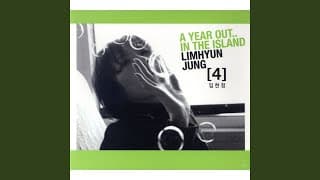
사랑은 봄비처럼... 이별은 겨울비처럼
"사랑은 봄비처럼... 이별은 겨울비처럼" (Love Like Spring Rain... Farewell Like Winter Rain) by Lim Hyun-jung is one of the most iconic Korean ballads of the early 2000s. Released in 2003, it remains a "steady seller" that resurfaces on music charts whenever it rains in South Korea. Here is an analysis of the song: 1. Overall Theme The song explores the inevitable cycle of love and heartbreak using the metaphor of seasonal rain. It contrasts the gentle, life-giving warmth of a new romance (spring rain) with the harsh, numbing isolation of a breakup (winter rain), suggesting that both are natural, albeit contrasting, parts of the human experience. 2. Key Lyrics Analysis * "Love drenching my heart like spring rain / Separation freezing the whole world like winter rain": This core refrain highlights the sensory shift of emotions. Spring rain is depicted as something that quietly seeps into the soul to foster growth, while winter rain is portrayed as a force that halts life and turns the world cold and stagnant. * "I didn't know back then that love would be this painful": These lyrics capture the innocence and naivety of entering a relationship. It reflects the realization that the "warmth" of the beginning makes the eventual "cold" of the end even harder to bear. * "The memories are still there, falling like rain": This suggests that memories of a past lover are persistent and uncontrollable, much like the weather. 3. Emotional Tone The tone is melancholic, poetic, and serene. Unlike many "breakup ballads" that feature explosive high notes or aggressive grief, Lim Hyun-jung’s delivery is restrained and breathy. It conveys a sense of resigned sadness and quiet reflection, making the listener feel like they are watching rain fall through a window. 4. Cultural Context In Korean culture, "rain" is a deeply romanticized and bittersweet motif in art and music. This song solidified the trope of the "Rainy Day Anthem." In Korea, specific songs are culturally "assigned" to seasons or weather patterns; this track is arguably the most famous song associated with the transition between seasons and rainy weather, frequently appearing on radio broadcasts and playlists as soon as the first raindrops fall. 5. Artist Context Lim Hyun-jung is a respected singer-songwriter who wrote, composed, and produced this track herself. While she has several hits, this song is her "magnum opus" and the definitive track of her career. It established her as a musician with a literary sensibility. The song has been covered by countless younger artists (such as Jung Seung-hwan and various K-pop idols), proving its timeless appeal across generations in the Korean music industry.

My whole world
"My whole world" (Korean title: 나의 온기, meaning "My Warmth") by Car, the Garden is a soulful ballad that explores the depth of devoted love and the comfort found in a significant other. Here is an analysis of the track: 1. Overall Theme The song is a profound confession of how one person can become another's entire universe and source of stability. It centers on the theme of finding a "home" in a loved one, where their presence provides the necessary warmth to survive a cold or lonely world. 2. Key Lyrics Analysis * "You are my whole world": This recurring line serves as the emotional anchor. It signifies a shift from self-centeredness to a life where the partner is the central axis around which everything else revolves. * "I want to live within the scenery that is you" (그대라는 풍경 속에 난 살고 싶어): This metaphor suggests that the partner isn't just someone the singer looks at, but a world they want to inhabit permanently. It reflects a desire for deep intimacy and belonging. * "My heart's warmth only looks for you" (내 마음의 온기): The Korean title focuses on *Ongi* (warmth). The lyrics suggest that the singer's internal peace and emotional "temperature" are entirely dependent on the presence of the loved one. 3. Emotional Tone The tone is wistful, serene, and deeply romantic. Car, the Garden’s signature husky and soulful voice adds a layer of raw vulnerability to the track. While the melody is soothing, there is an underlying sense of "desperate devotion"—a feeling that without this person, the singer's world would lose its meaning and warmth. 4. Cultural Context In the Korean music scene, Car, the Garden is often associated with the "K-Indie" and "City Pop" vibes, but he is most celebrated for his "emotional ballads" that resonate with the concept of comfort (위로). This song fits into a cultural trend in Korea where music is used as a form of healing or "healing-song" (힐링송), providing listeners with a sense of peace amidst the high-pressure environment of daily life. 5. Artist Context Car, the Garden (born Cha Jung-won) transitioned from his earlier moniker "Mayson the Soul" to his current name to reflect a more organic, grounded sound. "My whole world" showcases his evolution into a premier vocalist capable of carrying heavy emotions with minimal artifice. It cements his reputation as an "OST King" style artist—someone whose music feels like the soundtrack to a poignant cinematic moment, blending indie sensibilities with mainstream appeal.

LE SSERAFIM (르세라핌) 'SPAGHETTI (feat. j-hope of BTS)' OFFICIAL MV
It is important to clarify that "SPAGHETTI (feat. j-hope of BTS)" is not an official song or music video released by LE SSERAFIM, j-hope, or HYBE LABELS. This title refers to a popular fan-made concept or AI-generated track that has circulated on YouTube and TikTok. These videos use sophisticated editing and AI voice models to simulate what a collaboration between these artists might sound like. Below is an analysis of the concept and viral phenomenon surrounding this fictional track: 1. Overall Theme As a conceptual "fan-made" track, the song is themed around playful chaos and the "tangled" nature of modern life or relationships. Using "Spaghetti" as a central metaphor, the theme suggests that even when things are messy, complicated, or intertwined, they can still be enjoyable and "delicious." 2. Key Lyrics Analysis (Common AI/Fan Tropes) * *"Tangled like spaghetti, but we’re ready"*: This line (often found in AI versions) represents the signature LE SSERAFIM "fearless" attitude—acknowledging a messy situation but remaining confident. * *j-hope’s Verse*: In these concepts, j-hope’s lyrics usually focus on "Hope" and "Street" vibes, adding a rhythmic flow that parallels the "twisting" of the noodles, acting as a mentor figure who encourages the group to find their rhythm in the chaos. 3. Emotional Tone The song conveys a high-energy, quirky, and experimental tone. It mimics the "Anti-fragile" or "CRAZY" era of LE SSERAFIM—bright, rhythmic, and slightly eccentric—combined with j-hope’s signature "Jack in the Box" era grittiness and playful "Hope World" energy. It is designed to feel like an "earworm" (a song that gets stuck in your head). 4. Cultural Context * AI in K-Pop: This "song" is a prime example of the AI Music Trend within K-pop fandoms. Fans use AI to create "what if" scenarios, imagining collaborations between senior (Sunbae) and junior (Hoobae) artists within the same label (HYBE). * Food Metaphors: Using food items as song titles (like "Spaghetti," "Butter," or "Ice Cream") is a common K-pop trope used to create catchy, visually vibrant concepts that are easy to market globally. 5. Artist Context * LE SSERAFIM: In the context of their career, a song like this fits their "Fearless" branding—taking something mundane (spaghetti) and making it a statement of confidence. It aligns with their recent shift toward more club-oriented and experimental sounds (like their mini-album *CRAZY*). * j-hope: For j-hope, this "feature" represents his role as a main dancer and performance leader within HYBE. Fans often pair him with LE SSERAFIM because both artists are known for high-intensity choreography and a "cool" street-style aesthetic. *Note: To see official LE SSERAFIM content, you should check the verified "HYBE LABELS" or "LE SSERAFIM" YouTube channels, as they have not officially released a track by this name.*