
Latest Articles

Bawa Dia Kembali
"Bawa Dia Kembali" (Bring Him Back) is a powerful ballad by Indonesian singer Mahalini that showcases her signature ability to convey deep heartbreak. ### 1. Overall Theme The song centers on the theme of desperate longing and the inability to let go of a loved one who has departed. It is structured as a prayer or a plea to a higher power, expressing the raw pain of a separation that feels premature and unbearable. ### 2. Key Lyrics Analysis * "Tuhan, tolonglah diriku / Tuk bawa dia kembali" *(God, please help me / To bring him back)*: These lines establish the song's core premise—a plea to the Divine. It suggests that the narrator has exhausted all human effort and is now turning to a miracle to fix their broken heart. * "Mengapa Kau ambil dia / Di saat ku sedang sayang-sayangnya?" *(Why did You take him / When I was loving him the most?)*: This is the most poignant line of the song. It touches on the "cruelty of timing," questioning why fate separates people exactly when their bond is at its strongest. * "Ku tak bisa bila harus tanpa dia" *(I cannot [live] if I must be without him)*: This reflects the theme of emotional dependency and the feeling that one’s world has stopped moving because a specific person is no longer in it. ### 3. Emotional Tone The tone is melancholic, vulnerable, and desperate. Mahalini’s vocal delivery starts soft and fragile, building into a powerful, belt-heavy climax that mirrors the escalation of grief from quiet sadness to an agonizing scream for help. It captures the feeling of "hopeless hope." ### 4. Cultural Context In Indonesia, the song falls under the "Lagu Galau" genre—a term used for emotional, "sad-boy/sad-girl" anthems that resonate deeply with the public. The act of addressing God in a pop song about heartbreak is a common cultural reflection in Indonesia, where spirituality and daily emotional life are often intertwined. The lyrics resonate with anyone experiencing loss, whether through a breakup or, more poignantly, through death. ### 5. Artist Context Released early in her career (2019), "Bawa Dia Kembali" served as the foundation for Mahalini's identity as the "Queen of Sad Songs" in the Indonesian music industry. While she later achieved massive commercial success with hits like "Sisa Rasa" and "Melawan Restu," this song remains a fan favorite because it highlights her technical vocal range and her ability to evoke empathy through storytelling. It set the stage for her debut album, *fábula*, which solidified her status as a top-tier soloist.

Mo Chavo
"Mo Chavo" is a vibrant, modern ethno-pop track by the artist Gya that blends contemporary dance beats with traditional Romani-Balkan influences. Here is an analysis of the song: 1. Overall Theme The song is a passionate and flirtatious declaration of love and obsession. It centers on the narrator’s intense attraction to a specific man ("Mo Chavo"), describing the intoxicating effect he has on her and her desire to be with him exclusively. 2. Key Lyrics Analysis * "Mo chavo, mo chavo": This is the central hook of the song. In the Romani language, *Chavo* literally means "boy" or "son," but in this romantic context, it translates to "My boy" or "My guy." It establishes a sense of affection and possession. * Metaphors of "Sweetness": Like many songs in this genre, the lyrics often compare the lover to something sweet or addictive. The narrator describes being "drunk" or "crazy" without alcohol, implying that his presence alone is a stimulant. * The "Burning" Sensation: The lyrics frequently reference heat and fire, symbolizing the physical chemistry and the "burning" desire the narrator feels when the subject of the song is near. 3. Emotional Tone The tone is playful, energetic, and celebratory. It is designed as a "club banger" or a party anthem. While the lyrics speak of obsession, the delivery is not dark; rather, it is full of confidence and rhythmic joy, meant to make the listener dance. 4. Cultural Context * Language Fusion: The song is a prime example of Balkan "Ethno-pop" or "Chalga/Manele" influence, where Romani (Chib) words are mixed with the artist's native language (Bulgarian). This linguistic blending is common in the Balkans and signifies a shared cultural space in music. * Musical Style: The rhythm is heavily influenced by Reggaeton and Moombahton, but it maintains a distinct Balkan identity through the vocal trills and specific percussion patterns traditional to Romani music. 5. Artist Context Gya is known for her ability to modernize traditional sounds. "Mo Chavo" serves as a signature track in her discography, solidifying her image as a contemporary "pop-folk diva." The song helped her reach a broader international audience beyond the local Balkan scene, as the catchy "Mo Chavo" hook is easy for non-speakers to sing along to, making it a staple in Mediterranean and Eastern European dance clubs.

I Just Might
"I Just Might" is an unreleased demo/track by Bruno Mars, likely recorded during his early career (circa 2010-2012). It highlights his signature blend of soulful R&B and melodic pop. Here is an analysis of the song: Overall Theme The song explores the internal conflict between responsibility and romantic temptation. It depicts the restlessness of a narrator who knows he should be resting or working, but finds himself irresistibly drawn to the idea of a late-night encounter with a love interest. Key Lyrics Analysis * "I know I should be sleeping, but I'm thinking about you": These opening lines establish the central tension of the song. It captures the universal experience of "late-night longing" where logic (the need for sleep) is overridden by emotional desire. * "I'm staring at the ceiling, wondering what you're doing": This lyric emphasizes the narrator's preoccupation. The "ceiling" imagery suggests a sense of isolation that can only be cured by the presence of the other person. * "I just might... I just might be late": The repetition of the title phrase highlights indecision. However, the progression of the lyrics suggests that "I just might" is actually a soft "yes"—a realization that he has already decided to give in to his impulses. Emotional Tone The tone is flirtatious, soulful, and slightly restless. The smooth R&B production gives it a "vibe-heavy" feel that is both relaxed and yearning. It conveys the excitement of spontaneous romance mixed with the gentle frustration of not being able to focus on anything else. Cultural Context The song reflects the "booty call" or "late-night text" culture that became a staple of R&B songwriting in the early 2010s. It captures the spontaneity of modern dating where plans are often made on a whim in the middle of the night, driven by digital connectivity and instant gratification. Artist Context "I Just Might" belongs to the era of The Smeezingtons (Bruno’s songwriting and production trio). It showcases Bruno Mars in his "R&B crooner" phase, reminiscent of his work on *Doo-Wops & Hooligans*. While it never made it onto a studio album, it serves as a testament to his ability to write relatable, catchy hooks even in his early unreleased demos, laying the groundwork for his future status as a pop-R&B icon.

Dardos
"Dardos" (Darts) is a powerful bachata collaboration between the two biggest icons of the genre, Romeo Santos and Prince Royce. Featured on Romeo's 2022 album *Fórmula, Vol. 3*, the song is a masterclass in modern bachata storytelling. ### 1. Overall Theme The song explores the agonizing aftermath of a breakup characterized by betrayal and emotional cruelty. It uses the metaphor of "darts" to describe the words and actions of a former lover who systematically dismantled the narrator’s heart, leaving him to suffer while she remains indifferent. ### 2. Key Lyrics Analysis * "Me lanzaste los dardos de tu desprecio" (*You threw the darts of your contempt at me*): This line establishes the central metaphor. It suggests that the breakup wasn't just a mutual parting, but a targeted attack where the woman used "contempt" as a weapon to wound his ego and emotions. * "El amor no es un juego, pero tú jugaste a ganar" (*Love isn’t a game, but you played to win*): Here, the narrator laments the power imbalance. While he was emotionally invested in a partnership, his partner viewed the relationship as a competition or a conquest, leaving him as the "loser" of the breakup. * "En el blanco de mi pecho, ahí fue que diste" (*You hit the bullseye of my chest*): This signifies that the partner knew exactly where his vulnerabilities were. It conveys a sense of betrayal—the person who knew him best used that knowledge to cause the most pain possible. ### 3. Emotional Tone The song carries a heavy tone of "despecho" (a Spanish term for the mixture of spite, resentment, and heartbreak). There is a palpable sense of vulnerability and defeat. While the melody is rhythmic and danceable (characteristic of bachata), the vocal delivery—marked by high notes and "ay" ad-libs—conveys deep sorrow and the frustration of being unable to move on as quickly as the other person. ### 4. Cultural Context "Dardos" sits firmly within the tradition of "Bachata de Amargue" (bitterness music). Historically, bachata was music from the rural Dominican Republic that focused on the hardships of love and poverty. Even as Romeo and Royce have "urbanized" and polished the sound for a global audience, "Dardos" retains that traditional Dominican soul of using music as a cathartic release for romantic suffering. ### 5. Artist Context This collaboration is a "monumental" event in Latin music. For over a decade, fans and media often fueled a rivalry between Romeo Santos (the "King of Bachata") and Prince Royce (the "Prince of Bachata") for dominance over the genre. * By collaborating on "Dardos," they silenced rumors of animosity and solidified their roles as the twin pillars of modern bachata. * For Romeo, it was a standout track on an album meant to celebrate the genre’s versatility. * For Royce, it was a return to his "pure bachata" roots alongside the mentor-figure he grew up admiring.

BIRDS OF A FEATHER
"BIRDS OF A FEATHER" is one of the standout tracks from Billie Eilish’s third studio album, *HIT ME HARD AND SOFT* (2024). Here is an analysis of the song: 1. Overall Theme The song explores the concept of "soulmates" through a lens of intense, obsessive, and eternal devotion. It focuses on a love so deep that the narrator cannot imagine an existence without their partner, even suggesting that their bond should transcend life and continue into death. 2. Key Lyrics Analysis * "Birds of a feather, say we should stick together": This utilizes the common English idiom "birds of a feather flock together," meaning people with similar characters or interests belong together. It establishes the couple as two of a kind. * "I want you to stay 'til I’m in the grave / 'Til I rot away, dead and buried": This is classic Billie Eilish—juxtaposing a "pretty" pop melody with macabre, dark imagery. It emphasizes that her love isn't just a fleeting feeling but a lifelong (and beyond) commitment. * "If you go, I'm goin' too": This line highlights a sense of co-dependency. It’s a "ride or die" sentiment that borders on desperation, suggesting that her identity is entirely tied to the other person. * "I might not be the one for you, but you're the only one for me": This introduces a touch of vulnerability and unrequited fear, showing that while her devotion is absolute, she remains insecure about whether the feeling is perfectly matched. 3. Emotional Tone The song features a striking contrast: the production is bright, breezy, and upbeat (reminiscent of 80s and 90s soft pop), but the lyrics are heavy, obsessive, and bittersweet. This creates a feeling of "euphoric melancholy"—the high of being in love mixed with the crushing fear of losing that person. 4. Cultural Context The song resonated heavily on social media (particularly TikTok and Instagram) due to its "universal love song" quality. While much of modern pop focuses on heartbreak or casual dating, "BIRDS OF A FEATHER" taps into a more traditional, "eternal love" trope, albeit with a modern, Gothic twist that appeals to Gen Z’s appreciation for emotional intensity. 5. Artist Context Within Billie Eilish’s career, this song marks a significant vocal evolution. Known early on for her "whisper-pop" style, she uses this track to showcase a more powerful, belt-heavy vocal range, particularly in the final chorus and bridge. Produced by her brother FINNEAS, the song demonstrates their ability to create "stadium pop" that still retains the intimate, slightly "weird" emotional core that made them famous.

Garam & Madu (Sakit Dadaku)
"Garam & Madu (Sakit Dadaku)" by Tenxi is a contemporary Indonesian pop song that has gained significant traction on social media platforms for its relatable portrayal of heartbreak. Here is an analysis of the song: 1. Overall Theme The song explores the painful transition of a romantic relationship from a state of sweetness and affection to one of bitterness and betrayal. It centers on the metaphor of "Honey" (love) turning into "Salt" (pain), highlighting how a person who was once a source of comfort has become a source of profound emotional and physical distress. 2. Key Lyrics Analysis * "Dulu kau bagai madu, kini kau bagai garam" (*Before you were like honey, now you are like salt*): This is the central metaphor of the song. Honey represents the "honeymoon phase" and the sweetness of being in love, while salt represents the stinging pain of a wound and the bitterness of disappointment. * "Sakit dadaku, sesak nafas bila ingat dirimu" (*My chest hurts, I feel short of breath when I remember you*): These lines describe the physical manifestations of grief. In Indonesian culture, "sakit dada" (chest pain) is a common way to describe the heavy, crushing feeling of a broken heart. * "Kau lukai aku sesuka hatimu" (*You hurt me as you please*): This suggests a power imbalance or a sense of betrayal, where the narrator feels their feelings were disregarded or treated carelessly by their partner. 3. Emotional Tone The tone is deeply melancholic, vulnerable, and resentful. It captures the "Galau" (heavily troubled/confused heart) sentiment that is very popular in Indonesian music. There is a sense of exhaustion and disbelief that someone who was once so loved could cause such intense suffering. 4. Cultural Context * "Lagu Galau" Culture: In Indonesia, there is a specific sub-genre of pop music referred to as *Lagu Galau*. These are songs designed to be listened to during heartbreak. "Garam & Madu" fits perfectly into this niche, using simple, direct language that resonates with the everyday experiences of young people. * Physicality of Emotion: Indonesian lyrics often describe emotional pain through physical symptoms (breathlessness, chest pain, "nyesek"), emphasizing that heartbreak isn't just "in the head" but is felt throughout the body. 5. Artist Context Tenxi represents a wave of modern Indonesian artists who leverage digital platforms like TikTok and YouTube to reach their audience. This song fits into Tenxi's repertoire of "relatable pop"—music that prioritizes emotional resonance and catchy, easy-to-sing-along-to choruses over complex production. The song's success is largely due to its "viral" quality, as the lyrics are frequently used by social media users to soundtrack their own stories of romantic disappointment.

Ik Tarfa
"Ik Tarfa" by Arjan Dhillon & The Culprit is a contemporary Punjabi track that explores the nuances of unrequited or imbalanced love. Arjan Dhillon, known for his lyrical prowess, uses this song to delve into the psychological toll of loving someone who doesn't reciprocate with the same intensity. Here is an analysis and explanation of the song: ### 1. Overall Theme The song centers on the concept of one-sided love (Ik Tarfa) and the emotional exhaustion that comes with it. It describes a relationship where there is a massive disparity in effort, where one person is deeply emotionally invested and lives in constant fear of loss, while the other remains indifferent and detached. ### 2. Key Lyrics Analysis * "Mainu darr rehnda kitte kho na javein, tu be-khauf jeha firda ae." * *Meaning:* "I live in constant fear of losing you, while you roam around fearless and unconcerned." This line highlights the power imbalance in the relationship; the person who cares less holds all the power, leaving the lover in a state of perpetual anxiety. * "Mere dil di gall mere dil vich reh gayi." * *Meaning:* "The words of my heart remained trapped within my heart." This emphasizes the silence and internal suffering of a lover who feels they cannot voice their feelings because the other person isn't ready to listen or care. * "Tera shehar, teri gali, tera ghar... sab paraya lagda." * *Meaning:* Even when the protagonist is physically close to the person they love (in their city or street), the lack of emotional connection makes everything feel "alien" or "foreign." It signifies emotional displacement. ### 3. Emotional Tone The tone of the song is melancholy, vulnerable, and resigned. Unlike aggressive "heartbreak" songs that focus on betrayal or anger, "Ik Tarfa" is softer. It conveys a sense of loneliness and the quiet sadness of realizing that you are "second best" or an afterthought in someone else's life. The music by The Culprit complements this with a moody, atmospheric production that enhances the feeling of isolation. ### 4. Cultural Context In Punjabi music, the "Aashiq" (lover) is often portrayed as a figure of sacrifice. Arjan Dhillon leans into this tradition but modernizes it. He moves away from traditional folk metaphors and uses contemporary urban settings (references to modern lifestyle, social interactions, and city life) to make the pain of unrequited love relatable to today’s youth. The song resonates with the "situationship" culture where boundaries and feelings are often left unclarified. ### 5. Artist Context Arjan Dhillon has carved a unique niche in the Punjabi industry as a writer-first artist. While many of his contemporaries focus on "flex" culture (cars, weapons, and status), Arjan is celebrated for his deep vocabulary and ability to articulate complex human emotions. "Ik Tarfa" solidifies his reputation as a versatile storyteller who can transition from high-energy "Jatt" anthems to soulful, poetic ballads, proving his range as both a lyricist and a vocalist.

Residuals
"Residuals" is a standout R&B ballad from Chris Brown’s 11th studio album, *11:11* (2023). The song showcases his vocal range and his ability to tackle the complexities of modern heartbreak. Overall Theme The song explores the "leftover" feelings and memories that linger after a significant breakup. It describes the internal struggle of trying to build a new life with someone else while still being emotionally haunted by the presence and intimacy of a former lover. Key Lyrics Analysis * "I'm still tastin' your lips on mine / Even when I'm with her, I'm thinkin' 'bout you every time." This highlights the sensory memory of a past relationship. It portrays a sense of guilt and infidelity of the mind, where the physical presence of a new partner cannot erase the mental imprint of the old one. * "Residuals, leftovers, things that I can’t get rid of." By using the term "residuals"—a word typically associated with recurring payments or financial remainders—Brown suggests that the love he gave continues to pay "emotional dividends" that he didn't ask for. He views his lingering feelings as a debt he can't stop paying. * "How I'm supposed to give my heart to somebody else when you got a piece of it?" This line speaks to the "fragmented self." It suggests that a person isn't "whole" after a deep connection ends, making it impossible to be fully present or fair to a new partner. Emotional Tone The tone is melancholy, vulnerable, and deeply conflicted. There is a sense of exhaustion in the lyrics—the fatigue of wanting to move on but being psychologically tethered to the past. The production is atmospheric and stripped-back, allowing the sadness and desperation in Brown's vocals to take center stage. Cultural Context The song leans into the "Toxic R&B" aesthetic that has dominated the genre in the 2020s. However, instead of being cold or dismissive, it offers a more self-aware look at the collateral damage of a breakup. The metaphor of "residuals" resonates in a digital age where "ghosts" of exes remain through social media, old photos, and digital footprints, making it harder to achieve total closure. Artist Context "Residuals" highlights Chris Brown’s evolution as a veteran R&B artist. While he is often known for high-energy dance tracks and "club bangers," this song reinforces his status as a premier balladeer. It fits into the more mature, reflective side of the *11:11* album, proving that after two decades in the industry, he can still tap into the raw, universal pains of romance to connect with a global audience.

Under The Influence
"Under The Influence" is a standout track by Chris Brown that blends contemporary R&B with Afrobeats influences. Though originally released in 2019, it gained massive global popularity years later. Here is an analysis of the song: 1. Overall Theme The song explores the intoxicating intersection of physical lust and substance use. It depicts a late-night encounter where the narrator is "under the influence" of both drugs (specifically codeine/cough syrup) and the overwhelming sexual chemistry he shares with a partner. 2. Key Lyrics Analysis * "Kush with a little bit of codeine / Girl, you know I'm with the team": This establishes the setting of the song—a party or private hangout fueled by substances, setting a "hazy" atmosphere. * "I don't know why this st got me buzzin' / I'm under the influence": Here, the word "influence" has a double meaning. While he is literally high on substances, he is also intoxicated by the woman’s presence and her body. * "Your body's like a drug to me / I'm addicted, I'm a junkie": This classic metaphor compares romantic or sexual obsession to chemical dependency, suggesting that he has lost control of his senses. 3. Emotional Tone The tone is seductive, hypnotic, and slightly dark. The production, characterized by a slow, pulsing beat and Chris Brown’s high-register vocals, creates a "dreamlike" or "trance-heavy" vibe. It conveys a sense of late-night recklessness where inhibitions are lowered and desire takes over. 4. Cultural Context * The TikTok Effect: While the song was released on the extended version of the 2019 album *Indigo*, it didn't become a massive hit until 2022. It went viral on TikTok due to various dance challenges and "slowed + reverb" versions, proving how social media can breathe new life into older tracks. * Afrobeats Influence: The song was produced by Nigerian producer Kiddominant. The rhythmic structure draws heavily from the Afrobeats genre, which was exploding in global popularity at the time, helping the song appeal to an international audience. 5. Artist Context "Under The Influence" solidifies Chris Brown’s reputation as a "longevity" artist in R&B. It highlights his ability to adapt to new sounds (like Afrobeats) while maintaining his signature melodic style. The song’s delayed success is a rare feat in the streaming era, marking one of the biggest hits of his later career and cementing *Indigo* as one of his most commercially significant projects.

Marcus & Martinus, Katastrofe - Elektrisk
"Elektrisk" by Marcus & Martinus (featuring Katastrofe) is a landmark track in Scandinavian pop history. Released in 2015, it became a massive commercial success and a defining anthem for the duo’s younger fanbase. Here is an analysis of the song: 1. Overall Theme The song centers on the exhilaration of young love and the physical sensation of having a crush. It uses the metaphor of electricity to describe the chemistry and "spark" felt when the person they admire is nearby, capturing the innocent but intense emotions of early adolescence. 2. Key Lyrics Analysis * "Du er så elektrisk / Når jeg ser deg får jeg støt" *(You are so electric / When I see you I get a shock)*: This is the core hook of the song. It likens the sight of a crush to a literal static shock or jolt of energy, emphasizing that the attraction is immediate and overwhelming. * "Alt jeg vil er å ha deg her hos meg" *(All I want is to have you here with me)*: These lyrics reflect the simple, universal desire for companionship and the focused attention characteristic of a "puppy love" stage. * "Høyspent, livsfarlig" *(High voltage, life-threatening)*: Used playfully, these terms suggest that the intensity of their feelings is so strong it feels almost dangerous or uncontrollable, adding a sense of excitement to the pop melody. 3. Emotional Tone The tone is euphoric, upbeat, and innocent. The high-tempo production and the bright synth-pop beat mirror the racing heartbeat of a teenager in love. It conveys a sense of pure joy and "feel-good" energy, designed to get people dancing and singing along. 4. Cultural Context In Norway and throughout Scandinavia, "Elektrisk" was a cultural phenomenon. It was one of the first Norwegian-language songs to achieve such massive streaming numbers (currently over 100 million on Spotify and 100 million+ on YouTube). It proved that "MGPjr" (Junior Eurovision) winners could transition into mainstream pop stars and maintain a massive, cross-border "MMer" fanbase in Sweden, Denmark, and Finland despite the language barrier. 5. Artist Context This song was the definitive turning point in Marcus & Martinus's career. While they were already known for winning *Melodi Grand Prix Junior* in 2012, "Elektrisk" transitioned them from child performers into legitimate pop idols. The collaboration with the rapper Katastrofe helped bridge the gap between "kid pop" and radio-friendly dance music, setting the stage for their later transition to singing primarily in English and touring internationally.

Duymasi
"Duymasi" (often spelled as "Tuymasi") is a popular rhythmic track by the Uzbek singer Boburbek Arapbaev. It is a staple of modern Uzbek wedding music, blending traditional folk motifs with contemporary pop arrangements. Here is an analysis of the song: 1. Overall Theme The song is a celebratory wedding anthem ("To’y qo’shig’i") that focuses on the joy, beauty, and festive atmosphere of a marriage ceremony. It specifically highlights the elegance of the couple and the traditional aesthetics of the celebration, serving as a tribute to the "white wedding" attire and the happiness of the occasion. 2. Key Lyrics Analysis * "Oq ko’ylakning duymasi" (The buttons of the white dress/shirt): The central metaphor of the song revolves around the "buttons" (duymasi/tugmasi). In Central Asian folk poetry, focusing on small details like buttons or embroidery is a way to praise the perfection and grace of the wearer. It signifies that every detail of the bride or groom is beautiful. * Repetitive Rhythmic Hooks: The song uses repetitive phrases common in "Yor-Yor" (traditional wedding songs) style. This is designed to invite guests to the dance floor, emphasizing that the wedding is a collective joy for the community and family, not just the couple. * Descriptions of the "Yor" (Beloved): The lyrics often praise the "sweet talk" and "stature" of the beloved, reinforcing the theme of admiration and the beginning of a new life together. 3. Emotional Tone The tone is exuberant, high-energy, and joyful. It carries a sense of "bazm" (a grand party), meant to evoke feelings of celebration and communal pride. There is no melancholy in this track; it is purely rhythmic and designed to make the listener feel the excitement of a wedding night. 4. Cultural Context * The Uzbek "To'y" Culture: In Uzbekistan, weddings are the most significant social events in a person’s life, often involving hundreds of guests. Songs like "Duymasi" are essential for the dance portion of the evening. * Regional Influence: Boburbek Arapbaev’s style often incorporates rhythms from the Fergana Valley or Khorezm regions, which are known for their fast-paced, infectious percussion that is synonymous with Uzbek celebrations. 5. Artist Context Boburbek Arapbaev has carved out a niche as a premier "To’y" artist. While some artists focus on radio ballads, Arapbaev’s career is built on his ability to perform at live events and create "hits" that wedding DJs across the country will play. "Duymasi" is one of his most recognizable tracks, helping establish him as a leading voice in the modern Uzbek folk-pop scene. It fits into his discography as a high-tempo "hit" that bridges the gap between traditional values and modern pop production.
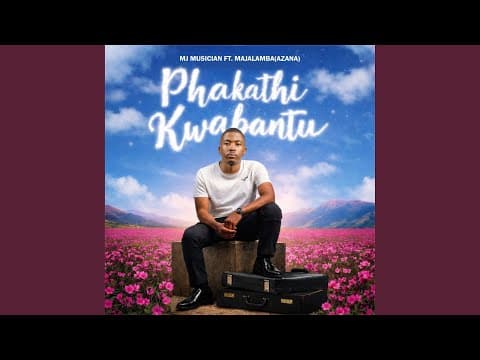
Phakathi Kwabantu
“Phakathi Kwabantu” by Mawethu Music is a soulful Afro-house track that resonates deeply with the contemporary South African experience. Here is an analysis of the song: 1. Overall Theme The song explores the complexities of navigating one's personal journey, dreams, and struggles while living in the public eye or a judgmental society. It translates to "Amongst the People" and serves as a reflection on maintaining one’s identity, dignity, and focus while surrounded by the noise and expectations of the world. 2. Key Lyrics Analysis * "Phakathi kwabantu" (Amongst the people): This recurring phrase highlights the social setting of the song. It suggests that while we are physically part of a community, our internal battles and personal growth are often solitary experiences. * The theme of "Ukuzithoba" (Humility): The lyrics often touch upon moving through the world with a quiet spirit. It suggests that true success or "making it" doesn't require loud boasting, but rather a steady walk among others while keeping your goals private. * The struggle for survival: Like many songs in the Afro-soul genre, there is an underlying narrative about "ukusebenza" (working hard) and the pressure to succeed so that one is not looked down upon by the community. 3. Emotional Tone The song carries a reflective and atmospheric tone. It is not an aggressive "club banger" but rather a "spiritual house" track. It evokes feelings of: * Introspection: Making the listener think about their own place in society. * Melancholy mixed with Hope: There is a sense of the weight of the world, but the melody provides a soothing, optimistic resolution. * Serenity: The smooth production creates a sense of calm amidst the "crowd" mentioned in the title. 4. Cultural Context In South African culture, the concept of "Abantu" (the people) is powerful. There is a common social anxiety regarding what "abantu" will say about your failures or your progress. The song taps into this cultural phenomenon, addressing the need to navigate life carefully within a collective society where everyone is watching. It mirrors the transition of many young South Africans from rural or township backgrounds into busy urban spaces where they must find their own way. 5. Artist Context Mawethu Music is known for his ability to blend deep, soul-stirring vocals with sophisticated electronic production. "Phakathi Kwabantu" fits perfectly into his discography as a song that prioritizes "conscious" lyrics over simple hooks. It showcases his role in the "New Wave" of South African artists who use House music as a tool for storytelling and spiritual expression, similar to artists like Sun-El Musician or Mthunzi.