Latest Articles

VIP (avec XVI)
"VIP (avec XVI)" is a high-energy track by the rising French rapper La Mano 1.9, featuring XVI. It is a quintessential example of the "Jersey Drill" trend that has dominated the French rap scene recently. Here is an analysis and explanation of the song: ### 1. Overall Theme The song is a high-octane "ego-trip" anthem that celebrates social elevation and the transition from the streets to the "VIP" lifestyle. It focuses on the artists' newfound success, their dominance in the rap game, and the contrast between their gritty origins and their current status in the spotlight. ### 2. Key Lyrics Analysis * "J'suis dans le carré, j'suis VIP": This is the central hook. The "carré" refers to the restricted VIP section in a nightclub. It symbolizes the shift from being an outsider to being an "important person" who is prioritized and protected. * "C’est la Mano, c’est le 1.9": La Mano 1.9 frequently shouts out his name and his department (91 - Essonne). This reinforces his identity and pays homage to his roots in the Parisian suburbs, suggesting that even in a VIP setting, he represents his neighborhood. * "On fait du sale pour le bif": This line translates to "We do dirty things for the money." It acknowledges the "grind" and the often-harsh realities of the street life that funded their current lifestyle before the music took off. * "Jersey, drill, on mélange tout": This meta-commentary refers to the musical style of the track—a fusion of the fast-paced Jersey Club "kick" and the dark, aggressive lyricism of Drill music. ### 3. Emotional Tone The tone is aggressive, triumphant, and hyper-energetic. Because the song uses a high BPM (typical of Jersey Drill), there is a sense of urgency and movement. It isn't meant to be "deep" or emotional in a vulnerable way; instead, it conveys raw confidence and the adrenaline of a wild night out or a successful "heist" in the music industry. ### 4. Cultural Context * Jersey Drill Movement: The song is part of the massive wave in France (led by artists like Gazo and Kerchak) that imported the Jersey Club sound from Newark, USA, and blended it with French street rap. * The "91" (Essonne): La Mano 1.9 hails from the 91 department, a legendary area for French rap (home to PNL and Niska). The song fits into the tradition of "91" rappers who prioritize flow and charisma. * Club Culture: In the French *banlieues* (suburbs), the "VIP" section of a club is a powerful status symbol of having "made it" out of poverty. ### 5. Artist Context For La Mano 1.9, "VIP" served as a defining track that solidified his collaboration with XVI. It helped establish him not just as a street rapper, but as a "hitmaker" capable of producing tracks that work both on the radio and in the club. It represents his peak during the 2023-2024 Jersey Drill explosion, showcasing his signature rapid-fire delivery and raspy voice.

5-7 (Music Video) Karan Aujla | Mxrci | Alankriitaa Sahai | Rehaan Records | Punjabi Songs 2026
"5-7" is a standout track from Karan Aujla’s highly successful 2023 album *Making Memories*, produced by Mxrci. Despite the "2026" date in the title provided (likely a typo or a re-upload tag), the song remains a staple in modern Punjabi urban music. Here is an analysis of the song: Overall Theme The song is a sophisticated romantic anthem that revolves around the narrator’s admiration for a woman’s physical grace, specifically highlighting her height (5 feet 7 inches). It blends themes of attraction and luxury with a suave, "cool" persona, portraying a high-status lifestyle where the artist is captivated by a woman who matches his energy. Key Lyrics Analysis * "Kad tera 5-7, nakhre di hadd ni": This is the central hook. "Kad" means height; he is literally praising her 5'7" stature while noting that her "nakhra" (flirtatious attitude/pride) is limitless. It sets a specific standard of beauty that the song celebrates. * "Sadi vi maut jivein likhi tere hath ni": Translating to "It’s as if my death is written in your hands," this is a classic Punjabi poetic hyperbole. It suggests that her beauty is so powerful and overwhelming that the narrator is completely at her mercy. * "Mxrci it’s a wide open beat": While not a lyrical verse, the shout-out to the producer Mxrci signifies the "West Coast" hip-hop influence. The lyrics often weave between the woman’s beauty and Aujla’s own reputation, creating a "power couple" narrative. Emotional Tone The tone is confident, flirtatious, and smooth. Unlike traditional "sad" Punjabi love songs, "5-7" feels like a celebration. Aujla’s delivery is relaxed and rhythmic, backed by a groovy, synth-heavy production that evokes a sense of "Main Character" energy and summertime vibes. Cultural Context The song represents the "Urban Punjabi" genre, which caters to both the youth in Punjab and the global diaspora (Canada, UK, USA). By focusing on height and fashion, Aujla modernizes traditional folk tropes (where a woman’s physical features are praised) and places them in a contemporary setting filled with luxury cars and designer aesthetics. It reflects a culture where Western hip-hop production meets traditional Punjabi lyrical themes. Artist Context "5-7" marks a pivotal era in Karan Aujla’s career. Historically known for his "tough" lyrical style and aggressive rap battles, this song (and the *Making Memories* album) showcased his evolution into a global pop star. By collaborating with producer Mxrci, Aujla moved toward a more melodic, commercially accessible sound that helped him break into international charts (like the Billboard Canadian Albums chart), proving he could be just as successful with romantic "vibey" tracks as he was with hardcore rap.

BLACKPINK - ‘GO’ M/V
It is important to clarify first that "GO" is not an official song released by BLACKPINK. It is a viral AI-generated or fan-made track that has gained significant popularity on platforms like YouTube and TikTok. These "AI covers" or "AI concepts" use sophisticated software to mimic the voices of Jisoo, Jennie, Rosé, and Lisa. Because it captures the signature BLACKPINK "Girl Crush" style so accurately, many fans often mistake it for a leaked or official song. Here is an analysis based on the most popular version of this fan-made/AI track: ### 1. Overall Theme The song centers on female empowerment, unstoppable ambition, and dominance. It portrays the members as high-achievers who are constantly "on the go," leaving their competitors behind while maintaining a luxurious and confident lifestyle. ### 2. Key Lyrics Analysis * "I’m on the move, I’m on the go / Watch me shine, watch me show": These lines represent the core hook of the song. They emphasize a fast-paced life where the group is always evolving and outperforming their previous achievements. * "Top tier, no ceiling / You know the vibe, you know the feeling": This reflects the "top-of-the-world" status that BLACKPINK holds in the real industry. It uses common K-pop tropes of luxury and "unreachable" status to create a sense of authority. * The Rap Verses (usually styled after Lisa/Jennie): These sections typically involve "flexing" about wealth, fashion, and charisma, dismissing haters who can't keep up with their pace. ### 3. Emotional Tone The tone is fierce, aggressive, and highly energetic. It utilizes a heavy bassline and "trap" influences to evoke a sense of "Bad Bitch" energy. It is designed to make the listener feel powerful and motivated, mirroring the high-octane energy of official hits like *“How You Like That”* or *“Pink Venom.”* ### 4. Cultural Context This song is a prime example of the AI Revolution in K-pop fandoms. Because BLACKPINK has long hiatuses between official group comebacks, fans (BLINKs) often use AI technology to create "what if" songs. This reflects a shift in digital culture where fans no longer just consume content but use technology to generate new experiences that fit the specific "brand identity" of their favorite artists. ### 5. Artist Context Within the context of BLACKPINK’s actual career, "GO" fits perfectly into their "Girl Crush" concept. * Stylistically: It mimics the "Square Up" and "Kill This Love" eras, characterized by heavy EDM drops and bold declarations of self-worth. * Brand Alignment: Even though it isn't official, the song works because it leans into the established BLACKPINK persona: the "Pretty Savage" girls who are global fashion icons and music powerhouses. *Note: If you are looking for an official song with a similar title, you might be thinking of "Gone" (Rosé's solo) or "Ready For Love."*
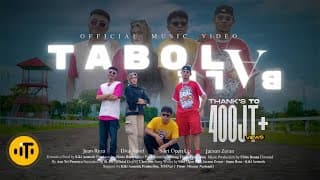
Tabola Bale - Silet Open Up (feat. Jacson Zeran, Juan Reza & Diva Aurel) (Official Music Video)
"Tabola Bale" is a vibrant, high-energy track by Silet Open Up, a prominent rapper from Flores, East Nusa Tenggara (NTT). The song features a collaboration with other Eastern Indonesian artists, blending modern hip-hop with the infectious rhythms of "Musik Timur." Here is an analysis and explanation of the song: ### 1. Overall Theme The song is a celebratory anthem centered on camaraderie, joy, and the spirit of gathering. It describes a festive atmosphere where people come together to dance, forget their troubles, and take pride in their Eastern Indonesian identity and community bonds. ### 2. Key Lyrics Analysis * "Tabola Bale": In the local dialect of Flores/NTT, *Tabola* can refer to a specific rhythmic movement or celebration, while *Bale* means "home" or "return." Together, the phrase suggests a homecoming or a gathering at a local spot where everyone is welcome to join the party. * "Mari jo kawan, goyang dapa asik": This is a direct invitation to friends (*kawan*) to dance (*goyang*) and find a good vibe (*asik*). It reflects the inclusive nature of Eastern Indonesian social culture. * The fast-paced verses (Silet Open Up): Silet’s verses often emphasize his skill and the speed of the rhythm, acting as a "hype man" for the party. He uses lyrics that describe the heat of the dance floor and the unity of the "anak timur" (youth from the East). * Melodic Hooks (Jacson Zeran, Juan Reza & Diva Aurel): These sections add a soulful, pop-reggae feel, emphasizing that while the beat is intense, the heart of the song is about happiness and shared peace. ### 3. Emotional Tone The tone is exuberant, festive, and fiercely positive. There is a sense of "liberation" in the music—an escape from the daily grind into a space of pure rhythmic expression. It carries a strong sense of regional pride, sounding both modern and deeply rooted in the local "joget" (dancing) culture. ### 4. Cultural Context * Musik Timur Movement: This song is a prime example of the "Musik Timur" genre currently booming in Indonesia. It blends Hip-Hop, Reggae, and EDM with the unique linguistic dialects and melodic sensibilities of Eastern Indonesia (NTT, Maluku, and Papua). * Joget Culture: In Eastern Indonesia, social gatherings are incomplete without collective dancing. The song's structure is specifically designed to be played at parties, weddings, and community events to get people on their feet. * Dialect: The lyrics use "Bahasa Melayu Timur" (Eastern Malay), featuring words like *kitong* (we) and *pace/mace* (terms for elders/parents), which strengthens the cultural bond between the performers and their audience. ### 5. Artist Context Silet Open Up has established himself as one of the most successful rappers from Flores. He is known for his incredibly fast delivery (chopper style) and his ability to turn local slang into viral hits. * Collaborative Spirit: This song highlights his role as a bridge-builder in the scene, featuring Jacson Zeran (a hitmaker in the genre) and Juan Reza/Diva Aurel to create a multi-layered sound. * Career Growth: "Tabola Bale" follows a string of hits that helped transition Silet from a local regional artist to a national figure in the Indonesian music industry, proving that regional languages and sounds have massive commercial appeal.

Charanga
The song "Charanga" (often titled "La Charanga") is a staple of the "Cumbias Viejitas" genre—a term used for classic, vintage cumbias from the mid-20th century. While several artists have recorded versions, it is most famously associated with the big-band tropical sound of the 1960s and 70s. Here is an analysis of the song: 1. Overall Theme The song is a festive celebration of music and communal dance. Its primary theme is the irresistible nature of the "Charanga" rhythm and its ability to bring people together in a state of "gozadera" (joyful revelry). It serves as both an invitation to the dance floor and a tribute to the musical genre itself. 2. Key Lyrics Analysis * "Que siga la charanga" (Let the charanga continue): This is the central hook and a command to the band. In this context, it represents the desire for the party never to end and for the "good vibes" to be sustained indefinitely. * "A bailar, a gozar" (To dance, to enjoy): These are the twin pillars of the song. The lyrics focus less on storytelling and more on "call-and-response" cues that guide the listener's movements and emotional state. * "Ritmo sabroso" (Tasty rhythm): In Latin music, "flavor" (sabor) is a metaphor for soul and authenticity. By calling the rhythm "tasty," the singer is highlighting the deep, physical satisfaction found in the beat. 3. Emotional Tone The tone is purely euphoric and high-energy. There is no room for melancholy in "Charanga." It conveys a sense of liberation, movement, and collective happiness. The bright horn sections and driving percussion create a "pueblo" (small town) festival atmosphere where worries are momentarily forgotten. 4. Cultural Context Historically, a Charanga was a specific type of Cuban musical ensemble that featured flute and violins. However, as the sound traveled to Colombia and Mexico (becoming part of the "Cumbias Viejitas" canon), the term evolved to describe a lively, brass-heavy, and fast-paced style of tropical music. In Latin American culture, this song is part of the "Parranda" (party) DNA—it is the kind of music played at weddings, Christmases, and family reunions to ensure everyone, from children to grandparents, gets up to dance. 5. Artist Context "Cumbias Viejitas" is not a single artist but a category of music, often featuring legendary groups like La Sonora Dinamita, Los Corraleros de Majagual, or La Sonora Matancera. "Charanga" fits into the "Golden Age" of Discos Fuentes (the famous Colombian record label). During this era, artists sought to blend traditional folk rhythms with big-band orchestration to make cumbia a sophisticated yet accessible genre that could be exported from the Caribbean coast to the rest of the world.
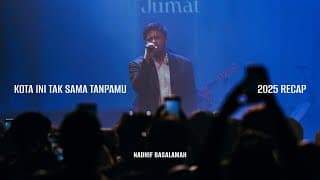
Nadhif Basalamah - "kota ini tak sama tanpamu" 2025 Recap
Here is an analysis and explanation of Nadhif Basalamah’s song, "kota ini tak sama tanpamu" (which translates to "this city is not the same without you"), specifically within the context of the 2025 Recap version. 1. Overall Theme The song explores the profound sense of urban loneliness and the way a physical environment becomes haunted by memories after a breakup or departure. It centers on the idea that a city’s beauty and meaning are derived not from its landmarks, but from the person we share them with; without that person, the entire landscape feels hollow and unrecognizable. 2. Key Lyrics Analysis * "Kota ini tak sama tanpamu" (This city is not the same without you): This recurring line serves as the emotional anchor. It suggests that the "city" (likely Jakarta, given the artist's background) has lost its color. The bustling streets and lights no longer feel alive because the narrator is experiencing them in isolation. * The focus on shared spaces: The lyrics often imply walking through familiar streets or visiting places where "we used to be." The contrast between the *static* nature of the city and the *changed* nature of the relationship creates a poignant sense of grief. * The "Recap" Context: By framing this version as a "2025 Recap," the lyrics take on a retrospective quality. It suggests the narrator has spent an entire year moving through these spaces, hoping the feeling would fade, only to realize by the end of the year that the void remains. 3. Emotional Tone The tone is melancholic, vulnerable, and deeply nostalgic. Unlike an angry breakup song, this is a "quiet" sadness. It carries a sense of resignation—an acceptance that while life goes on and the city keeps moving, the narrator is emotionally stuck in a past version of the city where the loved one still exists. 4. Cultural Context * Urban Loneliness in Indonesia: There is a growing sub-genre in Indonesian indie-pop (often referred to as *senja* or "twilight" music) that deals with the isolation of young adults in mega-cities like Jakarta. The song captures the "Galau" (melancholy/confusion) culture prevalent among Indonesian youth, where emotional vulnerability is expressed through soft, acoustic-driven melodies. * Digital Storytelling: The "Recap" naming convention mirrors social media trends (like Instagram/TikTok year-end recaps). By using this title, Nadhif bridges the gap between traditional songwriting and modern digital culture, treating his emotional journey like a curated summary of a year’s worth of longing. 5. Artist Context Nadhif Basalamah rose to massive fame with his hit "Penjaga Hati," which was a celebratory song about finding a "protector of the heart." "kota ini tak sama tanpamu" represents the darker, more mature flip side of that coin. It solidifies Nadhif’s position as a premier storyteller of modern romance in the Indonesian music scene, moving away from simple love songs toward complex explorations of loss and the passage of time. The "2025 Recap" version showcases his preference for intimate, live-sounding arrangements that prioritize emotional delivery over heavy production.

Paloma Blanca
"Paloma Blanca" (1975) by George Baker Selection is one of the most successful pop songs to come out of the Netherlands. Here is an analysis of its meaning and impact. Overall Theme The song is a celebratory anthem about personal freedom and the liberation of the soul. Using the metaphor of a white dove ("Paloma Blanca"), it describes the transition from a period of struggle or confinement to a state of complete independence and peace. Key Lyrics Analysis * "When the sun shines on the mountain / And the night is on the run": These opening lines use the imagery of dawn to represent hope and a new beginning. The "night" symbolizes past hardships that are finally fading away. * "Una paloma blanca / I’m just a bird in the sky": The Spanish title translates to "A white dove." By identifying as a bird, the narrator emphasizes a lack of earthly tethers and the ability to see the world from a higher, clearer perspective. * "Once I had my share of losing / Once they locked me on a chain": These lines provide the conflict. They suggest that the narrator has experienced oppression, heartbreak, or failure in the past, making their current freedom feel more hard-earned and valuable. * "No one can take my freedom away": This is the song’s core thesis—an assertive declaration of self-ownership and resilience. Emotional Tone The tone is overwhelmingly uplifting, optimistic, and serene. The steady, rhythmic beat and the bright melody evoke a "feel-good" atmosphere. It carries a sense of relief, as if a heavy weight has been lifted, allowing for a pure expression of joy. Cultural Context During the mid-1970s, there was a trend in European pop music for "holiday-style" songs that incorporated Mediterranean sounds or Spanish phrases (even if the band wasn't Spanish). The white dove is also a universal symbol of peace. Because of its simple, catchy melody and message of liberty, the song became a global hit, even being adopted as an unofficial anthem in various political and social movements focused on liberation. Artist Context "Paloma Blanca" was the crowning achievement for the George Baker Selection, a Dutch band led by Johannes "George" Bouwens. While they had previous success with "Little Green Bag" (1969), "Paloma Blanca" propelled them to massive international stardom, selling millions of copies worldwide. It remains their most recognizable work and a staple of 1970s pop history, often remembered for its crossover appeal between pop, easy listening, and the European "Schlager" genre.

Fireball (feat. John Ryan)
"Fireball" is one of Pitbull’s most recognizable high-energy anthems, blending Latin rhythms with modern dance-pop. Here is an analysis of the track: 1. Overall Theme The song is a celebration of Pitbull’s explosive persona, global success, and the high-octane energy of nightlife. It positions Pitbull as the "fireball"—the spark that ignites a party—while emphasizing themes of self-confidence and living in the moment. 2. Key Lyrics Analysis * "I saw, I conquered, I came": This is a play on Julius Caesar’s famous phrase *"Veni, vidi, vici"* (I came, I saw, I conquered). By flipping the order, Pitbull highlights his dominance in the music industry and his ability to take over any room he enters. * "I’m a fireball": This central metaphor describes his energy as something hot, dangerous, and impossible to ignore. It also serves as a catchy, repetitive hook designed for mass appeal in clubs and stadiums. * "We are taking it from the ground to the sky": This line reflects Pitbull’s "rags-to-riches" story—starting from the streets of Miami and reaching international superstardom. * "Roof on fire? We don't need no water, let the motherf*er burn": A nod to classic hip-hop and party chants, reinforcing the idea that the party is so intense that nothing should stop it. 3. Emotional Tone The tone is euphoric, swaggering, and relentlessly energetic. The song is designed to elicit a "rush" in the listener. It carries a sense of "unapologetic fun," where the primary goal is to make the audience dance and feel invincible. 4. Cultural Context * Latin-Jazz Infusion: The song heavily utilizes a brassy, big-band sound and a rhythm reminiscent of Brazilian Samba and Cuban Mambo. This connects Pitbull's Miami-Cuban roots to a broader global audience. * Alcohol References: While the song is about energy, the title "Fireball" coincided with the massive surge in popularity of Fireball Cinnamon Whisky in the mid-2010s, making it a staple "party anthem" in bars and nightclubs. * Rock and Roll Roots: The drum break and tempo are influenced by classic 1960s surf-rock tracks like "Wipe Out," blending vintage American rock energy with modern Latin pop. 5. Artist Context "Fireball" was released in 2014 as part of the album *Globalization*. By this point in his career, Pitbull had fully transitioned from a gritty Miami rapper to "Mr. Worldwide." The song represents the peak of his "formula": a high-energy beat, a catchy hook sung by a pop collaborator (John Ryan), and lyrics that bridge the gap between English and Spanish speakers. It solidified his role as the music industry’s premier "hype man" for global events.

Aventadoré
"Aventadoré" by HT is a melodic rap/R&B track that has gained significant popularity in the Vietnamese indie and underground scene. It is known for its atmospheric production and smooth, "chill" vibes. Here is an analysis of the song: 1. Overall Theme The song is a romantic, late-night anthem centered on the feeling of escapism and intimacy. It uses the metaphor of a high-speed luxury lifestyle (symbolized by the Lamborghini Aventador) to describe the thrill of a relationship and the desire to leave the world behind to be with a significant other. 2. Key Lyrics Analysis * "Aventadoré" (The Title/Hook): A stylized play on the "Lamborghini Aventador." In the song, it doesn't just represent a car; it symbolizes a state of mind—moving fast, looking stylish, and feeling "elevated" or above the mundane struggles of daily life. * "Lướt qua từng con phố, đêm nay ta cùng bay" (Gliding through every street, tonight we fly together): This imagery is central to the "night drive" aesthetic. It emphasizes the bond between two people who find freedom in the city's neon lights and empty streets. * References to "forgetting worries": Much of the lyricism revolves around the idea that the outside world is chaotic or stressful, but within the "space" created by the couple (or the music), those problems disappear. 3. Emotional Tone The tone is dreamy, velvety, and nostalgic. The song evokes a sense of "lo-fi" romance—it’s not aggressive or overly energetic, but rather laid-back and smooth. There is a touch of melancholy in the melody, suggesting that these moments of "flying" are fleeting and precious. 4. Cultural Context The song fits perfectly into the "Hanoi Chill" or "Night Vibe" subculture in Vietnam. For the modern Vietnamese youth, the aesthetic of riding through the city at night (traditionally on motorbikes, but metaphorically in an "Aventador") is a common theme in music and social media. It reflects a generation that values emotional connection and aesthetic "vibes" over traditional storytelling. 5. Artist Context HT is an artist known for his melodic flow and ability to create "earworm" hooks. "Aventadoré" is a signature example of his style, blending Melodic Rap with R&B influences. This song solidified his place in the "New Wave" of Vietnamese artists who prioritize atmosphere and melody, moving away from the hardcore lyricism of early Vietnamese hip-hop toward a more "Cloud Rap" or "Chill-hop" sound.

Ngga Dulu
"Ngga Dulu" is a popular contemporary Javanese-Indonesian song performed by Ajeng Febria and Adinda Rahma. It has gained significant traction within the *Dangdut Koplo* and *Ambyar* music scenes. Here is an analysis and explanation of the song: 1. Overall Theme The song is a "self-preservation anthem" about a person who is tired of being hurt, ghosted, or used as a rebound in romantic relationships. It focuses on the decision to stay single and prioritize one's own peace of mind over entering a new relationship that lacks sincerity. 2. Key Lyrics Analysis * "Ngga dulu" (No for now / I’ll pass): This titular phrase serves as a firm boundary. It signifies that the narrator is aware of the suitor's intentions and chooses to reject them to avoid further heartbreak. * "Atiku dudu terminal" (My heart is not a bus terminal): A common metaphor in Javanese pop music. It means the narrator’s heart is not a place where people can just come and go as they please or stay temporarily before moving on to someone else. * "Aku wis tau ngerasakke jerune loro ati" (I have felt the depth of a broken heart): This line establishes the "why" behind the song. The narrator isn't being cold for no reason; they are acting out of trauma from past experiences where they were deeply hurt. * "Mending dewe" (Better to be alone): This emphasizes the theme of independence. It suggests that solitude is far more rewarding than being in a toxic or half-hearted relationship. 3. Emotional Tone The song carries a mix of resilience and cynicism. While the lyrics are somewhat sad and weary regarding love, the musical arrangement—typically upbeat *Dangdut Koplo* or *Campursari*—gives it a vibe of empowerment. It feels like a "victory song" for someone who has finally found the strength to say "no" to bad partners. 4. Cultural Context * The "Ambyar" Phenomenon: The song fits into the "Ambyar" (heartbroken) subculture popularized by the late Didi Kempot. In this culture, heartbreak is celebrated through music and dance, allowing people to process their sadness in a communal, rhythmic way. * Bilingualism: Like many modern songs from East and Central Java, "Ngga Dulu" mixes Indonesian (the national language) with Javanese (the regional language). This makes the song relatable to a broad audience while maintaining a grounded, local identity. 5. Artist Context Ajeng Febria and Adinda Rahma are prominent figures in the modern Javanese music scene, often associated with the "New Monata" or similar *Dangdut* collectives. * Ajeng Febria is known for her soulful voice and her ability to deliver "galau" (upset/sad) songs with great emotional weight. * Adinda Rahma complements this with a more playful but firm delivery. This collaboration reinforces their status as voices for the younger generation of *Dangdut* listeners who prefer themes of self-worth and modern dating struggles over traditional romantic tropes.

EL CLúB
"EL CLúB" is a standout track from Bad Bunny’s 2023 album, *nadie sabe lo que va a pasar mañana*. Here is an analysis of the song: Overall Theme The song explores themes of exclusivity, hierarchy, and the isolation of fame. It uses the metaphor of an elite "club" to distinguish Bad Bunny’s status as a global icon from those who are merely trying to imitate his success or gain entry into his world. Key Lyrics Analysis * *"Ustedes están en la fila, yo soy el dueño del club"* (You all are in line, I am the owner of the club): This is a classic power dynamic metaphor. While other artists or critics are struggling to gain relevance (standing in line), Bad Bunny asserts that he controls the entire "establishment" of the music industry. * *"Tengo a to' el mundo hablando, pero nadie sabe"* (I have everyone talking, but nobody knows): This line reinforces the overarching theme of the album. It addresses the constant gossip and public scrutiny surrounding his life, pointing out the gap between what the public perceives and his actual reality. * *"El dinero no me cambió, me cambió la gente"* (Money didn't change me, people changed): A common trope in hip-hop, but particularly poignant for Bad Bunny here. He suggests that his wealth isn't the issue; rather, the way people treat him or expect things from him has forced him to become more guarded. Emotional Tone The tone is defiant and cold. Unlike his previous upbeat, tropical hits, this track features a dark, minimalist trap beat. There is a sense of cynicism toward the industry and a "lone wolf" mentality, conveying that being at the top of the "club" is both a position of power and a source of profound detachment from society. Cultural Context The song leans heavily into the Latin Trap aesthetic that Bad Bunny helped pioneer in 2016. Culturally, it reflects the "Old Money" and "Secret Society" imagery that became a trend in 2023. By referencing an exclusive club, he taps into the fascination with elite circles (like the Illuminati tropes often found in rap) to symbolize his untouchable status in pop culture. Artist Context "EL CLúB" serves as a rejection of the "Pop Star" persona Bad Bunny cultivated with the record-breaking *Un Verano Sin Ti*. After becoming the most-streamed artist in the world, this song is his way of returning to his roots. It is a gift to his "OG" fans who preferred his gritty, trap-heavy beginnings over his more commercial reggaeton hits, signaling that he no longer feels the need to please the general masses.

LACAZETTE x GZUZ - UZI
"UZI" by LACAZETTE featuring GZUZ is a high-octane German street rap track that leans heavily into "Straßenrap" (street rap) tropes. It serves as a gritty anthem for the criminal underworld, focusing on themes of violence, loyalty, and the drug trade. ### 1. Overall Theme The song is a raw depiction of street life, centered around the power and intimidation symbolized by the "Uzi" submachine gun. It portrays a lifestyle defined by illegal dealings, a disdain for the police, and the constant threat of violence used to protect one’s territory and reputation. ### 2. Key Lyrics Analysis * "Uzi, Uzi, Uzi, Uzi" (The Hook): The repetitive use of the weapon’s name serves as a rhythmic mantra. It represents both a literal tool of the trade and a metaphor for the fast-paced, "automatic" nature of their lifestyle and their rapid-fire delivery. * "Kiloweise Packets, wir sind international" (Kilos of packages, we are international): This line highlights the scale of the drug trade being referenced. It’s not just small-time street dealing; it suggests a sophisticated, cross-border operation. * "Keine Zeugen, wenn die Kugel fliegt" (No witnesses when the bullet flies): This reinforces the "Omertà" (code of silence) and the ruthless nature of the environment they describe—problems are solved permanently, and no one talks to the authorities. * "Bullen am Block, doch wir bleiben entspannt" (Police on the block, but we stay relaxed): A classic trope of defiance against law enforcement, signaling that the artists are seasoned in their lifestyle and cannot be easily intimidated by the state. ### 3. Emotional Tone The tone is aggressive, menacing, and unapologetic. There is a sense of cold indifference to social norms or legal consequences. The high-energy production combined with GZUZ’s characteristically gravelly, shouting delivery creates a feeling of tension and raw power. ### 4. Cultural Context * 187 Strassenbande Influence: GZUZ is a leading member of the 187 Strassenbande, a Hamburg-based collective that revolutionized German rap by bringing a hyper-authentic, documentary-style focus to gang life and drug dealing. * French Connection: The artist name "LACAZETTE" is a reference to the French footballer Alexandre Lacazette. In the German rap scene, there is a deep-rooted admiration for French "Banlieue" rap, and using such a name often signals a connection to that aesthetic of gritty, immigrant-heavy urban suburbs. * Weaponry as Status: In this subgenre of rap, mentioning specific firearms like the Uzi acts as a "street credential," signaling that the artist is "bout that life." ### 5. Artist Context For LACAZETTE, collaborating with GZUZ is a major milestone. In the German rap hierarchy, a feature from a 187 Strassenbande member is a massive "co-sign" (endorsement) that grants immediate street credibility and exposes the artist to a much wider audience. For GZUZ, the track is a continuation of his established persona—the "bad boy" of German rap who remains consistent in his sound and message regardless of his mainstream success.