
Latest Articles

ALAMBRE PúA
"ALAMBRE PÚA" (Barbed Wire) is the 16th track from Bad Bunny’s 2023 album, *nadie sabe lo que va a pasar mañana*. It is a melodic trap song that leans into the artist's more vulnerable and introspective side. 1. Overall Theme The song explores the cycle of a toxic, addictive relationship where the protagonist is fully aware that his partner is bad for him, yet he remains obsessed. The central metaphor of "barbed wire" represents a love that is beautiful and magnetic but inherently painful and restrictive. 2. Key Lyrics Analysis * "Tú eres un alambre púa que me enreda y me corta" (*You are barbed wire that entangles and cuts me*): This is the core metaphor of the song. It describes a partner who traps him; the closer he gets, the more he is physically or emotionally wounded. * "No es que sea masoquista, es que tú eres mi artista" (*It’s not that I’m a masochist, it’s that you are my artist*): Bad Bunny acknowledges that his behavior seems self-destructive, but he views the person's chaos or "artistry" as something so captivating he cannot look away. * "Yo sé que me hace daño, pero es que me gusta" (*I know it hurts me, but I like it*): This line highlights the internal conflict of modern "toxic" romance—the dopamine hit of the passion outweighs the logical realization that the relationship is harmful. 3. Emotional Tone The tone is melancholic, moody, and resigned. Unlike the high-energy "bangers" on the album, this track feels like a late-night confession. It conveys a sense of helplessness, as if the narrator has accepted that he is a prisoner to his own desires. 4. Cultural Context The song taps into the "Toxic Love" trope that is highly prevalent in modern Latin Urban music (Reggaeton and Latin Trap). In Caribbean culture, the concept of a "mal de amores" (lovesickness) that borders on obsession is a recurring theme. The use of "Alambre Púa" also evokes imagery of borders and barriers, suggesting a person who is difficult to reach or "touch" without getting hurt. 5. Artist Context This song serves as a bridge between the "Old Bad Bunny" (the trap star of 2017-2018) and the "New Bad Bunny" (the experimental global icon). While the album *nadie sabe lo que va a pasar mañana* was marketed as a return to his trap roots, "ALAMBRE PÚA" shows his growth in songwriting, moving away from simple party lyrics toward more complex, emotional storytelling similar to his work on *X 100PRE*.

Raindance (feat. Tems)
"Raindance" is a sophisticated, atmospheric collaboration between UK rap heavyweight Dave and Nigerian superstar Tems. Though it originated as a highly-anticipated snippet/leak that circulated among fans, it has become a staple of Dave’s "high-fashion" rap era. Here is an analysis of the track: 1. Overall Theme The song explores the intersection of immense financial success, the isolation that comes with fame, and the pursuit of romantic connection. It uses the metaphor of "rain" to represent both the literal gloomy London weather and the figurative "making it rain" (spending wealth), framing Dave’s life as a balancing act between his humble roots and his current status as a global icon. 2. Key Lyrics Analysis * "I’ve been in my own world / Watching the rain fall." (Tems): Tems’ hook sets a meditative tone. It suggests that despite their fame, both artists often feel detached or isolated in a private "world" where they observe their success and the chaos around them from a distance. * "I used to want a piece of the pie, now I want the bakery." (Dave): This is a classic Dave line illustrating his evolving ambition. It shows the transition from wanting a small share of success to wanting to own the entire "industry" or system. * "I’m in the field with a mask like Son." (Dave): Dave frequently uses football (soccer) metaphors. Here, he refers to Tottenham player Heung-min Son, who wore a protective face mask during the World Cup. It doubles as a reference to Dave being "in the field" (the streets or the rap game) while maintaining a level of anonymity or protection. 3. Emotional Tone The tone is ethereal, confident, and laid-back. Tems provides a soulful, almost haunting vocal backdrop that feels like a "late-night drive." Dave’s delivery is "cool"—he doesn't shout; he speaks with the calm authority of someone who has already won. There is a sense of "expensive melancholy"—the feeling of having everything material but still reflecting on the weight of that lifestyle. 4. Cultural Context * The UK-Nigeria Pipeline: The song represents the strong cultural bridge between the UK rap scene and the Nigerian music industry (Afrobeats/Alté). Dave, who is of Nigerian descent, often blends his British upbringing with his heritage. * Luxury Branding: The song is steeped in "Black Excellence" and luxury culture, referencing high-end fashion and international travel, which has become a hallmark of the modern UK "drip" culture that Dave leads. 5. Artist Context "Raindance" showcases Dave’s versatility. While he is widely respected for his heavy, political, and socially conscious lyricism (as seen in his album *Psychodrama*), this track fits into his "playboy" persona. It demonstrates his ability to create "vibes" and commercial hits without losing his lyrical sharpness. For Tems, the track solidifies her position as the go-to artist for adding a global, spiritual quality to any hip-hop collaboration, following her success with artists like Drake and Future.

Papaoutai (Female Version)
"Papaoutai (Female Version)" by Matcha Drift is a melancholic, lo-fi reimagining of the global hit by Belgian artist Stromae. While the original is a high-energy dance track with tragic lyrics, Matcha Drift’s version strips away the club production to focus on the raw pain of the narrative. Here is an analysis of the song: 1. Overall Theme The song explores the theme of father abandonment and the emotional void left by an absent parent. It questions the cycle of generational trauma and the difference between the biological act of fatherhood and the emotional responsibility of being a "dad." 2. Key Lyrics Analysis * "Où t'es, papa où t'es?" (Where are you, dad, where are you?): The title is a wordplay on the French phrase *"Papa, où t'es ?"* The repetition emphasizes the child’s persistent, unanswered plea for their father's presence and guidance. * "Tout le monde sait comment on fait des bébés / Mais personne sait comment on fait des papas" (Everyone knows how to make babies / But no one knows how to make fathers): This is the song's most poignant critique. It highlights that while procreation is easy, the societal and emotional blueprint for being a present, functional father is often missing. * "Un jour ou l'autre on sera tous papas / Et d'un jour à l'autre on aura disparu" (One day or another we will all be fathers / And from one day to the next we will have disappeared): This reflects the fear of the cycle repeating. It suggests that abandonment is a learned behavior that passes from one generation to the next. 3. Emotional Tone Unlike the "bittersweet" irony of Stromae’s upbeat version, Matcha Drift’s rendition is somber, vulnerable, and haunting. By using a female vocal and a slower, atmospheric tempo, the song feels less like a public protest and more like a private, internal monologue. It conveys a deep sense of longing, loneliness, and resignation. 4. Cultural Context The song carries heavy historical weight. Stromae wrote the original about his own father, who was killed in the 1994 Rwandan Genocide. In a broader cultural sense, the song resonates with the "absent father" trope prevalent in modern Western and African diasporic cultures, addressing the psychological toll on the children left behind. Matcha Drift’s version brings this specific French-language narrative into the global "lo-fi/aesthetic" music scene, making the heavy subject matter accessible for relaxed, introspective listening. 5. Artist Context Matcha Drift is known for creating lo-fi, "slowed and reverb," or acoustic-style covers of popular songs. This track fits perfectly into their discography by taking a high-tempo, mainstream pop song and re-contextualizing it as a moody, "bedroom pop" track. By providing a "Female Version," they offer a different perspective on the lyrics, suggesting that the pain of an absent father is a universal experience regardless of the gender of the child.

에픽하이(Epik High) - Love Love Love
"Love Love Love" by Epik High (released in 2007 on their 4th album, *Remapping the Human Soul*) remains one of the most iconic tracks in Korean hip-hop history. Here is an analysis of the song: 1. Overall Theme The song explores the addictive, cyclical, and often overwhelming nature of romantic love. While the melody is upbeat and energetic, the lyrics describe love as a powerful force that can simultaneously heal and intoxicate, making the listener feel trapped in a repetitive loop of affection and longing. 2. Key Lyrics Analysis * "너는 나의 비타민, 나의 아드레날린" (You are my vitamin, my adrenaline): Tablo uses biological metaphors to describe a lover. Love isn't just an emotion here; it is a physiological necessity and a drug that provides the energy to keep going. * "I’m the only one, you’re the only one": The repetition in the chorus reinforces the idea of exclusivity and obsession. It reflects the tunnel vision that occurs when someone is in love, where the rest of the world ceases to matter. * "사랑은 독 같아" (Love is like poison): This line from Mithra Jin’s verse provides a stark contrast to the bright beat. It suggests that while love feels good, it can also be destructive or "poisonous" if it becomes too consuming or if the relationship fails. * The Hook ("Love, Love, Love"): The constant repetition of the word "Love" throughout the track mimics the feeling of a heartbeat or an obsessive thought that one cannot escape. 3. Emotional Tone The song carries a paradoxical tone. Musically, it is bright, fast-paced, and "house-inflected" electronica, which creates a sense of euphoria and excitement. However, the lyrics possess a melancholic undertone and a sense of desperation. It captures the "high" of being in love while acknowledging the exhaustion that comes with the emotional rollercoaster. 4. Cultural Context In 2007, the South Korean music scene was seeing a shift where hip-hop began to blend heavily with electronic and pop elements. "Love Love Love" was at the forefront of this movement. It bridged the gap between "underground" hip-hop credibility and "overground" mainstream success. The song was a massive "karaoke favorite" and helped define the "Cyworld era" (a popular Korean social media platform at the time) where users would set this song as their profile background music to express their romantic feelings. 5. Artist Context "Love Love Love" was a pivotal track that solidified Epik High’s status as "Hit Makers." It appeared on their critically acclaimed 4th album, *Remapping the Human Soul*, which is often cited as one of the best albums in K-hip-hop history. Following the success of their previous hit "Fly," this song proved that Tablo and Mithra Jin could maintain their lyrical depth and poetic sensibility while dominating the mainstream pop charts. It remains a staple in their concert setlists to this day.
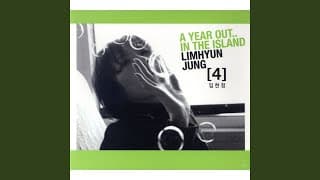
사랑은 봄비처럼... 이별은 겨울비처럼
"사랑은 봄비처럼... 이별은 겨울비처럼" (Love Like Spring Rain... Farewell Like Winter Rain) by Lim Hyun-jung is one of the most iconic Korean ballads of the early 2000s. Released in 2003, it remains a "steady seller" that resurfaces on music charts whenever it rains in South Korea. Here is an analysis of the song: 1. Overall Theme The song explores the inevitable cycle of love and heartbreak using the metaphor of seasonal rain. It contrasts the gentle, life-giving warmth of a new romance (spring rain) with the harsh, numbing isolation of a breakup (winter rain), suggesting that both are natural, albeit contrasting, parts of the human experience. 2. Key Lyrics Analysis * "Love drenching my heart like spring rain / Separation freezing the whole world like winter rain": This core refrain highlights the sensory shift of emotions. Spring rain is depicted as something that quietly seeps into the soul to foster growth, while winter rain is portrayed as a force that halts life and turns the world cold and stagnant. * "I didn't know back then that love would be this painful": These lyrics capture the innocence and naivety of entering a relationship. It reflects the realization that the "warmth" of the beginning makes the eventual "cold" of the end even harder to bear. * "The memories are still there, falling like rain": This suggests that memories of a past lover are persistent and uncontrollable, much like the weather. 3. Emotional Tone The tone is melancholic, poetic, and serene. Unlike many "breakup ballads" that feature explosive high notes or aggressive grief, Lim Hyun-jung’s delivery is restrained and breathy. It conveys a sense of resigned sadness and quiet reflection, making the listener feel like they are watching rain fall through a window. 4. Cultural Context In Korean culture, "rain" is a deeply romanticized and bittersweet motif in art and music. This song solidified the trope of the "Rainy Day Anthem." In Korea, specific songs are culturally "assigned" to seasons or weather patterns; this track is arguably the most famous song associated with the transition between seasons and rainy weather, frequently appearing on radio broadcasts and playlists as soon as the first raindrops fall. 5. Artist Context Lim Hyun-jung is a respected singer-songwriter who wrote, composed, and produced this track herself. While she has several hits, this song is her "magnum opus" and the definitive track of her career. It established her as a musician with a literary sensibility. The song has been covered by countless younger artists (such as Jung Seung-hwan and various K-pop idols), proving its timeless appeal across generations in the Korean music industry.

My whole world
"My whole world" (Korean title: 나의 온기, meaning "My Warmth") by Car, the Garden is a soulful ballad that explores the depth of devoted love and the comfort found in a significant other. Here is an analysis of the track: 1. Overall Theme The song is a profound confession of how one person can become another's entire universe and source of stability. It centers on the theme of finding a "home" in a loved one, where their presence provides the necessary warmth to survive a cold or lonely world. 2. Key Lyrics Analysis * "You are my whole world": This recurring line serves as the emotional anchor. It signifies a shift from self-centeredness to a life where the partner is the central axis around which everything else revolves. * "I want to live within the scenery that is you" (그대라는 풍경 속에 난 살고 싶어): This metaphor suggests that the partner isn't just someone the singer looks at, but a world they want to inhabit permanently. It reflects a desire for deep intimacy and belonging. * "My heart's warmth only looks for you" (내 마음의 온기): The Korean title focuses on *Ongi* (warmth). The lyrics suggest that the singer's internal peace and emotional "temperature" are entirely dependent on the presence of the loved one. 3. Emotional Tone The tone is wistful, serene, and deeply romantic. Car, the Garden’s signature husky and soulful voice adds a layer of raw vulnerability to the track. While the melody is soothing, there is an underlying sense of "desperate devotion"—a feeling that without this person, the singer's world would lose its meaning and warmth. 4. Cultural Context In the Korean music scene, Car, the Garden is often associated with the "K-Indie" and "City Pop" vibes, but he is most celebrated for his "emotional ballads" that resonate with the concept of comfort (위로). This song fits into a cultural trend in Korea where music is used as a form of healing or "healing-song" (힐링송), providing listeners with a sense of peace amidst the high-pressure environment of daily life. 5. Artist Context Car, the Garden (born Cha Jung-won) transitioned from his earlier moniker "Mayson the Soul" to his current name to reflect a more organic, grounded sound. "My whole world" showcases his evolution into a premier vocalist capable of carrying heavy emotions with minimal artifice. It cements his reputation as an "OST King" style artist—someone whose music feels like the soundtrack to a poignant cinematic moment, blending indie sensibilities with mainstream appeal.

LE SSERAFIM (르세라핌) 'SPAGHETTI (feat. j-hope of BTS)' OFFICIAL MV
It is important to clarify that "SPAGHETTI (feat. j-hope of BTS)" is not an official song or music video released by LE SSERAFIM, j-hope, or HYBE LABELS. This title refers to a popular fan-made concept or AI-generated track that has circulated on YouTube and TikTok. These videos use sophisticated editing and AI voice models to simulate what a collaboration between these artists might sound like. Below is an analysis of the concept and viral phenomenon surrounding this fictional track: 1. Overall Theme As a conceptual "fan-made" track, the song is themed around playful chaos and the "tangled" nature of modern life or relationships. Using "Spaghetti" as a central metaphor, the theme suggests that even when things are messy, complicated, or intertwined, they can still be enjoyable and "delicious." 2. Key Lyrics Analysis (Common AI/Fan Tropes) * *"Tangled like spaghetti, but we’re ready"*: This line (often found in AI versions) represents the signature LE SSERAFIM "fearless" attitude—acknowledging a messy situation but remaining confident. * *j-hope’s Verse*: In these concepts, j-hope’s lyrics usually focus on "Hope" and "Street" vibes, adding a rhythmic flow that parallels the "twisting" of the noodles, acting as a mentor figure who encourages the group to find their rhythm in the chaos. 3. Emotional Tone The song conveys a high-energy, quirky, and experimental tone. It mimics the "Anti-fragile" or "CRAZY" era of LE SSERAFIM—bright, rhythmic, and slightly eccentric—combined with j-hope’s signature "Jack in the Box" era grittiness and playful "Hope World" energy. It is designed to feel like an "earworm" (a song that gets stuck in your head). 4. Cultural Context * AI in K-Pop: This "song" is a prime example of the AI Music Trend within K-pop fandoms. Fans use AI to create "what if" scenarios, imagining collaborations between senior (Sunbae) and junior (Hoobae) artists within the same label (HYBE). * Food Metaphors: Using food items as song titles (like "Spaghetti," "Butter," or "Ice Cream") is a common K-pop trope used to create catchy, visually vibrant concepts that are easy to market globally. 5. Artist Context * LE SSERAFIM: In the context of their career, a song like this fits their "Fearless" branding—taking something mundane (spaghetti) and making it a statement of confidence. It aligns with their recent shift toward more club-oriented and experimental sounds (like their mini-album *CRAZY*). * j-hope: For j-hope, this "feature" represents his role as a main dancer and performance leader within HYBE. Fans often pair him with LE SSERAFIM because both artists are known for high-intensity choreography and a "cool" street-style aesthetic. *Note: To see official LE SSERAFIM content, you should check the verified "HYBE LABELS" or "LE SSERAFIM" YouTube channels, as they have not officially released a track by this name.*
![[MV] 한로로 (HANRORO) - 사랑하게 될 거야 (Landing in Love)](/_next/image?url=https%3A%2F%2Fimg.youtube.com%2Fvi%2Fh0KIWaUEIgQ%2Fmqdefault.jpg&w=3840&q=75)
[MV] 한로로 (HANRORO) - 사랑하게 될 거야 (Landing in Love)
"사랑하게 될 거야 (Landing in Love)" by Hanroro is a poetic exploration of the vulnerability and inevitability of falling in love. It captures the moment one realizes they can no longer resist their feelings for another person. --- ### 1. Overall Theme The song centers on the transition from resisting an emotion to finally surrendering to it. It portrays love not just as a sudden "fall," but as a deliberate and somewhat frightening "landing" into someone else's life, highlighting the courage required to be emotionally honest. ### 2. Key Lyrics Analysis * "추락이 아닌 착륙이길 (I hope it’s a landing, not a crash)": This is the most pivotal line of the song. While people often say they "fall" in love (which implies a lack of control and potential injury), Hanroro uses the word "landing" (착륙). She hopes that this descent into love will be safe and purposeful rather than a destructive "crash" (추락). * "너를 사랑하게 될 거야 (I will come to love you)": Using the future tense suggests a sense of destiny or an inevitable conclusion. It’s an admission that even if she isn't fully there yet, she knows her heart is moving in that direction and she can no longer stop it. * "겁이 나는 건 당연한 거야 (It’s natural to be afraid)": This line validates the anxiety that comes with new love. It acknowledges that opening up to someone is a risky act of vulnerability, making the song feel grounded and realistic rather than purely idealistic. ### 3. Emotional Tone The song carries a dreamy yet grounded emotional tone. It begins with a sense of hesitation and introspection, colored by a slight melancholy. As the instruments build, the tone shifts into a courageous yearning. Hanroro’s vocal delivery is both fragile and powerful, reflecting the mixture of fear and excitement that defines the start of a deep connection. ### 4. Cultural Context In the Korean indie scene, Hanroro is often associated with the concept of "Cheongchun" (Youth). Her lyrics frequently resonate with Gen Z and Millennials in Korea who feel the pressure of adulthood. This song fits into a cultural trend of "emotional honesty," where young people find comfort in music that acknowledges the "beautiful pain" of growing up and finding one's place in another person's heart. ### 5. Artist Context Hanroro emerged as a "monster rookie" in the K-indie scene with her debut "Let Me Love My Youth." "Landing in Love" solidified her reputation as a lyrical storyteller. While her earlier work focused on the internal struggles of the self, this song marks an expansion into the complexities of relationships. It showcases her signature style: indie-rock-influenced arrangements paired with lyrics that read like modern poetry.
![[MV] 한로로 (HANRORO) - 0+0](/_next/image?url=https%3A%2F%2Fimg.youtube.com%2Fvi%2F_Ngk-DCHfD0%2Fmqdefault.jpg&w=3840&q=75)
[MV] 한로로 (HANRORO) - 0+0
"0+0" by HANRORO (한로로) is a poignant indie-rock anthem that captures the bittersweet nature of youth, connection, and the acceptance of one’s own insignificance. Here is an analysis of the song: ### 1. Overall Theme The song explores the comfort found in shared emptiness and the rejection of societal pressures to constantly "be something." It suggests that when two people who feel like "zeros" (nothing) come together, they may still equal zero, but they are no longer alone in that nothingness. ### 2. Key Lyrics Analysis * "너와 내가 만나면 0+0은 0이 되지" (When you and I meet, 0+0 becomes 0): This is the core metaphor of the song. In a world obsessed with growth and "plus-sum" results, HANRORO finds peace in the fact that two people don't have to "improve" each other or become a "1." They can simply exist together in their current, empty state. * "우리는 서로의 빈칸을 채우기보다 / 그저 나란히 누워 있기로 해" (Rather than filling each other's blanks, we decide to just lie down side by side): This highlights a healthy take on companionship. Instead of trying to "fix" one another, the song advocates for presence and empathy—simply being there for someone without demands. * "동그란 마음들이 모여 / 더 커다란 영을 만들어" (Round hearts gather to create an even bigger zero): The "zero" is visually represented as a circle. Here, the "zero" is transformed from a symbol of "nothing" into a "safe space" or a protective boundary that keeps the harsh world out. ### 3. Emotional Tone The tone is melancholic yet deeply comforting. It carries the weight of modern existential dread, but the driving indie-rock beat and HANRORO’s powerful, clear vocals provide a sense of catharsis. It feels like a "warm hug for the cynical"—acknowledging that life is hard and we might be "zeros," but finding a sense of solidarity in that truth. ### 4. Cultural Context In South Korea, there is intense pressure on the youth to achieve "100%"—perfect grades, high-paying jobs, and social status. This has led to the term "N-po generation" (those who give up on marriage, kids, and homes). "0+0" resonates with this demographic by validating the feeling of being "nothing" (0) and reframing it not as a failure, but as a shared human condition. ### 5. Artist Context HANRORO is currently one of the most prominent voices in the Korean indie scene, often dubbed the "voice of the youth." She is known for her poetic lyrics that tackle the anxieties, pains, and small joys of being in one's twenties. "0+0" fits perfectly into her discography (alongside hits like "Mirror") as it continues her trend of romanticizing the struggles of young adulthood and offering a "soft landing" for listeners through music.
SENDA BELLAKONA - @S1NAKA (Prod. @flackoloyal) (Video oficial)
"SENDA BELLAKONA" by Sinaka (produced by Flacko Loyal) is a high-energy track that sits at the intersection of Chilean Reggaeton and the "Mambo" subgenre. It is a quintessential party anthem designed for the underground club scene. Here is an analysis of the song: ### 1. Overall Theme The song is a hedonistic celebration of a woman who is sexually liberated, independent, and a dominant force in the nightlife scene. It focuses on the "bellakeo" (intense dancing and flirting) culture, emphasizing a lifestyle of luxury, street credibility, and uninhibited partying. ### 2. Key Lyrics Analysis * "Senda bellakona, no tiene patrona": The word *"Senda"* is Chilean slang for "huge" or "major," while *"Patrona"* refers to a female boss or owner. The line translates to "A major bad girl, she has no boss," highlighting the woman's independence and lack of accountability to anyone. * "Se pone las Jordan, se quita la ropa": This creates a contrast between "streetwear" culture (sneakers) and sexual intimacy. It suggests that she is "hood" or street-certified but also comfortable with her sexuality. * "Ando con los que son, no con los que dicen ser": This is a common trope in urban music regarding authenticity. Sinaka asserts that he hangs out with real people (the "real ones"), contrasting them with "posers" or fake individuals in the scene. * References to "Tusi" and "Rosé": The lyrics frequently mention pink cocaine (Tusi) and expensive alcohol, which serve as status symbols within the Chilean "flaite" (urban street) culture. ### 3. Emotional Tone The tone is aggressive, energetic, and hyper-confident. The fast BPM (typical of Chilean Mambo) creates a sense of urgency and adrenaline. There is no vulnerability in the song; instead, it projects a "tough" and "rowdy" persona that is meant to ignite a dance floor or a street party. ### 4. Cultural Context * Chilean Mambo/Reggaeton: Chile has developed a unique sound within the urban genre that is faster and more rhythmically "choppy" than Puerto Rican reggaeton. This song is a prime example of the *Santiago* underground sound. * Chilean Slang: The song is heavy with local "coa" (street slang), such as using *"senda"* as an intensifier. This makes the song deeply rooted in the Chilean identity, distinguishing it from mainstream Caribbean urban music. * Street Aesthetic: The music video and lyrics reflect the "flaite" aesthetic—a mixture of high-end sports brands, jewelry, and a rebellious attitude that has moved from the fringes of society to mainstream Chilean pop culture. ### 5. Artist Context Sinaka is a prominent figure in the "new wave" of Chilean urban artists. This song represents his ability to create viral hits that resonate with the youth in Chile’s working-class neighborhoods (*poblaciones*). Produced by Flacko Loyal, "SENDA BELLAKONA" helped solidify Sinaka’s reputation as a specialist in "Mambo," moving him beyond just a "trap" artist into a versatile club-banger hitmaker. It is one of the tracks that defined the Chilean urban explosion of the early 2020s.

M5 - PIERO 47 (Video Oficial)
"M5" by the Chilean artist Piero 47 is a high-energy urban track that serves as a celebration of success and a testament to the "rags-to-riches" narrative common in the Chilean drill and trap scene. Here is an analysis of the song: Overall Theme The song is a "flex" anthem centered around the BMW M5 as a symbol of status, power, and speed. It explores the transition from a life of struggle and street legalities to a life of luxury, emphasizing that despite the newfound wealth, the artist remains rooted in his street origins and loyal to his crew. Key Lyrics Analysis * "En el M5, a dos-cientos cincuenta" (In the M5, at 250 [km/h]): This line sets the tone for the song, using the high-performance car to represent the fast-paced, adrenaline-filled life the artist now leads. * "De la calle pa' la cima, tú ya sabe' como va" (From the street to the top, you already know how it goes): This is the core message of the track—upward mobility. It asserts that his success wasn't handed to him but earned through the struggle of the streets. * "Andamos con los mismos, no cambiamos el equipo": Loyalty is a recurring theme. Piero 47 emphasizes that even though his financial situation has changed, his social circle remains the same, rejecting "fake" friends who appear only after fame. * Slang usage (e.g., "Cana", "Glock", "Paltas"): The lyrics are heavily peppered with Chilean street slang (*coa*). Mentioning "cana" (jail) reinforces his street credibility and the reality of the environment he escaped. Emotional Tone The tone is triumphant and aggressive. There is a sense of "braggadocio" (boasting) that is characteristic of the drill genre. The delivery is cold and confident, conveying a "nothing can stop me" attitude, mixed with a dark, atmospheric energy provided by the beat. Cultural Context * The Chilean Urban Movement: Piero 47 is a key figure in the "Generación del Género" in Chile. This movement has turned Chile into one of the global hubs for Spanish-language urban music. * Car Culture: In urban music, German luxury cars (specifically BMW "M" series or Mercedes AMG) are more than just transport; they are trophies that signal a person has successfully "escaped the neighborhood" (*salió del barrio*). * Drill Influence: The song utilizes the rhythmic patterns of UK and New York Drill, which have been heavily adapted by Chilean artists to tell stories of local street life. Artist Context "M5" is one of the tracks that helped solidify Piero 47’s reputation as a "hard" street artist in the Chilean scene. While some artists in the region lean toward commercial Reggaeton, Piero 47 has carved out a niche for himself by maintaining a rawer, more underground sound. This song fits into his discography as a defining moment where he bridged the gap between street-level respect and mainstream viral success.

Lucky Brown, Tobal Mj, Lyon la f, Germanini, JhonAlex, Tony, Lamelodiadelhampa, Renaglock- Marbella
"Marbella" is a high-energy collaboration featuring a large roster of rising stars from the Chilean urban scene. Led by Lucky Brown, the track is a quintessential example of the "Modern Chilean Reggaeton" sound. Here is an analysis of the song: ### 1. Overall Theme The song centers on the "street-to-riches" narrative, focusing on the rewards of newfound fame and musical success. It portrays a lifestyle of luxury, travel, and romance, specifically using the Spanish resort city of Marbella as a symbol for the high-end life the artists can now afford to provide for themselves and their partners. ### 2. Key Lyrics Analysis * "Baby, vámono' pa' Marbella" (Baby, let's go to Marbella): This recurring hook serves as the core metaphor of the song. Marbella is an expensive destination in Spain; the line signifies leaving the struggles of the "población" (neighborhood/ghetto) behind for international luxury. * "De la calle pa'l mundo" (From the street to the world): A common sentiment in the Chilean genre, emphasizing that despite their global aspirations and expensive clothes, the artists maintain their street roots and authenticity. * "La melodía del hampa" (The melody of the underworld): Several verses reference "Hampa" (a term for the criminal underworld or street life). The artists are rebranding their past experiences into music, turning "street knowledge" into a profitable art form. * References to brands and cars: Mentions of Louis Vuitton, high-end fragrances, and luxury vehicles serve as "trophies" of their hard work and dominance in the music industry. ### 3. Emotional Tone The song carries a triumphant and boastful tone. There is a sense of collective pride among the artists. While the lyrics deal with material wealth, the delivery is celebratory and energetic, designed to be played in clubs and parties. It also possesses a seductive undertone, as many verses are addressed to a love interest they want to spoil. ### 4. Cultural Context * The Chilean Urban Movement: This song is part of the "Generación de Oro" (Golden Generation) of Chilean urban music. Chile has recently become a powerhouse in Reggaeton and Trap, often blending raw street lyrics with catchy, melodic beats. * "Mambo" and Reggaeton Influences: The rhythm is a blend of traditional Reggaeton and the faster-paced "Mambo Chileno," which is characterized by its aggressive bass and high-energy flow. * Collective Identity: In the Chilean scene, massive collaborations (featuring 5+ artists) are very common. They serve to strengthen the movement and ensure that if one artist's fan base listens, they are introduced to all the others on the track. ### 5. Artist Context Lucky Brown is currently one of the most influential figures in Chile’s "urban" explosion, known for his ability to craft viral hits that balance street credibility with commercial appeal (like his hit "Mándame tu ubi"). * This track serves as a "posse cut," where Lucky Brown acts as the anchor for a group of emerging talents like Tobal MJ and Renaglock. * For Lucky Brown, "Marbella" solidifies his role as a leader who can curate a massive collaboration and maintain a cohesive sound despite the different styles of the seven other artists involved.