Latest Articles

SABI, MIA BOYKA - Базовый минимум (Lyric video)
"Базовый минимум" (Basic Minimum) by SABI and MIA BOYKA is a modern Russian pop track that explores the intersection of romance, materialism, and high standards in the digital age. ### 1. Overall Theme The song centers on the concept of "high-maintenance" dating and the financial expectations a woman has for a potential partner. It defines a "basic minimum" of luxury—ranging from designer brands to expensive travel—that a man must meet before the protagonist will even consider giving him her time or affection. ### 2. Key Lyrics Analysis * "Мой базовый минимум — это не просто слова" (My basic minimum isn't just words): This establishes that the singer isn't joking about her requirements; they are a firm boundary for entry into her life. * "Rolex на руке, Bentley во дворе" (Rolex on the wrist, Bentley in the yard): These are classic status symbols. The lyrics use specific luxury brands to quantify the "minimum" level of wealth expected from a suitor. * "Не пиши мне 'как дела', если нет билета в бизнес-класс" (Don't text me 'how are you' if there’s no business class ticket): This line highlights a rejection of "low-effort" communication. She suggests that casual small talk is worthless unless it is backed by a grand, expensive gesture. * The "Red Flag" theme: Throughout the song, any lack of financial abundance is treated as a "red flag," a popular modern term for a warning sign in a relationship. ### 3. Emotional Tone The tone is unapologetic, sassy, and transactional. There is no vulnerability or "romance" in the traditional sense; instead, the artists project a sense of superior confidence. It’s meant to be an anthem for women who prioritize financial security and luxury, delivered with a "boss girl" attitude that borders on being provocative. ### 4. Cultural Context * Social Media Trends: The song leans heavily into a trend prevalent on Russian TikTok and Instagram (Reels), where influencers list their "basic requirements" for a partner. The term "базовый минимум" became a meme used to satirize or celebrate extreme materialistic standards. * Moscow/Dubai Lifestyle: The lyrics reflect a specific subculture often associated with the wealthy elite in cities like Moscow or Dubai, where social status is heavily tied to visible displays of wealth (cars, watches, luxury travel). ### 5. Artist Context MIA BOYKA originally rose to fame as a "teen-pop" idol with a colorful, quirky image (often featuring blue hair and kid-friendly hits). In recent years, she has undergone a major rebranding toward a more "mature," glamorous, and sometimes controversial persona. "Базовый минимум" fits perfectly into this new chapter of her career, where she positions herself as a high-status celebrity who is unattainable to the average person. It marks her transition from "TikTok girl" to a "glamour pop" icon.

Последняя Любовь
"Последняя Любовь" (Last Love) marks a significant stylistic departure for Alisher Morgenshtern, moving away from his signature high-energy trap and "flex" culture toward a more melodic, vulnerable sound. ### 1. Overall Theme The song centers on the exhaustion and inevitable end of a deep, yet toxic, romantic relationship. It explores the paradox of "last love"—the feeling that while the connection is destructive and perhaps finished, it remains the most significant and final emotional anchor in the narrator's life. ### 2. Key Lyrics Analysis * "Ты — моя последняя любовь" (You are my last love): The core hook suggests a sense of finality. It implies that the artist has reached a point where he cannot or will not experience this level of intimacy again, framing the relationship as both a peak and a dead end. * "Мы танцуем в пламени, и нам не больно" (We are dancing in flames, and it doesn't hurt): This is a classic metaphor for a dysfunctional relationship. They are in a situation that should be causing them agony (the fire), but they have become so desensitized to the chaos that they continue to perform the "dance" of their relationship. * "Я не хочу просыпаться, если тебя нет рядом" (I don't want to wake up if you're not there): This highlights a profound emotional dependency. Despite the pain mentioned elsewhere, the reality of being alone is portrayed as more frightening than the "nightmare" of the relationship itself. ### 3. Emotional Tone The tone is melancholic, weary, and nostalgic. Unlike Morgenshtern's typical persona—which is often arrogant and energetic—this track carries a weight of resignation. There is a "lo-fi" rock vibe to the production that enhances the feeling of loneliness and late-night introspection. ### 4. Cultural Context In the Russian-speaking music scene, there has been a significant shift toward "New Rock" and pop-punk influences. This song fits into that trend, echoing the style of artists like *Poshlaya Molly*. Additionally, many fans interpret the song through the lens of Morgenshtern’s highly publicized marriage and subsequent divorce from Dilara Zinatullina. The lyrics are seen as a public "post-mortem" of their relationship, which was a major topic in Eastern European celebrity culture. ### 5. Artist Context "Последняя Любовь" represents a "maturation" (or at least a diversification) of Morgenshtern’s brand. After being declared a "foreign agent" in Russia and living in exile (Dubai), his music shifted from pure hedonism to more personal, reflective themes. This song proved that he could maintain his status as a hitmaker without relying on shock value or expensive "flexing," proving his versatility as a songwriter and vocalist.
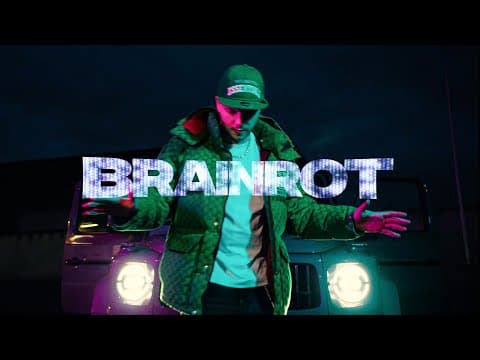
C'est nous dans le top (Brainrot)
"C'est nous dans le top (Brainrot)" by Unchained is a viral parody track that blends the high-energy production of modern French drill/trap with the nonsensical "Brainrot" vocabulary of Gen Alpha internet culture. The song serves as a satirical bridge between the serious posturing of the French rap scene and the absurdity of global meme trends. --- ### 1. Overall Theme The song is a satirical parody that replaces traditional rap boasts—such as wealth, street credibility, and power—with "Brainrot" internet slang used by Gen Alpha. It mocks the formulaic nature of modern "Top Chart" hits by proving that the same aggressive energy can be applied to completely nonsensical digital terminology. ### 2. Key Lyrics Analysis * "C’est nous dans le top, on a trop de rizz": This flips the standard "we are at the top of the game" trope. Instead of claiming social status through money, the artist claims "rizz" (charisma), a term popularized on TikTok. * "Skibidi, Sigma, dans l'Ohio": These lines condense several unrelated memes into a single rhythmic flow. "Skibidi" refers to the viral YouTube series, "Sigma" refers to the "alpha male" internet subculture, and "Ohio" is used as shorthand for something weird or chaotic. * "Tu t'es pris la Fanum Tax": This refers to the "Fanum Tax," a meme originating from streamer Kai Cenat’s circle where a friend "taxes" (steals) a portion of someone else's food. In the song, it is framed like a street robbery or a threat. * "Belek au Grimace Shake": "Belek" is French-Maghrebi slang for "watch out." Linking it to the "Grimace Shake" (a viral McDonald’s horror meme) creates a humorous contrast between street slang and a corporate fast-food meme. ### 3. Emotional Tone The tone is absurdist, chaotic, and high-energy. While the lyrics are intentionally "cringe" and nonsensical, the delivery is deadpan and aggressive, mimicking the serious tone of professional rappers. This creates a comedic irony where the listener is pumped up by the beat but confused or amused by the lyrical content. ### 4. Cultural Context The song sits at the intersection of two major cultures: * French Rap Domination: Artists like Gazo and Ninho dominate the French charts with a specific "tough" aesthetic. This song parodies their flow and beat selection. * Gen Alpha "Brainrot": This refers to the rapid-fire consumption of short-form content (TikTok/Reels) that results in a vocabulary made entirely of memes. Words like *Gyatt, Mewing, and Mogging* are the "lingua franca" of this digital generation, which the song leans into heavily. ### 5. Artist Context Unchained is part of a wave of internet creators who use AI voice technology or high-quality impressions to create "What If?" scenarios in music. This song fits into their career as a "viral bait" track—music specifically engineered to be used in TikTok memes. It highlights the artist’s ability to track fast-moving internet trends and package them into a professional-sounding production that mimics the very industry it parodies.

BTS (방탄소년단) 'MIC Drop (Steve Aoki Remix)' Official MV
BTS’s "MIC Drop (Steve Aoki Remix)" is one of the group's most iconic tracks, serving as a powerful "flex" anthem that celebrates their global success while silencing their critics. ### 1. Overall Theme The song is a defiant response to the "haters" and skeptics who doubted BTS during their early years. It centers on the idea that their overwhelming success, represented by a "bag full of trophies," is the ultimate rebuttal to any criticism, allowing them to end the conversation with a literal and metaphorical mic drop. ### 2. Key Lyrics Analysis * "Did you see my bag? / It’s hella trophies and it’s hella thick.": This line highlights the tangible evidence of their hard work. Instead of arguing with words, they point to their achievements (Billboard awards, Daesangs, etc.) as proof of their dominance. * "Haters gon' hate / Players gon' play / Live a life, man / Good luck.": These lyrics dismiss negativity with a sense of pity. BTS suggests that while haters are busy complaining, BTS is busy living a successful life, ending the interaction with a sarcastic wish of "good luck." * "Mic drop, mic drop / Watch your feet, watch your words": This serves as a warning. The success of BTS is so heavy and impactful that critics need to be careful not to get "crushed" by the weight of their own words or the group's momentum. * "I’m fine, sorry": A sarcastic apology. They are "sorry" that they are so successful and that their existence bothers their detractors, though they clearly aren't actually regretful. ### 3. Emotional Tone The tone is aggressive, confident, and triumphant. Unlike some of their more introspective songs, "MIC Drop" is high-energy and "swag"-heavy. It carries a sense of righteous vindication—the feeling of someone who was once looked down upon finally standing at the top of the mountain. ### 4. Cultural Context * The Mic Drop Gesture: The song was famously inspired by Barack Obama’s 2016 White House Correspondents' Dinner, where he dropped his microphone to signify that he had nothing more to say because his point was proven. * Idol vs. Hip-Hop: Early in their career, BTS was criticized by the Korean underground hip-hop scene for being "idols" and by the idol industry for being "too hip-hop." This song reclaims their hip-hop roots and proves they have surpassed both sets of critics. * Global Collaboration: The remix by Steve Aoki (and featuring Desiigner in the audio version) marked a major bridge between K-pop and Western EDM/Hip-Hop, helping the song appeal to a massive global audience. ### 5. Artist Context "MIC Drop" represents a pivotal turning point in BTS's career. It was released during their "Love Yourself" era, the period when their popularity exploded internationally. It was their first song to break into the Top 40 of the Billboard Hot 100, peaking at #28. It signaled their transition from "underdog K-pop group" to "global superstars," proving that they could compete—and win—on the world's biggest stages.

Butter
"Butter" is a record-breaking dance-pop track released by BTS in May 2021. It served as their second full-English single, further cementing their status as global pop icons. 1. Overall Theme "Butter" is a charismatic anthem centered on self-confidence, charm, and the "smooth" ability to win over an audience. Unlike some of BTS's more introspective work, this song is a lighthearted celebration of their superstar status and the magnetic pull they have on their fans. 2. Key Lyrics Analysis * "Smooth like butter, like a criminal undercover": This opening line sets the tone for the track. It’s a nod to Michael Jackson’s "Smooth Criminal," establishing a persona that is effortlessly cool and slightly mischievous. * "Got that superstar glow, do the boogie like": This line emphasizes their confidence and stage presence. By using the word "glow," they reference their peak success and the aura of a performer. * "All the players get movin' when the bass low / Got ARMY right behind us when we say so": During the rap bridge, the group directly acknowledges their fandom (ARMY). It highlights the symbiotic relationship between the artists and the fans who support their global movement. * "Side step, right, left, to my beat": These lyrics double as choreography instructions, making the song interactive and designed specifically for dance challenges and viral moments. 3. Emotional Tone The song conveys a playful, flirtatious, and high-energy vibe. It is designed to be a "feel-good" summer track. There is an underlying sense of triumph and swagger, as the members perform with a relaxed confidence that suggests they are fully comfortable in their roles as world leaders in pop music. 4. Cultural Context "Butter" is heavily influenced by 1980s and 90s dance-pop and funk. It features a heavy bassline reminiscent of Queen’s "Another One Bites the Dust" and pays homage to legendary performers like Michael Jackson and Usher. Culturally, it was released during the tail end of the COVID-19 pandemic, serving as a bright, optimistic "re-opening" song for the world. 5. Artist Context In the trajectory of BTS’s career, "Butter" was the successor to "Dynamite." While "Dynamite" proved they could top the Billboard Hot 100, "Butter" proved they could stay there, spending 10 weeks at #1. It marked a period where BTS transitioned from being a "K-pop group" to being a "Global Pop Powerhouse," capable of dominating the Western music industry on their own terms while maintaining their unique group identity.

세월에 던진 사랑
"세월에 던진 사랑" (Love Thrown to Time) by Park Woo-chul is a poignant trot/adult contemporary ballad that resonates deeply with listeners who have reached a stage in life where they reflect on their past. Here is an analysis of the song: 1. Overall Theme The song explores the themes of regret, the inevitability of aging, and lost love. It depicts a person looking back at their life and realizing that they carelessly let go of a precious love, only to find themselves old and lonely as the "river of time" has already carried those opportunities away. 2. Key Lyrics Analysis * "Love thrown into the flowing years" (흐르는 세월에 던져버린 사랑): This central metaphor suggests that the protagonist didn't value their love enough at the time. Instead of nurturing it, they let it drift away, assuming there would always be more time. * "The reflection in the mirror" (거울 속에 비친 내 모습): A common but powerful trope in Korean lyrics, the mirror represents a moment of sudden, painful realization. The singer sees an aged version of himself that he doesn't quite recognize, highlighting the gap between his youthful spirit and his physical reality. * "Heartless time" (무정한 세월): The song personifies time as something cold and unfeeling. It moves forward regardless of human sorrow, emphasizing the helplessness one feels when trying to reclaim the past. 3. Emotional Tone The tone is deeply melancholic and resigned. Park Woo-chul’s signature husky and soulful voice adds a layer of "Han" (a uniquely Korean sentiment of internalized sorrow and longing). There is a sense of "belated wisdom"—knowing the value of love now that it is too late to change anything. 4. Cultural Context In Korean culture, the concept of "Sewol" (세월) carries a weightier meaning than just "time"; it refers to the passing of years and the accumulation of life's burdens and experiences. This song appeals strongly to the "Silver Generation" or middle-aged Koreans who lived through decades of hard work and social change, often sacrificing personal romance or emotional fulfillment for survival or success. 5. Artist Context Park Woo-chul was a superstar in the 1970s (famous for hits like "Man-ri-po Heroine") before taking a long hiatus. This song belongs to his comeback and later-career phase, where his music shifted from youthful energy to "adult trot." It solidified his reputation as a singer who can masterfully express the sorrows of life's autumn years, making him a favorite in the *Gayo Museut* (Adult Contemporary) scene.

NADIE SABE
"NADIE SABE" (No One Knows) is the six-minute opening track of Bad Bunny's 2023 album, *nadie sabe lo que va a pasar mañana*. It serves as a deeply personal monologue rather than a traditional radio hit. Overall Theme The song is an introspective manifesto regarding the burdens of global fame and the disconnect between Bad Bunny’s public persona and his private reality. It explores the idea that despite his omnipresence in media, the public does not truly understand his feelings, his struggles, or his intentions. Key Lyrics Analysis * "Nadie sabe lo que se siente / Sentirse solo con cien mil personas al frente": (No one knows how it feels / To feel alone with a hundred thousand people in front of you). This line highlights the isolation of superstardom, suggesting that performing for massive crowds does not cure personal loneliness. * "Yo no soy un ejemplo / Soy un humano": (I am not a role model / I am a human). Benito directly addresses critics who hold him to impossible moral standards, asserting his right to make mistakes and live authentically. * "El que no me conoce, no me juzgue / El que me conoce, que me entienda": (He who doesn't know me, shouldn't judge me / He who knows me, should understand me). This is a plea for empathy, acknowledging that social media snippets don't tell the full story of his character. * The phone-throwing reference: He subtly addresses the viral 2023 incident where he threw a fan’s phone, suggesting that the public reacted without knowing the context or his mental state at the time. Emotional Tone The tone is melancholic, defensive, and raw. Unlike the upbeat, tropical vibes of his previous album (*Un Verano Sin Ti*), this song feels heavy and somber. The use of a dramatic orchestral string arrangement creates a sense of grandiosity mixed with sadness, making the song feel like a "confession" or a "final statement" before a new chapter. Cultural Context The song was released following a year of intense public scrutiny for Bad Bunny, including his relationship with Kendall Jenner and the aforementioned phone-throwing incident. It leans into the "Godfather" aesthetic (referenced in the music video and the operatic production), positioning Benito as a powerful but misunderstood figure who has grown weary of the "fame game." It also marks a return to his "Trap" roots, moving away from the mainstream pop-reggaeton sound. Artist Context In the trajectory of Bad Bunny’s career, "NADIE SABE" is a pivot point. After becoming the most-streamed artist in the world, he uses this track to deconstruct his "superhero" image. It functions as a "reset button," telling his audience that he is no longer interested in pleasing everyone or following the "rules" of being a global celebrity. It sets the stage for an album that is darker, more experimental, and less radio-friendly than his previous work.

BURUKLYN BOYZ - STIMA (Official Music Video)
"STIMA" is a standout track by the Kenyan rap duo BURUKLYN BOYZ (comprising Mr. Right and Ajay), who are the primary pioneers of the "Nairobi Drill" scene. Here is an analysis of the song: 1. Overall Theme "STIMA" (a Swahili word for electricity or power) is an anthem of dominance, energy, and consistency. The song revolves around the group's status in the Kenyan music industry, asserting that they are "currently plugged in" and holding the power while staying true to their neighborhood roots. 2. Key Lyrics Analysis * "Kama tuko on, tuko stima": This is the core hook. It translates to "If we are on, we are electricity." It means they are currently the "live wire" of the scene—unfailing, powerful, and essential. * "Bado tuko zone, bado niko home": This emphasizes their loyalty to their origins in Buruburu (Nairobi). Despite their fame, they remain "in the zone" (focused) and "at home" (grounded in the streets that raised them). * "Tunasaka ganji, hatutaki story": A common drill sentiment meaning "We are hunting for money, we don't want small talk/drama." It highlights their professional focus over social media beef or distractions. * References to "58": In many of their songs, including this one, references to "58" relate to the bus route number for Buruburu, serving as a geographical stamp of identity. 3. Emotional Tone The tone is confident, gritty, and assertive. There is a sense of "cool" nonchalance in their delivery; they aren't shouting for attention but rather stating their dominance as a matter of fact. The deep, bass-heavy UK Drill-style production adds a dark, cinematic intensity to the track. 4. Cultural Context * Sheng and Language: The song is performed in Sheng (Nairobi slang), which mixes Swahili and English. This makes the music deeply relatable to the urban youth in Kenya. * The Drill Movement: While Drill music originated in Chicago and the UK, BURUKLYN BOYZ localized it. They swapped the "gang violence" tropes of international drill for "neighborhood pride" and "hustle culture," making it palatable for the Kenyan mainstream while keeping the "street" aesthetic. * "Stima" as Slang: In Kenya, "Stima" doesn't just mean electricity; it can also refer to having a "spark" or being "lit" (energetic/high-status). 5. Artist Context "STIMA" serves as a victory lap for BURUKLYN BOYZ. After breaking out with hits like "Durag na Mapanga," this song solidified their position as the kings of Nairobi Drill. It proved that they weren't a "one-hit-wonder" group and that their sound had the longevity to lead a new sub-genre in East Africa. It moved them from being just "underground rappers" to influential figures in the wider African hip-hop landscape.

Itan Dayalu Karna
"Itan Dayalu Karna" (often referred to as *Itne Dayalu Karuna Sagar*) is a soul-stirring devotional song (Bhajan) dedicated to Lord Swaminarayan. Produced under the aegis of the Maninagar Shree Swaminarayan Gadi Sansthan, it features the voices of legendary playback singers Suresh Wadkar and Alka Yagnik, with music by the iconic duo Kalyanji-Anandji. Here is an analysis of the song: ### 1. Overall Theme The song is a prayer of profound gratitude and surrender, centering on the infinite mercy and compassion of the Divine. It describes the Lord as an "Ocean of Mercy" (*Karuna Sagar*) who overlooks the flaws of his devotees to provide them with spiritual shelter and peace. ### 2. Key Lyrics Analysis * "Itne dayalu karuna sagar, mujh par kripa ki": This translates to "You are such a merciful ocean of compassion; you have bestowed your grace upon me." It sets the foundation of the song—acknowledging that the devotee’s spiritual progress is entirely due to God's kindness. * "Aap ke charano ki dhool mil jaye": The request for the "dust of the Lord’s feet" is a classic trope in Indian devotional literature, symbolizing the ultimate humility and the desire for liberation (*Moksha*) through service. * "Antar mein jyot jalayi": This refers to the Lord lighting the "lamp of wisdom" within the devotee's heart, dispelling the darkness of ignorance and ego. * "Bhakti ka vardaan dena": A plea for the "boon of devotion," suggesting that the ability to love God is itself a gift granted by God. ### 3. Emotional Tone The song conveys a serene, meditative, and reverent tone. * Peace: The melody is composed in a way that induces a sense of calm. * Surrender (Sharanagati): There is a palpable sense of the devotee letting go of their ego and placing their life in the hands of the Almighty. * Joyful Gratitude: Unlike some somber hymns, this song carries an undertone of quiet joy—the happiness of finding a spiritual home. ### 4. Cultural Context The song is deeply rooted in the Swaminarayan Sampraday, a Hindu Vaishnava tradition. * Swaminarayan Gadi: This refers to the spiritual lineage and the seat of authority (the *Gadi*) of the Maninagar sect. * Bhakti Movement Influence: The lyrics follow the tradition of the Bhakti movement, emphasizing a personal, loving relationship with God rather than complex rituals. * Sadhana: In this culture, music (Kirtan) is considered a form of *Sadhana* (spiritual practice) to focus the mind on the form of the Lord. ### 5. Artist Context * Suresh Wadkar & Alka Yagnik: During the 1980s and 90s, these two were the pinnacle of Bollywood playback singing. Their involvement in devotional music brought a "mainstream" polish and technical perfection to Bhajans. Suresh Wadkar, in particular, is celebrated for his classical training, which allows him to deliver the devotional nuances (*Bhaav*) required for such songs. * Kalyanji-Anandji: Known for their massive Bollywood hits, this duo also had a deep understanding of folk and spiritual music. Their composition here avoids heavy orchestration, instead using a melodious, flute-and-tabla-heavy arrangement that allows the lyrics and the singers' voices to remain the focal point. This song is a testament to their versatility in moving from "filmi" music to "dharmic" (religious) music seamlessly.

100%
"100%" is a high-profile collaboration between the Slovenian-Serbian "Trap Queen" Senidah and the Austrian-Italian rap mogul Raf Camora. Released in 2019, the track became a massive hit across the Balkans and the German-speaking world. Here is an analysis of the song: 1. Overall Theme The song centers on an intense, intoxicating, and uncompromising attraction between two powerful individuals. It explores a "100% or nothing" mindset regarding passion, loyalty, and lifestyle, set against a backdrop of fame, luxury, and the dark allure of the night. 2. Key Lyrics Analysis * "Ona hoće stoposto, hoće stoposto" (She wants 100%, she wants 100%): This recurring line in the chorus emphasizes a demand for total devotion and intensity. It suggests that in their world, there is no room for half-measures or "50/50" efforts. * "Pijana od ljubavi" (Drunk on love): Senidah uses this metaphor to describe the disorienting, drug-like effect of a powerful connection. It’s not a soft, romantic love, but one that is overwhelming and dizzying. * "Beč, Ljubljana, Balkan" (Vienna, Ljubljana, Balkans): Raf Camora frequently references these locations to map out their shared territory. It highlights the geographical bridge the song creates between Central Europe and South-East Europe. * "Alles brennt, wenn wir kommen" (Everything burns when we come): This German line from Raf signifies their combined "star power." Their presence is so "hot" or impactful that it figuratively sets the scene on fire. 3. Emotional Tone The tone is sultry, dark, and assertive. It carries a "Late Night" vibe—atmospheric and cinematic. There is a sense of "coolness" and detachment in their delivery, but the underlying production (a mix of Afro-trap and Balkan ethno-pop) provides a driving, rhythmic urgency that suggests deep-seated passion. 4. Cultural Context * The Balkan-DACH Connection: There is a massive Balkan diaspora in German-speaking countries (Germany, Austria, Switzerland). This song serves as a cultural bridge, blending German rap with Serbian/Bosnian lyrics, which is a common linguistic reality for millions of "Gastarbeiter" descendants. * Genre Fusion: The song is a perfect example of "Balkan Trap-Beat," which mixes modern 808-heavy production with melodic, melancholic vocal styles traditional to the Balkan region. 5. Artist Context * Senidah: This song solidified her status as a cross-over star. By collaborating with Raf Camora, she moved beyond the regional "Ex-Yu" market and entered the Western European charts. * Raf Camora: Raf has a long history of honoring his roots and the Balkan influences in Vienna. This collaboration was part of his *Zenit* album era, a time when he was one of the most commercially successful artists in Europe. For Raf, working with Senidah was a "boss move" that aligned two of the most influential figures in their respective urban music scenes.

What It Sounds Like
"What It Sounds Like" by HUNTR/X, EJAE, AUDREY NUNA, and REI AMI is a high-octane, experimental track that serves as a sonic manifesto for a new generation of genre-bending artists. It prioritizes texture, rhythm, and bravado to showcase the performers' unique styles. ### 1. Overall Theme The song is a celebration of artistic dominance, self-confidence, and the literal power of sound. It revolves around the idea of "flexing" one’s talent and unconventionality, positioning the artists as pioneers who are "breaking the system" of traditional pop music. ### 2. Key Lyrics Analysis * "I’m the glitch in the system.": This line reflects the artists' refusal to fit into standard industry molds. It suggests that their presence is disruptive and intentional, turning a "flaw" into a position of power. * "Listen to the bass, that’s what it sounds like.": The chorus emphasizes the physical experience of the music. It’s a meta-commentary on the track itself, telling the listener that the "noise" and heavy production *is* the message. * "Look at my face, I’m the one that they mention.": This highlights the visibility and influence these artists have gained. It shifts the focus from just the music to their status as icons in the alternative scene. * Audrey Nuna’s rhythmic wordplay: Her verses often focus on "keeping it pushing" and status, using her signature staccato delivery to mirror the mechanical, industrial production of the track. ### 3. Emotional Tone The tone is aggressive, futuristic, and unapologetic. It carries a sense of controlled chaos—switching between cold, calculated verses and explosive, bass-heavy drops. There is an underlying feeling of "coolness" and swagger that borders on intimidation. ### 4. Cultural Context The song sits at the intersection of Hyperpop, Industrial Hip-Hop, and the Asian-American alternative scene. By bringing together Audrey Nuna and REI AMI—two of the most prominent Asian-American women in the "alt" space—the song serves as a cultural marker for the "cool kids" of the internet age who prioritize aesthetic and experimentalism over radio-friendly structures. ### 5. Artist Context * HUNTR/X: This project acts as a curator/producer, bringing together disparate voices into a cohesive, high-energy package. * Audrey Nuna: This track fits perfectly into her evolution from a traditional R&B singer to a rapper known for her "liquid" flow and avant-garde visuals (similar to her work on *Liquid Breakfast*). * REI AMI: Known for her "sweet and sour" duality, she leans heavily into her "sour" (aggressive/edgy) persona here, solidifying her reputation as a performer who can command heavy, dark instrumentals. * EJAE: Adds a layer of vocal depth and polish that bridges the gap between the experimental production and melodic sensibilities.

NUEVAYoL
"NUEVAYoL" is a track from Bad Bunny’s 2023 album *nadie sabe lo que va a pasar mañana*. It serves as a high-energy tribute to Dominican culture and the immigrant dream of success. ### 1. Overall Theme The song celebrates Bad Bunny’s global success while paying homage to the Dominican Republic and the "Nueva Yol" (New York) immigrant experience. It explores themes of wealth, cultural pride, and the transition from humble Caribbean roots to an elite international lifestyle. ### 2. Key Lyrics Analysis * "Nueva Yol" (The Title): This is a phonetic spelling of how "New York" is pronounced in the Spanish-speaking Caribbean (specifically by Dominicans). Historically, "Nueva Yol" represented the promised land of opportunity; by using this title, Bad Bunny claims that he has achieved the ultimate dream. * "Yo no tengo que forzar, yo soy el que más factura": He asserts his dominance in the music industry, claiming he doesn't have to try hard because his financial success and numbers speak for themselves. * "Los avión' privado' ya parecen Uber": This hyperbolic line emphasizes his extreme wealth and constant travel, suggesting that flying private has become as mundane for him as calling a ride-share. * "Mofongo con mambo / Salami y de to'": He references traditional Caribbean food (Mofongo from PR and Salami, a staple in DR) to show that despite his riches, his tastes and identity remain firmly rooted in island culture. ### 3. Emotional Tone The tone is celebratory, boastful, and high-octane. It carries a sense of "victory lap" energy. The use of Merengue rhythms creates a festive, party atmosphere, while the lyrics maintain the defiant and confident "trap" persona Bad Bunny adopts throughout the album. ### 4. Cultural Context * The DR-PR Connection: Bad Bunny has a long history of collaborating with Dominican artists and incorporating Dominican genres (like Dembow and Merengue). This song features Morrillo, a Dominican artist, and utilizes *Merengue de calle* (street merengue) instrumentation. * The Immigrant Dream: For decades, the migration from the Caribbean to New York has been a central theme in Latino literature and music. Bad Bunny flips the script by showing that he can live the "New York Dream" while remaining a "tíguere" (a street-smart person) from the islands. ### 5. Artist Context "NUEVAYoL" fits into Bad Bunny’s career as another example of his genre-bending versatility. While *nadie sabe lo que va a pasar mañana* was marketed as a return to his trap roots, this song follows the tradition of tracks like "Después de la Playa" (*Un Verano Sin Ti*), where he breaks away from urban beats to experiment with traditional tropical rhythms. It reaffirms his role not just as a reggaetonero, but as a global ambassador for Caribbean music at large.