
Latest Articles

King TROUP
Artist Origin: Young Thug, whose real name is Jeffery Lamar Williams, was born on August 16, 1991, in Atlanta, Georgia, USA. He gained recognition in the early 2010s for his unique vocal style and eccentric fashion sense, becoming a significant figure in the Atlanta hip-hop scene and influencing a new wave of rap artists. Genre: The song "King TROUP" primarily falls within the Hip-Hop and Trap genres, characterized by its heavy beats, rhythmic vocal delivery, and stylish references. Overall Theme: "King TROUP" explores themes of resilience and success against adversity. Young Thug reflects on his journey from difficult circumstances to fame, the importance of loyalty, and the extravagant lifestyle that comes with his success. Key Lyrics Analysis: - "I just asked God why he called for Troup": This line suggests a moment of introspection and questioning the loss of a loved one, possibly referencing a friend (Troup) who has died, illustrating themes of mortality and grief. - "When it's time to ride, if you love 'em, nigga, prove it": Here, Young Thug emphasizes loyalty and the necessity of showing love through action, particularly in tough situations. - "From ashy to classy": This phrase signifies his transition from poverty to wealth, celebrating personal growth and success in life. - "Stack them racks up to the ceiling, hey, hey": This line reflects aspirations of wealth accumulation, a common motif in trap music that showcases financial success as a marker of achievement. Emotional Tone: The song conveys a blend of pride, nostalgia, and resilience. There is a celebratory feeling about his achievements, along with a somber acknowledgment of his past, laced with urgency and emotional depth. Cultural Context: The song intertwines elements of Black American culture and the modern trap lifestyle, addressing themes of loyalty within communities affected by violence and the struggles of growing up without strong family support systems. Artist Context: “King TROUP” fits into Young Thug’s broader discography as a continuation of his exploration of personal loss, success, and the lifestyle that accompanies his fame. His distinct style and willingness to address both personal and universal themes have solidified his place as a leading artist in contemporary hip-hop. The song showcases his signature experimentation with melody and rhythm, contributing to his reputation as an innovator in the genre.

Eminem - Cinderella Man (Lyric Video)
Artist Origin: Eminem, whose real name is Marshall Bruce Mathers III, hails from St. Joseph, Missouri, and later moved to Detroit, Michigan. He is considered one of the most influential rappers in the industry, known for his unique storytelling ability, intricate rhyme schemes, and often controversial lyrics that touch on personal struggles, societal issues, and his experiences growing up in a challenging environment. Genre: The song "Cinderella Man" primarily falls under the genres of hip-hop and rap. Eminem blends elements of motivational and inspirational rap with his characteristic lyricism. Overall Theme: The song embodies a theme of resilience and redemption. Eminem draws on the idea of being an underdog who rises against the odds, akin to the story of Cinderella. It serves as a motivational anthem that encourages listeners to persevere and triumph despite life's obstacles. Key Lyrics Analysis: One of the important lines in the song can be highlighted when Eminem raps about the struggle to rise again after facing setbacks. The use of references to his past failures and how they shaped him illustrates the theme of personal growth. This can be likened to the concept of "Cinderella," where one emerges from hardship to achieve success. This relationships mirrors the universal story of resilience in the face of adversity. Emotional Tone: The song conveys a tone of determination and empowerment. Eminem's delivery is passionate and assertive, fueling feelings of confidence and strength. It resonates with anyone who has faced challenges and is fighting to overcome them. Cultural Context: Cinderella Man can be seen as a reference to the classic fairy tale, which speaks to various themes of hope, transformation, and perseverance. It draws parallels to American ideals of hard work and success against all odds, highlighting the underdog narrative prevalent in both storytelling and real-life experiences. Artist Context: In Eminem's career, "Cinderella Man" serves as a testament to his artistic evolution, especially following personal struggles and the ups and downs of fame. It reflects a turning point in his life and career where he embraces his identity and past while projecting a message of resilience, confirming his status as a comeback artist in the hip-hop scene.

Eminem - Role Model
Sure! Here’s an analysis of the song "Role Model" by Eminem. Artist Origin Eminem, whose real name is Marshall Mathers, hails from the United States, specifically Detroit, Michigan. He gained recognition in the late 1990s and is regarded as one of the most influential and best-selling artists in hip-hop, often using his life experiences and struggles as a focal point in his music. Genre The song "Role Model" primarily falls under the genres of hip-hop and rap. It features a distinctive blend of hard-hitting beats and intricate lyricism typical of Eminem's style. Overall Theme "Role Model" serves as a provocative commentary on celebrity culture and societal expectations. Eminem critiques the idea of being a role model while embracing his flawed persona, suggesting that he is not the ideal figure for others to emulate. Key Lyrics Analysis One significant line in the song is: "I'm not a baby, I don't want to be a role model." This line encapsulates Eminem's rejection of the notion that he should serve as a perfect example for others, highlighting the pressure placed on public figures to be flawless. Another important segment addresses his upbringing, reflecting on how his experiences have shaped him into the person he is, for better or worse. Emotional Tone The emotional tone of the song is rebellious and candid. Eminem expresses a mix of defiance and introspection, allowing listeners to feel his struggle with identity and public perception while maintaining a sense of aggression and humor. Cultural Context The song was released during the late 1990s, a period marked by intense scrutiny of public figures and growing discussions around the influence of hip-hop on youth culture. Eminem's critique of the role of celebrities reflects broader societal questions about accountability and authenticity. Artist Context "Role Model" fits into Eminem's career as an early example of his controversial and complex songwriting. Released on his 1999 album "The Slim Shady LP," it helped establish him as a formidable force in the music industry while solidifying his reputation for challenging societal norms and expectations through his art.

Eminem - We Made You (Official Music Video)
Artist Origin Eminem, born Marshall Bruce Mathers III, is an American rapper, songwriter, and record producer from St. Joseph, Missouri. He is widely regarded as one of the greatest and most influential artists in hip-hop history, known for his provocative lyrics and complex rhymes. Eminem gained mainstream success in the late 1990s with his debut album "The Slim Shady LP" and has since maintained a significant presence in the music industry. Genre The genre of "We Made You" is primarily hip-hop/rap, with elements of pop incorporated into its sound, engaging a broad audience. Overall Theme "We Made You" serves as a commentary on celebrity culture and the ways in which fame impacts personal lives. The song highlights the paradox of being idolized by fans while grappling with the pressures and scrutiny that come with fame. Through humor and satire, Eminem critiques both himself and the celebrity figures he discusses. Key Lyrics Analysis The lyrics reference various celebrities, including Jessica Simpson and Britney Spears, often portraying them in exaggerated, humorous scenarios. For example, Eminem raps about the impact of his music on fans and the entertainment industry. Lines like "You think I give a damn about a Grammy?" underline his criticism of the awards and acknowledgment he often receives, emphasizing his focus on authenticity over accolades. Emotional Tone The song conveys a mix of humor, anger, and defiance. Eminem's playful yet biting delivery emphasizes his frustration with the superficiality of the celebrity world while also crafting a narrative of empowerment and self-awareness. Cultural Context "We Made You" reflects the cultural landscape of the late 2000s, where reality TV and tabloid journalism were on the rise. Eminem uses cultural references to engage with the listeners, making the song resonate with an audience familiar with the celebrity gossip of the time. Artist Context Released in 2009 as part of his sixth studio album, "Relapse," this song marks a pivotal point in Eminem's career, showcasing his return to form after a hiatus. The track symbolizes his resilience in confronting both his critics and the music industry while reaffirming his position as a leading figure in hip-hop.

Eminem - The Way I Am (Clean Version)
Artist Origin: Eminem, born Marshall Bruce Mathers III, is an American rapper, songwriter, and record producer from St. Joseph, Missouri, and raised in Detroit, Michigan. He rose to prominence in the late 1990s with his unique blend of sharp lyrics and intricate wordplay, making him one of the best-selling artists in the music industry. Genre: The song "The Way I Am" primarily falls within the hip-hop genre, with elements of rap rock. It showcases Eminem's aggressive style and rhythm, distinguishing it within the broader rap landscape. Overall Theme: The song addresses Eminem's struggles with fame, identity, and the pressures of the music industry. It reflects a sense of defiance as he expresses his frustration with expectations placed upon him and asserts his authenticity. Key Lyrics Analysis: One significant line is: "I am whatever you say I am; if I wasn't, then why would I say I am?" This highlights Eminem's battle against public perception and the media's portrayal of his persona. The repetition underscores his struggle with self-identity amid external criticism. Emotional Tone: The emotional tone of the song is aggressive and confrontational, reflecting feelings of frustration and rebellion. There is an underlying vulnerability as Eminem grapples with his fame and the psychological toll it takes on him. Cultural Context: Released in 2000, "The Way I Am" captures the zeitgeist of early 2000s hip-hop culture, marked by a mix of personal introspection and societal commentary. It also reflects Eminem's position as a controversial figure in popular music, often drawing attention to issues of race, class, and mental health. Artist Context: This track is pivotal in Eminem's career, appearing on his critically acclaimed album "The Marshall Mathers LP." It solidified his status as a voice for the disenchanted and marginalized, and it reflects the themes of honesty and vulnerability that permeate much of his work. The song remains an anthem of individuality in his discography.

Eminem - A** Like That (Super Clean Version, Closed Captioned)
Artist Origin: Eminem, whose real name is Marshall Bruce Mathers III, is an American rapper, songwriter, and record producer. He was born on October 17, 1972, in St. Joseph, Missouri, and raised in Detroit, Michigan. Eminem rose to fame in the late 1990s with his unique rap style, complex rhymes, and ability to connect with listeners through his raw, autobiographical lyrics. Genre: The song "A Like That" falls primarily within the hip-hop and rap genres. It incorporates elements of pop and party music, featuring catchy hooks and playful beats. Overall Theme: The song is a provocative and humorous take on attraction and sexual appeal. Through a light-hearted lens, Eminem shares his thoughts on physical attraction, using clever wordplay and innuendo to engage listeners. Key Lyrics Analysis: In "A Like That," Eminem employs playful and risqué lyrics to express his admiration for someone's physical features. Lines like "I don't have a problem saying anything" suggest Eminem's comfort with expressing desires openly, reflecting his candid and often unfiltered approach to songwriting. This unabashed self-confidence both entertains and provokes thought about social norms regarding attraction. Emotional Tone: The emotional tone of the song is upbeat and playful, with an undercurrent of confidence and humor. Eminem's delivery is energetic, creating a lively atmosphere meant to engage listeners in a fun and cheeky conversation about attraction. Cultural Context: The song exemplifies the early 2000s hip-hop trend of blending explicit themes with catchy, accessible beats. It reflects a period where rap was increasingly focused on party culture and sexuality, often embracing a tongue-in-cheek narrative style that allows artists to discuss taboo subjects in a light-hearted manner. Artist Context: "A Like That" is part of Eminem's 2004 album "Encore," which showcases his evolution as an artist. The song sits comfortably alongside his other works, reflecting Eminem's ability to balance serious themes with humor, a hallmark of his career. This track, while often seen as a fun diversion, also highlights his lyricism and knack for creating memorable hooks.
![Eminem - Houdini [Official Music Video]](/_next/image?url=https%3A%2F%2Fimg.youtube.com%2Fvi%2F22tVWwmTie8%2Fmqdefault.jpg&w=3840&q=75)
Eminem - Houdini [Official Music Video]
Artist Origin: Eminem, born Marshall Bruce Mathers III, is an American rapper, songwriter, and record producer from St. Joseph, Missouri. He gained fame in the late 1990s and is widely regarded as one of the greatest and most influential artists in hip-hop history. Eminem's rise to fame began with his debut album, "The Slim Shady LP," which won a Grammy Award and established him as a key figure in the industry. Genre: The genre of "Houdini" primarily falls within hip-hop and rap. Eminem is known for his intricate lyricism and storytelling, incorporating elements of introspection and social commentary into his music. Overall Theme: The song "Houdini" explores themes of escape, resilience, and the struggle against constraints. Eminem uses the metaphor of Houdini, a famous escapologist, to reflect on his ability to overcome challenges and the pressures of fame, highlighting both a desire for freedom and the complexity of his personal battles. Key Lyrics Analysis: Important lines in the song may reflect Eminem's emotions towards fame and personal freedom. For instance, when he mentions "I’ll vanish like Houdini," it symbolizes his desire to escape from the overwhelming scrutiny and expectations that come with celebrity status. This line conveys both a sense of empowerment and vulnerability. Emotional Tone: The emotional tone of "Houdini" is a mixture of defiance and introspection. Eminem expresses a determination to overcome obstacles while also acknowledging the weight of his experiences and fame, leading to feelings of anxiety and the yearning for liberation. Cultural Context: The song references Houdini, an iconic figure in magic and illusion, symbolizing the struggle against societal constraints. This connection emphasizes the broader theme of realizing one’s potential and the desire to break free from limitations, which resonates with many listeners who face their own challenges. Artist Context: "Houdini" fits within Eminem’s larger discography as an example of his constant evolution as an artist. While continuing to explore personal themes, this song showcases his lyrical prowess and ability to connect with his audience on deeper levels. It reflects Eminem's journey, illustrating his continuous struggle to balance success and personal fulfillment throughout his career.

Eminem - Survival (Explicit)
Artist Origin: Eminem, born Marshall Bruce Mathers III in St. Joseph, Missouri, is an American rapper, songwriter, and record producer. He gained mainstream success in the late 1990s and is often regarded as one of the greatest and most influential artists in the hip-hop genre. Eminem's candid storytelling and distinctive delivery have made him a prominent figure in music and pop culture. Genre: This song primarily falls under the genre of hip-hop and rap, with elements of rock and electronic music that enhance its intensity and energy. Overall Theme: "Survival" centers on themes of resilience, determination, and perseverance. Eminem expresses his drive to succeed and survive in the competitive music industry, emphasizing the struggles he faces and his refusal to give up, no matter the obstacles. Key Lyrics Analysis: One of the crucial lines in the song is about fighting through adversity and refusing to succumb to challenges. Eminem's use of aggressive metaphors illustrates his combative spirit, where he portrays himself as a warrior ready for battle. This symbolism underscores the broader message of resilience and the will to push through difficult times. Emotional Tone: The emotional tone of "Survival" conveys feelings of empowerment, aggression, and determination. Eminem's passionate delivery, combined with the driving beat, creates an atmosphere of motivation and defiance against setbacks. Cultural Context: The song reflects the broader hip-hop culture of struggle and triumph, drawing upon themes relevant to many who face adversity in their lives. Eminem often uses his music to address personal and societal challenges, making his work relatable to a wide audience. Artist Context: "Survival" fits into Eminem's career as a powerful statement of his ongoing legacy in music. Released in 2013, it was part of his album "The Marshall Mathers LP 2," which marks a significant comeback and reassertion of his place in the rap world after a period of personal struggles. The song reinforces his role as a voice for the underdog and a testament to his enduring influence in the industry.
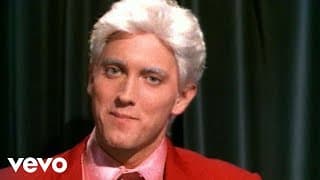
Eminem - My Name Is (Official Music Video)
Artist Origin Eminem, born Marshall Bruce Mathers III, is an American rapper, songwriter, and record producer from St. Joseph, Missouri. He was raised in Detroit, Michigan, and his music often reflects his struggles with poverty, family issues, and societal challenges, making him one of the most influential figures in hip-hop history. Genre The song "My Name Is" falls primarily under the genres of hip-hop and rap. It features elements of comedic and satirical styles that Eminem is known for, showcasing both his lyrical prowess and distinct delivery. Overall Theme "My Name Is" serves as an introduction to Eminem's alter ego, Slim Shady. The song encapsulates themes of identity, societal rejection, and self-assertion, highlighting Eminem's experiences with adversity and his penchant for dark humor. Key Lyrics Analysis One of the notable lines includes Eminem's introduction of his alter ego: "Hi! My name is (what?) My name is (who?) My name is Slim Shady." This repetitious inquiry underscores the exploration of his dual identity and the impact of his persona in the music industry. The humorous yet provocative content of his lyrics often criticizes social norms and expectations while revealing his struggles with acceptance. Emotional Tone The song conveys a mix of emotions, primarily humor, anger, and defiance. Eminem's witty lyricism coupled with his aggressive delivery reflects a desire to break free from societal constraints and assert his individuality. Cultural Context Culturally, "My Name Is" reflects the late '90s hip-hop scene's broader issues, including the rise of white rappers in a predominantly Black industry. The song also engages with themes of rebellion and critique of the mainstream media, resonating with disenfranchised youth. Artist Context Released in 1999 as part of his debut album "The Slim Shady LP," "My Name Is" established Eminem as a major force in hip-hop. This song not only launched his career but also set the stage for his unique style—blending personal storytelling with sharp commentary on societal issues—reinforcing his influence in music and pop culture.

Eminem - Just Lose It (Official Music Video)
Artist Origin Eminem, born Marshall Bruce Mathers III, hails from St. Joseph, Missouri, and is often associated with Detroit, Michigan, where he grew up. He is widely recognized as one of the most influential and best-selling artists in hip-hop history. Eminem's career gained traction in the late 1990s with the release of "The Slim Shady LP," which won him his first Grammy Award and propelled him to fame. Genre "Just Lose It" falls primarily within the hip-hop genre, with influences of comedy and pop. The song showcases Eminem's signature witty, irreverent style. Overall Theme The song addresses themes of self-deprecation and irreverence, emphasizing the importance of letting go of inhibitions and embracing one's flaws. It uses humor to convey the message of not taking life too seriously. Key Lyrics Analysis In the chorus, Eminem repeats the phrase, "Just lose it," which encourages listeners to release their worries and just enjoy the moment. The verses portray humorous and exaggerated depictions of his experiences with fame, celebrity culture, and personal mishaps. For example, lines referencing losing control or making mistakes symbolize the chaos that often accompanies stardom, blending personal narrative with exaggerated humor. Emotional Tone The song conveys a lighthearted, carefree tone, with elements of humor and sarcasm. Despite touching on serious themes related to fame and personal challenges, the overall feeling is one of levity and fun. Cultural Context "Just Lose It" includes references to various aspects of pop culture and celebrity life, including moments from the 2000s, which resonate with audiences familiar with the media landscape of that era. Eminem's approach critiques the often absurd nature of fame, giving listeners a comedic perspective. Artist Context Released in 2004 as part of the album "Encore," this song fits into a transitional period of Eminem's career where he began to experiment more with comedic elements in his music. While it garnered mixed reviews from critics, it solidified his reputation for blending humor with sharp social commentary, reinforcing his place in hip-hop history. The song exemplifies Eminem's ability to create catchy hooks while maintaining his lyrical authenticity.

Doki Doki (feat. Nikki Kaelar)
Artist Origin Dan Salvato is an American composer and game developer best known for creating the visual novel "Doki Doki Literature Club!" (DDLC). He hails from the United States and has a background in game development, music composition, and programming, which have all significantly influenced his work. Genre The song "Doki Doki (feat. Nikki Kaelar)" can be classified primarily as electronic pop, incorporating elements of indie and video game music. The blend of energetic beats and melodic hooks contributes to its engaging sound. Overall Theme This song explores themes of love, anxiety, and self-discovery, encapsulating the emotional turmoil experienced in relationships. It reflects the complexities of romantic feelings while evoking a sense of urgency and vulnerability. Key Lyrics Analysis Important lines in the song highlight the struggle between desire and fear. For instance, lines that convey feelings of hesitation or longing often juxtapose sweet romantic imagery with darker undertones, aligning with the overall game narrative's theme of hidden truths and psychological complexity. Emotional Tone The song conveys a mix of excitement and anxiety, capturing the euphoric highs and unsettling lows of romantic attraction. The upbeat tempo juxtaposed with poignant lyrics creates an atmosphere of both joy and tension, allowing listeners to feel the rollercoaster of emotions inherent in love. Cultural Context The song is deeply rooted in the pop culture phenomenon created by DDLC, which gained traction for its subversion of typical dating sim tropes. It reflects the current trends in visual novels and indie games, where emotional storytelling is at the forefront. Artist Context "Doki Doki (feat. Nikki Kaelar)" fits within Dan Salvato's broader oeuvre by reinforcing the themes of DDLC while showcasing his musical evolution as a composer. The collaboration with Nikki Kaelar exemplifies his commitment to working with diverse artists, enhancing his musical narratives while expanding his reach within the gaming community and beyond.
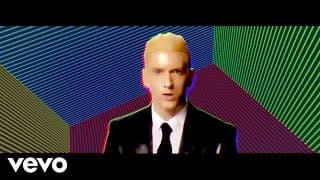
Eminem - Rap God (Explicit)
Artist Origin: Eminem, born Marshall Bruce Mathers III, is an American rapper from St. Joseph, Missouri, raised in Detroit, Michigan. He gained fame in the late 1990s and is known for his intricate lyrical style, blending personal experiences with social commentary and dark humor. Eminem helped bring hip-hop into the mainstream and is often regarded as one of the greatest rappers of all time. Genre: The song "Rap God" primarily falls within the hip-hop/rap genre. It incorporates elements of trap and boasts a fast-paced delivery style that showcases Eminem's technical skills. Overall Theme: "Rap God" is a declaration of Eminem's dominance and mastery within the rap genre. The song reflects his journey in the music industry, highlighting his skill, influence, and status as a trailblazer while also addressing critics and challengers. Key Lyrics Analysis: Key lines in the song emphasize Eminem’s lyrical prowess and versatility. For example, he asserts: “I'm beginning to feel like a Rap God, Rap God,” illustrating his confidence and self-identification with greatness in the rap world. Additionally, when he raps at breakneck speed, it's a showcase of his technical ability, pushing the boundaries of what can be done with flow and rhythm in rap. Emotional Tone: The song conveys a mix of confidence, defiance, and pride. Eminem’s aggressive delivery and assertive lyrics reflect his battle against adversity and his claim to greatness, invoking an aura of empowerment. Cultural Context: "Rap God" features numerous references to popular culture, historical figures, and the music industry. Eminem's use of alliteration, complex rhyme schemes, and pop culture references provides a commentary on his place in contemporary rap, contrasting his style with newer artists and trends. Artist Context: Released in 2013 as part of the album "The Marshall Mathers LP 2," "Rap God" underscores Eminem’s established reputation while signaling his continued relevance in the evolving hip-hop landscape. It received critical acclaim, solidifying his legacy as not only a rapper but also as a cultural icon who can adapt yet maintain his identity.