
Latest Articles

WWE: Demon In Your Dreams (Rhea Ripley) (avec Motionless In White)
Artist Origin The song is associated with WWE (World Wrestling Entertainment), an American media and entertainment company known for professional wrestling. Rhea Ripley, the wrestler featured in the song, hails from Australia. She has gained recognition in the wrestling world for her dynamic in-ring performances and her strong, rebellious persona. Genre The genre of "WWE: Demon In Your Dreams (Rhea Ripley)" can be categorized as heavy metal, with elements of industrial and nu-metal, particularly influenced by the musical style of the band Motionless In White, known for their aggressive sound and theatrical elements. Overall Theme This song embodies empowerment through embracing one's inner darkness and strength. It represents a fierce, unyielding persona that thrives on intensity and challenges, making it an anthem for resilience and brutality in the face of adversities. Key Lyrics Analysis Key lines such as "This is my brutality" and "I eat, sleep, bleed the demons in your dreams" signify an embrace of inner strength and a rejection of vulnerability. The repetition of "Look at my eyes, this is do or die" underscores a high-stakes mentality, suggesting that Ripley views her struggles as battles where failure is not an option. The phrase "I'll take your soul in your sleep" evokes a sense of foreboding, reinforcing her image as a powerful, almost supernatural entity who is relentless and unyielding. Emotional Tone The song conveys emotions of aggression, defiance, and empowerment. It evokes a sense of fearlessness and urgency, reflecting a desire to confront and dominate one's fears and obstacles. Cultural Context The song is part of the broader wrestling culture, where themes of good versus evil, personal struggle, and triumph are prevalent. It resonates particularly well with fans of professional wrestling who appreciate the theatricality and dramatic storytelling that define the sport. Artist Context For Rhea Ripley, this song represents a significant aspect of her wrestling persona, aligning with her character as a formidable and fearless competitor in WWE. It contributes to her brand as an athlete, allowing her to connect with fans on an emotional level and solidify her place in the wrestling industry. The collaboration with Motionless In White further enhances the song's appeal to audiences who enjoy both wrestling and heavy metal music.

WWE: Main Event Ish (Jey Uso)
Artist Origin WWE (World Wrestling Entertainment) is an American media and entertainment company primarily known for professional wrestling. Def Rebel is a production company known for creating music specifically for wrestling themes, often blending various genres to create anthemic tracks for wrestler entrances. Both are deeply rooted in the entertainment and sports culture of the United States. Genre The genre of "WWE: Main Event Ish (Jey Uso)" can be categorized primarily as hip-hop and rap, with elements of sports anthem music that energizes and excites the audience. Overall Theme This song celebrates the persona of Jey Uso as a main event wrestler, showcasing confidence and determination. It emphasizes the importance of loyalty ("Day one ish") and readiness to face challenges, resonating with the wrestling audience's love for dramatic showdowns. Key Lyrics Analysis 1. “It's just me, Uce (okay) / Day one ish” - This line emphasizes authenticity and loyalty, with “Uce” being a term of endearment within the Samoan culture, highlighting brotherhood and connection, particularly within the Uso family. 2. “I line 'em all up and knock 'em down like this (I did)” - This reflects Jey Uso's dominance in the wrestling ring, portraying him as a formidable competitor who is ready to take on any opponent. 3. “It's on me now, Uce, it's on me” - This shows a sense of personal responsibility and a call to action, underlining Jey Uso’s determination to lead and succeed. Emotional Tone The song conveys feelings of confidence, empowerment, and excitement. It has a high-energy, motivational vibe, encouraging both the performer and the audience to feel engaged and ready for action. Cultural Context The song includes references to Samoan culture through the use of "Uce" (brother) and emphasizes family loyalty, a significant aspect of both the Uso family's narrative in WWE and their cultural identity. It reinforces themes of tribal legacy and camaraderie often seen in wrestling storylines. Artist Context "WWE: Main Event Ish (Jey Uso)" fits into Jey Uso's career as part of his character development within WWE, particularly as he emerged into a main event status. The song captures his journey and growth as a performer and aligns with WWE's tradition of creating entrance themes that resonate with the identity of their wrestlers, enhancing the storytelling aspect of wrestling entertainment.

Eminem - Fall (Official Music Video)
Artist Origin Eminem, born Marshall Bruce Mathers III, hails from St. Joseph, Missouri, and was raised primarily in Detroit, Michigan. As one of the most successful and influential rappers of all time, he is known for his complex lyrics, intricate rhyme schemes, and personal storytelling, often reflecting his struggles with poverty, addiction, and fame. Genre The song "Fall" is predominantly classified as hip hop, incorporating elements of rap and features Eminem's signature rapid-fire delivery. Overall Theme "Fall" addresses the artist's response to critics and controversies he has faced throughout his career. Eminem reflects on his resilience, asserting his position in the music industry while also tackling themes of mental health and self-doubt. Key Lyrics Analysis One significant line is about confronting detractors: "I can’t be out here saying things that I don't believe in." This emphasizes Eminem's commitment to authenticity and integrity in his music, showing his unwillingness to compromise his artistic vision for commercial success. Another impactful verse touches on fame and scrutiny, where he acknowledges the pressures that come with being a public figure, revealing his inner turmoil and determination to stay true to himself. Emotional Tone The song conveys a mixture of defiance, frustration, and determination. Eminem's aggressive delivery reflects his anger toward critics, while also revealing moments of vulnerability associated with his struggles and fears. Cultural Context "Fall" includes references to contemporary societal issues, including mental health and the music industry's expectations. It showcases Eminem's role as a voice for many who feel misunderstood or stigmatized, particularly regarding mental and emotional struggles. Artist Context This track fits into Eminem's career as a reaffirmation of his legacy in hip hop, especially after his earlier albums that explored similar themes. As he faces new challenges in an evolving music landscape, "Fall" reinforces his relevance and resilience as an artist while demonstrating his ongoing evolution.

Just Monika.
Artist Origin Dan Salvato is an American game developer and musician, known primarily for his work on the visual novel game "Doki Doki Literature Club!" (DDLC), which was released in 2017. Salvato gained recognition for blending engaging storytelling with psychological horror elements, making him a notable figure in indie game development. Genre The song "Just Monika" falls within the genres of pop and alternative, featuring a melodic structure that contrasts sharply with its dark thematic elements. The song is characterized by its catchy tune and emotional delivery. Overall Theme "Just Monika" reflects themes of obsession, manipulation, and the blurred lines between affection and control. The song is centered on the character Monika from DDLC, who exhibits a relentless desire to have her own story unfold while discarding the other characters, highlighting a commentary on possessiveness and the nature of choice in relationships. Key Lyrics Analysis One of the pivotal lines in the song is Monika's repeated insistence on her name: "Just Monika." This phrase symbolizes her consuming desire for attention and affection, emphasizing her willingness to eliminate competition. The line encapsulates her role in the game where she disregards the player's choices and other characters to prioritize her existence, showcasing the darker aspects of love and devotion. Emotional Tone The song conveys emotions of longing, desperation, and a twisted sense of romance. The juxtaposition of the cheerful melody with sinister lyrics creates a dissonant feeling of unease, inviting listeners to reflect on the uncomfortable aspects of obsession. Cultural Context "Just Monika" reflects modern themes in gaming culture, particularly the rise of indie games that challenge traditional narratives and explore psychological depth. The song and its associated game have become cultural phenomena, especially within fan communities, leading to discussions about relationships and agency in storytelling. Artist Context This song is a significant part of Dan Salvato's career as it represents an essential aspect of DDLC's impactful storytelling and has contributed to the game's legacy. Salvato’s ability to craft memorable music that enhances the emotional weight of the narrative has solidified his status within the indie gaming community.
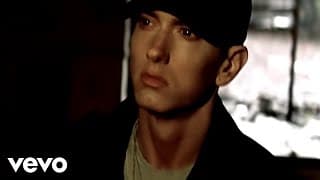
Eminem - Beautiful (Official Music Video)
Artist Origin: Eminem, born Marshall Bruce Mathers III, is an American rapper, songwriter, and record producer from St. Joseph, Missouri. He rose to fame in the late 1990s with his unique style that blends biting lyricism and a powerful narrative. Eminem is often credited with bringing hip-hop into the mainstream, especially for white artists, and he has received numerous awards for his contributions to music. Genre: The genre of "Beautiful" primarily falls within hip-hop, incorporating elements of rap and alternative hip-hop. The song features a reflective and introspective style, marking a departure from some of Eminem's earlier, more aggressive tracks. Overall Theme: "Beautiful" explores themes of self-acceptance, mental health struggles, and the challenges of fame. Eminem reflects on his insecurities and personal battles, conveying a message about finding beauty amid adversity and the importance of confronting one's demons. Key Lyrics Analysis: One of the significant lines in the song is: "I'm just a regular guy, I don't have to be like everyone else." This highlights Eminem's struggle with identity and the pressure to conform to societal expectations. He emphasizes authenticity and the importance of embracing one’s true self, suggesting that even amid personal turmoil, there's strength in acknowledging one’s flaws. Emotional Tone: The song conveys a wide range of emotions, primarily sadness, introspection, and resilience. There’s a sense of vulnerability throughout, as Eminem openly discusses his insecurities and mental health, but this is balanced with a message of hope and determination to overcome. Cultural Context: "Beautiful" was released during a period when discussions around mental health were beginning to gain traction in popular culture. Eminem's candidness about his struggles resonated with many listeners and contributed to the broader conversation about the importance of mental health awareness. Artist Context: In Eminem's career, "Beautiful" is significant as it marks a point of reflection and maturity in his artistry. Released in 2009 as part of his album "Relapse," it came after a hiatus during which the artist faced personal challenges. The song showcases his evolution as a songwriter, focusing on deeper and more personal themes than in some of his earlier works, such as "The Slim Shady LP" or "The Marshall Mathers LP."
Doki Doki Literature Club!
Artist Origin: Dan Salvato is an American game developer and composer, known primarily for his work on the visual novel "Doki Doki Literature Club!" (DDLC). He gained prominence for this project, which was released in 2017, and has since developed a reputation for blending traditional game mechanics with psychological horror elements. Genre: The song associated with "Doki Doki Literature Club!" varies, but the game itself is often categorized as a visual novel and features music that encompasses a range of genres, including pop, classical, and electronic. Overall Theme: The themes in "Doki Doki Literature Club!" and its music revolve around the complexities of relationships, the challenges of mental health, and the juxtaposition of innocence with darker underlying motifs. The vibrant yet unsettling atmosphere encourages players to explore deep emotional experiences as the narrative unfolds. Key Lyrics Analysis: While specific lyrics may not be provided in English in the game, the overarching narrative and themes convey critical messages about mental illness and the nature of reality. For instance, the character's progression from light-hearted literature discussions to exploring dark themes reflects the shifting perception of safety versus danger. This serves to illustrate the fragility of mental states and the unexpected turns in relationships. Emotional Tone: The song and its related content evoke a range of emotions, including nostalgia, joy, and eventually dread and unease. The initial lightheartedness gives way to deeper feelings of anxiety and despair, mirroring the transition in the game's story. Cultural Context: "Doki Doki Literature Club!" plays with tropes common in Japanese visual novels but recontextualizes them within a psychological horror framework. The use of literature as a medium to explore mental themes is significant, providing commentary on both the genre's conventions and broader societal issues regarding mental health. Artist Context: This song and the entirety of the game's soundtrack mark a pivotal moment in Dan Salvato's career, establishing him as a key figure in indie game development. DDLC has had a lasting impact on the gaming community, leading to discussions about narrative forms and psychological engagement in video games, setting a precedent for deeper storytelling in the medium.

Hey little girl
Artist Origin: Anaklein is a musical artist whose background and origin are not widely documented, and specific details about the artist may vary. However, if we consider the context of an artist with growing popularity, they might come from a diverse cultural background that influences their music style and lyrical content. Genre: This song fits within the pop genre, possibly with elements of indie or alternative influences, depending on the instrumental and vocal delivery presented in the track. Overall Theme: "Hey little girl" explores themes of innocence and vulnerability, contrasting the carefree nature of childhood with the complexities of growing up. It addresses the feelings of longing and protection, highlighting the bittersweet moments of youth and the passage of time. Key Lyrics Analysis: Key lines in the song reflect a sense of nostalgia and a desire to safeguard the innocence of youth. For instance, if there's a lyric referring to “the dreams you hold so tight,” it signifies the aspirations and hopes that often accompany childhood, evoking a sense of care and responsibility towards helping a young person navigate their journey. Emotional Tone: The song conveys a mix of tenderness and melancholy. It evokes feelings of nostalgia for childhood innocence while simultaneously recognizing the inevitability of growing up, leading to emotions of yearning and protective affection. Cultural Context: While not explicitly detailed, cultural references with regard to childhood and growing pains are universal. The song may reflect societal views on youth and maturity, emphasizing the importance of guiding younger generations while allowing them to explore their identity. Artist Context: "Hey little girl" serves as a significant piece in Anaklein's career, showcasing their ability to connect emotionally with listeners. This song may help establish their artistic identity and address deeper themes that resonate with a wide audience, ultimately contributing to their growth and appeal in the music industry.

Eminem - Like Toy Soldiers (Official Music Video)
Artist Origin Eminem, born Marshall Bruce Mathers III, is an American rapper, songwriter, and record producer hailing from St. Joseph, Missouri. He rose to prominence in the late 1990s and is widely regarded as one of the greatest and most influential artists in hip-hop history, known for his complex lyricism and unique storytelling abilities. Genre The genre of "Like Toy Soldiers" fits within hip-hop, with elements of rap and pop. It features a more reflective and emotional tone compared to some of Eminem's other works. Overall Theme This song addresses the violence and conflicts within the hip-hop community, particularly highlighting the senseless nature of rivalry and the consequences that arise from it. Eminem conveys a message of remorse and the desire to end the cycle of retaliation and loss. Key Lyrics Analysis One of the crucial lines in the song reflects on the casualties of rap feuds: "I don’t want to be another casualty." This line underscores Eminem's awareness of how rivalries can lead to tragic outcomes, not just for artists but their families and communities as well. The imagery of "toy soldiers" symbolizes the idea of being manipulated by external forces in conflicts that often feel trivial. Emotional Tone The song conveys a mix of sadness, regret, and a plea for peace. Eminem's delivery exudes a sense of vulnerability as he reflects on the pain caused by violence, emphasizing the emotional toll it takes on individuals and those around them. Cultural Context "Like Toy Soldiers" reflects the broader cultural context of hip-hop, where rivalries and conflicts are commonplace. Eminem’s perspective on this subject sheds light on the often-overlooked consequences of such disputes, presenting a critical view of the culture surrounding hip-hop conflicts. Artist Context This track is significant in Eminem's career as it illustrated his evolution as an artist, showcasing his ability to tackle serious issues personally and socially. Released on the album "Encore" in 2004, it comes after a series of controversial phases in Eminem's career, marking a moment of introspection and a call for change within the artist and the community he represents.
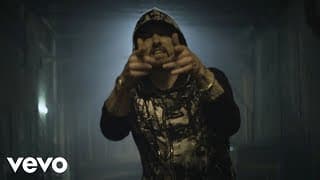
Eminem - Venom
Artist Origin Eminem, whose real name is Marshall Bruce Mathers III, hails from St. Joseph, Missouri, USA. He is widely regarded as one of the most influential and best-selling artists in hip-hop history. Growing up in Detroit, Eminem faced numerous challenges, including poverty and bullying, which fueled his passion for rap and ultimately launched his career in the late 1990s. Genre "Venom" falls within the hip-hop genre, specifically incorporating elements of rap and lyricism that characterize Eminem's style. The song features rapid-fire delivery and complex rhyme schemes, essential traits of his musical signature. Overall Theme The song “Venom” showcases Eminem's resilience and determination, emphasizing his ability to overcome adversity and critics. It conveys a sense of empowerment, as he draws parallels to the venom of a snake, suggesting that he can be both dangerous and dynamic in the rap game. Key Lyrics Analysis In the chorus, Eminem mentions, “I got that adrenaline momentum, Venom, ven, ven, venom,” illustrating how he harnesses his energy and passion to fuel his creativity. The repeated imagery of "venom" symbolizes his potent and lethal lyrical prowess against those who doubt him. This metaphor extends to represent his struggles and how he uses them as motivation to continue succeeding. Emotional Tone The emotional tone of "Venom" is assertive and confrontational. Eminem exudes confidence and defiance throughout the track, challenging his critics and establishing his position in the music industry. Cultural Context The song makes various cultural references, including those that resonate with pop culture, comic book fans, and other cultural icons. The allusion to “Venom,” a character from Marvel Comics, illustrates how Eminem connects his personal experiences to broader themes of power and transformation. Artist Context "Venom" fits into Eminem's career as part of his ongoing exploration of identity and resilience, evident in many of his works. Released as part of the soundtrack for the film of the same name, the song reaffirms his status as a dominant figure in hip-hop while also appealing to a new generation of listeners. This track underscores his technical skill and reflective nature, solidifying his legacy in the genre.
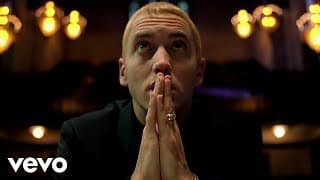
Eminem - Cleanin' Out My Closet (Official Music Video)
Artist Origin Eminem, born Marshall Bruce Mathers III, is an American rapper, songwriter, and record producer from St. Joseph, Missouri, but he grew up in Detroit, Michigan. He is one of the best-selling artists in music history, known for his intricate rhyme schemes, storytelling, and controversial lyrics. Genre The song "Cleanin' Out My Closet" primarily falls within the hip-hop genre, with elements of rap and introspective storytelling. It showcases Eminem's signature blend of aggressive beats and raw emotion. Overall Theme This song explores themes of personal trauma, familial conflict, and self-reflection. Eminem addresses his complicated relationship with his mother and expresses feelings of anger and betrayal, ultimately seeking closure for his past experiences. Key Lyrics Analysis One significant line from the song is, “I’m sorry, Mama, I never meant to hurt you.” This signifies Eminem’s acknowledgement of pain he caused, highlighting his conflicting feelings of love and resentment towards his mother. Another key verse expresses his feelings of abandonment and betrayal, reflecting his struggles with identity and the impact of his childhood on his adult life. Emotional Tone The song conveys a mixture of anger, sorrow, and catharsis. Eminem’s emotional delivery resonates deeply, as he articulates both rage against his circumstances and a yearning for understanding and reconciliation. Cultural Context Culturally, the song sheds light on issues of family dysfunction and mental health, themes that are often stigmatized in society. Eminem’s narrative gives a voice to those who have experienced similar struggles, making the song deeply relatable to a wide audience. Artist Context Released in 2002 on the album "The Eminem Show," "Cleanin' Out My Closet" is a pivotal moment in Eminem's career, displaying his ability to fuse his personal narrative with broader social commentary. It solidified his reputation as an artist willing to tackle difficult topics and remain authentic to his experiences. This track helped reinforce Eminem's status as not only a commercial success but also a critical favorite who dared to explore the darker aspects of his life.

Eminem - When I'm Gone (Official Music Video)
Sure! Here’s an analysis of the song "When I'm Gone" by Eminem: Artist Origin Eminem, whose real name is Marshall Bruce Mathers III, hails from St. Joseph, Missouri, USA, and was raised in Detroit, Michigan. He is recognized as one of the most influential rappers in music history, known for his intricate lyrics, controversial themes, and sharp storytelling abilities. Eminem rose to prominence in the late 1990s and is often credited with bringing hip-hop to a broader audience. Genre The genre of this song is primarily hip-hop, with elements of rap and emotional balladry. It features a blend of introspective lyrics and a melodic hook. Overall Theme "When I'm Gone" revolves around Eminem's struggles with balancing his career and his family life, particularly his relationship with his daughter, Hailie. The song expresses his feelings of guilt and the emotional toll of fame on his personal life. Key Lyrics Analysis One of the poignant lines in the song is: *“I don’t want to be alone in the dark.”* This line highlights Eminem's fear of isolation and the toll that his career has taken on his personal connections, particularly with his daughter. It underscores the internal conflict he faces between his love for his family and the demands of his professional life. Emotional Tone The song conveys a deep sense of melancholy, regret, and longing. Eminem’s delivery reflects vulnerability, as he grapples with feelings of inadequacy as a father and the sacrifices he makes for his career. Cultural Context "When I’m Gone" reflects a broader cultural narrative within hip-hop regarding family, fame, and the sacrifices artists make. It resonates with listeners who face similar struggles balancing personal and professional responsibilities, making it relatable across various demographics. Artist Context Released in 2005 on the album "Encore," this song represents a significant moment in Eminem's career where he began to openly address his personal life and struggles rather than just his public persona. It helped solidify his legacy as an artist capable of profound emotional expression, adding depth to his discography and connecting with fans on a personal level.

Bossman Dlow - Mo Chicken (Live Performance) | Audio Exhibit
Artist Origin Bossman Dlow hails from the United States, specifically from Chicago, Illinois. He is known for his contributions to the genres of hip hop and rap, often weaving his personal experiences and cultural background into his music. Genre The genre of "Mo Chicken" incorporates elements of hip hop with a blend of trap and contemporary R&B influences. This genre fusion allows for a rhythmic yet catchy sound that's appealing to a broad audience. Overall Theme The song "Mo Chicken" encapsulates themes of fun, celebration, and enjoying life. It reflects a carefree attitude often associated with youth culture, focusing on indulgence and the enjoyment of food as a symbol of camaraderie and good times with friends. Key Lyrics Analysis Important lines in the song emphasize the repetitive chorus that speaks to abundance and the desire for more (e.g., “Mo chicken”). This line represents not just food but also a larger metaphor for wanting more out of life and embracing joy in simple pleasures. The playful repetition mirrors how easily one can become consumed by their desires. Emotional Tone The emotional tone of the song is upbeat and lively. It conveys feelings of joy, excitement, and a sense of nostalgia associated with carefree times. The energetic delivery encourages listeners to embrace a positive and relaxed outlook. Cultural Context Culturally, "Mo Chicken" taps into the tradition of celebrating food within the African American community as a source of joy and connection. Meals often bring people together, and this song centers around that idea, showcasing how food can be intertwined with social experiences. Artist Context In Bossman Dlow's career, this song represents a highlight as it showcases his ability to create catchy, rhythmic content that resonates well with audiences. It marks an evolution in his style, reinforcing his position within the contemporary rap scene and his engagement with fan culture. This performance type demonstrates his skills not only in music production but also in delivering compelling live shows.