
Latest Articles
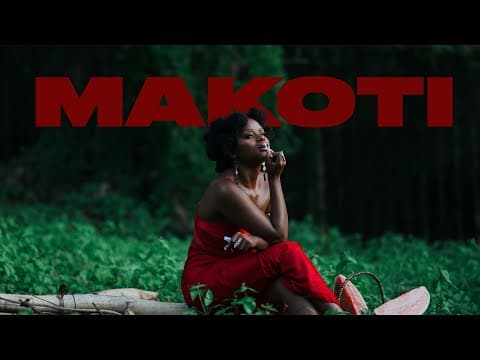
Makoti
"Makoti" by Atenda Chinx is a vibrant celebration of African marriage and the arrival of a new bride into a family. Here is an analysis of the song: 1. Overall Theme The song centers on the celebration of a traditional wedding and the formal welcoming of a bride (*Makoti*) into her new home. It explores themes of family unity, the successful completion of marriage rites (Lobola), and the communal joy that comes with a growing family. 2. Key Lyrics Analysis * "Makoti kwaye": This translates to "A good/true bride." It signifies the family’s approval and the bride's arrival as a source of pride and dignity for the household. * "Vamwene vofara": Meaning "The mother-in-law is happy." In Shona culture, the relationship between the bride and her mother-in-law is crucial. This line emphasizes that the bride has been accepted with open arms and is expected to bring peace and help to the home. * References to dancing and celebration: The lyrics often call for the community to witness the union, highlighting that marriage is not just between two individuals but two families and their entire village or community. 3. Emotional Tone The song is festive, joyful, and upbeat. It carries a sense of relief and accomplishment, as if a long-awaited milestone has finally been reached. There is also an underlying tone of respect and warmth, honoring the traditions that keep the family structure together. 4. Cultural Context The song is deeply rooted in Zimbabwean (Shona) wedding traditions. The term "Makoti" is widely used across Southern Africa to refer to a daughter-in-law. The song reflects the "Roora/Lobola" process, where the groom’s family pays a bride price to the bride's family. Once this is done, the bride is escorted to her new home in a ceremony often filled with singing and dancing, which is exactly the atmosphere the song captures. 5. Artist Context Atenda Chinx is the son of the late Zimbabwean music icon Cde Chinx Chingaira. While his father was famous for "protest music" and revolutionary songs, Atenda has carved out a space in the modern Afro-fusion and Urban Grooves scene. "Makoti" showcases his ability to blend modern pop production with traditional social values, allowing him to maintain his father's legacy of cultural pride while appealing to a younger, contemporary audience.
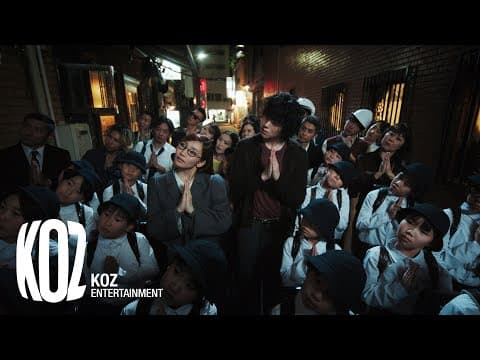
DUET
"DUET" is a soulful R&B track from ZICO’s 2015 mini-album *Gallery*. It highlights his versatility as a producer and vocalist, moving away from his aggressive hip-hop roots to showcase a softer, more romantic side. ### 1. Overall Theme The song explores the sweet, fluttering excitement of being in a "some" (flirting) stage or the early days of a romantic relationship. It uses the metaphor of a "duet" to describe the harmony and effort required between two people to create a perfect connection. ### 2. Key Lyrics Analysis * "I’m clumsy, unlike my usual self" (평소답지 않게 내가 좀 어설퍼): Zico, usually known for his confidence and sharp charisma, admits that he loses his composure around his love interest. This vulnerability makes the song relatable and endearing. * "Our breath becomes the melody" (너와 나의 호흡이 곧 선율이 돼): This line reinforces the "duet" metaphor. It suggests that just by being together and existing in the same space, they are creating something beautiful and musical. * "I'm in front of your house, come out quickly": This conveys the "boyfriend" charm that was popular in mid-2010s K-Pop. It portrays an image of an eager, proactive lover who can't wait to see his partner. ### 3. Emotional Tone The tone is warm, intimate, and mellow. The use of a smooth brass arrangement, rhythmic piano, and Zico’s melodic "sing-rapping" creates a cozy atmosphere. It evokes feelings of a late-night drive or a quiet evening conversation, filled with the "butterflies" of new love. ### 4. Cultural Context In Korea, this song fits into the "Gomak-Namchin" (Eardrum Boyfriend) trend—a term used for male artists whose voices are so sweet and soothing that they feel like a boyfriend whispering into your ear. During its release, it resonated with the "Ssom" (flirting) culture in Korea, where the ambiguous stage before a relationship is often celebrated in popular music for its tension and sweetness. ### 5. Artist Context "DUET" was a significant departure from Zico's image as the fierce leader of Block B or the "tough guy" rapper seen on *Show Me The Money*. By including this track in his *Gallery* EP, Zico proved he was a well-rounded artist capable of handling R&B, jazz-pop, and ballad-adjacent styles. It helped bridge the gap between his hip-hop fans and the general public, establishing him as a top-tier producer who understands mainstream sensibilities.

Kpop Demon Hunters Gyatt Song
"Kpop Demon Hunters Gyatt Song" by BENJIxScarlett is a prominent example of "brainrot" music—a genre of internet songs designed for a young audience (Gen Alpha) that heavily utilizes viral memes and Roblox-related imagery. Here is an analysis of the track: 1. Overall Theme The song is a high-energy anthem centered on a group of fictional K-pop-inspired characters who hunt demons. It merges the visual aesthetics of K-pop stardom with a supernatural combat narrative, all while using a heavy layer of modern internet slang to appeal to the Roblox and YouTube Shorts gaming communities. 2. Key Lyrics Analysis * "K-pop Demon Hunters": This is the core identity of the characters. It references the popular Roblox game/trend where players use stylish, K-pop-inspired avatars to fight monsters. * "Gyatt" / "Rizz" / "Sigma": These are "brainrot" slang terms. In the context of the song, they don't carry their literal meanings; instead, they serve as rhythmic fillers and "cool" buzzwords that resonate with the target demographic. * "We’re slaying the demons in style": This is a double entendre. In K-pop culture, "slaying" refers to performing exceptionally well or looking fashionable, while in the song's literal narrative, it refers to killing monsters. * References to "Levels" and "Bosses": These lines highlight the song’s roots in gaming culture, framing the demon-hunting as a quest or a video game progression. 3. Emotional Tone The tone is hyper-energetic, chaotic, and absurdly confident. It is meant to be an "earworm"—a song that gets stuck in the listener's head through repetition and a driving, electronic beat. While it may seem satirical or "cringe" to older listeners, it conveys a sense of empowerment and high-octane fun for its intended younger audience. 4. Cultural Context The song exists within the "Brainrot" subculture of the 2020s. It draws from: * Roblox Culture: Much of the visual and thematic inspiration comes from Roblox roleplay and fighting games. * Gen Alpha Slang: The lyrics are a concentrated dose of terms popularized on TikTok and YouTube (Skibidi, Ohio, Fanum Tax, etc.). * K-pop Global Influence: The song capitalizes on the global "cool factor" of K-pop, using the genre's tropes (fashion, synchronized groups) as a skin for its monster-hunting theme. 5. Artist Context BENJIxScarlett is a prolific creator known for making songs based on trending characters and internet memes (such as *Poppy Playtime*, *Garden of Banban*, or *Skibidi Toilet*). This song fits perfectly into their career strategy: identifying a viral niche—in this case, the "K-pop Demon Hunter" Roblox aesthetic—and quickly producing a high-energy track to capitalize on search trends. It solidifies their position as one of the primary "meme-music" producers for the younger generation.
Baby Saja Song (Kpop Demon Hunters)
"Baby Saja Song" by BENJIxScarlett is a high-energy track created for the Kpop Demon Hunters series, an original animated/lore-based universe popular on YouTube and social media. Here is an analysis of the song: 1. Overall Theme The song serves as the "boss anthem" and character introduction for Baby Saja (which means "Baby Lion" in Korean). It focuses on the duality of the character—presenting her as someone who appears cute and harmless but is actually a fierce, high-ranking warrior dedicated to hunting demons. 2. Key Lyrics Analysis * "I’m the Baby Saja, leader of the crew": This line establishes the character’s hierarchy. Despite the "Baby" moniker, she holds a position of authority and power within the Demon Hunter organization. * "Don’t let the cuteness fool you": This is the central thesis of the song. It warns enemies not to underestimate her based on her aesthetic (pink hair, small stature, or K-pop idol appearance). * "Pink hair, big flair, catching demons in the air": This describes the visual design of the character while emphasizing her supernatural combat skills and agility. * "We’re the K-pop Demon Hunters": This bridges the gap between the polished, rhythmic world of K-pop and the dark, gritty world of monster hunting, defining the unique genre of the series. 3. Emotional Tone The tone is empowering, confident, and intensely energetic. It mimics the "girl crush" concept found in real K-pop (like BLACKPINK or ITZY), blending "sweet" vocals with an aggressive, bass-heavy beat to create a sense of "dangerous cuteness." 4. Cultural Context * Korean Language: The title uses the word Saja (사자), which is Korean for "Lion." This connects the character to the symbolism of a lion—strength, royalty, and bravery. * Internet Lore Culture: The song belongs to a specific subgenre of internet music where creators build deep stories ("lore") around original characters, often drawing inspiration from Roblox aesthetics, anime tropes, and K-pop idol culture to engage a younger, digitally-native audience. 5. Artist Context BENJIxScarlett are known for creating "character songs" and "official themes" for various internet trends and original series. This song is a cornerstone of their "Kpop Demon Hunters" project, which has become one of their most successful ventures. It demonstrates their ability to produce high-quality parodies that function as legitimate pop songs while expanding the narrative of their fictional universe.

earthquake
It is important to start with a clarification: "Earthquake" is not an official song released by JISOO (of BLACKPINK). The video you are referring to (which has over 100M views) is a fan-made/AI-generated "concept" song or a song by another artist that was re-uploaded and attributed to Jisoo by fans. Despite not being an official release, it became a viral sensation within the K-pop community. Here is an analysis of the song based on the viral version: 1. Overall Theme The song centers on the metaphor of a natural disaster to describe a volatile and overwhelming romantic relationship. It explores the feeling of losing one's foundation and stability when a specific person enters or leaves their life, likening the emotional impact to the destructive power of an earthquake. 2. Key Lyrics Analysis * "You’re the earthquake, shaking up my world": This line establishes the central metaphor. The "you" in the song isn't just a partner, but a force of nature that the narrator cannot control, signifying a love that is both powerful and potentially dangerous. * "I’m falling through the cracks": This illustrates the aftermath of the "quake." It represents the vulnerability and the feeling of being broken or lost when the "ground" (the narrator's sense of self or security) disappears. * "Everything I built is coming down": This refers to the emotional walls or the life the narrator had before this person arrived. It suggests that this relationship has completely dismantled their previous way of living. 3. Emotional Tone The tone is melancholic, dramatic, and haunting. Unlike the upbeat "FLOWER" (Jisoo’s official solo debut), this track carries a darker, cinematic vibe. It conveys a sense of helplessness and intense longing, mixed with the awe of being moved by someone so deeply that it feels like a catastrophe. 4. Cultural Context The massive popularity of this "fake" or "AI" song (100M+ views) highlights a unique modern cultural phenomenon: The "Fan-Concept" Era. * Because Jisoo fans waited a long time for her solo debut, creators used AI or existing demos to "predict" her sound. * The high view count reflects the global power of the BLACKPINK fandom (BLINKs) and how digital spaces can turn unofficial content into "phantom hits" that rival actual official releases. 5. Artist Context While this isn't in Jisoo’s official discography, its popularity influenced the expectations for her solo career. * Vocal Style: Fans gravitated toward this song because it highlights a deep, "husky" vocal range that fits Jisoo’s natural alto voice. * Contrast to "FLOWER": While her official solo *ME* (2023) focused on elegance and traditional Korean aesthetics, "Earthquake" represents the "Dark Pop" or "Alternative" sound that many fans hope she explores in her future projects under her own label, BLISSOO.

After LIKE
Released in August 2022, "After LIKE" by IVE is a massive global hit that solidified the group's status as leaders of K-pop’s fourth generation. Here is an analysis of the track: Overall Theme The song explores the transition from a simple "crush" or "like" to something deeper and more intense: love. It focuses on the exhilarating, confident moment when someone decides to stop overthinking and jump into a full-blown romantic commitment. Key Lyrics Analysis * "What's after 'LIKE'?": This central hook poses the song's primary question. It suggests that "liking" someone is just the beginning, and the protagonist is ready to explore the "L-O-V-E" that follows. * "LO and VE": In the rap verse, Rei and Gaeul break down the word "Love," symbolizing the analytical yet playful way they are processing their growing feelings. * "Don’t ask why, just look with your heart": This line encourages the listener to move past logic and hesitation. It emphasizes intuition and the visceral feeling of attraction over rational explanation. * "Twice, thrice, don't ask again": This highlights IVE’s signature confidence; they aren't interested in games or repeated questioning—they know what they want and expect the same certainty from their partner. Emotional Tone The song is vibrant, assertive, and euphoric. Unlike many love songs that are shy or longing, "After LIKE" is "narcissistic" in the context of IVE’s brand—meaning it focuses on self-assurance. The tone is celebratory, bolstered by the high-energy disco-pop beat and the climactic use of fireworks in the visual presentation. Cultural Context The most significant cultural element is the interpolation of Gloria Gaynor’s 1978 disco hit "I Will Survive." By sampling one of the most famous tracks in music history, IVE bridged the gap between generations. While the original song was about surviving a breakup, "After LIKE" repurposes that legendary melody to represent the power and "survival" of a new, bold love. This move helped the song appeal to older listeners and international audiences through nostalgia. Artist Context "After LIKE" completed a "perfect hat-trick" for IVE, following their previous hits "Eleven" and "Love Dive." It solidified their "Chaebol Crush" concept—a sophisticated, wealthy, and highly confident aesthetic. The song's massive success (evidenced by the 349M+ views) proved that IVE wasn't just a "one-hit wonder" but a dominant force capable of defining the sound of modern K-pop.

ExtraL
Based on the statistics you provided (117 million views and 2.4 million likes), it appears you are referring to the song "Mantra" by JENNIE, released in October 2024. While there is no official song titled "ExtraL" featuring Doechii, the word "extra" is a central lyric in *Mantra*, and many fans have created viral mashups or "concept" videos featuring American rapper Doechii because of their similar "It-Girl" energy. Here is an analysis of JENNIE’s "Mantra": ### 1. Overall Theme The song is a high-energy anthem centered on female empowerment, self-confidence, and "It-Girl" energy. It serves as a personal "mantra" for women to embrace their beauty, success, and independence while refusing to let outside drama or negativity disrupt their peace. ### 2. Key Lyrics Analysis * "Pretty girls don't do drama / Unless we wanna, it'll be extra": This line redefines the "pretty girl" stereotype. It suggests that while they prefer peace and success, they have the power and "extra" flair to dominate any situation they choose to engage in. * "Check the mantra / She’s so extra, I’m so extra": Here, Jennie reclaims the word "extra" (often used as a criticism for someone being "too much") and turns it into a badge of honor for being high-effort, stylish, and exceptional. * "Defending my girls, we’re so solid": This highlights female solidarity and loyalty, moving the song from just self-focus to a broader celebration of sisterhood. ### 3. Emotional Tone The tone is assertive, vibrant, and playful. It carries a "cool girl" nonchalance—meaning the singer knows her worth and doesn't need to shout to prove it. The heavy bass and upbeat tempo create a sense of infectious confidence that is designed to make the listener feel powerful. ### 4. Cultural Context * The "L.A. It-Girl" Aesthetic: The music video and lyrics lean heavily into the Southern California lifestyle (fast cars, palm trees, and fashion), blending Jennie’s K-pop roots with a Western "Hot Girl" aesthetic. * Self-Care Culture: The title "Mantra" taps into modern wellness and manifestation trends, where repeating positive affirmations is used to build self-esteem. ### 5. Artist Context This song marks a massive milestone in Jennie’s career as it is her first official solo release under her own label, OA (Odd Atelier), in partnership with Columbia Records. * Independence: It signals her transition from being a member of BLACKPINK to a fully realized global solo pop star. * Global Sound: By collaborating with Western producers and focusing on an English-language track, Jennie is positioning herself as a mainstay in the international pop market, separate from the traditional K-pop idol system. *Note on Doechii: While Doechii is not on the official track, the song's "Brat" and "Rap-Pop" style heavily mirrors the genre Doechii is known for, which is why you may see her name associated with the song in fan edits or "wishlist" collaborations.*

Rockstar
"Rockstar" by LISA is a high-energy anthem that marks her bold transition into a new era of creative independence. Released under her own label, LLOUD, the track serves as a statement of her global status and artistic evolution. Overall Theme The song is a celebratory "flex" anthem centered on Lisa’s self-assurance, global stardom, and her identity as a boundary-breaking artist. It explores themes of luxury, cultural pride, and the reclamation of her narrative as she shifts from a K-pop idol to a worldwide "rockstar." Key Lyrics Analysis * "Lisa, can you teach me Japanese? I said 'Hai, hai'": This is a witty, sarcastic commentary on the Western tendency to generalize all Asian people. By replying with "Hai" (Yes in Japanese), she plays along with the stereotype while subtly mocking the ignorance of those who don't bother to learn her actual background. * "BKK so hot, I make it pop": Lisa pays homage to her roots in Bangkok (BKK). It reinforces that despite her international fame, she remains deeply connected to her Thai heritage. * "Gold teeth sitting on the dash, she a rockstar": This imagery represents the "rockstar" aesthetic—rebellious, wealthy, and unapologetic. It signals a departure from the more polished, "perfect" image often expected of K-pop idols. * "Tight dress, LV sent it": A nod to her high-fashion status and her real-world role as a brand ambassador for Louis Vuitton. Emotional Tone The song conveys undiluted confidence and defiance. It is aggressive yet playful, characterized by a sense of liberation. The heavy bass and futuristic synths create a mood that is empowering and high-octane, designed to make the listener feel as untouchable as the artist herself. Cultural Context The music video was filmed in Yaowarat (Bangkok’s Chinatown), featuring local Thai dancers, performers, and members of the LGBTQ+ community (specifically transgender women). By choosing this location and cast, Lisa used her platform to spotlight Thai street culture and diversity, boosting local tourism and pride. Artist Context "Rockstar" is a pivotal moment in Lisa’s career as it is her first release since leaving YG Entertainment for her solo activities and founding her own company, LLOUD. It marks her move toward a more "Western" pop-rap sound and signifies her intent to be viewed not just as a member of BLACKPINK, but as a singular, dominant force in the global music industry.

Super Shy
Released in July 2023 as a lead single for their second EP *Get Up*, "Super Shy" by NewJeans became a global phenomenon. Here is an analysis of the track: Overall Theme The song captures the innocent, fluttering anxiety of a teenage crush. It explores the internal conflict of being deeply attracted to someone while feeling too bashful to make the first move, ultimately serving as a "confession" song for those who find it hard to speak up. Key Lyrics Analysis * "I’m super shy, super shy / But wait a minute while I make you mine": This hook creates a playful irony. While the narrator admits to being timid, there is an underlying determination and hope that they will eventually bridge the gap and win the person over. * "You don't even know my name, do ya?": This line highlights the relatable "invisible" feeling of a one-sided crush. It emphasizes the distance between the narrator’s intense internal feelings and the reality of being a stranger to the person they admire. * "And I wanna go out with you / Where you wanna go?": These simple, direct questions contrast with the "shy" persona, showing the inner rehearsals of a conversation the narrator wishes they could have in real life. Emotional Tone The tone is bright, bubbly, and "fluttery." Despite the lyrics being about hesitation, the fast-paced Drum & Bass and Jersey Club beat (approx. 150 BPM) mimics the feeling of a racing heart. It feels nostalgic and youthful, balancing the "nervousness" of the lyrics with the "excitement" of the production. Cultural Context "Super Shy" leaned heavily into the Y2K aesthetic and the Jersey Club music trend, which was blowing up globally at the time. The music video, filmed in Portugal, features a "flash mob" style of choreography. This was a strategic move for the "TikTok era," as the simple, repetitive arm movements were designed to be easily replicated for viral dance challenges, contributing to its massive streaming numbers. Artist Context This song solidified NewJeans’ position as leaders of the "easy-listening" movement in K-pop. While many groups focused on aggressive "girl crush" concepts or heavy EDM, NewJeans opted for a soft, retro, and minimalist sound. "Super Shy" was a major milestone for the group, marking their highest peak on the Billboard Hot 100 and proving that their understated style had massive global appeal beyond the traditional K-pop fanbase.

Nxde
"Nxde" by (G)I-DLE is a high-concept pop track that blends cabaret influences with a sharp social critique. Here is an analysis of the song: 1. Overall Theme "Nxde" is a powerful anthem about reclaiming one’s true self and rejecting the sexualized gaze of the public. The song redefines the word "nude" not as an act of exposure for others' pleasure, but as the state of being authentic, unvarnished, and stripped of societal labels or costumes. 2. Key Lyrics Analysis * "Why you think about nude? / 'Cause your view's so rude / Think outside the box, then you'll like it": These lines directly challenge the listener. The group argues that if the word "nude" feels scandalous or dirty, it is a reflection of the observer’s "rude" perspective, not the person being themselves. * "I’m born to be nude / You got a dirty mind": This highlights the philosophical stance that every human is born "nude" and pure. The "dirtiness" is a social construct added later by judgmental minds. * "Hello my name is Yeppi Yeppiyo": While sounding playful, the lyrics throughout the verses mock the "dumb blonde" or "pretty doll" stereotypes that women in the industry are often forced to inhabit. * The Bridge (Referencing the "Show"): The lyrics describe a performance ending and a "curtain call," symbolizing that the public persona is just a mask, and the "nude" self is what remains when the show is over. 3. Emotional Tone The song carries an empowered, defiant, and theatrical tone. It utilizes a sample from Bizet’s opera *Carmen* ("Habanera"), which adds a sense of dramatic irony and sophistication. There is a palpable sense of sarcasm directed at the media and critics, delivered with a high level of confidence and "don't-care" attitude. 4. Cultural Context * Marilyn Monroe: The visual concept heavily references Marilyn Monroe (blonde hair, red lips, classic Hollywood glamour). (G)I-DLE uses her image to honor her as a woman who was often reduced to a sex symbol despite her intelligence and depth. * Banksy Reference: The music video ends with a painting of a girl being shredded, directly referencing the street artist Banksy’s "Love is in the Bin." This symbolizes that their art and identity cannot be owned or commodified by the public gaze. * Challenging K-pop Norms: In the relatively conservative South Korean music industry, using the word "Nude" (and spelling it "Nxde" to bypass search filters/censorship) was a provocative move designed to spark conversation about the objectification of female idols. 5. Artist Context "Nxde" solidified (G)I-DLE’s reputation as "self-producing idols" who prioritize messages over trends. Led by the group’s leader, Soyeon, who wrote and produced the track, the song followed their previous hit "TOMBOY." It marked a pivotal moment in their career where they transitioned from being a standard girl group to being perceived as "authors" of their own narrative, willing to take significant risks to discuss feminism and self-perception.

Drama
Released in November 2023, "Drama" by aespa is a high-energy hip-hop and dance track that solidified the group's reputation for powerful performances and bold concepts. ### 1. Overall Theme The song is an anthem of self-confidence and agency, revolving around the idea of being the "main character" in one's own life. It explores the concept that life is a stage where you control the narrative, refusing to be a side character or follow someone else’s script. ### 2. Key Lyrics Analysis * "I’m the Drama": This recurring hook is the core of the song. It’s an assertion of power, suggesting that the singer doesn't just participate in events; they *are* the event. It embraces "Main Character Energy." * "Ziggy ziggy zag, I’m new": This playful, rhythmic line emphasizes aespa’s unpredictable and experimental musical style. It suggests they are constantly evolving and breaking traditional patterns. * "One, two, it’s time to go / Three, four, don’t let it go": This countdown creates a sense of urgency and momentum, framing their rise to the top as an unstoppable force. * "I bring all the Drama-ma-ma-ma": By repeating the word "Drama," the song turns a term often used negatively (as in "unnecessary conflict") into a symbol of prestige, excitement, and cinematic flair. ### 3. Emotional Tone The tone is fierce, assertive, and theatrical. There is an underlying sense of "dark coolness" and grit, especially in the heavy synth-bass lines. It evokes feelings of empowerment and defiance, encouraging the listener to feel invincible. ### 4. Cultural Context * Main Character Energy: The song taps into a popular Gen Z cultural trope where individuals are encouraged to view their lives through a cinematic lens, prioritizing their own desires and story. * Cinematic Homage: The music video and performances draw heavily from classic action cinema. Fans and critics noted visual nods to films like *Kill Bill* and *Oldboy*, using the "drama" motif to pay tribute to high-stakes, stylized storytelling. ### 5. Artist Context "Drama" marked a pivotal moment for aespa. After the brighter, more "youthful" vibe of their previous hit "Spicy," "Drama" saw a return to their "Savage" roots—the dark, powerful, and hyper-stylized aesthetic that defined their debut. It proved that aespa could maintain their "Ae-concept" (their metaverse lore) while delivering a song that resonates as a standalone female empowerment anthem. The massive view count (286M+) confirms it as one of the definitive K-pop hits of the mid-2020s.

CRAZY
"CRAZY" by LE SSERAFIM is a high-energy house track that has become a global phenomenon, as evidenced by its massive viewership and viral presence. Here is an analysis of the song: 1. Overall Theme The song is an anthem for unapologetic self-expression and the thrill of losing oneself in the moment. It explores the idea of "going crazy" not as a negative state, but as a liberating pursuit of passion, individuality, and breaking free from societal expectations. 2. Key Lyrics Analysis * "All the girls are girling, girling": This viral line uses "girling" as a verb to represent women fully embracing their identity, style, and power together. It emphasizes female camaraderie and the "it-girl" energy the group is known for. * "Act like an angel and dress like crazy": This highlights a duality in the members' personas. It suggests that while they may maintain a poised public image, their true self-expression is bold, experimental, and unconventional. * "Da-da-da-da-da" (The Hook): While simple, the repetitive, hypnotic nature of the hook is designed to mimic the trance-like state of a crowded dance floor, reinforcing the song’s focus on rhythmic obsession. * "I’m the girl who’s going crazy": This is a direct reclamation of a word often used to dismiss women. Here, "crazy" is transformed into a badge of courage and excitement. 3. Emotional Tone The tone is electrifying, confident, and defiant. It carries a "club-ready" vibe that feels both sophisticated and chaotic. There is a sense of liberation in the vocals, which range from deadpan, cool delivery to high-energy chants, making the listener feel empowered to join in the "madness." 4. Cultural Context The most significant cultural influence in "CRAZY" is Ballroom Culture. The song is a "Vogue House" track, a genre born out of the Black and Latino LGBTQ+ underground scene in New York. * Voguing: The choreography features prominent "waacking" and "voguing" movements. * The "Vibe": By tapping into ballroom aesthetics, LE SSERAFIM aligns themselves with a culture that celebrates performance, "extraness," and finding family through self-expression. 5. Artist Context "CRAZY" represents a bold sonic evolution for LE SSERAFIM. While their debut was rooted in "Fearless" minimalism and their mid-career explored "Unforgiven" Latin-pop and "Easy" hip-hop, "CRAZY" cements them as experimental trendsetters. * It reinforces their core brand of "fearlessness" by showing they aren't afraid to tackle niche genres like EDM/House. * The song’s massive success (200M+ views) proves their ability to create viral, TikTok-friendly "challenges" while maintaining high-concept artistic integrity.