
Latest Articles

Stuck In Your Head
"Stuck In Your Head" is a bold, edgy B-side from IVE’s second EP, *IVE SWITCH* (2024). It showcases a darker, more assertive side of the group compared to their earlier "narcissistic" romantic hits. Here is an analysis of the track: 1. Overall Theme The song explores the psychological power the protagonist holds over someone else. It moves away from traditional themes of "falling in love" and instead focuses on being an inescapable, haunting presence in someone’s mind. It depicts a "villainous" charm where the singer enjoys being an obsession that the listener cannot shake off. 2. Key Lyrics Analysis * "I’m stuck in your head / Like a bad melody": This is a meta-commentary on the nature of "earworms." By comparing themselves to a "bad melody," the members suggest that even if their presence is disruptive or unwanted, it is impossible to ignore. * "The nightmare inside your dream": This paradoxical line suggests a dual nature. While the listener might want a pleasant "dream" (a typical relationship), IVE enters as a "nightmare," representing a more complex, perhaps even destructive, kind of attraction. * "I’m the one you’re looking for, but you’ll never find": This highlights the theme of mystery and power. They are constantly on the listener’s mind, yet they remain just out of reach, maintaining total control over the dynamic. 3. Emotional Tone The tone is mischievous, confident, and slightly dark. Unlike the bubbly energy of "After LIKE" or the ethereal vibe of "Love Dive," this song carries a sense of "cool detachment." There is an underlying tension in the vocals that conveys a "femme fatale" or "dark doll" persona—fearless and somewhat predatory. 4. Cultural Context The song plays into the "Dark Girl Crush" trend currently popular in K-pop, where female idols move away from being "lovable" to being "formidable." It also reflects the modern obsession with digital and mental "space"—in an era of short-form content and constant stimulation, being "stuck in someone’s head" is the ultimate form of influence and social currency. 5. Artist Context Within IVE’s discography, "Stuck In Your Head" represents the "Switch" concept of their 2024 EP. While their early career was defined by "Self-love" (Narcissism), they are now evolving into "Self-empowerment through mystery." This track proves that IVE can handle grittier, more experimental pop sounds, moving them beyond the "elegant princess" image into a more versatile, mature territory.

사랑은 늘 도망가
"사랑은 늘 도망가" (Love Always Runs Away) is one of the most beloved contemporary ballads in South Korea. Originally released by the legendary Lee Moon-sae in 2011 for the drama *A Thousand Kisses*, it has become a timeless classic. Here is an analysis of the song: 1. Overall Theme The song explores the fleeting and elusive nature of love, comparing it to someone who constantly runs away just when you think you’ve held onto it. It portrays the weariness and deep longing of a person who remains stuck in the memory of a past love, unable to find peace or closure. 2. Key Lyrics Analysis * "사랑은 늘 도망가 / 잠시 쉬어 가면 좋을 텐데" (Love always runs away / It would be nice if it stayed to rest for a while): This is the core metaphor of the song. It suggests that love is not a stable destination but a transient force that refuses to settle, leaving the narrator exhausted from the chase. * "눈물이 나요 / 가슴이 아파" (Tears fall / My heart hurts): These simple, direct lyrics bypass poetic complexity to hit at raw, universal human pain. It emphasizes that despite the passage of time, the emotional wound remains fresh. * "기다림은 지쳐만 가고" (The waiting only grows more exhausting): This line highlights the central conflict—the narrator is waiting for a love that has no intention of returning, leading to a sense of emotional burnout. 3. Emotional Tone The tone is melancholic, weary, and deeply nostalgic. Unlike "angry" breakup songs, this track carries a sense of quiet resignation. Lee Moon-sae’s delivery is understated yet soulful, evoking the feeling of a lonely walk on a cold autumn evening. It captures the "bittersweetness" of remembering someone you still love but can no longer reach. 4. Cultural Context In Korean culture, the song taps into the concept of *Geuri-um* (yearning/longing). This is a specific type of sadness associated with missing someone or something. While the song was a hit upon release, it saw a massive cultural resurgence recently due to a cover by trot singer Lim Young-woong. This second life proved the song's "classic" status, as it resonated across generations—from older listeners who grew up with Lee Moon-sae to younger fans of modern dramas. 5. Artist Context Lee Moon-sae is often referred to as the "Icon of Korean Ballads." Known for his poetic lyrics and warm baritone voice, he dominated the 1980s and 90s music scene. "사랑은 늘 도망가" represents his later career, showcasing his ability to adapt to the "OST (Original Soundtrack) era" while maintaining his signature emotional depth. It solidified his reputation as an artist who can convey complex adult emotions with simplicity and grace.

살기 위해서
"살기 위해서" (In Order to Live) by Noel (노을) is a powerful ballad that captures the desperation and necessity of love. Released in 2011, it remains one of the most iconic Korean drama OSTs of its era. ### 1. Overall Theme The song explores the theme of love as a means of survival. It portrays a protagonist who is so broken by life or past pain that their partner is no longer just a romantic choice, but the literal air they breathe and the only reason they continue to exist. ### 2. Key Lyrics Analysis * "죽을 만큼 아파서... 숨을 쉴 수가 없어서" (It hurts so much I’m dying... because I can’t breathe): These opening lines establish that the emotional pain has manifested as a physical struggle. The metaphor of "breath" is central to the song, equating the presence of the loved one with oxygen. * "살기 위해서 너를 사랑해" (I love you in order to live): This is the core message. While most love songs talk about loving for happiness or passion, this song frames love as a desperate survival instinct. It suggests that without this person, the singer would mentally or emotionally cease to function. * "가슴이 멍이 들어도... 눈물이 앞을 가려도" (Even if my heart is bruised... even if tears blur my vision): This highlights the sacrificial nature of the relationship. The singer is willing to endure immense suffering and "bruises" just to keep the relationship—and by extension, their life—intact. ### 3. Emotional Tone The tone is desperate, raw, and intensely melancholic. The song starts with a hushed, fragile tone and builds into a soaring, powerful climax. It conveys a sense of "clinging"—the sound of someone holding onto their last lifeline with everything they have. ### 4. Cultural Context The song served as a primary OST for the 2011 JTBC drama *Padam Padam... The Sound of His and Her Heartbeats*. * The drama follows a man (played by Jung Woo-sung) who was unjustly imprisoned for 16 years. * Because the protagonist has lived such a tragic, discarded life, the lyrics "In order to live, I love you" carry heavy weight. In the context of the drama, the female lead is the only "miracle" that makes his life worth living after years of misery. ### 5. Artist Context Noel is a legendary four-member male vocal group known for their impeccable harmonies and emotional depth. * "살기 위해서" was a significant hit for them following their return from a long hiatus (due to military service). * It solidified their reputation as "ballad kings" and "OST masters." The song showcases the group's ability to blend four distinct voices into a unified emotional explosion, a signature style that has kept them relevant in the K-pop industry for over two decades.

Forever Love
"Forever Love" is one of the most iconic power ballads by the legendary Japanese rock band X JAPAN. Written by the band’s leader, Yoshiki, it was released in 1996 and has since become a staple of Japanese pop culture. 1. Overall Theme The song explores the themes of eternal devotion, deep emotional vulnerability, and the search for salvation through love. It portrays love not just as a romantic sentiment, but as a necessary light that keeps a person from being overwhelmed by the "winds" of time and loneliness. 2. Key Lyrics Analysis * "Mou hitori de arukarenai / Toki no kaze ga tsuyosugite" (*I can't walk alone anymore / The wind of time is too strong*): These opening lines establish a sense of weariness. It suggests that life’s hardships have become too heavy to bear without the presence of the beloved. * "Oh, Will you stay with me / Kaze ga sugisaru made" (*Will you stay with me / Until the wind passes*): This is a plea for stability. It reflects the human desire for a "safe harbor" amidst the chaos of a changing world. * "Forever Love, Forever Dream / Afureru omoi dake ga" (*Forever Love, Forever Dream / Only these overflowing feelings*): The chorus emphasizes that while physical reality may crumble, the "dream" and the "feeling" of love are the only things that remain permanent and "forever." 3. Emotional Tone The song is melancholic, grand, and cinematic. It begins with a fragile, intimate piano melody that conveys deep sadness and isolation. As the orchestration and Toshi’s soaring vocals build, the tone shifts into a powerful, cathartic expression of longing and resilience. It feels like a "requiem" for the lonely, balancing despair with a glimmer of hope. 4. Cultural Context * The *X* Movie: The song gained massive popularity as the theme for the 1996 anime film *X* (based on the manga by CLAMP), which dealt with apocalyptic and tragic themes. * Political Association: Surprisingly, it was a favorite song of former Japanese Prime Minister Junichiro Koizumi and was famously used in his Liberal Democratic Party (LDP) commercials in 2001. * The Funeral of hide: In one of the most tragic moments in J-Rock history, "Forever Love" was played at the funeral of X JAPAN’s guitarist, hide, in 1998. This event forever linked the song to a sense of national mourning and eternal farewell. 5. Artist Context "Forever Love" represents the peak of X JAPAN’s "Ballad Era." While the band started as pioneers of aggressive speed metal and Visual Kei, Yoshiki’s classical training led them toward grand, orchestral rock ballads. Released shortly before the band's initial breakup in 1997, the song serves as a poignant finale to their original run, showcasing Yoshiki’s mastery of composition and Toshi’s ability to convey extreme emotional pain through his voice.

X JAPAN 『ENDLESS RAIN』(HD)
X Japan’s "Endless Rain," released in 1989, is one of the most iconic power ballads in Japanese music history. Written by the band's leader, Yoshiki, it remains a staple of their live performances and a defining moment for the Visual Kei genre. Below is an analysis of the song: 1. Overall Theme The song explores themes of profound loneliness, heartbreak, and the struggle to find direction after a devastating loss. It uses the metaphor of "endless rain" to represent a continuous cycle of sorrow that both drowns the protagonist and offers a hope of washing away the bitterness of the past. 2. Key Lyrics Analysis * "Endless rain, fall on my heart / 心の傷に (In the wounds of my heart)": This bilingual chorus highlights the dual nature of the rain. It is falling on his pain, suggesting that the sorrow is inescapable, yet there is a subconscious plea for the rain to eventually cleanse those wounds. * "I awake from my dream / I can’t find my way": These lines emphasize the disorientation that follows trauma. The "dream" is likely the memory of the loved one, and waking up to reality leaves the narrator feeling lost and purposeless. * "Let me forget all of the hate, all of the sadness": This reveals the ultimate goal of the song—catharsis. The narrator is tired of carrying the emotional weight of a broken relationship and looks to the rain to provide a sense of oblivion. 3. Emotional Tone The tone is melancholic, cinematic, and grand. It begins with a delicate, intimate piano intro that evokes a sense of isolation. As the song progresses, the inclusion of heavy drums, soaring guitar solos by hide and Pata, and Toshi’s high-tenor vocals transform the private grief into an epic, communal experience of shared suffering and release. 4. Cultural Context In Japan, "Endless Rain" is considered a national anthem of sorts. It popularized the "Visual Kei" ballad—a style characterized by flamboyant aesthetics paired with deeply emotional, classical-influenced rock music. The song is so culturally significant that even decades later, it is a "go-to" song for emotional moments in Japanese media and is frequently sung in unison by tens of thousands of fans at the Tokyo Dome. 5. Artist Context "Endless Rain" was the turning point for X Japan. Before this, they were primarily known for their fast, aggressive "speed metal" sound. This song proved that Yoshiki was a master of classical composition and that the band could achieve mainstream commercial success without compromising their intensity. It solidified their status as superstars and established the template for every X Japan concert: a grand, emotional sing-along that connects the band to their audience (the "X Freaks").
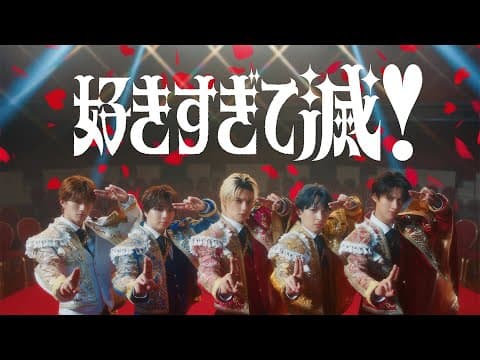
好きすぎて滅!
"好きすぎて滅!" (Sukisugite Metsu!) is a high-energy, chaotic J-Pop track by the boy band M!LK. Released in May 2024, the song captures the overwhelming, almost "destructive" intensity of being head-over-heels in love. Here is an analysis of the song: 1. Overall Theme The song explores the sensation of "love overload"—a state where affection for someone is so intense that it causes the brain to short-circuit. It portrays a comedic and hyper-energetic version of modern infatuation, where the protagonist is so enamored that they feel they might literally "perish" or "disintegrate" from the cuteness and charm of their crush. 2. Key Lyrics Analysis * "Metsu!" (滅 / Perish/Extinguish): The title and hook center on this kanji. While usually a heavy word (meaning annihilation), the song uses it as slang for "dying from cuteness." It represents the moment a fan or lover loses all composure. * "Check-check, testing my heart rate": These lyrics highlight the physical symptoms of the crush—racing hearts and shortness of breath—portrayed with a sense of playful urgency. * The rapid-fire repetition of "Kawaii" (Cute): The lyrics often devolve into a chaotic repetition of how "cute" the subject is. This reflects the "brain rot" or "loss of vocabulary" that happens when one is truly obsessed, moving past poetic words into pure, unfiltered emotion. * "Logical thinking is impossible": Several lines emphasize that reason has left the building, leaning into the idea that love is a chaotic, non-rational force. 3. Emotional Tone The tone is frenetic, joyful, and self-deprecatingly humorous. It doesn't treat love as a serious, brooding romance; instead, it treats it like an explosion of glitter and adrenaline. There is a sense of "maximum energy" (typical of M!LK’s upbeat tracks) that feels both celebratory and hilariously desperate. 4. Cultural Context * Oshi-katsu (Fan Culture): The song heavily mirrors the language of Japanese "fandom" culture. Fans often use terms like "shinu" (I'm dying) or "toutoi" (precious/sacred) when seeing their favorite idol. M!LK, being an idol group themselves, is singing from the perspective of someone experiencing that same overwhelming "otaku-like" devotion. * Pop Culture References: The use of the kanji 滅 (Metsu) gained massive cultural visibility through the anime *Demon Slayer* (Kimetsu no Yaiba). By using this specific, "cool" kanji in a song about being overwhelmed by cuteness, M!LK creates a funny stylistic contrast. 5. Artist Context M!LK is known for their versatility, often switching between "Kira-Kira" (sparkly/princely) concepts and "Hen-gao" (funny face/comedic) concepts. "Sukisugite Metsu!" fits perfectly into their "funny/energetic" discography. As the group approaches their 10th anniversary, this song reinforces their identity as idols who don't take themselves too seriously and want to have a chaotic, high-speed connection with their audience. It serves as a perfect "call-and-response" song for live concerts.

PEGA A MALDADE DA BANDIDA
"PEGA A MALDADE DA BANDIDA" by DJ Luan Gomes is a prominent track within the Brazilian Funk (specifically the *Mandelão* and *Automotivo* subgenres) scene. Here is an analysis of the song: 1. Overall Theme The song centers on the archetype of the "Bandida" (the "bad girl" or "rebel woman"), focusing on her provocative behavior, sexual confidence, and dominance on the dance floor. It is a club-oriented anthem designed for urban street parties (*fluxos*), celebrating a woman who is street-smart and unapologetically seductive. 2. Key Lyrics Analysis * "Pega a maldade da bandida": The title translates to "Check out the 'malice' of the bad girl." In this context, *maldade* (malice/evil) is used as street slang for sex appeal, provocative dancing, or a "naughty" attitude. It’s a compliment toward her confidence. * The repetitive vocal loops: Like many tracks by DJ Luan Gomes, the lyrics are secondary to the rhythm. The repetition of commands (often related to dancing or "descending/sitting") serves as a rhythmic instrument to hypnotize the listener and dictate movement at a party. * The "Bandida" persona: The lyrics portray the woman not as a victim, but as the protagonist who controls the room. She "plays the game" better than the men around her, using her "maldade" as a form of social and sexual power. 3. Emotional Tone The tone is hedonistic, aggressive, and hypnotic. The heavy, distorted basslines characteristic of DJ Luan Gomes create a gritty, "dark" atmosphere. It doesn't aim for emotional depth; instead, it aims for high energy and physical impact, vibrating with the raw tension of the São Paulo nightlife. 4. Cultural Context * Funk Mandelão/Automotivo: This song belongs to a specific evolution of Brazilian Funk that prizes minimalist production and extremely heavy bass (designed to be played on powerful car sound systems). * The term "Bandida": In Brazilian periphery culture, calling a woman a "bandida" is often a reclaimed term. It describes a woman who is independent, assertive, and doesn't follow traditional conservative norms. * Fluxo Culture: The song is engineered for the *Fluxo*—impromptu street parties in Brazil's favelas where the music acts as a communal heartbeat. 5. Artist Context DJ Luan Gomes is a significant producer in the current Funk scene. He is known for his ability to create viral "beats" where the production is the main attraction rather than the singer. "PEGA A MALDADE DA BANDIDA" fits perfectly into his discography as a high-performance floor-filler. It showcases his signature style: stripping the music down to its most primal elements (bass and a catchy vocal hook) to ensure it becomes a staple on social media platforms like TikTok and Instagram Reels.

DESCARRILADA
"DESCARRILADA" by Valentino GRM is a contemporary entry into the *Corridos Tumbados* (or *Bélicos*) genre, blending traditional regional Mexican instrumentation with urban, high-life lyrical themes. Here is an analysis of the track: 1. Overall Theme The song centers on a woman living an unrestrained, hedonistic, and "derailed" (*descarrilada*) lifestyle. It describes a life of excess, characterized by high-speed cars, substance use, and a total disregard for social norms or consequences. 2. Key Lyrics Analysis * "Una descarrilada, por la calle va" (A derailed woman goes through the street): The title and hook set the stage. To be "descarrilada" implies she has gone off the tracks—she isn't following a traditional path and is living life on the edge. * "Un polvito rosa que le da por inhalar" (A little pink powder she happens to inhale): This is a direct reference to "Tusi" (pink cocaine), a substance frequently mentioned in modern urban corridos. It signals the "after-party" culture and the dangerous side of her lifestyle. * "En el Mustang GT quema llanta al pasar" (In the Mustang GT, she burns rubber as she passes): This emphasizes speed, luxury, and the desire for attention. The car serves as a symbol of power and independence. * "No le importa lo que digan de ella" (She doesn't care what they say about her): This highlights the theme of rebellion and female autonomy within a subculture that is often male-dominated. 3. Emotional Tone The song carries a rebellious, adrenaline-fueled, and hedonistic tone. While the melody (driven by frantic guitar picking and a heavy bassline) is energetic, there is an underlying sense of volatility. It conveys the "live fast, die young" mentality common in the *bélico* scene, where the thrill of the moment outweighs long-term safety. 4. Cultural Context "DESCARRILADA" fits within the Corridos Tumbados movement, which originated in Mexico and the U.S. borderlands. Culturally, it reflects the "Buchona" aesthetic—a subculture associated with wealth, luxury brands, and a proximity to the "mafia" lifestyle, even if only through fashion and attitude. The song also mirrors the globalization of Latin music, mixing traditional Mexican sierreño guitars with the "trap" lifestyle of drugs and fast cars. 5. Artist Context Valentino GRM is part of the new wave of young artists (alongside figures like Peso Pluma or Junior H) who have modernized the corrido. This song reinforces his brand as a storyteller of the "street" and the nightlife. In the context of his career, "DESCARRILADA" serves as a quintessential "party corrido," moving away from the classic ballads of the past toward a more aggressive, youth-oriented sound that dominates streaming charts today.

TÚ VAS SIN (fav)
"TÚ VAS SIN (fav)" is a standout track from Rels B's 2024 album *a new star (1 9 9 4)*. It showcases his signature blend of smooth vocals and laid-back rhythms. Here is an analysis of the song: 1. Overall Theme The song is a tribute to natural beauty and effortless confidence. Rels B focuses on a woman who doesn’t need filters, heavy makeup, or expensive luxury items to be his "favorite" (fav); her appeal comes from her personality, her natural look, and the way she carries herself. 2. Key Lyrics Analysis * *"Tú vas sin nah, sin filtro', sin maquillaje"* (You go without anything, no filters, no makeup): This is the core message of the song. He is praising the "raw" version of the person, contrasting her with the highly edited and artificial standards often found on social media. * *"Tú eres mi fav, mami, tú eres mi fav"* (You are my favorite, baby): By using the social media term "fav," Rels B modernizes the idea of a "crush." He is saying that out of everyone, she is the one he constantly chooses and "likes." * *"No necesita' ticket para entrar al VIP"* (You don’t need a ticket to enter the VIP): This suggests that her aura and beauty give her an inherent status. She doesn't have to try hard or pay for access; her presence alone is enough to command respect and attention. * *"Ese tumbao que tú tiene' al caminar"* (That rhythm/swagger you have when you walk): "Tumbao" is a classic Spanish/Caribbean term referring to a soulful, rhythmic way of moving. It emphasizes that her attractiveness is in her motion and attitude, not just her clothes. 3. Emotional Tone The tone is admiring, chilled, and flirtatious. It isn't a song of desperate longing, but rather one of cool appreciation. The production is light and airy, creating a "sunset vibe" that feels romantic yet modern and relaxed. 4. Cultural Context The song leans heavily into the Afrobeat and Amapiano influences that have taken over the global Latin music scene. Culturally, it reflects a shift in modern urban music away from "bling-bling" and flashy materialism toward a "quiet luxury" or "natural" aesthetic. It speaks to the Gen Z and Millennial dating culture where "sending a fav" or "being a favorite" is a primary form of romantic communication. 5. Artist Context Rels B (also known as Skinny Flakk) has successfully transitioned from a traditional rapper to a versatile global pop star. This song fits into his career as part of his "New Star" era, where he has mastered the "Spanish-Afro" sound. After years of exploring R&B and Reggaeton, "TÚ VAS SIN (fav)" represents his ability to create sophisticated, radio-friendly hits that feel authentic to his Spanish roots while sounding globally relevant.

MATADORA (Extended) - DJ Asul
MATADORA (Extended), produced by DJ Asul and popularized through curators like 𝐙𝐗𝐑𝐈𝐅, is a high-energy track that blends elements of Brazilian Funk (Funk Carioca) with the dark, aggressive aesthetics of "Phonk." The song centers on themes of dominance, feminine power, and the high-intensity atmosphere of late-night dance culture. --- ### 1. Overall Theme The song revolves around the persona of a "Matadora" (a female killer or "lady killer"), representing a woman who is dangerous, alluring, and completely in control of her environment. It serves as an anthem for confidence and raw energy, designed primarily for high-intensity settings like clubs, gyms, or automotive "edit" culture. ### 2. Key Lyrics Analysis While the song is driven more by its heavy production than complex storytelling, certain elements are crucial: * "Matadora": The central hook translates to "Killer." In this context, it refers to a *femme fatale* archetype—someone who "slays" through her appearance, attitude, or social dominance. * Repetitive Rhythmic Phrasing: Like many Brazilian Funk tracks, the lyrics function as percussion. The repetition of short, punchy phrases is meant to induce a trance-like state and keep the listener focused on the "beat drop." * The "Mandelão" Vocal Style: The distorted, often aggressive vocal delivery emphasizes a "street" or underground vibe, signaling that the song belongs to the gritty nightlife of the Brazilian favelas rather than mainstream pop. ### 3. Emotional Tone The emotional tone is aggressive, dark, and empowering. It carries a sense of "dark adrenaline." There is no vulnerability here; instead, the track conveys a sense of cold confidence and unstoppable momentum, which is why it is frequently used in social media videos featuring "Sigma" tropes, bodybuilding, or high-speed racing. ### 4. Cultural Context * Brazilian Funk & Drift Phonk: The song sits at the intersection of two major global trends. It uses the "MTG" (Montagem) style of Brazil, which involves heavy sampling and raw bass, but adopts the dark, moody atmosphere popularized by the Eastern European "Drift Phonk" scene. * The "Edit" Culture: With 1.1 million views on a curated channel like 𝐙𝐗𝐑𝐈𝐅, the song’s success is deeply tied to YouTube and TikTok "edit" culture, where music is slowed, sped up, or extended to provide a soundtrack for visually intense content. ### 5. Artist Context DJ Asul is part of a wave of Brazilian producers who have seen their music go global due to the internet’s obsession with "Phonk" and "Brazilian Dança." For the curator 𝐙𝐗𝐑𝐈𝐅, this track represents a "viral find"—taking a localized club hit and repackaging it (Extended version) for a global audience that craves "dark" and "heavy" background music for digital content. This song solidifies the artist's place in the "phonk-funk" crossover movement that has dominated streaming charts recently.

MATADORA (Slowed)
Here is an analysis and explanation of "MATADORA (Slowed)" by DJ Asul. Overall Theme The song centers on the concept of a "Matadora" (literally a female "killer" or "slayer"). In the context of Brazilian Funk and Phonk culture, it describes a woman who is dangerous, irresistibly seductive, and in total control of her environment. The "Slowed" version transforms what was originally a high-energy dance track into a dark, hypnotic anthem about power and feminine allure. Key Lyrics Analysis While the song relies heavily on rhythmic repetition rather than complex storytelling, the core phrases carry specific weight: * "Ela é matadora" (She is a killer): This is the central hook. It uses the metaphor of a killer to describe a woman whose beauty or presence is "lethal." It suggests she dominates the room and leaves an impact on everyone she encounters. * The Repetitive "Matadora" Hook: In the slowed version, the word is stretched out, creating a "chopped and screwed" effect. This emphasizes the "Mandrake" aesthetic—a Brazilian subculture style associated with swagger, expensive sportswear, and a "cool but dangerous" urban attitude. * Heavy Bass Drops: While not "lyrics," the sonic structure acts as a language. The deep, distorted bass lines represent the "weight" and authority of the subject matter. Emotional Tone The emotional tone of the slowed version is dark, seductive, and menacing. By slowing down the tempo, DJ Asul strips away the frantic energy of the original and replaces it with a sense of "cool" confidence. It feels atmospheric and cinematic, often evoking feelings of mystery or late-night urban intensity. Cultural Context * Brazilian Funk & MTG: The song belongs to the "MTG" (Montagem) style of Brazilian Funk, which focuses on heavy sampling and beat manipulation. * The "Slowed + Reverb" Trend: This specific version caters to a global internet subculture where listeners prefer distorted, slowed-down music for "Sigma" edits, car drifting videos, or "Phonk" playlists. * Mandrake Aesthetic: In Brazil, a "Matadora" is often the counterpart to a "Mandrake"—someone who is street-smart, stylish, and carries a certain "don't mess with me" aura. Artist Context DJ Asul is a producer who excels in the digital-first era of music, where remixes often become more popular than original tracks. This song fits perfectly into his discography as a specialist in reimagining Brazilian Funk for a global audience. By applying "Slowed + Reverb" techniques to "MATADORA," DJ Asul helped the track cross over from Brazilian clubs to international social media platforms, cementing his role as a curator of the "dark funk" aesthetic.

WHAT BEAUTIFUL EYES
"WHAT BEAUTIFUL EYES" (originally titled "Qué Bellos Ojos") is a soulful track by the rising Honduran artist Alanys Lagos. It showcases her powerful vocal ability within the Regional Mexican genre. Here is an analysis of the song: ### 1. Overall Theme The song is a classic romantic tribute centered on the theme of infatuation and the hypnotic power of a lover’s gaze. It explores the idea that eyes are the "windows to the soul," expressing a deep, pure admiration for someone that begins with a single look. ### 2. Key Lyrics Analysis * "Qué bellos ojos, qué linda mirada" (What beautiful eyes, what a lovely look): This repetitive refrain serves as the emotional anchor of the song. It emphasizes that the narrator is completely captivated by the physical beauty and the sincerity found in the subject's eyes. * The focus on the "Gaze": The lyrics often suggest that the way the person looks at the narrator says more than words ever could. It describes a feeling of being "lost" or "trapped" in those eyes, which is a common metaphor for falling deeply in love. * Longing and Devotion: Beyond just physical attraction, the lyrics imply a desire for permanence—the hope that those "beautiful eyes" will continue to look at the narrator for a long time. ### 3. Emotional Tone The tone is admiring, passionate, and romantic. Alanys Lagos delivers the vocals with a sense of "sentimiento" (deep feeling), typical of the ranchera style. There is a sweetness to the lyrics, but the instrumentation provides a grand, dramatic backdrop that makes the infatuation feel intense and monumental. ### 4. Cultural Context * Genre: The song sits firmly within Regional Mexican music (specifically influenced by Mariachi or Norteño romántico). * The Serenade Tradition: This song fits the Latin American cultural tradition of the *serenata* (serenade), where music is used as a direct tool for courtship or to express devotion to a loved one. * Cross-Border Appeal: Although Alanys Lagos is Honduran, her mastery of a traditionally Mexican genre highlights the universal popularity of Regional Mexican music across Central and North America. ### 5. Artist Context Alanys Lagos is often referred to as "La Voz de Hierro" (The Iron Voice) of Honduras. "Qué Bellos Ojos" is a pivotal song in her career because it demonstrates her ability to bridge the gap between traditional sounds and a modern, youthful audience. It reinforces her image as a powerful female vocalist in a male-dominated genre, proving she can carry the emotional weight of classic-style romantic ballads.