
Latest Articles

Faded
"Faded" by Alan Walker, featuring vocals by Iselin Solheim, is one of the most successful EDM tracks of all time. Here is an analysis of the song: Overall Theme The song explores the themes of loss, isolation, and the desperate search for a connection that has disappeared. It portrays a person feeling lost and "fading" away as they realize that the person or place they once relied on is no longer reachable. Key Lyrics Analysis * "Where are you now? / Was it all in my fantasy?": This central question highlights the narrator’s uncertainty. They are questioning whether the relationship was even real or if they have been living in a dream. * "Atlantis, under the sea / Under the sea": Atlantis is a legendary lost city. By comparing their destination to Atlantis, the narrator suggests that what they are looking for is beautiful but buried, inaccessible, and perhaps gone forever. * "The monster's running wild inside of me": This line represents internal turmoil, anxiety, and the psychological pain of loneliness that grows when one feels abandoned. * "I’m faded / So lost, I’m faded": To "fade" means to lose color, strength, or visibility. The narrator feels they are disappearing or becoming a ghost of their former self because their "light" (the other person) has gone out. Emotional Tone The song carries a melancholy, haunting, and nostalgic tone. The contrast between the soft, vulnerable piano intro and the soaring, atmospheric synth drop creates a sense of "epic sadness." It evokes a feeling of standing in a vast, empty landscape looking for something that isn't there. Cultural Context "Faded" became a defining anthem for the "Sad EDM" movement of the mid-2010s. Its music video, filmed in abandoned industrial locations in Estonia (such as Rummu quarry), popularized a post-apocalyptic, "urban exploration" aesthetic. This visual style, combined with Walker’s signature hoodie-and-mask look, resonated with a generation of youth who felt alienated or anonymous in the digital age. Artist Context This song was the turning point in Alan Walker’s career. Originally released as an instrumental track titled "Fade" in 2014, Walker added Iselin Solheim’s vocals and revamped the production to create "Faded" in 2015. It catapulted him from a bedroom producer to a global superstar, establishing his signature sound—a blend of cinematic melodies, mid-tempo beats, and emotional depth.

HEAVENLY JUMPSTYLE (Slowed)
HEAVENLY JUMPSTYLE (Slowed) by TWXNY is a quintessential example of the modern "Internet-core" music scene, blending high-energy dance genres with a slowed, atmospheric aesthetic. Here is an analysis of the track: Overall Theme The song explores the contrast between the aggressive, high-speed world of European Jumpstyle and a dreamlike, ethereal soundscape. The "Slowed" version specifically focuses on a sense of digital escapism, transforming a dance track into a melancholic yet euphoric background for introspection or "main character" moments. Key Lyrics Analysis Because TWXNY’s work is primarily instrumental-focused and relies heavily on distorted vocal chops, the "lyrics" are often repetitive phrases used as textures rather than storytelling. * The "Heavenly" Motif: The high-pitched, reverb-soaked vocal samples are meant to mimic the feeling of "ascending." By slowing these down, the lyrics lose their literal meaning and instead become a rhythmic pulse that symbolizes a state of trance or spiritual high. * The Beat Drop (Slowed): In the original, the kick drum is meant for high-energy dancing. In the slowed version, the heavy bass becomes "muddy" and "dragging," which creates a feeling of weightiness or being stuck in a dream. Emotional Tone The tone is bittersweet and nostalgic. While the "Jumpstyle" roots imply a party atmosphere, the "Slowed + Reverb" treatment adds a layer of loneliness and yearning. Listeners often describe the feeling as "nostalgia for a place you’ve never been" or the feeling of walking through a crowded city while feeling completely isolated. Cultural Context The song is deeply rooted in TikTok and Internet subcultures. * Corecore & Dreamcore: The track is a favorite for "Corecore" edits—video montages that capture the overwhelming nature of the modern digital age. * Genre-Bending: It represents the "Phonk" and "Hardstyle" revival on the internet, where Gen Z producers take 2000s rave music and repackage it with a darker, more "underground" aesthetic for social media. Artist Context TWXNY is a key player in the wave of producers who specialize in experimental electronic music tailored for the algorithm. "HEAVENLY JUMPSTYLE" is one of their most successful tracks because it perfectly bridges the gap between the "Gym/Sigma" side of the internet (which likes the hard beats) and the "Aesthetic/Vaporwave" side (which likes the dreamy atmosphere). It solidifies TWXNY’s reputation as an artist who can manipulate energy levels to evoke specific internet-era emotions.

Let Me Love You (feat. Justin Bieber)
Here is an analysis and explanation of the hit song "Let Me Love You" by DJ Snake featuring Justin Bieber. 1. Overall Theme The song centers on a relationship that is on the brink of collapse. It serves as a desperate yet hopeful plea for a partner not to give up on their connection, emphasizing commitment and the belief that their bond is worth saving despite the struggles they face. 2. Key Lyrics Analysis * "I used to believe / We were burnin' on the edge of somethin' beautiful": This line reflects on the potential the relationship once had. The "edge" suggests a precarious position, while "burning" implies passion that is now threatening to consume them. * "Don't give up, nah, nah, nah / I won't give up, nah, nah, nah": This repetitive hook acts as a mantra of resilience. It highlights a mutual responsibility to keep the relationship alive, suggesting that as long as one person holds on, there is hope. * "Let me love you": This title phrase is not just a romantic gesture; it is a request for permission to provide support and stability. It implies that the partner has built up walls, and the singer is asking for the chance to break them down. 3. Emotional Tone The song carries a vulnerable and melancholic tone, balanced by an uplifting, anthemic energy. Justin Bieber’s soft, breathy vocals convey a sense of intimacy and pleading, while DJ Snake’s tropical-house-inspired production adds a feeling of euphoria and forward momentum, suggesting that there is light at the end of the tunnel. 4. Cultural Context Released in 2016, the song arrived at the height of the "EDM-Pop crossover" era. During this time, the "Tropical House" sound—characterized by digital flute-like vocal chops and mid-tempo beats—dominated global charts. This track, along with others like "Cold Water" and "Lean On," defined the sound of the mid-2010s, bridging the gap between underground dance music and mainstream radio. 5. Artist Context * DJ Snake: This song was the third single from his debut studio album, *Encore*. It solidified his reputation as a hitmaker capable of producing emotional, radio-friendly pop, moving him beyond his earlier "trap" roots (like "Turn Down for What"). * Justin Bieber: At the time, Bieber was in the middle of a massive career "redemption" arc following his album *Purpose*. This collaboration helped maintain his dominance on the charts and proved he was one of the most versatile vocalists in the electronic music scene.

Pamiętnik
"Pamiętnik" (English: *Diary*) is a deeply personal track from Doda’s 2022 album *Aquaria*. It is widely considered one of the most vulnerable songs in her discography. ### 1. Overall Theme The song is a somber reflection on the collapse of a long-term relationship and the betrayal of trust. It serves as a symbolic "final entry" in a mental diary, where the narrator decides to burn the past and stop living in a "sandcastle" built on lies. ### 2. Key Lyrics Analysis * "Mój dom był zamkiem z piasku, a Ty w nim królem byłeś" (*My home was a sandcastle, and you were the king in it*): This metaphor highlights the fragility of her marriage/relationship. While she treated her partner like royalty and gave him her world, the foundation was unstable and destined to crumble. * "Pamiętnik ten, co pisałam latami, dziś rzucam w ogień" (*This diary I’ve been writing for years, today I throw into the fire*): The diary represents her memories, her secrets, and her investment in the person. Burning it signifies a painful but necessary act of catharsis—letting go of the narrative she tried so hard to maintain. * "Wszystkie te kłamstwa ubrane w jedwabie" (*All those lies dressed in silk*): This points to the contrast between the glamorous public image of her life and the deceptive, painful reality she was experiencing behind closed doors. ### 3. Emotional Tone The tone is melancholic, weary, and raw. Unlike Doda’s typical high-energy pop anthems, this song is stripped-back. There is a sense of profound exhaustion—the feeling of someone who is tired of pretending and has finally reached the breaking point where sadness turns into a quiet, resigned strength. ### 4. Cultural Context In Poland, Doda has been a tabloid fixture for over two decades, with her private life often overshadowing her music. This song is culturally significant because it directly addresses the "spectacle" of her life. It is widely interpreted as her response to her highly publicized and messy divorce from film producer Emil Stępień, which involved legal battles and public accusations. "Pamiętnik" is her way of reclaiming her side of the story from the media. ### 5. Artist Context "Pamiętnik" represents a "new era" for Doda. For years, she maintained a "Queen" persona—invincible, loud, and provocative. On the *Aquaria* album, and specifically in this track, she dropped the armor. It fits into her career as a bridge from being a "celebrity" to being recognized as a mature "artist" capable of profound emotional honesty. It proved to critics that beneath the glitz, she is a songwriter who can handle complex themes of trauma and healing.

Zion & Lennox ft. J Balvin - Otra Vez (Video Oficial)
"Otra Vez" is a cornerstone of the mid-2010s reggaeton era, blending the melodic "romantiqueo" style with a global pop appeal. Here is an analysis of the track: Overall Theme The song explores the theme of an inevitable romantic reunion. It describes the magnetic pull between two former lovers who, despite trying to move on, find themselves crossing paths and giving in to their physical chemistry "one more time" (otra vez). Key Lyrics Analysis * "Y de nuevo te tengo de frente / No sé si es el destino o la suerte" (*And again I have you in front of me / I don’t know if it’s destiny or luck*): These opening lines suggest that their meeting wasn't planned. It frames the relationship as something cosmic or unavoidable, adding a sense of mystery to their attraction. * "Yo no quería, pero te vi / Y me acordé de todo lo que te hice" (*I didn't want to, but I saw you / And I remembered everything I did to you*): This highlights the internal conflict. The narrator intended to stay away, but visual contact triggers sensory memories, proving that their history is stronger than their willpower. * "Que no se acabe la noche" (*Let the night not end*): This recurring plea emphasizes the fleeting nature of their encounter. It shifts the focus from a long-term commitment to living intensely in the present moment. Emotional Tone The tone is sensual, nostalgic, and festive. While it deals with the complicated nature of "on-again, off-again" relationships, the mood is never heavy or sad. Instead, it feels celebratory and rhythmic, capturing the excitement and adrenaline of a forbidden or recurring spark. Cultural Context "Otra Vez" was released in 2016, during the peak of the "Reggaeton Pop" movement. This era saw the genre move away from the aggressive underground sounds of the early 2000s toward a more polished, melodic sound suitable for international radio. The collaboration also represents the "Puerto Rico to Colombia" connection, which was vital in making reggaeton a global phenomenon, as it combined the veteran PR style of Zion & Lennox with J Balvin’s modern Colombian "Vibras." Artist Context For Zion & Lennox, this song was a massive commercial "second wind." It solidified their reputation as the masters of romantic reggaeton and proved they could stay relevant in a changing market. For J Balvin, the song was another trophy in his "Global Ambassador of Reggaeton" era, demonstrating his ability to turn any collaboration into a chart-topping hit. To this day, it remains one of the most-viewed and most-played tracks in both artists' catalogs.

VAI NO PAL VEM NO PAL - GORDINHO BOLADO
"VAI NO PAL VEM NO PAL" by Gordinho Bolado is a quintessential example of modern Brazilian Funk (specifically the *Mandelão* or *Ritmo dos Fluxos* style). Here is an analysis of the track: Overall Theme The song is a high-energy party anthem centered on the "fluxo" (Brazilian street party) culture and sexual liberation. Its primary theme is the rhythmic coordination between the music’s heavy beat and the physical acts of dancing and sexual movement. Key Lyrics Analysis * "Vai no pal, vem no pal": The word "pal" is a phonetic, slang spelling of *pau* (literally "stick," but used as a vulgar slang term for penis). The phrase translates to "Go on the [penis], come on the [penis]," describing the back-and-forth motion of grinding or sexual intercourse. * "Senta pros cria": In Brazilian slang, *cria* refers to someone born and raised in the community (the favela or neighborhood). This line is an invitation for a woman to dance for or engage with the local men. * "Vem jogando o bundão": This is a standard Funk command meaning "Come throwing your big butt." It emphasizes the "twerking" and rhythmic dance moves that are central to the genre's subculture. * Repetitive Onomatopoeia: The song uses repetitive vocal triggers to match the aggressive, "stuttering" bassline characteristic of São Paulo's *Mandelão* style, intended to induce a trance-like state on the dance floor. Emotional Tone The tone is hedonistic, provocative, and aggressive. It isn’t meant to be "romantic"; instead, it conveys a raw, nocturnal energy. The song is designed to be loud and impactful, mirroring the chaotic and celebratory atmosphere of a crowded street party where social norms are relaxed. Cultural Context The song belongs to the Funk Putaria subgenre, which is known for its explicit lyrics and focus on sexual themes. Culturally, it represents the *Baile Funk* or *Fluxo*—informal gatherings in the outskirts of Brazilian cities. The use of "pal" instead of "pau" is a common linguistic trait in internet slang and music titles in Brazil, often used to bypass censorship filters on social media or streaming platforms while maintaining the original meaning for the audience. Artist Context Gordinho Bolado is a prominent figure in the São Paulo Funk scene. His career is built on tracks that are highly "danceable" and optimized for viral success on platforms like TikTok and Instagram Reels. "VAI NO PAL VEM NO PAL" fits perfectly into his discography as a "track for the DJs"—a song with a minimal melodic structure but a powerful rhythmic hook intended to be played on high-volume sound systems (known as *paredões*). This track solidified his status as an artist who understands the "language of the streets" and the specific sonic requirements of the current Funk market.

♫ Tú Llegaste - Turromantikos / Cumbia 🔥 ¡#1 Tendencia de música! ✨
"Tú Llegaste" by Turromantikos is a viral hit that blends the gritty, rhythmic energy of Argentinian urban cumbia with deeply sentimental, romantic lyrics. Here is an analysis of the song: ### 1. Overall Theme The song centers on the theme of emotional salvation through love. It describes a protagonist who was going through a dark or lonely period until a special person arrived at the "perfect moment" to transform their life and provide a sense of purpose and happiness. ### 2. Key Lyrics Analysis * "Tú llegaste cuando más lo necesitaba" (*You arrived when I needed it most*): This is the core hook of the song. It emphasizes "divine timing"—the idea that the partner wasn't just a random encounter, but a necessary lifeline during a low point. * "Me cambiaste la vida, me diste alegría" (*You changed my life, you gave me joy*): This line highlights the transformative power of the relationship. It moves the narrative from a state of sadness to one of celebration. * "Desde que estás conmigo, todo es diferente" (*Since you've been with me, everything is different*): This suggests a total shift in the singer's worldview. The "gray" world becomes colorful again because of the partner's presence. ### 3. Emotional Tone The tone is grateful, celebratory, and deeply romantic, yet it maintains an upbeat, danceable energy. There is a sense of relief in the vocals—as if the singer is exhaling after a long struggle. Despite the "tough" urban aesthetic of the genre, the vulnerability in the lyrics creates a "sweet" contrast that resonates with a wide audience. ### 4. Cultural Context The song belongs to the Cumbia Romántica subgenre, heavily influenced by the "Turro" culture of Argentina (urban youth culture from the suburbs). * The "Turromantiko" Concept: The name of the group itself is a play on words: "Turro" (urban/street kid) + "Romántico." It represents a cultural movement where artists who look like they belong to the "street" or "barrio" express soft, devoted, and loyal feelings, breaking the stereotype of the "tough guy." * Danceability: Like most modern Argentinian cumbia, it is designed for *boliches* (nightclubs) and family gatherings, making it a "feel-good" anthem for the summer season. ### 5. Artist Context Turromantikos has quickly become a leader in the "new wave" of Argentinian cumbia. This song’s success, reaching #1 in music trends, marks a significant milestone in their career, proving that there is a massive appetite for lyrics that prioritize loyalty and love over the more hedonistic themes often found in urban music. It cements their position as the go-to group for "romantic street music" that appeals to both younger Gen-Z fans on TikTok and traditional cumbia listeners.
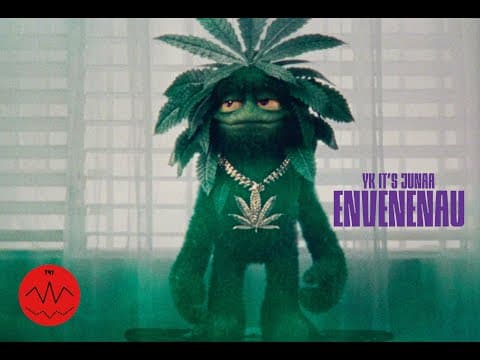
Envenenau
"Envenenau" by Yk It's Junaa is a standout track in the contemporary Latin "Sad Trap" and "Corridos Tumbados" scene. It explores the dark, addictive nature of a toxic relationship through a gritty, urban lens. Here is an analysis of the song: 1. Overall Theme The song centers on the theme of emotional "poisoning" within a romantic relationship. It describes a deep, obsessive attachment to a partner who is ultimately harmful, portraying love as a drug that the narrator cannot quit despite the pain it causes. 2. Key Lyrics Analysis * "Me tienes envenenau" (You have me poisoned): The title and central hook use the colloquial pronunciation of *envenenado*. It suggests that the love he feels has circulated through his system like venom, affecting his judgment and well-being. * "No puedo salir de este laberinto" (I can’t get out of this labyrinth): This line highlights the feeling of being trapped. The relationship is no longer a path forward but a confusing, repetitive cycle of hurt. * References to substances and "la calle" (the street): Like many songs in this genre, Junaa blends heartbreak with street life. He often mentions using substances (smoking or drinking) as a coping mechanism to numb the "poison" of the heartbreak. * "Tú sabes que yo por ti me muero": A classic hyperbole in Latin music, but in the context of "Envenenau," it takes on a darker meaning—not just dying for love, but being destroyed by it. 3. Emotional Tone The tone is melancholic, dark, and resigned. There is a sense of "tragic romanticism" where the narrator accepts his suffering as part of his reality. The slow, heavy bass and moody production enhance the feeling of being weighed down by sorrow and obsession. 4. Cultural Context The song fits into the "Sad Boy" movement within Latin Trap and Regional Mexican music. This subculture blends the "machismo" of street life with extreme emotional vulnerability. * Language: The use of slang and the dropping of the "d" in words (typical of Caribbean-influenced urban Spanish) grounds the song in a specific street-level identity. * Aesthetic: The song resonates with the "Cholo" or "Lowrider" aesthetic common in the Southwest US and Northern Mexico, where internal pain is masked by a tough exterior. 5. Artist Context Yk It's Junaa has built a reputation for being a voice for the "broken-hearted" in the urban scene. "Envenenau" is a quintessential example of his style: merging melodic trap beats with lyrics that feel like a modern, urban *bolero* (ballad). It helped solidify his position as an artist who can bridge the gap between hard-hitting street music and raw, emotional storytelling.

EDM Workout Music Mix (Continuous DJ Mix)
Analyzing a continuous DJ mix is slightly different from analyzing a single song, as the "EDM Workout Music Mix" by the EDM Workout DJ Team is a curated experience designed for a specific physiological purpose. Here is an analysis of the mix: 1. Overall Theme The primary theme of this mix is functional motivation and physical endurance. Rather than telling a narrative story, the music acts as a psychological tool designed to synchronize a listener's movement with high-tempo rhythms, helping to sustain peak physical performance during a workout. 2. Key Lyrics Analysis Because this is a continuous EDM mix, the "lyrics" are often secondary to the beat. However, the vocal samples used throughout generally follow these patterns: * Command-Based Hooks: Phrases like *"Let’s go," "Push it,"* and *"Don't stop"* serve as external cues. These aren't just lyrics; they are psychological triggers meant to combat fatigue. * The "Drop" Preparation: Vocals often build tension (e.g., *"Are you ready?"* or counting down *"3, 2, 1"*). This mirrors the "interval training" logic of a workout, where the listener prepares for a burst of high-intensity effort. * Rhythmic Repetition: Many tracks use repetitive phrases that become hypnotic. This allows the athlete to enter a "flow state," where the music fades into the background of their subconscious while maintaining their heart rate. 3. Emotional Tone The emotional tone is relentlessly high-energy, aggressive, and triumphant. * Adrenaline-Inducing: The use of heavy bass and high BPM (usually between 124 and 130) mimics an elevated heart rate. * Aggressive Optimism: There is no room for melancholy or slow reflection. The tone is strictly focused on power, strength, and overcoming physical resistance. 4. Cultural Context This mix exists within the "Gym Culture" and "Playlist Economy" of the digital age. * Ergogenic Aid: In sports science, music is considered a "legal performance-enhancing drug." This mix is specifically engineered to lower the "perceived rate of exertion" (making the workout feel easier than it actually is). * EDM Evolution: It reflects how Electronic Dance Music has moved from the nightclub to the fitness studio, becoming the global standard for high-intensity interval training (HIIT) and spin classes. 5. Artist Context The EDM Workout DJ Team is a specialized production entity rather than a traditional performing band. * Functional Music Creators: Their career is built on creating "utilitarian music"—tracks designed for a specific task (fitness) rather than radio play or artistic storytelling. * Consistency over Branding: In their discography, the "brand" is the workout itself. They fit into a niche of artists who prioritize seamless transitions and consistent energy levels to ensure that a person’s workout isn't interrupted by a change in mood or a slow song.

I Never Give Up
Here is an analysis of the song "I Never Give Up" by Fearless Motivation. ### 1. Overall Theme The song is a powerful anthem centered on resilience, mental toughness, and the refusal to surrender in the face of adversity. It argues that failure is a temporary state and that true character is defined not by how many times you fall, but by your commitment to getting back up until you achieve your goals. ### 2. Key Lyrics Analysis * "It’s not over until I win." This line encapsulates the "warrior mindset." It suggests that the timeline of success is flexible; as long as the individual refuses to stop, the "end" of the story hasn't been written yet. It removes the possibility of permanent failure. * "I’ve been down, but I’ve never been out." This borrows from boxing terminology. Being "down" means taking a hit or suffering a setback, but being "out" means the fight is over. It emphasizes that struggle is inevitable, but defeat is a choice. * "The pain you feel today will be the strength you feel tomorrow." This verse highlights the concept of "post-traumatic growth." It frames current suffering as a necessary refining process—a form of "emotional resistance training" that builds the capacity for future success. * "I am the master of my fate, I am the captain of my soul." (Referencing the poem *Invictus*) This reinforces the theme of extreme ownership—taking full responsibility for one's life regardless of external circumstances. ### 3. Emotional Tone The tone is intense, aggressive, and cinematic. It begins with a sense of gravity and builds into an explosive, high-energy crescendo. It is designed to evoke a "fight or flight" response, specifically channeling that energy into "fight." It feels like a pep talk delivered in the heat of a battle or at the peak of an exhausting workout. ### 4. Cultural Context This song is a product of the modern "Hustle Culture" and the self-development movement. It reflects a cultural shift where people look to "motivational media" (often found on YouTube and Spotify) to supplement their mental health or fitness routines. It taps into the "underdog" narrative that is deeply rooted in sports and business culture, where grit is valued above talent. ### 5. Artist Context Fearless Motivation is not a traditional music group but a production team that specializes in "motivational speeches set to epic music." "I Never Give Up" is one of their most iconic tracks, serving as a cornerstone of their brand. It represents their transition from simple spoken-word tracks to high-production "cinematic motivational" songs that are widely used by athletes, bodybuilders, and entrepreneurs worldwide to fuel their "grind."

Give Me Everything (कलाकार. Nayer)
"Give Me Everything" is a landmark dance-pop anthem released in 2011 by Pitbull, featuring Ne-Yo, Afrojack, and Nayer. It remains one of the best-selling singles of all time. Here is an analysis of the track: Overall Theme The song centers on the philosophy of *Carpe Diem* (seize the day). It encourages listeners to live entirely in the present moment, casting aside worries about the future or past mistakes. The narrative focuses on a night of uninhibited partying and romantic connection, driven by the urgency that "tomorrow is not guaranteed." Key Lyrics Analysis * "Grab somebody sexy, tell 'em hey / Give me everything tonight.": This serves as the song's primary hook. It’s a direct call to action to find human connection and give 100% of one's energy to the moment. * "For all we know, we might not get tomorrow / Let's do it tonight.": These lines provide the existential justification for the song’s hedonism. It suggests that since life is unpredictable, the only logical choice is to enjoy the "now." * "Reach for the stars, and if you fall, you'll land on the clouds.": A classic Pitbull motivational trope. It encourages ambition and risk-taking, suggesting that even a "failure" while aiming high results in a better position than not trying at all. * "I got it locked up like Lindsay Lohan.": This famous (and controversial) line referenced the actress's legal troubles at the time, used as a metaphor for Pitbull having the music industry "on lock" (under control). Emotional Tone The tone is euphoric, urgent, and celebratory. Afrojack’s high-tempo house production creates a sense of kinetic energy, while Ne-Yo’s soulful vocals add a layer of romantic yearning. The song feels like a "last call" at a club—there is a desperate need to make the night count before the sun comes up. Cultural Context "Give Me Everything" was released during the peak of the EDM-Pop crossover era (roughly 2009–2013), when European electronic dance music merged with American hip-hop and R&B. * Legal Trivia: The mention of Lindsay Lohan led to a lawsuit from the actress for "exploiting her name." Pitbull eventually won the case, with the court ruling that the lyrics were protected under the First Amendment as artistic expression. Artist Context This song was a pivotal moment in Pitbull’s career, marking his first No. 1 single on the Billboard Hot 100. It fully transitioned him from a local Miami rapper ("Mr. 305") to a global pop superstar ("Mr. Worldwide"). The track established the "Pitbull Formula": a world-class DJ for the beat (Afrojack), a smooth R&B singer for the chorus (Ne-Yo), and Pitbull’s own charismatic, bilingual verses.

KAMOKO - KARUGANO KA MAA (OFFICIAL VIDEO)
"Karugano Ka Maa" (The Story of Mom) by Kamoko is a deeply personal and soulful Gikuyu song that celebrates the sacrifices of motherhood. Below is an analysis of the song. Overall Theme The song is a poignant tribute to the artist's mother, detailing the hardships she endured to raise him and his siblings. It focuses on the themes of maternal sacrifice, the transition from poverty to success, and the cultural importance of "returning thanks" to one’s parents. Key Lyrics Analysis * "Karugano ka maa nî kairu" (The story of my mother is a dark/difficult one): Kamoko uses this line to set the stage, indicating that his upbringing was not easy and required immense resilience from his mother. * References to manual labor: The lyrics often describe the mother performing backbreaking work—such as farming, carrying heavy loads, or selling small wares—to pay for school fees. This highlights the "self-denial" common in many Kenyan households where parents skip meals to educate their children. * "Nî ngukuhe kîrathimo" (I will give you a blessing/reward): The song culminates in the artist promising to take care of his mother in her old age, symbolizing the "harvest" of her years of labor. Emotional Tone The tone is nostalgic and celebratory, yet underlined with a sense of deep debt and humility. While the verses reflecting on the past are somber and reflective, the chorus and the upbeat rhythm evoke a sense of triumph and joy, celebrating the fact that those "dark days" are over. Cultural Context In Gikuyu culture, the relationship between a mother and her son is held in high regard. There is a strong cultural belief in *Kîrathimo* (blessings) that come from honoring one’s parents. The song reflects the "Central Kenya" narrative of the "hustler" who moves from a humble rural village to the city and eventually returns to uplift his family. It resonates with the collective experience of many Kenyans who were raised by single mothers or in low-income rural settings. Artist Context Kamoko is known for his witty, often humorous, and socially conscious Gikuyu music. "Karugano Ka Maa" represents a more serious and sentimental side of his artistry. While many of his other hits are meant for the "Mugithi" (party/club) scene, this song established him as an artist capable of deep storytelling, earning him respect across different age demographics—from the youth who relate to the struggle to the elderly who appreciate the recognition of motherhood.