
Latest Articles

נועה קירל - או לה פופה (Prod. by Navi)
"Oulala Poupa" (או לה פופה) is a high-energy dance-pop track by Israeli superstar Noa Kirel. Produced by Navi, the song blends Middle Eastern rhythms with modern Latin and Mediterranean pop influences. ### 1. Overall Theme The song is an anthem of female empowerment, independence, and self-confidence. It portrays Noa as a woman who is fully in control of her life and romantic interactions, refusing to be treated like a "doll" or a passive participant in a man's game. ### 2. Key Lyrics Analysis * "אני לא הבובה שלך" (I am not your doll): This is the core message of the song. Noa asserts that she isn't a plaything or someone to be manipulated. It plays on the word "Poupa" (likely derived from the French *poupée* for doll), reclaiming the term to show she has agency. * "לא קונה את הסיפור שלך" (I’m not buying your story): She expresses skepticism toward smooth talkers and "players." It highlights her emotional intelligence and the fact that she isn't easily impressed by superficial charms. * "או לה פופה" (Oulala Poupa): While largely a catchy, rhythmic hook, it serves as a "call to the dancefloor." It frames her presence as something spectacular and worthy of the "Oulala" exclamation. * References to speed and luxury: Like many of her tracks, the lyrics imply she is "moving fast" and living a high-status life, leaving those who can't keep up behind. ### 3. Emotional Tone The tone is assertive, sassy, and playful. It carries a "boss-girl" energy designed to make the listener feel confident and untouchable. The driving beat and repetitive hook create a sense of urgency and celebration. ### 4. Cultural Context * Mediterranean Fusion: The song uses "Mediterranean-Pop" tropes that are very popular in Israel, blending Hebrew lyrics with international sounds (French and Spanish vibes) to create a "Global Pop" feel. * Fashion and Aesthetics: The song leans heavily into Noa's persona as a fashion icon. The term "Poupa" fits into the "Bratz doll" or "Barbie" aesthetic that was trending globally, but Kirel adds a Middle Eastern edge to it. ### 5. Artist Context "Oulala Poupa" fits into a specific era of Noa Kirel’s career where she transitioned from a "teen idol" to a mature, sophisticated pop artist with international ambitions. Working with producer Navi—known for his sharp, polished beats—this song reinforced her status as the "Queen of Israeli Pop" who can deliver radio-ready hits that work both in clubs and on the Eurovision-style stage. It showcases her ability to balance commercial appeal with a message of strength.

Lembrei de Tu
"Lembrei de Tu" is one of the most popular tracks by the Brazilian artist MC Meno K, showcasing a melodic and romantic side of the Funk genre. Here is an analysis and explanation of the song: 1. Overall Theme The song is a romantic ballad centered on the theme of *saudade* (a deep sense of longing and nostalgia). It describes a narrator who is constantly reminded of a past or distant lover by simple daily occurrences, highlighting the contrast between his tough urban persona and his vulnerable emotional state. 2. Key Lyrics Analysis * "Lembrei de tu, deitada no meu peito" (I remembered you, lying on my chest): This opening line sets a tone of physical intimacy and comfort. It shifts the focus from the artist’s public life to a private, quiet moment of connection. * "Toda vez que eu vejo a lua, eu lembro de você" (Every time I see the moon, I remember you): Using the moon as a catalyst for memory is a classic romantic trope. It suggests that even when he is alone at night, his thoughts are occupied by her. * "O coração de um maloqueiro também ama" (A 'maloqueiro's' heart also loves): This is a pivotal sentiment in modern Brazilian Funk. A *maloqueiro* (often referring to a street-smart youth from the outskirts) is usually portrayed as tough or cold, but this line humanizes the character, asserting that lifestyle doesn't preclude deep emotion. 3. Emotional Tone The tone is nostalgic, soulful, and sincere. While the beat maintains the rhythmic energy of Funk, the delivery is melodic and almost "dreamy." There is a sense of peaceful resignation—he isn't necessarily mourning a tragic loss, but rather savoring the sweetness of a memory. 4. Cultural Context The song fits into the "Funk Romântico" or "Funk Light" subgenre. In the Brazilian *periferias* (outskirts), music often oscillates between "proibidão" (raw lyrics about crime and hardship) and romantic tracks. "Lembrei de Tu" represents the "Maloka" aesthetic—where the urban youth culture of the favelas embraces designer clothes, motorcycles, and jewelry, but also values loyalty and romantic devotion. 5. Artist Context MC Meno K, hailing from the south of Brazil, gained significant fame for his distinct voice and melodic flow. "Lembrei de Tu" was a breakthrough hit that helped define his career as an artist who could bridge the gap between "street" credibility and mainstream pop appeal. It solidified his reputation as a "heartthrob" within the Funk scene, capable of producing viral hits that resonate across different social classes in Brazil.

Coração Partido (Corazón Partío) (Ao Vivo)
"Coração Partido" is a Portuguese adaptation of the legendary Spanish hit "Corazón Partío" by Alejandro Sanz. Performed live by Grupo Menos É Mais, the song transforms a Latin pop ballad into a vibrant, rhythmic *Pagode* anthem while maintaining its deep emotional core. ### 1. Overall Theme The song is a poignant exploration of heartbreak, abandonment, and the lingering attachment to a past lover. It centers on the existential dread of moving forward alone and the desperate search for someone who can mend a soul shattered by a failed relationship. ### 2. Key Lyrics Analysis * "Tiro as mãos do meu destino e me entrego aos seus olhos" (*I take my hands off my destiny and surrender to your eyes*): This line expresses total vulnerability. The narrator has lost their sense of self-direction, allowing their happiness and future to be dictated entirely by the person they love. * "Quem vai me entregar as suas emoções? Quem vai me pedir que nunca o abandone?" (*Who will give me your emotions? Who will ask me never to abandon them?*): These rhetorical questions highlight the fear of losing the unique intimacy shared with a partner. It’s not just about losing a person, but losing the specific role the narrator played in that person's life. * "Quem vai curar meu coração partido?" (*Who is going to heal my broken heart?*): This is the central plea of the song. It suggests that the damage is so significant that the narrator cannot heal themselves; they are looking for a "remedy" or a new love to fix what was broken. ### 3. Emotional Tone The tone is a mix of melancholy and rhythmic energy. While the lyrics are profoundly sad and reflect a state of "sofrência" (suffering), the *Pagode* arrangement gives it a communal, almost cathartic feel. It conveys a sense of shared pain—the kind of song a crowd sings together at the top of their lungs to let out their own romantic frustrations. ### 4. Cultural Context In Brazil, there is a long-standing tradition of reinterpreting Spanish-language Latin hits into *Pagode* or *Sertanejo*. By taking Alejandro Sanz’s global hit—which originally blended pop with flamenco—and adding the percussion and "swing" of Brazilian Samba, Menos É Mais bridges the gap between Hispanic and Lusophone cultures. It makes the sophisticated drama of the original accessible to the casual, festive atmosphere of a Brazilian barbecue (*churrasco*). ### 5. Artist Context Grupo Menos É Mais is a powerhouse in the modern Pagode scene, largely known for their "Churrasquinho" live sessions. This song is a perfect example of their signature style: taking established classics (both Brazilian and international) and giving them a fresh, high-energy live treatment. "Coração Partido" helped solidify their reputation as masters of the "piseiro-pagode" era, where emotional lyrics meet infectious, danceable rhythms.
Rulay y Pico
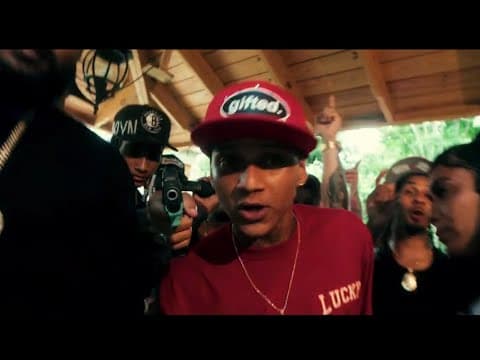
"Rulay y Pico" by Ezzy R is a high-energy urban track that bridges the gap between Dominican Dembow and Spanish street culture. It is a celebratory anthem focused on the lifestyle of the "barrio," success, and unfiltered partying. Here is an analysis of the song: 1. Overall Theme The song centers on the concept of being "Rulay"—a Dominican slang term for feeling great, partying, or being in a state of euphoria. It describes the artist's transition from the struggles of the streets to a life of wealth, loyalty to his "coro" (inner circle), and ignoring critics while enjoying the fruits of his labor. 2. Key Lyrics Analysis * "Me mantengo rulay y pico": This is the core hook. "Rulay" means to be chilling or partying, and "y pico" is an intensifier meaning "and then some" or "to the max." He is stating that his vibe is at an all-time high. * "Lo' fiele' con lo' fiele', lo' falso' pa' su sitio": A common theme in urban music, this emphasizes street loyalty. He keeps his true friends close and discards those who were only there for the convenience, a nod to the "codes" of the neighborhood. * "Tamo' haciendo cuarto', mami, no me critique'": "Cuartos" is Dominican slang for money. Ezzy R is telling his detractors (or a specific woman) not to judge his lifestyle because he is successfully generating wealth. * References to "el bloque" and "la movie": These terms highlight the transition from the "block" (the streets) to living a life that feels like a movie due to fame and luxury. 3. Emotional Tone The tone is defiant, energetic, and triumphant. It carries the frantic, high-bpm energy characteristic of Dembow, which provokes a sense of movement and "hype." There is also a secondary tone of arrogance, as the artist flexes his current status against those who doubted him. 4. Cultural Context * Dominican Influence: Although Ezzy R has built much of his career in Spain, the song is deeply rooted in Dominican culture. The slang (Dembow vocabulary) and the rhythm are traditional to the "Bajo Mundo" (underworld/working-class neighborhoods) of Santo Domingo. * The "Chipeo" Culture: The song is mixed and produced to be played in loud car speaker systems (known as *chipeo*), which is a massive subculture in the Spanish-speaking Caribbean and urban Spain. 5. Artist Context Ezzy R is a key figure in the "Dembow España" movement. This song serves as a staple in his discography that solidified his identity as a versatile artist who can dominate both the "Drill" scene and the "Dembow" scene. "Rulay y Pico" helped bridge the gap for his fans, showing he could create a club hit that remains authentic to his gritty, street-oriented roots.

Ela Sai de Provocação
"Ela Sai de Provocação" is one of the standout tracks by MC Don Juan, a leading figure in the Brazilian Funk (Funk Paulista) scene. Here is an analysis of the song: 1. Overall Theme The song explores the game of mutual attraction and visual flirtation. It describes a woman who intentionally dresses and acts provocatively to capture the narrator's attention, knowing his reputation as a charismatic "maloqueiro" (street-smart guy) who is easily drawn to her confidence and style. 2. Key Lyrics Analysis * "Ela sai de provocação / Só pra chamar minha atenção": These lines establish the premise of the song. The "provocation" isn't accidental; it’s a calculated social move. It highlights the power dynamic where the woman holds the initial visual power. * "Sabe que eu sou maloqueiro / E que eu tenho o dom da sedução": Don Juan identifies as a *maloqueiro*. In this context, it doesn't mean a "delinquent," but rather a stylish, street-wise man from the periphery who possesses natural charm and knows how to navigate the dating scene. * "Nois é os vilão que elas gosta": This translates to "We are the villains they like." It plays on the popular trope in Funk culture where the "bad boy" or the guy from the favela is seen as the most desirable partner due to his authenticity and "swagger." 3. Emotional Tone The tone is confident, flirtatious, and rhythmic. It carries a sense of "ostentação" (pride in one's status) and high self-esteem. There is no heartbreak here; instead, the song radiates the energy of a crowded nightclub or a street party (*baile funk*) where everyone is feeling attractive and bold. 4. Cultural Context * Funk Paulista/Ousadia: The song fits into the "Funk Ousadia" subgenre, which focuses on sensuality and flirting without necessarily being as crude as "Funk Proibidão." * The "Maloqueiro" Aesthetic: The song celebrates the lifestyle of the urban periphery in São Paulo. The fashion, the way of speaking, and the social interactions described are central to the identity of young people living in the outskirts of major Brazilian cities. * The Baile Funk: The "provocation" mentioned often refers to the specific way women dress for funk parties—frequently featuring branded clothing and bold styles that are meant to stand out in a high-energy environment. 5. Artist Context MC Don Juan is known for his unique, high-pitched vocal delivery and his ability to blend romantic themes with street-level funk. "Ela Sai de Provocação" was a pivotal track that helped solidify his image as a "romantic rogue." It showcases his transition from more explicit underground funk to a more polished, melodic sound that achieved massive mainstream success across Brazil and on streaming platforms.

Brega Funk dos Rosa (feat. Katlen, Leozinn)
"Brega Funk dos Rosa" is a collaborative track produced by VOID featuring influencers Katlen and Leozinn. It is a track designed to bridge the world of social media stardom with the high-energy music scene of Northeast Brazil. Here is an analysis of the song: ### 1. Overall Theme The song is a celebratory anthem for the "Rosa" (Pink) brand or lifestyle, associated with a specific group of Brazilian influencers (often linked to the "Mansão Rosa"). Its primary purpose is to create a "vibe" for parties and social media videos, focusing on youth culture, dancing, and the status that comes with being part of their social circle. ### 2. Key Lyrics Analysis * "É o Brega Funk dos Rosa": This serves as the "brand" statement of the song. It identifies the genre (Brega Funk) and the "team" (Rosa), creating a sense of community and exclusivity for their fans. * "Ela quer fechar com os cria": The word "cria" is Brazilian slang for someone who grew up in the neighborhood or is "part of the gang." Here, it signifies that outsiders want to be associated with the cool, authentic members of the group. * References to the "Passinho": While not always explicitly named in every line, the rhythmic structure focuses on the "passinho" (the specific dance steps of Brega Funk). The lyrics emphasize movement and the physical reaction to the beat. * "A Katlen tá na cena": Mentions of the artists' names within the song are common in this genre to reinforce their personal brands and "hype" their presence as influencers. ### 3. Emotional Tone The tone is energetic, confident, and festive. It carries an air of "ostentação" (ostentation), projecting a life of fun, fame, and effortless coolness. The song is meant to make the listener want to dance, making it highly effective for TikTok trends and club environments. ### 4. Cultural Context * Brega Funk: This genre originated in Recife, Pernambuco. It blends the romanticism of "Brega" with the aggressive beats of "Funk Carioca" and heavy use of synthesizers. It is currently one of the most dominant genres in Brazilian pop culture. * Influencer Houses: The song is a product of the "Influencer House" phenomenon in Brazil (like the Hype House in the US). These houses often produce music as a cross-promotional tool to increase engagement across YouTube, Instagram, and TikTok. ### 5. Artist Context VOID is primarily known in the Brazilian "Geek" music scene (producing rap and trap about anime and pop culture). "Brega Funk dos Rosa" represents a strategic expansion for VOID, moving away from niche anime themes into mainstream pop and influencer culture. By collaborating with Katlen and Leozinn, VOID taps into a massive, younger audience that follows these personalities more for their lifestyles than for a specific musical career.

Forró e Desmantelo
Here is an analysis of "Forró e Desmantelo" by Manim Vaqueiro. Overall Theme The song centers on the conflict between a serious romantic relationship and the high-energy, wild lifestyle of the modern Brazilian "vaqueiro" (cowboy). The narrator ultimately chooses personal freedom, late-night parties, and forró music over the constraints of his relationship, celebrating the "single life" without regret. Key Lyrics Analysis * *"Eu troco você pelo forró e o desmantelo"* (I’ll trade you for forró and the chaos): This is the core hook of the song. The word "desmantelo" is a regional slang term from Northeast Brazil that refers to a wild, uninhibited party, often involving lots of drinking and lack of order. * *"Onde tiver paredão, onde tiver cerveja, eu tô lá"* (Where there is a wall of sound, where there is beer, I’m there): This refers to the *Paredão*—massive, custom-built speaker walls used in street parties. It highlights the narrator’s priorities: loud music and alcohol. * *"A vida de solteiro é o que me satisfaz"* (Single life is what satisfies me): This line confirms the rejection of domesticity. The song portrays the "vaqueiro" lifestyle as inherently incompatible with a demanding partner. Emotional Tone The tone is celebratory, defiant, and high-energy. Unlike many forró songs that focus on *sofrência* (suffering over a breakup), this track is unapologetic. There is a sense of liberation and joy; the narrator isn't mourning the end of the relationship but rather welcoming the return to his true self. Cultural Context * Vaquejada/Piseiro Culture: The song belongs to the *Piseiro* or *Vaquejada* genre, which is a modern, electronic-influenced evolution of traditional forró. It represents the "New Northeast" of Brazil, where rural cowboy traditions (horses, ranching) blend with urban party elements (luxury cars, expensive beer, and massive sound systems). * The Vaqueiro Persona: In this cultural context, the *vaqueiro* is a symbol of masculinity and rugged independence. Choosing "the party" over "the girl" is a common trope in this genre, reinforcing the image of the cowboy as a free spirit who belongs to the road and the festivities. Artist Context Manim Vaqueiro is one of the rising stars of the *Piseiro* movement. This song is a quintessential example of his musical identity, which focuses on the "vaqueiro" lifestyle. It fits into a broader trend in Brazilian music where artists move away from romantic ballads toward "ostentation forró," focusing on parties, independence, and the specific slang of the Sertão (the Brazilian hinterlands). This track helped solidify his reputation as a voice for the modern rural youth.

MONTAGEM BAILÃO (feat. Mc Jhey)
“MONTAGEM BAILÃO” by Repsaj (featuring Mc Jhey) is a quintessential example of modern Brazilian Funk, specifically the Montagem and Automotivo subgenres. Here is an analysis and explanation of the track: Overall Theme The song is a high-energy "baile" (party) anthem centered on the lifestyle of the Brazilian urban outskirts (*quebrada*). Its primary purpose is to serve as a soundtrack for dance floors, focusing on themes of social status, late-night partying, and the magnetic pull of the funk scene. Key Lyrics Analysis While the lyrics in "Montagem" tracks are often repetitive and designed to function as rhythmic hooks rather than complex narratives, certain elements stand out: * The "Mandrake" Aesthetic: The lyrics often reference being a "Mandrake"—a Brazilian term for a specific urban style characterized by designer sportswear (like Oakley or Nike), chains, and a confident, street-smart attitude. * "Bailão": This refers to the massive street parties or clubs where funk music is played. The lyrics describe the atmosphere of these events, emphasizing that the party is the place to be seen and to assert one's dominance or attractiveness. * Rhythmic Chants: Mc Jhey uses short, punchy phrases that sync with the heavy bass drops. These lyrics are less about storytelling and more about "commanding" the crowd to move, creating a call-and-response dynamic common in funk. Emotional Tone The tone is aggressive, hedonistic, and intensely confident. The heavy use of distorted sub-bass and metallic percussion creates a "dark" but energetic atmosphere. It conveys a sense of "urban swagger"—the feeling of being untouchable and in control within the chaotic environment of a crowded party. Cultural Context * Montagem Culture: A *Montagem* (literally "Assembly") is a style of funk where the producer "assembles" various samples, vocal snippets, and beat patterns into a loop-heavy track. It originated in Rio de Janeiro but has evolved significantly in São Paulo. * Tik Tok and Global Reach: This specific sound (often labeled "Brazilian Phonk" internationally) has become a global phenomenon. Even if listeners don’t understand the Portuguese lyrics, the raw, industrial energy of the production appeals to a global audience interested in high-intensity electronic music. * The "Quebrada": The song represents the voice of the youth in Brazil’s periphery, turning the struggles of daily life into a celebratory, loud, and defiant musical expression. Artist Context Repsaj is part of a new wave of producers who have mastered the "Automotivo" sound—music specifically engineered to sound best on massive car speaker systems. His collaboration with Mc Jhey bridges the gap between the producer-led electronic side of funk and the vocal-heavy traditional funk. For Repsaj, this song represents his ability to create "viral" textures that work both in a local Brazilian club and on global streaming charts.

Montagem Bandido
"Montagem Bandido" by Jmilton is a prominent track within the Brazilian Phonk (or Funk Phonk) subgenre. It blends the heavy, distorted aesthetics of Memphis Phonk with the rhythmic "batida" of Brazilian Baile Funk. Here is an analysis of the song: 1. Overall Theme The song centers on the persona of the "Bandido" (outlaw or rogue), projecting an image of street authority, intimidation, and raw power. It is less of a narrative story and more of an atmospheric anthem meant to evoke the gritty, high-stakes environment of the urban periphery (favelas) and the mindset required to survive them. 2. Key Lyrics Analysis While "Montagens" are often minimalist and rely on repetitive samples, the lyrical choices are intentional: * "Mente do palhaço, mente de bandido" (Mind of a clown, mind of a bandit): In Brazilian criminal iconography, the "clown" (palhaço) is often associated with unpredictability and, historically, a specific animosity toward the police. This line suggests a psychological state of being dangerous and unhinged. * "Naquele pique, jogador" (In that vibe, player): This refers to maintaining a high-status, agile, and skillful lifestyle. The "jogador" (player) is someone who knows how to navigate the dangers of the street with style and confidence. * Heavy use of vocal chops: The repetition of rhythmic grunts and aggressive commands serves to reinforce the "Bandido" aesthetic, treating the voice more like a percussion instrument than a vessel for storytelling. 3. Emotional Tone The tone is aggressive, dark, and menacing. The use of "distorted bass" and "cowbells" (typical of Phonk) creates a sense of tension and adrenaline. It is designed to feel "heavy," providing a soundtrack for workouts, high-speed driving videos, or gaming, where a sense of dominance and intensity is required. 4. Cultural Context * Brazilian Phonk Movement: This song is part of a global digital trend where Brazilian producers took the dark aesthetic of American Phonk (from Memphis) and fused it with the local "Proibidão" (forbidden funk) style. * Outlaw Glamorization: Like many songs in the "Bandido" genre, it uses the imagery of the outlaw as a symbol of rebellion and resilience against a system that often marginalizes residents of the favelas. 5. Artist Context Jmilton is a significant figure in the "Funk Phonk" scene that exploded on platforms like TikTok and Spotify. "Montagem Bandido" serves as a benchmark for his style—focusing on high-energy production and a "dark" atmosphere that appeals to both local Brazilian listeners and an international audience who may not understand the Portuguese lyrics but resonate with the raw energy of the sound.

Página De Ex (Ao Vivo)
"Página De Ex (Ao Vivo)" is a modern Brazilian hit by Mari Fernandez that blends the rhythms of *piseiro* with the emotional storytelling of *sertanejo*. Here is an analysis of the song: 1. Overall Theme The song explores the difficulty of truly letting go of a past relationship in the digital age. It focuses on the contradiction between claiming to be "over" someone while still obsessively monitoring their life through social media (the "ex’s page"). 2. Key Lyrics Analysis * "Página de ex não se folheia, se arrasta" (*An ex’s page isn't leafed through, it's dragged/scrolled*): This is a clever play on the traditional Portuguese expression "virar a página" (to turn the page/move on). Mari updates this for the smartphone era, noting that we don't turn pages anymore; we scroll through them on Instagram or TikTok. * "Sua boca fala que superou, mas o seu dedo não me esquece" (*Your mouth says you're over it, but your finger doesn't forget me*): This highlights the hypocrisy of the ex-partner. While they tell everyone they have moved on, their digital behavior (clicking, liking, or viewing stories) proves they are still attached. * "Eu não sou o seu atual, mas sou a sua melhor versão de ex" (*I'm not your current [partner], but I'm your best version of an ex*): This line carries a sense of pride and spite. The singer is saying that even if the ex has someone new, they will never find anyone who compares to her. 3. Emotional Tone The song carries a tone of defiant heartbreak. While the lyrics deal with "sofrência" (the pain of love), the upbeat *piseiro* rhythm makes it feel empowering rather than depressing. It conveys a mix of sarcasm, self-assurance, and the lingering sting of seeing an ex-partner try to move on. 4. Cultural Context The song is deeply rooted in modern Brazilian social media culture. In Brazil, "stalking" an ex is a frequent theme in pop music. The song also fits into the "Sofrência" genre—music specifically designed for people to drink and commiserate over lost love. The "Ao Vivo" (Live) format is standard for this genre, as it captures the "chorus of the crowd," which adds to the communal feeling of shared heartbreak. 5. Artist Context Mari Fernandez is one of the biggest names in the "Piseiro" and "Feminejo" (female-led sertanejo) movements. "Página De Ex" solidified her reputation as a voice for the younger generation. It showcases her powerful, slightly husky vocal range and her ability to take traditional heartbreak themes and make them feel current and relatable to a Gen Z and Millennial audience.

Tubarões (Ao Vivo)
"Tubarões" (which translates to "Sharks") is a powerful contemporary Sertanejo track by the Brazilian duo Diego & Victor Hugo. Recorded live, it captures the raw emotion and "sofrência" (suffering/heartbreak) that the duo is famous for. Here is an analysis of the song: ### 1. Overall Theme The song explores a toxic and high-stakes romantic obsession where the narrator is fully aware that the person they love is "dangerous." It uses a marine metaphor to describe a relationship defined by a power imbalance, where one person is the predator and the other is the willing victim. ### 2. Key Lyrics Analysis * "Um beijo seu é um mergulho no escuro" (*A kiss of yours is a dive into the dark*): This line sets the tone of uncertainty and risk. The narrator admits that getting close to this person is blind and reckless. * "Onde eu sou a presa e você o tubarão" (*Where I am the prey and you are the shark*): This is the central metaphor. It depicts the partner as someone who "hunts" or consumes the narrator’s emotions, while the narrator feels defenseless and consumed by the attraction. * "Eu já sei o final dessa história" (*I already know how this story ends*): This highlights the theme of resignation. The narrator is not being fooled; they know they will get hurt, yet they choose to stay in the relationship anyway. * "O seu amor é um mar de perigos" (*Your love is a sea of dangers*): Reinforces the idea that the relationship is an unstable environment where the narrator is constantly at risk of drowning emotionally. ### 3. Emotional Tone The song conveys a mix of vulnerability, desperation, and fatalism. There is a heavy sense of "sofrência"—the specific Brazilian brand of sentimental longing and romantic pain. The live performance adds a layer of intensity, as the soaring vocals of Diego and Victor Hugo emphasize the narrator's feeling of being overwhelmed by a love they cannot control. ### 4. Cultural Context In the world of Sertanejo Universitário, metaphors involving nature, hunting, or drinking are common ways to describe "sofrência." The "shark" metaphor is particularly striking because it portrays love not as a soft emotion, but as something primal and potentially lethal. In Brazilian bar culture (*boteco*), songs like this are designed to be sung loudly by people who have experienced "love-trap" relationships where they knew they should leave but couldn't. ### 5. Artist Context Diego & Victor Hugo are among the top duos in Brazil, known for their ability to blend romantic melodies with relatable, often painful lyrics. "Tubarões" fits perfectly into their discography alongside hits like *"Facas"* and *"Desbloqueado."* It solidifies their reputation as masters of the modern heartbreak anthem, focusing on the psychological toll of "impossible" or damaging relationships rather than just simple "boy meets girl" scenarios.

Fica De Quatão (Ultra Slowed)
"Fica De Quatão (Ultra Slowed)" by DJ Biel Divulga is a prime example of the "Slowed + Reverb" trend applied to Brazilian Funk. It takes an explicit, high-energy club track and transforms it into a heavy, atmospheric piece of music. ### Overall Theme The song is a direct and sexually explicit track typical of the *Funk Putaria* (explicit funk) subgenre. Its primary theme is sexual dominance and physical encounter, centered around the command for a partner to assume a specific position (*de quatro*, or "on all fours") during a party or intimate moment. ### Key Lyrics Analysis * "Fica de quatão": This is a slang variation of "fica de quatro" (get on all fours). In the context of Brazilian Funk, this is a standard directive used to describe sexual movements and positions on the dancefloor or in private. * "Sequência de botadão": This translates to a "sequence of heavy thrusting." The term "botadão" is ubiquitous in modern funk, referring to rhythmic, aggressive sexual movements that mirror the heavy, repetitive basslines of the music. * "Vem sentando pros cria": "Pros cria" refers to "the guys from the neighborhood" or "the homeboys." This line establishes the social identity of the artist, rooting the song in the culture of the Brazilian *favelas* or urban peripheries. ### Emotional Tone The "Ultra Slowed" version significantly alters the song's original mood. While the standard version is meant for high-speed dancing and energy, the slowed-down version feels hypnotic, dark, and gritty. The lowered pitch of the vocals gives the song a "menacing" or "trippy" quality, shifting the vibe from a frantic party atmosphere to a slow, heavy, and more sensual (albeit aggressive) experience. ### Cultural Context * Funk Slow/Aesthetic: This song belongs to a broader internet trend where Brazilian Funk tracks are slowed down to fit a certain "aesthetic." This is often used on social media (TikTok/Instagram) to accompany videos of nightlife, modified cars, or "dark" urban imagery. * Slang Evolution: The use of "Quatão" instead of "Quatro" is an example of how funk artists manipulate language to create new rhymes and rhythms, making the lyrics more percussive. ### Artist Context DJ Biel Divulga is a prominent figure in the "MTG" (Montagem) and Funk promotion scene. His career is built on curating and remixing sounds that are specifically designed to go viral. By releasing an "Ultra Slowed" version, he is catering to a specific niche of listeners who prefer the "vibey" and atmospheric side of funk over the traditional high-bpm dance versions, showcasing his versatility as a producer who understands digital trends.