
Latest Articles
![[MV] 김민석 (멜로망스) - 사랑의 언어 (Love Language) / Official Music Video](/_next/image?url=https%3A%2F%2Fimg.youtube.com%2Fvi%2Fccbq5l511uU%2Fmqdefault.jpg&w=3840&q=75)
[MV] 김민석 (멜로망스) - 사랑의 언어 (Love Language) / Official Music Video
Here is an analysis and explanation of "Love Language" (사랑의 언어) by Kim Min-seok of MeloMance. ### 1. Overall Theme The song explores how the experience of love fundamentally changes a person’s perspective on the world. It describes the realization that mundane words and everyday moments take on deep, miraculous meanings when shared with a loved one, effectively creating a unique "language" that only the two people in the relationship truly understand. ### 2. Key Lyrics Analysis * "All the words in the world feel like my heart toward you" (세상의 모든 말이 다 너를 향한 마음 같아): This line suggests that love has become the singer's primary lens. He can no longer hear a beautiful phrase or see something lovely without immediately connecting it to his feelings for his partner. * "It doesn’t have to be grand; your small words are miracles to me" (거창하지 않아도 돼 소소한 너의 말들이 내겐 기적이야): This emphasizes that true intimacy isn't found in dramatic gestures, but in the "small talk" and quiet moments of daily life. To someone truly in love, even a simple "How was your day?" feels like a profound gift. * "With the language called love, we color each other" (사랑이라는 언어로 우린 서로를 물들여가): This metaphor of "coloring" suggests that the two people are being permanently changed and influenced by one another, blending their lives into a single shared masterpiece. ### 3. Emotional Tone The song is warm, tender, and deeply sincere. Unlike many K-ballads that focus on the pain of a breakup, "Love Language" is celebratory and comforting. Kim Min-seok’s soft, airy vocals combined with the acoustic arrangement create a "spring-like" atmosphere that feels like a cozy conversation or a heartfelt confession. ### 4. Cultural Context The title and theme likely reference the popular psychological concept of "The 5 Love Languages" (Words of Affirmation, Acts of Service, etc.), which has been a major trend in South Korean dating culture over the last few years. The song specifically leans into "Words of Affirmation," highlighting how verbal communication is the bridge that connects two souls. The music video’s aesthetic—soft lighting, domestic settings, and "boyfriend material" vibes—caters to the Korean "Gamsung" (sentimental/aesthetic) trend. ### 5. Artist Context Kim Min-seok is the lead vocalist of the hit duo MeloMance. While MeloMance is known for sophisticated, jazz-influenced pop, Kim Min-seok’s solo work often focuses more purely on his vocal color and storytelling ability. "Love Language" solidifies his reputation as a "Sentimental King" in the Korean music industry, showcasing his incredible vocal range (especially his signature clear high notes) in a way that feels intimate rather than performative. It fits perfectly into his discography of "healing music."

KALYANI
"KALYANI" by ARJN is a standout track in the contemporary Tamil Indie scene, blending traditional aesthetic sensibilities with modern Lo-fi production. Here is an analysis of the song: 1. Overall Theme The song is a romantic tribute to a muse whom the artist refers to as "Kalyani." It explores the themes of infatuation, the beauty of simple moments, and the comparison of a loved one to a divine melody that brings peace and light to the narrator's life. 2. Key Lyrics Analysis * "Kalyani...": The title itself is a double entendre. While it serves as a woman's name, *Kalyani* is also one of the most famous and auspicious Ragas in Carnatic music. By calling her this, the artist suggests she is as beautiful and soul-stirring as the classical melody. * Focus on Presence: Many of the lyrics focus on the "vibe" or the feeling of being in the person’s company. Instead of grand declarations of love, the lyrics lean into the "Mayakkam" (enchantment or intoxication) that her presence causes. * Modern Romanticism: The lyrics use simple, conversational Tamil, which contrasts with the classical name. This creates a bridge between traditional heritage and a modern, urban relationship. 3. Emotional Tone The emotional tone is dreamy, serene, and deeply intimate. The song carries a "chill" or "mellow" vibe, often associated with late-night listening. It evokes a sense of contentment and soft longing, making the listener feel as though they are eavesdropping on a private, soulful confession. 4. Cultural Context The song represents the "Tamil Lo-fi" movement. Culturally, it taps into the deep connection South Indians have with music (specifically Ragas). By naming a modern R&B/Lo-fi track after a traditional Raga, ARJN appeals to a generation that values their cultural roots but prefers a global, modern sound. It reflects the "aesthetic" culture of the modern Tamil diaspora and youth. 5. Artist Context ARJN is part of a wave of independent Tamil artists who are moving away from the dominance of film music (Kollywood). "KALYANI" is one of his most popular tracks and has helped define his signature style: smooth, soulful vocals paired with minimalist, atmospheric beats. This song solidified his position as a go-to artist for "vibe-heavy" Tamil music that resonates on social media platforms like Instagram and TikTok.

NewJeans (뉴진스) 'Hype Boy' Official MV (Performance ver.1)
"Hype Boy" by NewJeans is a quintessential Y2K-inspired pop track that redefined the K-pop landscape upon its release in 2022. Here is an analysis of the song and its performance version. 1. Overall Theme The song captures the electrifying feeling of a youthful crush and the playful confidence that comes with mutual attraction. It explores the "hype" or excitement of falling for someone who stands out, emphasizing a natural, breezy connection rather than a forced romance. 2. Key Lyrics Analysis * "Cause I know what you like boy / You're my hype boy": Here, "Hype Boy" refers to someone who excites the singer or boosts her mood. It suggests a sense of empowerment—she isn't just waiting to be liked; she understands the chemistry and claims the connection. * "Take him to the sky-y-y-y-y": This line uses the sky as a metaphor for the euphoric "high" of new love. The airy, melodic delivery emphasizes the lightheartedness of the emotion. * "I don’t care about the attention / Just wanna make it feel right": These lyrics ground the song in authenticity. In an era of social media and public image, the focus is shifted back to the genuine, private feelings between two people. 3. Emotional Tone The tone is nostalgic, cool, and optimistic. It balances a "dreamy" R&B vibe with a rhythmic Moombahton beat, creating a sound that feels both relaxed and energetic. It conveys the effortless confidence of Gen Z—composed and stylish, yet openly enthusiastic about their feelings. 4. Cultural Context * Y2K Revival: The song and its MV are heavily rooted in the late 90s and early 2000s aesthetic (fashion, film grain, and choreography). This tapped into a global trend of "new-stalgia," appealing to both older listeners who remember the era and younger fans who find the vintage look "cool." * Interactive Storytelling: "Hype Boy" was famously released with four different music videos, each focusing on different members and storylines. This encouraged fans to engage deeply with the group's lore and established the "NewJeans" brand as one focused on individuality and relatability. 5. Artist Context "Hype Boy" was a revolutionary debut for NewJeans under the label ADOR (a subsidiary of HYBE). While most K-pop groups at the time were doing "maximalist" concepts with heavy EDM and intense "girl crush" themes, NewJeans moved in the opposite direction with easy-listening music and a natural, "girl-next-door" image. The song became a massive cultural phenomenon in South Korea and globally, sparking a viral dance challenge and cementing NewJeans as leaders of the "Fourth Generation" of K-pop.
![[STAGE CLIP] 영탁(YOUNGTAK) 'Brighten' 2024 영탁 단독콘서트 [TAK SHOW3 - ENCORE]](/_next/image?url=https%3A%2F%2Fimg.youtube.com%2Fvi%2Fo10Iqhikvs8%2Fmqdefault.jpg&w=3840&q=75)
[STAGE CLIP] 영탁(YOUNGTAK) 'Brighten' 2024 영탁 단독콘서트 [TAK SHOW3 - ENCORE]
The song "Brighten" by Young Tak (영탁), particularly the live version from his "TAK SHOW3 - ENCORE" concert, is a high-energy anthem designed to uplift both the performer and the audience. It serves as a powerful bridge between Young Tak’s trot roots and his versatility in pop-rock. --- ### 1. Overall Theme "Brighten" is a song about mutual empowerment, hope, and the transformative power of positive energy. It explores the idea that when the artist and the fans come together, they create a light that can dispel any darkness and "brighten" the world. ### 2. Key Lyrics Analysis * "Brighten up, the light that shines on you and me": This central hook emphasizes that the "light" isn't a solo effort; it is a shared experience. It symbolizes the symbiotic relationship between Young Tak and his fandom ("Youngtak’s Club"). * "A miracle starting again" (다시 시작되는 기적): This line likely refers to the "miracle" of his late-blooming success and the renewed energy he feels every time he stands on stage after years of obscurity. * "Let’s get it started, don’t stop": These lyrics function as a call to action. They reflect Young Tak’s relentless work ethic and his desire to keep moving forward into a brighter future without hesitation. ### 3. Emotional Tone The emotional tone is explosively optimistic and celebratory. It carries a sense of "healing energy" (a term often associated with Young Tak), transitioning from a driving, rhythmic build-up to a triumphant chorus. In the live "TAK SHOW3" context, there is also a deep sense of gratitude and liberation, as the song is performed in a large-scale stadium setting. ### 4. Cultural Context * The "New-Trot" Wave: While "Brighten" leans heavily into pop-rock, it exists within the "New-trot" cultural context where artists like Young Tak are breaking genre boundaries. * Lightstick Culture: In the live clip, the "brightening" is literal—the stadium is filled with blue lightsticks. In Korean fan culture, the synchronization of light and music represents the unity of the "community," making the song a literal manifestation of its title. ### 5. Artist Context "Brighten" marks a significant point in Young Tak’s career where he has moved beyond being "just a trot singer" to a versatile entertainer. * Self-Production: Young Tak is known for writing and producing his own music. This song showcases his skill in crafting "stadium anthems" that suit large-scale tours. * Career Resilience: Having spent over 15 years as an unknown singer before his breakthrough on *Mr. Trot*, the lyrics about "shining" and "miracles" carry personal weight. This song is his declaration that his "dark era" is over and he is now in his "brightest" moment.

Vazhithunaiye (From "Dragon")
"Vazhithunaiye" is a soul-stirring track from the Tamil film *Dragon*, composed by Leon James and sung by the prolific Sid Sriram. The song serves as a melodic exploration of companionship and inner peace. ### 1. Overall Theme The song revolves around the theme of guided journeying and emotional companionship. It portrays a person acknowledging a presence (be it a partner, a friend, or a spiritual guide) that acts as a "Vazhithunai" (a companion on the path), providing direction and comfort through the uncertainties of life. ### 2. Key Lyrics Analysis * "Vazhithunaiye" (The Title): The word itself means "Companion of the Way." It signifies that the journey of life is less about the destination and more about who is walking alongside you. * Metaphors of Nature: The lyrics often use elements like the wind, the road, and light to describe the feeling of being supported. These metaphors suggest that this companionship feels natural, inevitable, and essential for survival. * The Idea of "Home": Some verses suggest that "home" isn't a physical place but a person. When the companion is near, the protagonist feels they have reached their destination, even while they are still moving. * Vulnerability: The lyrics highlight a sense of letting one's guard down, suggesting that the "companion" is the only one who sees the protagonist's true, unmasked self. ### 3. Emotional Tone The song carries a serene, introspective, and comforting tone. * It begins with a sense of wandering or searching, which gradually evolves into a feeling of profound reassurance. * Sid Sriram’s vocal delivery adds a layer of yearning and warmth, making the listener feel a sense of "solace in motion." ### 4. Cultural Context In Tamil culture and literature, the term *Vazhithunai* has deep roots, often used in a spiritual context (such as the "Vazhithunai Amman" or prayers for safe passage). By using this term in a contemporary film song, the lyricist blends traditional sentiments of protection with a modern, youthful perspective on relationships. In the context of the movie *Dragon*, which features a vibrant and perhaps chaotic protagonist, this song acts as the emotional anchor that grounds the character’s journey. ### 5. Artist Context For Sid Sriram, "Vazhithunaiye" is another addition to his repertoire of "soulful anthems." * It fits perfectly into his signature style: a mix of Carnatic-influenced nuances and contemporary pop sensibilities. * After a string of high-energy or intensely tragic songs, this track showcases his ability to deliver a "healing" melody. * His collaboration with Leon James continues their trend of creating breezy yet emotionally dense music that resonates particularly well with the "urban-folk" or "indie-pop" aesthetic of modern Tamil cinema.
![[MV] MeloMance(멜로망스) _ Love, Maybe(사랑인가 봐) (사내맞선 OST 스페셜 트랙(A Business Proposal OST Special Track))](/_next/image?url=https%3A%2F%2Fimg.youtube.com%2Fvi%2FUoBsiQW23IY%2Fmqdefault.jpg&w=3840&q=75)
[MV] MeloMance(멜로망스) _ Love, Maybe(사랑인가 봐) (사내맞선 OST 스페셜 트랙(A Business Proposal OST Special Track))
"Love, Maybe" (사랑인가 봐) by MeloMance is one of the most successful K-drama OSTs of recent years, serving as the signature theme for the 2022 hit romantic comedy *A Business Proposal*. Here is an analysis and explanation of the track: 1. Overall Theme The song captures the fluttering moment of realization when someone acknowledges they have fallen in love. It describes the subtle changes in one’s daily routine and thoughts, shifting from casual interest to a deep, undeniable romantic attraction that feels both surprising and inevitable. 2. Key Lyrics Analysis * "너와 함께하고 싶은 일들을 상상하는 게 요즘 내 일상이 되고" (Imagining things I want to do with you has become my daily routine): This line highlights how love changes a person’s mental space. The transition from "living my own life" to "visualizing a future with another" is the hallmark of falling in love. * "말도 안 되게 나를 웃게 해" (You make me smile in a way that makes no sense): This reflects the "uncontrollable" nature of feelings. The narrator finds themselves smiling without a logical reason, suggesting that the heart has bypassed the brain. * "사랑인가 봐" (It must be love): The titular phrase is a gentle confession. Rather than a dramatic declaration, it feels like a quiet realization—a "lightbulb moment" where the narrator finally labels the confusing emotions they’ve been feeling. 3. Emotional Tone The song carries a warm, breezy, and lighthearted tone. Unlike heavy, dramatic ballads, "Love, Maybe" feels like a sunny spring day. It is characterized by "seollem" (설렘)—a specific Korean word for the heart-fluttering excitement and nervousness at the start of a romance. The smooth, medium-tempo piano arrangement and Kim Min-seok’s honey-like vocals create a cozy and comforting atmosphere. 4. Cultural Context The song was central to the success of the drama *A Business Proposal*. In South Korea, high-quality OSTs (Original Soundtracks) often become as popular as the dramas themselves. "Love, Maybe" achieved a "Perfect All-Kill" on Korean music charts, staying at the top for months. It became the "unofficial anthem" for the "Office Romance" trope in K-drama culture, symbolizing the charming and comedic chemistry between the main characters, Kang Tae-moo and Shin Ha-ri. 5. Artist Context MeloMance, a duo consisting of vocalist Kim Min-seok and pianist Jeong Dong-hwan, are known for their "Sentimental Pop" style. This song solidified their reputation as "OST Kings" and "Digital Monsters" (artists who consistently perform well on digital charts). It showcased Kim Min-seok’s unique ability to hit high, delicate notes with a soft, masculine tone, while Jeong Dong-hwan’s sophisticated piano accompaniment elevated the track from a simple TV theme to a timeless pop standard.
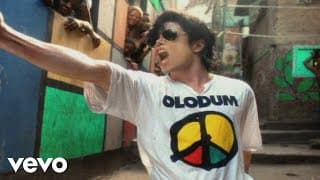
Michael Jackson - They Don’t Care About Us (Brazil Version) (Official Video)
Analysis of "They Don’t Care About Us (Brazil Version)" by Michael Jackson: Overall Theme The song is a powerful protest anthem addressing social injustice, systemic racism, police brutality, and government indifference. It serves as a voice for the marginalized and oppressed, expressing the frustration of being ignored or mistreated by those in power. Key Lyrics Analysis * "Skinhead, dead head, everybody gone bad": Jackson highlights a world spiraling into extremism and moral decay, where hatred has become a common language. * "Tell me what has become of my rights / Am I invisible because you ignore me?": These lines question the validity of the social contract. Jackson challenges the legal system and the elite who overlook the suffering of the poor and the "invisible" classes. * "Jew me, sue me, everybody do me / Kick me, kike me, don't you black or white me": Though controversial, Jackson used these slurs to illustrate the labels and dehumanizing language used by bigots. He is essentially saying that no matter what label is placed on a person, the underlying intent of the oppressor is to strip away their humanity. * "All I wanna say is that they don’t really care about us": The repetitive hook emphasizes the deep-seated distrust between the common citizen and institutional authorities. Emotional Tone The song conveys a sense of defiance, urgency, and raw anger. However, the Brazil version (filmed in Salvador and Rio de Janeiro) adds an underlying tone of resilience and communal strength. The heavy percussion gives the song a "marching" quality, turning a cry of pain into a rhythmic call to action. Cultural Context * Olodum: The video features the famous Afro-Brazilian drumming group, Olodum. Their participation grounded the song’s global message in the specific struggles of Afro-Brazilians fighting against poverty and police violence. * Location: Filmed by director Spike Lee in the Pelourinho (Salvador) and the Santa Marta favela (Rio). At the time, the Brazilian government initially tried to block the filming, fearing it would show the world the "unattractive" side of Brazil; instead, it became a point of pride for the local community and boosted tourism to those areas. Artist Context This song was released during the *HIStory* era (1995), a period when Michael Jackson’s music became significantly more aggressive, political, and defensive. Following years of intense media scrutiny and personal legal battles, MJ moved away from his "Heal the World" optimism toward a more confrontational style. It remains one of his most enduring legacy pieces, frequently used today in human rights protests globally.
![[OFFICIAL MV] 황인욱 - 너를 위해 (2026)](/_next/image?url=https%3A%2F%2Fimg.youtube.com%2Fvi%2FWZujrz85p0U%2Fmqdefault.jpg&w=3840&q=75)
[OFFICIAL MV] 황인욱 - 너를 위해 (2026)
Hwang In-wook’s "너를 위해 (For You)" is a 2024 remake of the legendary 2000 hit by Im Jae-beum. It is a powerful rock ballad that captures the essence of sacrificial love and the agony of a man who feels he is not good enough for the woman he loves. Here is an analysis of the song: 1. Overall Theme The song explores the theme of self-sacrificial love and painful departure. The narrator views himself as a troubled, unstable person who causes his partner pain, leading him to the conclusion that the greatest act of love he can perform is to leave her so she can find happiness elsewhere. 2. Key Lyrics Analysis * "내 거친 생각과 불안한 눈빛과 그걸 지켜보는 너" (My rough thoughts, my anxious eyes, and you watching them): These iconic opening lines describe the narrator’s inner turmoil and mental instability. He recognizes that his partner is suffering just by being by his side and witnessing his "war-like" life. * "전쟁 같은 사랑" (A love like war): This metaphor suggests that their relationship is intense and passionate, but also exhausting and destructive. It implies that their love is a constant struggle against circumstances or personal demons. * "너를 위해 떠날 거야" (I will leave for you): This is the emotional climax. The narrator chooses to initiate the breakup not because he stopped loving her, but because he believes his presence is a "burden" (짐) that prevents her from living a peaceful life. 3. Emotional Tone The song is deeply melancholic, raw, and desperate. While the original version by Im Jae-beum focused on a rugged, "wild" masculine sorrow, Hwang In-wook’s version adds a modern, polished sadness. The tone transitions from a suppressed, low-register whisper to an explosive, high-pitched outcry, mirroring the buildup of suppressed guilt and eventual heartbreak. 4. Cultural Context The original "For You" (2000) is one of the most famous songs in South Korean history, often cited as the "national karaoke anthem" for men. By remaking this track, Hwang In-wook taps into "Nostalgia Marketing," which is a major trend in the K-pop industry today. The song belongs to the "manly ballad" genre that was dominant in the early 2000s, characterized by themes of toughness, silent suffering, and extreme vocal displays of emotion. 5. Artist Context Hwang In-wook is well-known for his uniquely husky, "soju-friendly" voice and his string of hits related to drinking and heartbreak (like "Pocha" and "Sad Drinking"). Because his vocal color is naturally deep and raspy, he is considered one of the few modern artists capable of covering Im Jae-beum’s repertoire without losing the "soul" of the original. This remake solidifies his identity as a modern torchbearer for the traditional Korean rock-ballad genre. *(Note: While you mentioned 2026, the official MV and project were released in May 2024 as part of a remake series.)*

Dheema (From "Love Insurance Kompany")
"Dheema" is the hit first single from the Tamil film Love Insurance Kompany (LIK), composed and sung by Anirudh Ravichander with lyrics by Vignesh Shivan. Here is an analysis and explanation of the song: 1. Overall Theme The song revolves around the "slow-burn" feeling of falling in love. The title "Dheema" (which translates to "slow" or "steady" in this context) describes a romance that isn't a sudden explosion but a gradual, intoxicating process that slowly takes over one's senses and thoughts. 2. Key Lyrics Analysis * "Dheema Dheema...": The recurring hook emphasizes the pace of the emotion. It suggests that the protagonist is savoring the feeling rather than rushing through it. * "Insurance-u... Assurance-u": Playing on the movie’s title (*Love Insurance Kompany*), the lyrics metaphorically compare the partner to an insurance policy. She provides "assurance" against his loneliness and worries, acting as a safety net for his heart. * "Unnodu dhaan payanam, adhu dhaan en dhyanam": This translates to "My journey is with you, and that is my meditation." It elevates the romantic attraction to a spiritual or deeply focused level, showing how the partner has become his sole focus. * "Sikkikitten unkulla": Meaning "I got stuck inside you," this line highlights the feeling of being hopelessly and happily trapped in the thought of the beloved. 3. Emotional Tone The song carries a breezy, euphoric, and atmospheric tone. It blends "lo-fi" aesthetics with upbeat electronic synth-pop. It evokes a sense of "vibing"—the feeling of driving late at night or daydreaming about someone special. It is designed to feel chill and addictive, rather than intensely dramatic. 4. Cultural Context The song fits into the "Modern Urban Romance" genre of Tamil cinema. It reflects the sensibilities of a younger generation (Gen Z and Millennials) by using a mix of Tamil and English words and focusing on "vibes" rather than traditional poetic metaphors. The collaboration between director Vignesh Shivan and Anirudh is known for creating "feel-good" anthems that celebrate quirky, modern love stories. 5. Artist Context For Anirudh Ravichander, "Dheema" is a return to his "Romance Specialist" roots. While he has recently been dominated by high-energy "mass" action scores (like *Leo*, *Jawan*, and *Vikram*), this song reminds the audience of his ability to create soft, melodic, and infectious romantic tracks. It follows his successful trend of releasing a "viral first single" to build massive hype for a film, solidifying his position as the most influential hit-maker in current South Indian cinema.
![[MV] KimNaYoung(김나영) _ A Letter For You(봄 내음보다 너를)](/_next/image?url=https%3A%2F%2Fimg.youtube.com%2Fvi%2FRaTCjhIS4AY%2Fmqdefault.jpg&w=3840&q=75)
[MV] KimNaYoung(김나영) _ A Letter For You(봄 내음보다 너를)
"[MV] KimNaYoung(김나영) _ A Letter For You(봄 내음보다 너를)" is a poignant ballad that captures the essence of nostalgia and the lingering feelings that resurface with the changing seasons. Here is an analysis of the song: ### 1. Overall Theme The song explores the bittersweet connection between nature and memory, specifically how the arrival of spring triggers the longing for a past lover. It serves as a lyrical "letter" to a person who is no longer present, expressing that the memory of them is more fragrant and beautiful than the actual scent of spring flowers. ### 2. Key Lyrics Analysis * "봄 내음보다 너를 (More than the scent of spring, [I remember] you)": This recurring line serves as the emotional anchor. It suggests that while the world is celebrating the new life and fragrance of spring, the narrator is consumed by the "scent" of their memories with the other person. * "부르지 못한 말들이 자꾸 입가에 맺혀 (Words I couldn't say keep forming on my lips)": This illustrates the regret and the "unspoken" nature of the letter. It highlights the lingering attachment and the things left unsaid when the relationship ended. * "햇살처럼 따스했던 너 (You, who were as warm as the sunlight)": By comparing the lover to spring sunlight, the lyrics emphasize that the person was the source of warmth in the narrator's life, making their current absence feel colder despite the season. ### 3. Emotional Tone The tone is bittersweet and melancholic, yet it possesses a warm, acoustic delicacy. Unlike some of Kim Na-young's more explosive, "heartbreak" ballads, this song feels more intimate and hushed. It conveys a sense of "quiet longing"—the kind of sadness that isn't loud or angry, but rather a soft, persistent ache that accompanies a beautiful day. ### 4. Cultural Context * The "Spring Song" Phenomenon: In South Korea, there is a massive cultural trend of "Spring Playlists." While many spring songs are cheerful (about blooming love), there is a specific sub-genre of "Spring Melancholy." These songs resonate with those who feel lonely or nostalgic while the rest of the world is out enjoying the cherry blossoms in pairs. * Letters in Lyrics: The concept of a "letter" is a classic trope in Korean balladry (Gasaballad), symbolizing a bridge between the past and present and the sincerity of one's deepest, hidden feelings. ### 5. Artist Context Kim Na-young is often referred to as the "Queen of OSTs" and the "Breakup Icon" in the K-ballad scene. She is famous for her raw, emotional delivery and her ability to make listeners feel the weight of heartbreak. * Evolution of Sound: This song fits into her discography as a more "listener-friendly" and "easy-listening" track. It showcases her vocal versatility—demonstrating that she doesn't always need to belt high notes to convey deep emotion; she can do it just as effectively through breathy, soft, and controlled storytelling.

AKMU - ‘후라이의 꿈’ SPECIAL LYRIC VIDEO
"Fry’s Dream" (후라이의 꿈) is a whimsical yet deeply relatable track by the sibling duo AKMU. Though it was written years ago, its official release in 2023 resonated strongly with a generation feeling the weight of societal expectations. Here is an analysis of the song: 1. Overall Theme The song is an anthem for those who lack a "grand ambition" and simply wish to exist comfortably. Using the metaphor of a fried egg lying flat in a pan, the song challenges the societal pressure to constantly evolve, succeed, and "become a chicken" (an adult/a success), advocating instead for the beauty of being still and content in the present. 2. Key Lyrics Analysis * "I just want to lie down, spread out like a fried egg": This central metaphor compares the shape of a fried egg to a person lounging comfortably. It represents a refusal to stand up and join the "rat race." * "Everyone says I should become a chicken... but I want to stay an egg": In nature, an egg is supposed to hatch into a chicken. Here, the "chicken" represents the mature, productive, and busy adult that society expects everyone to become. The narrator rejects this "natural" progression because it leads to a life of exhaustion. * "Is having no dream a dream in itself?": This is the philosophical core of the song. It questions the modern obsession with "having a dream" (career goals, fame, wealth) and suggests that the desire for peace and lack of ambition is a valid way of life. 3. Emotional Tone The tone is whimsical and breezy, yet underscored by a sense of quiet defiance and comfort. Lee Su-hyun’s clear, airy vocals make the song feel like a gentle lullaby for the overworked. It conveys a "healing" vibe, giving the listener permission to stop worrying about the future and just breathe. 4. Cultural Context The song resonates deeply within South Korean "Hell Joseon" culture, where the education system and job market are notoriously competitive. In a society where young people are often judged by their "specs" (credentials) and career trajectory, "Fry's Dream" aligns with the "Sohwakhaeng" (Small but Certain Happiness) movement—finding joy in the mundane rather than chasing unattainable success. It speaks to the "Burnout Generation" who find solace in doing nothing. 5. Artist Context "Fry’s Dream" has a unique history. Lee Chan-hyuk wrote it for IU back in 2014, and she performed it at her concerts, leading fans to believe it was her song for nearly a decade. AKMU finally reclaimed and officially released it in 2023 alongside their hit "Love Lee." * Personal Significance: Lee Su-hyun has been vocal about her struggles with burnout and her desire to retire at points in her career. This song served as a personal outlet for her, making the official release a significant moment of transparency regarding her mental health and her desire for a slower pace of life.

Yedi (From "Nilavuku En Mel Ennadi Kobam")
"Yedi" is a vibrant, high-energy track from the Tamil film *Nilavuku En Mel Ennadi Kobam* (NE MEK), directed by Dhanush. The song features music composed and sung by G. V. Prakash Kumar, with lyrics penned by Dhanush. --- ### 1. Overall Theme The song is a quintessential "falling-in-love" anthem that captures the intoxicating and slightly maddening rush of youthful infatuation. It describes a young man’s obsession and wonder as he tries to process how a woman has completely captivated his senses and disrupted his routine. ### 2. Key Lyrics Analysis * "Yedi Yedi Yedi... Enna Enna Senja?": The word "Yedi" is a colloquial, informal, and often affectionate way of addressing a girl in Tamil. The hook translates to "Hey girl, what did you do to me?" signifying the protagonist's pleasant confusion over his changing state of mind. * The Focus on "Pithu" (Madness): Much of the lyrics revolve around the concept of *Pithu*, a deep, obsessive craze. The lines suggest that her gaze or her mere presence has acted like a spell, leaving him in a state of euphoric "madness." * Rhythmic Wordplay: Dhanush’s lyrics use rhythmic, repetitive sounds that mimic the heartbeat or the frantic pace of someone in love. The lyrics don't aim for heavy philosophy; instead, they focus on the physical and mental symptoms of a "crush"—sleeplessness, constant thinking, and a sense of being lost. ### 3. Emotional Tone The tone is euphoric, celebratory, and restless. It carries an infectious energy that mirrors the "high" of early romance. There is no sadness or longing here; instead, it is a loud, rhythmic declaration of how exciting (and confusing) it feels to be head-over-heels for someone. ### 4. Cultural Context * Madras Bashai & Colloquialism: The song heavily utilizes "Madras Bashai" (Chennai slang). This makes the song feel grounded, relatable, and "street-smart," moving away from poetic, classical Tamil to the language spoken by modern youth. * The "Kuthu" Influence: While modern in its production, the song draws from the *Dappa Kuthu* tradition—a folk dance and music style from Tamil Nadu. It is designed for the "front-benchers" and celebratory dancing in theaters. ### 5. Artist Context * The Dhanush-GVP Duo: G. V. Prakash Kumar and Dhanush share a legendary collaboration history (having worked on classics like *Polladhavan*, *Aadukalam*, and *Asuran*). This song marks a shift from their usual intense or folk-heavy tracks toward a more Gen-Z, trendy, and "vibey" sound. * GVP as a Performer: In recent years, G. V. Prakash has leaned into his "youth icon" persona. "Yedi" fits perfectly into his current career phase where he balances being a serious composer with being a high-energy playback singer and lead actor. His vocal delivery here is raw and energetic, matching the "local" flavor of Dhanush’s lyrics.