
Latest Articles

Zartmann - tau mich auf
"tau mich auf" (which translates to "thaw me out" or "defrost me") is a breakout track by the Berlin-based artist Zartmann. It blends indie-pop sensibilities with modern German rap aesthetics. ### 1. Overall Theme The song explores the feeling of emotional numbness and the desire to be "reawakened" by a romantic partner. It uses the metaphor of ice and freezing to describe a state of isolation and emotional stagnation, expressing a desperate need for the warmth of another person to feel human again. ### 2. Key Lyrics Analysis * "Baby, tau mich auf" (Baby, thaw me out): This is the core plea of the song. The narrator views his emotional state as a frozen block, incapable of moving or feeling on its own. He looks to his partner as the catalyst for his transformation. * "Ich bin ein Eisklotz, ich fühl’ gar nichts" (I’m a block of ice, I feel nothing at all): This line highlights the theme of dissociation. It’s not just about being sad; it’s about a total lack of sensation, suggesting that he has built walls so high that he has become cold to the world. * "Deine Blicke wie Sonnenstrahlen" (Your looks like sunbeams): This emphasizes that the "thawing" process isn't necessarily physical; it's the attention, validation, and love from the partner that provides the "heat" needed to melt his icy exterior. * Imagery of Berlin/Winter: The lyrics often evoke the cold, gray atmosphere of a city winter, which serves as a backdrop for the internal emotional state of the narrator. ### 3. Emotional Tone The tone is vulnerable yet hopeful. While the verses carry a heavy sense of melancholy and "urban loneliness," the upbeat, melodic production and the driving chorus provide a sense of longing and momentum. It captures the specific "late-night" feeling of wanting to reach out to someone to escape your own head. ### 4. Cultural Context Zartmann belongs to a new wave of German artists (often associated with the "Neue Neue Deutsche Welle" or modern Indie-Rap) who reject traditional "tough" masculine tropes in favor of emotional honesty. The song resonates with a generation that openly discusses mental health, emotional burnout, and the difficulty of forming genuine connections in a fast-paced, digital world. The "cold winter" metaphor is particularly resonant in Germany, where the long, dark winters are often associated with seasonal depression. ### 5. Artist Context Zartmann’s name is a play on words: "Zart" means tender/delicate and "Mann" means man. This song is the perfect embodiment of his brand—combining a raw, slightly raspy vocal style with deeply sensitive lyrics. "tau mich auf" helped solidify his position as a rising star in the German indie scene, showcasing his ability to create "earworm" melodies that don't sacrifice lyrical depth. It fits into his discography as a signature track that defines his "sensitive-guy-from-the-city" persona.
PUBLIC ENEMY (Feat. Roh Yun Ha, Wuuslime) (PUBLIC ENEMY (Feat. 노윤하, Wuuslime))
"PUBLIC ENEMY" (Feat. Roh Yun Ha, Wuuslime) is a high-octane hip-hop track by Sik-K that serves as a defiant statement against his critics and the mainstream music industry. It highlights his transition into a more aggressive, drill-influenced sound. ### 1. Overall Theme The song explores the concept of being a "villain" or an outcast in the eyes of society and the music industry. Sik-K and his collaborators embrace the title of "Public Enemy," suggesting that their success, wealth, and unconventional styles make them targets for jealousy and criticism, which they wear as a badge of honor. ### 2. Key Lyrics Analysis * "Public enemy, I’m the public enemy": This recurring hook establishes the core identity of the song. Instead of trying to please the general public, Sik-K leans into his notoriety, suggesting that if being successful and true to himself makes him an enemy, he accepts the role. * Roh Yun Ha’s Verse: Roh Yun Ha brings a sharp, rhythmic flow, focusing on his rapid rise in the scene despite his young age. His lyrics often touch on the "new wave" of Korean hip-hop, positioning himself as a disruptor who doesn’t follow the traditional rules set by the "old heads." * Wuuslime’s Contribution: His verse emphasizes the "street" and "hustle" aspect of their lifestyle. He uses metaphors of warfare and evasion, reinforcing the idea that they are operating on the fringes of the mainstream, focused only on their crew and their profit. * "KC we the label": References to Sik-K’s label, KC (Kwon Min-sik Corporation), are scattered throughout. This highlights a "us vs. them" mentality, where the label acts as a fortress against external hate. ### 3. Emotional Tone The song is aggressive, defiant, and confrontational. It carries an "us-against-the-world" energy. There is no vulnerability here; instead, the artists project absolute confidence and a sense of superiority over those who "talk behind their backs." The heavy bass and dark production amplify this sense of intimidation. ### 4. Cultural Context In the Korean hip-hop (K-HH) scene, Sik-K has often been a polarizing figure. While he is one of the most successful international exports of the genre, he has faced criticism from "purists" for his heavy use of Auto-Tune and his fashion-forward, Western-influenced aesthetic. "PUBLIC ENEMY" is a direct cultural response to these domestic critics, signaling that he no longer cares about being the "national rapper" and is comfortable being the "public enemy." ### 5. Artist Context This song fits into the "KC Era" of Sik-K’s career. After leaving H1GHR MUSIC, Sik-K shifted his musical direction toward a grittier, more underground-adjacent sound compared to his earlier melodic hits like "Party (Shut Up and Groove)." By featuring Roh Yun Ha (a rising star from *High School Rapper 4*) and Wuuslime (an underground talent), Sik-K positions himself as a leader and tastemaker for the next generation of aggressive Korean trap and drill music.
전지우 - 'Home Sweet Home' MV
"Home Sweet Home" is the debut solo track by Jiwoo, a member of the co-ed group KARD, from her single album *J*. Here is an analysis of the song: 1. Overall Theme The song redefines the concept of "home," moving away from a physical location to an emotional state or a specific person. It explores the feeling of finding ultimate comfort, safety, and a sense of belonging within a deep, intimate connection or within one's own identity. 2. Key Lyrics Analysis * "Where I can be myself, my home sweet home": This line serves as the emotional anchor of the song. It suggests that "home" isn't a house, but a space (or a relationship) where all social masks are dropped and one can be their most authentic self. * "Keep it on low, don’t let them know": These lyrics emphasize the private nature of this comfort. It highlights a secret world shared between two people, shielded from the noise and judgment of the outside world. * "No more distance, feel the resonance": This highlights the transition from feeling isolated to feeling completely in sync with someone else. The "resonance" suggests a physical and spiritual vibration that occurs when two people truly understand each other. 3. Emotional Tone The song carries a sultry, confident, and sophisticated tone. While the beat is a groovy, mid-tempo house/R&B hybrid, Jiwoo’s vocal delivery is laid-back and smooth. It evokes a feeling of late-night relaxation—warm and inviting, yet maintaining a "cool" and modern edge. 4. Cultural Context In the modern, fast-paced world (particularly in the high-pressure environment of the Korean entertainment industry), the idea of "home" as a sanctuary is a recurring theme. The song taps into the universal desire for a "safe haven" amidst urban loneliness. Visually and sonically, it aligns with the "Chill R&B" and "City Pop" trends currently popular in the Seoul music scene, focusing on vibe and atmosphere over aggressive performance. 5. Artist Context Within KARD, Jiwoo is known for her "girl crush" persona, sharp dancing, and husky, powerful vocals. "Home Sweet Home" marks a significant shift in her career, allowing her to showcase a more melodic, sensual, and vulnerable side that is often overshadowed by KARD’s high-energy Moombahton and EDM tracks. This solo debut establishes her as a versatile artist capable of carrying a sophisticated pop-R&B sound on her own.

Semicenk - Çıkmaz Bir Sokakta
"Çıkmaz Bir Sokakta" (In a Dead-End Street) is a hit single by the Turkish singer Semicenk, released under the Eva Records label. It showcases his signature blend of modern pop and traditional Turkish emotional depth. Here is an analysis of the song: ### 1. Overall Theme The song explores the theme of unrequited longing and emotional stagnation following a breakup. It uses the metaphor of a "dead-end street" to describe the singer's mental state—he is trapped in the memories of a past relationship, unable to move forward while the person he loves has already moved on. ### 2. Key Lyrics Analysis * "Çıkmaz bir sokakta seni bekliyorum" *(I am waiting for you in a dead-end street)*: This is the central metaphor. A dead-end street symbolizes a situation with no future or exit. By waiting there, the narrator acknowledges that his hope is irrational and futile, yet he cannot leave. * "Gözlerimin feri söndü, dönmedin ki hiç geri" *(The light in my eyes has faded, you never came back)*: In Turkish culture, the "fer" (light/spark) in one’s eyes represents life force and hope. Its absence suggests that the narrator is emotionally drained and "grayed out" by grief. * "Yüzümü güldüren tek bir günün yok mu?" *(Don’t you have a single day that makes me smile?)*: This line expresses the bitterness of a relationship that left behind only pain, questioning if there was ever any genuine happiness or if it was all a struggle. ### 3. Emotional Tone The tone is melancholic, weary, and resigned. Unlike aggressive "breakup songs," this track carries a heavy sense of fatigue. Semicenk’s deep, slightly raspy vocal delivery enhances the feeling of a man who has "run out of breath" chasing a ghost. It evokes a sense of loneliness within an urban setting. ### 4. Cultural Context The song fits into the "Modern Arabesque" or "Arabesque-Pop" genre currently dominating the Turkish music charts. While the production uses modern beats and synths, the lyrical content leans heavily on the "Arabesque" tradition of *hüzün* (a specific type of deep, communal melancholy). It reflects the Turkish cultural tendency to romanticize "suffering for love" and the nobility found in persistent longing. ### 5. Artist Context Semicenk has become one of Turkey's most-streamed artists in recent years. This song is a quintessential example of his "formula": slow-tempo, emotionally heavy, and lyrically accessible. Released through Eva Records—a label known for churning out high-production, viral hits—this track solidified Semicenk’s reputation as the voice of the heartbroken modern generation. It fits perfectly into his discography of "sad-boy pop" that bridges the gap between old-school Turkish heartache and new-school digital production.
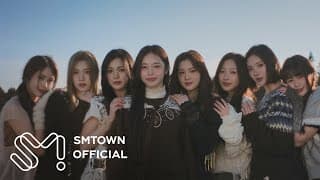
Hearts2Hearts 하츠투하츠 'The Chase' MV
Hearts2Hearts (하츠투하츠) is a virtual idol group under SM Entertainment. Their debut track "The Chase" is a high-octane introduction to their digital universe. Here is an analysis of the song and music video: ### 1. Overall Theme "The Chase" focuses on the relentless pursuit of goals and the adrenaline-filled journey of overcoming obstacles. It uses the metaphor of a "hunt" or a "race" to describe the drive to reach one’s dreams in a competitive, fast-paced world, specifically set within a futuristic, virtual landscape. ### 2. Key Lyrics Analysis * "Run it, run it, non-stop / Catch me if you can": These lines establish a sense of urgency and confidence. It portrays the protagonists as leaders who are always one step ahead, challenging others to keep up with their pace. * "In this digital maze, I find the way": This highlights the group's identity as virtual beings. It suggests that even in a complex, artificial, or confusing environment (the "maze"), they possess the clarity and instinct to find their true path. * "Heartbeat sync, zero to one": This is a double entendre. It refers to the excitement of the "chase" (heartbeat) while also referencing binary code (0 and 1), emphasizing their existence as programmed entities that still possess human-like passion. ### 3. Emotional Tone The song is intense, cinematic, and empowering. It carries a high level of tension, similar to an action movie soundtrack. There is an underlying sense of confidence and defiance, as the vocals and production remain sharp and aggressive, designed to make the listener feel motivated and energized. ### 4. Cultural Context "The Chase" fits into the growing "Virtual Idol" trend in the K-pop industry (following groups like PLAVE or MAVE:). Culturally, it reflects South Korea's leadership in integrating high-end technology (CGI, motion capture, and AI) with music. The MV utilizes cyberpunk and gaming aesthetics, which resonate with Gen Z and Alpha audiences who are comfortable navigating metaverses and digital personas. ### 5. Artist Context Hearts2Hearts represents SM Entertainment’s continued expansion into the "SMCU" (SM Culture Universe) and the tech-entertainment sector. * Experimental Venture: Unlike traditional SM groups (like NCT or aespa), Hearts2Hearts allows the label to experiment with purely digital storytelling without the physical limitations of human idols. * Sonic Identity: The song maintains the "SM Sound"—complex layering, high-quality production, and strong vocal hooks—but applies it to a brand-new medium. It marks a bridge between traditional K-pop performance and the future of virtual entertainment.

Soniya Soniya
"Soniya Soniya" is a vibrant, high-energy track composed by A.R. Rahman for the 1997 Tamil film *Ratchagan* (starring Nagarjuna and Sushmita Sen). It remains one of the most celebrated dance anthems of the late 90s Indian cinema. Overall Theme The song is a celebratory expression of intense romantic attraction and admiration. It revolves around a lover who is completely mesmerized by the beauty of his partner, describing her presence as a life-changing force that brings color and rhythm to his world. Key Lyrics Analysis The lyrics (written by Vairamuthu in Tamil) use grandiose metaphors to describe the protagonist’s feelings: * "Soniya Soniya": The hook uses the Punjabi word "Soniya" (Beautiful/Beloved), which at the time helped the song gain a pan-Indian appeal beyond South India. * "Oru vilaiyillaa uyir thandhu unnodu naan vaazha vandhen": This translates to "Giving my priceless life, I have come to live with you." It signifies a total surrender of the self to the beloved. * Nature Imagery: The lyrics often compare the woman to natural phenomena, suggesting that the "flowers looking at the sky" have gathered specifically because of her beauty. This hyperbole is a staple of 90s Indian romantic poetry, elevated by Rahman's modern soundscape. Emotional Tone The tone is euphoric, energetic, and youthful. It captures the "rush" of being in love. While the verses have a slightly melodic and soulful quality, the chorus is explosive and rhythmic, intended to evoke a sense of freedom and celebration. Cultural Context "Soniya Soniya" was released during a period when Indian cinema was transitioning into a high-budget, "glossy" era. The music video featured Miss Universe Sushmita Sen and was known for its futuristic sets and sophisticated choreography. It represented the "New India" of the 90s—globalized, stylish, and technologically advancing—while still being rooted in the traditional theme of romantic longing. Artist Context This song showcases A.R. Rahman during his experimental peak in the late 90s. * Genre-blending: He seamlessly blended electronic synth-pop and Western dance beats with Indian melodic structures. * Vocal Texture: By using Udit Narayan (a predominantly Bollywood singer) for the Tamil version, Rahman bridged the gap between North and South Indian music industries, a hallmark of his career. * Legacy: Within the *Ratchagan* soundtrack, "Soniya Soniya" stands out as the commercial powerhouse, proving Rahman’s ability to create "earworms" that were both musically complex and mass-appealing.
![[MV] Parc Jae Jung(박재정), SULLYOON (NMIXX)(설윤 (NMIXX)) _ Always(지금 이대로만)](/_next/image?url=https%3A%2F%2Fimg.youtube.com%2Fvi%2Fx6peEfIQVGE%2Fmqdefault.jpg&w=3840&q=75)
[MV] Parc Jae Jung(박재정), SULLYOON (NMIXX)(설윤 (NMIXX)) _ Always(지금 이대로만)
"Always (지금 이대로만)" is a sentimental collaboration between the seasoned balladeer Parc Jae Jung and Sullyoon, a standout vocalist from the 4th-generation girl group NMIXX. Released as part of a special project, the song captures the delicate fluttering of hearts in a blooming relationship. Here is an analysis of the track: ### 1. Overall Theme The song is a romantic pop ballad centered on the desire to preserve a moment of perfect happiness. Its Korean title, *"Jigeum Idaeroman"* (literally "Just Like This"), reflects the universal wish for a relationship to remain as sweet, steady, and beautiful as it is in the present moment without the fear of change or fading feelings. ### 2. Key Lyrics Analysis * "지금 이대로만 내 곁에 있어줘" (Stay by my side just as you are now): This is the core message of the song. It emphasizes that the current state of their love is "enough," and they don't need anything more than each other's presence. * "너와 걷는 이 길 위에" (On this road I walk with you): This common Korean lyrical trope uses "walking" as a metaphor for the journey of a relationship. It suggests a slow, steady progression rather than a rushed romance. * The contrast between Parc Jae Jung’s deep, stable tone and Sullyoon’s airy, sweet vocals: This stylistic choice represents a conversation between two lovers, where both are echoing the same sentiment of comfort and mutual affection. ### 3. Emotional Tone The song conveys a warm, cozy, and nostalgic emotion. It isn't a "heartbreak" ballad; instead, it feels like a "healing" song. The melody is gentle and bright, evoking the feeling of a calm spring evening or a quiet walk in a park. It balances the excitement of love with a sense of security and peace. ### 4. Cultural Context In the Korean music scene, male-female duets between a traditional ballad singer and an idol group member are highly popular. These collaborations bridge the gap between different fanbases. The song fits into the "K-Ballad" tradition of "easy-listening" music—songs that are meant to be played in cafes or during commutes to provide a sense of comfort (often referred to as "healing music" in Korea). ### 5. Artist Context * Parc Jae Jung: Known for his deep, emotive voice and his massive hit "Let's Say Goodbye," this song allows him to show a softer, more romantic side compared to his usual tragic breakup songs. It cements his reputation as a "duet king" who can harmonize well with various vocal colors. * Sullyoon (NMIXX): While NMIXX is known for their complex, high-energy "MIXX POP" genre, this collaboration is a significant opportunity for Sullyoon to showcase her vocal versatility. It proves she has the technical skill and emotional depth to handle traditional ballads, highlighting her potential as a solo vocalist beyond her idol image. ### Summary "Always" is a beautifully harmonized track that celebrates the "Golden Hour" of a relationship. It successfully blends the maturity of Parc Jae Jung’s vocals with the youthful sweetness of Sullyoon’s, resulting in a timeless love song about treasuring the "now."
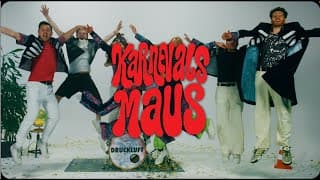
DRUCKLUFT - Karnevalsmaus (offizielles Video)
"Karnevalsmaus" by the German brass band DRUCKLUFT is a quintessential "Stimmungslied" (party song) specifically designed for the Rhineland Carnival (Karneval). Here is an analysis of the song: 1. Overall Theme The song tells the story of a chance romantic encounter during the "Fifth Season" (Carnival). It focuses on the excitement of meeting a beautiful girl—the "Karnevalsmaus" (Carnival mouse)—in the middle of a crowded, costume-filled party and the fleeting, high-energy magic of a Carnival romance. 2. Key Lyrics Analysis * "Meine Karnevalsmaus" (My Carnival mouse): In German, "Maus" is a common term of endearment (like "sweetie"), but in this context, it also refers to the classic mouse costumes popular during the festival. It represents the "ideal" girl found in the chaos of the celebration. * References to "Konfetti" and "Kamelle": These lyrics ground the song in the physical reality of the festival—confetti in the air and "Kamelle" (the candy thrown from parade floats). * "Elf Uhr Elf" (11:11): This specific time is mentioned as it marks the official start of the Carnival season on November 11th and the daily start of festivities during the street carnival. It signifies that the romance is synchronized with the heartbeat of the tradition. * The ephemeral nature of the encounter: Like many songs of this genre, the lyrics imply a "live for the moment" attitude. It doesn't matter who you are the rest of the year; during Carnival, you are the person in the costume. 3. Emotional Tone The tone is purely euphoric, upbeat, and celebratory. Because DRUCKLUFT is a brass performance band, the heavy use of trumpets and trombones creates a "marching band on steroids" feel. The song evokes a sense of belonging, "Schunkeln" (swaying back and forth arm-in-arm), and the uninhibited joy typical of a beer tent or street party. 4. Cultural Context The song is deeply rooted in the Rhineland Carnival traditions (Cologne/Bonn region). * Bützje: The song alludes to the tradition of "Bützje"—small, harmless kisses on the cheek given to strangers and friends alike during the festival. * The "Jeck" Identity: The song speaks to the "Jecken" (Carnival enthusiasts). In this culture, the "Karnevalsmaus" is a trope—the person you fall in love with for one night under the influence of music and costumes, only to potentially never see again once Ash Wednesday arrives. 5. Artist Context DRUCKLUFT is known as a "Brass-Performance-Band" rather than a traditional carnival troupe. They are famous for their high-energy stage shows, neon-colored suits, and choreographed movements. * Signature Sound: "Karnevalsmaus" is a staple of their repertoire and helped solidify their position as one of the top modern acts in the Carnival circuit. * Modernization: While they respect the traditions of the Cologne "Dreigestirn" style of music, DRUCKLUFT brings a modern, pop-infused brass sound that appeals to younger generations while still being catchy enough for older traditionalists to enjoy.

Mutta Kalakki (From "Youth")
Analysis of the song "Mutta Kalakki" (from the film *Adangathey*), composed and performed by G. V. Prakash Kumar. *(Note: While there is a famous song with the same title in the 2002 movie "Youth," G. V. Prakash Kumar’s version is a distinct track from his film "Adangathey" that pays homage to that same high-energy "Gaana" street style.)* ### 1. Overall Theme The song is a high-energy "Kuthu" (folk-dance) track that celebrates urban street culture, youthful rebellion, and the "hustle" mentality. It serves as an anthem for the common man or the "local boy" who takes pride in his roots, his resilience, and his ability to navigate the chaotic life of the city with confidence. ### 2. Key Lyrics Analysis * "Mutta Kalakki" (The Title/Refrain): A *Kalakki* is a popular South Indian street food made of lightly stirred, soft-cooked eggs. In the context of the song, it serves as a metaphor for "shaking things up" or mixing through life's troubles with ease. It represents the "spicy" and informal nature of local life. * "Oru Kaila Glass-u, Oru Kaila Mass-u": These lines emphasize a carefree, "don't care" attitude. It portrays a protagonist who is relaxed but carries a powerful presence (*Mass*), asserting dominance in his social circle. * References to "Local" identity: The lyrics often use Chennai slang (Madras Bashai) to establish a sense of belonging. The words focus on friendship, local geography, and the daily grind, reinforcing that the protagonist is a "son of the soil." ### 3. Emotional Tone The song conveys unbridled energy, defiance, and celebration. * Aggressive Joy: There is an aggressive rhythm typical of *Kuthu* music, intended to make the listener dance. * Confidence: The vocal delivery is loud and punchy, reflecting the bravado of a young man who refuses to be suppressed by authority or societal norms. ### 4. Cultural Context * Street Food Culture: The "Mutta Kalakki" is iconic to Tamil Nadu’s *thalluvandi* (street cart) culture. By naming a song after it, the artist instantly connects with the working class and youth who frequent these spots. * Gaana-Kuthu Fusion: The song blends traditional folk percussion with modern electronic beats, a style that has become the heartbeat of Tamil cinema’s "commercial" or "mass" appeal. It represents the "Area" (neighborhood) pride common in North Chennai culture. ### 5. Artist Context For G. V. Prakash Kumar, this song represents his evolution from a "Melody King" (known for soft soundtracks like *Aadukalam* or *Madrasapattinam*) to a "Mass Hero" and high-energy performer. * As an actor-composer, GVP often creates these tracks to suit his onscreen persona—the relatable, slightly mischievous, but gold-hearted local boy. * It showcases his versatility in handling "Raw" and "Rustic" genres, proving he can deliver hits that appeal specifically to the front-benchers and dance-loving audiences.
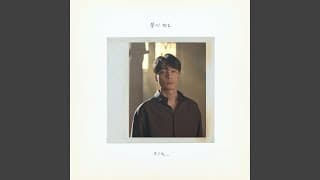
When Spring Comes
"When Spring Comes" (Korean title: 봄봄봄 - *Bom Bom Bom*) is a landmark acoustic folk-pop song by Roy Kim, released in 2013. It remains one of South Korea’s most iconic "seasonal anthems." Here is an analysis of the song: 1. Overall Theme The song explores the bittersweet connection between the arrival of spring and the memory of a past love. It uses the blooming of flowers and the warmth of the season as a metaphor for the beginning of a romance, while expressing a hopeful longing to reunite with that person as the seasons cycle back. 2. Key Lyrics Analysis * "Spring, spring, spring, spring has come / Like the day you first came to me": The repetition of "Bom" (Spring) creates a rhythmic, fluttering feeling. He equates the freshness of the season with the excitement he felt when he first met his lover. * "Even after the cold winter passes, my heart is still frozen": This highlights the contrast between the external world (which is warming up) and his internal world (which is still stuck in the "winter" of their breakup). * "Just once more, I want to see your face": The lyrics shift from celebrating the scenery to a direct plea. The song isn't just about nature; it’s a letter to someone he misses, hoping the spring wind will bring them back. 3. Emotional Tone The tone is whimsical, nostalgic, and breezy. Despite the lyrics being about a "lost love," the upbeat tempo, acoustic guitar strumming, and the famous whistling intro give the song a "healing" and optimistic vibe. It captures the "fluttering heart" (*seollem*) associated with Korean springtimes rather than deep sorrow. 4. Cultural Context In South Korea, this song is considered a "Spring Carol." Just as certain songs return to the charts every Christmas, "Bom Bom Bom" (along with Busker Busker’s "Cherry Blossom Ending") shoots back up the music charts every March and April when the cherry blossoms bloom. It has become part of the cultural ritual of welcoming the new season and going on "flower-viewing" (*kkot-gugyeong*) dates. 5. Artist Context This was Roy Kim's debut digital single after winning the audition program *Superstar K4*. It was a massive commercial success that established his identity as a modern folk-pop singer-songwriter. The song’s success proved that acoustic, guitar-driven music could compete with high-energy K-pop idols, and it solidified Roy Kim’s image as the "nation’s younger brother" with a sophisticated, intellectual, and warm musical style.
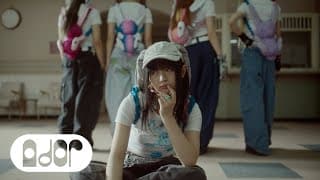
NewJeans (뉴진스) 'OMG' Official MV (Performance ver.1)
Here is an analysis and explanation of NewJeans’ "OMG": 1. Overall Theme "OMG" is a song about the overwhelming and dizzying experience of early infatuation and devotion. It explores the feeling of having someone who is always there for you—a "protector" figure—and the sense of relief and excitement that comes with finding a person who understands you perfectly. 2. Key Lyrics Analysis * "I was really hoping that he will come through": This line highlights the anticipation and "manifestation" of a perfect partner. It captures the moment where a hope or a dream becomes a reality. * "No, I can't keep my cool / I’m going crazy": These lyrics reflect the loss of self-control that comes with a crush. The "crazy" theme is a central motif in the music video, suggesting that love can make one feel detached from reality. * "He’s the one that’s living in my system": This metaphor suggests that the person they love has become an essential, inseparable part of their daily life and thoughts, functioning like a core part of their biology. * "They keep on asking me, 'Who is he?'": This hints at an external pressure or curiosity from others, while the narrator remains focused solely on their private connection with the subject. 3. Emotional Tone The song carries a dreamy, bouncy, and infectious energy. It balances the "jitters" of a new crush with a sense of comfort and safety. While the beat is upbeat and R&B-influenced, there is a slight undertone of nostalgia and yearning that has become a signature of the NewJeans sound. 4. Cultural Context * Y2K Aesthetic: The song and performance heavily reference late 90s and early 2000s R&B and hip-hop aesthetics, which has sparked a massive retro-revival trend in global pop culture. * The "Bunny" Symbolism: The rabbit (Tokki) imagery used in the performance and outfits refers to their fandom name, "Bunnies." It emphasizes the close-knit, protective relationship between the artists and their fans. * Mental Health Narrative: While the performance version focuses on dance, it is part of a larger narrative from the original MV that touches on identity, the idol-fan relationship, and the blurred lines between reality and imagination. 5. Artist Context "OMG" was released alongside "Ditto" and solidified NewJeans as a global powerhouse shortly after their debut. It proved that their success wasn't a fluke, establishing their specific niche: easy-listening pop with high-concept creative direction. The song’s massive success on platforms like TikTok and the Billboard Hot 100 cemented their status as leaders of the "Fourth Generation" of K-pop, moving away from high-intensity "girl crush" concepts toward a more relatable, "suburban-cool" vibe.

Monica (From "Coolie") (Tamil)
"Monica" is a promotional track and teaser theme for the upcoming Tamil film Coolie, starring Rajinikanth. Composed by Anirudh Ravichander and sung by Sublahshini, the song is a high-octane, modern reimagining of a classic retro hit. Here is an analysis of the song: 1. Overall Theme The song serves as a stylistic bridge between the 1980s "Superstar" Rajinikanth era and the modern, gritty "Lokesh Kanagaraj Cinematic Universe" style. Its primary theme is nostalgic power—it reintroduces Rajinikanth’s character through a lens of retro-cool, blending a classic romantic hook with an aggressive, gold-smuggling heist aesthetic. 2. Key Lyrics Analysis * "Monica... Oh My Darling": This is the central hook, sampled/interpolated from the song "Vaa Vaa Pakkam Vaa" from the 1983 film *Thanga Magan*. While the original was a flirtatious club song, in the context of *Coolie*, it becomes a rhythmic anthem for Rajinikanth’s character as he engages in stylized violence. * "Vaa Vaa Pakkam Vaa" (Come, come closer): In the original, this was an invitation to a lover. In this version, the lyrics take on a more menacing tone, sounding more like a challenge to enemies or an invitation into the dark, metallic world of the film's protagonist. * The focus on Sound over Lyrics: Much of the "song" in the teaser is actually a rhythmic arrangement of industrial sounds (clinking of gold chains, metallic thuds) that align with the lyrics to emphasize the "Coolie" (manual laborer) theme. 3. Emotional Tone * Swagger and Charisma: The song exudes the effortless "mass" appeal that Rajinikanth is known for. * High Energy: Anirudh uses heavy synth-pop and disco-funk elements to create an adrenaline-pumping atmosphere. * Gritty Nostalgia: It feels both familiar (due to the 80s melody) and dangerous (due to the heavy bass and modern production). 4. Cultural Context * The Lokesh Kanagaraj Factor: The director is famous for "Lokesh-isms," one of which is reusing old, iconic Tamil songs in violent or intense action sequences (a technique also used in *Vikram* and *Leo*). * Rajinikanth’s Legacy: By using a song from *Thanga Magan*, the creators are paying homage to Rajinikanth's peak era in the 80s. For Tamil audiences, the name "Monica" and the specific tune of "Vaa Vaa Pakkam Vaa" are deeply embedded in pop culture, making the teaser instantly viral. * Gold Smuggling: The lyrics and visuals reference the 1980s obsession with gold smuggling in cinema, which seems to be the central plot of *Coolie*. 5. Artist Context * Sublahshini: A rising talent in the playback industry, Sublahshini provides the vocals that mimic the sultry, retro vibe of the original singers (S.P. Balasubrahmanyam and Vani Jairam) but with a sharper, modern edge. * Anirudh Ravichander: This song reinforces Anirudh’s reputation as a "Remix King" who knows exactly how to trigger nostalgia in the younger generation while respecting the work of legends like Ilaiyaraaja (the original composer of the sampled track). * For Sublahshini, being the voice of a "Superstar" film teaser is a significant career milestone, showcasing her ability to handle high-profile, "stylized" vocal performances.