
Latest Articles

Thottu Thottu Pesum (From "Edhirum Pudhirum")
"Thottu Thottu Pesum" is a popular Tamil track from the 1999 film *Edhirum Pudhirum*. Composed by the "Melody King" Vidyasagar, it remains a quintessential example of late-90s rural folk-pop. ### 1. Overall Theme The song is a playful and flirtatious romantic duet between a man and a woman. It explores the chemistry of a developing relationship, focusing on the thrill of physical proximity, the excitement of "touch," and the exchange of affectionate banter set against a rural backdrop. ### 2. Key Lyrics Analysis * "Thottu thottu pesum sulthaana...": The word *Sulthaan* (Sultan/King) is used here as a term of endearment. The woman describes the man as a "Sultan" who communicates through touch, suggesting a bold and charismatic lover who has captured her heart. * "Vittu vittu veesum poongaatrae...": Comparing the lover's presence to a "gentle breeze that blows in intervals," this line conveys the cooling and refreshing effect the partner has on the soul. * Nature Metaphors: Vairamuthu uses earthy imagery (like the scent of the soil and the rhythm of the seasons) to describe physical attraction. The lyrics bridge the gap between innocent courtship and deep-seated desire using metaphors common in Tamil "Gramiya" (folk) poetry. ### 3. Emotional Tone The tone is vibrant, earthy, and celebratory. It carries a high-energy rhythm that makes it feel like a folk dance. While the lyrics deal with romance, the delivery is more energetic and rhythmic than sentimental, capturing the "rush" of young love and the boldness of rural courtship. ### 4. Cultural Context * Folk Fusion: The song belongs to the "Cinema Folk" genre. During the late 90s, there was a massive trend in Tamil cinema to take traditional village music and infuse it with modern orchestration (synths and polished percussion). * Rural Romance: In the context of Tamil cinema, songs like this often represent the "Mann Vaasanai" (scent of the soil), celebrating village life, traditional attire, and the open-air beauty of the Tamil Nadu countryside. ### 5. Artist Context * Vidyasagar: This song showcases Vidyasagar’s versatility. While known for soul-stirring melodies, he was equally adept at creating "Kuthu" or folk tracks with infectious rhythms that became "chartbusters" in rural and urban areas alike. * Pushpavanam Kuppusamy & Swarnalatha: This is a unique vocal pairing. Pushpavanam Kuppusamy is a legendary folk singer who brought authentic, raw energy to the track. Swarnalatha, one of the most versatile singers in Indian history, perfectly balanced his ruggedness with her sharp, melodic, and expressive voice. * Vairamuthu: The National Award-winning lyricist uses his deep knowledge of Tamil literature to ensure that even a "commercial" folk song has poetic depth and linguistic flair.
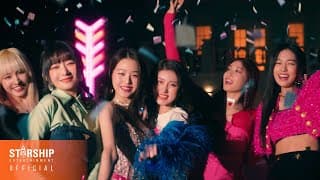
IVE 아이브 'LOVE DIVE' MV
IVE's "LOVE DIVE" is a landmark K-pop track that redefined the "girl crush" concept into something more sophisticated and self-focused. Here is an analysis of the song and its music video. ### 1. Overall Theme "LOVE DIVE" explores the concept of modern glamour and the thrill of jumping into love without hesitation. Its central theme is narcissism, reimagined not as a flaw, but as a source of confidence and empowerment. The song suggests that to truly love someone else, one must first be completely captivated by themselves. ### 2. Key Lyrics Analysis * "Narcissistic, my god I love it": This is the song's most iconic line. It serves as a bold manifesto for the group, embracing self-love and vanity as a power move rather than a negative trait. * "If you want it, dare to dive": This line acts as an invitation and a challenge. It frames love as an active, courageous choice—a "dive" into deep, unknown waters—rather than a passive feeling. * "The dark forest of your heart... you look into me": These lyrics, combined with the "mirror" imagery in the choreography, suggest that the "love" they are diving into is a reflection of themselves. The partner acts as a mirror through which they see their own beauty. ### 3. Emotional Tone The song carries an elegant, mysterious, and intoxicating tone. Unlike the high-energy "bubblegum" pop often found in K-pop, "LOVE DIVE" uses a dark synth-pop beat and a hypnotic "ooh-ooh" hook to create a dreamy, atmospheric vibe. It feels cool and composed, conveying the feeling of someone who is in total control of their emotions even while "diving" into a romance. ### 4. Cultural Context The song and MV draw heavily from Greek Mythology, specifically the stories of Narcissus (who fell in love with his own reflection in the water) and Cupid/Eros (the wings and arrows seen in the MV). * By blending these myths with a "high-teen" luxury aesthetic, IVE popularized the "Chaebol Crush" concept—a subgenre of K-pop imagery that focuses on youthful wealth, prestige, and effortless royalty. ### 5. Artist Context "LOVE DIVE" was IVE’s first comeback after their debut with "ELEVEN" and is the song that solidified them as "monsters" of the 4th generation of K-pop. * Career Milestone: The song was a massive commercial success, winning Song of the Year (Daesang) at several major awards (MAMA, MMA, GDA). * Sonic Identity: It established IVE’s signature sound—sophisticated, mid-tempo pop with heavy emphasis on catchy, rhythmic hooks and a "narcissistic" brand identity that distinguishes them from their peers.

Powerhouse (From "Coolie") (Tamil)
"Powerhouse" is a promotional track for the film *Coolie*, starring Rajinikanth and directed by Lokesh Kanagaraj. Featuring music by Anirudh Ravichander and lyrics/vocals by Arivu, the song serves as a high-octane character introduction that blends labor politics with "Superstar" charisma. --- ### 1. Overall Theme The song centers on the reclamation of the term "Coolie," transforming it from a derogatory label for a manual laborer into a title of immense power and dignity. It celebrates the physical and mental strength of the working class, positioning the protagonist as the ultimate "powerhouse" who drives the machinery of society while demanding respect. ### 2. Key Lyrics Analysis * "Coolie... No, No... Powerhouse!": This is the core hook. It rejects the submissive or lowly connotation of the word "coolie" and replaces it with the image of an unstoppable generator of energy and force. * "Sattai Illatha Singam" (A lion without a shirt): This refers to the traditional image of a laborer working with bare skin, but frames it as a symbol of raw, predatory strength rather than poverty. * "Ratham sotta sotta ulaipaan" (He works until blood drips): This highlights the grit and brutal reality of manual labor, emphasizing that the protagonist's wealth or status is built on hard, honest toil. * "Oru nallavanuku nallavan, kettavanuku kettavan" (Good to the good, bad to the bad): A classic Rajinikanth trope. It establishes the character as a moral vigilante who plays by his own rules based on how others treat him. ### 3. Emotional Tone The tone is aggressive, triumphant, and gritty. It carries a heavy "swagger" that is characteristic of both Anirudh’s modern composition style and Arivu’s sharp, rhythmic delivery. There is an underlying sense of defiance—a "don't mess with me" attitude that empowers the listener. ### 4. Cultural Context * Labor History: In Tamil cinema, the "Coolie" or "Rickshawala" archetype was popularized by legends like M.G. Ramachandran (MGR) to represent the common man. This song modernizes that trope for a globalized era. * Gold and Greed: The lyrics and the teaser visuals hint at a plot involving gold smuggling. The song contrasts the "lust for gold" with the "sweat of the worker," framing the protagonist as someone who manages or guards this wealth with an iron fist. * Lokesh Kanagaraj’s Style: The song fits the "dark, urban action" aesthetic that the director is known for, moving away from colorful hero worship toward a more "gangster-chic" vibe. ### 5. Artist Context For Arivu, this song represents a bridge between his roots in socio-political rap (often focusing on Dalit rights and labor issues) and mainstream commercial cinema. Arivu is known for writing lyrics that champion the marginalized, and "Powerhouse" allows him to bring that political consciousness to a massive platform like a Rajinikanth film. It reinforces his position as a lyricist who can make political resistance sound like a chart-topping anthem.
![[이 사랑 통역 되나요? OST] 웬디 - Daydream M/V](/_next/image?url=https%3A%2F%2Fimg.youtube.com%2Fvi%2FgDqUyUxXFKg%2Fmqdefault.jpg&w=3840&q=75)
[이 사랑 통역 되나요? OST] 웬디 - Daydream M/V
"Daydream" (낮잠) by Wendy (Red Velvet) is a featured track for the OST of the upcoming drama *Can This Love Be Translated?*. It is a warm, mid-tempo ballad that captures the soft, hazy moments of falling in love. Here is an analysis and explanation of the song: ### 1. Overall Theme The song explores the "dreamlike" state of being in love, where the boundaries between reality and a pleasant fantasy blur. It describes the fluttering heart and peaceful comfort found in someone’s presence, likening the experience to a warm, quiet afternoon nap or a "daydream" that one never wants to wake up from. ### 2. Key Lyrics Analysis * "Like a drowsy afternoon sunlight" (나른한 오후의 햇살처럼): This imagery sets the tone for the entire song. It suggests that the person she loves brings a sense of warmth and peace, much like the comforting feeling of sun on your skin during a quiet break. * "Even when I close my eyes, it becomes clearer" (눈을 감아도 선명해져): This highlights the intensity of her feelings. Usually, things fade when you close your eyes, but her thoughts of the loved one are so vivid they persist even in total stillness. * "A secret language only we know": (Referring to the drama's theme of translation) This suggests that love is a form of communication that goes beyond spoken words, fitting the narrative of an interpreter finding a connection that doesn't need "translation." ### 3. Emotional Tone The emotional tone is ethereal, cozy, and romantic. It carries a sense of *seollem* (the Korean word for heart-fluttering excitement) but expresses it in a grounded, calm way. Wendy’s delicate vocal delivery makes the listener feel a sense of safety and nostalgic longing. ### 4. Cultural Context The song is produced by Studio MaumC, a production house famous for creating iconic, atmospheric OSTs (such as those for *Hospital Playlist* and *Goblin*). In the context of the drama *Can This Love Be Translated?* (written by the famous Hong Sisters), the song serves as a bridge between two people who speak different literal languages but find a common emotional ground. The title "Daydream" (literally "Nap" in Korean) reflects the Korean cultural trope of finding healing (*healing-mul*) through small, quiet moments of rest. ### 5. Artist Context Wendy has solidified her reputation as an "OST Queen" within the K-pop industry. While she is known for her powerful high notes in Red Velvet, this song fits into her "healing" discography (similar to her solo debut *Like Water*). It showcases her "airy" vocal technique and her ability to convey deep emotion through subtle breath control and soft phrasing, further cementing her status as a versatile vocalist who can master acoustic-style pop.
![[MV] TAK - ‘MTMTM’ feat. 初音ミク](/_next/image?url=https%3A%2F%2Fimg.youtube.com%2Fvi%2FpIuQ_us5W4Y%2Fmqdefault.jpg&w=3840&q=75)
[MV] TAK - ‘MTMTM’ feat. 初音ミク
[MV] TAK - ‘MTMTM’ feat. Hatsune Miku is a high-energy electronic track that showcases the synergy between cutting-edge Korean music production and Japanese virtual idol culture. ### 1. Overall Theme The song centers on the concept of "Mite Mite Mite" (Look, Look, Look), capturing the hyper-active desire for attention and recognition in the digital age. It portrays Hatsune Miku as a vibrant, glitchy entity demanding the listener’s focus, serving as a metaphor for the "look-at-me" culture of social media and the infectious joy of performance. ### 2. Key Lyrics Analysis * "Mite mite mite" (Look, Look, Look): The central hook of the song. It is a direct, playful command from the virtual idol to the audience. It represents the essence of a performer who exists only when being watched. * "Hibike, hibike" (Resonate, resonate): This phrase reflects the desire for the music (and the idol’s existence) to vibrate through the digital space and reach as many people as possible, emphasizing the "viral" nature of modern connectivity. * "Suki ni naru no" (You're going to fall in love): This line highlights the confidence of the digital persona. It suggests an irresistible charm that is hard-coded into the music, promising the listener an inevitable attraction to the sound. * Glitchy Repetitions: While not always "words," the chopped-up vocal samples signify the digital "DNA" of Hatsune Miku, reminding the listener that she is a construct of software and synthesis. ### 3. Emotional Tone The song is explosively energetic, playful, and confident. It carries a "Neon-Future" vibe that feels both overwhelming and exhilarating. There is a sense of pure, unadulterated dopamine—common in the "Kawaii Future Bass" genre—where the chaotic production creates a feeling of a digital festival or a high-speed internet chase. ### 4. Cultural Context * Vocaloid Culture: The song leans heavily into the "Miku-ism" aesthetic—where Hatsune Miku is treated as a versatile tool for producers to experiment with genre-bending sounds. * Internet Aesthetic: The music video and sound design utilize "Glitch Art" and "Cyberpunk" visuals, reflecting the 21st-century obsession with virtual reality and digital personas. * Cross-Border Collaboration: This track is a significant bridge between the Korean EDM/Rhythm Game scene and the Japanese Vocaloid community, showing how digital music transcends language barriers through shared "Otaku" and "Electronic" subcultures. ### 5. Artist Context TAK (a producer under the label DORIDORI) is renowned in the South Korean electronic scene for his incredible technical skill in "Live Mashups" and his work on rhythm games like *DJMAX*. * Signature Style: ‘MTMTM’ is a showcase of TAK’s signature "Power Glitch" and "Future Bass" style—characterized by extremely dense layering and complex rhythmic chops. * Career Milestone: Collaborating with Hatsune Miku represents a "full circle" moment for TAK, who rose to fame within internet subcultures that heavily overlap with the Vocaloid community. This track solidifies his position as a global producer capable of defining the sound of modern virtual pop.

(여자)아이들((G)I-DLE) - '나는 아픈 건 딱 질색이니까(Fate)' LIVE CLIP
(G)I-DLE's "나는 아픈 건 딱 질색이니까" (English title: Fate) is a standout track from their second full-length album, *[2]*. Despite not being the initial title track, it became a massive "sleeper hit" in South Korea due to its relatable lyrics and nostalgic sound. Here is an analysis of the song: 1. Overall Theme The song explores the mundane, repetitive nature of daily life and the sudden, flickering hope that comes with an unexpected encounter. It depicts a protagonist who is cynical and tired of the "same old story" but finds themselves unexpectedly charmed by someone they believe might be their "fate," despite their fear of getting hurt. 2. Key Lyrics Analysis * "오늘도 아침엔 입에서 단내가 나" (Today again, my mouth smells dry/bitter in the morning): This opening line vividly portrays the exhaustion of daily life. It refers to the "morning breath" or physical dryness one feels after a restless night or a repetitive, uninspiring routine. * "나는 아픈 건 딱 질색이니까" (Because I really hate being sick/hurting): The central hook of the song. It explains why the protagonist is hesitant; they have a low tolerance for emotional pain or heartbreak, so they try to keep their guard up even when someone new appears. * "딱 나타나줘 My fate" (Just show up, my fate): This expresses a paradoxical longing. Even though they fear pain, they are still waiting for a "destiny" strong enough to break the boredom of their ordinary world. 3. Emotional Tone The song carries a nostalgic, breezy, and upbeat tone, heavily inspired by J-Rock and early 2000s "slice-of-life" anime soundtracks. While the lyrics deal with loneliness and the dread of being hurt, the melody feels lighthearted and refreshing, creating a "bittersweet" feeling that resonates with youth. 4. Cultural Context * Anime Aesthetic: The song is a direct homage to the J-Pop/J-Rock style often heard in anime openings. In Korea, there has been a resurgence of interest in "Band Sound" music, and (G)I-DLE tapped into this trend perfectly. * Modern Burnout: The lyrics mention riding the bus, convenience stores, and the fatigue of work/school, reflecting the "everyday struggle" of the younger generation in Korea who feel trapped in a cycle of monotony. 5. Artist Context This song showcases (G)I-DLE’s (and specifically leader Soyeon’s) incredible versatility as producers. After releasing powerful, high-concept hits like "TOMBOY," "Nxde," and "Super Lady," "Fate" proved they could succeed with a more "easy-listening" and organic sound. The song achieved a "Perfect All-Kill" (PAK) on Korean music charts months after its release, proving that their B-sides are just as culturally significant as their title tracks.

Thaai Kelavi (From "Thiruchitrambalam")
Thaai Kelavi is a high-energy folk-dance (Kuthu) track from the 2022 Tamil film *Thiruchitrambalam*. Written and performed by Dhanush with music by Anirudh Ravichander, it became a massive chartbuster. Here is an analysis of the song: ### 1. Overall Theme The song is a vibrant celebration of family roots, neighborhood culture, and the playful dynamics between generations. While the title literally translates to "Motherly Old Lady," the song serves as a tribute to the "gethu" (style/attitude) of elders, specifically focusing on the protagonist’s relationship with his grandfather and his best friend, whom he teases for acting like an old soul. ### 2. Key Lyrics Analysis * "Thaai Kelavi": In the context of the song, this is a playful, colloquial term. While it usually refers to a grandmother, Dhanush uses it to tease the female lead (Shobana) for her bossy, mature, and traditional demeanor. * "Pethu Potta Thaaikellam Thaai Kelavi...": This line pays homage to the matriarchal figures who raised the family. It acknowledges that behind every mother is an "old mother" (grandmother) who is the true foundation of the home. * "Vandhu Ninnu Oru Aattam Podu": This invites the elders to join the dance floor. It breaks the barrier between the youth and the elderly, suggesting that spirit and rhythm have no age. * Colloquial Slang: Lyrics like *"Kasi mela masi"* and other rhythmic fillers are typical of North Chennai "Gaana" influence, making the song feel grounded and relatable to the common man. ### 3. Emotional Tone The tone is exuberant, festive, and cheeky. It carries a sense of "local" pride and domestic joy. Unlike typical hero-introduction songs that focus on the hero's strength, this song feels inclusive, focusing on the warmth of a middle-class household and the fun side of aging. ### 4. Cultural Context * The "DnA" Factor: This song marked the reunion of Dhanush (Singer/Lyricist) and Anirudh Ravichander (Composer) after several years. Their collaborations are known for capturing the "pulse" of Tamil youth. * Tamil Folk (Kuthu): The song utilizes heavy percussion and Nadaswaram-like synth sounds, which are staples of Tamil street festivals and weddings. * Grandfather-Grandson Bond: In the film, Dhanush’s character lives with his grandfather (played by Bharathiraja). The song reflects a rare cinematic depiction of a "buddy" relationship between an old man and a young man, a staple of modern urban Tamil culture. ### 5. Artist Context For Dhanush, "Thaai Kelavi" solidified his reputation as a "triple threat" (actor, singer, and lyricist). His lyrics are often criticized for being overly simple, but they are praised for their "catchiness" and ability to reach the masses. This song fits perfectly into his "Boy Next Door" persona—someone who values his family and roots over-glamorized stardom. It also helped *Thiruchitrambalam* become a huge commercial success by creating significant pre-release hype through social media dance challenges.

If you lovingly call my name (다정히 내 이름을 부르면)
"If you lovingly call my name" (다정히 내 이름을 부르면) is a popular contemporary ballad performed by the female duo GyeongseoYeji and male vocalist Jeon Gunho. Released in May 2021, it became a massive sleeper hit on South Korean music charts. Here is an analysis of the song: 1. Overall Theme The song explores the comfort and healing power of a stable, affectionate relationship. It describes how the simple act of a partner calling one’s name with love can wash away the hardships of a long day and provide a sense of security and belonging. 2. Key Lyrics Analysis * "If you lovingly call my name, I feel like I'll fly to you" (다정히 내 이름을 부르면 그대에게로 나 풀풀 날아가겠어): These lines emphasize the theme of validation. In the song, the act of being "called" signifies being recognized and cherished, creating an instant emotional lift. * "Even if the world changes, I won't change" (세상이 변해도 난 변하지 않을게): This is a classic romantic trope, but in the context of this song’s upbeat melody, it serves as a "healing" promise rather than a tragic one. It reinforces the idea of the partner being a "safe haven." * "On a star-filled night, walking together" (별이 쏟아지는 밤을 지나서): The lyrics frequently use nighttime imagery, suggesting that the love shared between the two people acts as a light in the darkness. 3. Emotional Tone The song is characterized by warmth, "fluttering" excitement (the Korean concept of *seollem*), and comfort. Unlike many Korean ballads that focus on the pain of a breakup, this track is celebratory and sweet. The harmonization between the female and male vocals creates a conversational feel, making the listeners feel like they are eavesdropping on a happy couple. 4. Cultural Context * The "Healing Ballad" Trend: During its release, South Korea saw a rise in "healing" music—songs that provided emotional comfort during the stress of the pandemic. * Viral Success: The song gained immense popularity through social media platforms like TikTok and YouTube. Its catchy, easy-to-sing melody made it a favorite for "Challenge" videos and karaoke, which is a major driver of chart success in Korea. * Naming Culture: In Korean culture, how someone addresses you (using your name affectionately vs. a formal title) signifies the level of intimacy. "Lovingly calling a name" implies a deep, personal bond that transcends social barriers. 5. Artist Context This song was the definitive breakout hit for GyeongseoYeji. While the duo had been building a following in the "indie-ballad" scene, this collaboration with Jeon Gunho became a "zombie hit" (a song that stays on the charts for an exceptionally long time). It established GyeongseoYeji as powerful digital chart contenders, known for their clear, emotional vocals that resonate with the younger generation’s sensibilities.

Matta
"Matta" is a high-energy track from the 2024 Tamil film *The Greatest of All Time (The GOAT)*, composed by Yuvan Shankar Raja. It serves as a rhythmic, "mass" celebration song featuring actor Vijay. Here is an analysis of the song: 1. Overall Theme The song is a high-octane "Kuthu" (folk-dance) anthem that celebrates youthful energy, local identity, and the thrill of living in the moment. It is designed as a "vibe" track, focusing on the protagonist’s dominance and the infectious nature of the street-style dance culture. 2. Key Lyrics Analysis * "Matta... Matta...": In Tamil slang, *Matta* can mean being "flat" or completely knocked out (often by exhaustion or intoxication). In the context of the song, it refers to being "intoxicated" by the rhythm or dancing until one drops from pure adrenaline. * "Otha Pottu Matta": This is a rhythmic chant common in Tamil street celebrations. It signals a shift into a heavy dance sequence, emphasizing a "no-holds-barred" attitude toward the celebration. * "Local-u naalum Global-u": This line reflects the character's (and actor Vijay's) appeal. Even though the roots and the dance style are "local" (rooted in Chennai street culture), the impact and the swag are "global." * Call-and-Response structure: The lyrics use many short, punchy imperatives like *"Vidu"* (Let it go) or *"Adi"* (Hit/Beat), which are characteristic of *Gaana* and *Kuthu* music, intended to incite the audience to join the dance. 3. Emotional Tone The tone is electrifying, defiant, and festive. It carries a sense of "rowdy-cool" confidence. Unlike sentimental tracks, "Matta" aims for high-frequency excitement, using a heavy bassline and fast-paced percussion to create an atmosphere of chaotic joy and "mass" appeal. 4. Cultural Context * The Kuthu/Gaana Fusion: The song is a modern evolution of the "North Madras" Gaana culture. It blends traditional percussion (thavil and parai beats) with electronic synth-pop, representing the current trend in Tamil cinema where local folk music meets global EDM. * Star Vehicle: In Tamil cinema, a song like "Matta" is often a vehicle for the lead actor to showcase his dancing skills. For Vijay, known for his effortless dancing, this song serves as a tribute to his "energy" that fans have admired for decades. 5. Artist Context * Yuvan Shankar Raja: This song marks a significant collaboration between Yuvan and Vijay after more than 20 years. Yuvan, known for his "lo-fi" and soulful melodies, pivots here to show his mastery over heavy, "club-friendly" folk music. * The Vocalists: By employing a group of singers (Shenbagaraj, Velu, Sam, Narayanan), the song creates a "gang" or "community" feel, rather than a solo performance. This mirrors the movie’s plot involving a squad of characters. * Experimental Sound: Yuvan uses a distorted, gritty vocal processing style in "Matta," which differs from the clean, high-pitched kuthu songs of the 90s, signaling his modern approach to "mass" music.
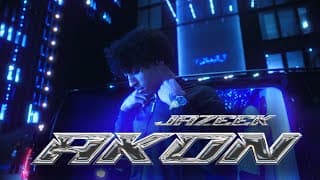
Jazeek - AKON (Offizielles Musikvideo)
"AKON" by Jazeek is a standout track in the modern German music scene that blends contemporary melodic rap with heavy nostalgia for early 2000s R&B. Here is an analysis of the song: 1. Overall Theme The song is a reflective piece about the struggle for success, the reality of street life, and the complications of romantic relationships. Jazeek uses the persona and musical style of the artist Akon as a metaphor for feeling "locked up" (either literally or emotionally) while striving for a better life. 2. Key Lyrics Analysis * "I'm locked up, they won't let me out": This is a direct interpolation of Akon’s 2004 hit "Locked Up." While Akon sang about physical prison, Jazeek uses it to describe a mental state—feeling trapped by his past, his environment, or the pressures of fame. * "Von der Bando in den Benz" (From the bando to the Benz): A classic trope in rap, but central to this song. It highlights the transition from selling drugs or living in poverty ("bando") to the luxury of a Mercedes-Benz, emphasizing his "started from the bottom" narrative. * References to "Mr. Lonely": Throughout the track, Jazeek touches on the isolation that comes with success. He suggests that even when surrounded by money and fans, there is a lingering feeling of being alone, much like the theme of Akon’s song "Lonely." 3. Emotional Tone The tone is melancholic yet smooth. Jazeek utilizes "vocal fry" and a soft, melodic delivery that creates a sense of vulnerability. There is a palpable sense of longing—longing for loyalty, for a past that was simpler, and for a future where he is finally "free" from the stresses of his upbringing. 4. Cultural Context * 2000s Nostalgia: There is a massive trend in European rap (especially in Germany and France) where artists sample or interpolate R&B hits from the 2000s. Jazeek is a leading figure in this "Nostalgia Wave." * The "Akon" Archetype: In the 2000s, Akon was the ultimate symbol of "street-soul"—someone who could talk about crime and prison but with a beautiful, melodic voice. Jazeek adopts this archetype for a modern German audience, bridging the gap between "tough" rap and emotional R&B. 5. Artist Context Jazeek has rapidly become one of Germany’s most successful newcomers by mastering the "R&B-Rap" hybrid. "AKON" is a defining track in his discography because it perfectly encapsulates his brand: taking a global pop-culture reference (Akon), infusing it with German street slang, and delivering it with a polished, international sound. This song helped solidify his reputation as a "hitmaker" who can appeal to both hardcore rap fans and mainstream radio listeners.
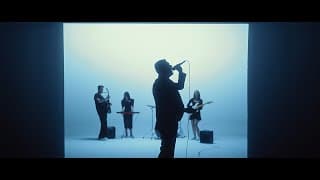
BLOK3 - NAPIYOSUN MESELA ? (Official Music Video)
"NAPIYOSUN MESELA?" by BLOK3 is one of the most significant hits in the modern Turkish rap and drill scene. Here is an analysis of the track: Overall Theme The song is an anthem of newfound fame, confidence, and the high-paced lifestyle of a rising star. It revolves around the casual, almost indifferent attitude BLOK3 maintains while navigating wealth, nightlife, and his skyrocketing career, centered around the titular question, "What are you doing, for example?" Key Lyrics Analysis * "Napiyosun mesela?" (What are you doing, for example?): This is the central hook of the song. In Turkish street slang, it’s a casual way to check in, but BLOK3 uses it rhetorically to show he is unbothered by critics or competitors. It’s both a greeting and a subtle flex. * "Cebimde nakit, kafamda plan" (Cash in my pocket, a plan in my head): This line highlights the dual nature of his persona—while he enjoys the material success (cash), he remains calculated and ambitious about his future in the music industry. * "Altımda Mercedes, yanımda manita": Typical of the genre, he uses status symbols (luxury cars and company) to validate his transition from a regular kid from Gebze to a national celebrity. * The use of "bebe" and local slang: BLOK3 frequently uses "bebe" (a slang term for 'guy' or 'kid,' common in Ankara but used here in his own style) to maintain a grounded, street-level connection despite his fame. Emotional Tone The tone is hyper-confident, energetic, and playful. Unlike "dark" drill music that focuses on violence or struggle, this track is celebratory. There is a sense of "victory lap" energy, where the artist feels untouchable and is enjoying the fruits of his labor. It carries a "don't care" attitude toward drama, focusing instead on having a good time. Cultural Context * The "New Wave" of Turkish Rap: BLOK3 is a pioneer of a style that blends UK/Central European drill beats with uniquely Turkish "mahalle" (neighborhood) culture. * Social Media Impact: The song became a massive viral trend on TikTok and Instagram in Turkey. The phrase "Napiyosun mesela?" became a linguistic meme, used by millions of youth as a casual conversation starter. * Gebze Roots: BLOK3 often references his origins in Gebze (an industrial district near Istanbul). This provides a "rags-to-riches" narrative that resonates with Turkish youth who feel marginalized by the elite art scene. Artist Context "NAPIYOSUN MESELA?" was a turning point for BLOK3 (Hakan Aydın). While he already had a following, this song—along with hits like "VUR" and "AFFETMEM"—solidified him as a mainstream powerhouse rather than just an underground rapper. It defined his "brand": catchy hooks, high-energy delivery, and lyrics that are easy to memorize, making him one of the most-streamed artists in Turkey in recent years.
![[나의 아저씨 OST] Sondia - 어른 (Grown Ups) MV](/_next/image?url=https%3A%2F%2Fimg.youtube.com%2Fvi%2F5a-tqIQc8RM%2Fmqdefault.jpg&w=3840&q=75)
[나의 아저씨 OST] Sondia - 어른 (Grown Ups) MV
"어른 (Grown Ups)" by Sondia is the standout track from the soundtrack of the critically acclaimed K-drama *My Mister (나의 아저씨)*. It is widely considered one of the most poignant and healing songs in Korean drama history. --- ### 1. Overall Theme The song explores the heavy, crushing burden of adulthood and the profound loneliness of a soul forced to grow up too quickly. It depicts the exhaustion of surviving day-to-day in a cold society and the internal struggle to find one's identity when life feels like an endless, uphill battle. ### 2. Key Lyrics Analysis * "I’m standing at the end of a weary day / With tears I’ve held back falling." * This opening reflects the "mask" adults wear. It captures that private moment of collapse when one is finally alone after pretending to be "okay" all day. * "I think I’ve become quite an adult now / But I’m still a small child inside." * This highlights the core irony of the song: "adulthood" is often just an act. It speaks to the universal feeling of being unprepared for life’s hardships despite one's age. * "Is there someone who will hold my hand?" * This is a desperate plea for human connection. In the context of the drama, it represents the bridge between the two main characters who recognize each other's hidden pain. ### 3. Emotional Tone The tone is melancholic, weary, and somber, yet deeply cathartic. * The Arrangement: The minimalist piano and haunting cello mimic the gray, urban atmosphere of the drama. * The Vocal Delivery: Sondia’s voice starts as a tired whisper and builds into a powerful, emotive cry, mirroring the release of suppressed emotions. It feels like a "musical hug" for those who are struggling. ### 4. Cultural Context In South Korea, the term "Adult" (어른) carries heavy connotations of responsibility, emotional suppression, and societal duty. The song resonated deeply with the "N-po generation" (young people giving up on marriage, kids, and homes due to economic pressure) and workers facing the "Hell Joseon" corporate grind. It serves as a critique of a society that prizes resilience over well-being, offering comfort to those who feel invisible. ### 5. Artist Context Sondia was originally a "guide singer" (someone who records a demo for a more famous artist to learn). However, the producers were so moved by her raw, soulful interpretation that they decided to keep her version for the official OST. This song became her breakout hit, establishing her as the "Queen of Healing OSTs" and launching a successful career specializing in emotionally complex soundtracks. --- Summary: "Grown Ups" is more than just a TV theme; it is an anthem for the exhausted. It validates the pain of living and offers a sense of solidarity to anyone who feels like they are drowning in the demands of adult life.