
Latest Articles
MATADORA - DJ ASUL
MATADORA by DJ ASUL (associated with the Clown Music label) is a prominent example of the Brazilian Phonk or "Funk Phonk" genre. This style blends the aggressive bass of Brazilian Funk with the dark, lo-fi aesthetic of Memphis-inspired Phonk. Here is an analysis of the track: ### 1. Overall Theme The song revolves around the archetype of the "Femme Fatale" or a woman who is dangerously attractive. The title "Matadora" literally translates to "Killer" or "Slayer," signifying a woman who commands total attention and "slays" the room with her presence, confidence, and beauty. ### 2. Key Lyrics Analysis As is common in Brazilian Phonk, the lyrics are repetitive and minimalist, serving more as a rhythmic instrument than a complex narrative. * "Ela é matadora" (She is a killer/slayer): This is the core hook. It portrays the subject as someone powerful and perhaps emotionally "lethal." It uses the metaphor of a hunter to describe a woman’s social or sexual dominance. * Repetitive Vocal Chops: The distorted, high-pitched or slowed-down vocal samples are used to create a hypnotic effect. These snippets usually focus on themes of "danger," "the club," or "movement," reinforcing the idea that the "Matadora" is the center of a chaotic, high-energy environment. ### 3. Emotional Tone The tone is aggressive, dark, and hyper-confident. It conveys a sense of "Main Character Energy." The heavy use of "cowbell" samples and distorted 808 bass creates an atmosphere of intensity and adrenaline. It doesn't feel romantic; instead, it feels gritty and empowering, meant to evoke a sense of power or intimidation. ### 4. Cultural Context * Brazilian Phonk Explosion: This song is part of a global digital movement where Brazilian producers took the "Phonk" sound (originally from Memphis, USA) and infused it with the "proibidão" (forbidden/underground) rhythm of Brazilian Funk. * Social Media/Edit Culture: "MATADORA" is heavily utilized in TikTok and YouTube "edit" culture. It is frequently paired with visuals of powerful anime characters, luxury cars, or bodybuilding clips (often referred to as "Sigma" edits), where the "lethal" vibe of the music fits the "tough" imagery. ### 5. Artist Context DJ ASUL is a key figure in the "Clown Music" circle, a collective/label that has mastered the art of "Dark Funk." This song fits into his career as a viral club anthem that helped bridge the gap between local Brazilian sounds and the international electronic music scene. For DJ ASUL, "MATADORA" serves as a signature track that defines his style: short, high-impact, and optimized for digital virality and bass-heavy sound systems.
Crush (크러쉬) - '미워 (Ego)' MV
"미워 (Ego)" is a standout track from Crush’s 2016 EP *Interlude*. It is a sophisticated R&B track that delves into the darker, more psychological side of romantic obsession and self-identity. 1. Overall Theme The song explores the internal conflict between love and self-loathing, specifically how a toxic or overwhelming relationship can bruise one’s "Ego." It depicts a narrator who resents their partner for the power they hold over them, yet feels completely incapable of functioning without that person. 2. Key Lyrics Analysis * "미워 네가 미워 / 근데 네가 없어지면 난 죽어" (I hate you, I hate you / But if you're gone, I'll die): This is the core paradox of the song. The word *miwuh* (hate/resent) is often used playfully in Korean, but here it is heavy and desperate. It illustrates a state of codependency where the narrator's survival is tied to the very person causing them pain. * "나의 자존심은 바닥을 기어" (My self-esteem is crawling on the floor): This line explains the title "Ego." The narrator acknowledges that their pride and sense of self have been destroyed by their longing for the other person. * "너라는 감옥 속에 갇혀" (Trapped inside a prison called you): This metaphor shifts the relationship from a source of comfort to a source of confinement, highlighting the suffocating nature of their attachment. 3. Emotional Tone The tone is dark, moody, and claustrophobic. Unlike typical romantic R&B, "Ego" feels heavy and atmospheric. Crush’s vocal delivery ranges from breathy whispers to strained, emotional high notes, conveying a sense of exhaustion and psychological distress. 4. Cultural Context In Korean culture, the expression "미워" (*miwuh*) is frequently used in romantic contexts to express a "love-hate" feeling or "cute" resentment. However, Crush subverts this trope by stripping away the cuteness and replacing it with raw, gritty vulnerability. The music video further leans into surrealism and minimalist aesthetics, reflecting a more avant-garde side of the Korean R&B scene that was emerging in the mid-2010s. 5. Artist Context "미워 (Ego)" marked a significant shift in Crush’s career. While his earlier hits like "Oasis" were more upbeat and "radio-friendly," the *Interlude* EP saw him experimenting with jazz, soul, and deeper lyrical themes. This song helped establish Crush not just as a "chart-topper," but as a serious artist and producer capable of exploring complex human emotions and experimental sounds.
NewJeans (뉴진스) ‘Supernatural’ Official MV (Part.1)
"Supernatural" is NewJeans' official Japanese debut single, blending a nostalgic 90s sound with their signature "easy-listening" pop style. Here is an analysis of the song and its Part 1 music video. 1. Overall Theme The song explores the mysterious and magnetic pull of a new romance that feels destined or "supernatural." It captures the moment a connection transcends logic, framing a simple crush as an otherworldly experience that the protagonist can't—and doesn't want to—escape. 2. Key Lyrics Analysis * "It’s supernatural / Something is happening": The central hook emphasizes that the chemistry between two people isn’t just ordinary; it’s an inexplicable phenomenon. It sets a dreamy, slightly surreal tone for the track. * "I don't know what's going on / But I like it": These lines represent the core NewJeans philosophy of living in the moment. Instead of over-analyzing the "mystery" of their feelings, the lyrics embrace the uncertainty with a sense of wonder. * "Back of my mind" (Pharrell Williams Sample): While not a lyric written by the members, the integration of this iconic melody from Pharrell’s "Back of My Mind" serves as a lyrical nod to a lingering, persistent thought of a lover that stays in the subconscious. 3. Emotional Tone The song carries a groovy, nostalgic, and breezy emotional tone. It balances the excitement of a new crush with a laid-back, "cool" vibe. The minor-key chords of the New Jack Swing genre provide a touch of melancholy, making the song feel like a warm but fleeting memory of summertime. 4. Cultural Context * New Jack Swing Revival: The song heavily utilizes New Jack Swing, a genre that merged R&B and hip-hop in the late 80s and early 90s. This aligns with NewJeans' established brand of reimagining retro aesthetics for a modern audience. * Artistic Collaborations: The project features legendary cultural icons: Pharrell Williams (as a composer/producer), Takashi Murakami (visual art/character design), and Hiroshi Fujiwara (fashion/streetwear influence). This positions NewJeans not just as K-pop idols, but as a global "cultural movement" bridging the gap between Japan, Korea, and the West. 5. Artist Context "Supernatural" marks a pivotal moment in NewJeans’ career as their official entry into the Japanese market. Rather than releasing a standard Japanese version of an old song, they opted for an original track that incorporates Korean, Japanese, and English. This song reinforces their status as the leaders of the "Y2K nostalgia" trend while proving their versatility in handling sophisticated, genre-heavy production that appeals to both teen fans and older listeners who remember the original 90s era.

メズマライザー / 初音ミク・重音テトSV
"Mesmerizer" (メズマライザー) by Satsuki (サツキ) featuring Hatsune Miku and Kasane Teto (SV) is a viral masterpiece that combines high-energy synth-pop with a disturbing subtext. Here is an analysis of the song. ### 1. Overall Theme The song explores the dark side of escapism and the "mesmerizing" nature of modern entertainment and social media. It serves as a commentary on how people use "forced positivity" and mindless distractions to ignore a crumbling reality or deteriorating mental health. ### 2. Key Lyrics Analysis * "Up, down, left, right, hypnotic state": These lyrics, paired with the repetitive "A-B-A-B" movements in the music video, mimic hypnotic induction. It suggests a loss of free will, where the characters (and the audience) are being programmed to stop thinking and just follow the rhythm. * "Everything is okay, no problems at all": This is a recurring sentiment of toxic positivity. The lyrics insist that life is perfect, even as the visual elements of the music video become increasingly glitchy and frantic, indicating that the "happiness" is a fragile facade. * The Sign Language (Visual Lyrics): While not spoken, the hand signals in the video are crucial. Kasane Teto is seen performing "SOS" in international sign language and signaling "Help" while her face maintains a forced smile. This highlights the theme of being trapped in a role or a "show" while internally suffering. ### 3. Emotional Tone The song is defined by cognitive dissonance. * On the surface: It is hyper-active, "kawaii," and incredibly catchy (BPM is very high). It feels like a celebration. * Underneath: It is anxious, claustrophobic, and frantic. There is a sense of "impending doom" as Teto realizes she is being brainwashed while Miku—already fully "mesmerized"—drags her deeper into the trance. ### 4. Cultural Context * Internet Brainrot & Doomscrolling: The song resonates with the modern phenomenon of "brainrot," where short-form, high-stimulation content (like TikTok or YouTube Shorts) keeps users in a trance-like state to avoid facing real-world stress. * Vocaloid/SynthV Dynamics: The pairing of Hatsune Miku (the veteran idol) and Kasane Teto (the "chimera" who finally achieved official synth status) adds layers. Miku represents the "perfect professional" who never stops smiling, while Teto represents the "human-like" struggle to keep up with the demands of the industry. * Animation Style: The art style by channel (inspired by retro cartoons/Rubber Hose style) masks the dark themes with a nostalgic, friendly look, making the eventual "glitches" and horrifying expressions more impactful. ### 5. Artist Context Satsuki is a producer known for high-speed, high-energy compositions, but "Mesmerizer" acted as a career breakthrough. It became one of the fastest Vocaloid-related songs to reach 10 million views in 2024. The song solidified Satsuki’s reputation for using visual-audio storytelling, where the music video is not just an accompaniment but an essential piece of the narrative puzzle. It marks a trend in the "New Generation" of Vocaloid music where complex, hidden lore drives massive community engagement and theory-crafting.

TWS (투어스) 'OVERDRIVE' Official MV
Here is an analysis and explanation of TWS (투어스) - "OVERDRIVE." ### 1. Overall Theme "OVERDRIVE" is a high-energy anthem about the exhilaration of youth and the unstoppable momentum of chasing one’s dreams. It uses the metaphor of a vehicle in "overdrive" to represent the transition from a quiet, internal world to a fast-paced, exciting future shared with friends. ### 2. Key Lyrics Analysis * "Keep it up, 더 세게 밟아 Overdrive" (Keep it up, step on it harder, Overdrive): This line serves as the central hook, symbolizing the desire to push past limits. It suggests a sense of urgency and passion to move forward without looking back. * "숨이 가빠와도 좋아 / 온 세상이 다 눈부셔" (Even if I’m out of breath, it’s okay / The whole world is dazzling): These lyrics highlight the "growing pains" of youth. The physical exhaustion of working toward a goal is portrayed as something beautiful and rewarding rather than a burden. * "우리만의 속도로 가자" (Let's go at our own pace): While the song is fast-paced, this line emphasizes the importance of togetherness and authenticity. It’s not just about speed; it’s about the group finding their unique rhythm as they debut. ### 3. Emotional Tone The song is refreshing, optimistic, and cinematic. It carries a sense of "bright-eyed wonder" characteristic of early youth. The production, featuring fast-tempo synths and airy vocals, evokes the feeling of a cool breeze during a summer drive or the adrenaline rush of a sports game. ### 4. Cultural Context * "Boyhood Pop": TWS has coined the term "Boyhood Pop" to describe their genre. "OVERDRIVE" perfectly fits this aesthetic by focusing on relatable, everyday emotions of teenage years—friendship, ambition, and the transition to adulthood—rather than overly aggressive or dark themes. * Visual Aesthetic: The music video and performances often utilize school-related imagery (lockers, rooftops, basketball courts), which are classic K-pop symbols of "purity" and "new beginnings," resonating deeply with fans who enjoy nostalgic, coming-of-age narratives. ### 5. Artist Context As a standout B-side from their debut mini-album *Sparkling Blue*, "OVERDRIVE" serves as a bridge between TWS’s youthful image and their musical capabilities. Being the first boy group from Pledis Entertainment in nine years (following SEVENTEEN), this song helps establish their identity as the "younger brothers" who are energetic, approachable, and talented. It reinforces their brand of "refreshing" music that contrasts with the more intense "noise music" or "dark" concepts currently prevalent in the 4th and 5th generations of K-pop.

NMIXX(엔믹스) “TIC TIC (Feat. Pabllo Vittar)” | Brazil Carnival🇧🇷 | Stage Recap
This collaboration between the K-pop girl group NMIXX and Brazilian superstar Pabllo Vittar is a special remix of the track "TIC TIC" (originally from NMIXX’s EP *Fe3O4: STICK-OUT*), reimagined for the high-energy atmosphere of the Brazilian Carnival. --- ### 1. Overall Theme The song is a vibrant anthem of confidence, self-expression, and the irresistible urge to dance. It centers on the "ticking" sensation of excitement—a metaphorical heartbeat or internal clock—that pulses through a person when they are fully immersed in the rhythm and the joy of the moment. ### 2. Key Lyrics Analysis * "Tic-tic-tic... keep it on the low": This recurring hook represents the building tension and anticipation. The "ticking" sound mimics a clock or a heartbeat, suggesting that while they try to keep their cool ("on the low"), the energy is eventually going to explode. * "Show them how we do it, NMIXX, Pabllo": This line (often added in live versions) emphasizes the cross-cultural unity. It’s a call to action, inviting the audience to witness a unique fusion of K-pop precision and Brazilian flair. * The Onomatopoeia ("Tic Tic"): Used as a rhythmic device, it bridges the language gap between Korean, English, and Portuguese, making the song an easy-to-follow "earworm" for a massive festival crowd. ### 3. Emotional Tone The tone is explosive, euphoric, and inclusive. While the original version has a cool, rhythmic swagger, this specific "Stage Recap" version from Brazil carries a heavy sense of festivity and liberation. It feels like a celebration of freedom, fitting the spirit of the *Bloco* (street party) where it was performed. ### 4. Cultural Context * Brazil Carnival & Bloco da Pabllo: Performing at Pabllo Vittar’s "Bloco" during Carnival is a massive cultural milestone. Carnival is the world's largest street festival, and being invited onto Pabllo’s float (Trio Elétrico) signifies a deep connection with the Brazilian public. * LGBTQ+ Representation: Pabllo Vittar is a global drag icon and a leader in the LGBTQ+ community. NMIXX’s collaboration with her highlights a message of inclusivity and modern global pop culture, blending the disciplined world of K-pop with the rebellious, free-spirited nature of Brazilian pop. * Musical Fusion: The remix often incorporates elements of Funk Brasileiro (Brazilian Funk) beats, tailoring the K-pop sound to fit the local preference for heavy bass and dance-focused rhythms. ### 5. Artist Context For NMIXX, this song and performance represent their growth as a global act. Known for their "MIXX POP" genre—which involves shifting styles within a single song—this collaboration proves their versatility. It marks one of the most significant interactions between a 4th-generation K-pop group and the South American music market, solidifying NMIXX’s reputation as powerhouse live performers who can command a crowd of hundreds of thousands, far beyond the traditional K-pop stage.
Event Horizon (사건의 지평선)
"Event Horizon" (사건의 지평선) is the title track of Younha’s 6th repackaged album, *END THEORY*. Since its release in 2022, it has become one of her most iconic hits, blending scientific concepts with deep emotional storytelling. 1. Overall Theme The song uses the astrophysical concept of an "event horizon"—the boundary around a black hole beyond which nothing can escape—as a metaphor for the end of a relationship. It explores the moment a couple realizes they have reached the "point of no return," choosing to part ways gracefully while acknowledging the beauty of the time they spent together. 2. Key Lyrics Analysis * "The times that sparkled without reserve / Let’s let them go now": These lines emphasize that the relationship was precious and full of light, but the singer is making a conscious, mature decision to stop clinging to the past. * "Beyond the event horizon": This signifies the boundary where the past and the future are severed. Once they cross this line, they can no longer return to being lovers; they are moving into a new, unknown space. * "A beautiful goodbye is a lie / But let’s make it the truth": This captures the bittersweet reality of breakups. While "beautiful goodbyes" are logically impossible because they hurt, the singer hopes to make it true by wishing the other person well and cherishing the memories. 3. Emotional Tone The tone is bittersweet and cathartic. Unlike many breakup songs that focus on regret or resentment, "Event Horizon" feels expansive and liberating. The upbeat, pop-rock arrangement contrasts with the somewhat sad lyrics, creating a feeling of "hopeful ending" or the relief that comes with finality and closure. 4. Cultural Context The song is famous in South Korea for its "Reverse Run" (Yeok-ju-haeng) on the charts. Initially released in March 2022, it didn't become a massive hit until late 2022 after Younha performed it at various university festivals. Its intellectual use of science to describe human emotion resonated deeply with the public, particularly students, making it a modern "national anthem" in Korea. It also sparked a trend of songs using astronomical metaphors in the K-pop industry. 5. Artist Context "Event Horizon" solidified Younha’s status as a legendary soloist in the Korean music scene. Having debuted in the mid-2000s, this song marked a spectacular "second peak" in her career, proving her longevity and her ability to write and produce high-concept music. It is the centerpiece of her *End Theory* album, which focuses on the "theory of endings"—the idea that everything ends, and that is what makes life and love meaningful.
![[MV] IU(아이유) _ Blueming(블루밍)](/_next/image?url=https%3A%2F%2Fimg.youtube.com%2Fvi%2FD1PvIWdJ8xo%2Fmqdefault.jpg&w=3840&q=75)
[MV] IU(아이유) _ Blueming(블루밍)
"Blueming" by IU is the lead single from her 2019 mini-album *Love Poem*. It is a vibrant pop-rock track that uses clever metaphors to describe the "blooming" of love in the digital age. ### 1. Overall Theme The song explores the fluttering excitement, nervousness, and playful tension of a budding romance conducted primarily through text messages. It uses the metaphor of a blooming flower to represent how feelings grow and "color" one's world when a new relationship begins. ### 2. Key Lyrics Analysis * "Our rectangular secret garden": This refers to the smartphone screen. The "secret garden" is the private chatroom where the two people exchange messages away from the rest of the world. * "‘What are you up to?’... there is no ‘Are you sleeping?’": IU highlights the difference between a healthy, exciting daytime conversation ("What's up?") and the cliché, often lonely late-night "Are you sleeping?" text. It shows the relationship is active and bright. * "Make millions of roses bloom (Blue)": In the context of the song, the "blue roses" represent the blue iMessage bubbles on an iPhone. As the two people text back and forth rapidly, the screen fills with blue bubbles, making a "garden" of blue roses bloom. * "I feel bloom, I feel bloom": A play on the word "blue" and "bloom." While blue often represents sadness, IU flips the script to make it the color of love and excitement. ### 3. Emotional Tone The tone is playful, whimsical, and energetic. It captures the "butterflies in your stomach" feeling. Unlike some of IU’s more melancholic ballads, "Blueming" is upbeat and guitar-driven, conveying the frantic, happy energy of someone waiting for a reply from their crush. ### 4. Cultural Context * The Blue Rose: Historically, blue roses did not exist in nature, symbolizing "the impossible." However, through genetic engineering, they were created, changing their meaning in the language of flowers to "miracle" or "achieving the impossible." IU uses this to symbolize a love that feels like a miracle. * Texting Etiquette: The song touches on modern dating culture, where the speed of a reply, the choice of emojis, and the punctuation (or lack thereof) are all scrutinized for deeper meaning. ### 5. Artist Context "Blueming" marked a significant point in IU’s career where she embraced a pop-rock sound, moving slightly away from the folk and jazz influences of her earlier work (*Palette*, *Modern Times*). It further solidified her "Digital Monster" status in South Korea, as the song achieved a "Perfect All-Kill" on the charts. It is often cited as a spiritual successor to her 2015 song "Twenty-Three," but with a much more optimistic and outward-looking perspective on connection and growth.

박다혜X마크툽-시작의 아이 ❍ㅣ힐링보이스
"시작의 아이" (Child of the Beginning) is a collaborative track featuring the ethereal vocals of Park Da-hye, produced by the renowned musician Maktub. It is part of his "Healing Voice" project, which focuses on providing comfort and spiritual resonance through music. Here is an analysis of the song: 1. Overall Theme The song is a cinematic ballad centered on the concept of rebirth, destiny, and the courage to start anew. It portrays a narrative where an individual awakens from a long "silence" or darkness to embrace their inner light, suggesting that every great journey begins with a single, fated moment of self-realization. 2. Key Lyrics Analysis * "오랜 침묵을 깨고 피어난 태동" (A quickening that bloomed after breaking a long silence): This line signifies the end of a period of stagnation or suffering. It uses the metaphor of a heartbeat (quickening) to describe the birth of a new purpose or a new version of oneself. * "너는 시작의 아이, 빛의 이름을 가진" (You are the child of the beginning, holding the name of light): This identifies the subject as a source of hope. By calling them a "child of the beginning," the lyrics suggest innocence, infinite potential, and a destiny that is just starting to unfold. * "모든 계절이 너를 향해 흐르고 있어" (All seasons are flowing toward you): This poetic line emphasizes that the entire universe is aligned to support this new start. It conveys a sense of cosmic providence—that time and nature are finally on the protagonist's side. 3. Emotional Tone The song carries an ethereal and triumphant tone. It begins with a delicate, prayer-like atmosphere that gradually swells into a grand, orchestral climax. It evokes feelings of awe, solace, and empowerment, aiming to make the listener feel as though they are the protagonist of a beautiful, unfolding epic. 4. Cultural Context In South Korea, the term "Healing" (힐링) has been a major cultural keyword for over a decade, referring to content meant to soothe the stresses of a high-pressure society. This song fits into the "Healing Voice" series, which utilizes high-quality production and emotive vocals to provide a form of "auditory therapy." The imagery of "stars," "light," and "fate" is also very popular in Korean webtoon and fantasy aesthetics, which Maktub frequently incorporates into his work. 5. Artist Context Maktub is known for his "Maktub World"—a series of songs with interconnected themes of eternal love, the universe, and destiny (seen in hits like *To You My Light*). This song reinforces his reputation as a producer who creates "grand-scale ballads." By collaborating with Park Da-hye, he utilizes her clear, high-register vocals to create a more celestial and delicate sound compared to his own powerful male-vocal arrangements, further expanding the "healing" landscape of his discography.
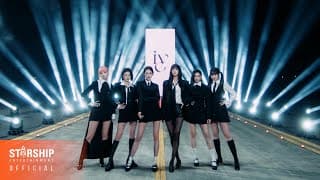
IVE 아이브 'I AM' MV
IVE’s "I AM" is a high-energy pop anthem that serves as a definitive statement of self-assurance and personal agency. Released as the title track for their first full-length album, *I’ve IVE*, it encapsulates the group's core philosophy of "self-love." Here is an analysis and explanation of the song: 1. Overall Theme The song is a celebration of independence and the power of defining one's own identity. It encourages listeners to take the lead in their own lives, emphasizing that you are the "writer" of your own story and that your path is yours alone to create. 2. Key Lyrics Analysis * "That’s my life is a beautiful galaxy / Be a writer, the genre is fantasy": This line suggests that life is vast and full of potential. By calling the genre "fantasy," the lyrics imply that you shouldn't be limited by mundane reality; you have the power to create something extraordinary and "unreal" through your own ambition. * "I’m on my way / Be the one that I see": This focuses on self-actualization. Instead of chasing external role models or societal standards, the goal is to become the ideal version of yourself that you envision in your mind. * "Go on high, there’s no big deal": This reflects a fearless attitude toward success. Rising to the top (symbolized by the flight themes in the MV) is treated not as a stroke of luck, but as a natural result of being confident. 3. Emotional Tone The emotional tone is euphoric, triumphant, and sophisticated. The soaring high notes in the chorus (delivered by Liz and Yujin) create a sense of liberation and "high-altitude" excitement. It feels expensive and grand, yet deeply motivating, leaving the listener feeling empowered rather than just entertained. 4. Cultural Context "I AM" leans into the "Chaebol Crush" aesthetic—a sub-genre of the "Girl Crush" concept in K-pop that focuses on luxury, elegance, and high-fashion "old money" vibes. Culturally, it aligns with the "Self-Love" movement popular among Gen Z, but it pivots away from the "sad girl" aesthetic toward a more proactive, assertive "main character" energy. The music video’s imagery of private jets and jumping from planes serves as a metaphor for having no ceiling to one's potential. 5. Artist Context Within IVE’s career, "I AM" served as a crucial turning point. While their previous hits (*Eleven*, *Love Dive*, *After LIKE*) focused on the thrill of falling in love with oneself, "I AM" shifted the focus to autonomy and maturity. It solidified IVE’s identity as the leaders of the "Narcissistic" concept (reinterpreted as healthy self-appreciation). It also showcased their vocal growth, proving they could handle demanding, high-register power vocals, further cementing their status as a top-tier "4th Generation" K-pop group.
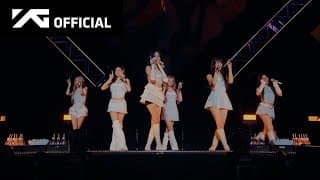
BABYMONSTER - ‘Really Like You’ Live at “LOVE MONSTERS”
BABYMONSTER, the rookie powerhouse from YG Entertainment, showcases a softer and more melodic side in their track "Really Like You." The live performance at the “LOVE MONSTERS” session highlights their vocal stability and charm beyond their typical high-energy hip-hop sound. Here is an analysis and explanation of the song: ### 1. Overall Theme "Really Like You" is a quintessential pop-R&B track centered on the innocent, exhilarating, and slightly overwhelming feelings of a first crush. It explores the transition from being friends or acquaintances to realizing one has fallen deeply in love, capturing the sweetness of youthful romance and the desire to be near someone special. ### 2. Key Lyrics Analysis * "I really like you, I really, really like you": The repetition of the hook emphasizes the simplicity and honesty of young love. It’s not about complex metaphors; it’s a direct, heart-on-sleeve confession. * "My heart goes boom, boom, boom": A classic onomatopoeia used to describe the physical sensation of nervousness and excitement when the object of affection is nearby. It mirrors the heartbeat of the listener. * "Whatever you want, I got it / Whatever you need, I’m on it": These lines reflect a sense of devotion and the eagerness to please someone you care about. It shows the "all-in" attitude that often accompanies a new infatuation. * "Stay by my side, don't ever leave": This expresses the vulnerability that comes with liking someone—the fear of losing that feeling or that person, highlighting the emotional stakes of the song. ### 3. Emotional Tone The song carries a bright, sweet, and dreamy emotional tone. Unlike their more aggressive title tracks (like "SHEESH" or "BATTER UP"), "Really Like You" feels warm and intimate. The live "LOVE MONSTERS" version adds a layer of sincerity and playfulness, as the members interact with the camera and each other, conveying a sense of joy and lightheartedness. ### 4. Cultural Context In the K-pop landscape, this song fits into the "Teen-Crush" or "High-Teen" aesthetic. It taps into the universal experience of school-age romance, which is a popular theme in Hallyu culture. Additionally, the "Live at LOVE MONSTERS" format is part of a modern K-pop trend where groups release high-quality "live" performance clips to prove their vocal talent, countering the stereotype that idol groups rely solely on backing tracks and choreography. ### 5. Artist Context For BABYMONSTER, "Really Like You" is a strategic departure from their "Monster" image. While they were introduced as a group with intense "YG Swag" and powerful rapping, this song proves their musical versatility. * It highlights the vocal colors of members like Rami and Ahyeon, showing they can handle melodic R&B just as well as heavy hip-hop. * It positions the group as a "complete" package—capable of being both fierce "monsters" on stage and relatable, charming "girls next door" in their B-side tracks.
![Mili - SAIKAI [Limbus Company]](/_next/image?url=https%3A%2F%2Fimg.youtube.com%2Fvi%2Fh0djuhl97Kw%2Fmqdefault.jpg&w=3840&q=75)
Mili - SAIKAI [Limbus Company]
"SAIKAI" (meaning "Reunion") is the emotional climax and ending theme for Canto VI: The Heartbreaking of the mobile/PC game *Limbus Company*, developed by Project Moon. The song serves as the final word on the tragic relationship between the characters Heathcliff and Catherine, heavily inspired by Emily Brontë's *Wuthering Heights*. --- ### 1. Overall Theme The song explores the cycle of obsession, self-destruction, and the impossible desire for reunion between two souls who are fundamentally "the same." It focuses on the erasure of identity and the tragedy of a love that can only find peace when the participants cease to exist in the memories of others. ### 2. Key Lyrics Analysis * "Where did you go? Into the cracks of the mirror." * In the context of the game, "Mirrors" represent alternate realities (Mirror Worlds). This line refers to Catherine’s attempt to find a world where she and Heathcliff are happy, only to realize they are miserable in every single one. * "Delete, delete, delete / Every Catherine / Every Heathcliff." * This is the most haunting part of the song. It refers to the "Clear All Cathy" protocol—a recursive erasure where Catherine removes herself from the world's memory to save Heathcliff from his obsession with her. It highlights the ultimate sacrifice: losing one's existence to grant the other a chance at life. * "I am you, and you are me / We’re two of a kind, a tragedy." * Mirroring the famous line from the novel (*"I am Heathcliff"*), this emphasizes their codependency. They are not two separate lovers, but two halves of a singular, destructive storm. * "The rain will wash away the ink." * This symbolizes the rewriting of history. As the "ink" (their recorded story) is washed away by the "rain" (tears/the storm of the moors), their pain is finally allowed to fade into nothingness. ### 3. Emotional Tone The song is melancholic, frantic, and ultimately cathartic. * It begins with a sense of hollow longing, reflecting Heathcliff’s grief. * The middle section becomes chaotic and industrial, mirroring the violence of the "Wild Hunt" and the breaking of the mind. * The ending transitions into a bittersweet peace, sounding like a lullaby or a final goodbye, signifying that the "reunion" is not one of physical presence, but of shared oblivion. ### 4. Cultural Context * Literary Reference: The song is a direct deconstruction of *Wuthering Heights*. While the book is a classic of Gothic Romanticism, "SAIKAI" interprets the "Reunion" through a sci-fi/cosmic horror lens, where the "ghost" of the beloved is a data-point or a memory to be deleted. * The Title: *Saikai* (再会) usually implies a happy or fated meeting in Japanese. Mili subverts this by making the "reunion" a moment of total disappearance, where they meet only in the void left behind. ### 5. Artist Context Mili (fronted by vocalist Cassie Wei) has a long-standing history with Project Moon, having composed themes for *Library of Ruina* and previous *Limbus Company* chapters. * SAIKAI showcases Mili’s ability to blend multiple languages (English and snippets of Japanese/others) and genres (classical piano, electronic glitches, and orchestral swells). * Within Mili’s discography, this song stands out for its structural storytelling; the music itself "glitches" and "deletes" certain sounds, mirroring the game's narrative of digital and spiritual erasure. It is considered one of the most emotionally heavy tracks Mili has produced for the franchise.