
Latest Articles
![[MV] 한로로 (HANRORO) - 0+0](/_next/image?url=https%3A%2F%2Fimg.youtube.com%2Fvi%2F_Ngk-DCHfD0%2Fmqdefault.jpg&w=3840&q=75)
[MV] 한로로 (HANRORO) - 0+0
"0+0" by HANRORO (한로로) is a poignant indie-rock anthem that captures the bittersweet nature of youth, connection, and the acceptance of one’s own insignificance. Here is an analysis of the song: ### 1. Overall Theme The song explores the comfort found in shared emptiness and the rejection of societal pressures to constantly "be something." It suggests that when two people who feel like "zeros" (nothing) come together, they may still equal zero, but they are no longer alone in that nothingness. ### 2. Key Lyrics Analysis * "너와 내가 만나면 0+0은 0이 되지" (When you and I meet, 0+0 becomes 0): This is the core metaphor of the song. In a world obsessed with growth and "plus-sum" results, HANRORO finds peace in the fact that two people don't have to "improve" each other or become a "1." They can simply exist together in their current, empty state. * "우리는 서로의 빈칸을 채우기보다 / 그저 나란히 누워 있기로 해" (Rather than filling each other's blanks, we decide to just lie down side by side): This highlights a healthy take on companionship. Instead of trying to "fix" one another, the song advocates for presence and empathy—simply being there for someone without demands. * "동그란 마음들이 모여 / 더 커다란 영을 만들어" (Round hearts gather to create an even bigger zero): The "zero" is visually represented as a circle. Here, the "zero" is transformed from a symbol of "nothing" into a "safe space" or a protective boundary that keeps the harsh world out. ### 3. Emotional Tone The tone is melancholic yet deeply comforting. It carries the weight of modern existential dread, but the driving indie-rock beat and HANRORO’s powerful, clear vocals provide a sense of catharsis. It feels like a "warm hug for the cynical"—acknowledging that life is hard and we might be "zeros," but finding a sense of solidarity in that truth. ### 4. Cultural Context In South Korea, there is intense pressure on the youth to achieve "100%"—perfect grades, high-paying jobs, and social status. This has led to the term "N-po generation" (those who give up on marriage, kids, and homes). "0+0" resonates with this demographic by validating the feeling of being "nothing" (0) and reframing it not as a failure, but as a shared human condition. ### 5. Artist Context HANRORO is currently one of the most prominent voices in the Korean indie scene, often dubbed the "voice of the youth." She is known for her poetic lyrics that tackle the anxieties, pains, and small joys of being in one's twenties. "0+0" fits perfectly into her discography (alongside hits like "Mirror") as it continues her trend of romanticizing the struggles of young adulthood and offering a "soft landing" for listeners through music.

SENDA BELLAKONA - @S1NAKA (Prod. @flackoloyal) (Video oficial)
"SENDA BELLAKONA" by Sinaka (produced by Flacko Loyal) is a high-energy track that sits at the intersection of Chilean Reggaeton and the "Mambo" subgenre. It is a quintessential party anthem designed for the underground club scene. Here is an analysis of the song: ### 1. Overall Theme The song is a hedonistic celebration of a woman who is sexually liberated, independent, and a dominant force in the nightlife scene. It focuses on the "bellakeo" (intense dancing and flirting) culture, emphasizing a lifestyle of luxury, street credibility, and uninhibited partying. ### 2. Key Lyrics Analysis * "Senda bellakona, no tiene patrona": The word *"Senda"* is Chilean slang for "huge" or "major," while *"Patrona"* refers to a female boss or owner. The line translates to "A major bad girl, she has no boss," highlighting the woman's independence and lack of accountability to anyone. * "Se pone las Jordan, se quita la ropa": This creates a contrast between "streetwear" culture (sneakers) and sexual intimacy. It suggests that she is "hood" or street-certified but also comfortable with her sexuality. * "Ando con los que son, no con los que dicen ser": This is a common trope in urban music regarding authenticity. Sinaka asserts that he hangs out with real people (the "real ones"), contrasting them with "posers" or fake individuals in the scene. * References to "Tusi" and "Rosé": The lyrics frequently mention pink cocaine (Tusi) and expensive alcohol, which serve as status symbols within the Chilean "flaite" (urban street) culture. ### 3. Emotional Tone The tone is aggressive, energetic, and hyper-confident. The fast BPM (typical of Chilean Mambo) creates a sense of urgency and adrenaline. There is no vulnerability in the song; instead, it projects a "tough" and "rowdy" persona that is meant to ignite a dance floor or a street party. ### 4. Cultural Context * Chilean Mambo/Reggaeton: Chile has developed a unique sound within the urban genre that is faster and more rhythmically "choppy" than Puerto Rican reggaeton. This song is a prime example of the *Santiago* underground sound. * Chilean Slang: The song is heavy with local "coa" (street slang), such as using *"senda"* as an intensifier. This makes the song deeply rooted in the Chilean identity, distinguishing it from mainstream Caribbean urban music. * Street Aesthetic: The music video and lyrics reflect the "flaite" aesthetic—a mixture of high-end sports brands, jewelry, and a rebellious attitude that has moved from the fringes of society to mainstream Chilean pop culture. ### 5. Artist Context Sinaka is a prominent figure in the "new wave" of Chilean urban artists. This song represents his ability to create viral hits that resonate with the youth in Chile’s working-class neighborhoods (*poblaciones*). Produced by Flacko Loyal, "SENDA BELLAKONA" helped solidify Sinaka’s reputation as a specialist in "Mambo," moving him beyond just a "trap" artist into a versatile club-banger hitmaker. It is one of the tracks that defined the Chilean urban explosion of the early 2020s.

M5 - PIERO 47 (Video Oficial)
"M5" by the Chilean artist Piero 47 is a high-energy urban track that serves as a celebration of success and a testament to the "rags-to-riches" narrative common in the Chilean drill and trap scene. Here is an analysis of the song: Overall Theme The song is a "flex" anthem centered around the BMW M5 as a symbol of status, power, and speed. It explores the transition from a life of struggle and street legalities to a life of luxury, emphasizing that despite the newfound wealth, the artist remains rooted in his street origins and loyal to his crew. Key Lyrics Analysis * "En el M5, a dos-cientos cincuenta" (In the M5, at 250 [km/h]): This line sets the tone for the song, using the high-performance car to represent the fast-paced, adrenaline-filled life the artist now leads. * "De la calle pa' la cima, tú ya sabe' como va" (From the street to the top, you already know how it goes): This is the core message of the track—upward mobility. It asserts that his success wasn't handed to him but earned through the struggle of the streets. * "Andamos con los mismos, no cambiamos el equipo": Loyalty is a recurring theme. Piero 47 emphasizes that even though his financial situation has changed, his social circle remains the same, rejecting "fake" friends who appear only after fame. * Slang usage (e.g., "Cana", "Glock", "Paltas"): The lyrics are heavily peppered with Chilean street slang (*coa*). Mentioning "cana" (jail) reinforces his street credibility and the reality of the environment he escaped. Emotional Tone The tone is triumphant and aggressive. There is a sense of "braggadocio" (boasting) that is characteristic of the drill genre. The delivery is cold and confident, conveying a "nothing can stop me" attitude, mixed with a dark, atmospheric energy provided by the beat. Cultural Context * The Chilean Urban Movement: Piero 47 is a key figure in the "Generación del Género" in Chile. This movement has turned Chile into one of the global hubs for Spanish-language urban music. * Car Culture: In urban music, German luxury cars (specifically BMW "M" series or Mercedes AMG) are more than just transport; they are trophies that signal a person has successfully "escaped the neighborhood" (*salió del barrio*). * Drill Influence: The song utilizes the rhythmic patterns of UK and New York Drill, which have been heavily adapted by Chilean artists to tell stories of local street life. Artist Context "M5" is one of the tracks that helped solidify Piero 47’s reputation as a "hard" street artist in the Chilean scene. While some artists in the region lean toward commercial Reggaeton, Piero 47 has carved out a niche for himself by maintaining a rawer, more underground sound. This song fits into his discography as a defining moment where he bridged the gap between street-level respect and mainstream viral success.

Lucky Brown, Tobal Mj, Lyon la f, Germanini, JhonAlex, Tony, Lamelodiadelhampa, Renaglock- Marbella
"Marbella" is a high-energy collaboration featuring a large roster of rising stars from the Chilean urban scene. Led by Lucky Brown, the track is a quintessential example of the "Modern Chilean Reggaeton" sound. Here is an analysis of the song: ### 1. Overall Theme The song centers on the "street-to-riches" narrative, focusing on the rewards of newfound fame and musical success. It portrays a lifestyle of luxury, travel, and romance, specifically using the Spanish resort city of Marbella as a symbol for the high-end life the artists can now afford to provide for themselves and their partners. ### 2. Key Lyrics Analysis * "Baby, vámono' pa' Marbella" (Baby, let's go to Marbella): This recurring hook serves as the core metaphor of the song. Marbella is an expensive destination in Spain; the line signifies leaving the struggles of the "población" (neighborhood/ghetto) behind for international luxury. * "De la calle pa'l mundo" (From the street to the world): A common sentiment in the Chilean genre, emphasizing that despite their global aspirations and expensive clothes, the artists maintain their street roots and authenticity. * "La melodía del hampa" (The melody of the underworld): Several verses reference "Hampa" (a term for the criminal underworld or street life). The artists are rebranding their past experiences into music, turning "street knowledge" into a profitable art form. * References to brands and cars: Mentions of Louis Vuitton, high-end fragrances, and luxury vehicles serve as "trophies" of their hard work and dominance in the music industry. ### 3. Emotional Tone The song carries a triumphant and boastful tone. There is a sense of collective pride among the artists. While the lyrics deal with material wealth, the delivery is celebratory and energetic, designed to be played in clubs and parties. It also possesses a seductive undertone, as many verses are addressed to a love interest they want to spoil. ### 4. Cultural Context * The Chilean Urban Movement: This song is part of the "Generación de Oro" (Golden Generation) of Chilean urban music. Chile has recently become a powerhouse in Reggaeton and Trap, often blending raw street lyrics with catchy, melodic beats. * "Mambo" and Reggaeton Influences: The rhythm is a blend of traditional Reggaeton and the faster-paced "Mambo Chileno," which is characterized by its aggressive bass and high-energy flow. * Collective Identity: In the Chilean scene, massive collaborations (featuring 5+ artists) are very common. They serve to strengthen the movement and ensure that if one artist's fan base listens, they are introduced to all the others on the track. ### 5. Artist Context Lucky Brown is currently one of the most influential figures in Chile’s "urban" explosion, known for his ability to craft viral hits that balance street credibility with commercial appeal (like his hit "Mándame tu ubi"). * This track serves as a "posse cut," where Lucky Brown acts as the anchor for a group of emerging talents like Tobal MJ and Renaglock. * For Lucky Brown, "Marbella" solidifies his role as a leader who can curate a massive collaboration and maintain a cohesive sound despite the different styles of the seven other artists involved.

JERE KLEIN X KATTEYES - TODO K VER (VIDEO OFICIAL)
"TODO K VER" by Jere Klein and Katteyes is a standout track in the Chilean urban scene, blending high-energy reggaeton with the raw, street-influenced style that has made Jere Klein a breakout star. ### 1. Overall Theme The song centers on an intense, clandestine physical attraction between two people who share a "toxic" but undeniable chemistry. It portrays a late-night romance where the protagonists are drawn to each other’s "darker" side, prioritizing pleasure and secrecy over a formal relationship. ### 2. Key Lyrics Analysis * "Todo que ver" (Everything to do with it): The title itself is a slang expression suggesting that they are a perfect match or that their connection makes complete sense, despite any complications. * "Tú ere' mi diabla y yo tu demonio" (You’re my she-devil and I’m your demon): This common trope in urban music emphasizes their shared rebellious nature. It suggests they aren't looking for a "holy" or traditional love, but rather a wild, unfiltered connection. * "En la cama no' matamo', somo' un velorio" (In bed we kill each other, we're a wake): This is a play on words using dark imagery. It describes the intensity of their physical intimacy as something so powerful it "kills" them, metaphorically turning the room into a funeral. * "Ando con la Katte, las babie' se baten": Jere Klein references his collaborator directly, highlighting the "power couple" dynamic of the track and the effect they have on the club environment. ### 3. Emotional Tone The tone is seductive, confident, and gritty. It carries the typical bravado of Chilean "mambo" and reggaeton, characterized by a sense of urgency and "street" pride. There is an underlying tension between the artists that feels both playful and aggressive. ### 4. Cultural Context The song is a prime example of the "Chilean Urban Wave" (*Música Urbana Chilena*), which has recently dominated South American charts. * Slang: The lyrics use specific Chilean street slang (often referred to as *coa*) and rhythmic structures unique to the Santiago underground scene. * The "6.5" Brand: Jere Klein frequently references "6.5," which is the name of his successful EP and a recurring motif in his branding, signaling his loyalty to his origins and his crew. ### 5. Artist Context For Jere Klein, this song solidified his position as one of Chile's most streamed artists of 2023-2024. It demonstrates his ability to create club hits that appeal to both the "street" and the mainstream. For Katteyes, a prominent social media influencer, this collaboration served as a significant step in her transition into the music industry, leveraging her massive online following to help the song go viral on platforms like TikTok.

Comando Estelar🚀 - Germanini -Jhonalex & Lyon la F (Video Oficial)
"Comando Estelar🚀" by Germanini, Jhonalex, and Lyon la F is a high-energy urban track that blends elements of Reggaeton and Mambo (specifically the high-tempo "Mambo Urbano" style). Here is an analysis of the song: ### 1. Overall Theme The song is a celebratory anthem focused on status, dominance, and the "arrival" of the artists at the top of their game. Using the metaphor of a "Stellar Command," the artists portray themselves as an elite force that has surpassed their competition and achieved a level of success that is "out of this world." ### 2. Key Lyrics Analysis * "Llegó el comando estelar" (The stellar command has arrived): This recurring line serves as a proclamation of power. It suggests that the group is not just a musical act but a coordinated unit (a "comando") that commands respect and attention. * "Andamos en la movie" (We are living in a movie): This is a common phrase in Latin urban music meaning their lives are filled with luxury, action, and fame, much like a high-budget film. * "Subiendo como un cohete" (Rising like a rocket): This reinforces the "stellar" theme, symbolizing a rapid and unstoppable ascent to fame. It implies that while others are on the ground, they are already in the stratosphere. * References to "La Grasa" and "El Brillo": These are slang terms for having style, money, and "swag." The lyrics emphasize that they possess the material wealth (jewelry, cars) to back up their claims of being at the top. ### 3. Emotional Tone The tone is hyper-confident, boastful (braggadocio), and euphoric. The fast-paced rhythm is designed to be infectious and high-energy, evoking a sense of victory. There is no room for doubt in the delivery; the artists sound like they are celebrating a long-awaited triumph over those who doubted them. ### 4. Cultural Context * Mambo Urbano/Merengue Influence: The song heavily utilizes the "mambo" beat—a fast, brass-heavy, and percussion-driven rhythm popularized in the Dominican Republic and later adapted by urban artists in Colombia and Puerto Rico. This style is often associated with "street parties" and high-octane club environments. * The "Comando" Aesthetic: In Latin American urban culture, groups of friends or collaborators often refer to themselves as a "comando" or "coro," emphasizing brotherhood and loyalty in a competitive industry. ### 5. Artist Context For Germanini, this collaboration serves as a strategic "power move." By teaming up with Jhonalex and Lyon la F, he positions himself within a collective "movement" rather than as a solo act. This type of track is common for rising urban artists who want to demonstrate their ability to lead a high-energy anthem and solidify their presence in the commercial "party" scene of the genre. It reflects a shift in his career toward a more polished, high-production sound meant for mainstream radio and clubs.
BAD BUNNY - BAILE INoLVIDABLE (Video Oficial) | DeBÍ TiRAR MáS FOToS
"BAILE INoLVIDABLE" (Unforgettable Dance) is a standout track from Bad Bunny’s 2023 album, *nadie sabe lo que va a pasar mañana*. The song combines a club-ready House beat with a reflective narrative about living in the moment. Here is an analysis of the song: 1. Overall Theme The song explores the tension between experiencing a perfect moment and the modern urge to document it for social media. It tells the story of an intense, magnetic encounter at a party where the connection was so strong that the narrator "forgot" to take photos, leading to a sense of nostalgic regret mixed with the satisfaction of true presence. 2. Key Lyrics Analysis * "Debería haber tirado más fotos, pero estaba disfrutando el momento" (*I should have taken more photos, but I was enjoying the moment*): This is the thesis of the song (and the reason for the video's subtitle). It highlights the irony of modern life: the better the time you are having, the less "proof" you usually have of it because you are too engaged to pick up your phone. * "Tú ere' un baile inolvidable" (*You are an unforgettable dance*): Bad Bunny personifies the person he met as the dance itself. It suggests that the person isn't just a partner, but a fleeting, beautiful experience that can't be recreated. * "No somos nada, pero a veces somos todo" (*We are nothing, but sometimes we are everything*): This reflects the "situationship" or casual nature of modern romance, where two people might not have a formal title, but for one night, they are the center of each other's universe. 3. Emotional Tone The song carries a bittersweet euphoria. The upbeat, Jersey Club/House production makes it feel energetic and danceable, evoking the atmosphere of a high-end nightclub. However, Bad Bunny’s vocal delivery and the lyrics introduce a layer of nostalgia and longing, as he looks back on a night that has already ended. 4. Cultural Context The song acts as a commentary on digital culture. In an era where "if you didn't post it, it didn't happen," Bad Bunny argues that the most authentic experiences are the ones that remain undocumented. It also taps into the "Latin House" trend, where Latin urban artists are increasingly blending Reggaeton sensibilities with electronic dance music (EDM) to cater to global club circuits. 5. Artist Context "BAILE INoLVIDABLE" fits into a specific era of Bad Bunny's career where he is intentionally defiant toward his fans' expectations. While the album *nadie sabe lo que va a pasar mañana* was marketed as a return to his Trap roots, songs like this show his evolution into a global pop star who can master House music. It also aligns with his personal brand of valuing privacy; he has frequently spoken out against the intrusive nature of cell phone culture, making this song a thematic extension of his real-life philosophy.

Katteyes, SINAKA - ALO (Video Oficial)
"ALO" by Katteyes (featuring SINAKA) is a quintessential modern Latin urban track that blends reggaeton rhythms with a narrative of female empowerment and emotional independence. Here is an analysis of the song: ### 1. Overall Theme The song centers on the theme of reclaiming power after a breakup. It depicts a woman who has moved on, "leveled up," and is now completely indifferent to an ex-lover who is trying to reappear in her life now that she is successful and confident. ### 2. Key Lyrics Analysis * "¿Aló? ¿Quién habla? / No tengo tu número guardado" (Hello? Who’s speaking? / I don't have your number saved): This opening serves as a "power move." By claiming she doesn't recognize the number, she signals that the ex is no longer a priority and has been erased from her digital and emotional life. * "Ahora que me ves brillando, quieres volver" (Now that you see me shining, you want to come back): This highlights a common trope in urban music—the "glow up." The lyrics suggest the ex only values her now that she is thriving, exposing his superficiality. * "No soy la misma de antes, ahora soy la jefa" (I’m not the same as before, now I’m the boss): This line emphasizes her evolution from a vulnerable partner to a woman in control of her own destiny and career. ### 3. Emotional Tone The tone is defiant, cold, and self-assured. There is no sadness or longing in the track; instead, it conveys a sense of victory. The delivery is rhythmic and assertive, meant to make the listener feel empowered and "untouchable." ### 4. Cultural Context The song is situated within the Chilean Urban Movement (often referred to as *reggaeton chileno* or *generación urbana*). * The "Phone Call" Trope: Using a phone conversation as a song intro is a classic staple in reggaeton (similar to hits like "6 AM" or "Te Boté"), used to ground the song in a real-life relatable situation. * Empowerment: It follows the global trend of "Bichota" energy (popularized by Karol G), where female artists in the genre move away from being the "object of desire" to being the "protagonist of the story." ### 5. Artist Context For Katteyes, "ALO" serves as a definitive statement of her artistic identity. Having gained significant attention through social media and her presence in the urban scene, this song reinforces her transition into a serious musical act. It establishes her as a "femme fatale" of the Chilean scene—someone who can deliver catchy, club-ready hits while maintaining a strong, independent persona. It is a key track in building her catalog as a solo artist capable of carrying a heavy urban beat.
JERE KLEIN & JAIRO VERA - DUBAI (VIDEO OFICIAL) I JEREMIAS
"DUBAI" by Jere Klein and Jairo Vera is a standout track in the Chilean urban scene. Here is an analysis of the song: 1. Overall Theme The song is a modern reggaeton anthem centered on intense romantic attraction, luxury, and the desire to provide a partner with an extravagant lifestyle. It revolves around the promise of taking a love interest away from their everyday reality to a world of high-end fashion and international travel (symbolized by Dubai). 2. Key Lyrics Analysis * *"Te quiero llevar pa' Dubai / Que los envidiosos nos miren de lejos"* (I want to take you to Dubai / Let the haters watch us from afar): The central hook uses Dubai as a metaphor for the ultimate status symbol. It represents "making it" and escaping the judgment of others. * *"Tú ere' mi diabla, yo soy tu demonio"* (You are my she-devil, I am your demon): This is a common trope in urban music signifying a deep, perhaps "sinful" or rebellious, chemistry between two people who are perfectly matched in their wild nature. * *"Esa cintura a mí me tiene mal"* (That waist has me doing bad): This highlights the physical obsession and the "urban romantic" style where the artist expresses vulnerability through their desire for the other person. * *"La combi completa, Versace, lo' lente'"* (The full outfit, Versace, the glasses): These lines emphasize the "glow-up" culture, where wearing designer brands is a sign of success and confidence. 3. Emotional Tone The tone is seductive, confident, and celebratory. While the lyrics deal with lust and material wealth, there is an underlying sense of triumph. It conveys the energy of a late-night club track—fast-paced and rhythmic—but Jairo Vera’s melodic style adds a layer of "urban romanticism" that makes it feel more personal than a standard club song. 4. Cultural Context The song is a prime example of the "Chilean Urban Movement" (El Género Urbano Chileno), which has dominated charts in Latin America recently. * Aspirations: In Chilean street culture, "Dubai" is often used in lyrics to represent the pinnacle of success for someone coming from a humble neighborhood (*la población*). * The "Mambo" Influence: While this track is reggaeton, it carries the distinctive flow and slang unique to Santiago’s urban scene, blending melodic singing with aggressive street bars. 5. Artist Context For Jere Klein, this song represents his transition from a viral teenage sensation to a polished international artist. At a very young age, he became the most-streamed artist in Chile, and "DUBAI" helped solidify his partnership with Jairo Vera, another titan of the Chilean scene. The collaboration showcases the synergy between the two: Jere Klein provides the rhythmic, gritty "street" edge, while Jairo Vera provides the smooth, melodic hooks that make the song radio-friendly.
Resenha Na Laje
"Resenha Na Laje" by DJGILCASTRO is a quintessential Brazilian Funk track that celebrates the vibrant social life found in the country's urban peripheries (*favelas* or *quebradas*). Here is an analysis of the song: 1. Overall Theme The song centers on the "resenha"—a colloquial Brazilian term for a casual social gathering, hang-out, or party. Specifically, it celebrates a party held on a *laje* (the concrete rooftop of a house), focusing on themes of community, leisure, and the joy of simple pleasures like music, cold drinks, and good company. 2. Key Lyrics Analysis * "Resenha na Laje": The title itself is the core concept. In Brazilian favela culture, the *laje* is a multipurpose space used for drying clothes, but more importantly, it serves as a social hub for barbecues and sunbathing when space is limited. * "Churrasco, cerveja e som alto" (BBQ, beer, and loud music): These lyrics outline the "holy trinity" of a successful Brazilian gathering. It emphasizes a sensory experience that is loud, flavorful, and communal. * "Deixa os problema lá embaixo" (Leave the problems downstairs): This reflects the escapist nature of the song. The rooftop acts as a literal and metaphorical elevation above the daily struggles and economic hardships of life in the city. * Focus on Rhythm over Poetry: Like many of DJGILCASTRO’s tracks, the lyrics are repetitive and rhythmic. The words serve as "commands" for the listener to dance and get into the "vibe," prioritizing the beat over complex storytelling. 3. Emotional Tone The tone is vibrant, celebratory, and unpretentious. It conveys a sense of "freedom within the community." There is no sense of melancholy; instead, it projects high-energy "alegria" (joy) and a relaxed, "de boa" (chill) attitude that is contagious to the listener. 4. Cultural Context * The "Laje" Culture: For many in the Brazilian outskirts, the rooftop is a status symbol of leisure. A "resenha na laje" is a democratic form of partying where everyone contributes (BYOB style) and the music is shared with the entire neighborhood. * Eletrofunk / Funk Carioca: The song utilizes the heavy basslines and "MPC" drum samples typical of contemporary Brazilian Funk. This genre is the heartbeat of the youth in the peripheries and serves as a powerful tool for cultural identity. 5. Artist Context DJGILCASTRO is a producer known for his work in the Eletrofunk and Paredão scenes (parties involving massive walls of speakers). "Resenha Na Laje" fits perfectly into his discography as a "party starter." In his career, he focuses on creating tracks that are optimized for car audio systems and outdoor events, helping to soundtrack the very "resenhas" he describes in his lyrics. This song reinforces his role as a curator of the "fluxo" (street party) lifestyle.
Hele Vejen (feat. Mumle)
"Hele Vejen" (meaning "All the Way") is a collaborative track by the Danish artist Omar featuring the rising pop singer Mumle. It has become a significant hit in Denmark, blending melodic rap with contemporary pop. Here is an analysis of the song: 1. Overall Theme The song is a romantic duet centered on the themes of loyalty, deep commitment, and the desire for a long-term partnership. It explores the idea of finding "the one" and promising to stay by their side through life's journey, regardless of the obstacles they may face. 2. Key Lyrics Analysis * "Jeg vil gå hele vejen med dig" (I want to go all the way with you): This is the central hook of the song. It serves as a literal promise of longevity, moving past superficial dating into a serious, "ride-or-die" relationship. * "Du ser mig for den, jeg er" (You see me for who I am): This line highlights the vulnerability in the song. It suggests that the protagonist feels misunderstood by the world but found a safe haven in their partner who sees their true self. * The interplay between Omar and Mumle: The lyrics are structured as a conversation. While Omar’s verses often focus on providing security and looking toward the future, Mumle’s parts emphasize the emotional connection and the feeling of finally being "home" with someone. 3. Emotional Tone The tone is sincere, warm, and optimistic. Unlike many urban tracks that focus on heartbreak or fleeting encounters, "Hele Vejen" feels grounded and hopeful. There is a sense of "urban romanticism"—it feels modern and "cool" but remains deeply sentimental and soft at its core. 4. Cultural Context The song fits into a prominent trend in the Danish music scene where melodic rappers (like Omar, Gilli, or Branco) collaborate with female pop vocalists to create "radio-ready" love songs. This genre-blending allows the song to appeal to both the hip-hop community and mainstream pop audiences. It reflects a shift in Danish urban music toward more emotional vulnerability and "soft" masculinity. 5. Artist Context * Omar: Originally known for more traditional street-rap and rhythmic tracks, Omar has evolved into a more melodic artist. "Hele Vejen" showcases his ability to handle "love rap," solidifying his place as a versatile artist who can dominate the charts. * Mumle: A rising star in the Danish pop scene, Mumle is known for her distinct, airy vocals and relatable lyrics. This collaboration was a "power move" that combined Omar's established street credibility with Mumle’s fresh, viral pop appeal, helping the song become a massive streaming success in Denmark.
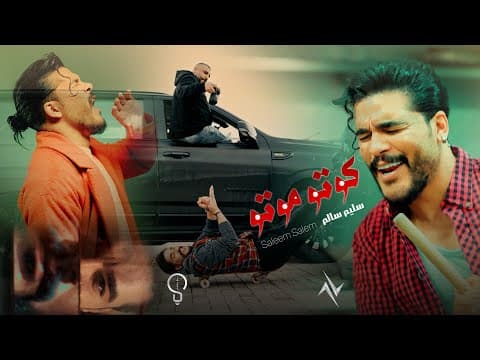
كوتو موتو
"Koto Moto" (كوتو موتو) by Salim Salem is a viral Iraqi pop song that captures the lighthearted, playful side of modern Arabic music. Here is an analysis of the track: 1. Overall Theme The song is a lighthearted and upbeat celebration of infatuation and "cuteness." It revolves around the singer pampering his partner, using "baby talk" and endearing terms to describe his affection and the joy his loved one brings him. 2. Key Lyrics Analysis * The Title "Koto Moto": This is a playful, nonsensical phrase used in many Arab dialects to describe something small, cute, or precious (often used when talking to children or pets). In this song, it serves as a "pet name" for his lover, signaling a relationship full of "Dala'a" (pampering/spoiling). * "Habibi el Helou" (My sweet beloved): The lyrics lean heavily on traditional "Ghazal" (flirtatious poetry) but updated for a modern audience. The singer focuses on the physical charm and the delightful personality of his partner. * Repetitive Hooks: Like many modern Iraqi hits, the lyrics are intentionally repetitive. This is designed to make the song catchy and "earworm" material, focusing more on the vibe and rhythm than on deep, metaphorical storytelling. 3. Emotional Tone The tone is cheerful, energetic, and flirtatious. It is a "feel-good" track devoid of the melancholy or "heaviness" often found in traditional Iraqi Maqams. It conveys a sense of innocence and pure fun, making it a popular choice for celebrations and dance floors. 4. Cultural Context * Social Media Influence: "Koto Moto" was produced during the era of TikTok and Instagram Reels. Its fast tempo and "cute" lyrical hook were specifically crafted to go viral as background music for short videos. * Modern Iraqi Pop: The song represents the "Iraqi Pop" or "Shababi" genre, which blends traditional Iraqi rhythmic structures (like the *Hacha* or *Chobi* influences) with modern electronic beats and synthesizer arrangements. * Nostalgia: The phrase "Koto Moto" actually has roots in older Egyptian pop culture (notably a song by the comedy trio *Tholathy Adwa'a El Masrah*), but Salim Salem repurposes it here into a modern Iraqi context. 5. Artist Context Salim Salem is a prominent figure in the contemporary Iraqi music scene, known for his ability to produce massive commercial hits. He specializes in songs that are rhythmic, easy to memorize, and highly danceable. "Koto Moto" fits perfectly into his discography as a "trend-setter" song, following the success of his other tracks like "Agaz" and "Dakeit," cementing his reputation as a master of modern, viral Iraqi pop.